

P0102 on 2022-2025 Acura MDX: MAF Circuit Low Causes and Fixes
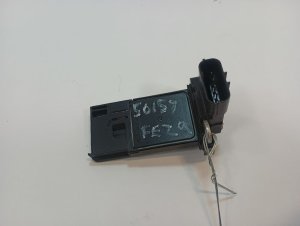
The P0102 code on a 2022-2025 Acura MDX most often points to a dirty Mass Air Flow (MAF) sensor. The most common and cost-effective first step is to clean the sensor using a dedicated MAF sensor cleaner, which costs around $15. If cleaning doesn't resolve the issue, a replacement MAF sensor may be needed. The OEM part number for the sensor is 37980-RC0-M01.
- P0102 on your MDX means the MAF sensor is sending a low signal, usually due to being dirty. Cleaning it is the first, most effective step.
- Before replacing the sensor, always check for simpler issues like a clogged air filter or a cracked/loose air intake hose.
- Be careful not to turn on the car's electronics with the MAF sensor unplugged to avoid triggering a cascade of other warning lights.
- The correct OEM replacement part number for the MAF sensor is 37980-RC0-M01.
What's Unique About the 2022-2025 Acura MDX
The 2022-2025 Acura MDX is part of the fourth generation (YD8) and primarily uses a 3.5L V6 engine (J35Y5) or a 3.0L Turbo in the Type S. While this code is a generic powertrain code, Honda and Acura vehicles are known for being sensitive to MAF sensor contamination. Often, the first and most effective step is simply cleaning the sensor. Issues like a loose connector or a vacuum leak in the intake hose are also common culprits that can trigger this specific code. This generation MDX is built on the 'Global Light Truck Platform,' which is shared with the Honda Pilot, Passport, and Ridgeline, meaning they may exhibit similar intake system characteristics.
Symptoms You May Notice
- Check Engine Light is on
- Engine runs rough or has an unstable idle
- Engine stalls, especially after starting or when coming to a stop
- Hesitation or lack of power during acceleration
- Decreased fuel economy
- Black smoke from the exhaust
- Vehicle enters 'limp mode' with multiple warning lights (VSA, etc.) illuminated.
- Replacing the oxygen (O2) sensors. While O2 sensors are part of the fuel control system, P0102 specifically points to a problem in the MAF circuit before the engine.
Most Likely Causes
- Dirty or Contaminated MAF Sensor 🔴 High Probability → Shop Fuel Injection Air Flow Meter This is the most frequent cause for P0102 across many vehicles, including Acuras. Oil vapors from the crankcase ventilation system or fine dust that gets past the air filter can coat the delicate sensor wire.
How to confirm: Visually inspect the MAF sensor's wire or film element. If it appears dirty, oily, or has debris on it, it needs cleaning.
Typical fix: Clean the sensor using a dedicated Mass Air Flow sensor cleaner spray. Do not use other chemicals like brake or carb cleaner, as they will damage the sensor. Let it air dry completely before reinstalling.
Est. part cost: $10-$20 for cleaner spray - Clogged or Dirty Engine Air Filter 🟡 Medium Probability → Shop Air Cleaner Assembly
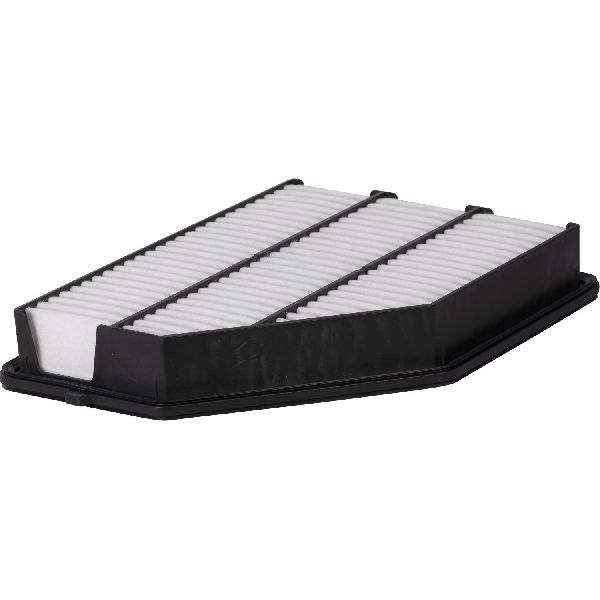
How to confirm: Inspect the engine air filter. If it is visibly dirty, black, or clogged with debris, it is restricting airflow and can cause the MAF to read low.
Typical fix: Replace the engine air filter. This is a simple and inexpensive maintenance item.
Est. part cost: $25-$60 - Vacuum Leak / Cracked Intake Boot 🟡 Medium Probability The flexible rubber or plastic intake tube between the air filter box (where the MAF is) and the throttle body can crack with age and heat, allowing unmetered air to enter the engine. A Reddit user confirmed a cracked air tube could cause this code.
How to confirm: Visually inspect the entire air intake path for cracks, loose clamps, or disconnected hoses. A smoke test can be performed to find leaks that are not visible.
Typical fix: Replace the cracked intake boot or tighten loose clamps.
Est. part cost: $50-$150 for a new intake boot - Faulty MAF Sensor ⚪ Low Probability → Shop Fuel Injection Air Flow Meter
How to confirm: If cleaning the sensor and checking for leaks doesn't solve the problem, the sensor itself may have failed. A diagnostic scan tool can monitor the MAF sensor's output (in grams/second) to see if it responds correctly to changes in engine RPM. A reading that is stuck, erratic, or near zero with the engine running indicates a failed sensor.
Typical fix: Replace the Mass Air Flow sensor. The OEM part number is 37980-RC0-M01.
Est. part cost: $150-$300
Rare But Worth Checking
- Wiring or Connector Issue: The wiring harness or the connector pins for the MAF sensor can become damaged, corroded, or loose, causing a low or intermittent signal. Check for a solid connection and inspect for any damage to the wires before replacing expensive parts.
- Faulty Powertrain Control Module (PCM): This is extremely rare. The PCM should only be considered after all other possibilities (sensor, wiring, leaks) have been exhaustively ruled out.
Diagnosis Steps
- Read the code with an OBD-II scanner and note any other codes present.
- Check the engine air filter. If it's dirty, replace it.
- Visually inspect the air intake system between the MAF sensor and the engine for any cracks, loose hoses, or disconnected parts.
- Inspect the MAF sensor's electrical connector for a secure fit and look for any corrosion or damage to the pins and wires.
- If the visual inspection checks out, carefully remove the MAF sensor.
- Clean the sensor using a dedicated MAF sensor cleaner spray. Let it air dry completely before reinstalling. IMPORTANT: Do not turn the vehicle's ignition or electronics on while the MAF sensor is disconnected. Doing so can trigger a cascade of other unrelated error codes (ACC, VSA, etc.) that may take a few minutes of driving to clear themselves.
- Clear the code with the scanner and perform a test drive to see if the code returns.
- If the code returns, use a scan tool to monitor the MAF sensor's live data. The reading in grams per second (g/s) should increase smoothly as you raise the engine RPM. If it's stuck near zero or doesn't change, the sensor is likely faulty.
- If the sensor appears to be working, a smoke test may be necessary to find a hard-to-see vacuum leak.
Parts You'll Likely Need
- Mass Air Flow (MAF) Sensor
(OEM #37980-RC0-M01)— This is the primary component in the circuit. It is often replaced if cleaning it does not resolve the issue. The OEM part is confirmed to be 37980-RC0-M01.
Trusted brands: Denso, Hitachi, Standard Motor Products
OEM price range: $240-$345
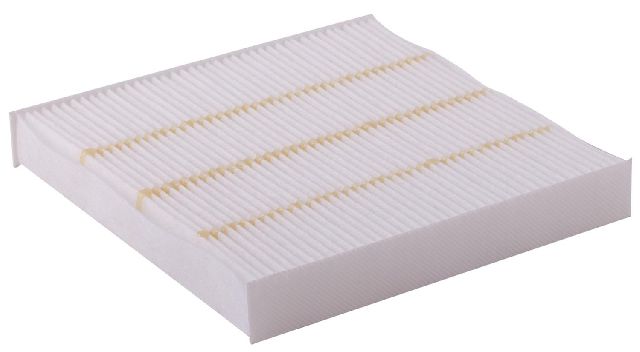
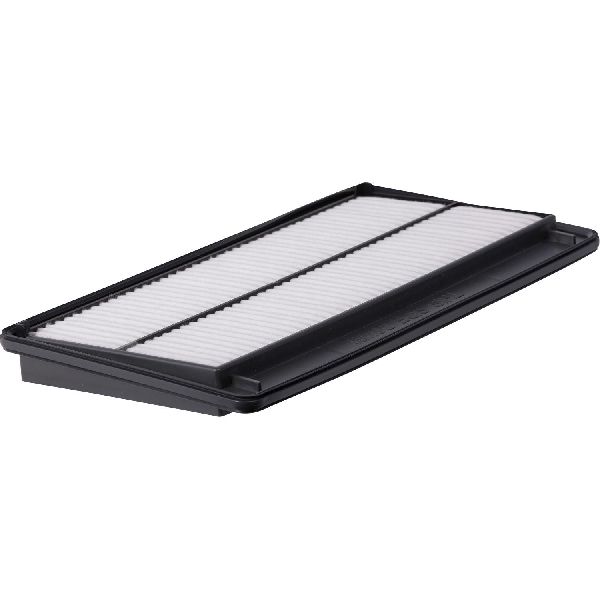
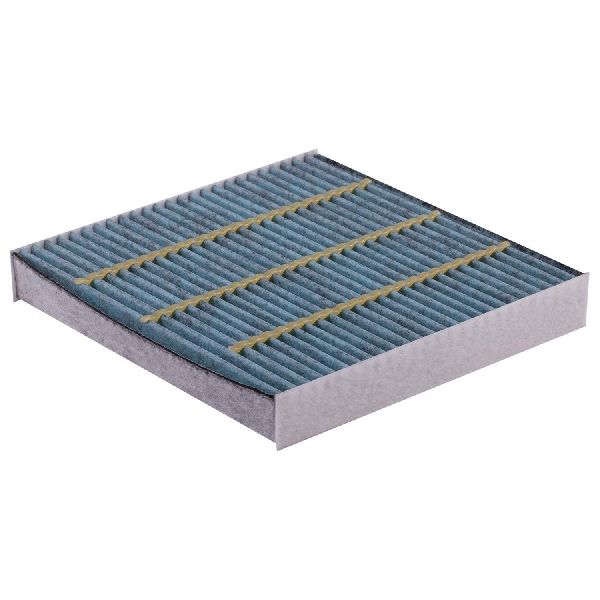
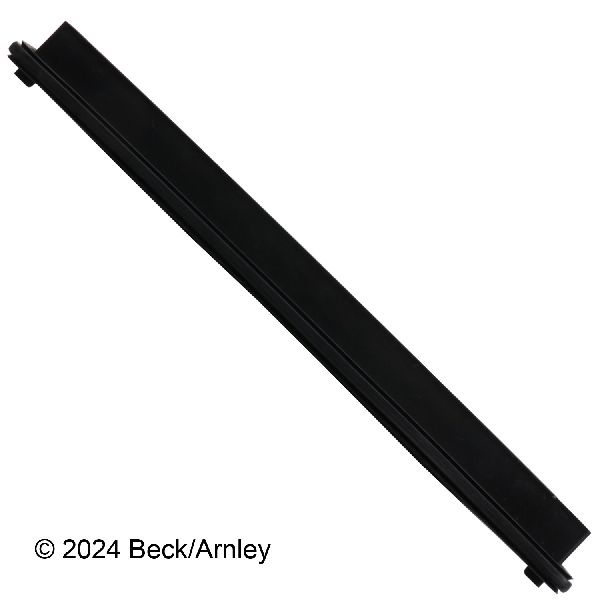
Aftermarket price range: $70-$150 - Engine Air Filter — A clogged air filter can restrict airflow and cause the P0102 code. It's an inexpensive and routine maintenance item that should be checked first.
Trusted brands: Denso, Fram, Wix
OEM price range: $40-$60
Aftermarket price range: $25-$40
Related Codes That Often Appear With This One
- P0113 — The Intake Air Temperature (IAT) sensor is often integrated into the MAF sensor housing on Honda/Acura vehicles. A fault with the MAF sensor or its connector can trigger a related IAT code, as seen in forum posts where both codes appeared together.
- P0171 — If a vacuum leak is present after the MAF sensor, unmetered air enters the engine. The MAF sensor reports low airflow (P0102), but the oxygen sensors detect the extra air as a lean condition, triggering a P0171 (System Too Lean) code.
Technical Service Bulletins (TSBs) & Recalls
- No TSBs specifically addressing the P0102 code on the 2022-2025 MDX were found, suggesting it is not a widespread pattern failure requiring a specific dealer campaign.
- TSB B23-033: Addresses infotainment issues including popping/cracking audio and blank screens.
- TSB 23-019: Addresses a clunking noise from the steering area caused by a loose outer tie rod nut.
Mechanic-Grade Diagnostic Values
- MAF Sensor Signal Voltage at Idle — expected: ~0.5V - 1.5V. Failure: Voltage is below 0.5V, stuck, or does not rise smoothly when revving the engine. A reading of 0.1V or less confirms a fault condition.
- MAF Sensor Live Data (g/s) at Idle — expected: Approximately 2-4 g/s for a similar displacement engine.. Failure: Reading is near zero, does not increase when the engine is revved, or is erratic.
- MAF Sensor Live Data (g/s) at Full Throttle — expected: Should be close to 100 g/s under full throttle load for a similar displacement engine.. Failure: Reading is significantly lower than expected under load.
- MAF Sensor Live Data Proportionality Check — expected: The g/s reading should roughly double when the engine RPM is doubled (e.g., from 1000 RPM to 2000 RPM).. Failure: The g/s reading does not increase proportionally with RPM.
Scan Tool Commands That Help
- Honda Diagnostic System (HDS): MAF Sensor Data List — This is the primary function to view live data from the MAF sensor in both grams/second (g/s) and volts. It is used to confirm if the sensor's output signal is too low, stuck, or not responding to engine speed changes.
- Honda Diagnostic System (HDS): Reset ECM / ECM Idle Learn Procedure — This procedure should be performed after replacing the MAF sensor or cleaning the throttle body. It clears the old learned fuel trim and idle values, allowing the PCM to relearn with the new/clean component, which is critical for resolving performance issues.
Wiring & Ground Locations
- G101 (example) — A main engine harness ground is typically located on the driver's side of the intake manifold.. The MAF sensor, like many other engine sensors, relies on a clean and solid ground connection to provide an accurate voltage signal. A corroded or loose main engine ground can cause a voltage drop, leading to a P0102 code even if the sensor and its dedicated wiring are fine.
- Transmission Ground — There is a key ground point on the transmission casing.. This is another primary chassis ground point for the powertrain. If this connection is loose or corroded, particularly after transmission service, it can cause various electrical issues, including sensor circuit faults.
- MAF Sensor Connector — On the MAF sensor itself, located in the air intake tube between the air filter box and the throttle body.. The connector pins can become corroded or the wires can become frayed or damaged, causing a poor connection and a low voltage signal. A visual inspection of the connector and its harness is a critical first step.
OEM Part Supersession History
37980-RAD-L11→37980-RV0-A01— Part number evolution for different vehicle applications.37980-RV0-A01→37980-RC0-M01— Part number evolution for different vehicle applications. 37980-RC0-M01 is the specified part for the 3.5L MDX.
Heads up: While multiple part numbers exist for Honda/Acura MAF sensors, using the exact specified part number (37980-RC0-M01 for the 3.5L) is critical for correct calibration.N/A→37980-5BA-A01— This part number is specified for the 3.0L Turbo (Type S) engine.
Heads up: The MAF sensor for the 3.0L Turbo engine (37980-5BA-A01) is different from the one used in the 3.5L engine (37980-RC0-M01) and they are not interchangeable.
Diagnostic Flowchart
Other Known Issues on This Vehicle
Issues unrelated to this code that are worth knowing about as an owner of this generation:
- Infotainment System Glitches (Blank Screen, Freezing, Audio Pop) 🟠 Medium — Common complaint across the 4th generation MDX. Problems include blank screens, random reboots, audio popping/cracking, and Apple CarPlay/Android Auto connectivity failures. (Ref: TSB B23-033 addresses popping/cracking audio and blank screens. A recall (NHTSA #25V-032) was issued for 9,221 2025 MDX models for the center display going blank.)
- Auto Idle-Stop Failure to Restart 🔴 High — A widely reported issue where the engine fails to restart after an auto idle-stop event, potentially leaving the vehicle stranded in traffic. This was the subject of a class-action lawsuit for 2015-2020 models and continues to be a complaint in newer models. Often related to a weakening battery but can be a system fault. (Ref: Acura has issued warranty extensions and service bulletins (e.g., for starter replacement) on previous generations for this issue.)
- Rear Brake Area Noise 🟡 Low — Some owners report a screeching or scraping noise from the rear wheels. This is often not a brake pad issue. (Ref: Acura has a Service Bulletin acknowledging that rocks can get caught between the rear brake disc and the splash guard, causing the noise.)
- Steering Clunk/Knock when Turning 🟠 Medium — Some owners may hear a clunking or knocking sound from the front steering/suspension area while turning. (Ref: Acura Service Bulletin 23-019 addresses this, noting the cause can be a loose outer tie rod end nut that needs to be retorqued and secured with a new cotter pin.)
Used vs. New Parts: Buying Guide for This Vehicle
When a used part is the smart pick: A used OEM MAF sensor from a low-mileage donor vehicle can be a cost-effective alternative to a new OEM part, especially if the failure is confirmed to be the sensor itself and not wiring or contamination. It is generally a better choice than a new, non-reputable aftermarket sensor.
Donor-vehicle mileage cap: roughly under 60000 miles for the part to have meaningful remaining life.
What to inspect on the donor part:
- Verify the part number on the sensor matches the required OEM number (37980-RC0-M01 for 3.5L, 37980-5BA-A01 for 3.0L).
- Inspect the sensor element for any physical damage, heavy contamination, or signs of previous cleaning (scratches).
- Check the connector housing for cracks or broken locking tabs.
- Ensure the donor vehicle was not in a front-end collision that could have damaged the intake system.
OEM-only on this vehicle (don't cheap out):
- Mass Air Flow (MAF) Sensor: While some high-quality aftermarket options exist, many forum users and mechanics report issues with incorrect calibration from cheaper aftermarket MAF sensors, leading to persistent drivability problems. Sticking with OEM (Honda) or the original equipment manufacturer (Hitachi or Denso) is strongly recommended.
Aftermarket brands forum-validated for this vehicle:
- Hitachi (often the original manufacturer for Honda).
- Denso (a primary OEM supplier for many Japanese vehicles).
Brands owners have reported issues with on this vehicle:
- Unbranded or 'white-box' sensors from online marketplaces.
- Some users have reported issues with store brands like Duralast causing immediate running problems or incorrect torque converter behavior on other vehicles, suggesting calibration issues.
Real Owner Stories
Aggregated from forums and TSBs cited above. Mileages and costs reflect what owners reported in those sources.
2022-2025 Acura MDX
Symptoms: After cleaning the MAF sensor, the user turned on the vehicle's electronics while the sensor was still disconnected, which triggered a cascade of errors including ACC, Collision Mitigation, and VSA warnings.
What fixed it: The errors cleared on their own after a short drive.
Source hint: Acurazine: MAF sensor cleaning triggered multiple other warnings
Acura RDX (Platform Mate)
Symptoms: Experienced P0102 and P0113 codes together, resulting in limp mode, poor idle, low power, and a rich fuel smell.
What fixed it: Standard diagnostic procedure for P0102 (checking for wiring/ground issues, cleaning the sensor, or checking for intake leaks).
Source hint: Acurazine: P0102 and P0113 with Limp Mode
Related OBD-II Codes
Frequently Asked Questions
What is the specific OEM part number for a replacement MAF sensor on my 2022-2025 Acura MDX?
I'm seeing multiple warning lights like VSA and ACC after cleaning my MAF sensor. Did I break something?
Does TSB B23-033 address the P0102 code on my MDX?
Could a clunking noise in my steering be related to the P0102 code?
Is there a recall for the blank center display on the 2025 MDX?
Can a rock in my brakes cause the limp mode associated with P0102?
Helpful Videos
Used OEM Parts in Stock
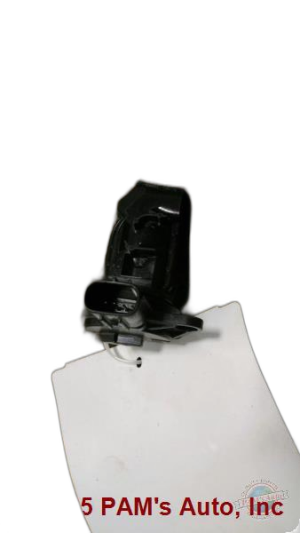
New Aftermarket Parts Available

The information in this article is provided for general reference and educational purposes only. Vehicle specifications, procedures, and part compatibility can vary by production date, trim level, and region. Always consult your vehicle's factory service manual and verify part numbers before purchasing or performing repairs. Safety-critical components such as airbags, seat belts, and braking systems should be installed by a qualified professional.
- Acura MDX:
- 🧭 Diagnostic Flowchart
- 🎬 Helpful Videos
- 🛍️ Shop This Part
- What's Unique About the 2022-2025 Acura MDX
- Symptoms You May Notice
- Most Likely Causes
- Rare But Worth Checking
- Diagnosis Steps
- Parts You'll Likely Need
- Related Codes That Often Appear With This One
- Technical Service Bulletins (TSBs) & Recalls
- Mechanic-Grade Diagnostic Values
- Scan Tool Commands That Help
- Wiring & Ground Locations
- OEM Part Supersession History
- Other Known Issues on This Vehicle
- Used vs. New Parts: Buying Guide for This Vehicle
- Real Owner Stories
- 2022-2025 Acura MDX
- Acura RDX (Platform Mate)
- Related OBD-II Codes
- Frequently Asked Questions
- 🎟️ Get 5% Off