

P0102 on 1999-2009 Saab 9-5 2.3L Turbo: Mass Air Flow Circuit Low Causes and Fixes
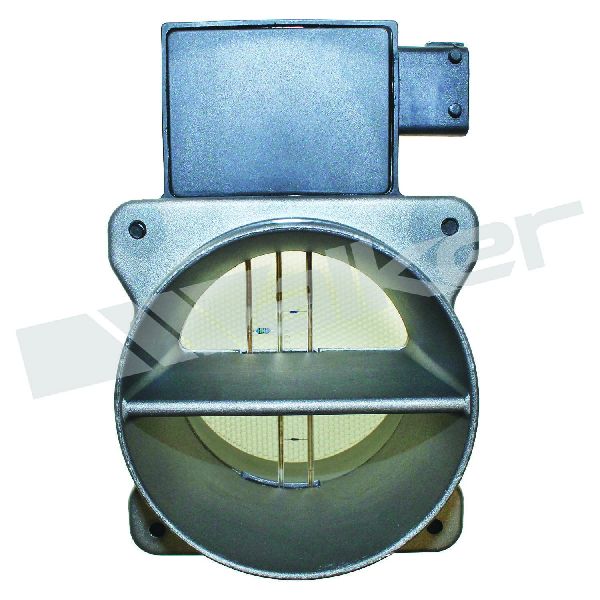
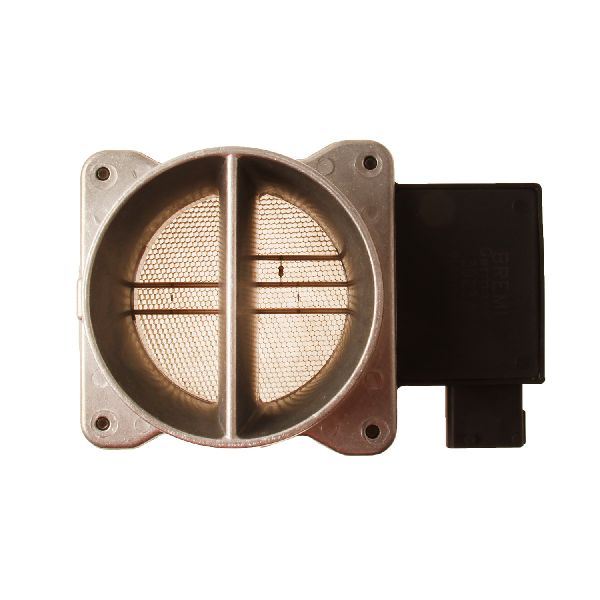
On a Saab 9-5 with the B235 engine, code P0102 most often means the Mass Air Flow (MAF) sensor has failed. Before replacing it, check for major air leaks in the intake hoses, particularly the large 'cobra' pipe to the turbo. Always use a high-quality OEM Bosch replacement sensor (Part No. 55557008), as Saab's Trionic 7 system is extremely sensitive to aftermarket parts. Expect to pay around $90-$140 for the correct part.
- P0102 on a Saab 9-5 almost always points to a failed MAF sensor or a large vacuum leak.
- Before spending money, inspect the intake hose for cracks and consider cleaning the MAF sensor with a dedicated cleaner.
- It is critical to use a high-quality OEM (Bosch) or equivalent MAF sensor; cheap aftermarket parts are known to cause problems with Saab's Trionic ECU.
- Check the health of your PCV system, especially on pre-2004 models, as a bad PCV system can cause repeat MAF failures.
What's Unique About the 1999-2009 Saab 9-5
Saab's B235 engine, especially in pre-2004 models, is known for issues with its Positive Crankcase Ventilation (PCV) system. A failing PCV system can lead to oil sludge and allow oil vapor to contaminate the intake tract, fouling the sensitive MAF sensor and causing it to fail. Additionally, the Trionic 7 engine management system is notoriously sensitive, and owners widely report that only an OEM Bosch MAF sensor works reliably; cheaper aftermarket sensors often fail quickly or cause other performance issues. The B235 also uses lightweight internal components compared to the older B234, making it potentially more susceptible to damage from a poor air-fuel ratio caused by a faulty MAF.
Generation note: This range covers the entire first generation of the Saab 9-5 (YS3E), including the 1999-2005 original and the 2006-2009 facelift. The core B235 engine and MAF sensor location are similar. However, the PCV system was updated for the 2004 model year to be more robust. Pre-2004 models are more susceptible to PCV-related sludge issues that can contribute to MAF sensor contamination. The official fix is the 'PCV Update Kit #6' (Part No. 55561200).
Symptoms You May Notice
- Check Engine Light is on
- Engine speed drops slower than normal when releasing the gas pedal
- Hesitation or lack of power during acceleration
- Rough or uneven idle
- Engine may stall, especially when coming to a stop
- Reduced fuel economy
- Possible engine misfires
- Engine runs rich, possibly with black smoke from exhaust
- Replacing oxygen (O2) sensors. While a bad MAF can affect O2 sensor readings, the P0102 code points specifically to the MAF circuit, so the MAF system should be diagnosed first.
- Replacing the throttle body. A faulty throttle body would typically generate different trouble codes.
Most Likely Causes
- Failed Mass Air Flow (MAF) Sensor 🔴 High Probability → Shop Fuel Injection Air Flow Meter The Saab WIS service manual states this is the most common cause, indicating an internal sensor fault. The sensors are known to fail over time from heat and contamination, and the Trionic 7 system is highly dependent on an accurate MAF signal.
How to confirm: With the engine idling, unplug the MAF sensor's electrical connector. If the idle smooths out or the engine runs better, the sensor is faulty. You can also monitor live data with a scan tool; a warm engine at idle should read 3.5-4.5 g/s. A reading of 0, 1.5 g/s, or an erratic signal points to a bad sensor or wiring issue.
Typical fix: Replace the MAF sensor. It is highly recommended to use an OEM Bosch part (Bosch P/N 0 280 218 060, Saab P/N 55557008).
Est. part cost: $90-$140 - Vacuum or Intake Air Leak 🟡 Medium Probability Rubber and plastic intake hoses can crack and become brittle with age and heat. Common failure points include the 'cobra' intake pipe to the turbo, intercooler hoses, and various vacuum lines. A large leak after the MAF allows unmetered air, causing the sensor to report a low value.
How to confirm: Visually inspect all intake ducting between the air filter box and the throttle body for cracks, loose clamps, or disconnections. Pay close attention to the large cobra pipe. A smoke test is the most effective way to find hidden leaks.
Typical fix: Tighten loose clamps or replace the cracked/damaged intake hose(s).
Est. part cost: $30-$100 - Dirty or Contaminated MAF Sensor 🟡 Medium Probability → Shop Fuel Injection Air Flow Meter A failing PCV system can introduce oil vapors into the intake, which coat the MAF sensor's delicate hot wire. Over-oiled aftermarket air filters are also a common source of contamination.
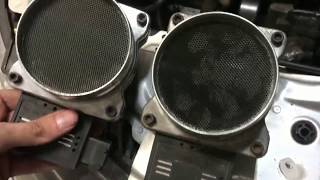
How to confirm: Remove the sensor and visually inspect the small wires inside the housing. If they appear oily, grimy, or coated with debris, they are contaminated.
Typical fix: Clean the sensor element using only dedicated MAF sensor cleaner spray. 🎬 See how to clean your MAF sensor safely Do not touch the wires and allow it to air dry completely before reinstalling. Note that cleaning is often only a temporary fix for a failing sensor.
Est. part cost: $10-$15 - Damaged Wiring or Electrical Connector ⚪ Low Probability
How to confirm: Visually inspect the MAF sensor connector and nearby wiring for any signs of corrosion, stretched or broken wires, or loose pins. Wiggle the connector with the engine running to see if it affects the idle. Use a multimeter to check for proper voltage (12V), ground, and signal continuity at the connector pigtail.
Typical fix: Repair the damaged section of wiring or replace the connector pigtail.
Est. part cost: $15-$50
Rare But Worth Checking
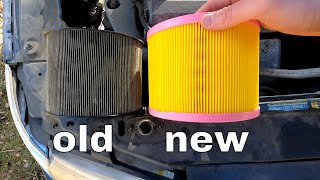
- Clogged Engine Air Filter: → Shop Air Cleaner Assembly A severely clogged air filter can restrict airflow enough to cause a low reading. It's a simple and inexpensive check that should be part of routine diagnosis.
Diagnosis Steps
- Read the code with an OBD-II scanner and check for any other stored codes. Note freeze frame data if available.
- Visually inspect the entire air intake system from the air filter box to the throttle body. Look for obvious cracks in the rubber hoses (especially the cobra pipe), loose clamps, or disconnected tubes.
- Inspect the MAF sensor's electrical connector. Ensure it is securely plugged in and check for corrosion or damaged wires. Wiggle the harness to check for intermittent faults.
- If no obvious leaks are found, try cleaning the MAF sensor. Remove it from the housing and spray the internal wires with dedicated MAF sensor cleaner. Let it dry completely before reinstalling.
- Clear the code and test drive the vehicle. If the code returns, proceed to the next step.
- Use a scan tool to monitor the MAF sensor's live data in grams per second (g/s). A warm, idling B235 engine should read approximately 3.5-4.5 g/s. The reading should increase smoothly as you raise the engine RPM. A reading of 0, 1.5, or a value that doesn't change with RPM points to a bad sensor or wiring issue.
- Perform the 'unplug test': with the engine idling, disconnect the MAF sensor. If the idle stabilizes or improves, the MAF sensor is almost certainly the culprit.
- If a new MAF sensor does not resolve the issue, perform a smoke test to find hard-to-see vacuum leaks.
- As a final step, check the PCV system hoses for blockages or deterioration, as a faulty system can cause repeat contamination of the new MAF sensor. Consider installing the PCV #6 update kit (P/N 55561200) on pre-2004 models.
Parts You'll Likely Need
- Mass Air Flow Sensor
(OEM #55557008)— The Saab factory service manual and extensive owner experience indicate this is the most common failure part for code P0102.
Trusted brands: Bosch (OEM), Professional Parts Sweden
OEM price range: $110-$140
Aftermarket price range: $90-$120 - PCV Update Kit #6
(OEM #55561200)— For pre-2004 models, this is a preventative measure to stop the root cause of oil contamination that often leads to repeated MAF sensor failures.
Trusted brands: Saab (Genuine), Proparts
OEM price range: $80-$130
Aftermarket price range: $70-$100
Related Codes That Often Appear With This One
- P0101 — This code indicates 'MAF Circuit Range/Performance'. It can appear alongside P0102 if the sensor is failing intermittently or providing erratic, but not completely dead, signals.
- P0103 — This code for 'MAF Circuit High Input' can appear with P0102 if there are severe electrical issues causing the signal to fluctuate wildly between high and low.
- P0171 — This code for 'System Too Lean' can be triggered by a large vacuum leak. The leak allows unmetered air in, causing a lean condition (P0171), while the MAF sensor correctly reports low airflow through it (P0102).
Platform-Specific Known Issues
- Early B235 engines (approx. 1999-2003) were fitted with a PCV system that was prone to clogging and causing oil sludge. This can lead to increased crankcase pressure and oil vapor contamination of the intake system, which fouls and destroys the MAF sensor. An updated PCV kit, known as 'PCV Update #6' (P/N 55561200), is available and highly recommended to prevent recurrence.
Mechanic-Grade Diagnostic Values
- MAF Sensor Live Data (g/s) - Key On, Engine Off — expected: 1.50 g/s. Failure: A reading of 0 g/s or a significantly different value.
- MAF Sensor Live Data (g/s) - Engine at warm idle — expected: 3.50 - 4.50 g/s. Failure: A reading outside this range, or a value that is stuck and does not respond to RPM changes.
- MAF Sensor Signal Frequency - Fault Trigger — expected: Above 500 Hz during normal operation. Failure: The ECU sets P0102 if the frequency drops below 500 Hz for more than 0.5 seconds.
- MAF Sensor Connector Pin 3 Voltage — expected: B+ (approx. 12V) with ignition on. Failure: No voltage indicates a problem with the main relay or supply wiring.
Scan Tool Commands That Help
- Saab Tech 2 or equivalent: Read Values: Mass Air Flow — Use this to monitor the live g/s reading from the MAF sensor to verify if it's within the expected range at idle (3.5-4.5 g/s) and responds correctly to throttle input.
- Saab Tech 2 or equivalent: Read Values: Air Mass Deviation from Calculated — This parameter compares the measured MAF value against what the ECU expects based on other sensors. A high percentage deviation can indicate a vacuum leak or a failing sensor.
Wiring & Ground Locations
- G7 — On the side of the intake manifold, near cylinder 4.. This is the specific grounding point for the Mass Air Flow sensor. A corroded or loose connection here will cause a faulty signal and can trigger a P0102 code.
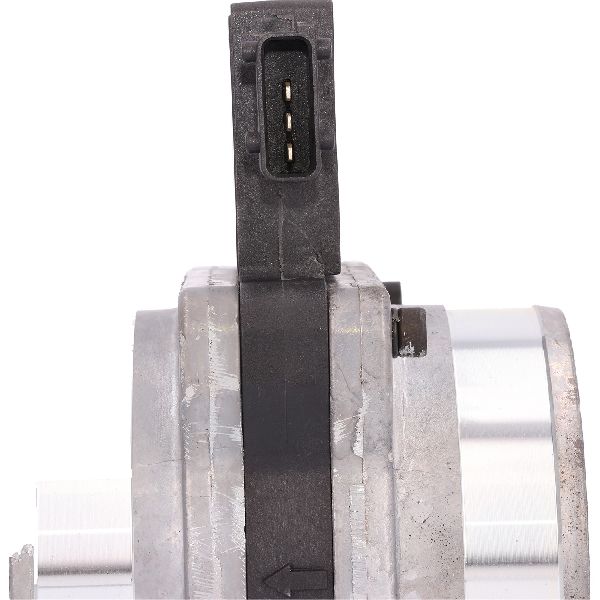
- MAF Connector Pin 3 — On the 3-pin electrical connector at the MAF sensor.. This pin receives B+ (battery voltage) from the main relay to power the sensor. A lack of voltage here means the sensor is not powered on.
- Trionic 7 ECU Pin 65 — At the main Engine Control Unit connector.. This is the input pin that receives the frequency signal from the MAF sensor. The ECU has a 5V pull-up on this pin, and the sensor pulses it to ground. A short to ground or an open circuit on this wire will cause a P0102.
"I Checked Everything" — The Actual Cause
- A leaking oil filler cap seal can introduce unmetered air into the crankcase, which is then drawn into the intake via the PCV system, causing the MAF to under-read airflow. This type of leak may not be apparent during a standard intake smoke test but can be found by checking the cap for a loose fit or listening for hissing at idle.
- A stuck-open EVAP (Evaporative Emission) purge valve can create a constant vacuum leak, pulling unmetered air from the charcoal canister into the intake manifold. This will cause the MAF to report low airflow and can trigger P0102 and/or P0171 (System Too Lean). Technicians may miss this if they only smoke test the intake tract and not the EVAP system itself.
OEM Part Supersession History
9173386→55557008— Standard part update and consolidation.
Model Year Variations Within This Range
- 1999-2003: These earlier models are equipped with a less effective PCV system prone to sludging, which is a primary cause of MAF sensor contamination and failure. The PCV Update Kit #6 (P/N 55561200) is highly recommended for these years.
- 2006-2009: These models feature a significant cosmetic facelift (nicknamed 'Dame Edna') but the underlying B235 engine, Trionic 7 ECU, and MAF sensor system related to code P0102 remain functionally identical to the 2004-2005 models.
Diagnostic Flowchart
Other Known Issues on This Vehicle
Issues unrelated to this code that are worth knowing about as an owner of this generation:
- Direct Ignition Cassette (DIC) Failure 🔴 High — Very common failure item, often between 80,000-120,000 km. Many owners carry a spare. Can cause sudden stalling without warning. (Ref: NHTSA Recall 05V-399 / 06V-410 for 2000-2003 models due to potential burnout and stalling.)
- Engine Oil Sludge (pre-2004 models) 🔴 High — A notorious issue on 1999-2003 models due to an inadequate PCV system and catalytic converter heat. Can lead to catastrophic engine failure if oil pickup is blocked. (Ref: Not a formal recall, but Saab issued multiple PCV system updates, culminating in 'PCV kit #6' (P/N 55561200) as the recommended fix.)
- SID (Saab Information Display) Pixel Failure 🟡 Low — Extremely common on 1998-2005 models. The display loses pixels, becoming unreadable, especially in temperature extremes. Caused by a faulty ribbon cable.
- Crankshaft Position Sensor (CPS) Failure 🟠 Medium — Common failure that causes a no-start condition when the engine is hot, but often works again once cooled. The sensor is located in a high-heat area.
- Climate Control Blend Door Arm Failure 🟠 Medium — A small plastic arm in the HVAC system breaks, causing a loss of temperature control on one side of the cabin. A common annoyance requiring dashboard disassembly to fix properly.
Used vs. New Parts: Buying Guide for This Vehicle
When a used part is the smart pick: Used parts are a reasonable choice for simple, non-electronic components like intake hoses (cobra pipe, intercooler hoses) or the plastic airbox housing, provided they are thoroughly inspected.
Donor-vehicle mileage cap: roughly under 80000 miles for the part to have meaningful remaining life.
What to inspect on the donor part:
- For hoses: Check for pliability, ensure there are no visible cracks, and squeeze the rubber to feel for hard or brittle spots.
- For a MAF sensor: Only consider a used part if it is a confirmed genuine Bosch unit. Inspect the connector for corrosion and the sensor element for physical damage or heavy oil contamination.
OEM-only on this vehicle (don't cheap out):
- Mass Air Flow (MAF) Sensor: The Saab Trionic 7 engine management system is extremely sensitive to the MAF signal. Overwhelming community and professional feedback indicates that only the OEM Bosch sensor (P/N 55557008) works reliably. Aftermarket sensors are a very common cause of repeat failures or new, different running issues.
Aftermarket brands forum-validated for this vehicle:
- Bosch (For the MAF sensor, this is the OEM and the only recommended brand)
- Proparts or Genuine Saab (For the PCV Update Kit)
Brands owners have reported issues with on this vehicle:
- Any unbranded, 'white-box', or low-cost aftermarket Mass Air Flow sensors. They are widely reported to fail quickly or provide incorrect data, leading to persistent problems.
Real Owner Stories
Aggregated from forums and TSBs cited above. Mileages and costs reflect what owners reported in those sources.
1999-2003 Saab 9-5 B235
Symptoms: The engine was suffering from oil sludge issues due to an inadequate PCV system, which led to oil vapor contamination of the intake system and fouled the MAF sensor.
What fixed it: Installed the updated PCV kit, known as 'PCV Update #6' (P/N 55561200).
Source hint: vehicle_specific_issues
1999-2009 Saab 9-5 2.3L Turbo
Symptoms: The car had a rough idle, but when the MAF sensor was unplugged, the idle smoothed out and the engine ran better.
What fixed it: Replacement of the MAF sensor with an OEM Bosch part.
Source hint: saabcentral.com forum citations
1999-2009 Saab 9-5 2.3L Turbo
Symptoms: Difficulty with intake hose issues and unmetered air entering the system through the 'cobra' intake pipe.
What fixed it: Repairing or tightening the intake ducting/cobra pipe to eliminate leaks.
Source hint: reddit.com/r/saab thread about a 'cobra pipe'
Related OBD-II Codes
Frequently Asked Questions
Is there a specific brand of MAF sensor I should use for my Saab 9-5 B235 engine?
My 2002 Saab 9-5 is throwing P0102; is there a recall for this?
How can I quickly check if the MAF sensor is the cause of my rough idle?
Can a problem with my PCV system cause the P0102 code to return?
What should the MAF sensor readings look like on a scan tool for a healthy B235 engine?
Could an aftermarket air filter be causing my P0102 code?
Helpful Videos

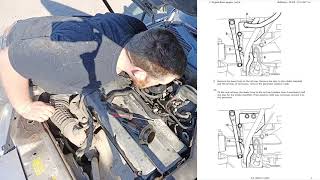
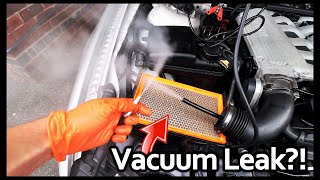
We Have This Part in Stock
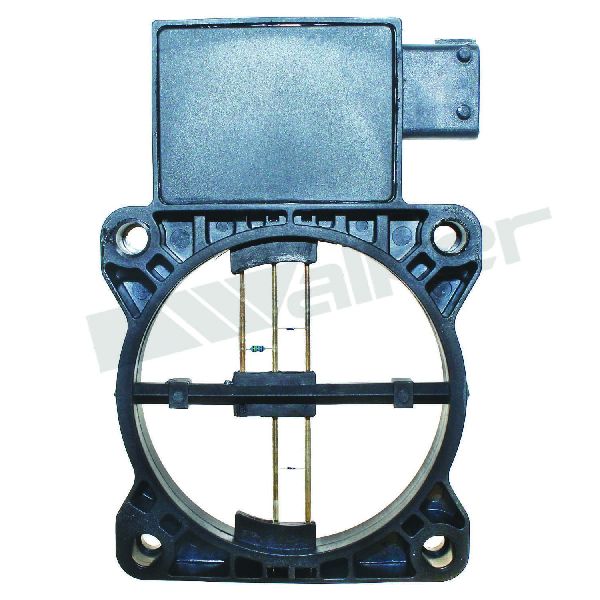
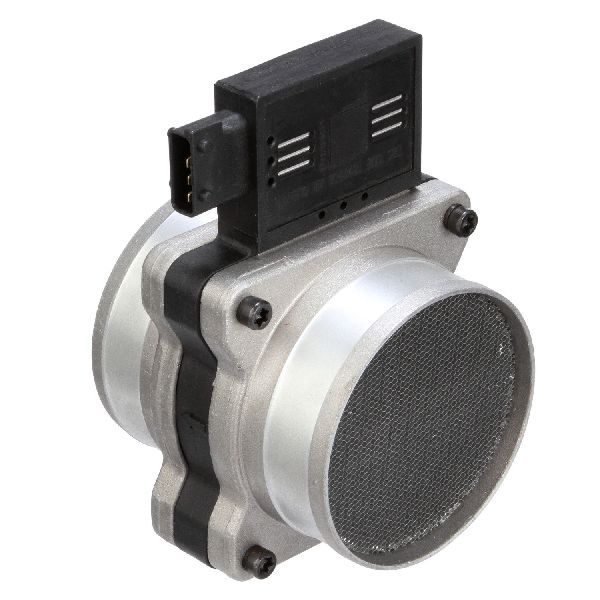


The information in this article is provided for general reference and educational purposes only. Vehicle specifications, procedures, and part compatibility can vary by production date, trim level, and region. Always consult your vehicle's factory service manual and verify part numbers before purchasing or performing repairs. Safety-critical components such as airbags, seat belts, and braking systems should be installed by a qualified professional.
- Saab 9-5:
- 🧭 Diagnostic Flowchart
- 🎬 Helpful Videos
- 🛍️ Shop This Part
- What's Unique About the 1999-2009 Saab 9-5
- Symptoms You May Notice
- Most Likely Causes
- Rare But Worth Checking
- Diagnosis Steps
- Parts You'll Likely Need
- Related Codes That Often Appear With This One
- Platform-Specific Known Issues
- Mechanic-Grade Diagnostic Values
- Scan Tool Commands That Help
- Wiring & Ground Locations
- "I Checked Everything" — The Actual Cause
- OEM Part Supersession History
- Model Year Variations Within This Range
- Other Known Issues on This Vehicle
- Used vs. New Parts: Buying Guide for This Vehicle
- Real Owner Stories
- 1999-2003 Saab 9-5 B235
- 1999-2009 Saab 9-5 2.3L Turbo
- 1999-2009 Saab 9-5 2.3L Turbo
- Related OBD-II Codes
- Frequently Asked Questions
- 🎟️ Get 5% Off