

P0106 on 2006-2010 Hummer H3: MAP Sensor Performance, Causes, and Fixes
Code P0106 on a Hummer H3 usually points to a problem with the Manifold Absolute Pressure (MAP) sensor or its wiring. A common cause is broken wiring near the sensor connector, as noted in a GM Technical Service Bulletin. Inspecting the wiring and cleaning or replacing the MAP sensor is the most likely fix. In some cases, especially with a rough idle, clogged camshaft actuator solenoid screens can also trigger this code.
- Always check the MAP sensor wiring first on a Hummer H3 with code P0106, as internal breaks near the connector are a known issue per a GM TSB.
- Cleaning the MAP sensor and throttle body is a simple, low-cost first step that can sometimes fix the problem.
- If the engine is also idling roughly, inspect and clean the camshaft actuator solenoid screens, another known issue for this code.
- Don't automatically assume the MAP sensor itself has failed; wiring and related components are common culprits on this specific vehicle.
What's Unique About the 2006-2010 Hummer H3
On the Hummer H3 and its platform mates (Chevy Colorado, GMC Canyon), code P0106 is specifically called out in manufacturer bulletins for two distinct issues beyond a simple failed sensor. The first, and most notable, is a tendency for the MAP sensor circuit wires to break internally near the connector, often with the insulation still intact. The second issue, detailed in TSB #PIP3694F, links P0106 to a rough idle caused by clogged camshaft actuator solenoid screens, which affects valve timing and, consequently, manifold pressure. These platform-specific issues mean that diagnosis should always begin with a wiring inspection before replacing the MAP sensor itself.
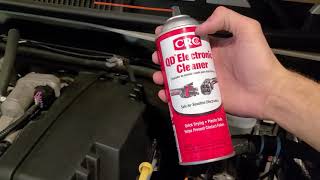
🎬 See how to diagnose and fix MAP sensor performance codes.Diagnostic Flowchart
Tap your situation to follow the diagnostic path that matches what you're seeing on this vehicle.
Symptoms You May Notice
- Check Engine Light is on
- Rough or fluctuating idle.
- Engine running rough (per TSB #PIP4409F).
- Hesitation or poor acceleration.
- Stalling at low speeds or when coming to a stop.
- Decreased fuel economy.
- Black smoke from the exhaust in some cases.
- Replacing the MAP sensor without first checking the wiring harness for breaks, as specified in TSB #PIP4409F.
- Confusing the MAP (Manifold Absolute Pressure) sensor with the MAF (Mass Air Flow) sensor. The H3 I5 engines have a MAP sensor, not a MAF sensor.
- Replacing camshaft position sensors when the actual fault lies with the camshaft actuator solenoid's cleanliness or function.
Most Likely Causes
- Broken MAP Sensor Circuit Wiring 🔴 High Probability → Shop Manifold Absolute Pressure Sensor GM Technical Service Bulletin #PIP4409F specifically calls out inspecting all Manifold Absolute Pressure sensor circuits for being broken internally, sometimes with the insulation intact. This is a well-documented failure point on Hummer and Colorado/Canyon forums, with the break typically occurring within inches of the connector due to engine vibration and harness stress.
How to confirm: Visually inspect and gently tug on the wires at the MAP sensor connector (the 'wiggle test'). If wiggling the wires with the engine running causes a change in idle, a break is likely. For a definitive test, check for continuity on each wire using a multimeter from the sensor connector to a point further down the harness. A low battery can also cause reference voltage issues, so ensure the battery is healthy.
Typical fix: Repair the broken wire(s) by soldering in a new section or replace the connector pigtail. The pigtail is an inexpensive and common repair part.
Est. part cost: $15-$40 - Dirty or Faulty Manifold Absolute Pressure (MAP) Sensor 🟡 Medium Probability → Shop Manifold Absolute Pressure Sensor The sensor's port can become clogged with carbon or oil deposits from the intake, leading to incorrect readings. A YouTube video for the H3 shows a quick cleaning can sometimes resolve the issue, especially if oil has pooled in the intake manifold.
How to confirm: Remove the sensor (held by a single 10mm bolt on the I5 engines) and inspect for contamination. Test the sensor's voltage output with a multimeter or view its live data on a scan tool to see if it responds correctly to vacuum changes (e.g., using a hand vacuum pump).
Typical fix: Clean the sensor port with electronics cleaner or MAF sensor cleaner. Do not use harsh chemicals like brake cleaner. If cleaning doesn't work, replace the MAP sensor.
Est. part cost: $45-$95 - Dirty Camshaft Actuator Solenoid Screens 🟡 Medium Probability → Shop Engine Camshaft TSB #PIP3694F notes that if a rough idle is present with P0106, the camshaft actuator solenoid screens should be inspected. Debris or sludge from infrequent oil changes can clog these small mesh screens, affecting variable valve timing and, in turn, manifold pressure. This is a known issue on the Atlas engine family.
How to confirm: Remove the camshaft actuator solenoid(s) and inspect the small mesh screens for sludge or debris. The solenoid is located on the side of the engine and held by a 10mm bolt. If screens are missing or damaged, the solenoid must be replaced.
Typical fix: Carefully clean the screens with brake cleaner or electronics cleaner and a soft brush. If damaged or heavily clogged, replace the solenoid. It is also recommended to perform an engine oil and filter change at the same time.
Est. part cost: $40-$80 per solenoid - Vacuum Leaks ⚪ Low Probability
How to confirm: Inspect all vacuum hoses connected to the intake manifold for cracks or disconnections. A common source can be the hose from the brake booster to the intake. A smoke test is the most effective way to find hard-to-see leaks.
Typical fix: Replace the cracked or broken vacuum hose.
Est. part cost: $5-$30
Rare But Worth Checking
- Faulty Powertrain Control Module (PCM): An owner complaint (NHTSA ODI #10984984) listed P0106 alongside P0601 (Internal Control Module Memory Check Sum Error), which points to a PCM failure. This is very rare but possible if all other causes are ruled out.
- Dirty or Faulty Throttle Body: → Shop Fuel Injection Throttle Body A very dirty throttle body can affect airflow at idle, causing erratic MAP readings and sometimes triggering a P0106 code, often accompanied by other throttle-related or misfire codes. Cleaning the throttle body is a common maintenance item that has resolved similar issues for some owners.
Diagnosis Steps
- Read all fault codes with an OBD-II scanner to check for related codes like P0300, P0014, or P0107.
- Perform a 'wiggle test' on the MAP sensor wiring harness with the engine running. Gently pull and move the wires within the first 6 inches of the connector. If the idle stumbles or changes, you have found the problem area.
- If the wiggle test is inconclusive, turn off the engine and perform a continuity test on the MAP sensor wires (typically 5V reference, ground, and signal) from the connector back into the main harness.
- Remove and inspect the MAP sensor. It is located on the intake manifold and held by a single 10mm bolt. Clean any oil or carbon buildup from the sensor's tip using a dedicated electronics or MAF sensor cleaner.
- If a rough idle is a primary symptom, especially with cam timing codes, remove and inspect the camshaft position actuator solenoid(s). Check the screens for sludge and debris. Clean or replace as needed.
- Inspect all vacuum lines connected to the intake manifold for cracks, brittleness, or loose connections. Pay close attention to the brake booster line.
- With a scan tool, monitor the live MAP sensor voltage/pressure reading. At key-on, engine-off, it should match the barometric pressure reading. At idle, it should be low (high vacuum), and increase as you open the throttle (low vacuum). If the reading is stuck or doesn't change, the sensor is likely faulty.
- If all else fails, consider a smoke test to find any hidden vacuum leaks in the intake system.
Parts You'll Likely Need
- Manifold Absolute Pressure (MAP) Sensor
(OEM #12711681)— This sensor is the core component related to the code and can fail or become contaminated. Note: Part numbers can vary by engine and year, with 12614970 also cited for earlier models.
Trusted brands: ACDelco, Bosch, Delphi
OEM price range: $45-$95
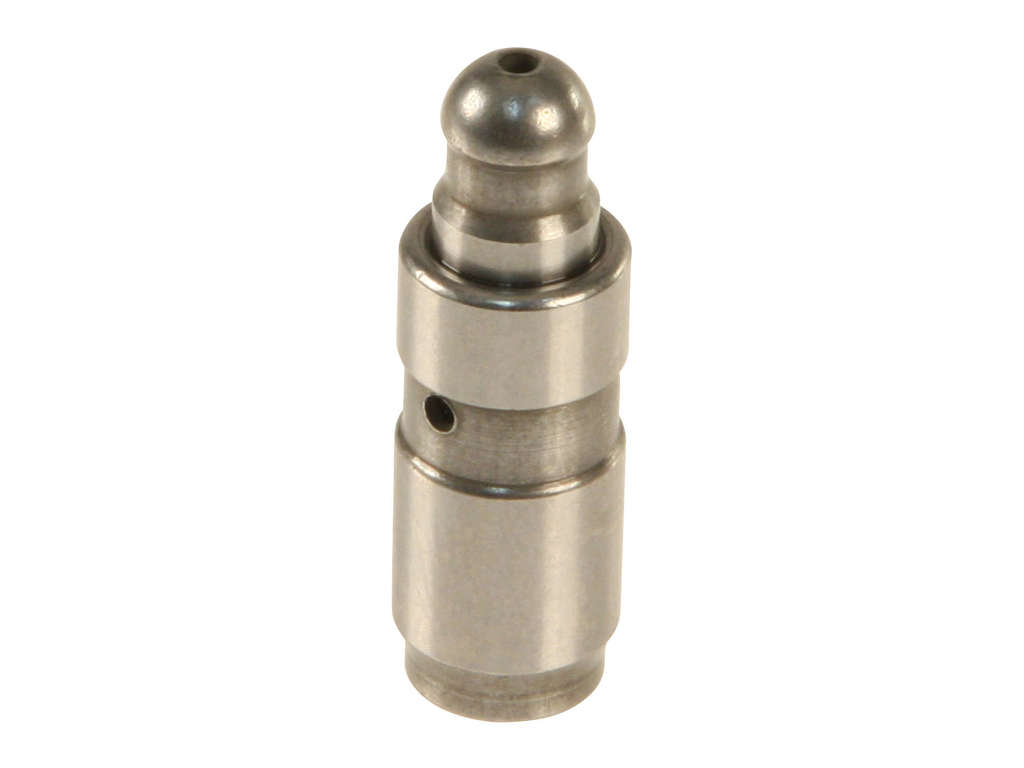
Aftermarket price range: $25-$60 - Camshaft Position Actuator Solenoid
(OEM #12615873)— TSB #PIP3694F identifies clogged screens on this part as a potential cause for P0106, especially when a rough idle is present.
Trusted brands: ACDelco
OEM price range: $50-$80
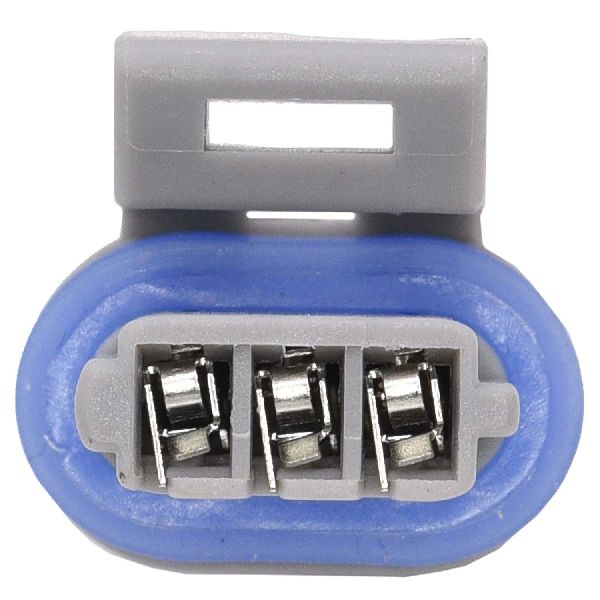
Aftermarket price range: $30-$55 - MAP Sensor Connector Pigtail — Due to the common issue of wires breaking near the connector as highlighted in TSB #PIP4409F, replacing the pigtail is a frequent and durable repair.
Trusted brands: Dorman, ACDelco
OEM price range: $25-$40
Aftermarket price range: $15-$30
Related Codes That Often Appear With This One
- P0300 — Random Misfire. TSB #PIP4409F lists this code appearing with P0106, as incorrect MAP readings can cause the wrong air/fuel mixture, leading to misfires.
- P0107 — MAP/BARO Circuit Low Input. This code is also mentioned in TSB #PIP4409F and points directly to the same sensor and circuit as P0106, often indicating a complete electrical failure (open or short).
- P0014 / P0017 — Camshaft Position Timing Codes. TSB #PIP3694F links these codes with P0106 when the cause is related to the camshaft actuator solenoids.
- P0171 — System Too Lean. An incorrect MAP reading can cause the ECM to miscalculate fuel delivery, leading to a lean condition. This is also cited in TSB #PIP4409F.
Technical Service Bulletins (TSBs) & Recalls
- Bulletin #PIP4409F: Mentions P0106 in conjunction with a rough running engine and advises inspecting MAP sensor circuits for internal breaks near the connector.
- Bulletin #PIP3694F: Connects P0106 with a rough idle and suggests inspecting camshaft actuator solenoid screens if other diagnostics don't find the cause, especially if P0014 or P0017 are also present.
Platform-Specific Known Issues
- Broken MAP Sensor Wires: TSB #PIP4409F highlights that the wires in the MAP sensor circuit can break internally while the insulation remains intact. This makes a visual-only inspection insufficient; a 'tug test' or continuity check is necessary. This is the most frequently cited platform-specific fix in owner forums.
- Clogged Camshaft Solenoid Screens: TSB #PIP3694F points to clogged screens on the camshaft actuator solenoids as a cause of rough idle that may also store code P0106. Owners report success after cleaning or replacing the solenoid, often resolving multiple codes at once.
Mechanic-Grade Diagnostic Values
- MAP Sensor 5V Reference Voltage — expected: ~5.0 Volts. Failure: Voltage significantly lower than 5.0V or 0V indicates a problem with the PCM or wiring.
- MAP Sensor Signal Voltage (Key On, Engine Off) — expected: ~4.5 - 5.0 Volts. Failure: A low voltage reading suggests a faulty sensor or a vacuum leak.
- MAP Sensor Signal Voltage (Engine at Idle) — expected: 1.0 - 2.0 Volts. Failure: Voltage higher than 2.0V at idle can indicate a vacuum leak, poor engine health, or a faulty sensor. Voltage should drop immediately upon starting the engine.
- Camshaft Actuator Solenoid Bolt Torque — expected: 10 N.m (89 lb in). Failure: N/A - This is an installation specification.
Scan Tool Commands That Help
- Tech2 / GDS2 (or advanced aftermarket scanner): Graph MAP Sensor vs. Throttle Position Sensor (TPS) — When snapping the throttle, the MAP and TPS sensor readings should follow each other. This test helps verify if the MAP sensor is responding correctly to changes in throttle and airflow, or if it's sticking.
- Tech2 / GDS2 (or advanced aftermarket scanner): Camshaft Position Actuator Solenoid Cleaning Routine — Some advanced scan tools have a bidirectional function to cycle the camshaft actuator solenoids. This can help flush out debris from the oil control valves and screens as a diagnostic or cleaning step before manual removal.
Wiring & Ground Locations
- MAP Sensor Connector (C108 on some diagrams) — On the intake manifold, typically held by a single 10mm bolt.. This is the primary point of failure for broken wires as noted in TSB #PIP4409F. The connector has three pins: 5-Volt Reference (often Pin C, Orange), Ground (often Pin A, Black/White), and Signal (often Pin B, Light Green or Yellow).
- Engine Block Ground — There is a ground strap between the engine block and the wheel well, next to the engine mount on the driver's side. Another ground runs from the negative battery terminal to the block in front of the starter.. A poor engine ground can cause fluctuating or incorrect readings from sensors that use the block as a ground reference, including the MAP sensor. This should be checked if sensor readings are erratic.
- ECM Connector C1, Pin 37 — At the Engine Control Module (ECM).. This is the specific pin where the MAP Sensor Signal wire (Light Green) terminates. It is crucial for continuity testing between the sensor and the ECM.
Real Owner Repair Stories
- 355nation.net (Chevy Colorado/GMC Canyon Forum) (2006 GMC Canyon I5 (Platform mate)) — P0106 code, rough idle, stalling.
❌ Tried (didn't work) Replaced MAP sensor, Cleaned throttle body
✅ What actually fixed it The user found that both camshaft actuator solenoids were clogged with sludge. After removing and cleaning them with brake cleaner, the rough idle and stalling were resolved, and the P0106 code did not return. This aligns with GM TSB #PIP3694F.
OEM Part Supersession History
12614970→19418807— Part has been updated by the manufacturer.
Heads up: Part 12614970 was a widely used MAP sensor on many GM vehicles, including early H3 models. The newer part number 19418807 is the current replacement. Always verify fitment with VIN.12594942, 12644228, 12694725, 12701247→12711681— Multiple previous part numbers have been consolidated into the current part for later model year H3s (2008-2010).
Heads up: Using the wrong MAP sensor between early (pre-2008) and late (2008+) models can cause issues, as the PCM calibration may expect a different voltage range. It is critical to use the correct part number for the specific model year and engine.
Model Year Variations Within This Range
- 2006: The 2006 model used the 3.5L L52 I5 engine. Some early models reportedly had cylinder head problems, which could potentially lead to engine performance issues that might trigger a P0106 code, though this is not a direct cause.
- 2007-2010: The 3.7L LLR I5 engine replaced the 3.5L in 2007. This engine resolved the cylinder head issues of the 3.5L. The PCM programming between the 3.5L and 3.7L is different, including changes to VE tables and closed-loop enabling time, which could affect how and when a P0106 code is set.
- 2008-2010: The 5.3L LH8 V8 became available in the 'Alpha' trim. This engine has a different intake manifold and engine management system compared to the I5 engines, so while P0106 causes are similar (wiring, sensor), the physical location of components and specific diagnostic values may differ.
Helpful Videos

We Have This Part in Stock

The information in this article is provided for general reference and educational purposes only. Vehicle specifications, procedures, and part compatibility can vary by production date, trim level, and region. Always consult your vehicle's factory service manual and verify part numbers before purchasing or performing repairs. Safety-critical components such as airbags, seat belts, and braking systems should be installed by a qualified professional.
- Hummer H3:
- 🧭 Diagnostic Flowchart
- 🎬 Helpful Videos
- 🛍️ Shop This Part
- What's Unique About the 2006-2010 Hummer H3
- Symptoms You May Notice
- Most Likely Causes
- Rare But Worth Checking
- Diagnosis Steps
- Parts You'll Likely Need
- Related Codes That Often Appear With This One
- Technical Service Bulletins (TSBs) & Recalls
- Platform-Specific Known Issues
- Mechanic-Grade Diagnostic Values
- Scan Tool Commands That Help
- Wiring & Ground Locations
- Real Owner Repair Stories
- OEM Part Supersession History
- Model Year Variations Within This Range
- 🎟️ Get 5% Off