

P0108 on 2011-2018 Porsche Cayenne V8: MAP Sensor Circuit High Causes and Fixes
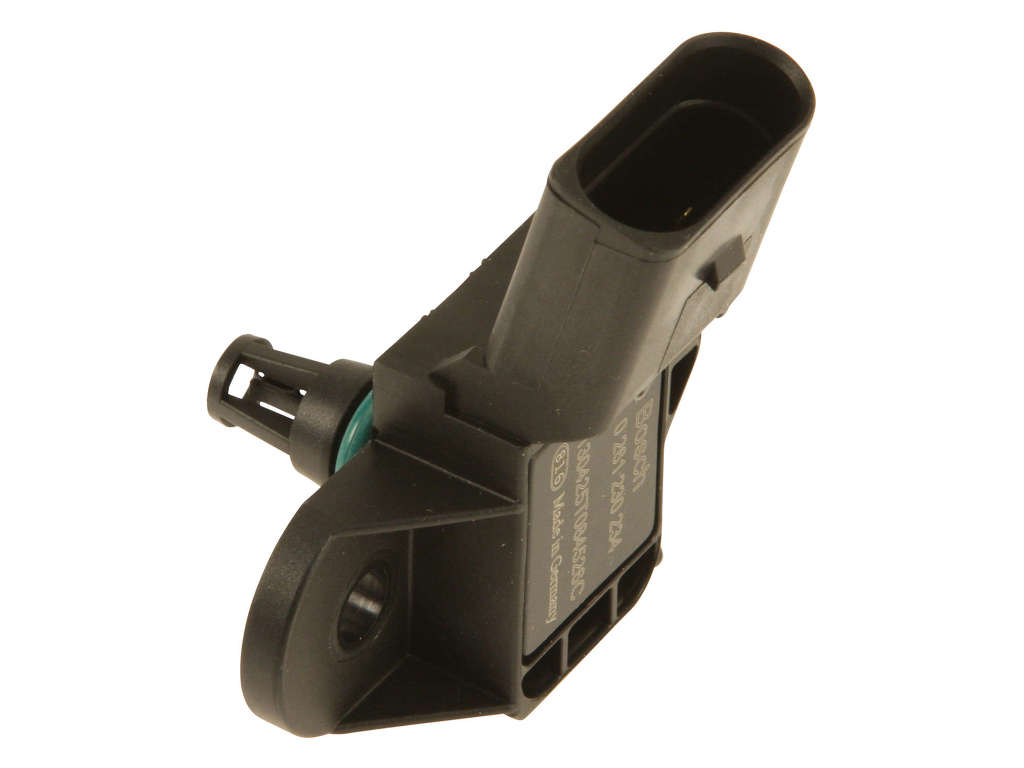
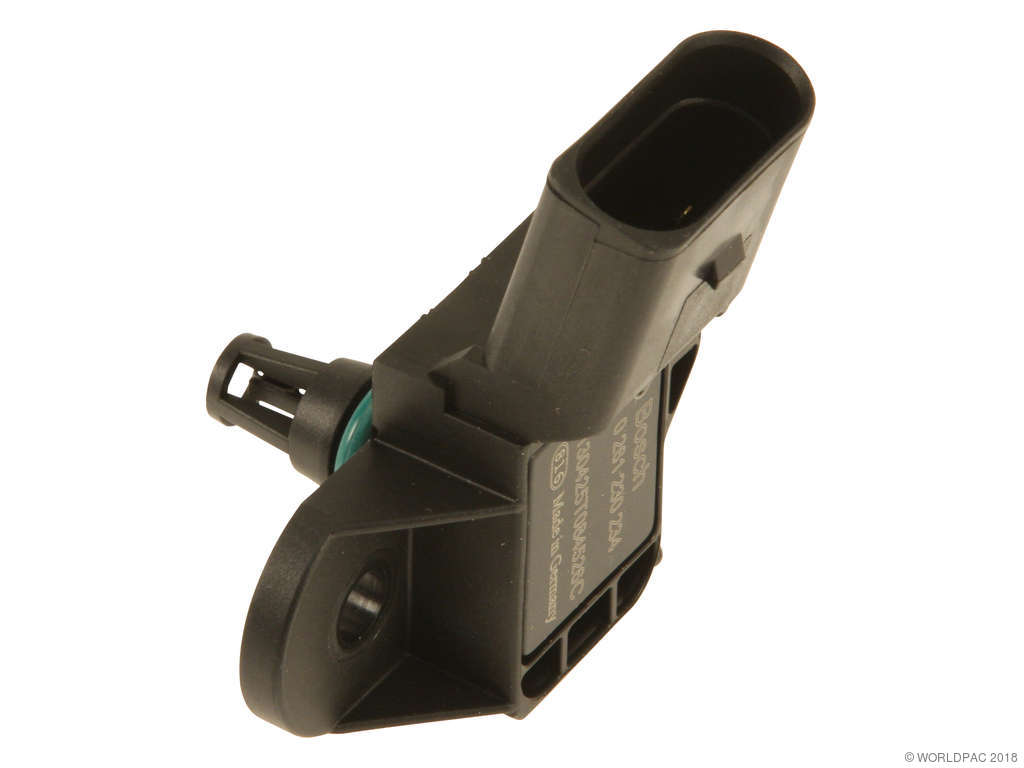
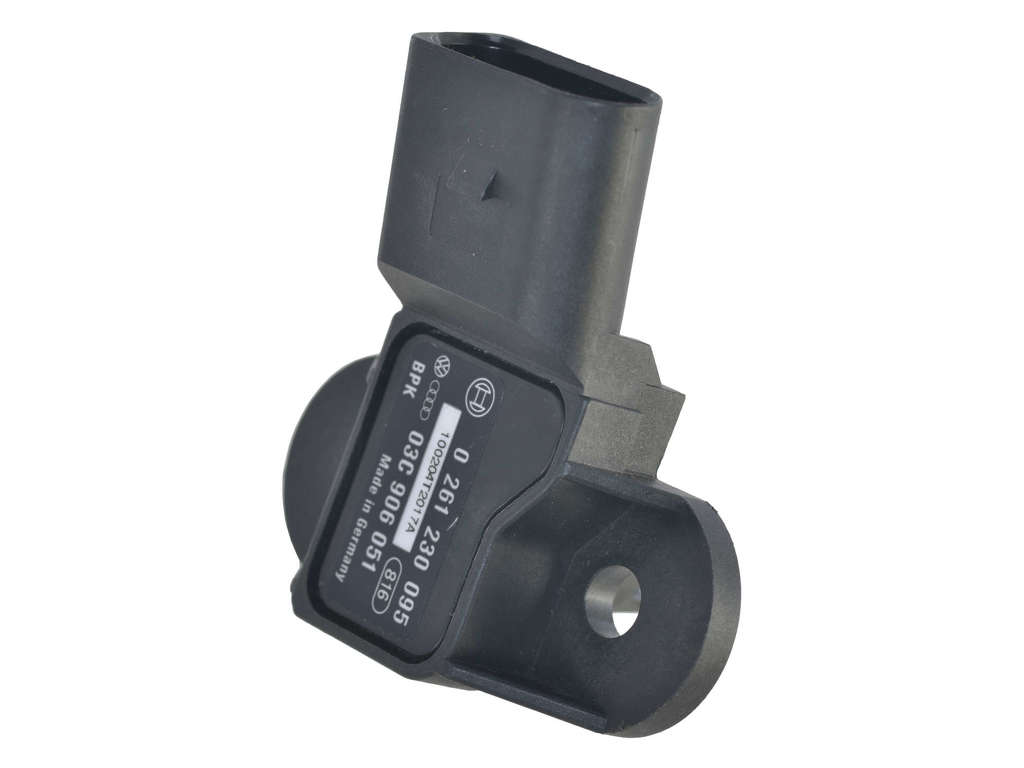
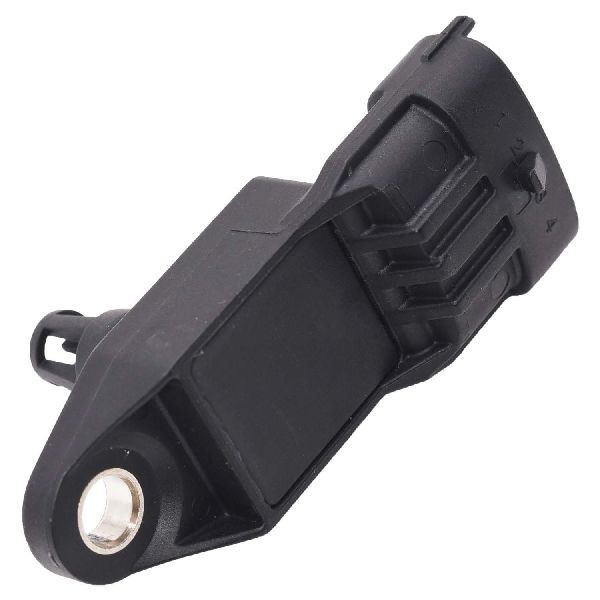
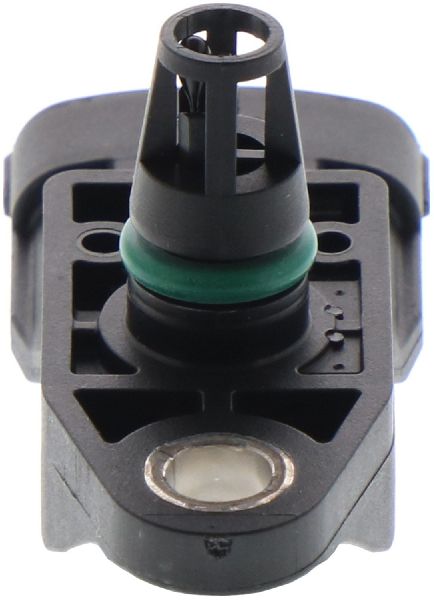
On a 2011-2018 Cayenne V8, code P0108 almost always means the Manifold Absolute Pressure (MAP) sensor has failed. It's an easy DIY replacement located on the intake manifold. Save money by purchasing the OEM Bosch sensor (part #0261230247) for around $30-$60 instead of the pricier Porsche-branded equivalent.
- P0108 on the Cayenne V8 almost always points to a failed MAP sensor on the intake manifold.
- This is a very simple and inexpensive DIY repair, typically taking less than 30 minutes with a T20 Torx driver.
- Ensure you are replacing the correct sensor; P0108 is for the sensor on the intake manifold, not the similar-looking one on the plastic Y-pipe.
- You can save significant money by buying the OEM-quality Bosch sensor (part # 0261230247 or Porsche # 95860618010) instead of the Porsche-branded part.
What's Unique About the 2011-2018 Porsche Cayenne
The Porsche Cayenne V8 of the 958 generation uses a 'speed-density' system and does not have a Mass Airflow (MAF) sensor, making the MAP sensor's reading critical for engine management. This engine actually uses two pressure sensors that can be confused: one on the intake manifold itself (related to P0108) and another on the air intake Y-pipe before the throttle body. Owners must ensure they are diagnosing the correct sensor on the manifold, which is typically secured with a single T20 Torx screw, while the Y-pipe sensor often uses a T30.
Symptoms You May Notice
- Check Engine Light is on
- Rough or unstable idle
- Hesitation or stumbling during acceleration
- Reduced engine power
- Increased fuel consumption
- Black smoke from the exhaust
- Engine may stall, especially when coming to a stop
- Replacing the wrong pressure sensor. The 958 V8 has two; P0108 refers to the one on the intake manifold (T20 Torx), not the one on the Y-pipe before the throttle body (T30 Torx).
- Searching for or replacing a Mass Airflow (MAF) sensor, which this engine does not have.
- Replacing the MAP sensor when the actual problem is a vacuum leak from the EVAP line or a failed AOS.
Most Likely Causes
- Faulty Manifold Absolute Pressure (MAP) Sensor 🔴 High Probability → Shop Manifold Absolute Pressure Sensor This is the most common failure point for P0108 on the 958 V8 engine. The sensor is exposed to heat and oil vapors from the crankcase ventilation system, which can lead to premature failure.
How to confirm: Using a scan tool, observe the MAP sensor's live data. With the Key On, Engine Off (KOEO), the voltage should be near 4.5V (reflecting atmospheric pressure). At a warm idle, it should drop to around 1.0-1.8V. If the voltage is stuck high (near 5V) regardless of engine state, the sensor has failed. 🎬 Watch: How to diagnose and test a MAP sensor
Typical fix: Replace the MAP sensor located on the intake manifold. It is held by a single T20 Torx screw. The OEM Bosch part (0261230247) is a direct, cost-effective replacement for the Porsche part (94860618000).
Est. part cost: $30-$120 - Wiring or Connector Issue ⚪ Low Probability Engine bay heat can make wiring and plastic connectors brittle over time, leading to cracks or corrosion on the pins. A wire can pull loose inside the connector housing.
How to confirm: Visually inspect the MAP sensor's electrical connector and harness for any signs of damage, corrosion, or loose pins. Use a multimeter to test for a 5V reference signal, a good ground (<0.2 Ohms to chassis), and a signal wire that isn't shorted to power.
Typical fix: Repair the damaged section of the wiring harness or clean/replace the connector. A single pulled wire can sometimes be soldered back into place.
Est. part cost: $5-$50 - Vacuum Leak ⚪ Low Probability While less common for a 'high input' code, a significant vacuum leak can cause erratic pressure readings. A known weak point on the 958 V8 is the O-ring on the EVAP purge valve line where it connects to the intake manifold, which can become brittle and crack. A failed Air-Oil Separator (AOS) is another common source of large vacuum leaks on this engine.
How to confirm: With the engine running, listen for hissing or whistling sounds around the intake manifold. A smoke test is the most effective way to find the source of a vacuum leak. A high 'Airflow Correction Factor' (>8%) in live data also points to a leak.
Typical fix: Replace the leaking vacuum hose or gasket. For the common EVAP line leak, the entire line assembly may need replacement (Porsche P/N 94811002013). If the AOS has failed, it must be replaced (Porsche P/N 94810713522).
Est. part cost: $20-$200
Rare But Worth Checking
- Faulty Engine Control Module (DME): → Shop Engine Control Module (ECM) This is extremely rare. The DME should only be considered after all other possibilities, including the sensor, wiring, and vacuum systems, have been thoroughly ruled out.
Diagnosis Steps
- Connect an OBD-II scanner and confirm P0108 is the active code. Note any other codes present, especially P0068 or P1070.
- View live data from the MAP sensor. With the Key On, Engine Off (KOEO), the reading should be close to barometric pressure (approx. 4.5V).
- Start the engine. At idle, the MAP sensor voltage should drop significantly (e.g., to 1.0-1.8V). If the voltage remains stuck high, the sensor or its circuit is the primary suspect.
- Turn the vehicle off. Locate the MAP sensor on the top rear of the intake manifold.
- Inspect the sensor's electrical connector and wiring for any visible damage, corrosion, or loose connections.
- If wiring appears intact, the most probable cause is a failed MAP sensor. Replace the sensor, preferably with the Bosch 0261230247 part.
- If the problem persists after replacing the sensor, perform a circuit test with a multimeter to verify the 5V reference, ground, and signal wire integrity back to the DME.
- If the circuit is good, check for major vacuum leaks using a smoke machine, paying close attention to the Air-Oil Separator (AOS) and the EVAP purge valve line connection at the intake manifold.
Parts You'll Likely Need
- Manifold Absolute Pressure (MAP) Sensor
(OEM #94860618000)— This sensor is the most common failure point for code P0108 on this vehicle. Note: This is the sensor on the intake manifold. The sensor on the Y-pipe is a different part number.
Trusted brands: Bosch (P/N: 0261230247), Porsche (re-branded Bosch)
OEM price range: $80-$120
Aftermarket price range: $30-$60
Related Codes That Often Appear With This One
- P0068 — MAP/MAF - Throttle Position Correlation. This code often appears with P0108 because the faulty high MAP sensor signal directly conflicts with the data from the throttle position sensor, creating an implausible scenario for the DME. This can also be triggered by a vacuum leak from a bad AOS or EVAP line.
- P0107 — MAP Sensor Circuit Low Voltage. Seeing both high and low voltage codes can indicate an intermittent wiring problem or a sensor that is failing erratically.
- P1070 — A Porsche-specific code for 'Mass Air Flow implausible (leakage air)'. This strongly suggests a vacuum leak, often from a failed Air-Oil Separator (AOS), and is frequently seen with P0068.
Platform-Specific Known Issues
- The 958 V8 engine uses two pressure sensors in the intake tract. P0108 specifically points to the sensor on the intake manifold itself (Porsche P/N 94860618000), not the sensor on the plastic Y-pipe (Porsche P/N 95860618010). They are sometimes confused during diagnosis.
- A brittle O-ring on the EVAP purge valve line where it connects to the intake manifold is a known source of vacuum leaks on this platform, which can sometimes trigger pressure-related codes.
Mechanic-Grade Diagnostic Values
- MAP Sensor Signal Voltage (Key On, Engine Off) — expected: ~4.5V. Failure: Voltage is stuck high (near 5V) or low, and does not reflect atmospheric pressure.
- MAP Sensor Signal Voltage (Warm Idle) — expected: 1.0V - 1.8V. Failure: Voltage does not drop from the KOEO reading and remains high (above 2.0V).
- MAP Sensor Connector 5V Reference — expected: ~5.0V. Failure: No voltage or significantly low voltage points to a wiring or DME supply issue.
- MAP Sensor Ground Circuit Resistance — expected: < 0.2 Ohms. Failure: High resistance indicates a poor ground connection, which can cause erratic sensor readings.
- Airflow Correction Factor (Live Data) — expected: < 8%. Failure: A value significantly greater than 8% (sometimes maxing out) strongly indicates a large unmetered air leak (vacuum leak), often from a failed AOS.
Hidden / Shadow Codes Worth Checking
- P0108 (PIWIS specific text): The Porsche dealer scanner (PIWIS) may provide more descriptive text for the fault, such as 'Manifold absolute pressure sensor - short circuit to B+' or 'signal implausible', which helps confirm the electrical nature of the fault. (see via Porsche PIWIS Tester)
- P1639: A Porsche-specific code for 'Pressure sensor ahead of throttle valve'. Its presence alongside P0108 can indicate a wider issue with the intake pressure reading system, though P0108 still points to the manifold sensor circuit. (see via OBD-II Scanner)
Scan Tool Commands That Help
- Porsche PIWIS Tester: Guided Fault Finding (GFF) — When P0108 is present, this function initiates a step-by-step test plan, comparing live values against targets to systematically check the sensor, wiring, and related components.
- Porsche PIWIS Tester: Reset adaptation values / Vehicle Handover — After replacing the MAP sensor or fixing a major vacuum leak, this function forces the DME to relearn baseline fuel and air values, which can resolve persistent correlation codes like P0068.
- Porsche PIWIS Tester: Throttle Valve Adaptation — This is necessary if code P0068 is also present and the throttle body was cleaned or replaced. Failing to adapt the throttle can cause correlation faults to return.
Wiring & Ground Locations
- MAP Sensor Connector — On the MAP sensor itself, at the rear of the intake manifold.. This 3-pin connector provides power, ground, and signal. A generic pinout is Pin A: Ground, Pin B: Signal, Pin C: +5V Supply. Verifying 5V and a good ground at this connector is the first step in diagnosing a circuit fault.
- Engine to Chassis Ground Strap — A primary ground strap runs from the engine block to the passenger side strut tower in the engine bay.. Corrosion or looseness at this main ground point can cause a variety of electrical issues, including the erratic sensor readings that trigger P0108. Resistance should be <0.2 ohms.
- Main Interior Ground Point — A major vehicle ground point is located on the floor in front of the driver's seat, accessible via a small carpet door.. While less likely to be the specific cause for a single sensor code, checking this main ground is good practice when chasing any electrical gremlins on the vehicle.
Real Owner Repair Stories
- Rennlist user (2012 Porsche Cayenne S 4.8L V8) — Rough idle, poor throttle response, Check Engine Light with codes P0068 and P1070.
❌ Tried (didn't work) Replacing the MAP sensor (code returned after 3 weeks)
✅ What actually fixed it A smoke test revealed a leak at the intake manifold. The final fix was replacing the entire EVAP purge valve line (part # 94811002013) because its O-ring seal had become brittle and was leaking. - Rennlist user (Porsche Cayenne 958) — Check Engine Light with code P0068.
❌ Tried (didn't work) Replacing the MAP sensor
✅ What actually fixed it Cleaning the throttle body. The user noted that the front of the throttle plate appeared clean, but the *back side* had significant carbon buildup. A thorough cleaning of both sides resolved the code after a few drive cycles. - Rennlist user (2011 Porsche Cayenne Turbo V8) — Strange engine noise and maxed-out airflow correction factors in live data, along with pressure-related codes.
❌ Tried (didn't work) Initial diagnosis focused on sensors.
✅ What actually fixed it A smoke test confirmed a massive vacuum leak. The fix was replacing the Air-Oil Separator (AOS) (Part # 94810713522), as its internal diaphragm had failed.
"I Checked Everything" — The Actual Cause
- A common scenario for the related P0068 code is performing a smoke test that comes back clean, only to find the issue was a dirty throttle body. The carbon buildup occurs on the back side of the throttle plate, which isn't immediately visible and won't be found by a smoke test, but it's enough to disrupt airflow correlation and trigger the fault.
OEM Part Supersession History
94860618000→N/A— This is the correct and current part number for the MAP sensor located on the intake manifold.
Heads up: Do not confuse with part number 95860618010, which is the pressure sensor located on the pre-throttle Y-pipe. They are physically similar but serve different functions and are not interchangeable for diagnosing P0108.Bosch 0261230247→N/A— This is the stable OEM part number that corresponds to Porsche P/N 94860618000. It is widely available and used across many Porsche models.
Model Year Variations Within This Range
- 2015-2018 (958.2 Facelift): For the 2015 model year facelift, the Cayenne S model dropped the 4.8L V8 in favor of a 3.6L twin-turbo V6. Therefore, this V8-specific guide only applies to the Turbo, Turbo S, and GTS models from 2015-2018. For a 2015+ 'S' model, the causes and parts will be different.
Diagnostic Flowchart
Other Known Issues on This Vehicle
Issues unrelated to this code that are worth knowing about as an owner of this generation:
- Transfer Case Failure 🔴 High — Extremely common across all 958 models, especially S, GTS, and Turbo. Symptoms like shuddering or vibration during light acceleration often appear between 30,000-80,000 miles. (Ref: Porsche issued an extended warranty (not a recall) for this issue, extending coverage to 7-10 years depending on model year.)
- Camshaft Adjuster Bolt Failure 🔴 High — Affects 2011-2012 V8 models primarily. The original aluminum bolts can shear, causing sudden engine stall and potentially catastrophic engine damage. (Ref: NHTSA Recall 17V368000 (Porsche Campaign AH08) was issued to replace the aluminum bolts with steel ones.)
- Coolant Pipe & Housing Leaks 🟠 Medium — Common on V8 models. Adhesive on plastic coolant pipes and thermostat housings in the 'V' of the engine degrades, causing leaks. A separate issue involves a coolant pipe at the rear of the engine that can also leak.
- Timing Cover Oil Leaks 🟠 Medium — Caused by stretching or breaking of the aluminum timing cover bolts. This is a labor-intensive repair as the engine often needs to be removed or lowered. (Ref: Porsche later released updated steel bolts to address this issue.)
- Air-Oil Separator (AOS) / PCV Failure 🟡 Low — The diaphragm inside the AOS can tear, creating a large vacuum leak. This often causes a loud whistling or screeching noise from the engine bay and can trigger codes like P0068.
Used vs. New Parts: Buying Guide for This Vehicle
When a used part is the smart pick: A used MAP sensor is a reasonable choice for this repair. It is a simple, non-wear electronic component. Sourcing a guaranteed-working OEM Bosch part from a reputable auto recycler can be a cost-effective alternative to a new part.
Donor-vehicle mileage cap: roughly under 100000 miles for the part to have meaningful remaining life.
What to inspect on the donor part:
- Ensure the part is from a vehicle that was running without engine codes.
- Visually inspect the plastic housing for cracks or heat damage.
- Check the electrical connector pins for any signs of corrosion, moisture, or damage.
- Confirm the part number is the correct OEM Bosch P/N (0261230247).
OEM-only on this vehicle (don't cheap out):
- Engine Control Module (DME)
Aftermarket brands forum-validated for this vehicle:
- Bosch (This is the Original Equipment Manufacturer)
Brands owners have reported issues with on this vehicle:
- Unnamed or 'white-box' brands from online marketplaces with no warranty or reputation, as their sensor accuracy and longevity can be questionable.
Real Owner Stories
Aggregated from forums and TSBs cited above. Mileages and costs reflect what owners reported in those sources.
2012 Porsche Cayenne S 4.8L DOHC
Symptoms: Rough Idle and hesitation; changed MAP sensor but the issue returned after 3 weeks.
What fixed it: Replacing the evap purge valve/line (part #94811002013) because the O-ring going into the intake manifold was leaking.
Source hint: Rennlist owner report in article context
2011 Porsche Cayenne S 4.8L V8
Symptoms: P0068 code present with no other symptoms; required a smoke test to identify the leak.
What fixed it: Replacement of a leaking Air-Oil Separator (AOS).
Source hint: Rennlist.com: '2011 S with P0068; No other codes or symptoms'
2010-2016 Porsche Panamera (970) 4.8L V8
Symptoms: P0108 code accompanied by hesitation under acceleration.
What fixed it: Replacement of the Manifold Absolute Pressure (MAP) sensor.
Source hint: Rennlist.com: 'Faulty Manifold Absolute Pressure Sensor?' (Panamera Turbo shared engine)
Related OBD-II Codes
Frequently Asked Questions
I see two sensors on my 958 V8 intake system. Which one is causing the P0108 code?
Is there a cheaper alternative to the Porsche-branded MAP sensor for my Cayenne S?
Could my P0108 code be related to the camshaft bolt recall on my 2011 Cayenne?
I replaced the MAP sensor but the code returned. What else should I check on the 958 V8?
Does the 958 Cayenne V8 have a MAF sensor I should clean first?
Is the P0108 code covered under the Porsche Transfer Case extended warranty?
Helpful Videos

We Have This Part in Stock


The information in this article is provided for general reference and educational purposes only. Vehicle specifications, procedures, and part compatibility can vary by production date, trim level, and region. Always consult your vehicle's factory service manual and verify part numbers before purchasing or performing repairs. Safety-critical components such as airbags, seat belts, and braking systems should be installed by a qualified professional.
- Porsche Cayenne:
- 🧭 Diagnostic Flowchart
- 🎬 Helpful Videos
- 🛍️ Shop This Part
- What's Unique About the 2011-2018 Porsche Cayenne
- Symptoms You May Notice
- Most Likely Causes
- Rare But Worth Checking
- Diagnosis Steps
- Parts You'll Likely Need
- Related Codes That Often Appear With This One
- Platform-Specific Known Issues
- Mechanic-Grade Diagnostic Values
- Hidden / Shadow Codes Worth Checking
- Scan Tool Commands That Help
- Wiring & Ground Locations
- Real Owner Repair Stories
- "I Checked Everything" — The Actual Cause
- OEM Part Supersession History
- Model Year Variations Within This Range
- Other Known Issues on This Vehicle
- Used vs. New Parts: Buying Guide for This Vehicle
- Real Owner Stories
- 2012 Porsche Cayenne S 4.8L DOHC
- 2011 Porsche Cayenne S 4.8L V8
- 2010-2016 Porsche Panamera (970) 4.8L V8
- Related OBD-II Codes
- Frequently Asked Questions
- 🎟️ Get 5% Off