

P0116 on 2015-2020 Subaru WRX STI: Engine Coolant Temp Sensor Causes and Fixes
P0116 on a 2015-2020 WRX STI indicates a problem with the Engine Coolant Temperature (ECT) sensor's performance. The most common fixes are replacing a faulty ECT sensor or thermostat. However, a specific Subaru TSB also points to an ECM software update, especially for hard starting in cold weather when a block heater is used, which causes a logic conflict in the ECU.
- P0116 means the Engine Coolant Temperature sensor's signal is out of the expected range.
- The most likely physical parts to fail are the ECT sensor itself or the thermostat.
- Before replacing parts, check the coolant level and inspect the sensor's wiring.
- Be aware of the specific Subaru TSB (#11-201-21): if you have hard starts in the cold and use a block heater, the fix may be an ECM software update, not a new part.
- Driving with this code can lead to poor performance and fuel economy, and may hide a serious overheating condition.
What's Unique About the 2015-2020 Subaru WRX STI
For the 2015-2020 (VA chassis) WRX STI, this code has a unique, documented cause beyond the usual sensor or thermostat failures. Subaru issued Technical Service Bulletin #11-201-21 acknowledging that P0116 can be triggered by a software logic issue. Specifically, when an accessory engine block heater is used, the ECM detects a conflict between the warmed coolant and temperature inputs from other, still-cold sensors. This causes the ECM to enter a fail-safe mode, resulting in an improper fuel mixture, hard starting, and the P0116 code. The official fix in this scenario is not a part replacement, but an ECM reprogramming.
Diagnostic Flowchart
Tap your situation to follow the diagnostic path that matches what you're seeing on this vehicle.
Symptoms You May Notice
- Check Engine Light is on
- Erratic or incorrect temperature gauge readings
- Temperature gauge reading maxed out (hot), especially on startup
- Hard starting, especially when the engine is cold
- Reduced fuel economy
- Engine running rough or hesitating until it warms up
- Black smoke from the exhaust
- Replacing the ECT sensor when the actual problem is a stuck thermostat.
- Replacing cooling system parts when the vehicle simply needs the ECM software update as described in TSB #11-201-21.
- Replacing the single-wire temperature gauge sender instead of the two-wire ECT sensor that communicates with the ECU.
Most Likely Causes
- Faulty Engine Coolant Temperature (ECT) Sensor 🔴 High Probability → Shop Engine Coolant Temperature Sensor
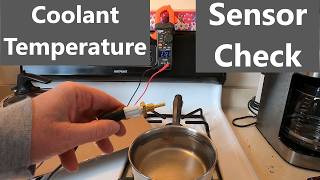
How to confirm: Use a scan tool to monitor live ECT data. If the reading is stuck, irrational (e.g., reads hot on a cold engine), or doesn't increase smoothly as the engine warms, the sensor is likely bad. The sensor is located on the coolant crossover pipe, under the intake manifold near the passenger side. You can also test its resistance with a multimeter; it should change predictably with temperature (resistance decreases as temp increases). 🎬 See how to test your coolant sensor using a multimeter.
Typical fix: Replace the Engine Coolant Temperature sensor. This is the two-wire sensor, not the single-wire sensor for the gauge.
Est. part cost: $25-$60 - Thermostat Stuck Open 🟡 Medium Probability → Shop Integrated Thermostat Housing Assembly
How to confirm: Monitor the ECT sensor data on a scan tool or watch the temperature gauge. If the engine takes an excessively long time to warm up to operating temperature (approx. 190°F), or never reaches it during normal driving, the thermostat is likely stuck open.
Typical fix: Replace the engine thermostat and gasket, and refill/bleed the coolant system. 🎬 Watch this step-by-step guide on replacing a Subaru STI thermostat.
Est. part cost: $20-$50 - ECM Software Optimization Needed 🟡 Medium Probability This is a known issue documented by Subaru in TSB #11-201-21, specifically for vehicles using an accessory block heater in cold climates.
How to confirm: This is a diagnosis of exclusion. If the sensor, thermostat, and wiring are confirmed to be good, and the symptoms match the TSB (P0116 with hard starting in cold weather with a block heater), consult a Subaru dealer about TSB #11-201-21. The dealer can check if the software update has been applied.
Typical fix: Reprogram the Engine Control Module (ECM) with updated software. This must be done by a Subaru dealer or a qualified shop with a J2534 pass-thru device.
Est. part cost: $0 (software only, but dealer labor applies) - Low Engine Coolant Level / Air in System ⚪ Low Probability → Shop Engine Coolant / Antifreeze
How to confirm: Visually inspect the coolant overflow tank and radiator (when cool). If the level is low, the sensor may be exposed to an air pocket instead of coolant, giving an inaccurate reading. After any cooling system service, improper bleeding can trap air, causing this code.
Typical fix: Top off the coolant and properly bleed the cooling system to remove any air pockets. Repair any leaks found.
Est. part cost: $20-$40 for coolant - Wiring or Connector Issue ⚪ Low Probability
How to confirm: Visually inspect the ECT sensor's wiring harness and connector for damage, corrosion, or loose connections. The sensor is located under the intake manifold, making wiring susceptible to rodent damage or chafing. Use a multimeter to check for the correct reference voltage (typically 5V) and a good ground at the connector.
Typical fix: Repair or replace the damaged wiring or clean/replace the connector.
Est. part cost: $10-$100 depending on the extent of repair
Diagnosis Steps
- Check for other DTCs: Use an OBD-II scanner. Codes like P0117 or P0118 point more directly to an electrical fault with the sensor or wiring, while P0116 is a 'performance' issue.
- Inspect Coolant Level and Condition: Ensure the coolant is at the proper level and is not contaminated. Let the engine cool completely before opening the radiator cap.
- Analyze Live Data: Use a scan tool to monitor the ECT sensor reading from a cold start. The temperature should rise steadily and smoothly to around 190-210°F. If it jumps erratically, stays cold for too long, or reads an illogical value (e.g., 250°F on a cold engine), it points to a problem with the sensor or wiring.
- Test the Thermostat: If the engine warms up very slowly on the live data stream, the thermostat is likely stuck open. You can confirm this by feeling the upper radiator hose; it should remain relatively cool until the engine reaches operating temperature, then suddenly get hot.
- Inspect ECT Sensor and Wiring: Visually check the sensor's connector and nearby wiring for any signs of damage, corrosion, or looseness. The sensor is located on the coolant crossover pipe under the intake manifold. Be sure you are inspecting the correct two-wire sensor for the ECU, not the single-wire sender for the dash gauge. 🎬 Watch: How to test and replace the coolant temperature sensor.
- Test the ECT Sensor: If the wiring looks good, you can test the sensor itself. Unplug it and measure its resistance with a multimeter. The resistance should change inversely with temperature. Compare the readings to the factory service manual specifications.
- Check for TSBs: If all parts test okay, check if the symptoms align with TSB #11-201-21 (hard starts in cold with a block heater). If so, contact a dealer for the ECM update.
Parts You'll Likely Need
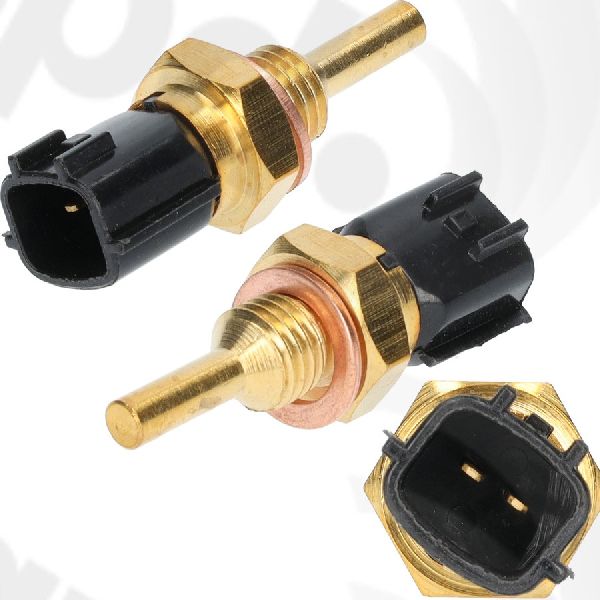
- Engine Coolant Temperature Sensor
(OEM #22630AA230)— This sensor is the primary component responsible for reporting coolant temperature. It can fail over time, providing incorrect or erratic readings to the ECM.
Trusted brands: Subaru (Genuine), NGK, Standard Motor Products (SMP)
OEM price range: $40-$60
Aftermarket price range: $25-$45 - Engine Thermostat
(OEM #21200AA072)— If the thermostat sticks open, the engine will not reach its proper operating temperature in a timely manner, causing the ECM to log a P0116 code. It is often recommended to use an OEM thermostat for reliability.
Trusted brands: Subaru (Genuine), Aisin, Gates, NTC/Tama
OEM price range: $22-$40
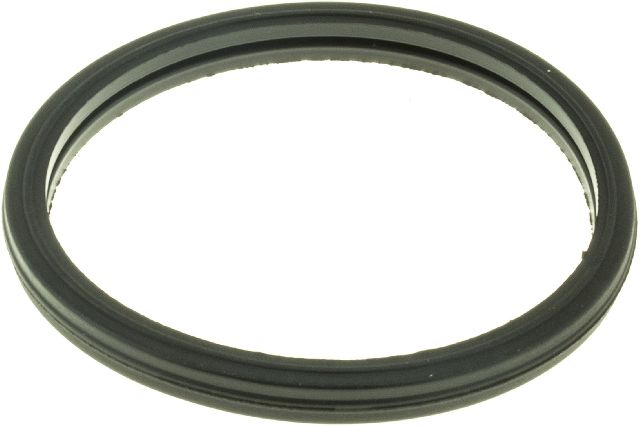
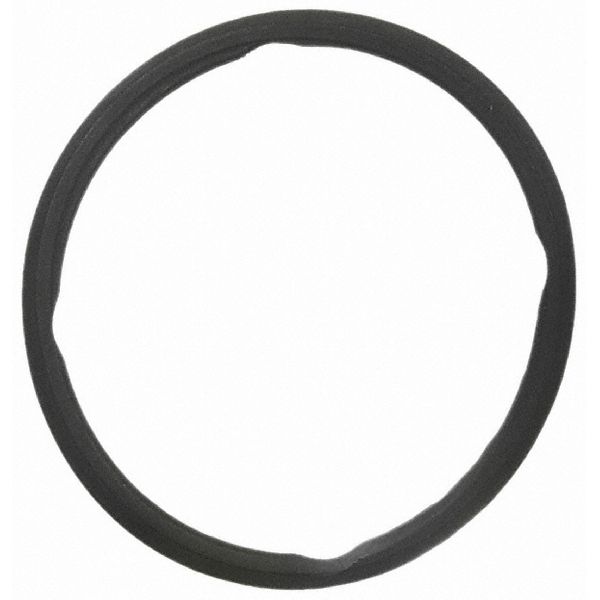
Aftermarket price range: $15-$30 - Engine Thermostat Gasket
(OEM #21210AA030)— A new gasket is required when replacing the thermostat to ensure a proper seal.
Trusted brands: Subaru (Genuine)
OEM price range: $15-$25
Aftermarket price range: $5-$15
Related Codes That Often Appear With This One
- P0117 (Engine Coolant Temperature Sensor 1 Circuit Low)
- P0118 (Engine Coolant Temperature Sensor 1 Circuit High)
Technical Service Bulletins (TSBs) & Recalls
- Bulletin #11-201-21: Announces availability of ECM reprogramming files to address DTC P0116 and hard starting in cold temperatures when an accessory engine block heater is used. It explains the ECM detects a conflict between the warmed coolant and other cold sensor inputs, causing a fail-safe mode.
Platform-Specific Known Issues
- A known issue documented in TSB #11-201-21 involves the ECM logic. On vehicles where an accessory engine block heater is used, the system can become confused during cold starts, leading to a P0116 code and difficulty starting. The fix is a software update for the ECM.
Mechanic-Grade Diagnostic Values
- Engine Coolant Temperature (ECT) Sensor Resistance — expected: Approx. 2000-3000 Ohms at 20°C (68°F), decreasing to approx. 200-300 Ohms at 90°C (194°F).. Failure: Resistance is infinite (open circuit), near zero (short circuit), or does not change smoothly as the engine warms up.
- ECT Sensor Signal Voltage at ECM — expected: Approximately 2.0V - 3.0V on a cold engine, dropping to around 0.5V when the engine is at full operating temperature.. Failure: Voltage is stuck high (near 5V) or low, or does not decrease smoothly as the engine warms up when viewed on a scan tool.
- ECM Reprogramming Power Supply Voltage — expected: A steady 13.5 volts.. Failure: Voltage rising above 14V during the procedure will cause the update to abort.
Scan Tool Commands That Help
- Subaru Select Monitor (SSM) or equivalent J2534 tool: FlashWrite Reprogramming — This function is required to apply the software update specified in TSB #11-201-21. It is used after confirming the issue is not hardware-related and the vehicle symptoms match the TSB (P0116 with hard starting in cold when using a block heater).
Wiring & Ground Locations
- Main Engine Ground Strap — Typically connects from the engine block (often near the starter) to the chassis/frame rail.. A corroded or loose main engine ground can cause erratic voltage and resistance readings for all engine sensors, including the ECT, leading to performance-type codes like P0116.
- Intake Manifold Ground — On EJ-series engines, there are often ground wires bolted directly to the top or sides of the intake manifold.. The ECT sensor is mounted on the coolant crossover pipe directly beneath the intake manifold. The sensor's circuit relies on a clean ground path, and compromised grounds on the manifold can introduce resistance and noise into the ECT signal.
- ECT Sensor Connector — On the coolant crossover pipe, under the intake manifold. The connector pigtail can be sourced from suppliers like iWire if the original is damaged.. The connector itself is a common failure point. Corrosion inside the connector or damage to the locking tab or wires can cause intermittent or incorrect signals, directly triggering P0116.
Real Owner Repair Stories
- Reddit r/WRX user (2016 Subaru WRX) — Cracked radiator.
❌ Tried (didn't work) The user was planning a repair and asking for advice on what to replace proactively.
✅ What actually fixed it As part of a larger cooling system overhaul due to a cracked radiator, the owner decided to proactively replace the thermostat, radiator hoses, and radiator cap. This is a common preventative maintenance strategy in the community when one component fails.
Helpful Videos
![How to Fix P0116 Engine Code in 3 Minutes [2 DIY Methods / Only $7.31]](https://img.youtube.com/vi/lEaB_7q1xKI/mqdefault.jpg)
We Have This Part in Stock


The information in this article is provided for general reference and educational purposes only. Vehicle specifications, procedures, and part compatibility can vary by production date, trim level, and region. Always consult your vehicle's factory service manual and verify part numbers before purchasing or performing repairs. Safety-critical components such as airbags, seat belts, and braking systems should be installed by a qualified professional.
- Subaru WRX STI:
- 🧭 Diagnostic Flowchart
- 🎬 Helpful Videos
- 🛍️ Shop This Part
- What's Unique About the 2015-2020 Subaru WRX STI
- Symptoms You May Notice
- Most Likely Causes
- Diagnosis Steps
- Parts You'll Likely Need
- Related Codes That Often Appear With This One
- Technical Service Bulletins (TSBs) & Recalls
- Platform-Specific Known Issues
- Mechanic-Grade Diagnostic Values
- Scan Tool Commands That Help
- Wiring & Ground Locations
- Real Owner Repair Stories
- 🎟️ Get 5% Off