

P0118 on 1997-2001 Jeep Cherokee 4.0L: Engine Coolant Temperature Sensor Fixes
On a 1997-2001 Jeep Cherokee 4.0L, code P0118 is almost always caused by a failed Engine Coolant Temperature (ECT) sensor located on the thermostat housing. This is a simple, inexpensive fix, typically costing $15-$40 for a new sensor and taking less than 30 minutes to replace.
- P0118 on your Cherokee almost always means you need a new Engine Coolant Temperature (ECT) sensor.
- Symptoms are easy to spot: Check Engine Light, cooling fan won't shut off, and the temp gauge reads zero.
- The correct sensor for your 1997-2001 4.0L is a single unit located on the thermostat housing at the front of the engine.
- This is a very DIY-friendly repair that can be done in under 30 minutes with basic hand tools.
- Always check the sensor's electrical connector for damage before assuming the sensor itself has failed.
What's Unique About the 1997-2001 Jeep Cherokee
Unlike the pre-1997 models that used two separate coolant sensors (one for the computer, one for the gauge), the 1997-2001 Cherokee XJ uses a single, dual-function sensor for both. This sensor is conveniently located right on top of the thermostat housing at the front of the 4.0L engine, making diagnosis and replacement exceptionally easy compared to sensors buried elsewhere. When this single sensor fails, it simultaneously affects engine performance, fuel calculations, cooling fan operation, and the dashboard temperature gauge, which is a key distinguishing symptom for this specific vehicle range.
Symptoms You May Notice
- Check Engine Light is on
- Electric cooling fan runs constantly, even with a cold engine.
- Temperature gauge on the dashboard is dead or reads at the lowest possible temperature.
- Poor fuel economy.
- Engine runs rough, hesitates, or stalls, especially when cold.
- Black smoke from the exhaust due to a rich fuel mixture.
- Difficulty starting the engine or a no-start condition.
- In some cases, the engine may only start if the ECT sensor is unplugged.
- Replacing the thermostat. While a bad thermostat can cause cooling issues, it will not cause a P0118 'circuit high' code.
- Replacing other sensors like the Camshaft or Crankshaft Position Sensor. While a no-start condition can sometimes be related to those, P0118 points directly to the ECT circuit. One owner on CherokeeForum replaced the Cam Position Sensor at a mechanic's suggestion, which did not fix the P0118 and no-start condition that was ultimately solved by a new ECT sensor.
Most Likely Causes
- Failed Engine Coolant Temperature (ECT) Sensor 🔴 High Probability → Shop Engine Coolant Temperature Sensor The sensor is a simple Negative Temperature Coefficient (NTC) thermistor that can fail internally over time, creating an open circuit. It's a very common failure point on high-mileage 4.0L engines due to age and thermal cycles.
How to confirm: With a scan tool, check live data; a reading of -40°F or a similarly low, static temperature points to a bad sensor or circuit. You can also test the sensor's resistance with a multimeter. A typical 4.0L sensor should read approximately 2,000-3,000 Ohms at room temperature (around 68°F) and drop to 250-350 Ohms when hot (around 176°F). An infinite resistance reading (OL) indicates an open, failed sensor.
Typical fix: Replace the ECT sensor on the thermostat housing. This is a quick job requiring a 19mm or 3/4" deep socket. Have the new sensor ready to swap in quickly to minimize coolant loss.
Est. part cost: $15-$40 - Damaged Wiring or Connector 🟡 Medium Probability The wiring and plastic connector pigtail are exposed to heat and vibration at the front of the engine, leading to brittleness, cracks, or corrosion over 20+ years. The locking tab on the connector often breaks off.
How to confirm: Visually inspect the connector and wiring for cracks, breaks, or green corrosion on the pins. Wiggle the connector while the engine is running to see if the temperature gauge flickers or the idle changes. Test for 5-volt reference on one pin (often a Tan/Black wire) and ground on the other with a multimeter (key on, engine off).
Typical fix: If the connector is broken, replace it with a new pigtail connector kit, which involves cutting the old wires and splicing the new connector in place using butt connectors or solder. Common pigtail part numbers include Dorman 645-164 and Standard Motor Products S-820.
Est. part cost: $10-$25
Rare But Worth Checking
- Faulty Powertrain Control Module (PCM): This is very rare. Before condemning the PCM, exhaust all other possibilities by thoroughly testing the sensor and the wiring harness for continuity between the sensor connector and the PCM connector. A user on CherokeeForum.com diagnosed a bad PCM after confirming the 5V reference signal at the PCM pinout was only 2.5V.
Diagnosis Steps
- Connect an OBD-II scanner and confirm P0118 is the active code.
- View live data on the scanner. Look at the Engine Coolant Temperature reading. If it shows -40°F or another extreme cold temperature that doesn't change as the engine warms, the circuit has a fault.
- Turn the engine off. Visually inspect the ECT sensor and its electrical connector on the thermostat housing. Look for obvious damage like a broken connector locking tab, corroded pins, or frayed wires.
- Disconnect the sensor. With the key on and engine off, use a multimeter to check for a 5-volt reference on one pin of the harness connector and a good ground on the other pin.
- If 5V and ground are present, the wiring to the connector is likely okay. To confirm the wiring back to the PCM is good, use a jumper wire to connect the two pins in the harness connector. The temperature on your scan tool should jump to a very high reading (e.g., 250°F+). If it does, the wiring is good and the problem is the sensor itself.
- If voltage or ground is missing, or the jumper test fails, there is a break in the wiring between the connector and the PCM. Repair the damaged wire.
- If the sensor is suspect, you can test its resistance. At room temperature (~70°F), it should be around 3,400 ohms. When hot (boiling water, ~212°F), it should be around 185 ohms. An open circuit (infinite resistance) means the sensor is bad.
- After the repair (typically replacing the sensor), clear the trouble code with the scanner and test drive to ensure the temperature gauge reads correctly and the Check Engine Light does not return.
Parts You'll Likely Need
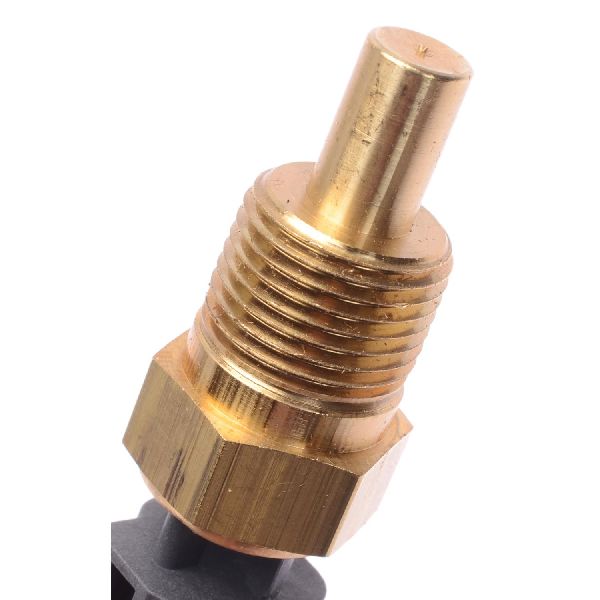
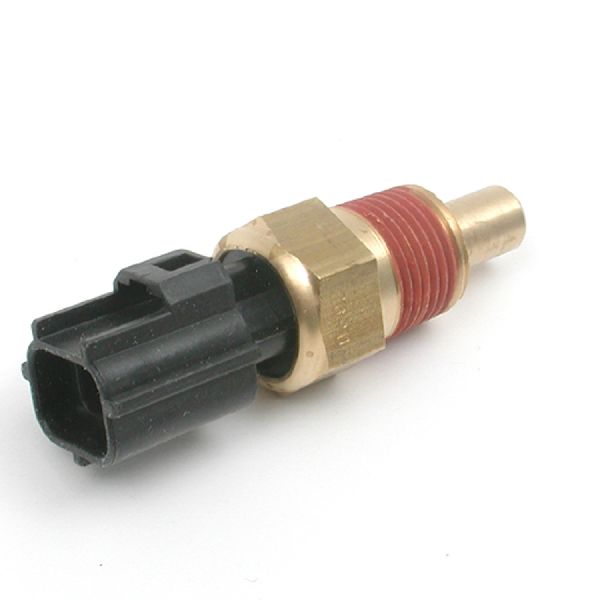
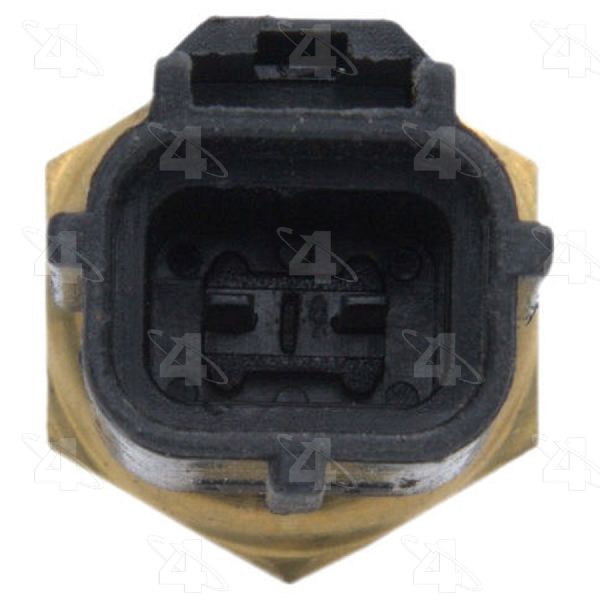
- Engine Coolant Temperature Sensor
(OEM #56027873)— This is the most common failure point for a P0118 code on this vehicle. It provides temperature data to both the computer and the gauge.
Trusted brands: Mopar, NTK/NGK, Delphi, Standard Motor Products (SMP)
OEM price range: $60-$85
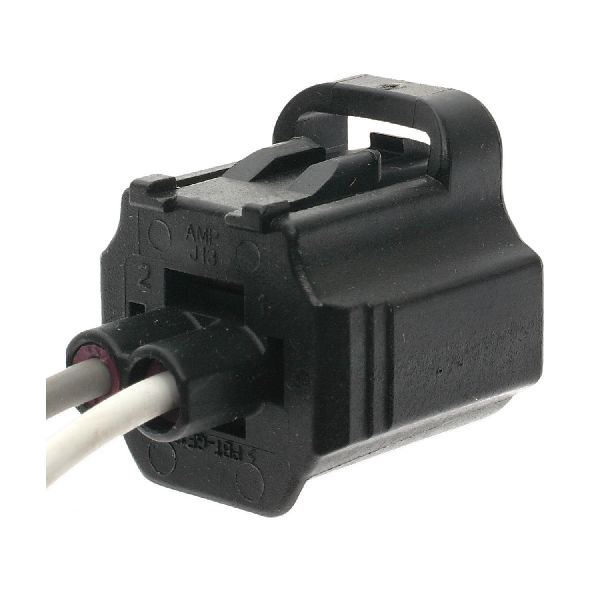
Aftermarket price range: $15-$40 - Engine Coolant Temperature Sensor Connector — The original plastic connector can become brittle and break, causing a poor connection or an open circuit. A replacement pigtail is needed if the connector is damaged.
Trusted brands: Dorman (p/n 645-164), Standard Motor Products (p/n S-820)
OEM price range: N/A
Aftermarket price range: $10-$25
Platform-Specific Known Issues
- Owner Experience: Misleading Cam Sensor Code: A 2000 Cherokee owner on CherokeeForum reported a P0118 code accompanied by a P0344 (Cam Position Sensor). A mechanic advised replacing the cam sensor, which did not fix the no-start issue. The problem was ultimately resolved by replacing the ECT sensor for $21. The faulty ECT sensor can cause such a rich condition that it mimics other sensor failures or causes a no-start.
- Owner Experience: Replaced Sensor, Code Remained: A user on CherokeeForum with a 2001 XJ replaced the ECT sensor but the P0118 code persisted. This scenario often points to a wiring issue between the sensor and the PCM, a bad connection at the new sensor, or a faulty replacement sensor (especially with very cheap, no-name brands).
Mechanic-Grade Diagnostic Values
- ECT Sensor Resistance — expected: Varies with temperature: ~7,500Ω @ 40°F (4°C), ~3,400Ω @ 70°F (20°C), ~450Ω @ 160°F (70°C), ~185Ω @ 212°F (100°C).. Failure: An infinite (OL) reading indicates a failed, open sensor. A reading that does not change with temperature is also a failure.
- ECT Sensor Signal Wire Voltage at PCM — expected: Variable voltage depending on temperature. Should be tested for continuity to the sensor.. Failure: No continuity or high resistance between PCM pin and sensor connector pin indicates a broken wire.
- 5V Reference at Sensor Connector — expected: Approximately 5.0 volts DC with key on, engine off, sensor unplugged.. Failure: Significantly lower voltage (e.g., 2.5V) or no voltage can indicate a PCM fault or a short in the harness.
Scan Tool Commands That Help
- Instrument Cluster: Actuator Self-Test — To verify if the temperature gauge in the dashboard is physically working. Hold the trip odometer button, turn the key to 'On', then release the button. The gauges will sweep through their ranges, confirming the gauge motor is functional.
- Multimeter and Resistor: Simulate Temp Signal for Fan Test — To test the electric fan control circuit. Jumpering the two pins of the ECT harness connector with a 470 Ohm resistor simulates a temperature of ~235°F to the PCM, which should command the electric fan to turn on when the engine is running.
Wiring & Ground Locations
- ECT Sensor Wires at PCM — On the black 32-pin PCM connector (Connector A), the ECT Signal wire (Tan/Black) is at pin A22, and the Sensor Ground wire (Black/Light Blue) is at pin A4.. Allows for testing continuity of the entire circuit directly from the PCM, bypassing all other vehicle wiring to isolate a fault to the harness or the PCM itself.
- G101 — On the right side of the engine block, on the studs formerly used for the ignition coil bracket on older models, near the alternator.. This is a primary ground point for the engine and is the designated ground for the PCM and O2 sensor heaters. A poor connection here can cause a floating ground and erratic sensor readings, including for the ECT sensor which shares its ground reference inside the PCM.
- Harness Chafe Point — The wiring loom where it exits the fuel injector manifold and turns towards the firewall can rub against the end of the fuel rail.. Vibrations can cause the fuel rail to rub through the loom and short the Tan/Black ECT signal wire to ground, causing a P0117 (low input) code, or damage adjacent wires, potentially causing a P0118 (high input) if the wire breaks.
Real Owner Repair Stories
- CherokeeForum.com user 'pittbov' (2000 Jeep Cherokee 4.0L Sport) — Temp gauge not working, followed by a stall and no-start condition.
❌ Tried (didn't work) Replacing the Cam Position Sensor based on a mechanic's advice after seeing a P0344 code alongside the P0118.
✅ What actually fixed it The user unplugged the ECT sensor, which allowed the Jeep to start (by defaulting to a fixed fuel map). Replacing the ECT sensor with a $21 part from Napa permanently fixed the no-start and cleared the P0118 code.
OEM Part Supersession History
56027873→N/A— This part number remains active and has not been officially superseded by Mopar.
Heads up: This single part number covers a very wide range of Chrysler, Dodge, and Jeep vehicles from the late 1990s through the 2000s, but is the correct part for this specific application.
Model Year Variations Within This Range
- 2000-2001: For the 2000 model year, Jeep produced the 4.0L with two different emissions packages: Federal (2 O2 sensors, 1 catalytic converter) and California (4 O2 sensors, 3 catalytic converters). For 2001, all 4.0L XJs came with the California emissions package. While this doesn't change the ECT sensor itself, it means the wiring harness and PCM are different between the two, which is critical to know if sourcing used parts like a PCM or engine harness.
Diagnostic Flowchart
Used vs. New Parts: Buying Guide for This Vehicle
When a used part is the smart pick: For the sensor itself, never; it is an inexpensive wear item. A used connector pigtail from a junkyard is a perfectly acceptable repair part if the original connector is broken and a new pigtail is not readily available.
Donor-vehicle mileage cap: roughly under 150000 miles for the part to have meaningful remaining life.
What to inspect on the donor part:
- For a connector pigtail, ensure the plastic is not brittle or cracked.
- Check that the locking tab is intact.
- Inspect the wire insulation for flexibility and lack of cracks.
- Ensure there is at least 4-6 inches of wire to allow for easy splicing.
Aftermarket brands forum-validated for this vehicle:
- Mopar (OEM)
- NTK/NGK (Often the OEM supplier)
- Delphi
- Standard Motor Products (SMP)
Brands owners have reported issues with on this vehicle:
- Unnamed, 'white-box' parts store brands. Forum users consistently report these can be inaccurate out of the box or have a very short service life, causing repeat diagnostics.
Real Owner Stories
Aggregated from forums and TSBs cited above. Mileages and costs reflect what owners reported in those sources.
1997 Cherokee 4.0L
Symptoms: P0118 code, temperature gauge fluctuates and then drops to its lowest reading, and the electric fan runs constantly until the battery dies.
What fixed it: The owner first replaced the sensor with no luck. The final fix was not stated, but the owner was advised to check the wiring between the sensor and the PCM.
Source hint: owner_reports from JeepForum, url_hint: 'cherokeeforum.com - p0118 on 97 cherokee'
2000 Cherokee 4.0L
Symptoms: A no-start condition accompanied by a P0118 code and a misleading P0344 (Cam Position Sensor) code.
What fixed it: Replacing the Engine Coolant Temperature (ECT) sensor resolved the no-start issue and cleared the codes.
Cost: $20-$25
Source hint: Owner Experience: Misleading Cam Sensor Code
2001 Cherokee XJ 4.0L
Symptoms: The P0118 code remained active even after replacing the ECT sensor.
What fixed it: The final fix was not reported, but the likely cause was identified as a wiring issue between the sensor and the PCM, a bad connection at the new sensor, or a faulty replacement sensor.
Source hint: Owner Experience: Replaced Sensor, Code Remained
2000 Cherokee XJ 4.0L
Symptoms: The Jeep would not start and was throwing a P0118 code. Unplugging the bad sensor allowed the vehicle to start and run.
What fixed it: The fix was a new ECT sensor from Napa.
Cost: $20-$25
Source hint: CherokeeForum.com - Thread 'P0118 ECT Sensor - No Start'
Related OBD-II Codes
Frequently Asked Questions
Where is the Engine Coolant Temperature (ECT) sensor located on my 1997-2001 Cherokee 4.0L?
My temperature gauge is dead and the electric fan runs constantly. Is this a P0118 issue?
I replaced the ECT sensor, but the P0118 code came back. What should I check next?
Can a bad ECT sensor cause my 4.0L Cherokee to not start?
What resistance reading should a good ECT sensor have for my Cherokee?
My Cherokee has a P0118 and a P0344 (Cam Sensor) code. Which part should I replace?
We Have This Part in Stock


The information in this article is provided for general reference and educational purposes only. Vehicle specifications, procedures, and part compatibility can vary by production date, trim level, and region. Always consult your vehicle's factory service manual and verify part numbers before purchasing or performing repairs. Safety-critical components such as airbags, seat belts, and braking systems should be installed by a qualified professional.
- Jeep Cherokee:
- 🧭 Diagnostic Flowchart
- 🛍️ Shop This Part
- What's Unique About the 1997-2001 Jeep Cherokee
- Symptoms You May Notice
- Most Likely Causes
- Rare But Worth Checking
- Diagnosis Steps
- Parts You'll Likely Need
- Platform-Specific Known Issues
- Mechanic-Grade Diagnostic Values
- Scan Tool Commands That Help
- Wiring & Ground Locations
- Real Owner Repair Stories
- OEM Part Supersession History
- Model Year Variations Within This Range
- Used vs. New Parts: Buying Guide for This Vehicle
- Real Owner Stories
- 1997 Cherokee 4.0L
- 2000 Cherokee 4.0L
- 2001 Cherokee XJ 4.0L
- 2000 Cherokee XJ 4.0L
- Related OBD-II Codes
- Frequently Asked Questions
- 🎟️ Get 5% Off