

P0131 on 2008-2016 Audi A4 2.0T: Causes and Fixes for O2 Sensor Low Voltage
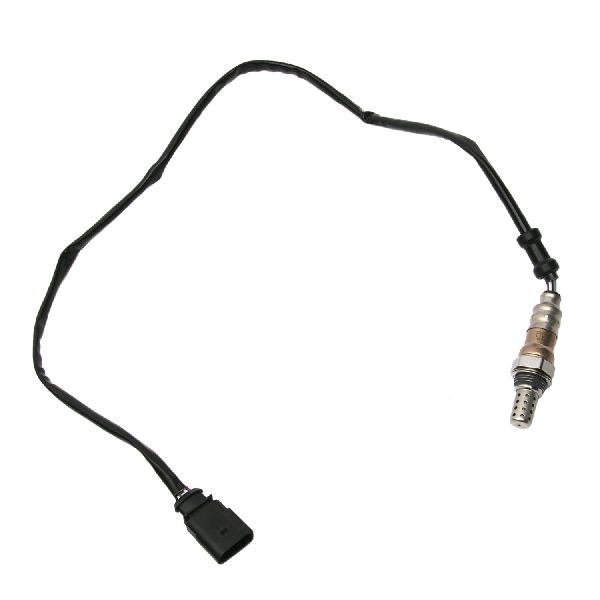
On a 2008-2016 Audi A4 2.0T, P0131 almost always means the front (upstream) oxygen sensor has failed. Expect to pay $70-$150 for a quality aftermarket sensor (like Bosch) and $180-$250 for an OEM part. This is a common DIY repair with a difficulty of 2/5. Before replacing the sensor, it's wise to check for common underlying issues like exhaust leaks or a failed PCV valve, which can also trigger this code.
- P0131 on your A4 2.0T almost always points to a bad front (upstream) O2 sensor.
- Before replacing the sensor, perform a quick visual check of its wiring for melting/damage and listen for obvious exhaust leaks near the engine.
- Use a quality replacement sensor from a brand like Bosch to ensure compatibility and correct readings.
- Driving for an extended period with this code can harm your catalytic converter, leading to a much more expensive repair.
What's Unique About the 2008-2016 Audi A4
For the Audi A4 B8 platform with the 2.0T TFSI engine, the high-heat environment of the turbocharged engine bay makes the upstream O2 sensor particularly susceptible to failure from age and heat exposure. While the code can point to other issues, a failed sensor is the most common experience for owners of these vehicles. It's crucial to use a high-quality OEM-equivalent sensor, as these engines can be sensitive to the readings from cheaper, universal-style sensors. Bosch is the original equipment manufacturer for this part. Furthermore, known platform issues like PCV valve failure and exhaust flex pipe leaks can introduce unmetered air, causing a legitimate lean condition that the O2 sensor correctly reports as low voltage, making diagnosis more nuanced than just replacing the sensor.
Generation note: The 2008-2016 model years cover the Audi A4 B8 generation. The causes and fixes are generally consistent across this entire generation for the 2.0T TFSI (EA888) engine.
Symptoms You May Notice
- Check Engine Light is on
- Reduced fuel economy
- Rough or unstable idle
- Hesitation or misfires during acceleration
- Failed emissions test
- Black smoke from exhaust or strong fuel smell (due to the ECM overcompensating with a rich mixture)
- Replacing the downstream (post-catalyst) O2 sensor. P0131 specifically refers to Sensor 1, which is the upstream (pre-catalyst) sensor.
- Immediately replacing the O2 sensor without first checking for common underlying causes like a failed PCV valve or an exhaust leak, which can cause the code to return.
Most Likely Causes
- Failed Upstream Oxygen Sensor (Bank 1, Sensor 1) 🔴 High Probability → Shop Oxygen Sensor The sensor is a wear-and-tear item exposed to extreme heat in the turbocharged engine bay, leading to a finite lifespan. Contamination from oil (a common issue on early 2.0T engines) or coolant can also cause premature failure.
How to confirm: Use an OBD-II scanner to monitor live data for the B1S1 O2 sensor. A healthy sensor's voltage fluctuates rapidly between ~0.1V and ~0.9V. If the voltage is stuck low (e.g., <0.2V) and does not respond to engine RPM changes, the sensor is very likely faulty.
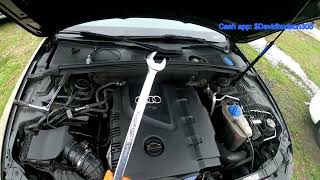
Typical fix: Replace the Bank 1, Sensor 1 oxygen sensor. It is located in the exhaust manifold or turbocharger outlet, before the catalytic converter. An O2 sensor socket is required for removal. 🎬 Watch: Step-by-step guide to replacing the upstream and downstream sensors.
Est. part cost: $70-$250 - Exhaust Leak Upstream of the Sensor 🟡 Medium Probability Leaks can develop at the exhaust manifold gasket or, more commonly, the flexible pipe section of the downpipe, especially on higher-mileage vehicles. These leaks allow outside air to enter the exhaust, fooling the sensor into reading a false lean condition (low voltage).
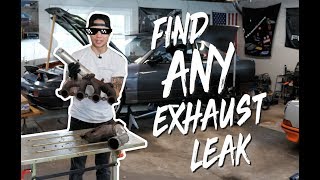
How to confirm: Perform a visual inspection for soot marks around the exhaust manifold and downpipe. Listen for an audible ticking or hissing sound that changes with engine RPM. A smoke test is the most effective way to pinpoint a leak. 🎬 Watch: How to find any exhaust leak in under five minutes.
Typical fix: Repair the leak by replacing the faulty gasket or welding/replacing the leaking section of the exhaust, most often the flex pipe.
Est. part cost: $20-$500 - Damaged O2 Sensor Wiring or Connector ⚪ Low Probability → Shop Oxygen Sensor The wiring harness is routed near hot exhaust components and can become brittle, melted, or chafed over time. The connector pins can also suffer from corrosion, leading to a poor signal.
How to confirm: Visually inspect the entire wiring harness from the O2 sensor to its connection point for any signs of melting, chafing, or breaks. Check the connector for corrosion or backed-out pins. A multimeter can be used to check for continuity and shorts in the circuit.
Typical fix: Repair the damaged section of wire or replace the connector pigtail.
Est. part cost: $15-$50 - Vacuum Leak ⚪ Low Probability A very common failure point on the 2.0T TFSI engine is the PCV (Positive Crankcase Ventilation) valve diaphragm, which can tear and create a significant unmetered air leak. This causes a true lean condition that the O2 sensor correctly reports.
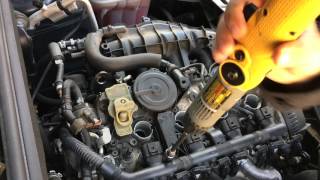
How to confirm: A large vacuum leak will often be accompanied by a P0171 (System Too Lean) or P2187 (System Too Lean at Idle) code. A classic sign of a failed PCV is a loud whistling or sucking noise from the engine bay at idle. You can also try to remove the oil filler cap with the engine running; if there is strong suction holding it down, the PCV diaphragm has failed. 🎬 See how to diagnose and replace a faulty PCV valve. A smoke test is the most definitive diagnostic method.
Typical fix: Replace the failed PCV valve assembly. It is crucial to use the latest revised part from Audi/VW.
Est. part cost: $50-$200
Rare But Worth Checking
- Low Fuel Pressure: A failing in-tank fuel pump, clogged fuel filter, or failing high-pressure fuel pump (HPFP) can cause a lean condition, which the O2 sensor correctly reports as low voltage. This should be investigated if replacing the O2 sensor doesn't fix the code and no exhaust/vacuum leaks are found.
- Faulty Engine Control Module (ECM): This is extremely rare. The ECM should only be considered a potential cause after all other possibilities (sensor, wiring, leaks, fuel system) have been thoroughly ruled out.
Diagnosis Steps
- Connect an OBD-II scanner to confirm P0131 is the active code and check for any other related codes (e.g., P0171, P0030, P2187).
- Using the scanner's live data function, monitor the voltage for 'O2S11' (Oxygen Sensor, Bank 1, Sensor 1) with the engine at operating temperature.
- A healthy sensor will show voltage fluctuating rapidly between approximately 0.1V and 0.9V. If the voltage is stuck below 0.2V, the issue is confirmed.
- Check for vacuum leaks, which are common on this engine. Listen for a whistling noise at idle. With the engine running, carefully try to lift the oil filler cap. If strong suction holds it down, the PCV valve has likely failed and must be replaced.
- Perform a thorough visual inspection of the O2 sensor's wiring harness and connector. Look for any signs of melting, fraying, or corrosion.
- Inspect the exhaust manifold and downpipe (especially the flex pipe) for any signs of leaks, such as black soot marks or an audible ticking sound.
- If all wiring and systems appear intact, the upstream O2 sensor itself is the most probable cause of the fault and should be replaced with a quality part.
Parts You'll Likely Need
- Front Oxygen Sensor (Bank 1, Sensor 1 / Upstream)
(OEM #06J906262AA)— This sensor is the most common failure point for code P0131 on this vehicle due to age and heat exposure in the turbocharged engine bay.
Trusted brands: Bosch (OEM supplier), NTK, Denso
OEM price range: $180-$250
Aftermarket price range: $70-$150 - PCV Valve / Oil Separator
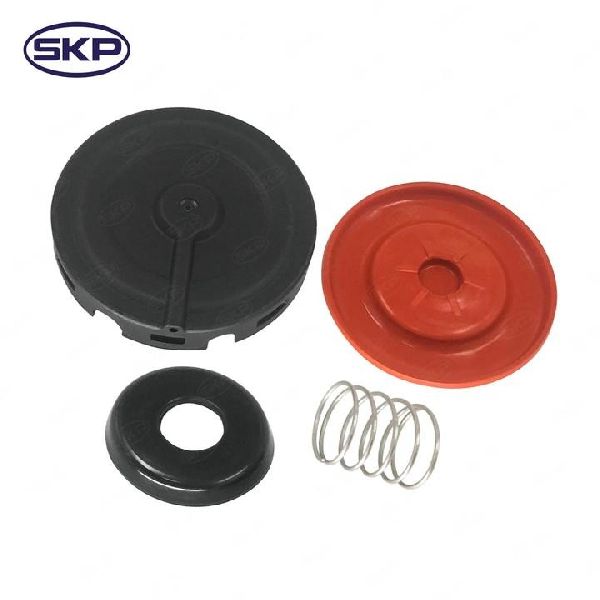
(OEM #06H103495AK (or latest revision))— This is a very common failure item on the 2.0T engine that causes vacuum leaks, leading to lean codes like P0131. It should be inspected before replacing the O2 sensor.
Trusted brands: Genuine VW/Audi, Vaico
OEM price range: $120-$180
Aftermarket price range: $40-$90
Related Codes That Often Appear With This One
- P0171 — This code for 'System Too Lean' often appears with P0131 if the root cause is a vacuum leak (like a bad PCV valve) or an exhaust leak, which creates a genuine lean condition that the O2 sensor is correctly detecting.
- P0030 — This code indicates a fault in the O2 sensor's internal heater circuit. A sensor that cannot heat up properly will not provide a correct voltage reading, often resulting in the low voltage condition of P0131.
- P0130 — This is a more general fault code for the Bank 1, Sensor 1 circuit. It can appear alongside P0131 if there's a wiring or connection problem causing the low voltage reading.
- P2187 — Similar to P0171, this code for 'System Too Lean at Idle' points strongly towards a vacuum leak, with the PCV valve being the most likely suspect on this engine.
Platform-Specific Known Issues
- The PCV valve on the 2.0T TFSI engine is a known high-failure part that can cause significant vacuum leaks, leading to lean conditions and triggering a P0131 code. Diagnosis of the PCV should be a primary step.
- The exhaust flex pipe on the downpipe is prone to cracking on higher mileage examples, causing an exhaust leak upstream of the sensor that fools it into reading lean (low voltage).
Mechanic-Grade Diagnostic Values
- O2 Sensor Signal Voltage (B1S1) — expected: Rapidly fluctuating between ~0.1V and ~0.9V on a warm engine.. Failure: Voltage is stuck below 0.13V.
- O2 Sensor Heater Resistance (B1S1) — expected: Between 3 and 15 Ohms when the sensor is at ambient temperature.. Failure: Infinite resistance (Open/OL) or 0 Ohms (short). A reading over 20 Ohms is also considered a failure.
- Long Term Fuel Trim (Bank 1) via VCDS Block 032 — expected: Close to 0%, ideally within +/- 5%.. Failure: High positive values (e.g., +10% to +25%) indicate the ECU is compensating for a persistent lean condition (vacuum/exhaust leak), which is the underlying cause of the P0131 code.
Scan Tool Commands That Help
- VCDS (VAG-COM) or ODIS: Engine (01) -> Measuring Value Blocks (MVB) -> Groups 030-049 — To monitor live data for Bank 1 Sensor 1 voltage, lambda values, fuel trims (Block 032), and heater circuit status (Block 041). This is essential for distinguishing a failed sensor from an underlying lean condition.
- VCDS (VAG-COM) or ODIS: Engine (01) -> Basic Settings -> 'Readiness Code' — After replacing the O2 sensor or fixing a leak, this function runs the vehicle's internal emissions tests while stationary to verify the repair and set readiness monitors without extensive driving.
Wiring & Ground Locations
- B1S1 Connector — Typically found underneath the coolant reservoir in the engine bay. The harness is routed down towards the turbo/downpipe area.. This connector is a primary point of failure. Its proximity to heat sources and exposure to the elements can cause corrosion or damage, interrupting the sensor's signal and causing a low voltage reading.
- Exhaust Ground Strap — A braided metal strap connecting a section of the exhaust system to the vehicle's chassis.. A missing or corroded exhaust ground strap can cause improper grounding for the O2 sensors, leading to erratic or incorrect voltage readings. While not a common cause, it's a quick visual check that is often overlooked.
Real Owner Repair Stories
- Audizine Forum (2018 Audi SQ5 3.0T (Similar principle applies)) — P0131 code appeared immediately after installing an aftermarket downpipe.
❌ Tried (didn't work) Clearing the code.
✅ What actually fixed it The Bank 1 Sensor 1 oxygen sensor was replaced. It was concluded that the original sensor was likely damaged or over-torqued during the downpipe installation. - Audizine Forum (Audi A4 B8 2.0T) — P0137 (Low voltage for downstream sensor, B1S2), which follows the same diagnostic logic as P0131.
✅ What actually fixed it The rear (post-cat) O2 sensor was replaced with a Bosch OEM part. The user noted the repair was straightforward and took about 30 minutes.
"I Checked Everything" — The Actual Cause
- A common scenario on the 2.0T TFSI is having a P0131 code with no obvious vacuum or exhaust leaks found during a smoke test. The root cause is often a failing PCV valve diaphragm. The tear in the diaphragm can be difficult to detect with a low-pressure smoke test and may only manifest as a significant leak under specific engine vacuum conditions, fooling the standard diagnostic procedure. The definitive test in this case is checking for strong suction at the oil filler cap with the engine running.
OEM Part Supersession History
06H103495A, E, B, AC, AH (and others)→06H103495AK (latest common revision)— The diaphragms in earlier PCV valve revisions were prone to tearing, causing significant vacuum leaks. Multiple revisions were released to improve diaphragm material and durability.
Heads up: Crucially, some revisions changed the internal crankcase pressure setting (e.g., from 20 mbar to 100 mbar) as part of an oil consumption fix. It is critical to use the correct revision for the vehicle's software, or replace a 'black cap' version with another 'black cap' and a 'white cap' with another 'white cap' to avoid running issues.06F906262R, 06F906262AC→06J906262AA— Part revision and consolidation by VW/Audi for the 2.0T engine family.
Heads up: While generally interchangeable for the 2.0T engine in this generation, it is always best practice to confirm the exact part number required via a VIN lookup, as mid-year production changes can occur.
Model Year Variations Within This Range
- 2008-2012 (B8): These earlier models with the EA888 Gen 2 engine are more prone to the excessive oil consumption issue caused by piston ring design. This can lead to oil fouling of the O2 sensor, causing premature failure. They also used earlier revisions of the PCV valve.
- 2013-2016 (B8.5 Facelift): Later models often feature revised engine components, including updated PCV valves and timing chain tensioners, from the factory. While P0131 can still occur, the likelihood of it being caused by an underlying oil consumption or PCV issue may be slightly lower than on early B8 models. However, all 2.0T engines in this range are susceptible to PCV failure.
Diagnostic Flowchart
Other Known Issues on This Vehicle
Issues unrelated to this code that are worth knowing about as an owner of this generation:
- Excessive Oil Consumption 🔴 High — Very common, especially on 2009-2012 models. Caused by defective piston rings. Many owners report adding 1 quart of oil every 500-1,500 miles. (Ref: Subject of a class-action lawsuit which resulted in warranty extensions and a multi-stage repair process, often culminating in piston replacement for affected vehicles.)
- Timing Chain Tensioner Failure 🔴 High — Prevalent in models built before ~2013 with the original tensioner design. Failure can occur without warning and lead to catastrophic engine damage. (Ref: A known defect that was the subject of a class-action lawsuit. An updated tensioner (p/n 06K109467K) resolves the issue. Visual inspection via a small port is possible.)
- Water Pump Failure 🟠 Medium — Common failure item, often between 60,000 and 90,000 miles. The original plastic housing can crack or the gasket can leak. (Ref: No recall, but it's a widely documented failure. Many owners proactively replace it with an aftermarket unit featuring a metal housing.)
- PCV Valve Failure 🟠 Medium → Shop PCV Valve — High frequency of failure, often after 60,000 miles. The internal diaphragm tears, causing a large vacuum leak, rough idle, and whistling noises. (Ref: No recall, but Audi has issued several revised part numbers to improve durability. It's a common cause for lean-related fault codes.)
Used vs. New Parts: Buying Guide for This Vehicle
When a used part is the smart pick: For this specific code, buying used parts is generally not recommended. The primary culprits (O2 sensor, PCV valve) are wear items with a finite lifespan. The only exception might be a complete, low-mileage exhaust downpipe assembly if the original is cracked at the flex-pipe and a new replacement is cost-prohibitive.
Donor-vehicle mileage cap: roughly under 50000 miles for the part to have meaningful remaining life.
What to inspect on the donor part:
- For an exhaust component, check for the absence of heavy rust, cracks (especially at welds and the flex-pipe), and ensure mounting flanges are flat and undamaged.
- Verify the donor vehicle was not involved in a front-end collision that could have damaged the exhaust manifold or downpipe.
OEM-only on this vehicle (don't cheap out):
- PCV Valve / Oil Separator: Due to the multiple revisions and specific pressure settings tied to ECU software, it is critical to use a Genuine VW/Audi part or an OEM supplier part with the latest correct revision number.
Aftermarket brands forum-validated for this vehicle:
- Oxygen Sensor: Bosch is the OEM supplier and is highly recommended. NTK and Denso are also reputable, high-quality alternatives.
Brands owners have reported issues with on this vehicle:
- Unnamed or 'white-box' universal oxygen sensors. These often have incorrect heater resistances or response times, which can cause the code to return or create other performance issues on the sensitive 2.0T TFSI engine.
Real Owner Stories
Aggregated from forums and TSBs cited above. Mileages and costs reflect what owners reported in those sources.
2010 Audi A4 2.0T TFSI
Symptoms: The owner experienced a P0131 code alongside lean codes P2187 and P0507.
What fixed it: The issue was resolved by diagnosing and replacing the PCV valve rather than the O2 sensor itself.
Source hint: Audizine - Thread: 'P0131, P2187, P0507 - HELP!'
2012 Audi A4 2.0T TFSI — ~120000 miles
Symptoms: The vehicle had a P0131 code; the owner was advised to check for the updated timing chain tensioner while troubleshooting other engine weaknesses.
What fixed it: Replacing the failed upstream O2 sensor with a Bosch replacement part.
Source hint: AudiWorld, Audizine: Numerous owner threads
Related OBD-II Codes
Frequently Asked Questions
Is there a specific part number I should use for the upstream oxygen sensor on my Audi A4?
Could my A4's high oil consumption be causing this O2 sensor code?
I hear a whistling noise at idle along with the P0131 code; what should I check first?
How can I tell if my PCV valve has failed without a smoke test?
Is the P0131 code related to the timing chain tensioner issues on the 2008-2016 A4?
Can a leak in my exhaust cause a false P0131 reading?
Helpful Videos

We Have This Part in Stock


The information in this article is provided for general reference and educational purposes only. Vehicle specifications, procedures, and part compatibility can vary by production date, trim level, and region. Always consult your vehicle's factory service manual and verify part numbers before purchasing or performing repairs. Safety-critical components such as airbags, seat belts, and braking systems should be installed by a qualified professional.
- Audi A4:
- 🧭 Diagnostic Flowchart
- 🎬 Helpful Videos
- 🛍️ Shop This Part
- What's Unique About the 2008-2016 Audi A4
- Symptoms You May Notice
- Most Likely Causes
- Rare But Worth Checking
- Diagnosis Steps
- Parts You'll Likely Need
- Related Codes That Often Appear With This One
- Platform-Specific Known Issues
- Mechanic-Grade Diagnostic Values
- Scan Tool Commands That Help
- Wiring & Ground Locations
- Real Owner Repair Stories
- "I Checked Everything" — The Actual Cause
- OEM Part Supersession History
- Model Year Variations Within This Range
- Other Known Issues on This Vehicle
- Used vs. New Parts: Buying Guide for This Vehicle
- Real Owner Stories
- 2010 Audi A4 2.0T TFSI
- 2012 Audi A4 2.0T TFSI — ~120000 miles
- Related OBD-II Codes
- Frequently Asked Questions
- 🎟️ Get 5% Off