

P0131 on 2013-2017 Honda Accord: Causes and Fixes for O2 Sensor Low Voltage
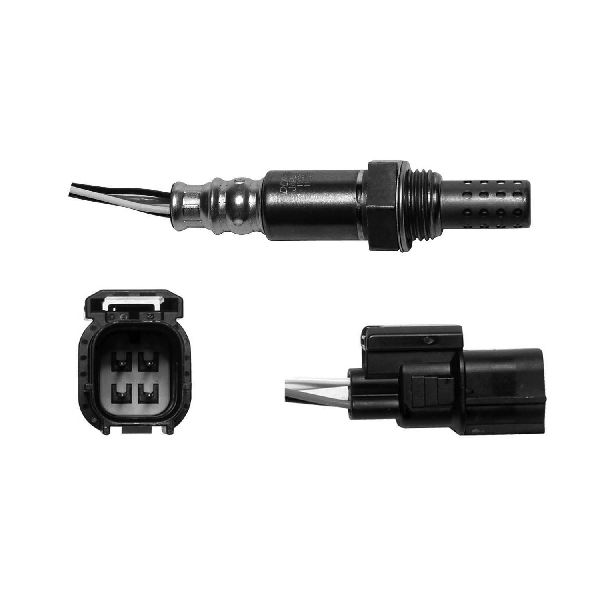
For a 2013-2017 Honda Accord, code P0131 almost always points to a failed upstream oxygen sensor (also called an Air/Fuel Ratio Sensor). Replacing this sensor is the most common fix. Expect to pay $130-$200 for an OEM-quality aftermarket sensor (like Denso) and $200-$330 for a genuine Honda part. It's a DIY-friendly job for many home mechanics.
- P0131 on a 2013-2017 Accord almost always means the upstream oxygen sensor (A/F sensor) has failed
What's Unique About the 2013-2017 Honda Accord
On the 9th generation Honda Accord, this code is straightforward and rarely indicates a complex underlying issue. The key difference is identifying the correct sensor based on your engine. For the 2.4L 4-cylinder ('K24W1' engine), there's only one bank, and the sensor is easily accessible on the front-facing exhaust manifold. For the 3.5L V6 ('J35Y' series engine), 'Bank 1' is the cylinder bank closer to the firewall (the rear bank), which can be slightly harder to access. In both cases, the failure of the sensor itself is the most frequent cause.
Symptoms You May Notice
- Check Engine Light is on
- Reduced fuel economy
- Rough or unstable idle
- Slight engine hesitation during acceleration
- Engine may run rough or die in some cases
- Replacing the downstream (Sensor 2) oxygen sensor. P0131 specifically points to Sensor 1, the upstream sensor.
- Replacing the catalytic converter. A bad converter usually triggers a P0420 code, not P0131.
- Replacing the PCM. This is extremely rare and should only be considered after all other possibilities have been exhausted.
Most Likely Causes
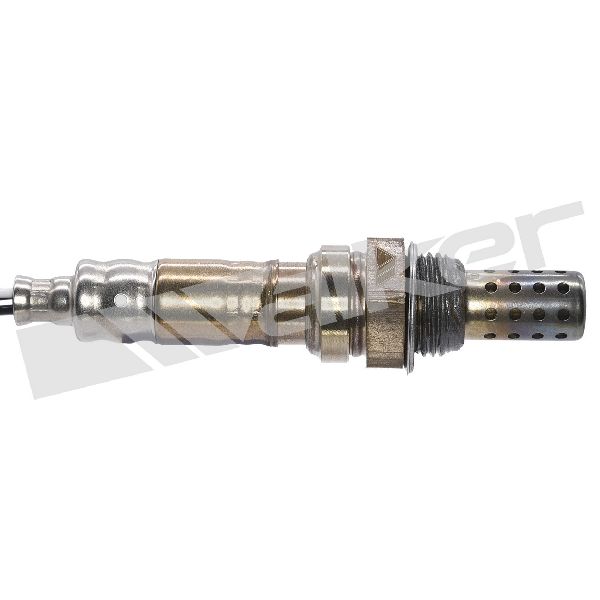
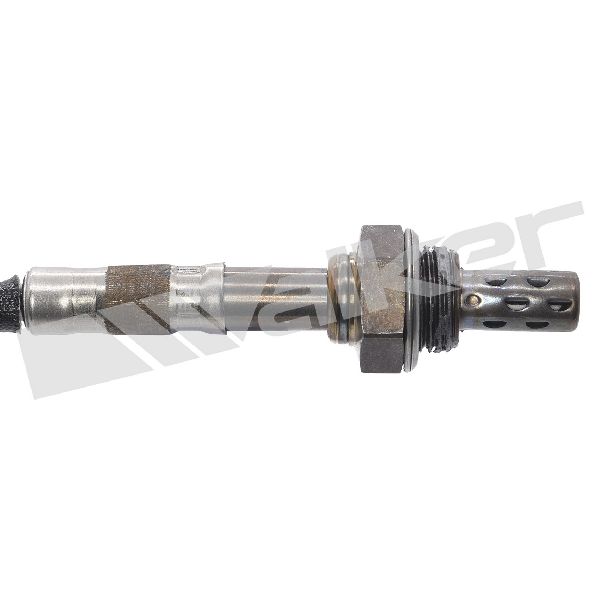
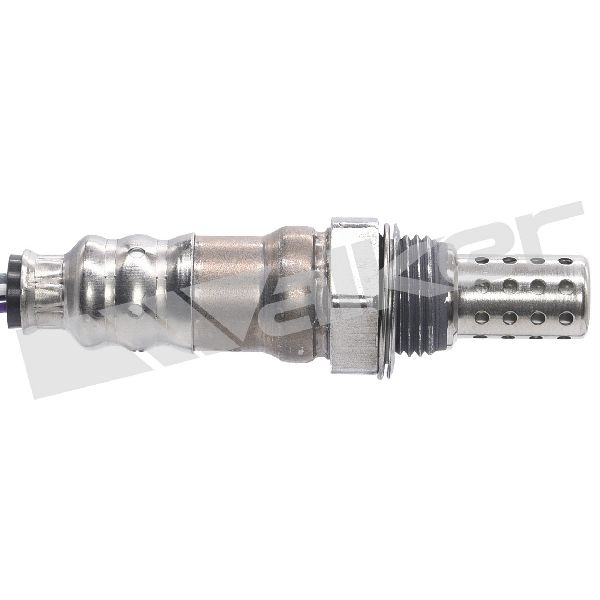
- Failed Upstream Oxygen (A/F) Sensor 🔴 High Probability → Shop Oxygen Sensor Oxygen sensors are wear-and-tear items that degrade over time from heat and contaminants. They typically have a finite lifespan and are a very common failure point on most vehicles, including the Accord. Oil leaks from valve cover gaskets can also contaminate the sensor's wiring connector, causing a failure.
How to confirm: Use an OBD-II scanner to monitor the live data for the Bank 1 Sensor 1 voltage. If the voltage is stuck low (typically below 0.1V - 0.4V) and does not fluctuate rapidly when the engine is warm and running in closed loop, the sensor is likely bad.
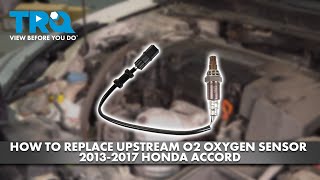
Typical fix: Replace the Bank 1, Sensor 1 Air/Fuel Ratio Sensor. Using a dedicated oxygen sensor socket is highly recommended for removal. 🎬 Watch: Step-by-step guide to replacing your upstream O2 sensor.
Est. part cost: $130-$330 - Exhaust Leak Before the Sensor 🟡 Medium Probability Gaskets on the exhaust manifold or cracks in the manifold itself can develop over time, allowing outside air to be drawn into the exhaust stream. This extra oxygen fools the sensor into sending a low voltage (lean) signal.
How to confirm: Visually inspect the exhaust manifold and the pipe leading to the sensor for black soot trails or cracks. You can also perform a smoke test or listen for an audible ticking/hissing sound from the engine bay, especially when the engine is cold.
Typical fix: Replace the leaking exhaust gasket or repair/replace the cracked exhaust component. Temporary repairs can sometimes be made with exhaust putty or wraps.
Est. part cost: $20-$300 - Damaged Wiring or Connector ⚪ Low Probability The sensor wiring is located in a high-heat engine bay, making it susceptible to becoming brittle, melting, or chafing against other components over time. Oil or other fluid leaks can also contaminate the connector, causing a short or poor connection.
How to confirm: Visually inspect the entire wiring harness from the sensor to where it connects to the main engine harness. Unplug the connector and check for melted insulation, chafed spots, or corrosion/oil inside the connector pins.
Typical fix: Repair the damaged section of wire or replace the connector pigtail. Clean any contamination from the connector with electrical contact cleaner and apply dielectric grease.
Est. part cost: $15-$50
Rare But Worth Checking
- Low Fuel Pressure: A failing fuel pump or clogged filter can create a lean condition, which the O2 sensor will accurately report. This is less common than a sensor failure and would likely be accompanied by other codes (like P0087) or more severe drivability issues.
- Engine Vacuum Leak: A significant vacuum leak from a cracked hose or bad intake manifold gasket can introduce unmetered air into the engine, causing a lean condition. This would typically cause a high, erratic idle and possibly other diagnostic codes like P0171.
- Faulty Powertrain Control Module (PCM): An internal failure of the PCM is extremely rare but possible. This should only be considered after all other possibilities, including wiring and sensor circuits, have been exhaustively tested and ruled out.
Diagnosis Steps
- Read the code with an OBD-II scanner to confirm P0131 is the primary code present.
- Visually inspect the Bank 1 Sensor 1 (upstream) oxygen sensor and its wiring harness for any obvious damage, melting, or contamination from fluid leaks.
- Inspect the exhaust manifold and surrounding pipes for any signs of an exhaust leak (soot, cracks). Listen for a ticking noise when the engine is cold.
- Use a scan tool to observe the live voltage data for 'O2S11' or 'A/F Sensor 1'. With the engine fully warmed up, the voltage should fluctuate rapidly. If it is stuck low (e.g., below 0.4V), it confirms the fault condition.
- Before replacing, check the fuse for the O2 sensor heater circuit (On many Accords, this is fuse A19 (10A) in the under-hood fuse box) to ensure it is not blown, as this can sometimes cause related sensor faults.
- If all other checks pass, replace the Bank 1, Sensor 1 Air/Fuel Ratio Sensor.
Parts You'll Likely Need
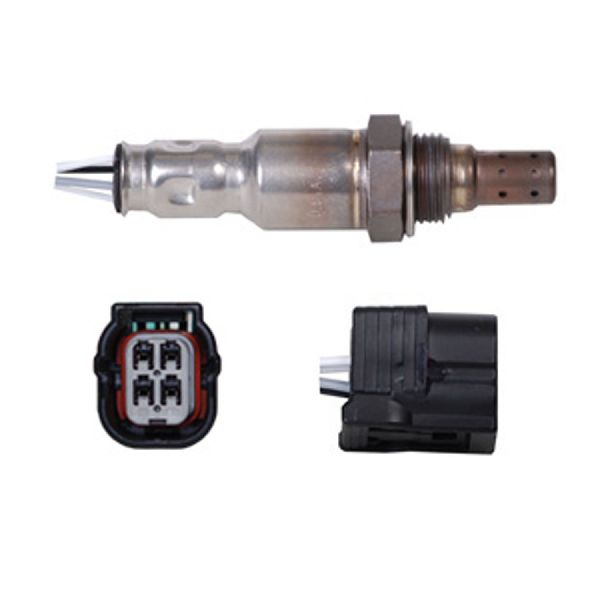
- Upstream Air/Fuel Ratio Sensor (For 2.4L I4 Engine)
(OEM #36531-5A2-A01)— This is Bank 1, Sensor 1 for the 4-cylinder engine. It is the most common failure part for a P0131 code.
Trusted brands: Denso (P/N: 234-9131), NGK/NTK
OEM price range: $220-$330
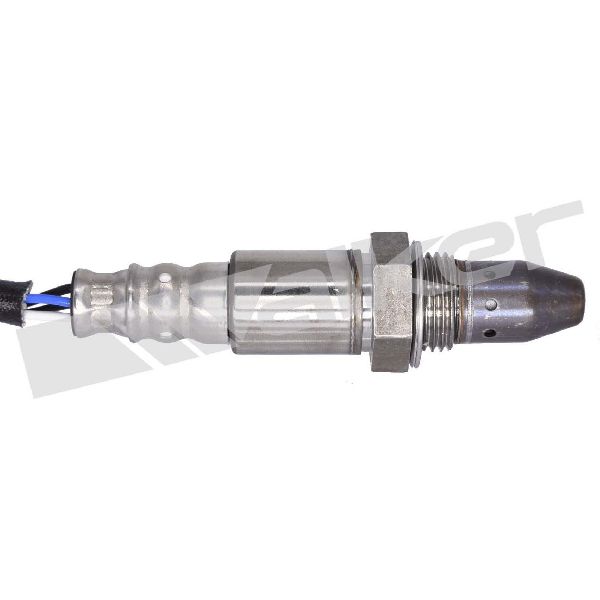
Aftermarket price range: $130-$200 - Upstream Air/Fuel Ratio Sensor (For 3.5L V6 Engine, Bank 1)
(OEM #36531-R70-A02)— This is Bank 1, Sensor 1 for the V6 engine (rear bank). It is the most common failure part for a P0131 code on this engine.
Trusted brands: Denso (P/N: 234-5137), NGK/NTK
OEM price range: $180-$270
Aftermarket price range: $130-$200
Related Codes That Often Appear With This One
- P0171 — System Too Lean (Bank 1). This code can appear with P0131 because the low sensor voltage is the primary indicator the PCM uses to determine that the system is lean.
Platform-Specific Known Issues
- Oil Contamination of Connector: On both the 2.4L and 3.5L engines, oil leaks from the valve cover gaskets are a potential source of problems. The leaking oil can drip down onto the O2 sensor connector, fouling the connection and causing the P0131 code. Owners on AcuraZine forums (with similar Honda engines) have reported this exact scenario.
Mechanic-Grade Diagnostic Values
- A/F Sensor (Bank 1, Sensor 1) Voltage — expected: On a scan tool, a healthy sensor's voltage should fluctuate rapidly. For Honda A/F sensors, the normal range is around 3.3V, fluctuating slightly. A traditional O2 sensor would fluctuate between 0.1V and 0.9V.. Failure: The voltage is stuck low (at or near 0V on freeze frame data) or does not respond to changes in engine load.
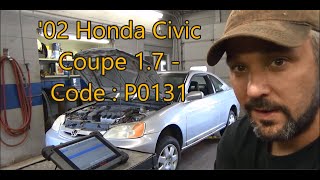
- Short-Term Fuel Trim (STFT) and Long-Term Fuel Trim (LTFT) — expected: Ideally, both STFT and LTFT should be close to 0%, typically within +/- 10%.. Failure: When the P0131 code is active, the PCM sees a false lean condition (low voltage) and commands more fuel. This results in a high positive fuel trim, often pegged at the maximum value (e.g., +47% as seen in one diagnostic case). 🎬 See how to diagnose P0131 using live scan tool data.
- A/F Sensor Heater Circuit Resistance — expected: Typically between 1.0 and 40.0 ohms, but varies by specific sensor. Check service manual for exact spec.. Failure: An open circuit (infinite resistance) or a dead short (near zero ohms) indicates a failed heater element within the sensor, which can cause incorrect sensor readings and trigger codes.
Wiring & Ground Locations
- G101 — On the 2.4L engine, G101 is typically located on the intake manifold plenum on the driver's side. On older V6 models, it's often on or near the thermostat housing.. G101 is a primary power and logic ground for the PCM and multiple sensors in the engine harness. A poor connection at this ground can cause erratic sensor readings, including the low voltage seen with P0131.
- A/F Sensor Connector (V6) — For the 3.5L V6, the Bank 1 (rear bank) sensor connector is located on the lower right front of the engine compartment.. This is the primary connection point for testing the sensor and harness. Knowing its location is critical for diagnosis and for checking for oil contamination from nearby valve covers.
- PCM/ECM — On the 2.4L models, the PCM is at the left front of the engine compartment. On the 3.5L V6 models, it is on the right side of the engine compartment.. This is the termination point for the sensor wiring. In rare cases of wiring issues, continuity must be checked between the sensor connector and the corresponding pins at the PCM.
OEM Part Supersession History
36531-R70-A01→36531-R70-A02— Standard part revision by the manufacturer.
Heads up: The new part number (36531-R70-A02) is the correct replacement for the original. No known incompatibility issues.
Model Year Variations Within This Range
- 2016-2017: The Accord received a mid-cycle refresh for the 2016 model year, which included revised styling, a lighter aluminum hood, and chassis/aerodynamic tweaks for slightly better fuel economy on 4-cylinder CVT models. However, the core powertrains (K24W1 and J35Y series) and their emissions control systems, including the A/F sensors relevant to P0131, remained the same. This refresh does not materially affect the diagnosis or repair of this code.
Diagnostic Flowchart
Other Known Issues on This Vehicle
Issues unrelated to this code that are worth knowing about as an owner of this generation:
- Starter Motor Failure / Grinding Noise (V6 Models) 🔴 High — Common on 2013-2015 V6 models, often occurring around 50,000 miles. Can result in a no-start condition. (Ref: TSB 16-002.)
- VTC Actuator Rattle on Cold Start (2.4L Models) 🟠 Medium — Common on 2.4L engines, especially in colder climates (below 40°F). Presents as a brief, loud rattle for ~2 seconds on cold startup. (Ref: TSB 16-012)
- Burnt Out LED Daytime Running Lights (DRL) 🟡 Low — Very common on 2016-2017 models. The LED strip in the headlight fails, requiring replacement of the entire headlight assembly. (Ref: Warranty Extension / TSB 19-042)
- Excessive Oil Consumption (2.4L Models) 🟠 Medium — Some owners report higher-than-normal oil consumption, potentially linked to oil control rings. Frequent oil level checks are recommended. (Ref: A class-action lawsuit settlement extended the powertrain warranty for some earlier models with similar issues (DTCs P0301-P0304).)
- Premature Starter Failure (4-Cylinder Models) 🟠 Medium — While the V6 has a specific TSB, the starter is also a frequently reported failure item on 4-cylinder models, though without a specific TSB.
Used vs. New Parts: Buying Guide for This Vehicle
When a used part is the smart pick: For this repair, buying a used Air/Fuel Ratio sensor is NOT recommended. They are wear-and-tear items with a finite lifespan, and a used sensor may have very little life left or could be faulty from the start.
Donor-vehicle mileage cap: roughly under 30000 miles for the part to have meaningful remaining life.
What to inspect on the donor part:
- If forced to buy used, source from the lowest-mileage, newest model year donor vehicle possible.
- Inspect the sensor tip for heavy carbon deposits or white, ashy contamination, which indicates a poor-running donor engine.
- Ensure the wiring and connector are free of cuts, melting, or oil contamination.
OEM-only on this vehicle (don't cheap out):
- While not strictly 'OEM-only', using a sensor from the original equipment manufacturer is highly recommended.
Aftermarket brands forum-validated for this vehicle:
- Denso
- NTK (NGK)
Brands owners have reported issues with on this vehicle:
- Generic, unbranded sensors from online marketplaces.
- Forum discussions frequently advise against using Bosch sensors on Honda applications, citing compatibility and performance issues.
Real Owner Stories
Aggregated from forums and TSBs cited above. Mileages and costs reflect what owners reported in those sources.
2013 Honda Accord Sport 2.4L
Symptoms: The owner was dealing with a related sensor fault code.
What fixed it: Replacing the sensor with Denso P/N 234-9131.
Source hint: DriveAccord.net
Honda Accord 3.5L V6
Symptoms: The P0131 code was triggered due to a contaminated electrical connection.
What fixed it: Replacing the sensor after finding the connector was contaminated with oil from a valve cover leak.
Source hint: AcuraZine
Related OBD-II Codes
Frequently Asked Questions
Is there a specific part number I should use for my 2013 Accord Sport to fix this issue?
Could an oil leak from my valve cover be causing the P0131 code on my Accord?
Which fuse should I check for the O2 sensor heater circuit on my Accord?
Does the V6 starter motor TSB 16-002 have anything to do with my P0131 code?
Can I use a used sensor from a donor vehicle to save money?
Is the P0131 code common on the Acura TLX as well?
Helpful Videos
We Have This Part in Stock

The information in this article is provided for general reference and educational purposes only. Vehicle specifications, procedures, and part compatibility can vary by production date, trim level, and region. Always consult your vehicle's factory service manual and verify part numbers before purchasing or performing repairs. Safety-critical components such as airbags, seat belts, and braking systems should be installed by a qualified professional.
- Honda Accord:
- 🧭 Diagnostic Flowchart
- 🎬 Helpful Videos
- 🛍️ Shop This Part
- What's Unique About the 2013-2017 Honda Accord
- Symptoms You May Notice
- Most Likely Causes
- Rare But Worth Checking
- Diagnosis Steps
- Parts You'll Likely Need
- Related Codes That Often Appear With This One
- Platform-Specific Known Issues
- Mechanic-Grade Diagnostic Values
- Wiring & Ground Locations
- OEM Part Supersession History
- Model Year Variations Within This Range
- Other Known Issues on This Vehicle
- Used vs. New Parts: Buying Guide for This Vehicle
- Real Owner Stories
- 2013 Honda Accord Sport 2.4L
- Honda Accord 3.5L V6
- Related OBD-II Codes
- Frequently Asked Questions
- 🎟️ Get 5% Off