

P0132 on 1999-2003 Acura TL: O2 Sensor High Voltage Causes and Fixes
This code is most often caused by a failed upstream oxygen sensor on the rear cylinder bank (Bank 1). Replacing the sensor with an OEM-quality brand like Denso or NTK is the typical fix. Expect to pay $60-$120 for the part and about 1-1.5 hours of labor.
- P0132 on your Acura TL almost always points to the rear upstream oxygen sensor (Bank 1, Sensor 1).
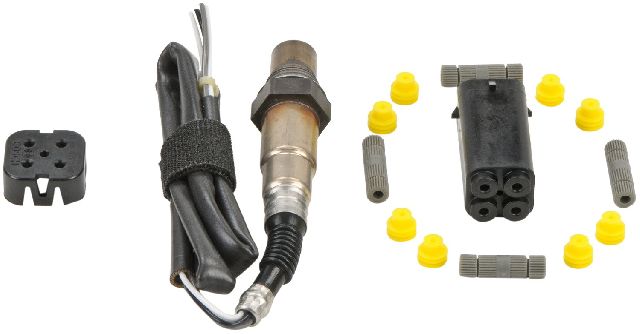
- Do not use cheap, universal oxygen sensors. Stick with a direct-fit sensor from Denso or NTK to avoid future issues.
- While you can drive with this code, your fuel mileage will suffer, and you risk damaging your catalytic converter over time.
- Before replacing the sensor, always perform a quick visual inspection of the wiring for any obvious damage, like melting or oil saturation.
- The sensor is located near the firewall, so while it's a DIY-friendly job, access can be a little tight. An O2 sensor socket and possibly a wobble extension are highly recommended.
What's Unique About the 1999-2003 Acura TL
The second-generation Acura TL is known for its reliability, but like many Honda/Acura products of this era, it is sensitive to the quality of its electronic parts. Owners and mechanics on forums like Acurazine strongly recommend using OEM-equivalent (Denso or NTK) oxygen sensors. Using generic or 'universal' parts can cause persistent issues, incorrect readings, or premature failure. The location of the Bank 1 sensor at the rear of the engine bay near the firewall can make access challenging. One owner noted that a bolt holding a wiring stay and unclipping the sensor from its bracket were awkward to reach from underneath the car. Despite this, it remains a common DIY repair.
Symptoms You May Notice
- Check Engine Light (MIL) is illuminated
- Noticeably reduced fuel economy
- Rough or unstable idle, sometimes feeling like the engine wants to stall
- Significant hesitation or delay when accelerating, especially when the engine is cold
- Possible smell of gasoline or rotten eggs (unburned fuel) from the exhaust
- In some cases, the VSA (Vehicle Stability Assist) light may also illuminate, as engine performance issues can affect the traction control system.
- Replacing the wrong oxygen sensor (e.g., the downstream Sensor 2, or the front Bank 2 sensor). Bank 1 is the rear bank, near the firewall.
- Replacing the catalytic converter when it is not the root cause. The P0132 code points to a sensor *before* the converter.
- Assuming a cheap 'universal' sensor will work. These often cause more problems on Honda/Acura vehicles.
Most Likely Causes
- Failed Bank 1, Sensor 1 Oxygen Sensor 🔴 High Probability → Shop Oxygen Sensor Oxygen sensors are consumable parts that degrade over time from constant exposure to extreme heat and exhaust contaminants. On a vehicle of this age, sensor failure is the most common reason for P0132.
How to confirm: Use an OBD-II scanner to monitor the live data for B1S1 voltage. If the voltage is stuck high (e.g., >0.9V) and does not fluctuate rapidly on a warm engine, the sensor has almost certainly failed. 🎬 Watch: A detailed breakdown of the P0132 high voltage code. You can also test the sensor's internal heater circuit with a multimeter for proper resistance (refer to a service manual for specs, but a reading between 4 and 10 ohms is typical for a good heater).
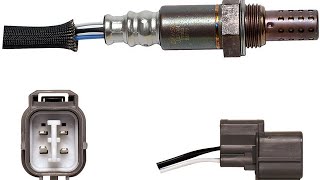
Typical fix: Replace the Bank 1, Sensor 1 (rear upstream) oxygen sensor. It is highly recommended to use a Denso (p/n 234-4727 for 2000-03 models) or NTK (p/n 24620) direct-fit sensor.
Est. part cost: $60 - $120 - Damaged Wiring or Connector 🟡 Medium Probability The wiring harness is exposed to significant heat in the engine bay. Over time, the plastic loom and wire insulation can become brittle and crack, leading to shorts against the engine block or exhaust components. Oil leaks from valve covers or axle seals can also saturate the wiring, causing damage.
How to confirm: Visually inspect the wiring harness leading to the Bank 1 O2 sensor. Look for any signs of melting, chafing, corrosion in the connector, or breaks in the wires. Pay close attention to where the harness might contact hot exhaust parts or sharp edges.
Typical fix: Repair the damaged section of the wiring harness or replace the connector pigtail. Ensure the repaired harness is secured away from heat sources.
Est. part cost: $10 - $40 - Engine Running Rich ⚪ Low Probability While less common for this specific code, issues like a leaking fuel injector or a faulty fuel pressure regulator can cause a genuinely rich condition that the O2 sensor accurately reports as high voltage.
How to confirm: This is a secondary diagnosis step if a new sensor doesn't fix the code. Look for other codes related to the fuel system (e.g., P0172 Rich Condition). A fuel pressure test can verify regulator function. A mechanic can perform a fuel injector balance test to find a leaking injector.
Typical fix: Replace the leaking fuel injector or faulty fuel pressure regulator.
Est. part cost: $100 - $300
Rare But Worth Checking
- Exhaust Leak: An exhaust leak *before* the O2 sensor can sometimes draw in outside air, confusing the sensor and potentially causing incorrect readings, though this more commonly causes a lean code (P0131). It's worth inspecting the exhaust manifold for cracks or gasket leaks.
- Faulty Powertrain Control Module (PCM): → Shop Engine Control Module (ECM) This is extremely rare and should be considered a last resort. The PCM should only be suspected after all other possibilities, including the sensor, wiring, and fuel system, have been exhaustively tested and ruled out.
Diagnosis Steps
- Connect an OBD-II scanner and confirm P0132 is the primary code. Note any other codes present, like P0131 or P0172.
- View the live data stream for the 'B1S1' or 'Upstream O2 Bank 1' sensor. On a healthy, warm engine, the voltage should fluctuate rapidly between approximately 0.1V and 0.9V.
- If the voltage is stuck high (consistently above 0.8V or 0.9V) and is not responsive, the issue is confirmed.
- Turn off the engine and allow it to cool completely. Locate Bank 1, Sensor 1. It is on the rear exhaust manifold, near the firewall. Access is typically from underneath the vehicle. 🎬 See this walkthrough for replacing the Bank 1 upstream sensor.
- Inspect the sensor's electrical connector and wiring harness for any visible damage, melting, corrosion, or oil contamination. Ensure the connector is securely plugged in.
- Acurazine forum members have noted a small bolt holding a wiring stay for the sensor that can be awkward to reach, as well as the clip on the connector bracket. Be prepared for tight access.
- If the wiring appears intact, the oxygen sensor itself is the most likely culprit.
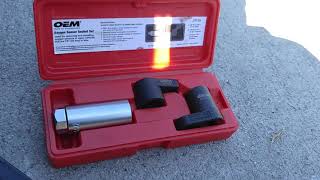
- Apply penetrating fluid to the sensor threads and let it soak to make removal easier. Use a 22mm or 7/8" O2 sensor socket (with a slot for the wire) and a ratchet, possibly with a wobble extension, to remove the old sensor.
- Install the new sensor (Denso or NTK recommended). Apply a small amount of anti-seize compound to the threads if not already pre-applied.
- After replacement, clear the trouble codes with the scanner and perform a test drive to ensure the code does not return and the live data for B1S1 shows a healthy, fluctuating signal.
Parts You'll Likely Need
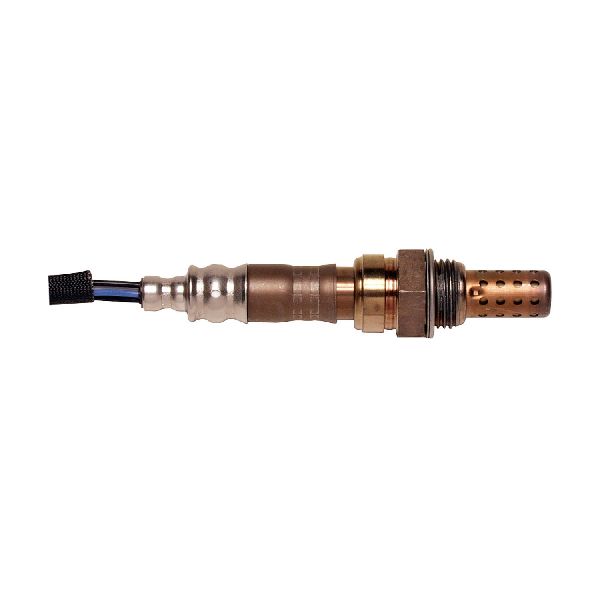
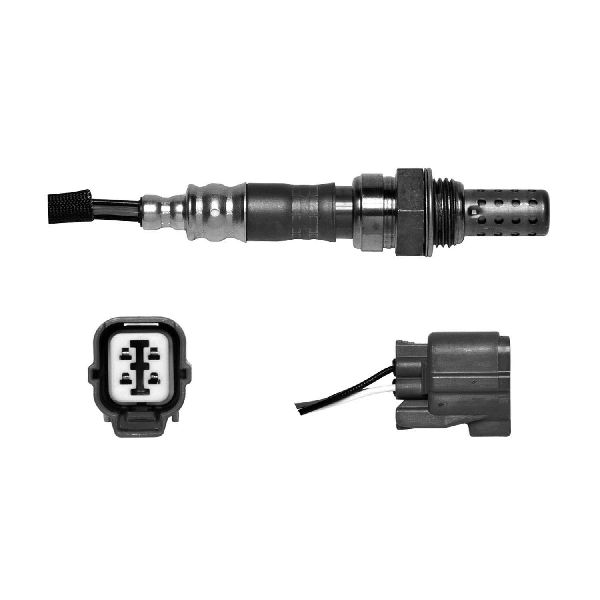
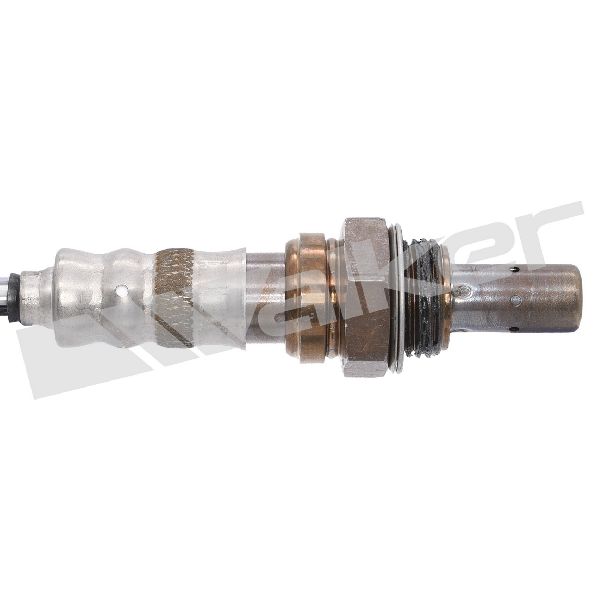
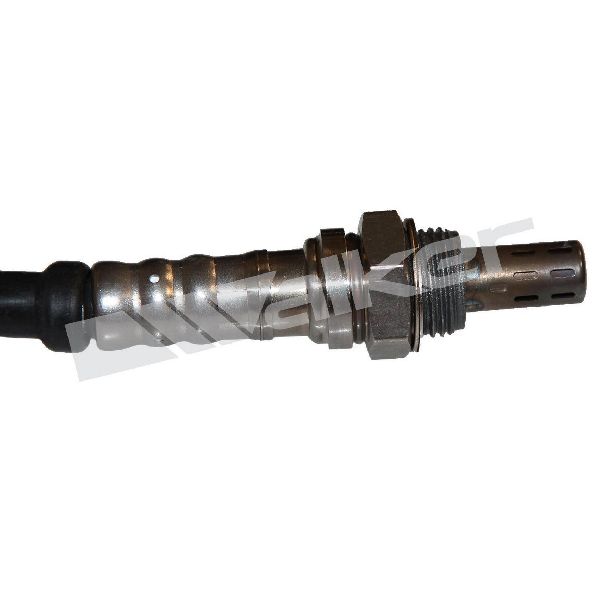
- Bank 1 Sensor 1 Oxygen Sensor (Rear, Upstream)
(OEM #36531-P8C-A01 (1999), 36531-P8D-J21 (2000-2003))— This is the primary sensor for monitoring the air-fuel ratio on the rear bank of cylinders and is the most common failure point for code P0132.
Trusted brands: Denso (p/n 234-4727 for 2000-03), NTK (p/n 24620)
OEM price range: $150-$220
Aftermarket price range: $60-$120 - O2 Sensor Socket — A specialized 22mm (7/8") socket with a cutout for the wire is essential for removing and installing the sensor 🎬 Watch: How to replace upstream sensors on J-Series V6 engines. without damaging the wiring, especially in the tight space near the firewall.
Trusted brands: Lisle, OEMTOOLS
Aftermarket price range: $10-$25
Related Codes That Often Appear With This One
- P0131: Sometimes a failing sensor can oscillate between extreme high and low voltage readings, triggering both codes simultaneously.
- P0172: If the engine is genuinely running rich, you may also see a 'System Too Rich (Bank 1)' code.
Technical Service Bulletins (TSBs) & Recalls
- No specific TSBs were found directly addressing the P0132 code for the 1999-2003 Acura TL after a search of the NHTSA database. The most prominent TSBs for this vehicle concern automatic transmission failures.
Platform-Specific Known Issues
- Access to the rear (Bank 1) sensor is tight. Mechanics and DIYers often need to use a combination of extensions and a wobble joint to reach the sensor from below the car.
- The wiring harness clip for the sensor can be brittle from age and heat, and may break upon removal. Be prepared with a zip tie to secure the new connector if this happens.
- Owners report that the car's computer is very sensitive. Using a non-Denso/NTK sensor can lead to the code returning or new, different codes appearing, even if the sensor is new.
Mechanic-Grade Diagnostic Values
- O2 Sensor Heater Circuit Resistance — expected: 4 to 10 Ohms (general specification). Failure: An infinite resistance (open circuit) or zero resistance (short circuit) reading on a multimeter indicates a failed heater element.
- B1S1 Live Data Voltage (Warm Engine, Idle) — expected: Rapidly fluctuating signal between ~0.1V and ~0.9V.. Failure: Voltage is stuck consistently high, above 0.8V-0.9V, for several seconds.
Wiring & Ground Locations
- G101 — Main engine ground, typically located on the thermostat housing on Honda/Acura V6 engines of this era.. This is a termination point for many sensor grounds, including potentially the O2 sensor circuit. A corroded or loose G101 ground can cause erratic sensor readings, including a high voltage signal, even if the sensor and its dedicated harness are good.
Real Owner Repair Stories
- Acurazine.com user post (2001 Acura TL) — Check Engine Light, significant hesitation when cold, rough/stalling idle.
❌ Tried (didn't work) Clearing the code (it returned the next day).
✅ What actually fixed it Replacing the Bank 1, Sensor 1 (rear upstream) oxygen sensor resolved all symptoms and the P0132 code. - Acurazine.com user post (2000-era Acura TL (mileage ~80k)) — P0132 code kept returning after being cleared, significant drop in city MPG (from ~19 to 14 MPG).
❌ Tried (didn't work) Replacing a very dirty air filter (code went away for 4 days but the underlying issue remained).
✅ What actually fixed it The consensus and final advice was to replace the Bank 1 O2 sensor, as the drop in MPG and recurring code pointed directly to a failing sensor despite the temporary fix from the new air filter.
OEM Part Supersession History
36531-P8D-J21→36531-P8D-J21 (current)— This is the stable OEM part number for the front (upstream) sensor on 2000-2003 Acura TL models, including Base and Type-S.
Heads up: This part is for 2000-2003 models. The 1999 model year uses a different part number (36531-P8C-A01).
Model Year Variations Within This Range
- 1999 vs. 2000-2003: The OEM part number for the Bank 1, Sensor 1 oxygen sensor is different. 1999 uses 36531-P8C-A01, while 2000-2003 models use 36531-P8D-J21. This is critical for sourcing the correct OEM or aftermarket part.
Diagnostic Flowchart
Real Owner Stories
Aggregated from forums and TSBs cited above. Mileages and costs reflect what owners reported in those sources.
2001 Acura TL
Symptoms: Check engine light, running poorly, large delay from accelerator when cold, rumble at idle, engine feels like it wants to stall.
What fixed it: Replaced the upstream (Bank 1, Sensor 1) O2 sensor. After replacement and resetting the codes, a test drive confirmed the issue was resolved.
Source hint: AcuraZine forum thread 'P0132 Error - Fixed'
1999-2003 Acura TL
Symptoms: Experienced both P0132 and P0131 codes along with the VSA light illuminating after unrelated shop work.
What fixed it: Identified and repaired wiring harness damage that occurred during the shop work, which was triggering the codes.
Source hint: Acurazine.com - Thread 'P0132/0131 and VSA'
1999-2003 Acura TL
Symptoms: Triggered a P0132 code pointing to the upstream sensor.
What fixed it: Replaced the sensor, noting the need for quality OEM-style parts (Denso/NTK) on these 'finicky' cars to keep the code from returning.
Source hint: Acurazine.com - Thread 'Which O2 sensor is the right one?'
Related OBD-II Codes
Frequently Asked Questions
Are there any TSBs for the P0132 code on the 1999-2003 Acura TL?
Which oxygen sensor brand should I use for my 1999-2003 TL to fix P0132?
Why did my VSA (Vehicle Stability Assist) light come on at the same time as the P0132 code?
Where is the Bank 1, Sensor 1 oxygen sensor located on the 3.2L V6 engine?
Can an oil leak cause the P0132 code on my Acura TL?
The wiring harness clip broke when I was removing the old O2 sensor. What should I do?
Helpful Videos
We Have This Part in Stock


The information in this article is provided for general reference and educational purposes only. Vehicle specifications, procedures, and part compatibility can vary by production date, trim level, and region. Always consult your vehicle's factory service manual and verify part numbers before purchasing or performing repairs. Safety-critical components such as airbags, seat belts, and braking systems should be installed by a qualified professional.
- Acura TL:
- 🧭 Diagnostic Flowchart
- 🎬 Helpful Videos
- 🛍️ Shop This Part
- What's Unique About the 1999-2003 Acura TL
- Symptoms You May Notice
- Most Likely Causes
- Rare But Worth Checking
- Diagnosis Steps
- Parts You'll Likely Need
- Related Codes That Often Appear With This One
- Technical Service Bulletins (TSBs) & Recalls
- Platform-Specific Known Issues
- Mechanic-Grade Diagnostic Values
- Wiring & Ground Locations
- Real Owner Repair Stories
- OEM Part Supersession History
- Model Year Variations Within This Range
- Real Owner Stories
- 2001 Acura TL
- 1999-2003 Acura TL
- 1999-2003 Acura TL
- Related OBD-II Codes
- Frequently Asked Questions
- 🎟️ Get 5% Off