

P0132 on 2009-2016 Audi A4 2.0T: O2 Sensor High Voltage Causes and Fixes
P0132 on a B8/B8.5 Audi A4 2.0T most often means the upstream oxygen sensor (Bank 1, Sensor 1) has failed or the engine is running rich. Before replacing the sensor for ~$100-$200, check for common 2.0T issues like a failed PCV valve causing vacuum leaks. A whistling noise from the engine bay or a strong vacuum when removing the oil cap are tell-tale signs of a bad PCV.
- P0132 means the primary O2 sensor is detecting a rich fuel mixture.
- Before replacing the O2 sensor, you MUST check for common Audi 2.0T issues like a failed PCV valve causing a vacuum leak.
- If you also have a P0172 (System Too Rich) code, the problem is almost certainly not the sensor itself, but an underlying engine issue.
- Use a high-quality, direct-fit replacement oxygen sensor from a brand like Bosch or NGK; avoid universal parts.
- Continued driving with this code can lead to poor fuel mileage and expensive damage to the catalytic converter.
What's Unique About the 2009-2016 Audi A4
On the 2009-2016 Audi A4 with the 2.0T TFSI (EA888) engine, this code is extremely common. While the O2 sensor itself can fail, these engines are well-known for issues that can cause a rich-running condition, fooling the sensor. Specifically, the diaphragm inside the Positive Crankcase Ventilation (PCV) valve is a frequent failure point, leading to unmetered air entering the intake manifold (a vacuum leak). The ECU tries to correct for this by adding excess fuel, which the O2 sensor correctly reports as a rich condition, triggering P0132. It's critical to rule out these underlying issues before condemning the O2 sensor, otherwise the code will likely return after the repair.
Generation note: This range covers the Audi A4 B8 (2009-2012) and B8.5 (2013-2016) generations. While the fundamental causes of P0132 are the same, there were updates to components. Notably, the timing chain tensioner was revised around 2013 to fix a critical defect. The PCV valve also went through several revisions. Always verify parts with your vehicle's VIN.
Symptoms You May Notice
- Check Engine Light is on
- Reduced fuel economy
- Rough or uneven idle
- Engine hesitation or loss of power
- Black smoke from the exhaust
- Smell of unburnt fuel
- Whistling or hissing sound from the engine bay, especially at idle (classic PCV failure symptom)
- Replacing the oxygen sensor without first checking for vacuum leaks from the PCV system. If the engine is truly running rich due to a vacuum leak, the new sensor will correctly report high voltage, and the P0132 code will return.
- Using a cheap, universal-fit oxygen sensor. These often have incorrect response times or heating elements, leading to persistent or new codes. It is highly recommended to use a direct-fit sensor from an OEM supplier like Bosch or NGK/NTK.
Most Likely Causes
- Failed PCV Valve or Breather Hose 🔴 High Probability The diaphragm inside the PCV valve on the 2.0T TFSI engine is a known weak point that tears over time, causing a significant vacuum leak. The ECU compensates for the unmetered air by enriching the fuel mixture, which triggers the P0132 code as the O2 sensor reports the resulting rich exhaust.
How to confirm: Listen for a distinct whistling or hissing sound from the engine bay at idle. Another easy test is to try to remove the oil filler cap while the engine is running; if there is strong suction holding it down or the engine stumbles badly/stalls when it's removed, the PCV diaphragm is almost certainly torn. A smoke test will also confirm the leak.
Typical fix: Replace the PCV valve assembly (also called an oil separator). Some kits allow for replacing just the diaphragm, which is cheaper but more labor-intensive.
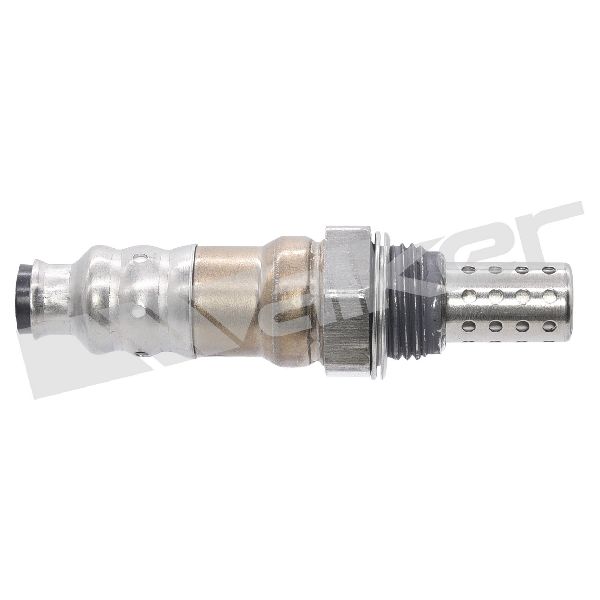
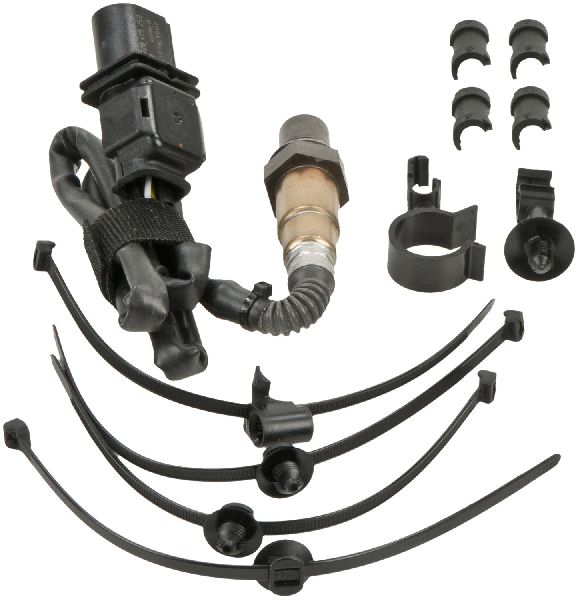
Est. part cost: $40 (diaphragm kit) - $180 (full assembly) - Failed Upstream Oxygen Sensor (Bank 1, Sensor 1) 🔴 High Probability → Shop Oxygen Sensor Oxygen sensors are wear items. On the 2.0T engine, the widespread oil consumption issue can accelerate failure by contaminating the sensor tip with burnt oil deposits, leading to false readings.
How to confirm: Use an OBD-II scanner (like VCDS for VW/Audi) to view live data for the Bank 1, Sensor 1 voltage. If the voltage is stuck high (e.g., >0.9V) and does not fluctuate rapidly on a warm engine, the sensor has likely failed. This should be done after confirming no vacuum leaks exist.
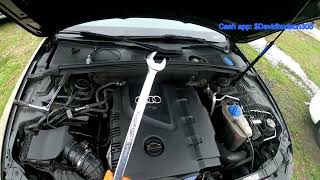
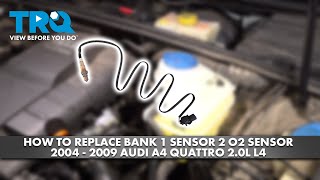
Typical fix: Replace the upstream oxygen sensor. An O2 sensor socket (22mm) is required for removal 🎬 See this walkthrough for replacing the upstream O2 sensor and installation.
Est. part cost: $90-$220 - Leaking Fuel Injector(s) ⚪ Low Probability → Shop Fuel Injector Direct injection fuel injectors operate under very high pressure and can develop leaks over time, either internally or from their seals, causing excess fuel to enter a cylinder and creating a rich condition.
How to confirm: This is more difficult to confirm without professional tools. A mechanic can perform a fuel pressure leak-down test or remove the injectors for flow testing. This is usually suspected after PCV and O2 sensor issues are ruled out.
Typical fix: Replace the faulty fuel injector(s). It is often recommended to replace them as a set, along with their seals.
Est. part cost: $50-$150 per injector - Wiring Harness Damage ⚪ Low Probability The O2 sensor wiring is routed near hot exhaust components. The protective sheathing can become brittle and break, exposing wires that can short to a power or ground source, causing a constant high voltage signal.
How to confirm: Visually inspect the entire length of the oxygen sensor harness from the sensor connector to the main engine harness. Look for melted plastic, chafed insulation, or corroded pins in the connector.
Typical fix: Repair the damaged section of the wiring harness or replace the harness pigtail.
Est. part cost: $20-$50 for repair materials
Rare But Worth Checking
- Exhaust Leak Before the O2 Sensor: → Shop Oxygen Sensor A crack in the exhaust manifold or a bad gasket between the turbo and manifold can allow fresh air into the exhaust stream. This can paradoxically cause the ECU to over-fuel the engine to compensate for what it perceives as a lean condition, resulting in an actual rich condition and a P0132 code.
- Failing High-Pressure Fuel Pump (HPFP): While more associated with the previous generation (B7) 2.0T FSI engine, issues with the HPFP can cause erratic fuel pressure and rich conditions. A failing HPFP can also leak fuel directly into the crankcase, which then gets ingested by the PCV system, causing a severe rich condition.
- Engine Control Module (ECM) Fault: → Shop Engine Control Module (ECM) In very rare cases, the fault may lie within the ECM itself. This should only be considered after all other possibilities have been exhaustively ruled out by a professional.
Diagnosis Steps
- Read the codes: Use an OBD-II scanner to confirm P0132 and check for any other related codes, especially P0172 or P2279.
- Check the PCV: With the engine idling, listen for a high-pitched whistle. Carefully try to remove the oil cap; if strong vacuum holds it on, the PCV has failed. 🎬 Watch: Testing for PCV breather leaks and crankcase pressure
- Analyze Live Data: If the PCV seems okay, warm up the engine and monitor the live voltage for Bank 1, Sensor 1. A healthy sensor's voltage should fluctuate rapidly between approximately 0.1V and 0.9V. If it is stuck high (e.g., >0.9V), it confirms the fault condition.
- Perform a Smoke Test: If the PCV test is inconclusive, perform a smoke test to definitively identify any vacuum leaks in the intake system, PCV hoses, or gaskets.
- Inspect the Wiring: Carefully inspect the O2 sensor's wiring harness and connector for any signs of melting, chafing, or corrosion.
- Check Fuel System: If no vacuum leaks are found, investigate the fuel system. Check fuel trims with a scan tool. Highly negative long-term fuel trims (e.g., -15% or more) confirm the ECU is trying to correct a rich condition.
- Replace the Oxygen Sensor: If all other checks pass and live data shows a stuck-high voltage, the oxygen sensor itself is the most likely culprit and should be replaced.
Parts You'll Likely Need
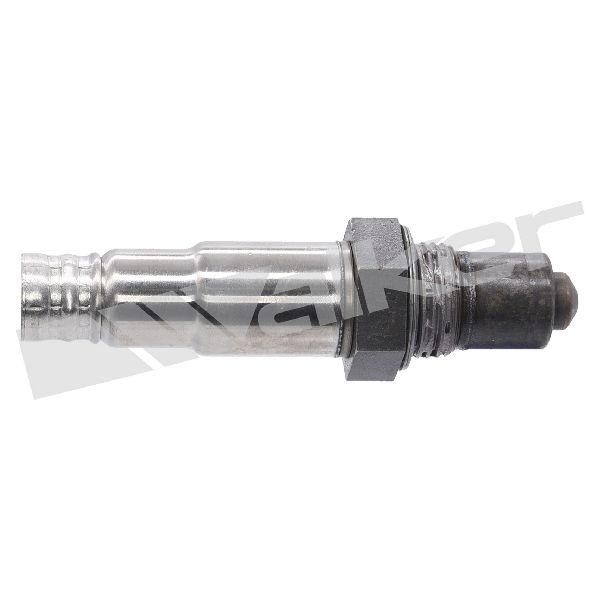
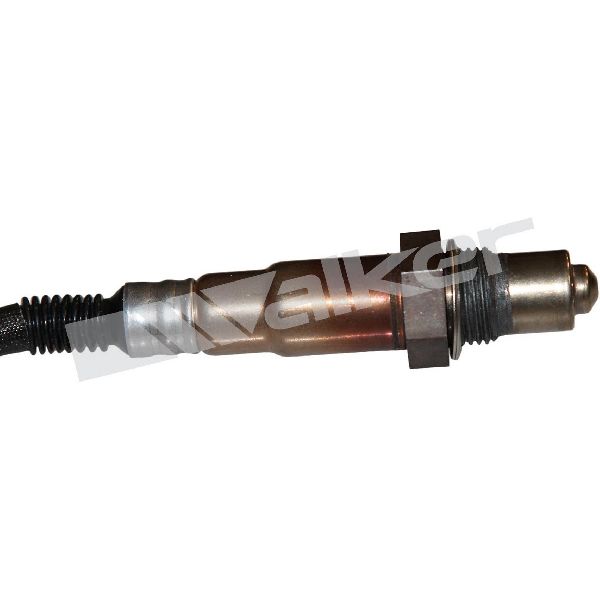
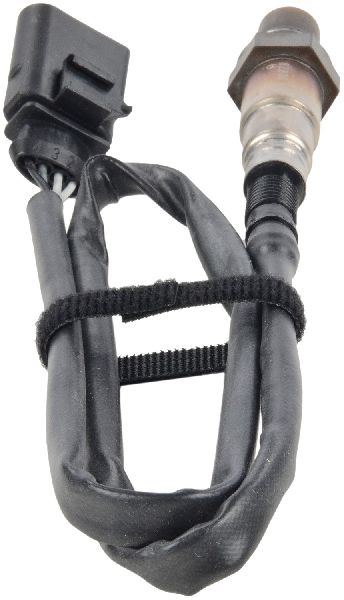
- Upstream Oxygen Sensor (Bank 1, Sensor 1)
(OEM #06J906262AA)— This is the primary sensor responsible for the code and is a common failure item, often due to age or oil contamination. The OEM part is made by Bosch or NTK.
Trusted brands: Bosch (Part #17351 is a widely cited direct-fit replacement), NGK/NTK, Denso
OEM price range: $180-$250
Aftermarket price range: $90-$160 - PCV Valve / Oil Separator Assembly
(OEM #06H103495AK (or later revision))— This is the most common root cause for the rich condition that triggers P0132. Part numbers have been revised multiple times; ensure you get the latest version.
Trusted brands: Genuine VW/Audi, Vaico, RKX (for diaphragm-only repair kits)
OEM price range: $150-$200
Related Codes That Often Appear With This One
- P0172 — P0172 means "System Too Rich (Bank 1)". This code directly confirms the condition that P0132 is reporting. Seeing them together strongly suggests an actual rich-running problem (like a PCV failure or fuel issue) rather than just a sensor failure.
- P2279 — P2279 indicates an "Intake Air System Leak". This code is frequently triggered by a failed PCV valve and, when seen with P0132, is a very strong indicator that the PCV system is the root cause.
- P0135 — P0135 indicates a fault in the O2 sensor's internal heater circuit. Since the heater and the sensor signal are part of the same component, seeing these codes together points strongly to an internal failure of the oxygen sensor itself.
- P0300, P0301, P0302, P0303, P0304 — These are random or specific cylinder misfire codes. An excessively rich mixture can foul spark plugs and cause misfires. The presence of misfire codes alongside P0132 indicates a severe rich condition that is affecting combustion.
Technical Service Bulletins (TSBs) & Recalls
- TSB #2039995/1: Addresses a rattling noise from the timing chain area for 1-3 seconds on a cold start. The prescribed fix is to replace the upper chain tensioners for both banks with updated parts.
Platform-Specific Known Issues
- Warranty Extension U42: Audi issued a warranty extension for the *rear* (downstream) oxygen sensor on some vehicles to 10 years or 120,000 miles. While this doesn't cover the upstream sensor related to P0132, it's worth calling a dealer with your VIN to check for any applicable warranties.
Mechanic-Grade Diagnostic Values
- Long-Term Fuel Trim (Bank 1) — expected: Within +/- 10% on a healthy engine. Single digits are ideal.. Failure: Consistently more negative than -15% to -25% indicates the ECU is aggressively removing fuel to combat a severe rich condition.
- O2 Sensor Heater Element Resistance — expected: Typically between 3-25 Ohms when the sensor is cold.. Failure: A reading of infinity (open circuit) or very high resistance (e.g., over 100 Ohms) indicates a failed heater element, requiring sensor replacement.
- High-Pressure Fuel Pump (HPFP) Actual vs. Specified Pressure — expected: Actual pressure should closely track specified pressure at idle and under load.. Failure: While not a direct P0132 test, if actual pressure significantly deviates or if there is a strong smell of fuel in the engine oil, the HPFP may be leaking internally into the crankcase.
Scan Tool Commands That Help
- VCDS (VAG-COM): Basic Settings - Group 032 (Fuel Trim Learn) — After a repair (like replacing a PCV valve or fuel injector), this function can be used to view the stored idle and partial throttle fuel trim values. Resetting the ECU (by disconnecting the battery or through other functions) will clear these learned values and force the ECU to re-adapt, which can help confirm if the rich condition is resolved.
- VCDS (VAG-COM): Measuring Blocks - Groups 001, 031, 033 — These blocks are essential for live data diagnosis. Group 001 shows engine speed and lambda values. Group 031 shows the live lambda (air-fuel ratio) reading from Bank 1 Sensor 1. Group 033 shows the voltage of Bank 1 Sensor 1. Watching these values on a warm, running engine is the primary way to determine if the sensor is failed (stuck voltage) or correctly reporting a rich condition (fluctuating but biased high).
Wiring & Ground Locations
- Engine Block to Firewall Ground — A braided ground strap typically located between the engine block (often near the alternator or starter) and the vehicle's firewall.. A corroded or loose main engine ground can cause erratic voltage readings across multiple sensors, including the O2 sensor, as the ECU and sensors struggle to find a stable ground reference. This can lead to false high or low voltage codes.
- G12 (Firewall Ground) — Located at the center of the firewall in the engine bay.. This ground point serves the ECM. A poor connection here can directly impact the ECM's ability to correctly interpret sensor signals, potentially causing incorrect fault codes.
- Battery Ground Point — The main battery is located in the trunk, under the spare tire. The primary chassis ground is near the battery. There are also jump-start posts in the engine bay, with a negative terminal post available for grounding test equipment.. All electrical tests rely on a good ground reference. Using the designated engine bay ground post ensures a stable connection for multimeter or scope testing of the O2 sensor circuit.
Real Owner Repair Stories
- Audi-Sport.net forum user (Audi A4 2.0 TFSI B8) — Misfiring, rough idle, white smoke, strong smell of unburnt fuel, fuel contaminating the engine oil, and extremely negative fuel trims (-25% short term, -40% long term).
❌ Tried (didn't work) New spark plugs, New coil packs, New air filter, New oil and filter
✅ What actually fixed it The symptoms were consistent with a stuck-open fuel injector. Another user confirmed identical symptoms were resolved by replacing a single faulty fuel injector. - Ross-Tech Forums user (2010 Audi A4 2.0T) — Persistent 'System too Rich at Idle' code (P2188, related to P0172/P0132) and a gasoline smell in the engine oil.
❌ Tried (didn't work) Replaced EVAP (N80) purge valve, Replaced HPFP cam follower and seal, Oil change
✅ What actually fixed it The user replaced the High Pressure Fuel Pump (HPFP) and used an injector cleaner. The fuel trims returned to normal and the code did not return, indicating the failing HPFP was leaking fuel into the crankcase.
"I Checked Everything" — The Actual Cause
- On the 2.0T TFSI engine, a vehicle can pass a smoke test (showing no vacuum leaks) but still have a severe rich condition. A known hidden cause is the internal failure of the High-Pressure Fuel Pump (HPFP). Seals inside the pump degrade, allowing raw fuel to leak directly into the engine crankcase. This fuel-contaminated oil is then circulated as vapor through the PCV system into the intake, creating a rich mixture that the O2 sensor correctly reports, triggering P0132 and P0172. Mechanics often miss this because they focus on vacuum leaks and don't check for the smell of fuel in the oil.
OEM Part Supersession History
06H103495A, 06H103495E→06H103495AC, AE, AH, AJ, AK, AN— The original PCV valve diaphragms were highly prone to tearing. VW/Audi released multiple revisions to improve durability and, in some cases, change the internal pressure setting to help combat oil consumption issues.
Heads up: It is critical to use the latest available revision. Some older versions used a lower crankcase pressure spec (~20 mbar) while later versions, often part of an oil consumption update, use a higher spec (~100 mbar). Using the wrong version for your car's software can cause other running issues.
Model Year Variations Within This Range
- 2009-2012 (B8): These earlier models with the EA888 Gen 2 engine are more prone to the oil consumption issue due to piston ring design, which can foul the O2 sensor and spark plugs, contributing to P0132 and misfire codes.
- 2013-2016 (B8.5): The B8.5 facelift introduced mostly cosmetic updates. However, the 2.0T engine received some revisions, including an updated timing chain tensioner and continued evolution of the PCV valve. While mechanically very similar, always confirm part numbers with VIN as some components changed mid-generation.
Diagnostic Flowchart
Other Known Issues on This Vehicle
Issues unrelated to this code that are worth knowing about as an owner of this generation:
- Excessive Oil Consumption 🔴 High — Very common, especially in 2009-2011.5 models with the CAEB engine code. Can start as early as 60,000 miles, with some owners reporting consumption of 1 quart every 300-1000 miles. (Ref: A class-action lawsuit led to a settlement where Audi would perform a two-stage fix: first, replacing the PCV valve, and second, if consumption continued, replacing pistons and rings.)
- Timing Chain Tensioner Failure 🔴 High — A critical issue for engines produced until roughly 2013, when a revised tensioner was introduced. Failure can happen without warning, often between 70,000 and 120,000 miles, and results in catastrophic engine damage. (Ref: While no universal recall, multiple TSBs exist, such as TSB #2039995/1, which addresses rattling noises at startup by replacing tensioners. Owners can have a mechanic visually inspect the tensioner through a small port to see if the updated version is installed.)
- Water Pump Failure 🟠 Medium — The OEM water pump has a plastic housing that is prone to cracking or developing leaks from its gasket. Failure can occur as early as 25,000 miles but is common between 60,000-100,000 miles.
Used vs. New Parts: Buying Guide for This Vehicle
When a used part is the smart pick: For this repair, using used parts is generally not recommended. The primary culprits (O2 sensor, PCV valve) are wear-and-tear items with a finite lifespan. A used part from a junkyard is likely to have significant wear and could fail soon after installation, wasting time and money.
Donor-vehicle mileage cap: roughly under 60000 miles for the part to have meaningful remaining life.
What to inspect on the donor part:
- For a PCV valve, look for the latest part number revision (e.g., ending in AK or later). Avoid any with visible oil sludge or cracks.
- Do not purchase a used oxygen sensor. It is impossible to know its remaining life, and it is highly sensitive to contamination.
OEM-only on this vehicle (don't cheap out):
- PCV Valve / Oil Separator: While some aftermarket versions exist, the Genuine VW/Audi part has the most reliable track record due to the numerous revisions made to correct the original design flaws. Using a cheap aftermarket PCV can lead to immediate failure or incorrect crankcase pressure.
Aftermarket brands forum-validated for this vehicle:
- Oxygen Sensor: Bosch, NGK/NTK, Denso. Bosch is the OEM supplier for this part, and their direct-fit replacement (e.g., #17351) is a reliable choice.
- PCV Diaphragm Repair Kit: RKX is a well-regarded brand if you choose to repair the diaphragm only, instead of replacing the entire assembly.
Brands owners have reported issues with on this vehicle:
- Unbranded or 'universal' oxygen sensors that require splicing wires. These frequently have incorrect heater resistance or slow response times, which will cause the code to return or new codes to appear.
Real Owner Stories
Aggregated from forums and TSBs cited above. Mileages and costs reflect what owners reported in those sources.
2009 Audi A4 2.0T
Symptoms: Experienced P0132 along with P0172 (System Too Rich).
What fixed it: Replacing the PCV valve resolved both codes.
Source hint: Audizine: Error Code P0132 and P0172
2011 Audi A4 2.0T
Symptoms: Check Engine Light for P0132; the code returned even after the owner replaced the upstream O2 sensor himself.
What fixed it: Further diagnosis revealed a torn diaphragm in the PCV valve, which was the true fault.
Source hint: AudiWorld: P0132 CEL
2010 Audi A4 2.0T — ~65000 miles
Symptoms: Poor performance and a whistling sound under boost.
What fixed it: PCV valve replacement (noted that some were replaced for free under an oil consumption campaign for 2009-2010 models).
Source hint: Reddit r/Audi: How to test PCV valve on a B8 A4 (2.0 TFSI)
Related OBD-II Codes
Frequently Asked Questions
Is there a warranty extension for the oxygen sensor on my 2009-2016 Audi A4?
My 2011 A4 has a whistling sound at idle and a P0132 code; what is the likely cause?
How can I tell if my PCV valve is bad without a scanner?
Does TSB #2039995/1 relate to my P0132 code?
Can I just replace the diaphragm in the PCV valve to save money?
Why would oil consumption cause a P0132 code on my 2.0T TFSI?
Helpful Videos


We Have This Part in Stock


The information in this article is provided for general reference and educational purposes only. Vehicle specifications, procedures, and part compatibility can vary by production date, trim level, and region. Always consult your vehicle's factory service manual and verify part numbers before purchasing or performing repairs. Safety-critical components such as airbags, seat belts, and braking systems should be installed by a qualified professional.
- Audi A4:
- 🧭 Diagnostic Flowchart
- 🎬 Helpful Videos
- 🛍️ Shop This Part
- What's Unique About the 2009-2016 Audi A4
- Symptoms You May Notice
- Most Likely Causes
- Rare But Worth Checking
- Diagnosis Steps
- Parts You'll Likely Need
- Related Codes That Often Appear With This One
- Technical Service Bulletins (TSBs) & Recalls
- Platform-Specific Known Issues
- Mechanic-Grade Diagnostic Values
- Scan Tool Commands That Help
- Wiring & Ground Locations
- Real Owner Repair Stories
- "I Checked Everything" — The Actual Cause
- OEM Part Supersession History
- Model Year Variations Within This Range
- Other Known Issues on This Vehicle
- Used vs. New Parts: Buying Guide for This Vehicle
- Real Owner Stories
- 2009 Audi A4 2.0T
- 2011 Audi A4 2.0T
- 2010 Audi A4 2.0T — ~65000 miles
- Related OBD-II Codes
- Frequently Asked Questions
- 🎟️ Get 5% Off