

P0133 on 2015-2021 Jeep Renegade: O2 Sensor Slow Response Causes and Fixes
P0133 on a Jeep Renegade means the upstream oxygen sensor is responding too slowly. The most common fix is replacing the Bank 1, Sensor 1 O2 sensor. Before replacing it, check if your vehicle's computer software is up to date, as a TSB points to a software fix for some 2016 models with the 2.4L engine. This is a known issue across other FCA vehicles with the same engine, like the Fiat 500X and Dodge Dart.
- P0133 on a Jeep Renegade points to a slow-reacting upstream oxygen sensor (Bank 1, Sensor 1).
- Before replacing any parts, especially on a 2016 2.4L model, check with a dealer to see if your vehicle needs the PCM software update mentioned in TSB #18-061-16.
- The most common hardware fix is replacing the upstream O2 sensor.
- Driving with this code will likely decrease your fuel economy and can, over time, harm your catalytic converter.
What's Unique About the 2015-2021 Jeep RENEGADE
For the Jeep Renegade, particularly the 2016 models with the 2.4L engine, a key consideration for P0133 is a Technical Service Bulletin (TSB #18-061-16 REV. C). This TSB indicates that the code could be triggered by overly sensitive parameters within the Powertrain Control Module (PCM) software, which can be resolved with a software update from a dealership. This suggests that before condemning the sensor itself, it's crucial to rule out a software-related cause. This issue is not unique to the Renegade; it's a known characteristic for other FCA products using the 2.4L engine, such as the Dodge Dart and Fiat 500X, which have similar TSBs.
Diagnostic Flowchart
Tap your situation to follow the diagnostic path that matches what you're seeing on this vehicle.
Symptoms You May Notice
- Check Engine Light is on
- Reduced fuel economy
- Rough or unstable idle
- Engine hesitation or sluggish acceleration
- Failing an emissions test
- Strong smell of exhaust or gasoline
- Replacing the oxygen sensor when a PCM software update is what's actually needed, especially on 2016 2.4L models.
- Replacing the downstream (Sensor 2) oxygen sensor instead of the upstream (Sensor 1) sensor. P0133 specifically refers to Bank 1, Sensor 1.
- Using a cheap, universal O2 sensor. Owners on forums report that some aftermarket sensors may not meet the required response times, causing the code to return. Using OEM (Mopar) or high-quality aftermarket brands like Denso or NTK is recommended.
Most Likely Causes
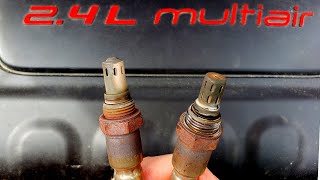
- Failing Upstream Oxygen Sensor (Bank 1, Sensor 1) 🔴 High Probability → Shop Oxygen Sensor Oxygen sensors are consumable parts that degrade over time due to intense heat and contaminants in the exhaust stream. After 60,000-90,000 miles, their ability to react quickly diminishes, triggering a slow response code. This is the most frequent cause of P0133 once software issues are ruled out.
How to confirm: Use a scan tool with live data capabilities to graph the Bank 1 Sensor 1 voltage at a steady 2,500 RPM. It should switch rapidly between approximately 0.1V and 0.9V. If the waveform is lazy, slow, or flat-lined, 🎬 See how to diagnose a slow response O2 sensor code. the sensor has failed. A healthy sensor should complete a full rich-to-lean cycle in under 100-200 milliseconds.
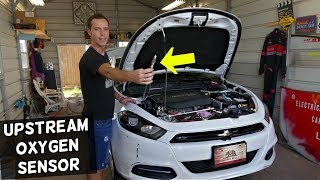
Typical fix: Replace the upstream oxygen sensor. 🎬 Watch: A step-by-step guide to replacing the Renegade oxygen sensor. This requires a special 7/8" (22mm) slotted oxygen sensor socket to fit over the wire. Applying heat to the exhaust manifold may be necessary to remove the old sensor without damaging the threads.
Est. part cost: $50-$150 - Powertrain Control Module (PCM) Software Update Needed 🟡 Medium Probability → Shop Engine Control Module (ECM) Jeep issued TSB #18-061-16 for 2016 Renegades with the 2.4L engine, which specifically addresses P0133 and other codes via a PCM software update. The original software may have overly sensitive parameters for detecting a slow sensor, leading to a false positive. This is a well-documented issue for the platform.
How to confirm: A Jeep dealership or a qualified shop with access to FCA's wiTECH software can check the current software calibration ID on your PCM and determine if an update is available based on the TSB.
Typical fix: Reprogramming the PCM with the latest software version. This must be done by a dealer or a properly equipped independent shop. Out of warranty, this service typically costs between $100 and $250.
Est. part cost: $0-$250 - Exhaust Leak ⚪ Low Probability Exhaust manifold gaskets can degrade, or the manifold itself can develop small cracks from heat cycles. An exhaust leak before the O2 sensor can introduce outside air, which the sensor reads as a lean condition, altering its switching behavior and potentially triggering a slow response code.
How to confirm: Visually inspect the exhaust manifold and the pipe leading to the O2 sensor for black soot trails, cracks, or broken bolts. A common method is to use a shop vacuum in 'blower' mode at the tailpipe to pressurize the system and feel for leaks by hand or by spraying soapy water on joints and listening for bubbles.
Typical fix: Repair the leak by replacing the cracked component (e.g., exhaust manifold) or replacing the faulty gasket.
Est. part cost: $20-$500+ - Damaged Wiring or Connectors ⚪ Low Probability The wiring for the O2 sensor is located in the hot engine bay and can be susceptible to melting if it touches exhaust components, or becoming brittle and chafed over time. High resistance in the circuit can dampen the voltage signal, making it appear slow to the PCM.
How to confirm: Visually inspect the wiring harness and connector for the upstream O2 sensor. Look for any signs of melting, chafing, corrosion, or loose pins. Use a multimeter to check for continuity and proper voltage at the connector per the factory service manual.
Typical fix: Repair the damaged section of the wiring harness or replace the connector pigtail.
Est. part cost: $10-$50
Rare But Worth Checking
- Intake Air or Vacuum Leaks: A significant vacuum leak can introduce unmetered air into the engine, causing a lean condition that can affect the O2 sensor's readings and potentially trigger a P0133 code. This will usually be accompanied by other codes (like P2172) or more severe drivability issues.
- Low Fuel Pressure: Incorrect fuel pressure can cause the engine to run consistently lean or rich, which can affect the O2 sensor's ability to switch properly. This is less common and would likely present with other symptoms like hard starting or loss of power under load.
Diagnosis Steps
- Read the code with an OBD-II scanner to confirm P0133 is present.
- Check for any available Technical Service Bulletins (TSBs) for your specific VIN. Pay close attention to TSB #18-061-16 REV. C for 2016 2.4L models. If applicable, have the PCM software updated by a dealer before proceeding.
- Use a scan tool to monitor live data for the Bank 1 Sensor 1 oxygen sensor. The sensor is located on the front of the engine, screwed into the exhaust manifold. Observe the voltage graph at operating temperature. It should fluctuate rapidly between ~0.1V and ~0.9V. A slow, lazy waveform confirms the 'slow response' issue.
- If the sensor signal is slow, inspect the sensor's wiring harness and connector for damage, corrosion, or melting. The connector is typically clipped to the engine or firewall nearby.
- Thoroughly inspect the exhaust manifold and downpipe for any signs of leaks (soot, cracks) before the O2 sensor. An exhaust leak is a common cause that is often overlooked.
- If wiring and the exhaust system are intact and the PCM software is up to date, the most likely cause is a faulty oxygen sensor.
- Replace the Bank 1, Sensor 1 (upstream) oxygen sensor. You will need a 7/8" (22mm) O2 sensor socket for this. Apply anti-seize compound to the threads of the new sensor.
- Clear the code and perform a complete drive cycle to ensure the check engine light does not return.
Parts You'll Likely Need
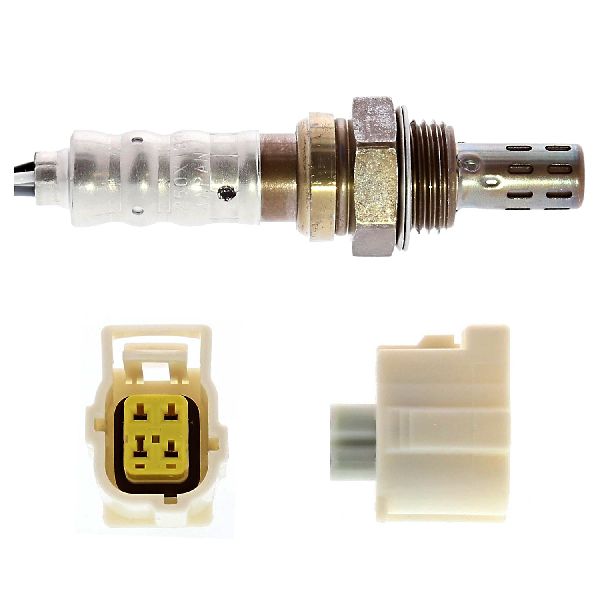
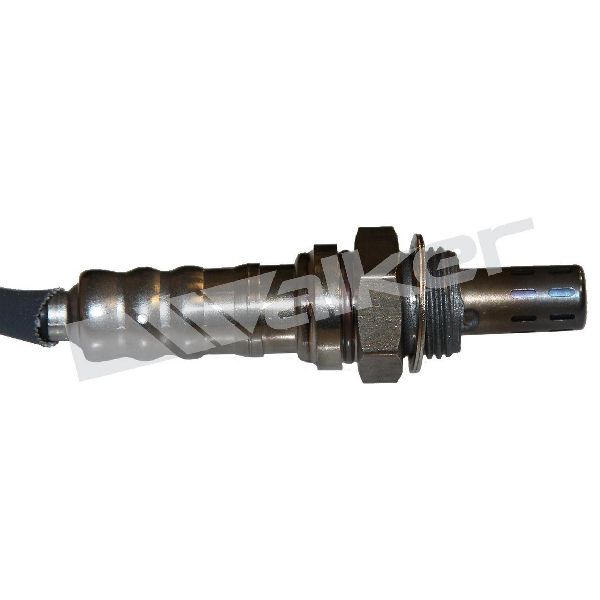
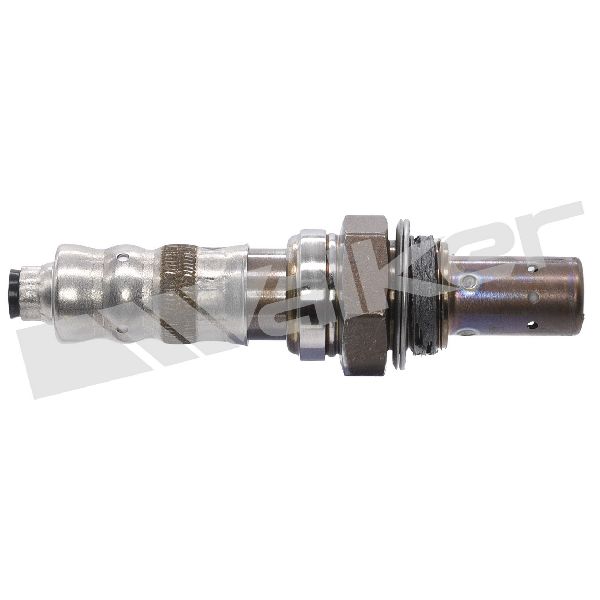
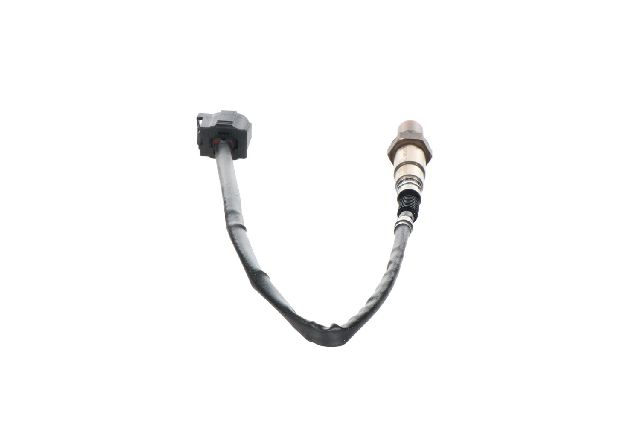
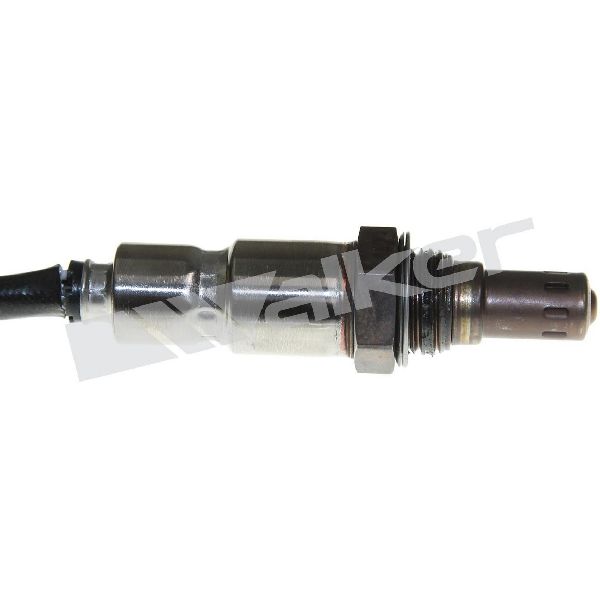
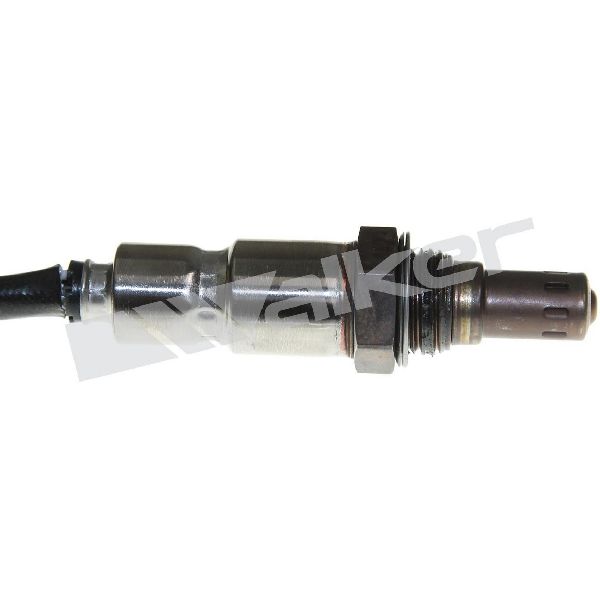
- Upstream Oxygen Sensor (Bank 1, Sensor 1)
(OEM #68195741AA (for 2.4L), 5149180AB (for 1.4L))— This is the sensor that the code directly identifies as having a slow response time. It is a common wear-and-tear item and the most likely hardware failure for this code.
Trusted brands: Mopar (OEM), Denso, NGK/NTK, Bosch
OEM price range: $100-$180
Aftermarket price range: $50-$130
Related Codes That Often Appear With This One
- P0130 — This is a general O2 sensor circuit malfunction code. P0133 is a more specific version of this, indicating the nature of the fault is a slow response. 🎬 Watch: How to fix common Jeep Renegade O2 sensor codes.
- P0131, P0132 — These codes indicate low voltage (lean) or high voltage (rich) from the same sensor. They can appear with P0133 if the sensor is failing intermittently in multiple ways.
- P0456, P0441 — These EVAP leak codes were listed alongside P0133 in TSB #18-061-16, suggesting a single PCM software update could resolve a group of seemingly unrelated codes simultaneously.
Technical Service Bulletins (TSBs) & Recalls
- 18-061-16 REV. C: Flash: 2.4L Powertrain Diagnostic And System Enhancements
- 18-023-16 REV. A: Flash: 2.4L Powertrain Diagnostic And System Enhancements (for Dodge Dart/Chrysler 200, shows pattern)
Platform-Specific Known Issues
- TSB #18-061-16 REV. C Software Update: Issued for some 2016 Jeep Renegades with the 2.4L engine, this TSB lists P0133 as one of several DTCs that can be resolved by a PCM software update. This is a critical first check for owners of affected vehicles, as replacing the sensor will not fix a software issue.
- Real Owner Experience: Software Update First: On forums like JeepRenegadeForum.com, multiple owners of 2016 models report having the P0133 code appear. Those who went to the dealer often had the TSB performed, which resolved the code without replacing any parts. This reinforces the 'software first' diagnostic approach for this specific model year and engine.
Mechanic-Grade Diagnostic Values
- Upstream O2 Sensor Heater Element Resistance — expected: 4 to 15 ohms when cold.. Failure: An open circuit (OL or infinite resistance on a multimeter) or a reading significantly outside the expected range indicates a failed internal heater.
- Upstream O2 Sensor Signal Voltage — expected: Rapidly fluctuating between approximately 0.1V and 0.9V at operating temperature and steady RPM (e.g., 2500 RPM).. Failure: A slow, lazy waveform that takes more than 100-200 milliseconds to switch, or a voltage that is stuck high or low.
Scan Tool Commands That Help
- wiTECH (FCA Dealer Tool) or equivalent: O2 Sensor Readiness Monitor Drive Cycle — After a repair or battery disconnect, the emissions readiness monitors must be run. If the O2 sensor monitor will not complete, it can sometimes be forced by following a specific drive cycle. In some cases, an issue as simple as an incorrect tire size or gear ratio programmed into the PCM can prevent the monitor from running.
Wiring & Ground Locations
- Upstream O2 Sensor Connector (2.4L Engine) — The connector for the upstream sensor is located near the top-rear of the engine, often clipped to a bracket. It is a grey or black connector. Follow the wire from the sensor itself, which is screwed into the front of the exhaust manifold.. This connector is a common point for corrosion or damage. Verifying a clean, secure connection is a key step before condemning the sensor. The connector has a locking tab that can be difficult to access and may require a small screwdriver to release.
Real Owner Repair Stories
- JeepRenegadeForum.com user reports (2016 Jeep Renegade 2.4L) — Check Engine Light with code P0133.
❌ Tried (didn't work) Replacing the upstream O2 sensor.
✅ What actually fixed it The owner took the vehicle to a Jeep dealership, which performed the software update outlined in TSB #18-061-16. This resolved the P0133 code without needing to replace the new sensor. - General FCA Platform Experience (Dodge Dart) (Dodge Dart (platform mate with shared 2.4L engine)) — P0141 (Heater circuit code, but illustrates a relevant electrical principle).
❌ Tried (didn't work) Replacing the O2 sensor with a universal/aftermarket part.
✅ What actually fixed it The aftermarket sensor's heater had a resistance of 4.5 ohms, while the OEM sensor was 14.5 ohms. This difference caused the PCM to still see a fault. The user added a 10-ohm resistor in-line with the heater circuit to match the expected resistance, which fixed the code. This highlights that the PCM is sensitive to the specific electrical characteristics of the OEM sensor.
Model Year Variations Within This Range
- 2019-2021: For the 2019 model year, Jeep introduced a 1.3L turbocharged inline-four engine as an option, which eventually replaced the 1.4L and 2.4L engines. This engine has a different exhaust manifold design and will use different O2 sensors and part numbers than the earlier 1.4L and 2.4L engines. Diagnostics for P0133 would be similar, but parts are not interchangeable.
Helpful Videos
We Have This Part in Stock

The information in this article is provided for general reference and educational purposes only. Vehicle specifications, procedures, and part compatibility can vary by production date, trim level, and region. Always consult your vehicle's factory service manual and verify part numbers before purchasing or performing repairs. Safety-critical components such as airbags, seat belts, and braking systems should be installed by a qualified professional.
- Jeep RENEGADE:
- 🧭 Diagnostic Flowchart
- 🎬 Helpful Videos
- 🛍️ Shop This Part
- What's Unique About the 2015-2021 Jeep RENEGADE
- Symptoms You May Notice
- Most Likely Causes
- Rare But Worth Checking
- Diagnosis Steps
- Parts You'll Likely Need
- Related Codes That Often Appear With This One
- Technical Service Bulletins (TSBs) & Recalls
- Platform-Specific Known Issues
- Mechanic-Grade Diagnostic Values
- Scan Tool Commands That Help
- Wiring & Ground Locations
- Real Owner Repair Stories
- Model Year Variations Within This Range
- 🎟️ Get 5% Off