

P0134 on 2003-2007 Saturn Ion 2.2L Ecotec: O2 Sensor No Activity Causes and Fixes
For a 2003-2007 Saturn Ion, code P0134 almost always means the upstream oxygen sensor (Bank 1, Sensor 1) has failed. A quality replacement sensor costs about $40-$80 and is a DIY-friendly fix. Before replacing, check the sensor's fuse and wiring, and be aware of a common platform-specific issue with a corroded engine ground wire on the back of the block that can mimic a bad sensor.
- P0134 on your Saturn Ion points directly to the upstream oxygen sensor (the one in the exhaust manifold).
- The most likely fix is replacing the sensor, a task that is DIY-friendly with a special O2 sensor socket.
- Before buying parts, check the sensor's fuse and visually inspect its wiring for any damage.
- **Crucially**, if a new sensor doesn't fix the code, thoroughly inspect the engine ground wire on the back of the block; it's a known hidden failure point on this engine.
What's Unique About the 2003-2007 Saturn Ion
While a failed O2 sensor is the most common cause for P0134 on any car, the Saturn Ion and other vehicles with the 2.2L L61 Ecotec engine have a known secondary issue that can be a trap for mechanics. A corroded or internally broken engine ground wire, specifically a connection on the back of the engine block, can cause identical symptoms and lead to misdiagnosis. Owners on SaturnFans.com and other forums frequently report that replacing the sensor doesn't fix the code, only to later find this hidden ground fault was the true culprit. In some cases, the wire breaks internally without any visible external damage.
Symptoms You May Notice
- Check Engine Light is on
- Decreased fuel economy
- Rough or uneven idle
- Engine hesitation or loss of power
- Failure to pass an emissions test
- Replacing the oxygen sensor without checking for the known bad engine ground issue. Many owners replace the sensor multiple times before discovering the true cause is a simple ground wire.
- Using a cheap, poor-quality 'universal' oxygen sensor. Forum users strongly recommend using OEM (ACDelco) or high-quality OEM-equivalent (Denso, NTK) sensors, as these cars can be sensitive to off-brand electronics. Bosch sensors in particular are frequently cited by owners as being problematic on this platform.
Most Likely Causes
- Failed Upstream Oxygen Sensor (Bank 1, Sensor 1) 🔴 High Probability → Shop Oxygen Sensor Oxygen sensors are wear-and-tear items with a finite lifespan, typically failing from age, heat cycles, and contamination from fuel or oil.
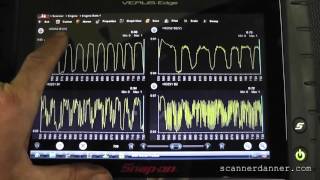
How to confirm: Use a scan tool to monitor live data for the B1S1 O2 sensor. On a warm, running engine, the voltage should fluctuate rapidly between ~0.1V and ~0.9V. If the voltage is flat, stuck (often around 0.45V), or shows 0V, the sensor has likely failed. 🎬 See how to perform a live data slow response test You can also test the resistance of the sensor's internal heater circuit; a healthy sensor should read between 3 and 15 Ohms.
Typical fix: Replace the upstream oxygen sensor. It is located on the exhaust manifold at the back of the engine, accessible from the top. 🎬 Watch: How to remove the oxygen sensor on a 2.2 Ecotec A 22mm or 7/8" oxygen sensor socket is required.
Est. part cost: $40 - $150 - Damaged O2 Sensor Wiring or Connector 🟡 Medium Probability → Shop Oxygen Sensor The sensor wiring is close to hot exhaust components and can become brittle, melt, or chafe over time. The wires can also break internally near the connector from engine vibration, showing no outward signs of damage.
How to confirm: Visually inspect the entire wiring harness from the O2 sensor to its connection point. Look for melted plastic, frayed wires, or corrosion in the connector. Perform a 'wiggle test' on the harness with the engine running; if the engine stumbles or the O2 sensor reading changes, you have a wiring issue. Check for 12V power at the Pink/Black wire in the vehicle-side connector with the key on.
Typical fix: Repair the damaged section of wiring or replace the connector pigtail. Ensure the repaired harness is secured away from hot surfaces.
Est. part cost: $10 - $30 - Blown O2 Sensor Heater Fuse ⚪ Low Probability → Shop Oxygen Sensor
How to confirm: Locate the fuse box under the hood and identify the fuse for the 'O2 HTR' or similar label (may be shared with other engine components). On related GM platforms, this is often a 15A fuse labeled 'EMISSIONS' or 'EXH'. Visually inspect the fuse or test it for continuity with a multimeter.
Typical fix: Replace the blown fuse with a new one of the same amperage. If the new fuse blows immediately, it indicates a short circuit in the heater circuit that must be diagnosed.
Est. part cost: $1 - $5
Rare But Worth Checking
- Corroded or Broken Engine Ground Wire: This is a well-documented issue on Saturn forums for the L61 engine. A bad ground prevents the sensor from sending a proper signal, perfectly mimicking a failed sensor. Check the ground point on the back of the engine block, under the #4 intake runner, which is often secured by a 10mm bolt with two ring terminals. This ground point is likely designated as G108 in GM wiring diagrams. If this is the cause, replacing the O2 sensor will not fix the problem. One owner fixed the issue only after running a new ground wire from the computer 🎬 Watch: How to fix stubborn O2 codes by repairing grounds to the engine block.
- Exhaust Leak Before the O2 Sensor: → Shop Oxygen Sensor A crack in the exhaust manifold or a bad gasket can allow outside air into the exhaust stream. This can throw off the sensor's readings and, in some cases, cause an inactivity code. Listen for a ticking or puffing noise from the engine bay, especially when cold.
- Faulty Powertrain Control Module (PCM): → Shop Engine Control Module (ECM) This is extremely rare. The PCM itself can fail, but this should only be considered after all other possibilities, including wiring and grounds, have been exhaustively checked and ruled out. A bad ground wire to the PCM can also be mistaken for a faulty PCM.
Diagnosis Steps
- Read Codes: Use an OBD-II scanner to confirm P0134 is the active code and check for any other related codes like P0135 or P0130.
- Visual Inspection: Inspect the Bank 1 Sensor 1 (upstream) O2 sensor's wiring harness and connector. Look for any signs of melting, chafing, corrosion, or unplugged connections.
- Check Fuses: Locate and check the fuse for the oxygen sensor heater circuit in the under-hood fuse box.
- Analyze Live Data: With the engine warm and running, use a scan tool to watch the live voltage data for 'B1S1'. A healthy sensor will show voltage rapidly switching between ~0.1V and ~0.9V. If the voltage is stuck, flat, or absent, the sensor or its circuit is faulty.
- Inspect Engine Grounds: This is a critical step for this vehicle. If the sensor and wiring appear okay, locate and inspect the engine ground wires. Pay close attention to the ground point on the back of the engine block under the #4 intake runner, secured by a 10mm bolt (likely GM ground G108). Remove the bolt, clean the ring terminals and the block surface until shiny, and re-secure tightly.
- Check for Exhaust Leaks: Inspect the exhaust manifold and downpipe for any signs of leaks, such as black soot trails or an audible ticking sound, especially when the engine is cold.
- Test the Sensor Circuit: If equipped, use a multimeter to test for ~12V power (on the Pink/Black wire) and good ground at the heater circuit pins on the vehicle's harness connector (with the key on, engine off). An open circuit (infinite resistance) on the sensor's heater pins indicates a failed heater.
- Replace the Sensor: If all other tests point to a faulty sensor, proceed with replacement using a quality brand part.
- Final Check: After any repair, clear the codes and perform a drive cycle to ensure the Check Engine Light does not return.
Parts You'll Likely Need
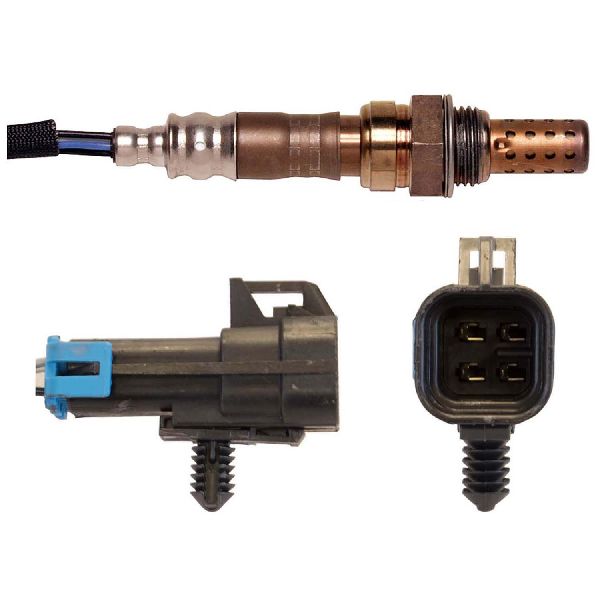
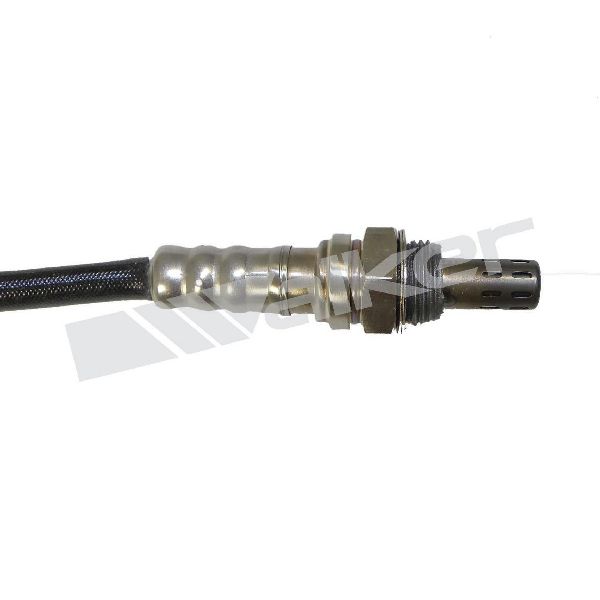
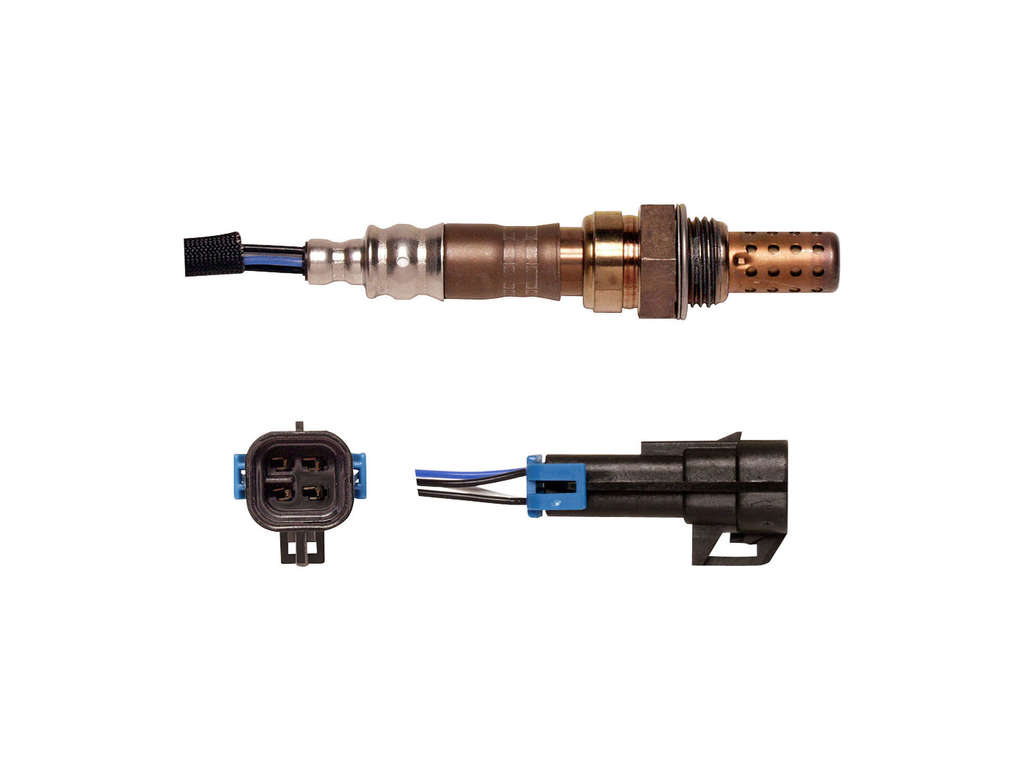
- Upstream Oxygen Sensor (Bank 1, Sensor 1)
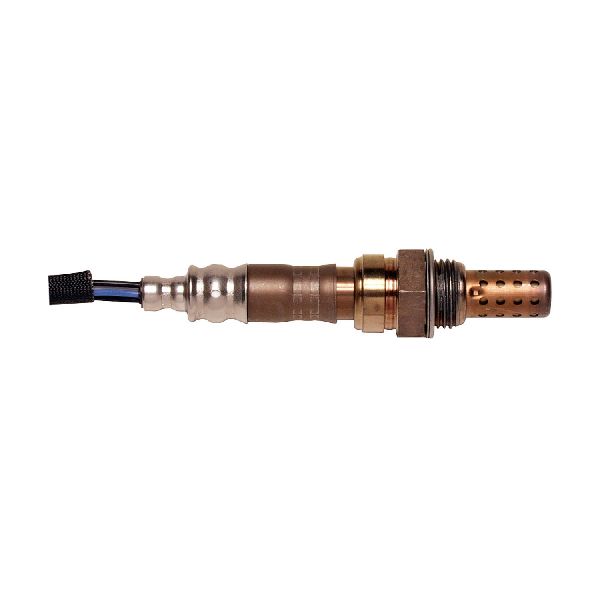
(OEM #ACDelco 213-4229 (Supersedes 213-1574))— This is the most common failure item for code P0134. The sensor is a wear item that eventually fails from heat and contamination.
Trusted brands: ACDelco (OEM), Denso (Often OEM supplier, e.g., 234-4652, but verify fitment), NTK
OEM price range: $90-$150
Aftermarket price range: $40-$80
Related Codes That Often Appear With This One
- P0135 — P0135 indicates a fault in the O2 sensor's heater circuit. Since a failed heater will prevent the sensor from becoming active, it's common for both codes to appear together if the internal heating element has failed.
- P0130 — This is a more general O2 Sensor Circuit Malfunction code. It can be triggered by the same root causes as P0134, and they are often diagnosed together. A GM TSB for the L61 engine groups these codes, indicating they share common faults.
- P0171 — Indicates a 'System Too Lean' condition. An exhaust leak before the O2 sensor, a possible cause for P0134, can introduce unmetered air and trigger P0171 as well.
Technical Service Bulletins (TSBs) & Recalls
- While no specific TSB for the Saturn Ion and P0134 was found, a TSB for the 2002 Chevrolet Cavalier with the same L61 engine was issued for a cluster of codes including P0130, P0134, and P0135, indicating GM's awareness of sensor circuit issues on this powertrain.
Platform-Specific Known Issues
- A known issue on the L61 Ecotec engine platform is a faulty engine ground wire causing P0134. The ground is located on the back of the engine block, under the #4 intake runner, and can become corroded or break internally, leading to a misdiagnosis of a bad O2 sensor.
- Forum users strongly caution against using Bosch-branded O2 sensors on this platform, citing numerous instances of premature failure or incompatibility, and recommend sticking with ACDelco or Denso.
Mechanic-Grade Diagnostic Values
- O2 Sensor Heater Element Resistance — expected: 3 to 15 Ohms at ambient temperature.. Failure: A reading of infinity / OL (Open Line) indicates a broken heater element. A reading near 0 Ohms indicates a short.
- Voltage at O2 Sensor Harness (Heater Power) — expected: Approximately 12V (Battery Voltage) with Key On, Engine Off.. Failure: 0V indicates a blown fuse, a bad relay, or a break in the power wire from the fuse box.
- Wire Color for Heater Power at Harness — expected: Pink/Black. Failure: N/A - This is for identification.
- PCM Code Set Condition (P0134) — expected: Sensor voltage remains inactive (stuck between 399-499 mV) for more than 125 seconds on a warm engine.. Failure: This specific condition triggers the fault code in the PCM.
- O2 Sensor Heater Circuit Current Draw — expected: 0.4 to 2.0 Amps when active.. Failure: Current below 0.25A can trigger a low current heater fault. Current outside the expected range indicates a circuit or sensor fault.
Scan Tool Commands That Help
- Tech2 / Professional Scan Tool: Fuel Trim Reset — After replacing the O2 sensor or fixing a related issue, this command forces the PCM to immediately discard old fuel correction data and start a new learning process with the new sensor's readings.
Wiring & Ground Locations
- G108 — On the right rear of the engine block, likely under the #4 intake runner.. This is a critical engine block ground. Corrosion or a loose connection here is a well-documented cause of P0134 on the L61 engine, as it disrupts the sensor's ability to provide a valid signal to the PCM, mimicking a failed sensor.
- Upstream O2 Sensor Connector — On the engine wiring harness, connecting to the O2 sensor located on the exhaust manifold.. This 4-pin square connector is where electrical testing is performed. The Pink/Black wire should have ~12V for the heater circuit. The connector and its wiring are prone to heat damage from the nearby exhaust manifold.
- O2 Sensor Heater Fuse — In the under-hood fuse box.. This fuse (often 15A, labeled 'EMISSIONS' or 'EXH' on similar GM cars) provides power to the O2 sensor's internal heater. If it blows, the sensor won't warm up properly and will not become active, triggering P0134.
Real Owner Repair Stories
- SaturnFans.com forum user (Saturn Ion with 2.2L L61 Engine) — Persistent P0130 and P0134 codes.
❌ Tried (didn't work) Replacing the O2 sensor (multiple times), Replacing the coolant temperature sensor, Running a new signal wire to the PCM
✅ What actually fixed it The user discovered an internal break in the engine ground wire. The final fix was to run a completely new ground wire from the PCM/harness directly to the engine block, bypassing the faulty original ground. - AutoZone mechanic diagnosis via a forum user (2006 Saturn Ion) — Recurring P0135 (Heater Circuit Malfunction), which is closely related to P0134.
❌ Tried (didn't work) Cleaning the throttle body, Replacing spark plugs twice
✅ What actually fixed it A diagnostic scanner revealed the heater circuit resistance was over 15 ohms, far exceeding the spec of under 5 ohms. This confirmed the internal heating element in the O2 sensor had failed. Replacing the upstream O2 sensor with a quality part (Denso/ACDelco equivalent) resolved the code.
"I Checked Everything" — The Actual Cause
- A smoke test is unlikely to identify the most common 'trap' for this code on the Saturn Ion. Mechanics may perform a smoke test looking for exhaust leaks and find none, yet the code persists. The actual, non-obvious cause is frequently a corroded or internally broken main engine ground wire (G108) on the back of the engine block, which provides the reference ground for the sensor circuit. This electrical fault is invisible to a smoke test and perfectly mimics a bad sensor, leading to misdiagnosis.
When the Usual Fixes Don't Work
- The most significant counter-evidence to P0134 being a simple sensor failure on the Saturn Ion is the prevalence of the bad engine ground issue. Multiple owner accounts detail replacing the O2 sensor, sometimes more than once with high-quality parts, with no resolution. The code was only cleared after discovering and repairing a corroded or internally broken ground wire on the back of the engine block. In one case, a user had to bypass the factory wiring entirely and run a new ground from the PCM harness to the block to finally solve the problem, proving the sensor was never the root cause.
OEM Part Supersession History
ACDelco 213-1574→ACDelco 213-4229— Part update/consolidation.
Heads up: Be cautious, as part number 213-1574 is also listed as a DOWNSTREAM sensor for many other GM vehicles of the same era. Ensure the part purchased is explicitly for the upstream (Bank 1, Sensor 1) position for the Saturn Ion to avoid confusion.
Model Year Variations Within This Range
- 2007 only: The 2.2L L61 engine received a power increase from 140 hp to 145 hp. More significantly, it was fitted with the ECU from the 2.4L engine. This could lead to minor differences in diagnostic logic or software parameters compared to 2003-2006 models.
- 2003-2004 vs 2005-2007: A significant model refresh occurred in 2005, which included new front-end styling, a new steering wheel, and different automatic transmissions. The 2003-2004 models could have a 5-speed automatic or a CVT, while 2005-2007 models used a conventional 4-speed automatic. While not directly related to the O2 sensor, wiring harness routing or fuse box details could differ between these two periods.
Diagnostic Flowchart
Other Known Issues on This Vehicle
Issues unrelated to this code that are worth knowing about as an owner of this generation:
- Premature Timing Chain Tensioner & Guide Failure 🔴 High — Common, especially on earlier 2003-2004 models but can affect any high-mileage L61. Often presents as a rattle on cold startup. (Ref: TSB #03-06-01-017 was issued for an updated oiler nozzle design to improve lubrication, but no recall was issued.)
- Faulty Ignition Switch 🔴 High — Extremely widespread, subject of a major safety recall. The switch can move out of the 'Run' position, shutting off the engine and disabling airbags while driving. (Ref: NHTSA Recall #14V047000.)
- Electric Power Steering (EPS) Motor Failure 🔴 High — Very common failure leading to a sudden loss of power steering assist. Can be intermittent. (Ref: GM Safety Recall #14115; Warranty extension also offered.)
- Faulty Ignition Control Module / Coil Pack Assembly 🟠 Medium — A common failure point leading to misfires, often on cylinders 1&4 or 2&3. Often requires replacement of the entire cassette. (Ref: A general TSB exists advising wiring checks before module replacement.)
- Key Can Be Removed While Not in 'Off' Position 🟠 Medium — Common issue that could lead to a vehicle rollaway. Addressed as part of the ignition switch recall campaigns. (Ref: NHTSA Recall, included with ignition switch campaigns.)
Used vs. New Parts: Buying Guide for This Vehicle
When a used part is the smart pick: A used part is a smart choice for the O2 sensor's wiring harness connector (pigtail) if the original is melted or the locking tab is broken. Sourcing one from a junkyard is far cheaper than replacing a larger section of the engine harness.
Donor-vehicle mileage cap: roughly under 120000 miles for the part to have meaningful remaining life.
What to inspect on the donor part:
- For a wiring pigtail, inspect for any signs of melting, cracking, or brittleness in the plastic connector.
- Check that the wire insulation is still flexible and not frayed.
- Ensure the metal pins inside the connector are clean, straight, and free of green or white corrosion.
- Verify the plastic locking tab clicks securely and is not broken.
OEM-only on this vehicle (don't cheap out):
- Powertrain Control Module (PCM) - Requires VIN-specific programming, making a used unit difficult to implement without dealer tools.
Aftermarket brands forum-validated for this vehicle:
- Denso (often the original manufacturer for ACDelco)
- NTK
- ACDelco (GM's OEM parts line)
Brands owners have reported issues with on this vehicle:
- Bosch - While a major brand, numerous forum reports from GM owners cite incompatibility or premature failure of Bosch O2 sensors on this and similar platforms.
Real Owner Stories
Aggregated from forums and TSBs cited above. Mileages and costs reflect what owners reported in those sources.
2003-2007 Saturn Ion 2.2L L61
Symptoms: Persistent P0130 and P0134 codes after replacing multiple parts.
What fixed it: Found a broken ground wire on the back of the engine block under the #4 intake runner; cleaned the two ring terminals and re-secured the 10mm bolt.
Source hint: SaturnFans.com Forum Thread: 'P0130 and P0134'
2003-2007 Saturn Ion 2.2L L61
Symptoms: Persistent P0130/P0134 codes that would not clear with a standard sensor replacement.
What fixed it: Ran a new ground wire from the computer to the engine block after discovering an internal break in the original wiring harness.
Source hint: SaturnFans.com Forum Thread regarding persistent P0130/P0134 codes
Related OBD-II Codes
Frequently Asked Questions
I replaced my O2 sensor but the P0134 code is still there. Is there a common wiring issue on the Saturn Ion?
Which brand of oxygen sensor should I buy for my 2.2L Ecotec Ion?
Is there a TSB for O2 sensor circuit issues on the 2003-2007 Saturn Ion?
Where is the O2 sensor heater fuse located on the Ion?
Can a bad ground really cause a P0134 code on my Ion?
Helpful Videos
We Have This Part in Stock


The information in this article is provided for general reference and educational purposes only. Vehicle specifications, procedures, and part compatibility can vary by production date, trim level, and region. Always consult your vehicle's factory service manual and verify part numbers before purchasing or performing repairs. Safety-critical components such as airbags, seat belts, and braking systems should be installed by a qualified professional.
- Saturn Ion:
- 🧭 Diagnostic Flowchart
- 🎬 Helpful Videos
- 🛍️ Shop This Part
- What's Unique About the 2003-2007 Saturn Ion
- Symptoms You May Notice
- Most Likely Causes
- Rare But Worth Checking
- Diagnosis Steps
- Parts You'll Likely Need
- Related Codes That Often Appear With This One
- Technical Service Bulletins (TSBs) & Recalls
- Platform-Specific Known Issues
- Mechanic-Grade Diagnostic Values
- Scan Tool Commands That Help
- Wiring & Ground Locations
- Real Owner Repair Stories
- "I Checked Everything" — The Actual Cause
- When the Usual Fixes Don't Work
- OEM Part Supersession History
- Model Year Variations Within This Range
- Other Known Issues on This Vehicle
- Used vs. New Parts: Buying Guide for This Vehicle
- Real Owner Stories
- 2003-2007 Saturn Ion 2.2L L61
- 2003-2007 Saturn Ion 2.2L L61
- Related OBD-II Codes
- Frequently Asked Questions
- 🎟️ Get 5% Off