

P0135 on 2009-2012 Audi Q5 3.2L: O2 Sensor Heater Fault Causes and Fixes
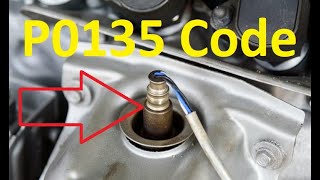
On a 2009-2012 Audi Q5 with the 3.2L V6 engine, code P0135 almost always means the heater inside the Bank 1, Sensor 1 oxygen sensor has failed. This is the upstream sensor on the passenger side. The most common fix is to replace the sensor, which costs about $70-$150 for an aftermarket part or $180-$250 for an OEM part. Before replacing, it's wise to check the relevant fuse and inspect the wiring for oil contamination from a common oil filter housing leak.
- P0135 points directly to a fault in the heater circuit for the upstream oxygen sensor on the passenger side (Bank 1, Sensor 1).
- The most probable cause is a failed oxygen sensor, which needs to be replaced. The correct OEM part number is 06E906265S.
- Before replacing the sensor, always check the corresponding fuse and visually inspect the wiring for damage, especially for oil contamination from the notoriously leaky oil filter housing gasket on this engine.
- This is a manageable DIY repair with basic tools and a special 22mm (7/8") O2 sensor socket, and can prevent reduced fuel economy and future, more expensive catalytic converter damage.
- The 3.2L V6 engine (CALB) was only in the Q5 from 2009-2012, so this guide is specific to those models.
What's Unique About the 2009-2017 Audi Q5
The 3.2L V6 engine (code CALB) was only available in the Q5 from 2009 to 2012, so this code primarily affects those model years. A notable and well-documented issue on this platform is the potential for oil leaks from the plastic oil filter housing gasket to drip directly onto the Bank 1 O2 sensor's wiring harness and connector, causing contamination and electrical failure that triggers the P0135 code. Audi has also issued a Technical Service Bulletin (TSB #01139020337671, also listed as 2033767/1) that includes this fault code for the 3.2L Q5, indicating it's a recognized issue by the manufacturer that they were tracking for data collection.
Symptoms You May Notice
- Check Engine Light is on
- Reduced fuel efficiency
- Rough idling or poor performance, especially during cold starts
- Failing a vehicle emissions test
- A rotten egg smell from the exhaust, indicating a rich fuel mixture
- Replacing the oxygen sensor without first checking the fuse and wiring. If a new sensor doesn't fix the problem, the issue is likely in the electrical supply to the sensor.
- Mistaking P0135 for a fuel mixture problem. This code is specific to the sensor's internal heater circuit, not the sensor's reading of the exhaust gases.
Most Likely Causes
- Failed Oxygen Sensor Heater Element 🔴 High Probability → Shop Oxygen Sensor The internal heater element is a common failure point in oxygen sensors over time due to constant, extreme heat cycles. These sensors have a typical lifespan of 60,000 to 100,000 miles before the heater circuit fails. This is a widely documented issue for this code across many vehicles, including the Q5.
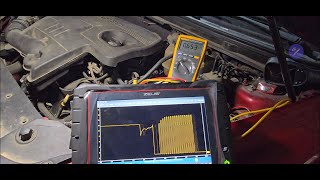
How to confirm: Disconnect the sensor and use a multimeter to test the resistance between the two heater circuit pins (typically the two same-colored wires, Pins 3 and 4 on the 6-pin connector). A good heater typically has a low resistance, with specs for similar Audi sensors falling between 2.5-10 Ohms when cold. 🎬 See this video on how to test O2 heater circuits. An open circuit (infinite resistance or 'OL') or a very high reading confirms the internal heater has failed.
Typical fix: Replace the Bank 1, Sensor 1 oxygen sensor. On the 3.2L V6, this is the upstream sensor on the passenger side. A special 22mm (7/8") slotted socket is required for removal and installation.
Est. part cost: $70-$250 - Damaged Wiring or Connector 🟡 Medium Probability On the 3.2L V6, oil leaks from the oil filter housing gasket are extremely common. This oil can drip directly onto the Bank 1 O2 sensor harness and connector, degrading the wire insulation and causing shorts or open circuits that trigger P0135. This specific failure path is frequently mentioned in owner forums.
How to confirm: Visually inspect the entire wiring harness from the sensor to the main engine harness. Look for oil saturation, melted plastic, chafing, or breaks. Check the connector pins for corrosion, oil contamination, or damage. The connector is typically mounted on a bracket near the sensor.
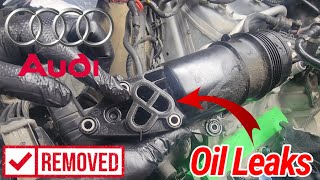
Typical fix: Repair or replace the damaged section of the wiring harness. If the connector is contaminated with oil, it may need to be thoroughly cleaned with electrical contact cleaner or replaced. If the oil leak is from the oil filter housing, that gasket must be replaced to prevent repeat failure. 🎬 Watch: How to replace the oil filter housing gasket.
Est. part cost: $10-$100 - Blown Fuse or Faulty Relay ⚪ Low Probability
How to confirm: Consult the owner's manual or a service manual to locate the fuse for the oxygen sensor heater circuit. On the Q5, fuse panels are located on both sides of the dashboard and in the right rear cargo area. For 2009-2012 models, the fuse is often in the 'Black' carrier in the engine bay, fuse number 4, rated at 15A and labeled 'Lambda probe'. Visually inspect the fuse and test for continuity with a multimeter.
Typical fix: Replace the blown fuse. If the fuse blows again immediately, it indicates a short circuit in the wiring or the sensor itself that needs to be diagnosed and repaired.
Est. part cost: $1-$5
Rare But Worth Checking
- Faulty Engine Control Module (ECM): → Shop Engine Control Module (ECM) This is extremely rare. Before condemning the ECM, all other possibilities (sensor, wiring, fuses) must be exhaustively ruled out by checking for a valid control signal from the ECM. This should be the absolute last step in diagnosis.
Diagnosis Steps
- Scan for Codes: Use an OBD-II scanner to confirm P0135 is the primary code. Note any other codes like P1196 or P2251, which reinforce the diagnosis.
- Check the Fuse: Locate and inspect the fuse for the O2 sensor heater circuit. Fuse panels are in the driver's side dash, passenger side dash, and right rear cargo area. Specifically check the 15A 'Lambda probe' fuse in the engine bay fuse box.
- Visual Inspection: Carefully inspect the wiring harness and connector for the Bank 1, Sensor 1 O2 sensor (passenger side, upstream). Look for any signs of melting, chafing, corrosion, or especially oil contamination from the oil filter housing gasket above it.
- Test the Sensor's Heater Circuit: Disconnect the O2 sensor. Using a multimeter set to Ohms (Ω), measure the resistance between Pins 3 and 4 on the sensor side of the 6-pin connector. A good heater should have a low resistance (e.g., 2.5-10 Ohms). An infinite reading (OL) means the circuit is open and the sensor is bad.
- Test for Power and Ground: With the ignition on and engine off, use a multimeter to check for battery voltage (approx. 12V) between Pin 3 (power from fuse) and Pin 4 (ECM-controlled ground) on the vehicle's harness connector. If voltage is missing, the problem is upstream in the wiring, fuse, or relay.
- Repair or Replace: If the sensor's heater circuit is open or has high resistance, replace the Bank 1, Sensor 1 oxygen sensor. If the wiring is damaged, repair it. If an oil leak is present, fix the source (likely the oil filter housing gasket) before replacing the sensor. After the repair, clear the code and perform a drive cycle to ensure the fault does not return.
Parts You'll Likely Need
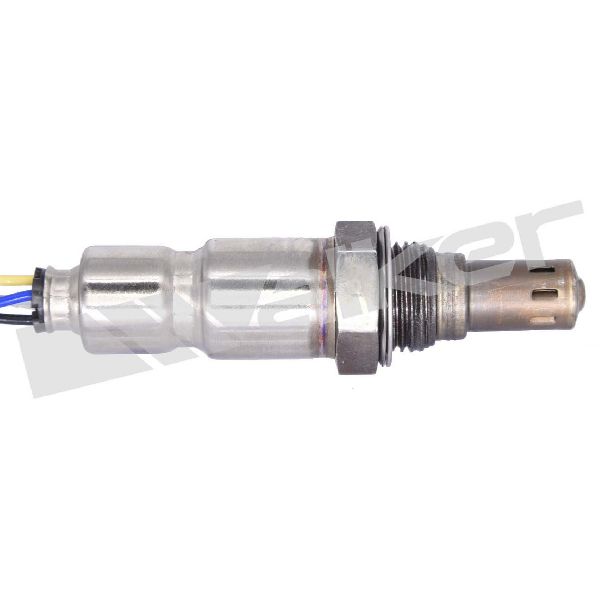
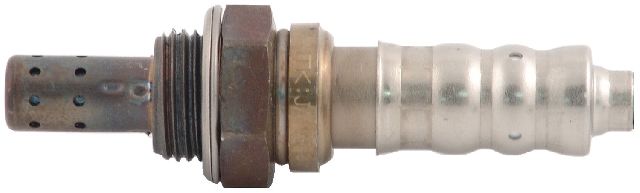
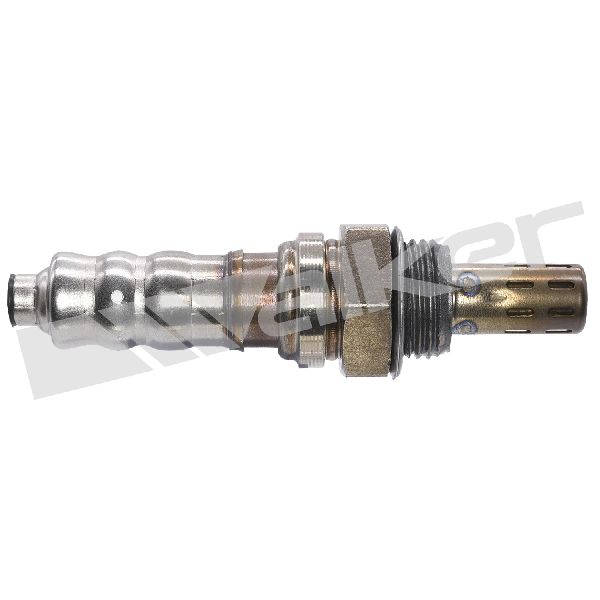
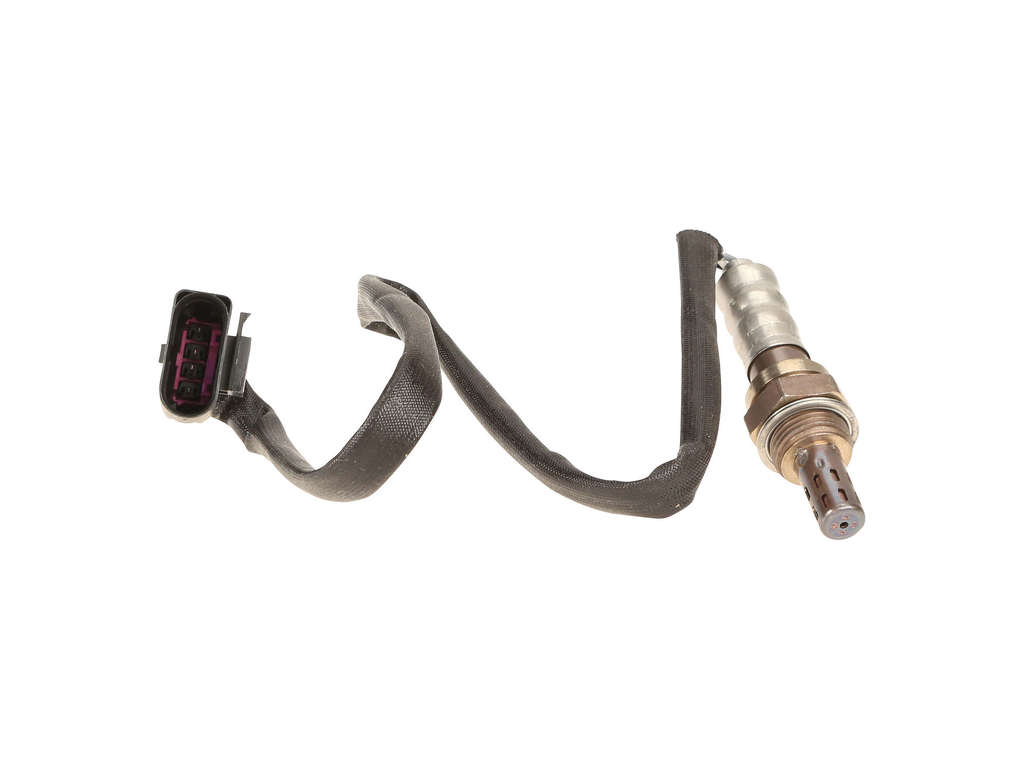
- Oxygen Sensor (Bank 1, Sensor 1)
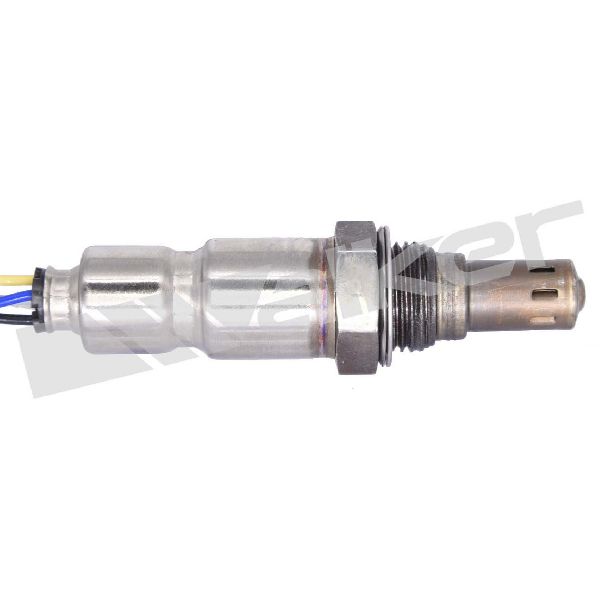
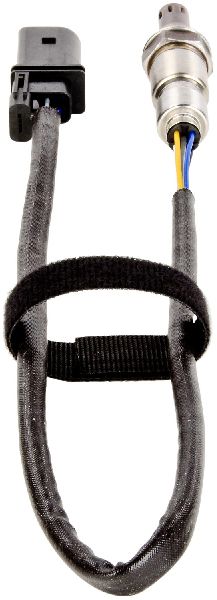
(OEM #06E906265S)— This is the upstream, pre-catalytic converter sensor for the passenger side. The internal heater element is the most common failure point that triggers code P0135. This part number has superseded previous versions like 06E906265F.
Trusted brands: Bosch, NTK, Denso
OEM price range: $180-$250
Aftermarket price range: $70-$150
Related Codes That Often Appear With This One
- P1196: This is an Audi-specific code for 'O2 Sensor Heater Circuit B1 S1, Electrical Malfunction', which is essentially the same fault as P0135.
- P2251: 'O2 Sensor Negative Current Control Bank 1 Sensor 1 Circuit / Open'. This code has been reported alongside P0135 and points to an open circuit fault related to the same sensor.
Technical Service Bulletins (TSBs) & Recalls
- TSB #2033767/1 (also listed as 01-13-90 or #01139020337671): Titled '01 MIL on (DTC P1196/P1197/P0135, heater circuit fault lambda sensor) - Repair Authorization'. This informational TSB confirms Audi is aware of the issue on the 3.2L Q5 (among other models) and directed technicians to gather diagnostic data before repair, highlighting it as a known failure pattern.
- Manufacturer TSB Bulletin #01139020337671 notes that a Check Engine Light (MIL) may illuminate with DTC P1196, P1197, or P0135 specifically due to a heater circuit fault in the lambda sensor.
Platform-Specific Known Issues
- Oil from a leaking oil filter housing gasket can drip onto the O2 sensor wiring, causing electrical faults. This is a very common leak point on the 3.2L V6.
- Access to the Bank 1 sensor on the 3.2L V6 can be tight. Removing the engine airbox provides significantly better access for the replacement, a tip confirmed by many owners.
- The generic P0135 code is often accompanied by the manufacturer-specific code P1196, which describes the exact same fault.
Mechanic-Grade Diagnostic Values
- O2 Sensor Heater Element Resistance — expected: 2.5 to 10.0 Ohms at ~20°C (68°F). Failure: Infinite resistance (OL) indicates an open circuit; a dead short (0 Ohms) or very high resistance also indicates failure.
- Voltage Supply at Harness Connector (Key On, Engine Off) — expected: Approximately 12V (Battery Voltage). Failure: No voltage or significantly low voltage points to a problem with the fuse, relay, or wiring harness, not the sensor itself.
- Heater Circuit Wiring Continuity (Sensor to ECM) — expected: Less than 1.5 Ohms. Failure: High resistance or an open circuit (OL) indicates a break or corrosion in the wire.
Scan Tool Commands That Help
- VCDS (VAG-COM) by Ross-Tech: Basic Settings > Group 034 (O2 Sensor Aging Test) — This test can be used to evaluate the performance and reaction time of the sensor, although P0135 is an electrical fault. A more direct test is also available.
- VCDS (VAG-COM) by Ross-Tech: Basic Settings > O2 Sensor Heater Test — This function actively commands the heater circuit on and off, allowing a technician to monitor the circuit's response and confirm if the ECM is attempting to control the heater and if the circuit is drawing current. The screen will show a status like 'Test ON' or 'B1-S1 OK'.
Wiring & Ground Locations
- Bank 1 Sensor 1 Connector — On the passenger side of the engine, mounted to a bracket near the exhaust manifold, below the airbox.. This is the connection point for all tests. Pins 3 and 4 are for the heater circuit. Pin 3 is power from the fuse, and Pin 4 is the ground controlled by the ECM.
- Ground Point 12 — In the engine compartment, on the left side (driver's side) frame rail/long member.. This is a primary chassis ground for the engine bay. A loose or corroded connection here can cause various unpredictable electrical issues, including sensor faults.
- Ground Point 600 — On the right cylinder head (passenger side).. This is a critical engine ground. A poor connection here can directly impact sensor readings and performance as the ECM relies on a stable ground reference.
- Fuse F4, Fuse Holder B (SB) — In the E-box (plenum chamber/engine bay fuse box), designated as a 15A fuse in the black fuse carrier.. This specific fuse provides power to the oxygen sensor heater circuits. It is the first place to check when diagnosing P0135.
Real Owner Repair Stories
- Synthesized from multiple forum reports and TSB mentions (2010 Audi Q5 3.2L V6) — Check Engine Light on with code P0135. No other major drivability issues other than slightly worse fuel economy.
❌ Tried (didn't work) Replacing the Bank 1, Sensor 1 oxygen sensor. The P0135 code returned within a day of driving.
✅ What actually fixed it Upon closer inspection, the wiring harness connector for the new O2 sensor was saturated with engine oil. The oil had wicked into the connector, causing a short or high resistance in the heater circuit. The final fix was to replace the leaking oil filter housing gasket (the source of the leak), thoroughly clean the O2 sensor connector and harness with electrical contact cleaner, and clear the codes. The code did not return.
OEM Part Supersession History
06E906265F→06E906265S— Typically for improvements in the heater element design, sensor longevity, or sealing.
Model Year Variations Within This Range
- 2009-2012: No significant variations related to the P0135 fault have been documented within the 3.2L V6 (CALB) model years. The causes and repair procedures are consistent across this range.
Diagnostic Flowchart
Other Known Issues on This Vehicle
Issues unrelated to this code that are worth knowing about as an owner of this generation:
- Intake Valve Carbon Buildup 🔴 High — Very common, often requires cleaning every 40,000-60,000 miles. Symptoms include rough cold starts, misfires (e.g., P0300-P0306), and general power loss.
- PCV Valve / Oil Separator Failure 🔴 High — Extremely common failure between 60,000-100,000 miles. The internal diaphragm tears, causing a large vacuum leak, lean codes (P0171/P0174), and a loud whistling noise at idle.
- Oil Filter Housing Gasket Leak 🟠 Medium — A very common oil leak source. The plastic housing's gasket fails, leaking oil down the back of the engine. This can directly cause failure of the Bank 1 O2 sensor.
- Timing Chain Tensioner & Guide Wear 🔴 High — Less common than on the 2.0T, but still a significant concern. The timing components are on the rear of the engine, requiring engine/transmission removal for service, making it a very expensive repair. Rattle on startup is a key symptom.
- Water Pump & Thermostat Failure 🟠 Medium — The 3.2L V6 is known for coolant leaks from the water pump and plastic thermostat housing. Failure can lead to overheating.
Used vs. New Parts: Buying Guide for This Vehicle
When a used part is the smart pick: A used part is only recommended for the wiring harness pigtail if the original connector is physically broken or damaged beyond cleaning. Never buy a used oxygen sensor.
Donor-vehicle mileage cap: roughly under 120000 miles for the part to have meaningful remaining life.
What to inspect on the donor part:
- For a wiring pigtail: ensure the plastic isn't brittle, the locking tab is intact, and there are no signs of oil saturation or corrosion on the pins.
OEM-only on this vehicle (don't cheap out):
- While not strictly 'OEM-only', using the OEM sensor (Bosch) or a top-tier OE-equivalent brand (NTK, Denso) is very strongly recommended. Cheap, unbranded sensors are known to fail quickly or be incompatible with the Audi ECU.
Aftermarket brands forum-validated for this vehicle:
- Bosch (OEM supplier)
- NTK
- Denso
Brands owners have reported issues with on this vehicle:
- Universal-fit sensors requiring splicing.
- Unbranded or 'white-box' parts from online marketplaces.
- A user on a Ross-Tech forum reported issues with a 'RoadFar' branded sensor on an Audi, suggesting caution with lesser-known brands.
Real Owner Stories
Aggregated from forums and TSBs cited above. Mileages and costs reflect what owners reported in those sources.
2010 Audi Q5 3.2L V6 — 141000 miles
Symptoms: The owner noted their only major problem had been a gasket oil leak, which is a known cause for O2 sensor electrical faults on this platform.
What fixed it: Repairing the oil filter housing gasket leak to prevent further contamination of engine components.
Source hint: Reddit r/AskMechanics user with a 2010 Q5 3.2L
2009-2012 Audi Q5 3.2L V6
Symptoms: Check engine light with codes P0135, P1196, and P2251.
What fixed it: Replacement of the Bank 1, Sensor 1 (passenger side) O2 sensor. The owner noted that removing the airbox makes the job much easier.
Source hint: AudiWorld Forums thread titled 'O2 Sensor Errors'
Related OBD-II Codes
Frequently Asked Questions
Is there an Audi TSB for P0135 on my 3.2L Q5?
Where is the Bank 1, Sensor 1 oxygen sensor located on the 3.2L V6?
Can an oil leak cause my P0135 code?
What specific fuse should I check for the O2 sensor heater circuit?
What is the correct replacement part number for the upstream O2 sensor?
What resistance should I see when testing the sensor heater circuit?
Helpful Videos

We Have This Part in Stock

The information in this article is provided for general reference and educational purposes only. Vehicle specifications, procedures, and part compatibility can vary by production date, trim level, and region. Always consult your vehicle's factory service manual and verify part numbers before purchasing or performing repairs. Safety-critical components such as airbags, seat belts, and braking systems should be installed by a qualified professional.
- Audi Q5:
- 🧭 Diagnostic Flowchart
- 🎬 Helpful Videos
- 🛍️ Shop This Part
- What's Unique About the 2009-2017 Audi Q5
- Symptoms You May Notice
- Most Likely Causes
- Rare But Worth Checking
- Diagnosis Steps
- Parts You'll Likely Need
- Related Codes That Often Appear With This One
- Technical Service Bulletins (TSBs) & Recalls
- Platform-Specific Known Issues
- Mechanic-Grade Diagnostic Values
- Scan Tool Commands That Help
- Wiring & Ground Locations
- Real Owner Repair Stories
- OEM Part Supersession History
- Model Year Variations Within This Range
- Other Known Issues on This Vehicle
- Used vs. New Parts: Buying Guide for This Vehicle
- Real Owner Stories
- 2010 Audi Q5 3.2L V6 — 141000 miles
- 2009-2012 Audi Q5 3.2L V6
- Related OBD-II Codes
- Frequently Asked Questions
- 🎟️ Get 5% Off