

P0137 on 2009-2016 Audi A4 2.0L TFSI: Causes and Fixes for O2 Sensor Low Voltage
On a 2009-2016 Audi A4 2.0T, code P0137 almost always points to a failed downstream oxygen sensor (Bank 1, Sensor 2). Replacing this sensor is the most common fix. Expect to pay around $70-$120 for an aftermarket part and $150-$250 for an OEM part. It's a manageable DIY job for those with basic tools and an O2 sensor socket.
- P0137 on your A4 points to the downstream O2 sensor (Bank 1, Sensor 2) reading a low voltage.
- The most likely cause is a failed sensor. Don't immediately assume you have a bad catalytic converter.
- Before buying parts, always inspect the sensor's wiring and connector for damage, as this is a known vulnerability on the B8 platform.
What's Unique About the 2009-2016 Audi A4
For the B8/B8.5 generation Audi A4 (2009-2016), the 2.0L TFSI engine's exhaust and emissions system is fairly robust, but oxygen sensors are a common wear item. Unlike some platforms where this code is frequently caused by exhaust leaks, on the A4, the sensor itself is the most frequent point of failure. The wiring for the downstream sensor is routed under the vehicle, making it susceptible to damage from road debris or improper servicing, which is a key area to inspect during diagnosis. The connector itself is often clipped to the underbody tray, requiring its removal for access.
Generation note: The 2009-2016 model years cover the Audi A4 B8 platform, which includes the 2009-2012 (B8.0) and the facelifted 2013-2016 (B8.5) models. The diagnosis and repair for code P0137 are virtually identical for both, as they share the same core 2.0L TFSI engine architecture and exhaust layout. However, always verify the specific part number for your vehicle's VIN, as minor revisions can occur.
Symptoms You May Notice
- Check Engine Light is on
- Failure to pass an emissions test
- Slightly reduced fuel economy
- In rare cases, a rough or unstable idle
- Replacing the catalytic converter. P0137 indicates a problem with the sensor *monitoring* the converter, not necessarily the converter itself. A bad converter typically sets a P0420 code.
- Replacing the upstream (pre-catalyst) oxygen sensor. P0137 specifically refers to Sensor 2, which is the downstream sensor.
Most Likely Causes
- Failed Downstream Oxygen Sensor (Bank 1, Sensor 2) 🔴 High Probability → Shop Oxygen Sensor Oxygen sensors are wear-and-tear components that degrade over 80k-100k miles from constant exposure to high-temperature exhaust gases. On the 2.0T engine, which is known for potential oil consumption issues, oil or coolant contamination can also cause premature failure of the sensor.
How to confirm: Use an OBD-II scanner to monitor live data for the B1S2 voltage. If the voltage is stuck low (e.g., <0.2V) and doesn't respond when the engine is revved, the sensor is likely bad. When removing the old sensor, inspect its tip. A black, sooty deposit can indicate a rich condition, while a white or grayish coating can point to oil or coolant contamination, hinting at other engine issues.
Typical fix: Replace the Bank 1, Sensor 2 oxygen sensor. It is located on the exhaust pipe after the catalytic converter. Access is from underneath the vehicle.
Est. part cost: $70-$250 - Damaged Wiring or Connector 🟡 Medium Probability The sensor's wiring is routed underneath the car. The harness runs along the transmission tunnel and the connector is often clipped to the underbody plastic shield, making it vulnerable to damage from road debris, speed bumps, or corrosion. Technicians may also forget to re-secure the harness properly after service.
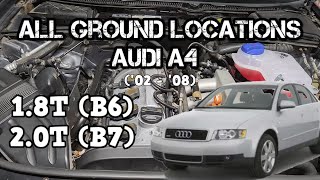
How to confirm: Visually inspect the entire wiring harness from the O2 sensor up to its connection point near the transmission. Look for any signs of melting, chafing, breaks, or corrosion on the connector pins. Perform a continuity test on the signal 🎬 Watch: How to locate and inspect Audi ground connections and ground wires with a multimeter.
Typical fix: Repair the damaged section of wire or replace the connector pigtail. Secure the harness away from the hot exhaust pipe using zip ties.
Est. part cost: $15-$50 - Exhaust Leak ⚪ Low Probability While less common than sensor failure, leaks can develop at exhaust flanges or flex pipe sections, especially in regions with heavy road salt use. A leak allows unmetered oxygen into the exhaust stream, causing a false lean (low voltage) reading.
How to confirm: Listen for a ticking or hissing sound from the exhaust system, especially when the engine is cold. You can also use a smoke machine to feed smoke into the exhaust and look for where it escapes. The leak must be upstream of Sensor 2 for it to cause this code.
Typical fix: Replace the leaking gasket or weld the cracked section of the exhaust pipe.
Est. part cost: $20-$150
Rare But Worth Checking
- Engine Control Module (ECM) Fault: → Shop Engine Control Module (ECM) This is extremely rare. Before suspecting the ECM, all other possibilities (sensor, wiring, exhaust leaks) must be definitively ruled out. An ECM fault would typically be accompanied by other trouble codes and drivability issues.
Diagnosis Steps
- Connect an OBD-II scanner and confirm P0137 is the active code. Check for any other codes.
- View live data on the scanner. Observe the voltage for 'O2S B1S2' (Bank 1, Sensor 2). A healthy downstream sensor on a warm engine at steady RPM should show a relatively stable voltage, typically between 0.5V and 0.8V. If it's stuck below 0.2V, the code is confirmed.
- Perform a thorough visual inspection. Safely raise the vehicle and remove the underbody splash shields. Locate the downstream O2 sensor on the exhaust pipe. Inspect the sensor's wiring harness for any signs of melting, chafing, or physical damage. Check the connector for corrosion or loose pins.
- Check for exhaust leaks. With the engine running, listen and feel for any air leaks from the exhaust manifold back to the sensor. A smoke machine is the most effective tool for this.
- Test the sensor circuit. If the wiring looks good, disconnect the sensor. With the key on (engine off), check for reference voltage and a good ground at the connector harness-side. This confirms the ECM is providing the correct power and ground.
- If wiring and power/ground are good, the oxygen sensor itself is the most likely culprit. Replace the Bank 1, Sensor 2 oxygen sensor.
- After replacement, clear the trouble codes with the scanner and perform a test drive to ensure the code does not return.
Parts You'll Likely Need
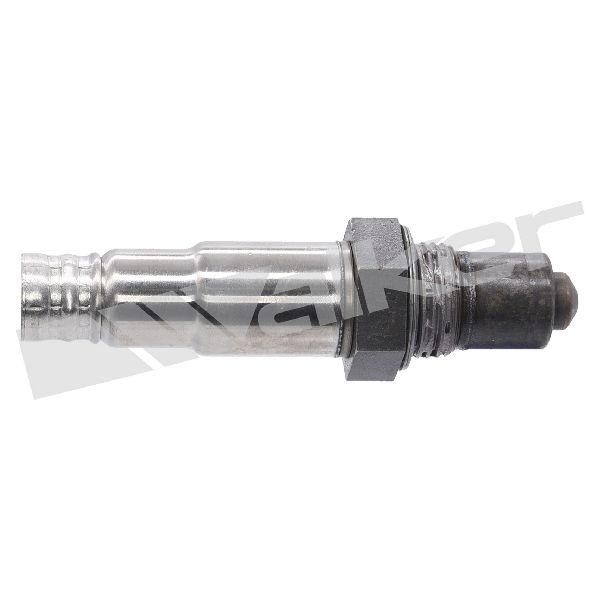
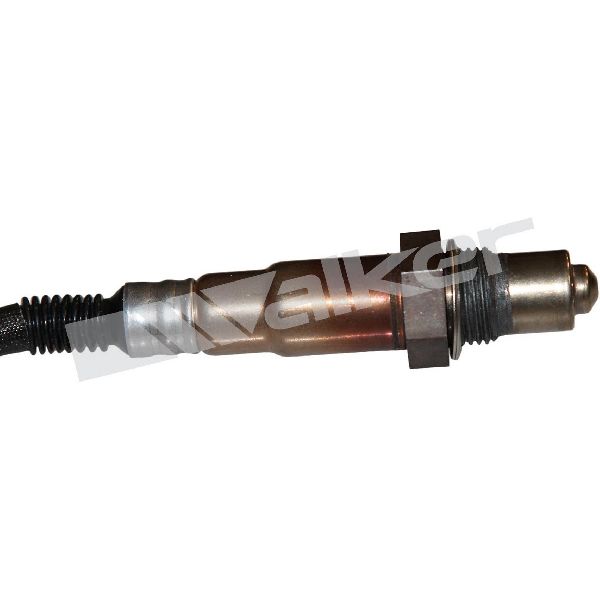
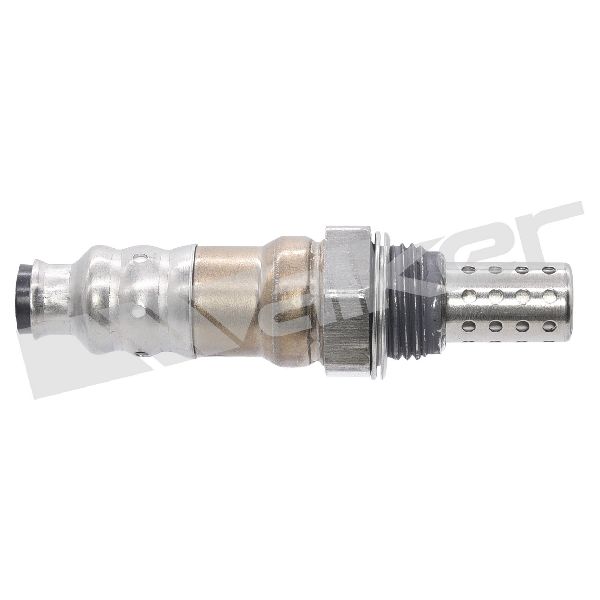
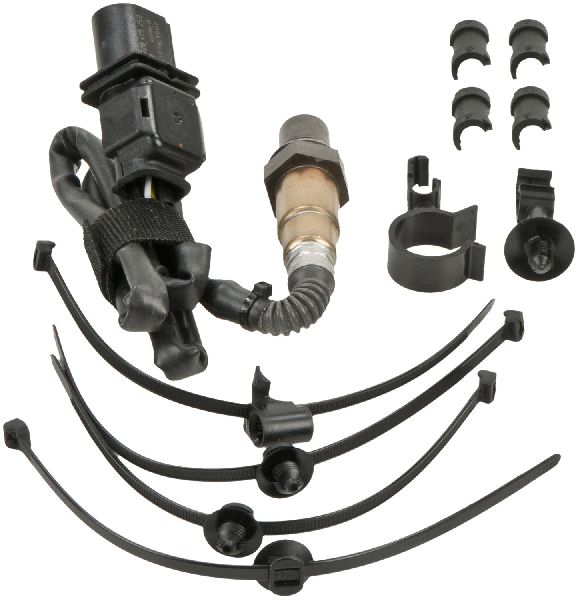
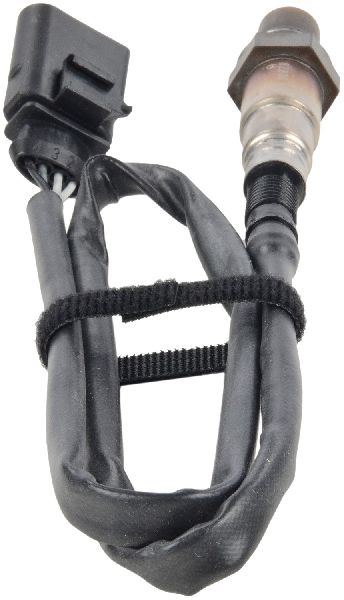
- Downstream Oxygen Sensor (Bank 1, Sensor 2)
(OEM #1K0998262T)— This is the most common failure point for code P0137. It is a standard maintenance item that degrades over time. The part number 1K0998262T is an OEM repair kit. Other relevant numbers include 8K0906262G for later models and supersessions like 06H906262A.
Trusted brands: Bosch (OEM supplier, p/n 16002 or 17090 are common cross-references), NTK, Denso
OEM price range: $150-$250
Aftermarket price range: $70-$120
Related Codes That Often Appear With This One
- P0136 — P0136 indicates a general malfunction in the same O2 sensor circuit, and the two codes can appear together depending on the specific failure mode.
- P2270 — This code means 'O2 Sensor Signal Stuck Lean (Bank 1 Sensor 2)', which is another symptom of the same root cause: a sensor that is reading low voltage/high oxygen.
Platform-Specific Known Issues
- Wiring Harness Vulnerability: The wiring for the downstream O2 sensor runs along the underside of the car and is clipped to the plastic under-tray. This makes it susceptible to being snagged, cut by road debris, or damaged if the under-tray is removed carelessly during other service, like an oil change. Always inspect the full length of the wire back to the main harness.
- Connector Location: The electrical connector for the downstream sensor is not on the sensor itself but several inches up the harness. It is typically a grey or black 4-pin connector clipped to a bracket on the vehicle's underbody, near the transmission mount. You must remove the plastic belly pan to access it.
Mechanic-Grade Diagnostic Values
- Downstream O2 Sensor (B1S2) Voltage — expected: Relatively stable voltage between 0.5V and 0.8V on a fully warm engine at steady RPM.. Failure: Persistently stuck below 0.2V - 0.4V.
- O2 Sensor Heater Circuit Resistance (Cold) — expected: Approximately 9-15 Ohms when measured with a multimeter across the heater pins.. Failure: An open circuit (infinite resistance) or a significantly higher reading, such as the 235 Ohms seen in one VCDS log of a failed sensor.
- O2 Sensor Heater Circuit Current (Hot) — expected: 0.4A to 1.0A while idling with the engine warm.. Failure: Current below 0.25A or above 2.0A can trigger a heater circuit fault, which may accompany a P0137 code.
Scan Tool Commands That Help
- VCDS (VAG-COM): Basic Settings & Measuring Value Blocks (MVB) — Use Measuring Value Blocks (e.g., Block 042) to graph and compare the live voltage of the upstream and downstream O2 sensors to assess catalytic converter efficiency and sensor response. Use the Basic Settings tests to have the ECU run guided diagnostics on the O2 sensor circuits.
Wiring & Ground Locations
- Exhaust Ground Strap — A ground strap connecting a section of the exhaust pipe to the vehicle chassis/subframe.. The O2 sensor requires a solid ground reference to produce an accurate voltage signal. A corroded or broken exhaust ground strap can cause voltage-related codes like P0137, even if the sensor and its direct wiring harness are perfectly fine.
- G104 / G18 — Primary ground points on the transmission bellhousing or engine block.. The Engine Control Module (ECM) and its sensor circuits rely on clean engine and chassis grounds. Corrosion or looseness at these main points can introduce electrical noise and voltage drops, potentially affecting sensor readings.
- KL31 — A designator used in VAG wiring diagrams to denote a ground connection.. When tracing the O2 sensor circuit on a wiring diagram, any wire labeled KL31 is a ground path. Verifying continuity from the sensor connector's ground pin to a known good chassis ground (like the battery negative terminal) is a critical diagnostic step.
Real Owner Repair Stories
- Reddit user comment in r/AskMechanics (Vehicle with persistent P0137) — P0137 code returned even after replacing the downstream O2 sensor.
❌ Tried (didn't work) Replacing the Bank 1, Sensor 2 oxygen sensor.
✅ What actually fixed it The suggested fix was to inspect and clean/replace the exhaust ground strap. The commenter noted that this strap often corrodes and breaks, which can cause voltage-related O2 sensor codes.
"I Checked Everything" — The Actual Cause
- In a case where P0137 persisted after replacing the sensor (the most common fix), a forum user pointed to a corroded exhaust ground strap as the likely culprit. This is an electrical issue, not a leak, so a smoke test for exhaust leaks would come back clean, misleading the technician. The faulty ground prevents the sensor from sending a stable voltage signal, perfectly mimicking the symptoms of a failed sensor.
Diagnostic Flowchart
Other Known Issues on This Vehicle
Issues unrelated to this code that are worth knowing about as an owner of this generation:
- Excessive Oil Consumption 🔴 High — Very common on 2009-2011.5 models with the CAEB engine code, but can affect later models. Often starts between 50k-80k miles. Caused by faulty piston ring design. (Ref: Multiple TSBs were issued and a class-action lawsuit (Gonzalez v. Volkswagen) was settled, extending warranties and offering reimbursement for repairs for some owners.)
- Timing Chain Tensioner Failure 🔴 High — A critical issue for pre-2013 models with the original tensioner design. Failure can occur with little warning, often between 70k-120k miles, leading to catastrophic engine damage. (Ref: Audi released an updated tensioner (p/n 06K109467K). While no formal recall was issued, a TSB and a class-action lawsuit addressed the issue for some VIN ranges.)
- Plastic Water Pump Failure 🟠 Medium — The plastic housing is prone to cracking and leaking coolant. Failure can occur as early as 25,000 miles but is common around 60k-90k miles. (Ref: No recall, but it's a widely documented failure. Many owners opt to replace it with an aftermarket all-aluminum housing during replacement.)
- PCV Valve / Oil Separator Failure 🟡 Low — Common failure item, often after 60k miles. Can cause high oil consumption, rough idle, and a whistling noise.
- Intake Manifold Flap Motor/Sensor Failure 🟠 Medium → Shop Engine Intake Manifold — Can cause a check engine light (often with code P2015) and rough running. Usually occurs at higher mileage (80k+ miles). (Ref: A warranty extension was offered for this component on some vehicles.)
Used vs. New Parts: Buying Guide for This Vehicle
When a used part is the smart pick: For this repair, a used part is only recommended for a replacement wiring harness pigtail or connector, provided it is sourced from a vehicle in a dry climate to minimize corrosion risk.
Donor-vehicle mileage cap: roughly under 80000 miles for the part to have meaningful remaining life.
What to inspect on the donor part:
- For a wiring connector, inspect for any signs of brittleness, cracking, or corrosion on the pins.
- Ensure the locking tab on the connector is intact.
- Verify the donor vehicle has no record of fire or flood damage.
OEM-only on this vehicle (don't cheap out):
- Oxygen Sensor
Aftermarket brands forum-validated for this vehicle:
- Bosch (OEM supplier)
- NTK
- Denso
Brands owners have reported issues with on this vehicle:
- Universal O2 sensors (require wire splicing and are a common source of failure)
- Unbranded, no-name sensors from online marketplaces
Real Owner Stories
Aggregated from forums and TSBs cited above. Mileages and costs reflect what owners reported in those sources.
2009 Audi A4 2.0T — 80000 miles
Symptoms: Check Engine Light (CEL) with multiple codes including P0137.
What fixed it: Discussion focused on inspecting the wiring harness for damage in addition to sensor replacement.
Source hint: AudiWorld Forums - Thread: 'CEL Help Please Multiple Codes'
Audi A4 B8 2.0T
Symptoms: P0137 - O2 Sensor Circuit Low Voltage (Bank 1, Sensor 2).
What fixed it: Replaced the rear (post-cat) O2 sensor using a Bosch OEM part. The repair took about 30 minutes with an O2 sensor socket.
Source hint: Audizine - Thread: 'P0137 - O2 Sensor Circuit Low Voltage (Bank 1, Sensor 2)'
Related OBD-II Codes
Frequently Asked Questions
Where is the Bank 1, Sensor 2 oxygen sensor located on my B8 Audi A4?
Could my Audi's known oil consumption issue be causing this P0137 code?
Is there a specific brand of sensor I should use for the replacement?
I just had an oil change and now I have a P0137 code; could they be related?
What should the voltage look like for 'O2S B1S2' on my scanner if the sensor is healthy?
Are there any tips for removing the old sensor on an older A4?
Helpful Videos
We Have This Part in Stock


The information in this article is provided for general reference and educational purposes only. Vehicle specifications, procedures, and part compatibility can vary by production date, trim level, and region. Always consult your vehicle's factory service manual and verify part numbers before purchasing or performing repairs. Safety-critical components such as airbags, seat belts, and braking systems should be installed by a qualified professional.
- Audi A4:
- 🧭 Diagnostic Flowchart
- 🎬 Helpful Videos
- 🛍️ Shop This Part
- What's Unique About the 2009-2016 Audi A4
- Symptoms You May Notice
- Most Likely Causes
- Rare But Worth Checking
- Diagnosis Steps
- Parts You'll Likely Need
- Related Codes That Often Appear With This One
- Platform-Specific Known Issues
- Mechanic-Grade Diagnostic Values
- Scan Tool Commands That Help
- Wiring & Ground Locations
- Real Owner Repair Stories
- "I Checked Everything" — The Actual Cause
- Other Known Issues on This Vehicle
- Used vs. New Parts: Buying Guide for This Vehicle
- Real Owner Stories
- 2009 Audi A4 2.0T — 80000 miles
- Audi A4 B8 2.0T
- Related OBD-II Codes
- Frequently Asked Questions
- 🎟️ Get 5% Off