

P0137 on 2009-2014 Hyundai Sonata: O2 Sensor Low Voltage Causes and Fixes
For a 2009-2014 Hyundai Sonata, code P0137 almost always means the downstream oxygen sensor (Bank 1, Sensor 2) has failed. Replacing this sensor is the most common fix, costing around $50-$100 for an aftermarket part and is a straightforward DIY job for many. Before replacing, check the wiring harness near the exhaust for melting or damage.
- P0137 points to the downstream O2 sensor (Sensor 2) or its circuit.
- The most likely fix is replacing the downstream O2 sensor itself.
- Before buying parts, always perform a visual inspection of the sensor's wiring for melting or damage, as this is a common secondary cause on this platform.
- This is a DIY-friendly repair for most, requiring a special O2 sensor socket, but it does not typically cause urgent driving problems.
What's Unique About the 2009-2014 Hyundai Sonata
For the 2009-2014 Hyundai Sonata, which includes the end of the 'NF' generation (2009-2010) and the 'YF' generation (2011-2014) with the Theta II engine, the P0137 code is a very common and straightforward issue. There are no widespread, unique manufacturing defects or TSBs specifically for this code on this platform. The most frequent cause is simply the downstream O2 sensor failing due to age and exposure to the elements. The diagnostic process is standard, with no platform-specific tricks or complexities. However, on vehicles with the Theta II engine, it's worth noting that issues like oil consumption could potentially shorten the life of emissions components, though this is not a direct cause of the P0137 electrical fault.
Generation note: This range covers two Sonata generations: the fifth (NF, 2009-2010) and the sixth (YF, 2011-2014). While the engine offerings (2.4L MPI vs 2.4L GDI/2.0T) and body styles changed, the cause, diagnosis, and fix for a P0137 code are consistent for both generations as they relate to a fundamental emissions component. However, the specific O2 sensor part numbers and wiring harness routing differ between the NF and YF generations.
Symptoms You May Notice
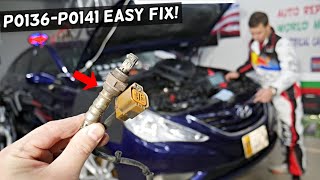
- Check Engine Light is on. 🎬 See this quick fix for Sonata engine light codes P0136-P0141.
- Possible decrease in fuel economy.
- Vehicle may fail an emissions test.
- Hesitation or lack of power during acceleration.
- Rough or unstable idle.
- Replacing the upstream (Sensor 1) oxygen sensor. P0137 specifically refers to Sensor 2, which is after the catalytic converter.
- Replacing the catalytic converter. While a bad converter can cause other codes (like P0420), it does not directly cause the P0137 low voltage code. A P0137 fault is almost always the sensor or its circuit. An issue with the converter would need to be diagnosed separately.
Most Likely Causes
- Faulty Downstream Oxygen Sensor (Bank 1, Sensor 2) 🔴 High Probability → Shop Oxygen Sensor Like any car, the O2 sensor is a wear item exposed to extreme heat and exhaust gases, leading to eventual failure of its internal heating element or sensing capabilities. This is the most common reason for P0137.
How to confirm: After confirming wiring is intact, use a scan tool to monitor the Bank 1 Sensor 2 voltage. If it remains stuck below 0.2V when the engine is fully warmed up and at a steady RPM, the sensor is bad. A healthy downstream sensor should show a relatively stable voltage, typically above 0.5V.
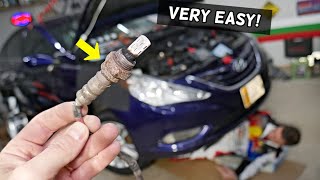
Typical fix: Replace the Bank 1, Sensor 2 oxygen sensor. 🎬 Watch: How to replace the downstream O2 sensor on a Sonata.
Est. part cost: $50-$120 - Damaged Wiring or Connector 🟡 Medium Probability The sensor's wiring harness runs under the vehicle and is susceptible to damage from road debris, heat from the exhaust, or corrosion in the connector. In some cases, the harness can come loose from its mounting brackets and make contact with the hot exhaust pipe, melting the insulation and causing a short.
How to confirm: Visually inspect the entire wiring harness leading to the downstream O2 sensor for any signs of melting, chafing, breaks, or corrosion in the connector pins. A short to ground in the signal wire will cause a constant low voltage reading.
Typical fix: Repair the damaged section of the wiring harness or clean/replace the connector.
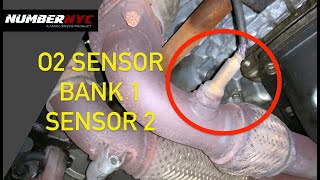
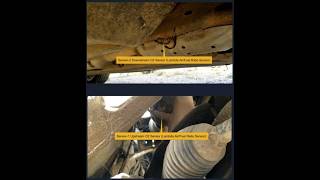
Est. part cost: $5-$50 - Exhaust Leak ⚪ Low Probability Rust or gasket failure can cause leaks in the exhaust system, particularly at the flex pipe located before Sensor 2. 🎬 Watch: Locate Sensor 1 and Sensor 2 on this engine platform. If a leak occurs, it can draw in outside air, causing the sensor to read a false low voltage (lean) condition.
How to confirm: Listen for ticking or hissing sounds from the exhaust when the engine is running. A visual inspection may reveal soot trails or cracks near welds and gaskets. A smoke test is the most definitive way to find a leak.
Typical fix: Repair the exhaust leak by replacing the gasket or welding/replacing the cracked component.
Est. part cost: $20-$200
Rare But Worth Checking
- Faulty Powertrain Control Module (PCM): → Shop Engine Control Module (ECM) This is extremely rare. The PCM should only be considered after all other possibilities, including the sensor and its entire circuit, have been exhaustively tested and ruled out.
- Blown Fuse: The oxygen sensor's heater circuit is typically protected by a fuse in the engine bay fuse box, often labeled 'SENSOR 1' or 'SENSOR 2' on Hyundai models. While a failure here more commonly sets a heater circuit code (like P0141), it can sometimes contribute to sensor signal issues.
Diagnosis Steps
- Retrieve all stored trouble codes with an OBD-II scanner.
- Visually inspect the Bank 1 Sensor 2 oxygen sensor, its connector, and wiring harness for any obvious damage, such as melting, corrosion, or breaks. Pay close attention to where the harness is secured near the exhaust.
- Inspect the exhaust system for any leaks between the engine and the downstream O2 sensor, especially the flex pipe.
- With the engine fully warmed up, use a scan tool with live data capability to monitor the voltage of 'O2S B1S2' (Bank 1 Sensor 2).
- A healthy downstream sensor should show a relatively stable voltage, typically between 0.4V and 0.9V. If the voltage is stuck below 0.2V, it confirms the low voltage condition.
- To stress test, raise the engine RPM to 2500 and hold it. If the voltage remains low, the sensor or circuit is faulty. If it fluctuates wildly, you may have an exhaust leak or a failing catalytic converter.
- Before replacing the sensor, you can test the circuit. Disconnect the sensor and check for proper ground and reference voltage at the connector to rule out a wiring issue. A short to ground on the signal wire is a common cause.
- If the circuit tests good, replace the downstream oxygen sensor.
- Apply anti-seize compound to the threads of the new sensor before installation.
- Clear the codes and perform a drive cycle to ensure the repair was successful.
Parts You'll Likely Need
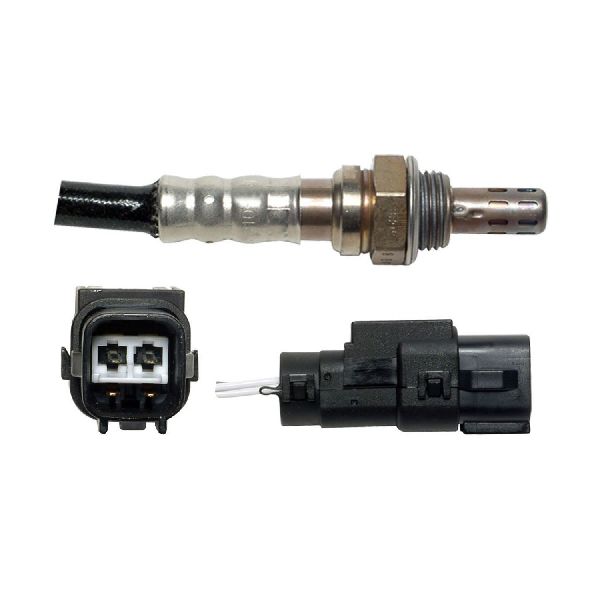
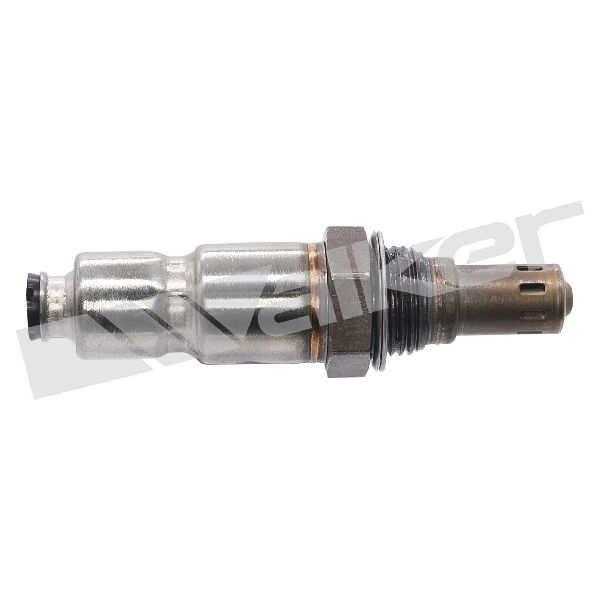
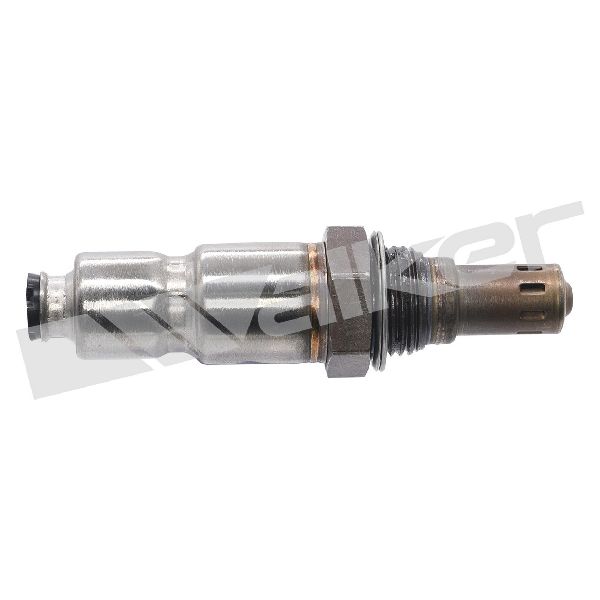
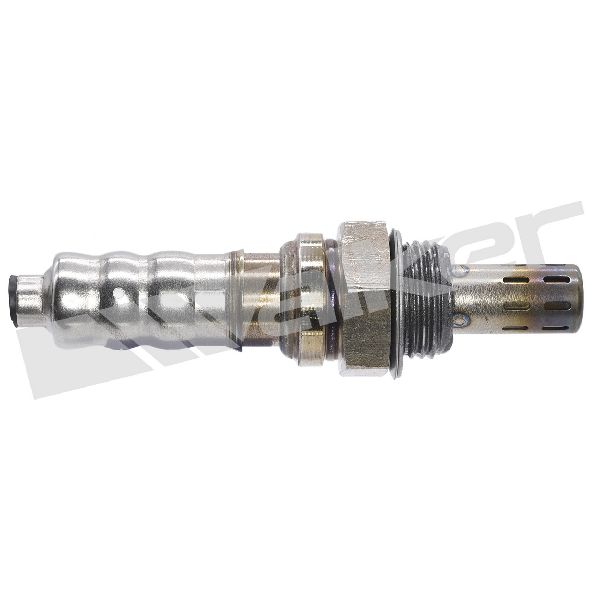
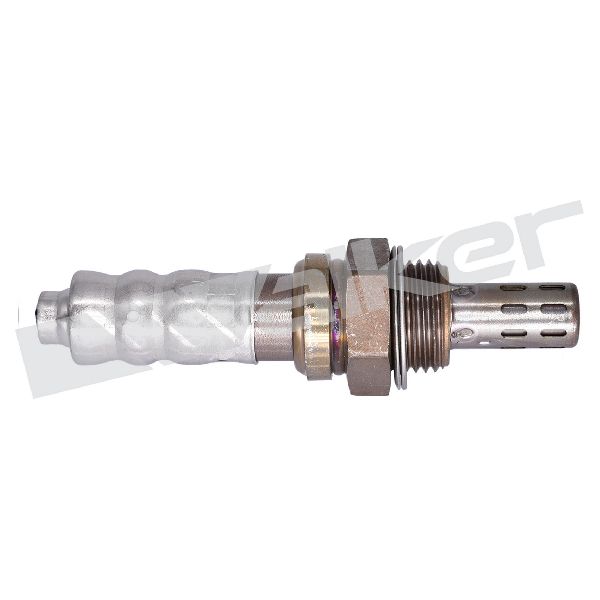
- Downstream Oxygen Sensor (Bank 1, Sensor 2)
(OEM #39210-2GBA0 (for 2007-2014 models), 39210-2G560 (for 2011-2014 models, check VIN))— This sensor is a wear item and is the most common point of failure for a P0137 code.
Trusted brands: Denso, Bosch, NGK/NTK, Walker
OEM price range: $100-$180
Aftermarket price range: $50-$120
Platform-Specific Known Issues
- On some Hyundai models, the O2 sensor wiring harness is routed very close to the exhaust. If the plastic clips holding it in place break, the harness can fall onto the hot pipe, melting the wires and causing a short circuit that triggers P0137.
Mechanic-Grade Diagnostic Values
- DTC Set Condition (PCM Logic) — expected: Signal voltage must remain above 0.05V - 0.09V.. Failure: PCM detects a signal voltage below 0.05V for more than 12.5 seconds, or below 0.09V for 40 seconds on some models.
- Live Data - Downstream O2 Sensor (B1S2) Voltage — expected: Relatively stable voltage between 0.4V and 0.9V at warm idle.. Failure: Voltage is stuck consistently below 0.2V.
- O2 Sensor Heater Circuit Resistance — expected: 4–20 ohms at room temperature when measured across the two heater pins on the sensor connector.. Failure: Resistance is outside the specified range (open circuit or shorted). While this typically sets a P0141, a faulty heater can prevent the sensor from generating a proper signal.
- Signal Wire Continuity to Ground — expected: Infinite resistance (no continuity).. Failure: Low resistance (e.g., below 1 ohm) indicates a short to ground in the wiring harness, which will pull the signal voltage low.
Hidden / Shadow Codes Worth Checking
- Mode $06, TID $05, CID $20: This test ID and component ID in OBD-II Mode $06 often corresponds to the Bank 1 Sensor 2 (B1S2) switching time or voltage threshold monitoring. A 'FAIL' status for this monitor can corroborate a P0137 fault even if the Check Engine Light is intermittent. (see via An advanced OBD-II scan tool capable of displaying Mode $06 test results.)
Scan Tool Commands That Help
- Hyundai GDS (Global Diagnostic System): Live Data Graphing / DTC Analysis — While there isn't a specific bidirectional command for the sensor signal, GDS is invaluable for its detailed live data graphing. A technician can use it to view the sensor's voltage waveform in high resolution to distinguish between a lazy sensor, a dead sensor, or an intermittent wiring fault. The system also provides the specific freeze-frame data and conditions under which the P0137 code was set.
Wiring & Ground Locations
- Downstream O2 Sensor Connector (YF Sonata 2.4L) — Under the vehicle, plugged into the O2 sensor located after the catalytic converter.. This is the primary test point. A 2011-2014 Sonata 2.4L wiring diagram shows a 4-pin connector. Pin 2 (Signal) and Pin 1 (Sensor Ground) are critical for the P0137 code. These wires can be tested for shorts, opens, or a direct voltage reading.
- ECM Connector (YF Sonata 2.4L) — Located in the engine bay, typically on the driver's side.. The O2 sensor signal wire (from Pin 2 at the sensor) runs to a specific pin on the ECM (e.g., Pin 53 on some diagrams). Testing for continuity and lack of shorts between the sensor connector and this ECM pin can definitively rule out a wiring harness issue.
- Engine/Chassis Ground (e.g., G104, G903) — Bolted to the transmission housing, cylinder head, or inner fender.. While the O2 sensor has a dedicated ground wire back to the PCM, a poor main engine or chassis ground can introduce electrical noise and voltage offsets into the entire sensor system. If multiple sensor codes are present or the issue is intermittent and hard to trace, verifying the main grounds are clean and tight is a crucial step.
Real Owner Repair Stories
- Hyundai-Forums user (2011 Hyundai Sonata) — Check Engine Light with code P0137.
❌ Tried (didn't work) Replacing the downstream O2 sensor.
✅ What actually fixed it The code returned after sensor replacement. A detailed inspection of the wiring harness revealed it had come loose from a retaining clip and fallen onto the hot exhaust pipe, melting the insulation and causing the signal wire to short to ground. Repairing the melted wires and securing the harness away from the exhaust permanently resolved the code. - AliExpress Product Review / Guide (2014 Hyundai Elantra (similar platform/issue)) — Persistent P0137 code, live data showed B1S2 voltage stuck below 0.1V.
❌ Tried (didn't work) Using a cheap, 'universal fit' aftermarket O2 sensor, which caused the code to return intermittently.
✅ What actually fixed it The problem was resolved only after replacing the sensor with a quality, direct-fit aftermarket unit (Denso or equivalent OEM supplier). This highlights that low-quality sensors may not perform to the correct specifications, causing the code to persist even after replacement. - Reddit r/WRX user (similar P0137 issue) (Subaru WRX) — P0137 code returned after replacing the O2 sensor.
❌ Tried (didn't work) Replacing the Bank 1 Sensor 2 O2 sensor.
✅ What actually fixed it The user noted that the ground strap for that section of the exhaust pipe had corroded and broken. A bad ground connection for the sensor circuit can cause erroneous voltage readings. Replacing the corroded ground strap fixed the voltage issue and cleared the code.
OEM Part Supersession History
39210-2G100→39210-2G200— Part revision for improved performance or manufacturing process.
Heads up: While physically similar, using the wrong revision may lead to incorrect readings. Always verify the part number with a VIN.39210-2GBA0→N/A, but has specific application— This part is specific to certain engine and model year combinations, primarily for the 2015-2017 Sonata 2.0T.
Heads up: This part number is often listed for the YF Sonata generation but is more accurately for the following LF generation. This highlights the importance of VIN-specific part lookups, as parts for a 2014 (YF) and 2015 (LF) Sonata are different despite the model name being the same.
Model Year Variations Within This Range
- 2009-2010 (NF Generation): These models primarily used the 2.4L MPI (Multi-Point Injection) Theta II engine. The downstream O2 sensor and its corresponding part numbers are specific to this engine and exhaust setup.
- 2011-2014 (YF Generation): These models used the 2.4L GDI (Gasoline Direct Injection) and 2.0L Turbo GDI engines. These engines use different downstream O2 sensors than the earlier MPI engine due to different ECU calibrations and exhaust configurations. The wiring harness routing is also different, presenting unique potential chafe points.
Diagnostic Flowchart
Real Owner Stories
Aggregated from forums and TSBs cited above. Mileages and costs reflect what owners reported in those sources.
2010 Hyundai Sonata GLS 2.4L — 142000 miles
Symptoms: The check engine light came on after a long highway drive.
What fixed it: Replaced the downstream (Bank 1, Sensor 2) oxygen sensor.
Source hint: How to Fix Hyundai Error P0137 (article)
2013 Hyundai Sonata
Symptoms: Check Engine Light on with code P0137.
What fixed it: Replaced the downstream oxygen sensor (Bank 1, Sensor 2) after checking for melted wires and a bad connector.
Source hint: Auto Repair Guys (YouTube comment)
Kia Ceed (Platform Mate)
Symptoms: P0137 code appeared temporarily.
What fixed it: Cleared the code, suspecting a momentary connection loss, and monitored the sensor voltage with a simple OBD2 scanner to confirm it returned to normal operation.
Source hint: forum.kia-club.pl thread titled 'Error P0137 - low voltage of the lambda probe after the catalytic converter'
Related OBD-II Codes
Frequently Asked Questions
Why is the wiring harness on my 2009-2014 Sonata prone to causing a P0137 code?
Where should I look for an exhaust leak on my Sonata that might trigger this code?
What voltage should the Bank 1 Sensor 2 show on my Sonata if it is working correctly?
Does the 2.4L engine in my Sonata share this P0137 issue with other Hyundai or Kia models?
Before replacing the O2 sensor on my Sonata, what else should I check?
Helpful Videos
We Have This Part in Stock


The information in this article is provided for general reference and educational purposes only. Vehicle specifications, procedures, and part compatibility can vary by production date, trim level, and region. Always consult your vehicle's factory service manual and verify part numbers before purchasing or performing repairs. Safety-critical components such as airbags, seat belts, and braking systems should be installed by a qualified professional.
- Hyundai Sonata:
- 🧭 Diagnostic Flowchart
- 🎬 Helpful Videos
- 🛍️ Shop This Part
- What's Unique About the 2009-2014 Hyundai Sonata
- Symptoms You May Notice
- Most Likely Causes
- Rare But Worth Checking
- Diagnosis Steps
- Parts You'll Likely Need
- Platform-Specific Known Issues
- Mechanic-Grade Diagnostic Values
- Hidden / Shadow Codes Worth Checking
- Scan Tool Commands That Help
- Wiring & Ground Locations
- Real Owner Repair Stories
- OEM Part Supersession History
- Model Year Variations Within This Range
- Real Owner Stories
- 2010 Hyundai Sonata GLS 2.4L — 142000 miles
- 2013 Hyundai Sonata
- Kia Ceed (Platform Mate)
- Related OBD-II Codes
- Frequently Asked Questions
- 🎟️ Get 5% Off