

P0138 on 2016-2021 Hyundai Tucson: O2 Sensor High Voltage Causes and Fixes
This code almost always means the downstream oxygen sensor (Bank 1, Sensor 2) has failed. Replacing the sensor is the most common fix. Expect to pay $45-$90 for an aftermarket sensor or $100-$180 for an OEM part. It's a DIY-friendly repair for many owners.
- P0138 on a 2016-2021 Tucson almost always points to a bad downstream (post-catalytic converter) oxygen sensor.
- Before buying parts, perform a quick visual inspection of the sensor's wiring underneath the car to check for obvious melting or damage, a known issue on this platform.
- This is a manageable DIY repair for those with basic tools, but a rusted/seized sensor can make removal difficult. A 22mm O2 sensor socket is highly recommended.
- Do not replace the catalytic converter; this code relates to the sensor that *monitors* the converter.
- Using a quality OEM or reputable aftermarket brand like NGK/NTK or Denso for the replacement sensor is recommended for longevity, as some aftermarket sensors can cause persistent issues.
What's Unique About the 2016-2021 Hyundai Tucson
For the third-generation (2016-2021) Tucson, the P0138 code is a straightforward and very common issue. There are no widespread complex underlying causes like PCM software glitches reported. The issue is almost always a failed sensor or a simple wiring problem. Because the engines are all four-cylinder, you don't have to worry about identifying the correct cylinder bank, which simplifies diagnosis compared to V6 models.
Symptoms You May Notice
- Check Engine Light is on
- Decreased fuel economy
- Rough or unstable engine idle
- Poor engine performance or hesitation
- Failing a vehicle emissions test
- Replacing the catalytic converter. The P0138 code points to a problem with the sensor monitoring the converter, not the converter itself. A bad sensor can give a false reading about the converter's health.
- Replacing the wrong oxygen sensor. This code is for Sensor 2 (downstream), not Sensor 1 (upstream/air-fuel ratio sensor). Always confirm the location before replacing.
Most Likely Causes
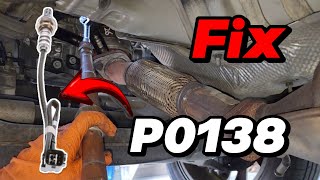
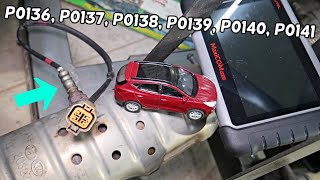
- Failed Downstream Oxygen Sensor (Bank 1, Sensor 2) 🔴 High Probability → Shop Oxygen Sensor Oxygen sensors are wear-and-tear items that fail over time from constant exposure to high-temperature exhaust gases and contaminants. It is the most frequent cause of P0138. 🎬 Watch: Diagnosing P0138 and other oxygen sensor codes.
How to confirm: Using an OBD-II scanner, monitor the live data for the B1S2 O2 sensor. If the voltage is stuck high (e.g., >0.9V) and does not fluctuate with engine RPM changes, the sensor has likely failed. A healthy downstream sensor should show a relatively stable, lazy fluctuation between 0.1V and 0.8V when the engine is warm and held at 2500 RPM. A failed sensor can also be confirmed by testing the internal heater circuit's resistance; a reading outside the 3-15 Ohm range indicates failure.
Typical fix: Replace the downstream oxygen sensor. It is located under the vehicle, screwed into the exhaust pipe after the catalytic converter. A 22mm oxygen sensor socket is recommended for removal.
Est. part cost: $45 - $180 - Wiring or Connector Damage 🟡 Medium Probability The sensor wiring runs underneath the car and is exposed to road debris, moisture, and high heat. The plastic clips holding the harness can break, allowing the wires to rest on the hot exhaust pipe and melt the insulation, causing a short to power.
How to confirm: Visually inspect the entire wiring harness from the O2 sensor to its connection point. Look for melted plastic, frayed or broken wires, and corrosion inside the connector pins. A multimeter can be used to check for a short to power in the signal wire. Also, check the 15A 'SENSOR 1' fuse in the engine bay fuse box, as a short can cause it to blow.
Typical fix: Repair the damaged section of wire or clean the connector. If the damage is severe, a new connector pigtail may need to be spliced in. Secure the repaired harness away from the exhaust using high-temperature zip ties.
Est. part cost: $5 - $30
Rare But Worth Checking
- Exhaust Leak: An exhaust leak near the sensor can sometimes, though rarely, affect the sensor's reading and trigger this code. It's worth a quick check for soot trails or audible leaks while under the car.
- Engine Running Excessively Rich: Problems like a leaking fuel injector or faulty fuel pressure regulator can create a rich condition, which lowers oxygen in the exhaust and can cause a high voltage reading. This is less common and would usually be accompanied by other codes (like P0172) and symptoms like black smoke from the exhaust.
- Powertrain Control Module (PCM) Fault: In very rare cases, the vehicle's computer can fail and misinterpret the sensor signal. This should only be considered after all other possibilities, including wiring shorts, have been definitively eliminated.
Diagnosis Steps
- Connect an OBD-II scanner and confirm P0138 is the active code. Note any other codes present.
- View the live data stream for the 'O2 Sensor B1S2'. With the engine warm and at idle, the voltage should fluctuate. If it is stuck high, near or above 1.0V, the fault is confirmed. 🎬 Watch this DIY guide to fixing the P0138 code. The specific fault threshold for Hyundai is often >1.2V for 1 second.
- Turn off the vehicle and allow the exhaust to cool completely.
- Safely raise the vehicle and locate the downstream O2 sensor, which is screwed into the exhaust pipe after the catalytic converter.
- Thoroughly inspect the sensor's wiring harness and connector for any signs of melting, chafing, corrosion, or loose pins. Pay close attention to where the harness is routed near the exhaust pipe.
- Check the 15A 'SENSOR 1' fuse in the engine compartment fuse box.
- If the wiring appears undamaged, the oxygen sensor itself is the most likely cause of the problem.
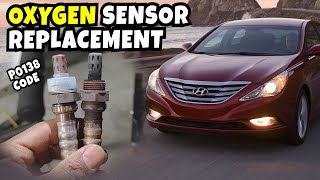
- Using a 22mm O2 sensor socket, remove and replace the Bank 1, Sensor 2 oxygen sensor. A breaker bar or leverage pipe may be needed 🎬 See a walkthrough of the oxygen sensor replacement process. if the sensor is seized by rust.
- Apply a small amount of the included anti-seize compound to the threads of the new sensor before installation.
- Clear the trouble code with the scanner. It is also recommended to reset the ECU's fuel trim adaptations, which can be done with a capable scan tool or by disconnecting the negative battery terminal for 15-30 minutes.
- Perform a test drive, including a few key cycles, to ensure the code does not return.
Parts You'll Likely Need
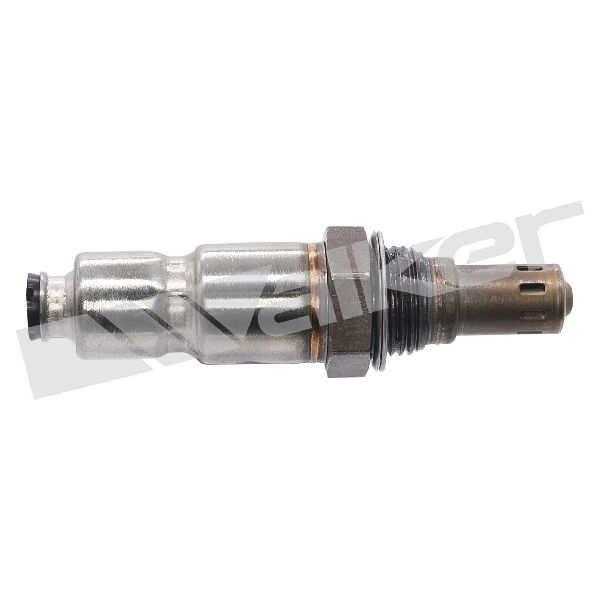
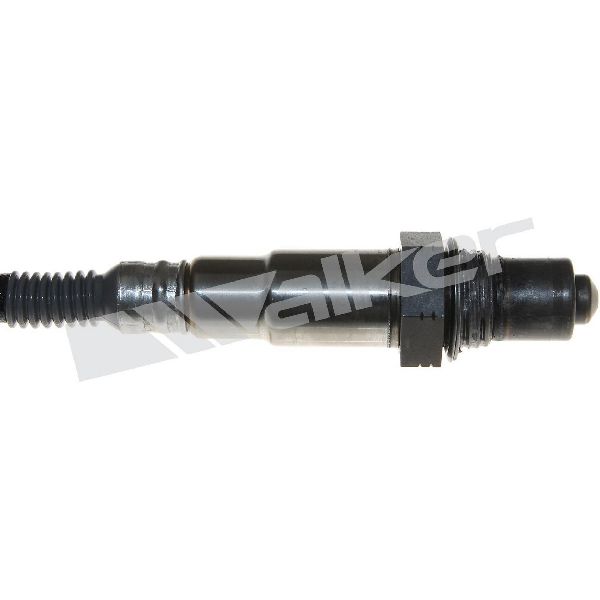
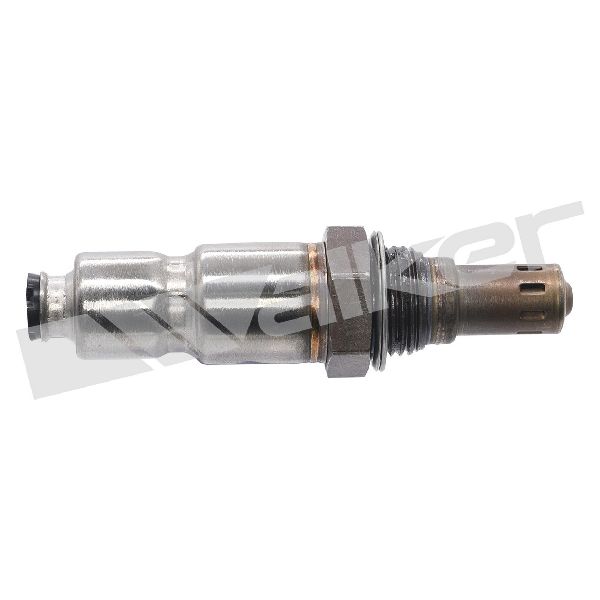
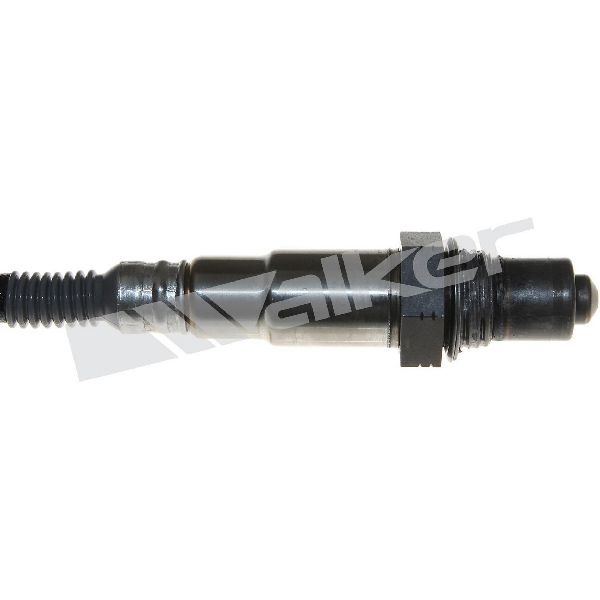
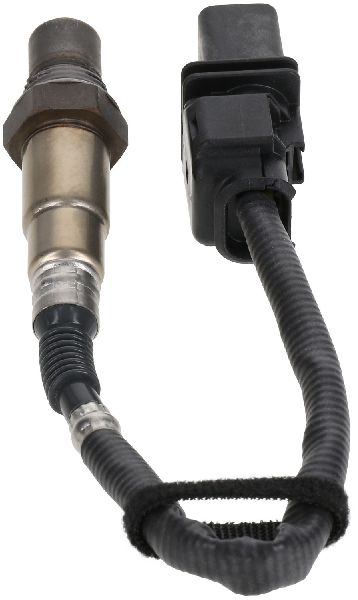
- Downstream Oxygen Sensor (Bank 1, Sensor 2)
(OEM #39210-2ETL2 (For 2.0L Engine, verify by VIN))— This is the component that fails in the vast majority of P0138 cases due to age and heat exposure.
Trusted brands: Hyundai (OEM), NGK/NTK, Bosch, Denso (e.g., 234-4238 is a common cross-reference)
OEM price range: $100-$190
Aftermarket price range: $45-$90
Platform-Specific Known Issues
- Real Owner Experience: On hyundai-forums.com, a user with a 2017 Tucson reported a P0138 code. After confirming the B1S2 voltage was stuck high with a scanner, they replaced the downstream O2 sensor. The repair was successful and the code did not return. They noted the most difficult part was dealing with a rusted sensor, requiring significant force to remove.
Mechanic-Grade Diagnostic Values
- Downstream O2 Sensor (B1S2) Voltage — expected: Slowly fluctuating between 0.1V and 0.8V with engine warm and at 2500 RPM.. Failure: Stuck high, above 0.9V. The PCM will trigger P0138 if the voltage exceeds 1.2V for more than 1 second.
- O2 Sensor Heater Circuit Resistance — expected: Between 3 and 15 Ohms when measured at the sensor's connector pins at ambient temperature. Some sources specify a tighter range of 2.4 to 4.0 Ohms for a 2018 model.. Failure: An 'OL' (Open Loop/infinite resistance) or near-zero reading on a multimeter indicates a failed heater element.
Scan Tool Commands That Help
- Hyundai GDS (or equivalent advanced scanner): Live Data / DTC Analysis — This is the primary function used to diagnose P0138. It allows a technician to graph the B1S2 voltage in real-time to confirm if it is stuck high, validating the code's trigger condition.
- Hyundai GDS (or equivalent advanced scanner): Reset Readiness Monitors — After replacing the oxygen sensor and clearing the DTC, this function should be used to force the ECU to re-run its internal self-tests to verify the repair and ensure it will pass an emissions inspection.
- OBD-II Scanner or Battery Disconnect: Clear Adaptations / ECU Reset — After installing a new sensor, it's best practice to reset the ECU's learned fuel trim values. This can be done via a 'clear adaptations' command on some scan tools or by disconnecting the negative battery terminal for 15-30 minutes. This forces the ECU to relearn using data from the new, accurate sensor.
Wiring & Ground Locations
- O2 Sensor Connectors — On a metal bracket on the back of the engine, accessible from the top after removing the engine cover. The upstream and downstream connectors are often side-by-side.. Provides easy access for testing voltage and resistance without raising the vehicle. Also a location where connectors could be mistakenly swapped.
- Fuse 'SENSOR 1' — In the engine compartment fuse box.. This 15A fuse provides power to the O2 sensor's heater circuit. If a wiring short occurs, this fuse may blow, causing related sensor codes. It's a quick check before replacing parts.
- Harness Routing Clips — Along the exhaust pipe underneath the vehicle.. These plastic clips can become brittle and break, allowing the sensor wiring harness to fall onto the hot exhaust pipe, melting the insulation and causing a short circuit to power or ground.
OEM Part Supersession History
Varies by year/drivetrain→Varies by year/drivetrain— Mid-generation updates and supplier changes.
Heads up: Part numbers for the 2.0L engine are different for FWD vs. AWD and changed for the 2019-2021 model years. For example, the 2.0L AWD sensor changed from 39210-2E410 (2016-18) to 39210-2E411 (2019-21). Always verify the correct part number with the vehicle's VIN.
Model Year Variations Within This Range
- 2019-2021: The 2019 model year received a facelift which included powertrain revisions. Part numbers for the downstream oxygen sensor on the 2.0L and 2.4L engines may differ from the 2016-2018 models. For example, the 2.4L engine became more common and uses different sensors (e.g., OEM P/N 39210-2GBB0). VIN verification before ordering parts is critical.
Diagnostic Flowchart
Other Known Issues on This Vehicle
Issues unrelated to this code that are worth knowing about as an owner of this generation:
- Engine Failure & Fire Risk (Theta-II 2.4L & Nu 2.0L) 🔴 High — Widespread enough to trigger multiple recalls (e.g., NHTSA 21V727000) and a class-action lawsuit. The issue involves premature connecting rod bearing wear. (Ref: Recalls 198, 209; Service Campaigns 966, 982 (KSDS Update).)
- 7-Speed Dual-Clutch Transmission (DCT) Hesitation/Failure 🟠 Medium — Common on 1.6L Turbo models. Owners report hesitation from a stop, shuddering, and in some cases, complete loss of motive power. (Ref: Recall 149 (TSB 16-01-038-1), TSB 21-AT-014H. These involve software updates to the Transmission Control Module (TCM) and, in some cases, clutch replacement.)
- ABS Module Fire Risk (HECU Corrosion) 🔴 High — Affects a broad range of 2016-2021 models, leading to a massive recall. The Hydraulic Electronic Control Unit (HECU) can short circuit internally, potentially causing an engine compartment fire even when the car is off. (Ref: Recall 195.)
- Oil Consumption 🟠 Medium — Frequently reported by owners of the 2.0L and 2.4L GDI engines, sometimes leading to engine damage if not monitored closely.
Used vs. New Parts: Buying Guide for This Vehicle
When a used part is the smart pick: Never. Oxygen sensors are a wear-and-tear component with a finite lifespan, similar to spark plugs or brake pads. Installing a used sensor is highly likely to result in premature failure, wasting time and money.
What to inspect on the donor part:
- Not applicable as used parts are not recommended.
OEM-only on this vehicle (don't cheap out):
- While not strictly 'OEM-only', it is critical to avoid 'universal' sensors that require splicing wires and unbranded 'economy' parts. The risk of incorrect readings, premature failure, and persistent check engine lights is very high with these options.
Aftermarket brands forum-validated for this vehicle:
- Denso
- NGK / NTK (often the original OEM supplier for Hyundai)
- Bosch
- Walker Products
Brands owners have reported issues with on this vehicle:
- Ultra-Power
- Any generic or unbranded sensor
- Any 'universal' sensor that requires cutting and splicing the vehicle's wiring harness
Real Owner Stories
Aggregated from forums and TSBs cited above. Mileages and costs reflect what owners reported in those sources.
2017 Hyundai Tucson
Symptoms: The vehicle triggered both P0137 (low voltage) and P0138 (high voltage) codes at the same time, indicating erratic sensor behavior.
What fixed it: Replacement of the downstream O2 sensor.
Source hint: hyundai-forums.com/threads/p0137-and-p0138-at-the-same-time.680654/
2013 Hyundai Tucson Limited 2.4L — ~3000 miles
Symptoms: Check engine code p0138.
What fixed it: The downstream o2 sensor located after the catalytic converter was changed using an NTK Direct Fit Oxygen Sensor, Part # 25199.
Source hint: YouTube comment by DIY G
2017 Hyundai Tucson
Symptoms: Check Engine Light on; B1S2 voltage was confirmed stuck high with a scanner.
What fixed it: Replaced the downstream O2 sensor. The owner noted the most difficult part was removing the sensor due to rust, requiring significant force.
Source hint: hyundai-forums.com user report in vehicle_specific_issues
Related OBD-II Codes
Frequently Asked Questions
Where is the Bank 1 Sensor 2 oxygen sensor located on my 2016-2021 Tucson?
Is there a specific fuse I should check for P0138 on my Tucson?
What voltage should I see for a healthy downstream O2 sensor on this vehicle?
Are there any recalls for the 2.0L or 2.4L engines that I should be aware of while fixing emissions codes?
Can I use any aftermarket sensor to fix this code?
Does the 7-speed DCT transmission issue relate to the P0138 code?
Helpful Videos
We Have This Part in Stock


The information in this article is provided for general reference and educational purposes only. Vehicle specifications, procedures, and part compatibility can vary by production date, trim level, and region. Always consult your vehicle's factory service manual and verify part numbers before purchasing or performing repairs. Safety-critical components such as airbags, seat belts, and braking systems should be installed by a qualified professional.
- Hyundai Tucson:
- 🧭 Diagnostic Flowchart
- 🎬 Helpful Videos
- 🛍️ Shop This Part
- What's Unique About the 2016-2021 Hyundai Tucson
- Symptoms You May Notice
- Most Likely Causes
- Rare But Worth Checking
- Diagnosis Steps
- Parts You'll Likely Need
- Platform-Specific Known Issues
- Mechanic-Grade Diagnostic Values
- Scan Tool Commands That Help
- Wiring & Ground Locations
- OEM Part Supersession History
- Model Year Variations Within This Range
- Other Known Issues on This Vehicle
- Used vs. New Parts: Buying Guide for This Vehicle
- Real Owner Stories
- 2017 Hyundai Tucson
- 2013 Hyundai Tucson Limited 2.4L — ~3000 miles
- 2017 Hyundai Tucson
- Related OBD-II Codes
- Frequently Asked Questions
- 🎟️ Get 5% Off