

P0139 on 2011-2015 Kia Optima: Slow O2 Sensor Response Causes and Fixes
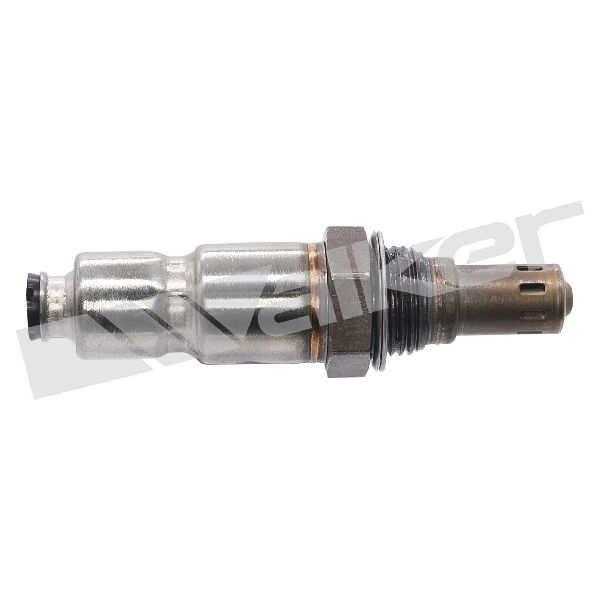
This code means the downstream oxygen sensor (Bank 1, Sensor 2) is responding too slowly. The most common fix is to replace the sensor itself, which is an affordable DIY job. Before replacing, check for exhaust leaks. Expect to pay $40-$80 for an aftermarket sensor and $100-$180 for an OEM part (Kia P/N: 39210-2G200 or 39210-2G400).
- P0139 almost always points to a failing downstream O2 sensor (Bank 1, Sensor 2).
- This is a common issue caused by normal wear and tear and is a straightforward DIY replacement for most home mechanics.
- Before replacing the sensor, perform a quick visual inspection of the exhaust system for any obvious leaks between the catalytic converter and the sensor, as this can also cause the code.
- Replacing the sensor will resolve the Check Engine Light and allow the vehicle to pass an emissions test.
- You will need a special 22mm O2 sensor socket to perform the replacement.
What's Unique About the 2011-2015 Kia Optima
For the 2011-2015 Kia Optima (third generation, TF), which shares its 2.4L and 2.0T GDI engines with the Hyundai Sonata, the P0139 code is a common and straightforward issue. The exhaust layout is simple, with one upstream and one downstream O2 sensor on a single bank since it's an inline 4-cylinder engine. There are no unique design flaws that make this code difficult to diagnose; it's typically just the result of the sensor aging or a simple exhaust leak, often at the flexible section of the exhaust pipe.
Symptoms You May Notice
- Check Engine Light is on
- Failure to pass an emissions test
- Slightly reduced fuel economy
- Occasional engine hesitation, especially after deceleration (rare)
- Rough transition when cruising at a steady speed (rare)
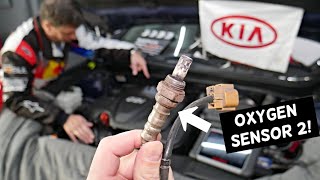
- Replacing the upstream O2 sensor (Sensor 1) instead of the downstream one (Sensor 2). P0139 is specific to Sensor 2. 🎬 Watch this quick guide on fixing common downstream sensor codes.
- Replacing the catalytic converter when the actual problem is a much cheaper O2 sensor or an exhaust leak.
- Replacing the O2 sensor without first checking for exhaust leaks. A leak will cause the new sensor to report incorrectly and the code will return.
Most Likely Causes
- Failing Downstream O2 Sensor (Bank 1, Sensor 2) 🔴 High Probability → Shop Oxygen Sensor Oxygen sensors are wear items that degrade over time from constant exposure to heat and exhaust contaminants. After 80,000-100,000 miles, the internal ceramic element can become contaminated or the heater circuit can weaken, slowing its response time.
How to confirm: Use a scan tool to monitor the live voltage data for 'O2S B1S2'. A healthy downstream sensor's voltage should fluctuate slowly and steadily between approximately 0.1V and 0.9V. If the voltage is stuck, flat, or responds very slowly after revving the engine and letting off the throttle (it should drop quickly during fuel cut), the sensor is bad.
Typical fix: Replace the Bank 1, Sensor 2 oxygen sensor. This requires an O2 sensor socket (a 22mm or 7/8" slotted socket) and is accessible from underneath the vehicle, screwed into the exhaust pipe after the catalytic converter. 🎬 Watch: How to locate and replace the downstream O2 sensor.
Est. part cost: $40 - $180 - Exhaust Leak 🟡 Medium Probability Exhaust gaskets and especially the flexible pipe section before the sensor can degrade and crack over time, allowing outside oxygen to enter the exhaust stream. This extra oxygen skews the sensor's readings, making the ECM perceive a slow response.
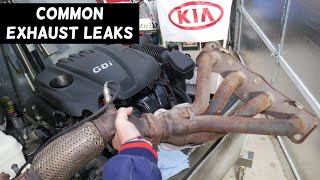
How to confirm: Visually inspect the exhaust system from the catalytic converter to the downstream sensor for any cracks, holes, or black soot marks, especially around flanges and the braided flex pipe. 🎬 See where the most common exhaust leaks occur on this model. A mechanic can use a smoke machine to pinpoint hard-to-see leaks, which is the most definitive test.
Typical fix: Repair the leak by replacing the faulty gasket or welding/replacing the faulty section of pipe.
Est. part cost: $10 - $250 - Damaged Wiring or Connector ⚪ Low Probability
How to confirm: Visually inspect the O2 sensor's wiring harness and connector for any signs of melting, chafing, corrosion, or loose pins. The harness can be damaged by road debris or contact with hot exhaust components. A known issue on the sister Hyundai Sonata platform is the harness rubbing against a heat shield.
Typical fix: Repair the damaged section of wire or replace the connector pigtail. Ensure the harness is properly secured away from heat sources.
Est. part cost: $15 - $50
Rare But Worth Checking
- Failing Catalytic Converter: While a failing catalytic converter typically triggers a P0420 code, a partially degraded or clogged converter can sometimes cause abnormal readings on the downstream O2 sensor, leading to a P0139. This should only be considered after the sensor, wiring, and exhaust leaks have been ruled out.
- Engine Control Module (ECM) Issue: → Shop Engine Control Module (ECM) In very rare cases, the ECM itself may be faulty or require a software update. Internal processing delays in the ECM can mimic a slow sensor. This is highly unlikely and should be the last resort in diagnosis.
- Persistent Rich/Lean Running Condition: An unrelated engine issue, like a leaking fuel injector or a vacuum leak, can cause a consistently rich or lean exhaust. This can lead to carbon fouling on the O2 sensor, physically slowing its response. This is usually accompanied by other codes like P0171 (System Too Lean) or P0172 (System Too Rich).
Diagnosis Steps
- Confirm the P0139 code is present using an OBD-II scanner.
- Visually inspect the downstream O2 sensor (located after the catalytic converter) and its electrical connector and wiring for any obvious damage, melting, or corrosion. Ensure the harness is secured away from heat shields.
- Carefully inspect the exhaust system for leaks between the engine and the downstream sensor. Pay close attention to the flex pipe and flange gaskets, looking for soot trails or listening for hissing sounds.
- Using a scan tool with live data, observe the voltage of Bank 1 Sensor 2 (B1S2). At a steady 2500 RPM, the voltage should be relatively stable. When you snap the throttle and then let it close completely (deceleration fuel cut), the voltage should drop quickly below 0.2V. A slow, lazy drop, or failure to drop below 0.2V for more than 7 seconds, indicates a bad sensor.
- If the sensor appears to react but the code persists, an exhaust leak is the next most likely culprit. A smoke test is the most effective way to find it.
- If the sensor, wiring, and exhaust are all confirmed to be good, investigate for rich/lean running conditions (check fuel trims) or potential catalytic converter issues, though these are less likely.
Parts You'll Likely Need
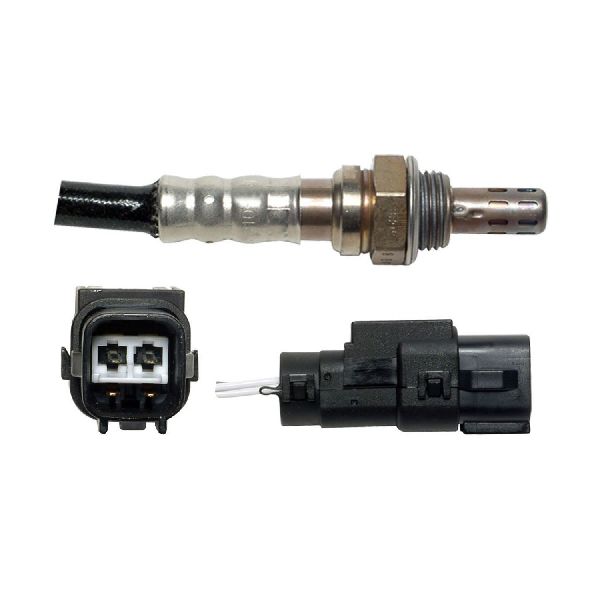
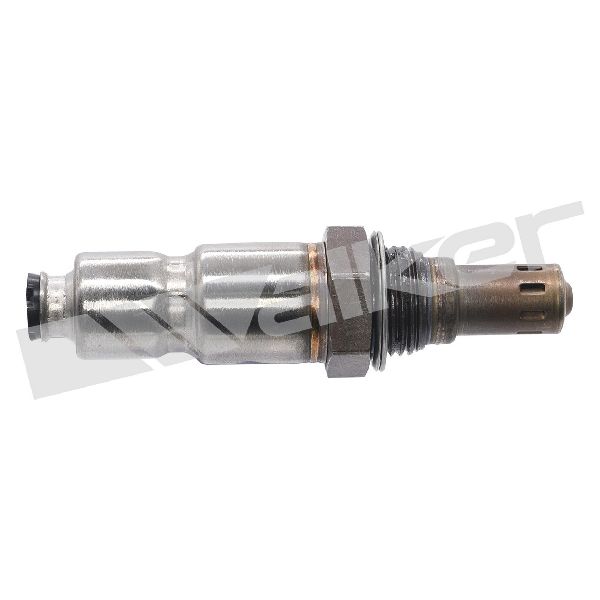
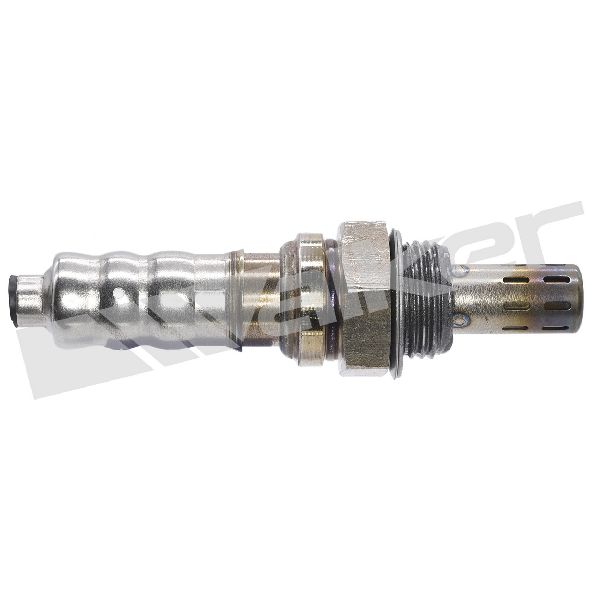
- Downstream Oxygen Sensor (Bank 1, Sensor 2)
(OEM #39210-2G200, 39210-2G400 (Verify by VIN, as multiple parts were used))— This is the most frequent cause of a P0139 code, as the sensor's ability to react quickly degrades with age and exposure to exhaust gases.
Trusted brands: Bosch, Denso, NGK/NTK, Walker
OEM price range: $100-$180
Aftermarket price range: $40-$80
Related Codes That Often Appear With This One
- P0420 — If the catalytic converter is failing, it can cause both a P0420 (Catalyst Efficiency Below Threshold) and a P0139 as the downstream sensor struggles to read the abnormal exhaust output.
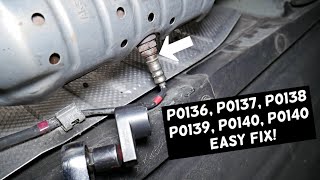
- P0136, P0137, P0138, P0140, P0141 — These codes all relate to the Bank 1, Sensor 2 oxygen sensor. They point to different types of failures (circuit malfunction, low voltage, high voltage, no activity, heater circuit failure) but confirm the problem is with the downstream sensor or its circuit.
Technical Service Bulletins (TSBs) & Recalls
- NHTSA ID: 10058378 / TSB CHA044: Details the replacement procedure for the MDPS flexible coupling, a common failure point causing steering noise, applicable to 2011-2014 Optima models.
- NHTSA ID: 10164900 / TSB SC147: Outlines the engine inspection and replacement procedure for the Theta II engine recall related to connecting rod bearing failure.
Platform-Specific Known Issues
- While not directly causing P0139, the 2011-2014 Kia Optima with 2.0T and 2.4L GDI engines were subject to a major engine recall (SC147) for premature bearing wear that could lead to engine seizure. If other engine symptoms like knocking, excessive oil consumption, or misfires are present, this should be investigated immediately with a Kia dealer, as a lifetime engine warranty may apply.
Mechanic-Grade Diagnostic Values
- Downstream O2 Sensor Heater Circuit Resistance — expected: 4 - 10 Ohms (when cold). Failure: A reading of infinite resistance ('OL' on a multimeter) or a value significantly outside the expected range indicates a failed internal heater.
- Downstream O2 Sensor Voltage (Deceleration Fuel Cut-Off) — expected: Voltage should drop below 0.2 Volts quickly.. Failure: The P0139 code is set if the sensor voltage fails to drop below 0.2 volts for more than 7 seconds during deceleration.
- O2 Sensor Heater Circuit Power Supply — expected: Approximately 12V (Battery Voltage) with Key On, Engine Off.. Failure: A reading of 0V at the harness power pin indicates a blown fuse or a break in the power supply wire.
- Downstream O2 Sensor Voltage (Warm Engine, Steady Cruise) — expected: A relatively stable voltage, typically between 0.5V and 0.8V.. Failure: Voltage that is stuck low, stuck high, or fluctuates rapidly like an upstream sensor can indicate a problem with the sensor or catalytic converter.
Wiring & Ground Locations
- SNSR 1 Fuse — In the main fuse box in the engine compartment, next to the battery.. This 15A fuse provides 12V power to the oxygen sensor's heater circuit. If it blows, the heater will not operate, which can contribute to a slow response time, although it more commonly sets a P0141 heater circuit code. It is a critical first check for any O2 sensor electrical issue.
- O2 Sensor Heater Ground — The ground path is provided and controlled internally by the Engine Control Module (ECM).. This is not a physical chassis ground point that can be cleaned or tightened. A fault with the ground circuit points to an issue with the wiring back to the ECM or an internal ECM fault, which is rare.
- Downstream O2 Sensor Connector — Attached to a bracket on the vehicle's underbody, near the downstream O2 sensor location on the exhaust pipe.. This 4-pin connector is exposed to the elements and road debris. Corrosion on the pins or physical damage to the connector housing or wires can cause the P0139 code. Replacement pigtails are available (e.g., Duralast CONB10994).
Real Owner Repair Stories
- Reddit user in r/MechanicAdvice (2003 VW Golf 2.0L (Note: Different vehicle, but identical diagnostic principle)) — Check Engine Light with code P0139. Live data showed the downstream O2 sensor voltage was stuck at a constant 0.3V.
❌ Tried (didn't work) Clearing the code, which would always return.
✅ What actually fixed it The owner replaced the downstream O2 sensor with a universal Bosch sensor. After replacement, live data showed the voltage correctly fluctuating between 0.2V and 0.7V, and the code did not return. The user noted the old sensor reacted very slowly when heated with a propane torch, confirming it was sluggish. - YouTube video by 'World Mechanics' (2013 Kia Optima) — Check Engine Light with codes related to Bank 1 Sensor 2 (P0136-P0141).
✅ What actually fixed it The video demonstrates the replacement of the downstream (Bank 1, Sensor 2) oxygen sensor. The process confirms the location, the tools needed (O2 sensor socket), and that this replacement is the direct fix for this family of codes, including P0139.
OEM Part Supersession History
39210-2G200→39210-2G200 (current)— This part number appears to be stable for many applications within the model years.
Heads up: The existence of two common part numbers (39210-2G200 and 39210-2G400) for the same sensor location across the same model range strongly indicates a variation based on emissions package (Federal vs. California), engine (2.4L vs 2.0T), or specific production date. Always verify the correct part number with the vehicle's VIN.
Model Year Variations Within This Range
- 2014-2015: The 2014 model year received a significant facelift. While the engine and O2 sensor function remained the same, fuse box layouts and wire harness routing may have minor differences from the 2011-2013 models. Always double-check the owner's manual for the correct fuse location for your specific year.
- 2011-2015: Some aftermarket cat-back exhaust systems note that the flange connecting to the catalytic converter has different bolt spacing between the 2.0T and 2.4L models, requiring the bolt holes on the flange to be widened for a proper fit on the 2.4L model. This indicates a subtle physical difference in the factory exhaust components between the two engines.
Diagnostic Flowchart
Other Known Issues on This Vehicle
Issues unrelated to this code that are worth knowing about as an owner of this generation:
- Premature Engine Failure (Connecting Rod Bearing Wear) 🔴 High — Widespread across 2.0T and 2.4L GDI engines. Failure can occur at any mileage, but is common between 60,000-120,000 miles. Caused by manufacturing debris blocking oil passages. (Ref: Recall: SC147 / NHTSA 17V224000. Kia extended the engine warranty to lifetime for original and subsequent owners and implemented a Knock Sensor Detection System (KSDS) update.)
- Degrading MDPS Steering Coupler 🟠 Medium — Very common. Owners report a clicking or ticking noise from the steering column when turning the wheel, especially when stationary. The rubber coupler disintegrates over time. (Ref: TSB: CHA072 / CS1604. Kia issued a warranty extension for this part to 10 years/unlimited mileage.)
- Peeling Exterior Paint (Especially Snow White Pearl) 🟡 Low — Extremely common on white-painted vehicles. The clear coat and paint delaminate in large sheets, often starting around the windshield, roof, and trunk. (Ref: No official recall, but Kia has a service campaign (V310) and has been known to cover repainting costs on a case-by-case basis after owners contact corporate customer care.)
- Carbon Buildup on Intake Valves 🟠 Medium — Inherent to GDI (Gasoline Direct Injection) engines. Symptoms include rough idle, hesitation, and random misfire codes (e.g., P0300). Typically requires cleaning every 60,000-80,000 miles.
- Cracked Low-Pressure Fuel Hose 🔴 High — Common on 2013-2014 models, leading to a fuel leak in the engine bay and a significant fire risk. (Ref: Recall: 18V907000)
Used vs. New Parts: Buying Guide for This Vehicle
When a used part is the smart pick: For an oxygen sensor, a used part is almost never a smart choice. O2 sensors are wear items with a finite lifespan of 80,000-100,000 miles. A used sensor from a junkyard has unknown remaining life and may fail shortly after installation, wasting time and money.
Donor-vehicle mileage cap: roughly under 20000 miles for the part to have meaningful remaining life.
What to inspect on the donor part:
- Not applicable for O2 sensors; buying new is strongly recommended.
OEM-only on this vehicle (don't cheap out):
- While not strictly required, many professional mechanics and forum users recommend using the Original Equipment Manufacturer (OEM) sensor or one from the actual OE supplier (like NTK) to avoid compatibility issues. Some vehicles can be sensitive to the specific resistance and response curves of aftermarket sensors, leading to persistent codes even with a new part.
Aftermarket brands forum-validated for this vehicle:
- NTK (often the OE supplier for Kia)
- Denso
- Bosch (direct-fit models, not universal)
Brands owners have reported issues with on this vehicle:
- Unbranded, generic 'economy' sensors from online marketplaces.
- Universal-fit sensors that require splicing wires, as improper connections can introduce resistance and cause incorrect readings.
Real Owner Stories
Aggregated from forums and TSBs cited above. Mileages and costs reflect what owners reported in those sources.
2013 Kia Optima
Symptoms: Owner describes getting the P0139 code and seeks confirmation on the fix.
What fixed it: Replacement of the downstream O2 sensor.
Source hint: Kia-Forums.com: 'P0139 Code'
2012 Kia Optima EX
Symptoms: Owner needed to locate Bank 1 Sensor 2 for a related O2 sensor issue.
What fixed it: Replacement of the sensor located downstream after the catalytic converter.
Source hint: Reddit r/MechanicAdvice: '2012 Kia Optima EX O2 Sensor'
2013 Kia Optima
Symptoms: Check engine light with codes P0136, P0137, P0138, P0139, P0140, and P0141.
What fixed it: Replacement of the downstream O2 sensor.
Source hint: YouTube: KIA OPTIMA CODE P0136 P0137 P0138 P0139 P0140 P0141 OXYGEN SENSOR, EASY FIX
Related OBD-II Codes
Frequently Asked Questions
Where is the Bank 1 Sensor 2 located on my 2012 Kia Optima EX?
Does the Theta II engine recall (SC147) cause the P0139 code?
What tools do I need to replace the O2 sensor on my 2013 Optima?
Could a noise in my steering column be related to this exhaust code?
Is there a common wiring issue on the Kia Optima platform for this sensor?
How can I tell if the P0139 is a bad sensor or an exhaust leak?
Helpful Videos

We Have This Part in Stock



The information in this article is provided for general reference and educational purposes only. Vehicle specifications, procedures, and part compatibility can vary by production date, trim level, and region. Always consult your vehicle's factory service manual and verify part numbers before purchasing or performing repairs. Safety-critical components such as airbags, seat belts, and braking systems should be installed by a qualified professional.
- Kia Optima:
- 🧭 Diagnostic Flowchart
- 🎬 Helpful Videos
- 🛍️ Shop This Part
- What's Unique About the 2011-2015 Kia Optima
- Symptoms You May Notice
- Most Likely Causes
- Rare But Worth Checking
- Diagnosis Steps
- Parts You'll Likely Need
- Related Codes That Often Appear With This One
- Technical Service Bulletins (TSBs) & Recalls
- Platform-Specific Known Issues
- Mechanic-Grade Diagnostic Values
- Wiring & Ground Locations
- Real Owner Repair Stories
- OEM Part Supersession History
- Model Year Variations Within This Range
- Other Known Issues on This Vehicle
- Used vs. New Parts: Buying Guide for This Vehicle
- Real Owner Stories
- 2013 Kia Optima
- 2012 Kia Optima EX
- 2013 Kia Optima
- Related OBD-II Codes
- Frequently Asked Questions
- 🎟️ Get 5% Off