

P0139 on 2008-2013 Toyota Highlander 3.5L V6: Slow O2 Sensor Causes and Fixes
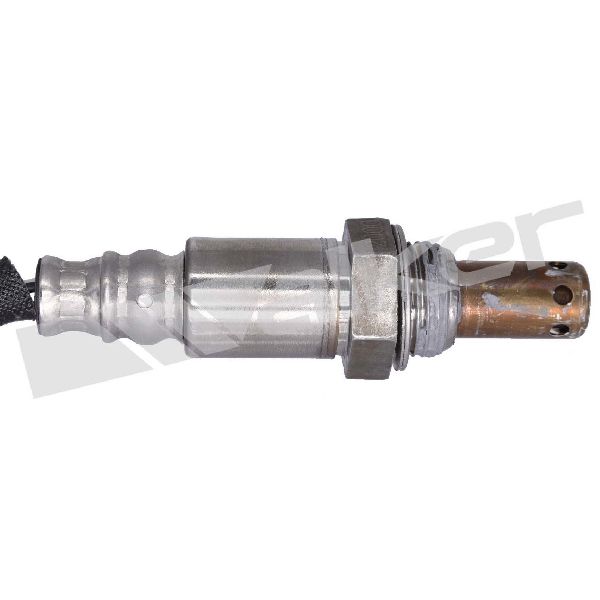
This code almost always means the rear (downstream) oxygen sensor on the firewall side (Bank 1) has failed due to age. Replacing the Bank 1, Sensor 2 O2 sensor is the most common fix. Expect to pay $50-$100 for an aftermarket sensor and $150-$250 for an OEM Denso part.
- P0139 on a 2008-2013 Highlander almost always points to a faulty rear oxygen sensor on the firewall side (Bank 1, Sensor 2).
- Before replacing the sensor, perform a quick visual inspection of the wiring for damage and the exhaust for obvious leaks.
- This is a DIY-friendly repair for those with basic tools, though the sensor's location on the rear bank can be tight to access.
- Using a Denso-branded sensor (the OEM supplier) is highly recommended for a lasting repair.
What's Unique About the 2008-2013 Toyota Highlander
On the 2GR-FE engine in the Highlander, the layout places Bank 1 against the firewall, making access to its sensors slightly more challenging than Bank 2, which is at the front of the vehicle. However, the underlying cause for P0139 is rarely platform-specific. Like many modern vehicles, the most frequent culprit is simply an oxygen sensor that has aged past its service life, typically after 100,000 miles. Toyota uses Denso as its original equipment supplier for these sensors, and sticking with the OEM brand is a widely recommended practice for a reliable repair.
Symptoms You May Notice
- Check Engine Light is illuminated.
- Vehicle will fail an emissions/smog test.
- Slightly reduced fuel efficiency.
- In rare cases, rough idling or hesitation on deceleration.
- Replacing the catalytic converter. A P0139 code points to the sensor's response time, not the converter's efficiency. A bad converter would typically set a P0420 or P0430 code.
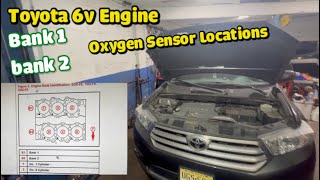
- Replacing the wrong oxygen sensor. It is critical to identify Bank 1 (firewall side) and Sensor 2 🎬 Watch: How to locate Bank 1 and Bank 2 sensors (downstream/post-catalyst) correctly.
Most Likely Causes
- Failing Bank 1, Sensor 2 Oxygen Sensor 🔴 High Probability → Shop Oxygen Sensor Oxygen sensors are wear items that degrade over time from heat and contaminants. After 80,000-100,000 miles, the internal heating element or the sensing element itself can become slow to respond.
How to confirm: Use a scan tool to graph the voltage of the B1S2 O2 sensor. A healthy downstream sensor will show slow, lazy switching or a relatively steady voltage between 0.1V and 0.9V. A failed sensor may be stuck at a certain voltage or respond extremely slowly when the engine is revved and released, or during a forced rich/lean test.
Typical fix: Replace the Bank 1, Sensor 2 oxygen sensor. The sensor is located on the rear exhaust manifold, after the catalytic converter.
Est. part cost: $50-$250 - Exhaust System Leak 🟡 Medium Probability Gaskets and exhaust pipe welds can develop leaks over time due to corrosion and heat cycles. A leak before the O2 sensor allows outside air to enter the exhaust, which the sensor reads as a lean condition, confusing the ECM and potentially triggering a slow response code.
How to confirm: Visually inspect the exhaust manifold, gaskets, and pipes leading to the sensor for black soot trails, cracks, or holes. A common symptom is a ticking noise on a cold start that goes away as the metal expands with heat. You can also use a smoke machine to pressurize the exhaust system (when cold) and look for smoke escaping. 🎬 See this quick trick to find exhaust leaks easily
Typical fix: Repair the leak by replacing the faulty gasket or welding the cracked pipe.
Est. part cost: $10-$150 - Damaged Wiring or Corroded Connector ⚪ Low Probability The sensor's wiring harness is routed under the vehicle and is exposed to road debris, water, and extreme heat, which can cause wires to break or the connector pins to corrode.
How to confirm: Visually inspect the wiring harness leading to the O2 sensor for any signs of melting, chafing, or breaks. Unplug the connector and check for green or white corrosion on the pins. Use a multimeter to check for continuity and resistance between the sensor connector and the ECM connector; resistance over 5 ohms can indicate a problem.
Typical fix: Repair the damaged section of wire or clean/replace the corroded connector.
Est. part cost: $5-$50
Rare But Worth Checking
- Leaking Fuel Injector: A fuel injector stuck partially open can create a rich condition that affects the exhaust chemistry. This is less common but worth considering if a new O2 sensor doesn't fix the code.
- Powertrain Control Module (PCM) Fault: → Shop Engine Control Module (ECM) In very rare instances, the vehicle's computer can have an internal fault or outdated software, causing it to process the sensor's signal incorrectly. This should only be considered after all other possibilities have been exhausted.
Diagnosis Steps
- Connect an OBD-II scanner and confirm that P0139 is the only code present. If other codes exist (e.g., misfires P030x, lean/rich P0171/P0174), address them first as they can cause a false P0139.
- Use the scanner's live data function to monitor the voltage of the 'O2S B1S2' (Oxygen Sensor Bank 1 Sensor 2).
- Warm the engine to operating temperature. At idle or a steady 2500 RPM, observe the sensor's voltage. A very slow-to-react or flat-lined voltage suggests a bad sensor. A healthy sensor should fluctuate slowly.
- Perform a visual inspection of the Bank 1, Sensor 2 oxygen sensor and its wiring. Look for any physical damage, melting on the harness, or corrosion in the connector.
- Inspect the exhaust system around the sensor for signs of leaks, such as black soot marks or an audible ticking/hissing sound, especially when the engine is cold.
- If the sensor and wiring appear intact and there are no exhaust leaks, the oxygen sensor itself is the most likely cause of failure.
- After replacing the part, clear the code with the scanner and perform a drive cycle to ensure the code does not return.
Parts You'll Likely Need
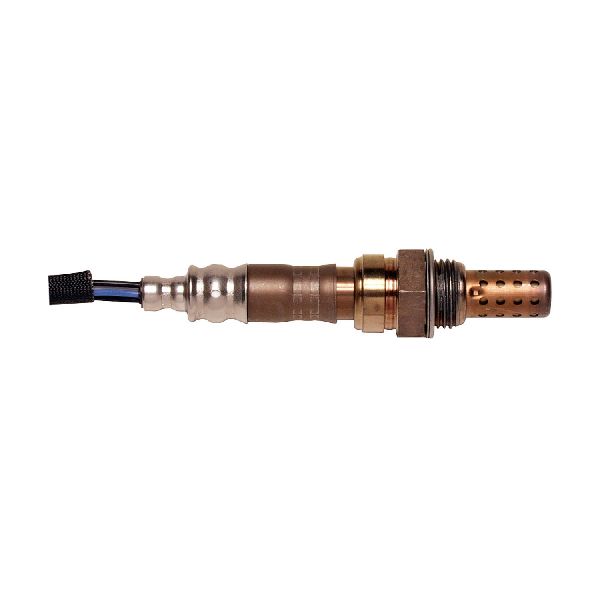
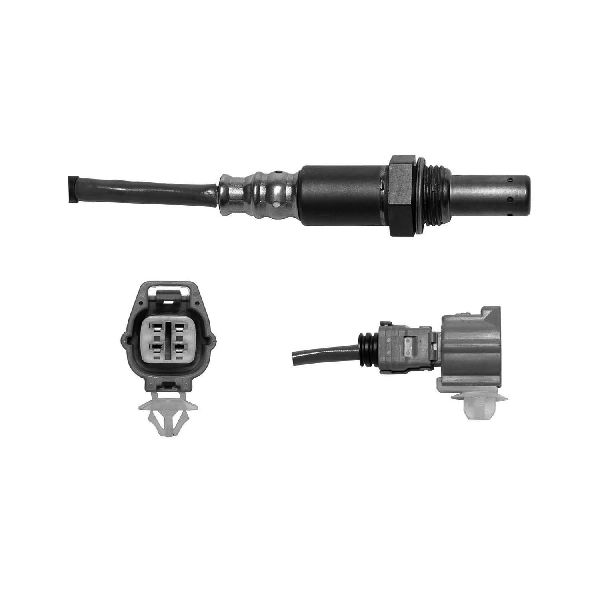
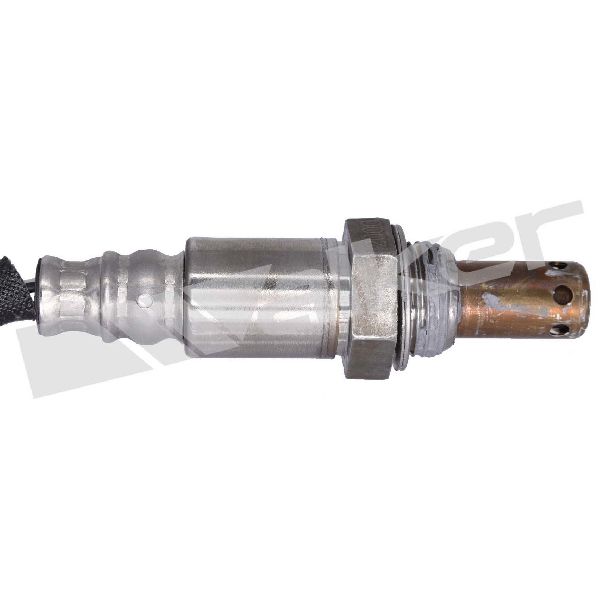
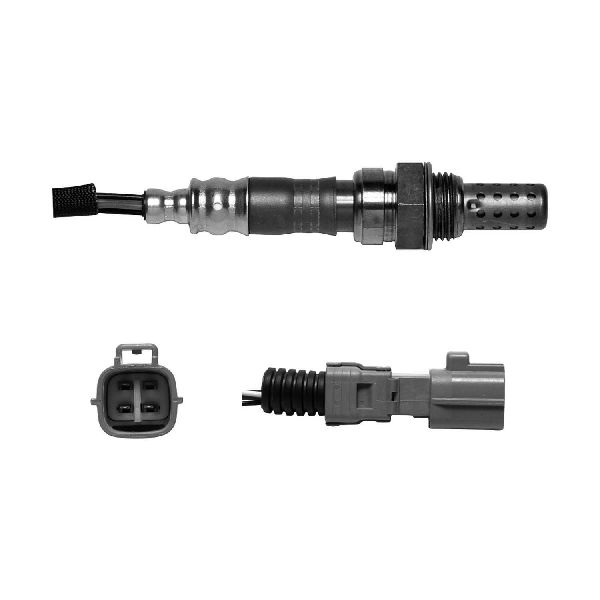
- Oxygen Sensor (Bank 1, Sensor 2)
(OEM #89465-0E050)— This is the direct cause of the P0139 code in the vast majority of cases, as the sensor's performance degrades with age and mileage.
Trusted brands: Denso (OEM), Bosch, NGK/NTK
OEM price range: $150-$250
Aftermarket price range: $50-$100
Technical Service Bulletins (TSBs) & Recalls
- T-SB-0034-13: Addresses a clunk or pop noise from the steering by replacing the intermediate steering shaft with an updated part.
- T-SB-0015-11 / LSC ZE2: Pertains to the VVT-i oil line on early 2GR-FE engines, where a rubber hose section could degrade and rupture, causing catastrophic oil loss. The fix is to replace it with an all-metal line.
Mechanic-Grade Diagnostic Values
- O2 Sensor Heater Circuit Resistance — expected: Typically 2–4 Ω. Failure: A reading significantly higher than 4 Ω or an open circuit (infinite resistance) indicates a failed heater element within the sensor.
- O2 Sensor Signal Wire to ECM Resistance — expected: Below 5 Ω. Failure: Resistance values above 5 Ω suggest corrosion in the connectors or a damaged wire in the harness, which can mimic a slow sensor.
- Downstream O2 Sensor Voltage (Forced Lean) — expected: Should quickly drop to near 200mV (0.2V). Failure: If the voltage is slow to drop or does not reach the low end of the range when a lean condition is induced (e.g., by creating a vacuum leak), the sensor is lazy.
- Downstream O2 Sensor Voltage (Forced Rich) — expected: Should quickly rise to near 800mV (0.8V). Failure: If the voltage is slow to rise or does not reach the high end of the range when a rich condition is induced (e.g., by adding propane to the intake), the sensor is lazy.
Scan Tool Commands That Help
- Toyota Techstream: Active Test - Control the Injection Volume for A/F Sensor — This function allows a technician to command a specific fuel trim change (e.g., +12.5% or -12.5%) and observe the reaction of the oxygen sensors in real-time. For P0139, you would use this to verify if the B1S2 sensor's voltage responds sluggishly compared to the commanded fuel change and the reaction of the other sensors. A healthy sensor should react quickly, while a slow sensor will lag, confirming the diagnosis.
- Toyota Techstream: Health Check — Before diving into specific tests, running a full Health Check can reveal other related DTCs in different modules that a generic OBD-II scanner might miss. This ensures you are not chasing a symptom of a larger problem.
Wiring & Ground Locations
- Engine Harness Ground (Bank 1 side) — On the side of the Bank 1 (rear) cylinder head, located underneath the throttle body area. This is a critical ground point for the engine harness and sensors on that bank.. A loose or corroded ground at this location can introduce resistance and noise into the sensor circuits, potentially causing false or intermittent sensor codes like P0139. Ensuring this ground is clean and tight is a crucial step if wiring is suspected.
- Main Engine Ground — A large ground wire runs from a bolt on the top of the transmission bellhousing to a point on the chassis near the motor mount.. While less likely to cause an isolated P0139, a poor main ground can cause a host of electrical issues and unpredictable sensor behavior. It provides the primary ground path for the entire engine and its electronics.
OEM Part Supersession History
89465-0E050→Denso 234-4509 is the direct-fit O.E. manufacturer equivalent.— Denso is the original equipment manufacturer for Toyota. The Denso aftermarket part is identical to the Toyota-branded part but is typically less expensive.
Heads up: The Denso 234-4509 part number cross-references and replaces a long list of Toyota part numbers, including 89465-0E050, 89465-0E010, 89465-48180, and others, ensuring wide compatibility across the generation.
Model Year Variations Within This Range
- 2011-2013: For the 2011 model year, the Highlander received a mid-cycle refresh with a revised front grille, headlights, and rocker panels. However, the 2GR-FE 3.5L V6 engine and its emissions control system, including the location and function of the oxygen sensors, remained fundamentally the same. This P0139 fault is equally common across the entire 2008-2013 range.
Diagnostic Flowchart
Other Known Issues on This Vehicle
Issues unrelated to this code that are worth knowing about as an owner of this generation:
- VVT-i Oil Line Rupture 🔴 High — Common on earlier models (pre-2010) with the original rubber hose. Failure can occur without warning, often after 80,000+ miles, leading to rapid oil loss and catastrophic engine failure. (Ref: LSC (Limited Service Campaign) ZE2 / T-SB-0015-11. Toyota offered to replace the rubber line with an all-metal one.)
- Water Pump Failure 🟠 Medium — A known weakness on the 2GR-FE. They often start to fail by making a grinding or rattling noise before they leak significantly. Failure is common between 100,000 and 150,000 miles.
- Intermediate Steering Shaft Clunk 🟡 Low — A very common issue where a 'clunk' or 'pop' is heard and felt through the steering wheel when turning at low speeds. It is caused by a design flaw in the intermediate shaft. (Ref: T-SB-0034-13. Toyota released an updated part (45220-48171) to fix this.)
- Timing Cover Oil Leak 🟡 Low — A slow oil seep can develop from the timing chain cover seal over many years and high mileage. It is often not a critical leak but can be expensive to repair due to the labor involved.
Used vs. New Parts: Buying Guide for This Vehicle
When a used part is the smart pick: For an oxygen sensor, a used part is NEVER a smart choice. O2 sensors are wear items with a finite lifespan, typically 80,000-100,000 miles. A used sensor from a salvage yard has unknown mileage and exposure to contaminants, and it is very likely to fail quickly, causing you to do the job twice.
What to inspect on the donor part:
- Not applicable. Do not purchase a used oxygen sensor.
OEM-only on this vehicle (don't cheap out):
- While not strictly 'OEM-only', using the OEM supplier brand is critical for this part.
Aftermarket brands forum-validated for this vehicle:
- Denso (This is the Original Equipment Manufacturer; part number 234-4509 is the recommended replacement).
- NGK/NTK (Another highly respected OEM supplier of oxygen sensors).
Brands owners have reported issues with on this vehicle:
- Unbranded, 'no-name' sensors from online marketplaces. These often use lower-quality sensing elements and heating circuits, leading to premature failure, incorrect readings, or immediate incompatibility, causing the code to return.
Real Owner Stories
Aggregated from forums and TSBs cited above. Mileages and costs reflect what owners reported in those sources.
2007-2015 Lexus RX350 3.5L V6 — ~120000 miles
Symptoms: Check Engine Light illuminated with codes P0139 and P0159 appearing together.
What fixed it: Replacing both aged downstream oxygen sensors.
Source hint: ClubLexus - 'Damn. CEL P0159 P0139' thread
Toyota Highlander 2GR-FE 3.5L V6 — ~150000 miles
Symptoms: Running issues and Check Engine Light on a high-mileage vehicle.
What fixed it: Replacing all four O2 sensors with Denso parts sourced from RockAuto.
Source hint: Tacoma World - 'Toyota OEM V6 O2 sensors versus Denso' thread
Related OBD-II Codes
Frequently Asked Questions
I have a 2008 Highlander and heard about a major oil leak issue. Is that related to my P0139 code?
My Highlander has a clunking sound when I turn the wheel; could this be causing the P0139 code?
Should I buy a used oxygen sensor from a salvage yard to save money on my 2GR-FE?
Is there a specific brand of sensor I should use for my Highlander to ensure the code stays away?
I hear a ticking noise when I start my Highlander in the morning. Could this be related to the Check Engine Light?
Helpful Videos

We Have This Part in Stock


The information in this article is provided for general reference and educational purposes only. Vehicle specifications, procedures, and part compatibility can vary by production date, trim level, and region. Always consult your vehicle's factory service manual and verify part numbers before purchasing or performing repairs. Safety-critical components such as airbags, seat belts, and braking systems should be installed by a qualified professional.
- Toyota Highlander:
- 🧭 Diagnostic Flowchart
- 🎬 Helpful Videos
- 🛍️ Shop This Part
- What's Unique About the 2008-2013 Toyota Highlander
- Symptoms You May Notice
- Most Likely Causes
- Rare But Worth Checking
- Diagnosis Steps
- Parts You'll Likely Need
- Technical Service Bulletins (TSBs) & Recalls
- Mechanic-Grade Diagnostic Values
- Scan Tool Commands That Help
- Wiring & Ground Locations
- OEM Part Supersession History
- Model Year Variations Within This Range
- Other Known Issues on This Vehicle
- Used vs. New Parts: Buying Guide for This Vehicle
- Real Owner Stories
- 2007-2015 Lexus RX350 3.5L V6 — ~120000 miles
- Toyota Highlander 2GR-FE 3.5L V6 — ~150000 miles
- Related OBD-II Codes
- Frequently Asked Questions
- 🎟️ Get 5% Off