

P0141 on 2014-2018 Kia Forte: O2 Sensor Heater Circuit Causes and Fixes
On a 2014-2018 Kia Forte, code P0141 almost always means the internal heater in the downstream oxygen sensor has failed. Replacing the sensor (Bank 1, Sensor 2) is the most common fix. An aftermarket sensor costs about $50-$100, and it's a DIY-friendly job.
- P0141 on a 2014-2018 Forte specifically points to an electrical fault in the heater of the downstream (post-catalytic converter) oxygen sensor.
- The most common and likely fix is to replace the Bank 1, Sensor 2 oxygen sensor.
- Before buying a new sensor, perform a quick visual check of the wiring for damage and check the O2 sensor fuse (possibly labeled 'SENSOR 1') in the engine bay.
- This is a DIY-friendly repair for those with basic tools and a special 22mm O2 sensor socket.
- The vehicle is safe to drive with this code, but the issue must be resolved to pass an emissions test.
What's Unique About the 2014-2018 Kia Forte
For the second-generation (YD) Kia Forte with the Nu 2.0L engine, the P0141 code is a very common and straightforward issue. This is not due to a specific design flaw on the Forte itself, but rather the typical life cycle of oxygen sensors, which are considered wear-and-tear items. The exhaust layout on this single-bank engine is simple, with one upstream and one downstream sensor, making diagnosis easy. The problem is almost always the sensor itself and not a more complex wiring or computer issue, a pattern also seen in its platform mates like the Hyundai Elantra.
Symptoms You May Notice
- Check Engine Light is on
- Failing an emissions/smog test
- Replacing the upstream oxygen sensor (Bank 1, Sensor 1) instead of the downstream one (Bank 1, Sensor 2).
- Replacing the catalytic converter. A bad converter typically sets a P0420 code, not a P0141 heater circuit code.
Most Likely Causes
- Failed Downstream Oxygen Sensor (Bank 1, Sensor 2) 🔴 High Probability → Shop Oxygen Sensor Oxygen sensors are wear-and-tear items that operate in a high-heat environment. The internal heating element is often the first part to fail after 60,000-100,000 miles.
How to confirm: Unplug the sensor and use a multimeter to test the resistance between the two heater circuit pins (usually the two wires of the same color). A good sensor will have a low resistance (typically 4-20 Ohms). An open circuit ('OL' or infinite resistance) confirms the heater has failed.
Typical fix: Replace the downstream oxygen sensor. Apply anti-seize compound to the threads of the new sensor before installation. 🎬 See this step-by-step replacement for Kia 2.0L engines
Est. part cost: $50-$120 - Damaged Wiring or Connector 🟡 Medium Probability The wiring for the downstream sensor is routed underneath the vehicle, where it is exposed to road debris, water, and heat from the exhaust, which can cause it to become brittle, frayed, or melted over time.
How to confirm: Visually inspect the wiring harness from the sensor to where it connects to the main body harness. Look for any signs of physical damage, melting, or corrosion in the connector pins. Use a tool like a Power Probe with the key on, engine off, to confirm continuity on all four wires from the harness side.
Typical fix: Repair the damaged section of wiring or replace the connector pigtail. Ensure the repaired harness is secured away from the hot exhaust pipe.
Est. part cost: $10-$30 - Blown Fuse ⚪ Low Probability
How to confirm: Check the fuse box in the engine bay for a fuse related to the O2 sensor heaters. It may be labeled 'SNSR', 'O2 HTR', 'A/F heater', or on some Hyundai/Kia models, 'SENSOR 1'. Consult your owner's manual or the diagram on the fuse box cover for the specific fuse location and rating.
Typical fix: Replace the blown fuse. If the fuse blows again immediately, it indicates a short circuit in the wiring or the sensor itself that must be diagnosed.
Est. part cost: $1-$5 - Exhaust Leak ⚪ Low Probability
How to confirm: Listen for hissing or ticking sounds from the exhaust system, especially when the engine is cold. An exhaust leak before the downstream sensor can sometimes allow outside oxygen to enter, confusing the sensor, though it's more likely to set a performance code than a heater circuit code.
Typical fix: Repair the exhaust leak by replacing the gasket or damaged pipe section.
Est. part cost: $50-$200
Rare But Worth Checking
- Faulty Engine Control Module (ECM): → Shop Engine Control Module (ECM) This is extremely rare. The ECM should only be considered as the cause after all other possibilities, including the sensor, wiring, and fuses, have been thoroughly tested and ruled out.
Diagnosis Steps
- Confirm the P0141 code is present using an OBD-II scanner.
- Visually inspect the downstream O2 sensor's wiring harness and connector for any obvious signs of damage, melting, or corrosion.
- Check the fuse for the O2 sensor heater circuit in the engine bay fuse box. It may be labeled 'SENSOR 1' or similar.
- If the fuse and wiring appear intact, disconnect the sensor's electrical connector.
- Using a multimeter set to Ohms (Ω), measure the resistance across the two heater pins on the sensor side of the connector (these are typically the two wires of the same color). A reading of 'OL' or infinite resistance means the sensor's heater is bad and the sensor must be replaced. A good sensor should read between 4 and 20 ohms.
- If the sensor resistance is good, turn the ignition to the 'ON' position (engine off) and use the multimeter to check for 12V power on the corresponding pins of the vehicle-side harness connector.
- If power and ground are present and the sensor's resistance is good, there may be an intermittent connection issue or, very rarely, a problem with the ECM driver circuit.
Parts You'll Likely Need
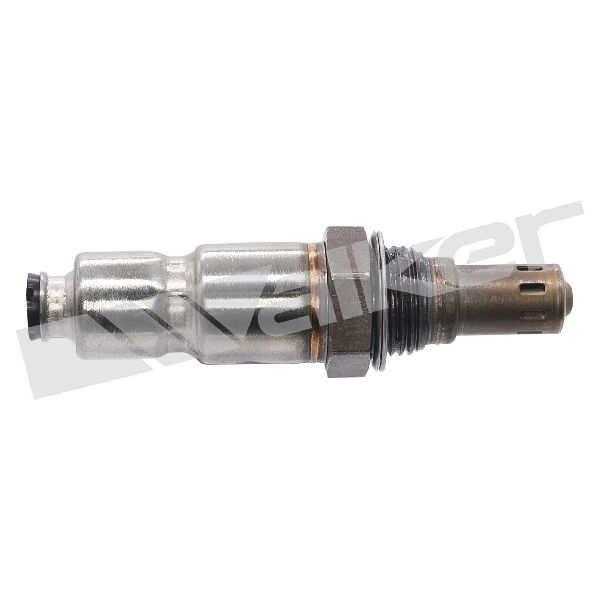
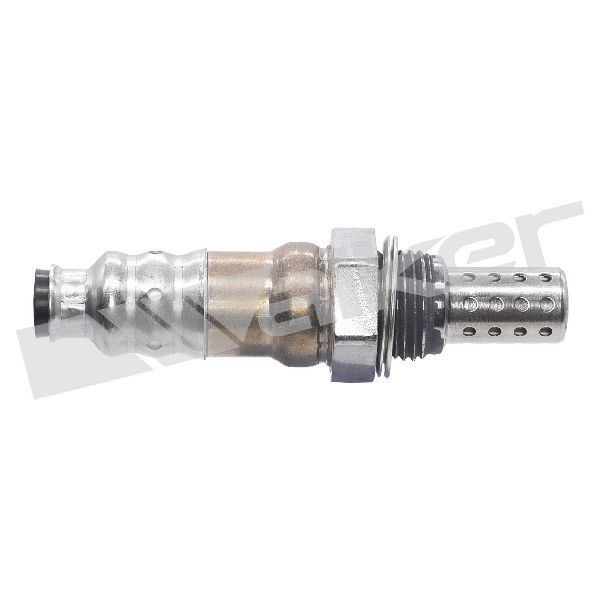
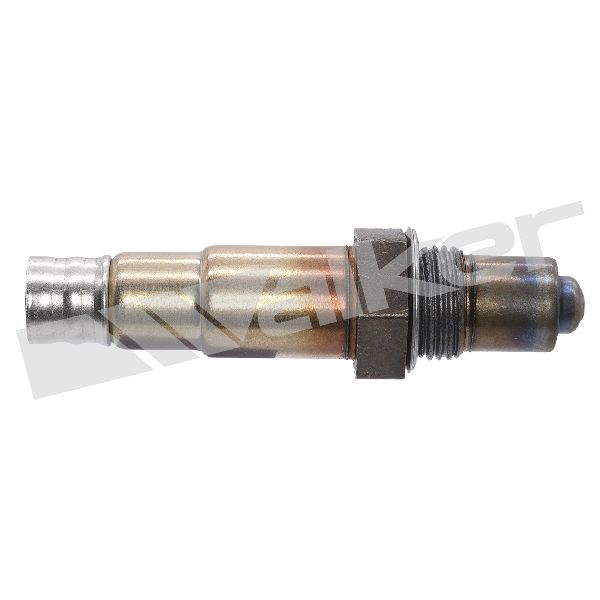
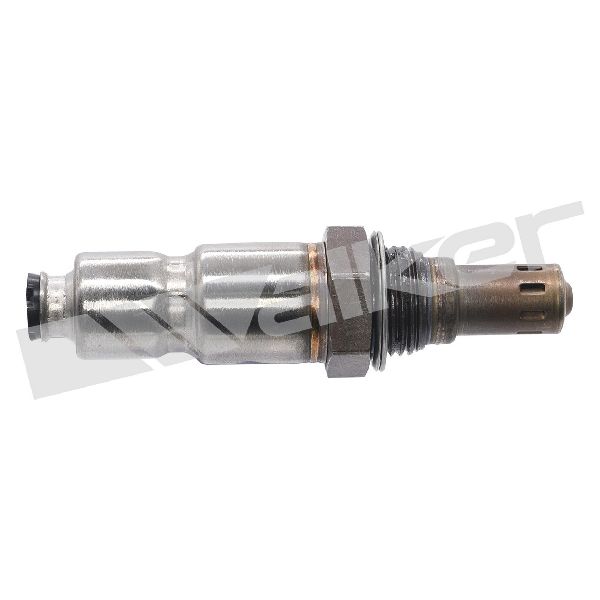
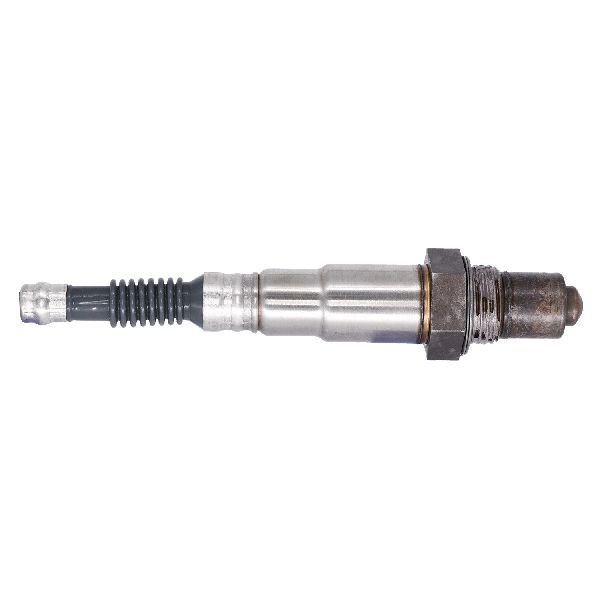
- Downstream Oxygen Sensor (Bank 1, Sensor 2)
(OEM #39210-2E400)— This is the component that contains the heating element that fails, triggering the P0141 code. It is a common wear-and-tear part.
Trusted brands: Denso, NGK/NTK, Bosch, Walker Products
OEM price range: $120-$180
Aftermarket price range: $50-$100 - 22mm Oxygen Sensor Socket — A special tool required for DIY replacement. It has a slot to accommodate the sensor's wire, which a standard deep socket does not have. 🎬 Watch: How to fix P0141 yourself and save money A thin-wall version may be required for clearance.
Trusted brands: Lisle, OEMTOOLS, Gearwrench
Aftermarket price range: $10-$25
Mechanic-Grade Diagnostic Values
- Downstream O2 Sensor (B1S2) Heater Element Resistance — expected: 5 - 20 Ohms. A more precise spec for similar Kia/Hyundai platforms is 2.5 - 4.0 Ω at 20°C (68°F).. Failure: An open circuit (OL or infinite resistance) or a reading significantly outside the expected range confirms a failed heater.
- Voltage at O2 Sensor Heater Power Pin (Harness Side) — expected: Battery Voltage (~12V) with Key On, Engine Off.. Failure: 0V indicates a blown fuse or a break in the power supply wire.
- Ground at O2 Sensor Heater Control Pin (Harness Side) — expected: The ECM provides a pulsed ground to control the heater. With the engine running, a test light connected to battery positive should pulse when probing this pin.. Failure: No pulse or a steady light indicates a wiring issue or a problem with the ECM driver circuit.
Scan Tool Commands That Help
- Kia GDS (Global Diagnostic System): Live Data Graphing / Actuation Test — While there isn't a direct bidirectional command for the heater, a technician can use the GDS to graph the sensor's voltage while performing actuation tests on other components (like fuel injectors) to force rich/lean conditions. A healthy sensor will show an immediate response, helping to rule out sensor performance issues if the heater circuit tests good but problems persist.
Wiring & Ground Locations
- Engine Ground Wiring Assembly — One of the primary engine-to-chassis ground straps. On many transverse engines, this connects the engine block or transmission case to the chassis rail near the driver's side of the engine bay.. A corroded or loose main engine ground can cause a variety of electrical issues, including creating a voltage offset that could affect the O2 sensor heater circuit's operation or the ECM's ability to properly monitor it. The OEM part number for this assembly on the 2014-2018 Forte is 91860-A7130.
- O2 Heater Fuse ('SENSOR 1') — Located in the main fuse and relay box in the engine compartment.. This fuse (typically 15A) provides the 12V power to the heater element inside the oxygen sensor. If it blows, the heater will not operate, and code P0141 will be set.
OEM Part Supersession History
39210-2E400→No direct supersession found.— N/A
Heads up: While no direct supersession was found for this part, it's a known pattern for Kia/Hyundai to update part numbers for internal supply chain or logistics reasons without changing the part's form, fit, or function. Always verify the part number with the vehicle's VIN at a dealership or with a reliable OEM parts supplier.
Model Year Variations Within This Range
- 2017-2018: For the 2017 model year, the Kia Forte received a significant refresh. The previous base 1.8L engine was replaced with a new 2.0L Atkinson cycle four-cylinder engine (147 hp). The 2.0L GDI engine (164 hp) specified in this article remained available, typically in higher trims. While the downstream oxygen sensor part number appears to be consistent across these engines for this generation, it is critical to verify the correct engine is being serviced as wiring and access may differ slightly.
Diagnostic Flowchart
Other Known Issues on This Vehicle
Issues unrelated to this code that are worth knowing about as an owner of this generation:
- Engine Failure / Excessive Oil Consumption 🔴 High — Widespread issue across Nu and Theta II engines, can occur under 100,000 miles. Problems include connecting rod bearing failure, piston scuffing, and oil pump issues. (Ref: Multiple recalls (e.g., SC210, 21V260000) and class-action lawsuits have been issued for various model years related to engine fire risk and premature failure.)
- Degrading Steering Coupler 🟠 Medium — Very common issue, often appearing between 40,000 and 100,000 miles. Causes a distinct clicking or knocking sound in the steering column when turning. (Ref: Kia issued a Technical Service Bulletin (CHA074) for this issue, but the Forte was notably excluded from an extended warranty that covered other models like the Optima and Soul with the same part.)
- Ignition Coil Failure 🟡 Low — Reports of premature ignition coil failure can occur as early as 20,000-40,000 miles, leading to misfires, rough idling, and stalling.
- Airbag Control Unit (ACU) Malfunction 🔴 High — Affects 2017-2018 models. The ACU cover can damage the circuit board, potentially deactivating the airbags. (Ref: NHTSA Recall 22V031000 was issued to address this safety-critical issue.)
Used vs. New Parts: Buying Guide for This Vehicle
When a used part is the smart pick: For this repair, a used part is generally not recommended for the sensor itself. However, sourcing a used wiring harness connector pigtail from a junkyard is a smart and cost-effective choice if your vehicle's original connector is melted, corroded, or physically damaged.
Donor-vehicle mileage cap: roughly under 100000 miles for the part to have meaningful remaining life.
What to inspect on the donor part:
- For a wiring pigtail, inspect for at least 6-8 inches of clean, flexible wire beyond the connector.
- Check that the connector's plastic is not brittle, cracked, or melted.
- Ensure the locking tab is intact and functional.
- Look inside the connector for clean, corrosion-free pins.
Aftermarket brands forum-validated for this vehicle:
- NTK (often the OEM supplier)
- Denso
- Bosch (Direct-fit models only)
Brands owners have reported issues with on this vehicle:
- Universal 'splice-in' oxygen sensors. These often lead to incorrect readings or premature failure due to improper connections and should be avoided.
Real Owner Stories
Aggregated from forums and TSBs cited above. Mileages and costs reflect what owners reported in those sources.
2017 Kia Forte
Symptoms: Failed rear sensor.
What fixed it: Replaced the rear oxygen sensor. The repair took 45 minutes.
Cost: $42
Source hint: Unknown Article: Everything You Need to Know About the 392102C110 Rear Lambda...
2014 Kia Forte
Symptoms: User asked about the safety of driving with P0141; Check Engine Light is on.
What fixed it: Community confirmed it's safe for short-term driving as the sensor is for emissions monitoring.
Source hint: Reddit r/MechanicAdvice (2024-03-16) - 'P0141 code question'
Related OBD-II Codes
Frequently Asked Questions
Is the P0141 code on my 2014-2018 Kia Forte covered by the steering coupler TSB (CHA074)?
Can I use a used downstream O2 sensor from a 2012 Kia Soul to fix this?
My 2017 Forte has a P0141; could this be related to the Airbag Control Unit recall?
Is it safe to keep driving my Forte with the Check Engine Light on for P0141?
Where is the fuse for the O2 sensor heater located on a Kia Forte?
Why did my downstream sensor fail at only 70,000 miles?
Helpful Videos

We Have This Part in Stock


The information in this article is provided for general reference and educational purposes only. Vehicle specifications, procedures, and part compatibility can vary by production date, trim level, and region. Always consult your vehicle's factory service manual and verify part numbers before purchasing or performing repairs. Safety-critical components such as airbags, seat belts, and braking systems should be installed by a qualified professional.
- Kia Forte:
- 🧭 Diagnostic Flowchart
- 🎬 Helpful Videos
- 🛍️ Shop This Part
- What's Unique About the 2014-2018 Kia Forte
- Symptoms You May Notice
- Most Likely Causes
- Rare But Worth Checking
- Diagnosis Steps
- Parts You'll Likely Need
- Mechanic-Grade Diagnostic Values
- Scan Tool Commands That Help
- Wiring & Ground Locations
- OEM Part Supersession History
- Model Year Variations Within This Range
- Other Known Issues on This Vehicle
- Used vs. New Parts: Buying Guide for This Vehicle
- Real Owner Stories
- 2017 Kia Forte
- 2014 Kia Forte
- Related OBD-II Codes
- Frequently Asked Questions
- 🎟️ Get 5% Off