

P0171 on 2014-2016 Kia Sportage: System Too Lean Causes and Fixes
On a 2014-2016 Kia Sportage, code P0171 is most often caused by a vacuum leak from a failed PCV valve or a bad intake manifold gasket. Start by checking the PCV system, which is a known maintenance item, before moving to more complex diagnostics like fuel pressure testing.
- Code P0171 on your Sportage means the engine is running lean (too much air or not enough fuel).
- Before buying any parts, inspect the PCV valve and its hose. This is a cheap, easy, and very common fix.
- The next most likely cause is a vacuum leak from a cracked intake manifold gasket, best found with a smoke test.
- Do not replace the oxygen sensor unless you have ruled out all other possibilities, as it is often just doing its job of reporting the lean condition.
- Cleaning the MAF sensor with a dedicated cleaner is a worthwhile and inexpensive diagnostic step.
What's Unique About the 2014-2016 Kia SPORTAGE
For this generation of Sportage with Gasoline Direct Injection (GDI) engines, the P0171 code is frequently linked to specific vacuum leaks and GDI-related issues. The most common is a failed Positive Crankcase Ventilation (PCV) valve, a maintenance item that should be replaced every 40,000-60,000 miles, as it can stick open and create a constant vacuum leak. Another is a brittle intake manifold gasket. Unique to GDI engines, the intake valves are not cleaned by fuel spray, which can lead to carbon buildup over time, potentially affecting airflow. The high-pressure fuel system also adds diagnostic complexity compared to port-injected engines.
Diagnostic Flowchart
Tap your situation to follow the diagnostic path that matches what you're seeing on this vehicle.
Symptoms You May Notice
- Check Engine Light is on
- Rough or unstable idle
- Engine hesitation or lack of power during acceleration
- Possible stalling, especially when coming to a stop
- A hissing or sucking sound from the engine bay, indicating a vacuum leak
- Reduced fuel economy
- Increased oil consumption (related to a failed PCV system)
- Replacing the upstream oxygen sensor (Bank 1, Sensor 1) without first checking for vacuum leaks or fuel delivery issues. The sensor is often correctly reporting a problem that originates elsewhere.
Most Likely Causes
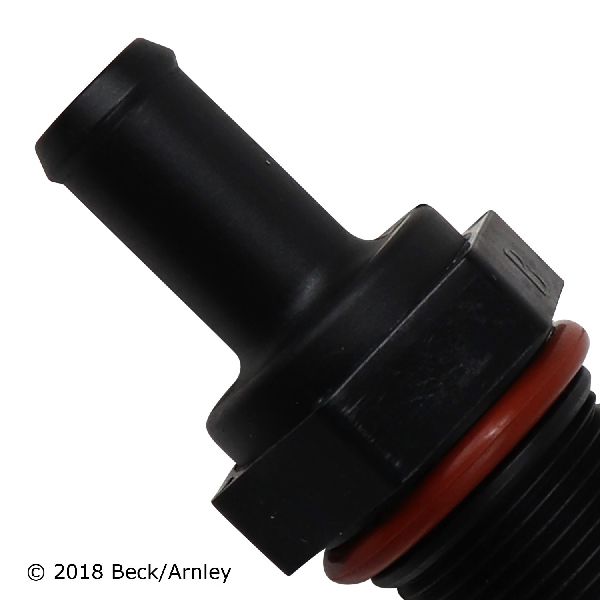
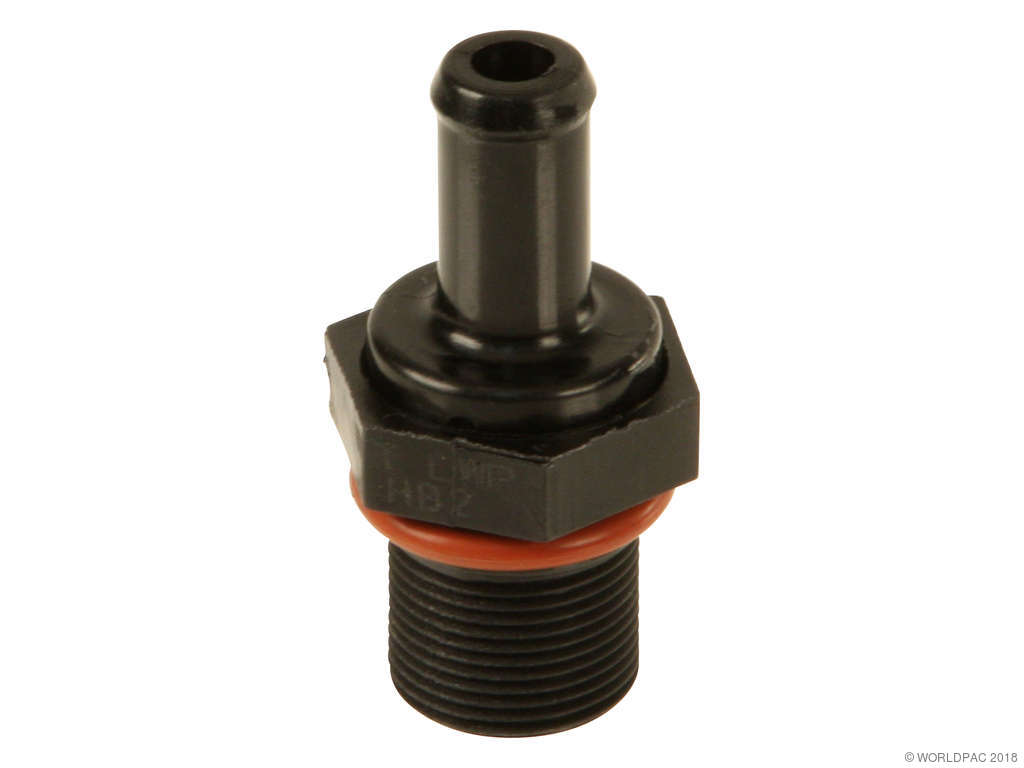
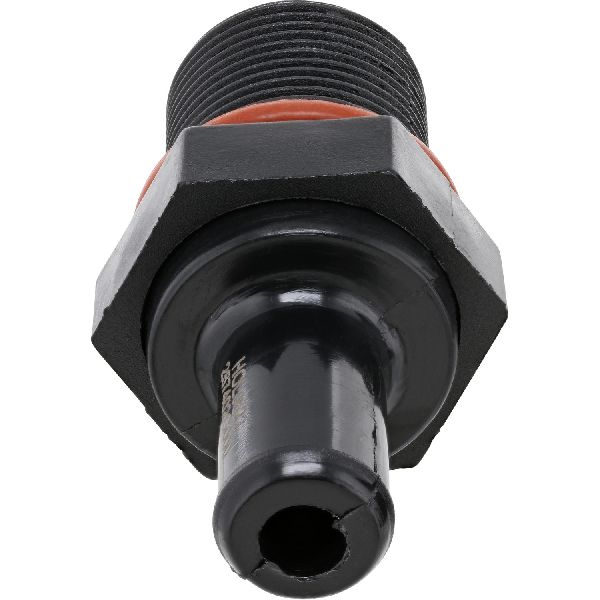
- Failed PCV Valve or Hose 🔴 High Probability → Shop PCV Valve The PCV valve is a known wear item on Kia/Hyundai GDI engines, often failing between 40-80k miles. It can get stuck open, creating a significant, unmetered vacuum leak and pulling oil into the intake manifold.
How to confirm: Remove the valve and shake it; a good valve will rattle. If it's silent or feels stuck, it has failed. A stuck-open valve can also cause a rough idle that changes if you block the valve's port with your finger.
Typical fix: Replace the PCV valve and any damaged hoses. This is a low-cost and simple repair. 🎬 Watch: How to check for this common vacuum leak source.
Est. part cost: $15-$40 - Leaking Intake Manifold Gasket 🔴 High Probability → Shop Engine Intake Manifold The gasket material becomes brittle from engine heat cycles and can crack, allowing unmetered air to enter the intake ports, which is a common source of vacuum leaks.
How to confirm: Perform a smoke test on the intake system. Smoke will be seen escaping from the area where the intake manifold meets the cylinder head. Alternatively, you can cautiously spray short bursts of brake cleaner around the gasket with the engine idling; a change in idle RPM indicates a leak.
Typical fix: Replace the intake manifold gasket set. 🎬 See this walkthrough for removing the manifold and replacing gaskets.
Est. part cost: $25-$60 - Dirty or Faulty Mass Airflow (MAF) Sensor 🟡 Medium Probability → Shop Fuel Injection Air Flow Meter
How to confirm: First, try cleaning the sensor with a dedicated MAF sensor cleaner spray. If the problem persists, monitor the MAF reading on an OBD-II scanner. With the key on but the engine off, the reading should be zero; if it shows any value, the sensor is likely faulty. A failing MAF often under-reports airflow, causing the ECU to deliver less fuel than needed.
Typical fix: Clean the MAF sensor. If cleaning doesn't resolve the issue, the sensor may need to be replaced.
Est. part cost: $10 (cleaner) - $150 (new sensor) - Low Fuel Pressure 🟡 Medium Probability
How to confirm: This requires checking fuel pressure. GDI engines have a low-pressure in-tank pump and a high-pressure mechanical pump (HPFP) on the engine. P0171 is often related to the low-pressure side failing to supply the HPFP, but a failing HPFP can also be the cause. A scan tool that can read fuel rail pressure is essential for diagnosis. A low-side pressure test at the rail might show 45-60 PSI (3-4 bar).
Typical fix: Replace the weak in-tank fuel pump, clogged fuel filter assembly, or the high-pressure fuel pump. Diagnosis is key to avoid replacing incorrect parts.
Est. part cost: $150-$700+
Rare But Worth Checking
- Faulty Upstream Oxygen Sensor: → Shop Oxygen Sensor The sensor itself can fail and send incorrect 'lean' signals. However, this is often misdiagnosed. Rule out all other causes, especially vacuum leaks, before replacing the O2 sensor.
- Exhaust Leak Before Oxygen Sensor: → Shop Oxygen Sensor A crack in the exhaust manifold or a bad gasket can allow outside air into the exhaust stream, tricking the O2 sensor into thinking the engine is running lean.
- Clogged Fuel Injectors: → Shop Fuel Injector Less common than a fuel pump issue, but one or more dirty GDI injectors can restrict fuel flow, leading to a lean condition.
- Carbon Buildup on Intake Valves: A characteristic of GDI engines, heavy carbon deposits on the back of intake valves can restrict and disrupt airflow into the cylinders, contributing to lean or misfire conditions. This is typically addressed by walnut blasting or other manual cleaning methods.
Diagnosis Steps
- Read Fuel Trims: Use an OBD-II scanner to view Short-Term Fuel Trim (STFT) and Long-Term Fuel Trim (LTFT). Values consistently above +10%, with some technicians reporting values exceeding +23% before a code is set, confirm a lean condition.
- Visual Inspection: Look for obvious signs of vacuum leaks like cracked, disconnected, or soft rubber hoses, particularly around the air intake system and PCV lines.
- Inspect and Test PCV Valve: Remove the PCV valve. It should rattle when shaken. If it doesn't, or the connected hose is damaged, replace it. This is a very common and inexpensive first step.
- Clean the MAF Sensor: Carefully remove the Mass Airflow sensor and spray the sensing elements with a dedicated MAF sensor cleaner. Do not touch the wires. Let it dry completely before reinstalling.
- Perform a Smoke Test: This is the most effective way to find hidden vacuum leaks. Feed smoke into the intake system and watch for leaks from the intake manifold gasket, throttle body, or vacuum hoses.
- Test Fuel Pressure: Using a scan tool, monitor fuel rail pressure. Compare the actual pressure to the desired pressure. If they don't match, further diagnosis of the low-pressure and high-pressure fuel pumps is needed.
- Test the Oxygen Sensor: If all other tests pass, use a scanner to graph the upstream oxygen sensor's voltage. It should fluctuate rapidly between approximately 0.1 and 0.9 volts. A slow or stuck sensor may be faulty.
Parts You'll Likely Need
- PCV Valve
(OEM #26740-2G000)— This is a very common failure point on the 2.0L/2.4L GDI engines that directly causes a vacuum leak and a P0171 code. It is a scheduled maintenance item.
Trusted brands: Kia (OEM), Hyundai (OEM)
OEM price range: $15-$30
Aftermarket price range: $10-$20 - Intake Manifold Gasket
(OEM #28411-2G000)— The gasket hardens and cracks over time, creating a vacuum leak that is a primary cause of P0171 on this platform.
Trusted brands: Kia (OEM), Fel-Pro, Beck/Arnley
OEM price range: $20-$40
Aftermarket price range: $15-$30 - Mass Airflow (MAF) Sensor
(OEM #28164-2G500)— If cleaning the original sensor doesn't work, a faulty MAF can send incorrect data, causing the lean code.
Trusted brands: Kia (OEM), Bosch, Delphi
OEM price range: $120-$200
Aftermarket price range: $60-$120
Related Codes That Often Appear With This One
- P0420 — 'Catalyst System Efficiency Below Threshold'. A persistent lean condition can overheat and damage the catalytic converter. Some TSBs for P0171 also address P0420 simultaneously with an ECU update.
- P0300-P0304 — Misfire codes (P0300 for random, P0301-P0304 for specific cylinders) can occur if the lean condition becomes severe enough to cause incomplete combustion. 🎬 Watch: How to fix combined misfire and lean codes.
Technical Service Bulletins (TSBs) & Recalls
- TSB MC-10109774-9999: Provides information for an ECU software upgrade for 2012-2016 Sportage (and other models) that may experience a check engine light with DTCs P0420 and/or P0171. This bulletin confirms Kia has addressed this issue with software updates.
- Hyundai TSB 16-01-003-1: While for the platform-mate Hyundai Tucson, this TSB details an ECU update for 2014-2015 models with the 2.4L GDI engine to improve logic for DTCs P0171 and P0420, showing a pattern of software adjustments for this issue across the shared engine platform.
Platform-Specific Known Issues
- Kia has issued Technical Service Bulletins that involve an ECU software upgrade to improve the logic for detecting P0171 and P0420. If you have addressed the common mechanical causes and the code persists, it is worth checking with a dealer if your vehicle's software is up to date.
Mechanic-Grade Diagnostic Values
- Upstream Oxygen Sensor (Bank 1, Sensor 1) Voltage — expected: Rapidly fluctuating between 0.1 and 0.9 volts at operating temperature.. Failure: Slow response, or voltage that is stuck low (below 0.45V) or high (above 0.45V).
- Mass Airflow (MAF) Sensor Reading (Key On, Engine Off) — expected: 0 g/s or 0 Volts.. Failure: Any reading greater than zero indicates a potential sensor fault.
- Long Term Fuel Trim (LTFT) Threshold — expected: Ideally close to 0%, but under +/- 10% is generally acceptable.. Failure: The P0171 code may be set when LTFT exceeds +23%.
- Low-Side Fuel Pressure (at fuel rail) — expected: Approximately 3 to 4 bar (43 to 58 PSI) at idle.. Failure: Pressure significantly below this range indicates a weak in-tank pump or clogged filter.
Wiring & Ground Locations
- Instrument Panel Fuse Box — Behind a cover on the driver's side of the instrument panel.. Contains fuses for the ECU, fuel pump, and various sensors that are critical for the fuel system's operation.
- Engine and Chassis Grounds — Key grounding points are typically found on the cylinder head, engine block, intake manifold, and alternator housing.. A poor ground connection for the ECU or a critical sensor (like the O2 or MAF sensor) can cause incorrect readings, leading to false lean codes.
Real Owner Repair Stories
- Rainman Ray's Repairs on YouTube (2006 Kia Sportage 2.7L V6 (Note: different engine, but demonstrates a relevant failure mode)) — P0171, P0174, P0170 (lean codes on both banks).
❌ Tried (didn't work) Initial diagnosis was simply reading the codes.
✅ What actually fixed it The mechanic found a large, visible crack in the plastic body of the Idle Speed Control Actuator (ISCA). This allowed unmetered air to enter the intake manifold downstream of the MAF sensor, causing the lean condition. Replacing the ISCA resolved the codes.
"I Checked Everything" — The Actual Cause
- A common scenario where a smoke test of the intake manifold and vacuum hoses comes back clean is an internal leak in the power brake booster. The booster uses engine vacuum, and if its internal diaphragm fails, it creates a vacuum leak that is not part of the external intake tract. Symptoms include a hissing sound when the brake pedal is pressed, a hard brake pedal, or a change in engine idle speed specifically when braking.
Model Year Variations Within This Range
- 2014-2016: A 2014 model year update for the 2.0L engine reportedly decreased its power ratings but improved performance and fuel economy, indicating changes to engine tuning and management compared to earlier third-generation models.
- 2016: The manufacturer TSB for an ECU software update to address P0171/P0420 specifically covers model years up to 2015. This suggests that 2016 models may have been manufactured with this updated logic already installed, making a software update less likely to be the fix compared to 2014-2015 models.
Helpful Videos
We Have This Part in Stock


The information in this article is provided for general reference and educational purposes only. Vehicle specifications, procedures, and part compatibility can vary by production date, trim level, and region. Always consult your vehicle's factory service manual and verify part numbers before purchasing or performing repairs. Safety-critical components such as airbags, seat belts, and braking systems should be installed by a qualified professional.
- Kia SPORTAGE:
- 🧭 Diagnostic Flowchart
- 🎬 Helpful Videos
- 🛍️ Shop This Part
- What's Unique About the 2014-2016 Kia SPORTAGE
- Symptoms You May Notice
- Most Likely Causes
- Rare But Worth Checking
- Diagnosis Steps
- Parts You'll Likely Need
- Related Codes That Often Appear With This One
- Technical Service Bulletins (TSBs) & Recalls
- Platform-Specific Known Issues
- Mechanic-Grade Diagnostic Values
- Wiring & Ground Locations
- Real Owner Repair Stories
- "I Checked Everything" — The Actual Cause
- Model Year Variations Within This Range
- 🎟️ Get 5% Off