

P0171 on 2013-2018 Toyota RAV4 2.5L: Lean Code Causes and Fixes
Code P0171 on a 2013-2018 RAV4 almost always means there's a vacuum leak or a dirty sensor. The most likely fix is cleaning the Mass Airflow (MAF) sensor or replacing a failed intake manifold gasket. Cleaning the MAF costs under $20, while a gasket replacement can cost $150-$400 at a shop.
- Start with the cheapest and easiest fix: clean the MAF sensor with the correct cleaner.
- The second most likely culprit is a leaking intake manifold gasket; a smoke test is the best way to confirm this.
- Do not immediately replace the oxygen (A/F) sensor; it is usually reporting a real problem, not causing it.
- The PCV valve is a possible cause but is very difficult to access on this engine, so rule out easier fixes first.
- Always use high-quality or OEM parts, especially for sensors, to avoid repeat failures.
What's Unique About the 2013-2018 Toyota RAV4
For the 2AR-FE engine in this RAV4 generation, the P0171 code is very frequently traced back to one of two specific issues: a dirty Mass Airflow (MAF) sensor or a leaking intake manifold gasket. While many vehicles can have this code, these two causes are disproportionately common on this platform. The intake gasket in particular is a known weak point; the original gasket material can harden, flatten, and crack after 80,000-100,000 miles, creating a vacuum leak that is hard to spot without a smoke test. The PCV valve is also a potential cause, but its difficult location under the intake manifold makes it a more challenging DIY repair.
Symptoms You May Notice
- Check Engine Light is on
- Rough or unstable idle, sometimes fluctuating
- Hesitation or lack of power during acceleration
- Reduced fuel economy
- Engine stalling in some cases
- A slight whistling or hissing sound from the engine bay at idle
- Immediately replacing the Air/Fuel Ratio (O2) sensor. The sensor is often just doing its job by reporting the lean condition, which is usually caused by a vacuum leak or a dirty MAF sensor.
- Replacing the MAF sensor with a cheap aftermarket part. Owners and technicians report that many aftermarket MAF sensors do not perform to OEM specifications and can cause the code to return. Using a Denso (OEM) part is highly recommended.
Most Likely Causes
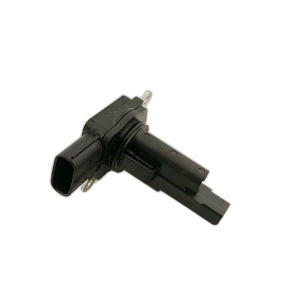
- Dirty Mass Airflow (MAF) Sensor 🔴 High Probability → Shop Fuel Injection Air Flow Meter The MAF sensor is located directly in the air stream and can become contaminated with dust, oil vapor, or debris over time, causing it to inaccurately measure the air entering the engine. This is a very common first step for diagnosis on the 2AR-FE.
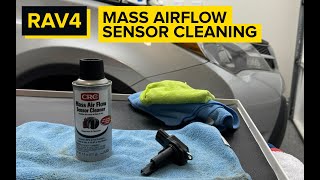
How to confirm: Remove the sensor from the air filter housing (held by two Phillips head screws) and visually inspect the small internal wires. Even if it looks clean, the first diagnostic step should be to clean it with a dedicated MAF sensor cleaner spray. 🎬 Watch: Step-by-step guide to cleaning your RAV4 MAF sensor A faulty aftermarket MAF sensor can also cause this issue; owners report that using an OEM Denso sensor is critical if replacement is needed.
Typical fix: Clean the sensor with MAF sensor cleaner spray. Do not touch the internal wires. Let it dry completely for 15-20 minutes before reinstalling. If cleaning does not resolve the issue, the sensor may need to be replaced.
Est. part cost: $10-$20 for cleaner, $100-$180 for a new OEM Denso sensor - Leaking Intake Manifold Gasket 🔴 High Probability → Shop Engine Intake Manifold The gasket that seals the plastic intake manifold to the cylinder head is a known failure point on the 2AR-FE engine. Over time, the gasket material can harden and crack, allowing unmetered air to enter the engine, especially after 80,000+ miles.
How to confirm: The most reliable method is a smoke test, where smoke is fed into the intake system to see where it leaks out. A less precise but common DIY method involves carefully spraying a flammable fluid (like carb cleaner or brake cleaner) near the gasket mating surface with the engine running and listening for a change in engine idle RPM 🎬 Watch: How to diagnose intake manifold gasket leaks (e.g., a surge of 50-100 RPM).
Typical fix: Replace the intake manifold gasket. This involves removing the intake manifold to access and replace the old gasket. 🎬 See this walkthrough on replacing the intake manifold gasket It is recommended to replace the throttle body gasket at the same time.
Est. part cost: $25-$40 for an OEM gasket - Cracked Air Intake Hose 🟡 Medium Probability → Shop Engine Air Intake Resonator The flexible rubber or plastic hose between the air filter box and the throttle body can develop cracks from age and heat, allowing unmetered air to bypass the MAF sensor.
How to confirm: Visually inspect the entire intake hose, especially in the ribbed, flexible sections. Bend and squeeze the hose to reveal hidden cracks that may not be visible otherwise.
Typical fix: Replace the cracked air intake hose.
Est. part cost: $40-$90 - Faulty PCV Valve or Hose ⚪ Low Probability → Shop PCV Valve A PCV valve that is stuck open or a cracked PCV hose will create a vacuum leak. The valve's location on the 2AR-FE is under the intake manifold, making it difficult to inspect and replace without removing the manifold.
How to confirm: Inspect the PCV hoses for cracks. Testing the valve itself is difficult due to its location. A simple test involves placing a balloon or glove over the oil filler neck with the engine running; if it inflates, there is excessive crankcase pressure, but if it gets sucked in slightly, the PCV system is likely functioning. It's often replaced as a maintenance item if the intake manifold is already removed for a gasket replacement.
Typical fix: Replace the PCV valve and any damaged hoses. This is often done at the same time as an intake manifold gasket replacement due to the labor overlap.
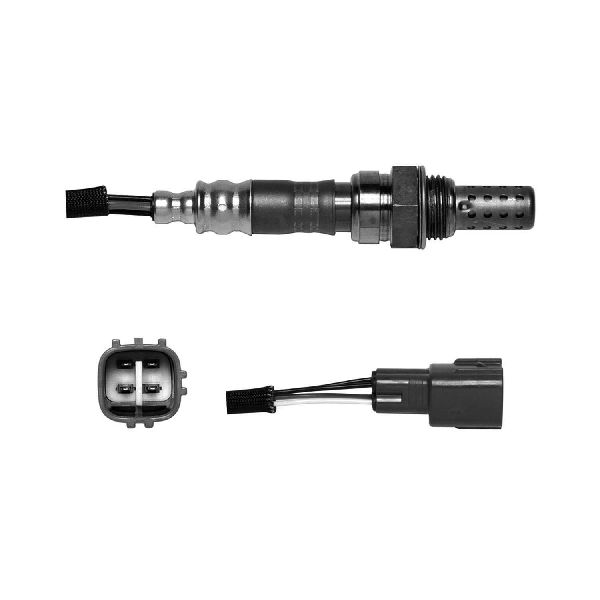
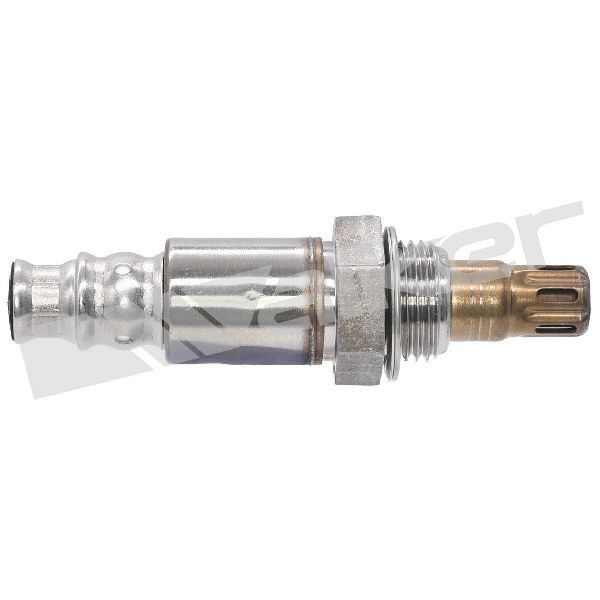
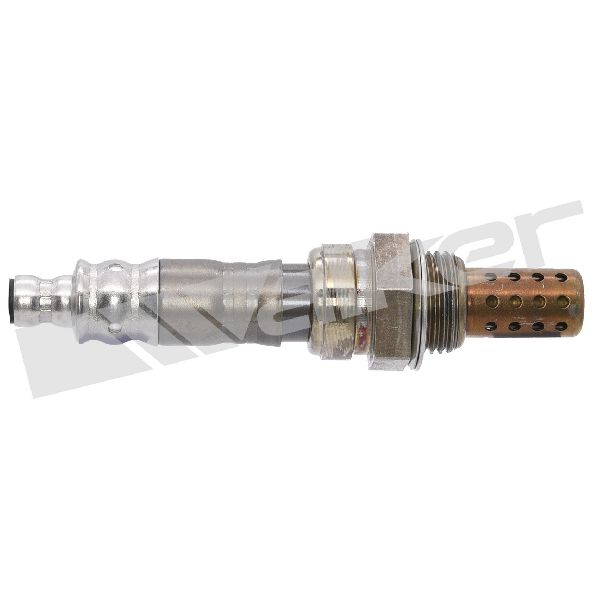
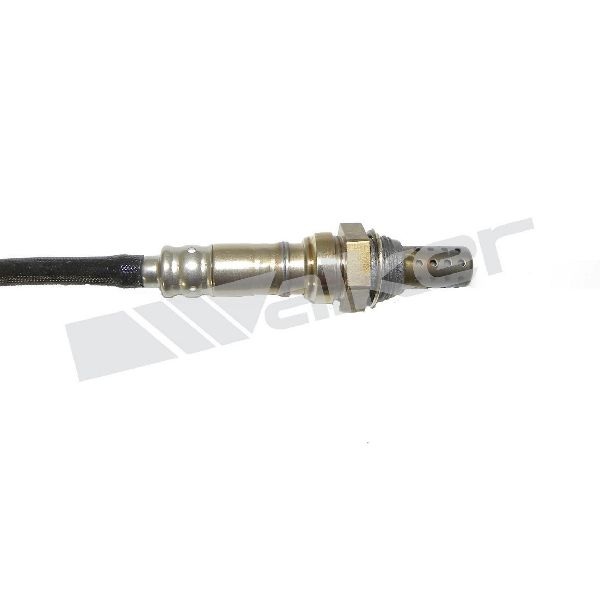
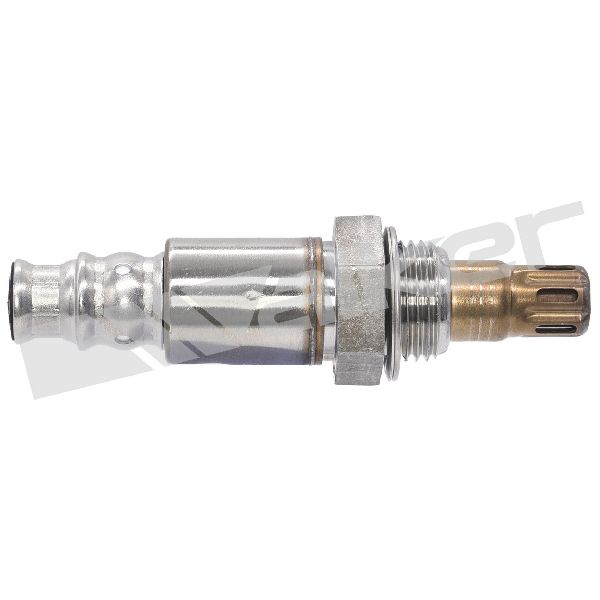
Est. part cost: $15-$30 for the valve - Failing Upstream Air/Fuel Ratio Sensor ⚪ Low Probability → Shop Oxygen Sensor While the A/F sensor (upstream O2 sensor) is what reports the lean condition, it can also fail and send incorrect readings. However, it's more likely to be correctly reporting a problem elsewhere. It should not be the first part replaced.
How to confirm: Use a scan tool to monitor the sensor's voltage or lambda readings. A healthy sensor will fluctuate rapidly. A sensor that is slow to respond, provides a fixed reading, or shows a consistently lean voltage (e.g., below 0.45V on a traditional O2 sensor, or a high lambda value on an A/F sensor) after vacuum leaks are ruled out may be faulty.
Typical fix: Replace the upstream Air/Fuel Ratio sensor (Bank 1, Sensor 1).
Est. part cost: $120-$220
Rare But Worth Checking
- Weak Fuel Pump or Clogged Fuel Filter: → Shop Fuel Filter A lack of fuel pressure can cause a lean code. Manufacturer Bulletin #TSB000923 notes that some Toyota vehicles may exhibit a MIL ON condition with P0171 and P0087 (Fuel Rail/System Pressure Too Low), where Techstream data analysis may reveal positive fuel trim values. This should be confirmed with a fuel pressure test at the fuel rail before replacing the pump, as it is an expensive and involved repair.
- Clogged Fuel Injectors: → Shop Fuel Injector Dirty or partially clogged fuel injectors can restrict fuel flow, leading to a lean mixture. This is more likely on high-mileage vehicles and is usually diagnosed after all other causes have been eliminated.
Diagnosis Steps
- Read the code with an OBD-II scanner and check the freeze frame data to see the engine conditions (RPM, load, temperature) when the code was set.
- Using the scanner's live data, observe the Long-Term Fuel Trim (LTFT) and Short-Term Fuel Trim (STFT) at idle. A combined value significantly above +20% confirms the ECM is compensating for a major lean condition.
- Visually inspect the entire air intake tract, from the air filter box to the engine, for obvious cracks, loose clamps, or disconnected hoses. Pay close attention to the flexible intake boot.
- Remove and clean the Mass Airflow (MAF) sensor using dedicated MAF cleaner spray. Do not use brake or carb cleaner. Allow it to air dry completely for at least 15 minutes before reinstalling.
- After cleaning the MAF, clear the code and drive the vehicle for at least one full drive cycle to see if it returns. If it does, proceed to the next step.
- Perform a smoke test to check for vacuum leaks. This is the most effective method. Pay close attention to the intake manifold gasket area, PCV hoses, and the brake booster line.
- As an alternative to a smoke test, you can carefully spray short bursts of a flammable cleaner around the intake manifold gasket with the engine idling, listening for any change in RPM that would indicate a leak.
- If no vacuum leaks are found, test the fuel pressure to ensure the fuel pump is operating within specification (typically 44-50 psi for the 2AR-FE).
- If fuel pressure is good and no vacuum leaks are present, analyze the live data from the upstream Air/Fuel Ratio sensor to check for proper operation. A lazy or biased sensor may be the cause.
- If all other possibilities are exhausted, consider a problem with the PCV valve (if not already checked during intake work) or clogged fuel injectors.
Parts You'll Likely Need
- Intake Manifold Gasket
(OEM #17171-0V010)— This gasket is a very common failure point on the 2AR-FE engine, causing a vacuum leak that directly leads to a P0171 code. It hardens and cracks with age.
Trusted brands: Toyota (Genuine), Fel-Pro (Part # MS 97138), Mahle
OEM price range: $25-$40
Aftermarket price range: $10-$25 - Mass Airflow (MAF) Sensor
(OEM #22204-0V010)— This is the primary sensor for measuring airflow. When dirty, it under-reports airflow, causing the lean condition. While cleaning is often sufficient, replacement is the next step if cleaning fails. Aftermarket versions are known to be unreliable.
Trusted brands: Denso (OEM, Part # 197-6200), Hitachi, NTK
OEM price range: $140-$190
Aftermarket price range: $70-$120 - Upstream Air/Fuel Ratio Sensor
(OEM #89467-42120)— If the sensor itself fails, it can send false lean signals to the ECU. It is often replaced unnecessarily when the actual problem is a vacuum leak or MAF issue.
Technical Service Bulletins (TSBs) & Recalls
- Bulletin #TSB000923 - This manufacturer bulletin addresses cases where Toyota vehicles exhibit a MIL ON condition with DTC P0171 and/or P0174, potentially accompanied by P0087 (Fuel Rail/System Pressure Too Low), indicating that fuel pressure issues can be a root cause.
- EG010-07 - While for an older model, this TSB addresses P0171 caused by a faulty A/F sensor, which can still be a rare cause on the 2AR-FE.
Mechanic-Grade Diagnostic Values
- Mass Airflow (MAF) Sensor Reading at Idle — expected: 1.0 to 3.0 g/sec with engine fully warmed, in neutral, A/C off.. Failure: A reading significantly below this range indicates the sensor is under-reporting airflow, causing a lean condition. A reading of 0 g/sec with the engine running indicates a dead sensor or wiring issue.
- Mass Airflow (MAF) Sensor Reading at 2,500 RPM — expected: 2.0 to 6.0 g/sec (stable RPM).. Failure: Readings that are slow to respond to RPM changes or are outside this range suggest a faulty sensor.
- Long-Term Fuel Trim (LTFT) Threshold — expected: Ideally between -10% and +10% at idle.. Failure: The P0171 DTC is typically set when the smoothed fuel trim learning value exceeds +33%. Any sustained value above +20% indicates a significant lean condition that the ECM is trying to correct.
- Fuel Pressure (at fuel rail) — expected: 44 to 50 psi (304 to 345 kPa).. Failure: Pressure below this range indicates a weak fuel pump or clogged fuel filter, which can cause a lean condition that is not a vacuum leak.
Hidden / Shadow Codes Worth Checking
- P2195: A/F Sensor Signal Stuck Lean (Bank 1, Sensor 1). This is not a shadow code, but the official Toyota service manual for P0171 often directs technicians to troubleshoot P2195 simultaneously, as it points directly to a potential failure of the upstream Air/Fuel ratio sensor itself or its circuit. (see via Standard OBD-II scanner.)
Scan Tool Commands That Help
- Toyota Techstream: Active Test: A/F Control — This function is used after confirming no vacuum leaks. It allows the technician to manually command the ECM to increase fuel injection volume by up to 25% or decrease it by 12.5%. While monitoring the A/F sensor voltage, this directly tests the sensor's ability to react to mixture changes. If the sensor voltage doesn't respond accordingly, it is likely faulty.
Wiring & Ground Locations
- G01 (or similar engine bay ground) — Typically located on the left fender in the engine compartment.. The engine harness, which includes wiring for the MAF sensor, A/F sensor, and fuel injectors, relies on clean and secure ground points in the engine bay. A corroded or loose ground at this location can introduce electrical resistance, causing erratic sensor readings and potentially leading to a P0171 code that is difficult to diagnose.
Real Owner Repair Stories
- NHTSA ODI #11415574 — An owner reported that after replacing the vapor canister purge solenoid, the P0171 code persisted alongside P0441 and P0455, suggesting that EVAP system leaks can be complex to resolve.
- NHTSA ODI #11667285 — A diagnostic test on one vehicle revealed P0171 stored as a permanent code along with P0505 (Idle Control System) and P117B (Fuel Performance), highlighting how lean conditions often correlate with idle instability.
- NHTSA ODI #11719600 — One owner described a check engine light accompanied by a red battery light and steering light, where a scan tool confirmed the P0171 "System Too Lean" code.
- NHTSA ODI #10660548 — A dealership diagnosed P0171 and P0174 (Lean Air/Fuel Mix) and suspected the issue was caused by a "bad tank of gas," illustrating that fuel quality is sometimes considered during professional diagnosis.
- Reddit user post (2015 Toyota RAV4) — P0171 code, rough idle where RPMs drop from 900 to 500.
❌ Tried (didn't work) Replaced the MAF sensor, Replaced a gasket (assumed intake)
✅ What actually fixed it Replacing a cracking vacuum tube that was missed in the initial diagnosis. - ALLDATA Technician Network (2003 Toyota RAV4 (principle applies directly to 2013-2018 models)) — Persistent P0171 code.
❌ Tried (didn't work) Installing a new aftermarket Mass Airflow (MAF) sensor.
✅ What actually fixed it The technician confirmed the fuel management system responded correctly to inputs, then replaced the new aftermarket MAF sensor with a new OEM (Denso) MAF sensor. This resolved the code.
"I Checked Everything" — The Actual Cause
- A common scenario where a smoke test is clean (no vacuum leaks) is when the P0171 is caused by a fuel delivery issue, such as a weak fuel pump or clogged fuel filter, which would require a fuel pressure test to diagnose.
- Another high-value case is a faulty, but new, aftermarket Mass Airflow (MAF) sensor. A technician may perform a smoke test, find no leaks, and be confused because a 'new' part was installed. The aftermarket sensor itself provides incorrect data, causing the lean code, but no vacuum leak exists. The fix is replacing the aftermarket part with an OEM Denso sensor.
When the Usual Fixes Don't Work
- While the intake manifold gasket and MAF sensor are the most common culprits for P0171 on this RAV4, technicians and owners should not develop tunnel vision. A real-world repair case showed that after replacing both the MAF and a gasket, the problem persisted until a small, cracked vacuum hose was finally discovered. This highlights the importance of a thorough vacuum system inspection beyond just the main gasket. Furthermore, another documented case shows that even a brand-new aftermarket MAF sensor can be the root cause, proving that simply replacing a part isn't a guaranteed fix unless an OEM-quality component is used.
OEM Part Supersession History
17171-36010→17171-0V010— Standard part revision and improvement by the manufacturer.
Heads up: The new part number (17171-0V010) is the correct and current replacement for the original. Using the old part number may result in receiving old stock.
Model Year Variations Within This Range
- 2013-2018: For the non-hybrid 2.5L 2AR-FE powertrain, there were no significant mechanical changes during this generation that would alter the causes or diagnosis of a P0171 code. A mid-cycle refresh for the 2016 model year was primarily cosmetic.
Diagnostic Flowchart
Other Known Issues on This Vehicle
Issues unrelated to this code that are worth knowing about as an owner of this generation:
- Torque Converter Shudder 🔴 High — Common on 2013-2015 models, typically felt as a vibration or rumble strip sensation under light throttle between 25-50 mph. (Ref: Toyota issued TSB T-SB-0023-15 (later revised) and a warranty extension program (ZH1) to address this by replacing the torque converter and reprogramming the ECM.)
- Sticky or Binding Intermediate Steering Shaft 🟠 Medium — Owners report a 'sticky' or notchy feeling in the steering, especially when making small corrections in a curve. (Ref: No specific TSB, but it's a widely discussed owner complaint. The common fix is replacing or lubricating the intermediate steering shaft.)
- Power Liftgate Malfunction 🟠 Medium — The power liftgate may fail to open or close, sometimes getting stuck, making grinding noises, or reversing direction unexpectedly. This is often due to failing motorized struts or a faulty latch assembly.
- Oil Leaks from Timing Cover / Oil Pressure Sensor 🟡 Low — Seeping or minor leaks can develop from the timing chain cover gasket or the engine oil pressure sensor over time, especially on higher mileage vehicles.
Used vs. New Parts: Buying Guide for This Vehicle
When a used part is the smart pick: For this repair, used parts are generally not recommended for the key components. However, simple, non-electronic, and non-rubber parts like mounting brackets or fasteners, if lost or broken during repair, are perfectly acceptable to source from a salvage yard.
Donor-vehicle mileage cap: roughly under 75000 miles for the part to have meaningful remaining life.
What to inspect on the donor part:
- For any rubber hose: Must be pliable with no visible cracks or hardening.
- For a salvage intake manifold: Check for cracks, especially around mounting points, and ensure the mating surface is not warped or deeply scored.
OEM-only on this vehicle (don't cheap out):
- Mass Airflow (MAF) Sensor: Aftermarket MAF sensors are notoriously problematic for this vehicle and a frequent cause of persistent or returning P0171 codes.
- Air/Fuel Ratio (O2) Sensor: Precision sensors like these are best sourced from OEM (Denso) or a direct OEM supplier like NTK to ensure accurate readings.
- PCV Valve: Given the high labor cost to access this part, using a cheap aftermarket valve that may fail prematurely is a poor trade-off. Use an OEM valve.
Aftermarket brands forum-validated for this vehicle:
- Denso (This is the OEM for most electronics, including MAF and A/F sensors)
- Fel-Pro (For intake manifold gasket)
Brands owners have reported issues with on this vehicle:
- Unbranded or 'white-box' electronic sensors, especially Mass Airflow sensors purchased from online marketplaces.
Real Owner Stories
Aggregated from forums and TSBs cited above. Mileages and costs reflect what owners reported in those sources.
2014 Toyota RAV4 2.5L
Symptoms: Check engine light with P0171 lean code.
What fixed it: Cleaning the Mass Airflow (MAF) sensor and ensuring no vacuum leaks were present.
Source hint: ToyotaNation thread titled '2014 rav4 p0171 lean code'
2016 Toyota RAV4 2.5L
Symptoms: P0171 code triggered.
What fixed it: Diagnosis of the air intake system and sensor functionality.
Source hint: Reddit r/askcarguys post '2016 toyota rav4 25l p0171 code'
Related OBD-II Codes
Frequently Asked Questions
Is there a specific brand of Mass Airflow (MAF) sensor I should use for my 2013-2018 RAV4?
My 2014 RAV4 has over 80,000 miles and just threw a P0171. What is a likely mechanical cause?
Does TSB EG010-07 apply to the P0171 code on my Toyota?
I hear a whistling sound from the engine bay of my RAV4 at idle along with the Check Engine Light. What does this mean?
Can I use any cleaner to fix the MAF sensor on my 2.5L RAV4?
Where is the PCV valve located on the 2AR-FE engine if I want to check it for leaks?
Helpful Videos

Used OEM Parts in Stock
New Aftermarket Parts Available


The information in this article is provided for general reference and educational purposes only. Vehicle specifications, procedures, and part compatibility can vary by production date, trim level, and region. Always consult your vehicle's factory service manual and verify part numbers before purchasing or performing repairs. Safety-critical components such as airbags, seat belts, and braking systems should be installed by a qualified professional.
- Toyota RAV4:
- 🧭 Diagnostic Flowchart
- 🎬 Helpful Videos
- 🛍️ Shop This Part
- What's Unique About the 2013-2018 Toyota RAV4
- Symptoms You May Notice
- Most Likely Causes
- Rare But Worth Checking
- Diagnosis Steps
- Parts You'll Likely Need
- Technical Service Bulletins (TSBs) & Recalls
- Mechanic-Grade Diagnostic Values
- Hidden / Shadow Codes Worth Checking
- Scan Tool Commands That Help
- Wiring & Ground Locations
- Real Owner Repair Stories
- "I Checked Everything" — The Actual Cause
- When the Usual Fixes Don't Work
- OEM Part Supersession History
- Model Year Variations Within This Range
- Other Known Issues on This Vehicle
- Used vs. New Parts: Buying Guide for This Vehicle
- Real Owner Stories
- 2014 Toyota RAV4 2.5L
- 2016 Toyota RAV4 2.5L
- Related OBD-II Codes
- Frequently Asked Questions
- 🎟️ Get 5% Off