

P0174 on 2011-2015 Audi Q7 3.0T: Lean Code Causes and Fixes
P0174 on your Audi Q7 3.0T most often points to a failed PCV valve (crankcase breather), a common issue causing a large vacuum leak. The diaphragm inside tears, allowing unmetered air into the intake. Expect to pay around $200-$300 for the part, with DIY difficulty at 4/5 due to its location under the supercharger, which must be removed for access.
- P0174 on the Q7 3.0T is almost always caused by a failed PCV valve.
- Listen for a high-pitched whistle at idle and check for strong vacuum at the oil cap; these are tell-tale signs of PCV failure.
- Replacing the PCV valve is a complex job because the supercharger must be removed. This is not a quick fix.
- Always use a smoke test to confirm the source of a vacuum leak before replacing parts like oxygen sensors.
- While the supercharger is off for the PCV job, it is wise to also replace the supercharger gaskets and inspect other 'while you're in there' components.
What's Unique About the 2011-2015 Audi Q7
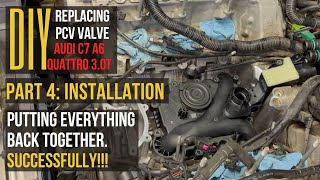
On the Audi 3.0T Supercharged engine (engine code EA837), the most frequent cause of a P0174 lean code is the failure of the Positive Crankcase Ventilation (PCV) valve, also called an oil separator. Unlike many engines where the PCV is easily accessible, on the 3.0T it is buried deep in the engine valley, underneath the supercharger. This design makes replacement a significantly more labor-intensive job, as the supercharger must be removed to access it. 🎬 Watch: Step-by-step guide to removing the supercharger and thermostat. This single component is the root cause of the vast majority of lean codes on this specific platform.
Symptoms You May Notice
- Check Engine Light is on
- Rough or unstable idle
- High-pitched whistling or sucking noise from the engine bay, especially at idle, often described as a 'tea kettle' sound
- Hesitation or lack of power during acceleration
- Increased oil consumption
- Reduced fuel economy
- Difficulty removing the oil filler cap with the engine running due to strong vacuum
- Replacing the oxygen sensor first. While the O2 sensor reports the problem, it is rarely the cause on the 3.0T. The overwhelming cause is the PCV valve. A proper diagnosis (oil cap test, listening for whistle, smoke test) should be performed before replacing expensive sensors.
Most Likely Causes
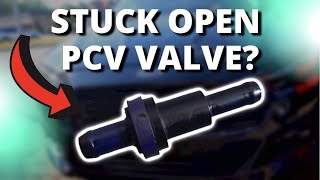
- Failed PCV Valve / Oil Separator 🔴 High Probability → Shop PCV Valve The rubber diaphragm inside the PCV valve is known to tear or become brittle from heat cycles, creating a significant unmetered air (vacuum) leak directly into the intake manifold. This is a very common failure point on this engine, often occurring between 60,000 and 100,000 miles. Audi has released updated versions of this part to improve durability.
How to confirm: A classic sign is a loud whistling or sucking noise from the engine. Another definitive test is to try to remove the oil filler cap while the engine is running; if there is a very strong vacuum holding it down, making it difficult to remove, the PCV diaphragm has failed. A smoke test will also confirm a large leak originating from the PCV system under the supercharger.
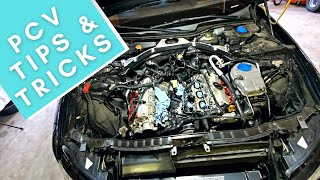
Typical fix: The PCV valve assembly must be replaced. 🎬 Watch: Expert tips and tricks for a successful PCV replacement. Due to its location under the supercharger, this is a 4-6 hour job that also requires replacing supercharger gaskets, and it's highly recommended to replace the plastic coolant pipes and thermostat at the same time.
Est. part cost: $150-$300 - Vacuum Leak (Other than PCV) 🟡 Medium Probability The engine bay contains numerous plastic and rubber vacuum hoses, including the PCV breather hoses, that can become extremely brittle and crack over time, leading to unmetered air entering the engine. The plastic hose that connects to the PCV valve is notoriously fragile and often breaks during a PCV replacement job if not handled carefully.
How to confirm: Perform a smoke test. This involves introducing low-pressure smoke into the intake system and watching for where it escapes. Visually inspect all accessible hoses for cracks or disconnection, paying close attention to the intake boot and smaller vacuum lines.
Typical fix: Replace the cracked or broken hose or gasket. It is wise to have a replacement PCV breather hose on hand before starting a PCV valve job.
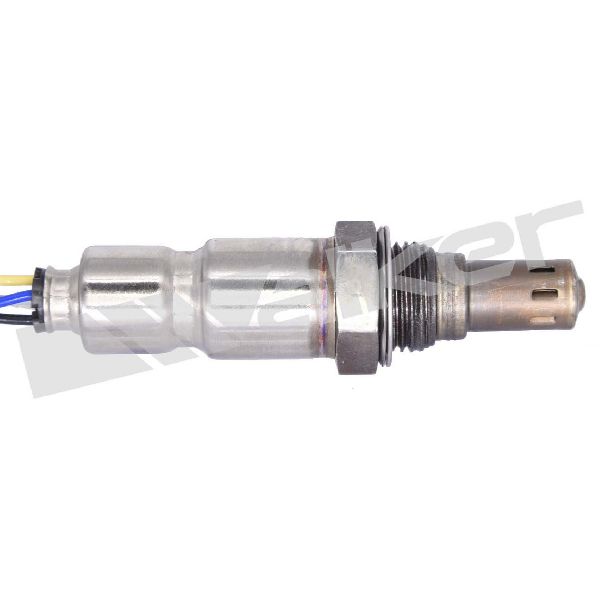
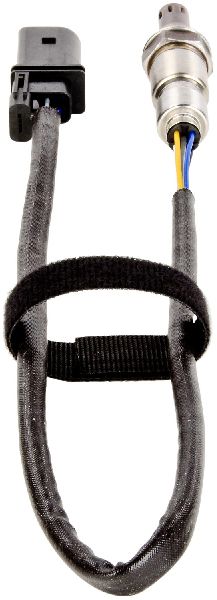
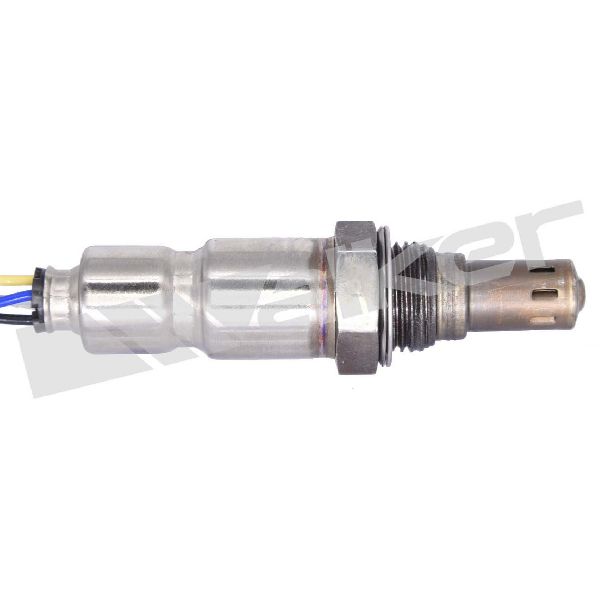
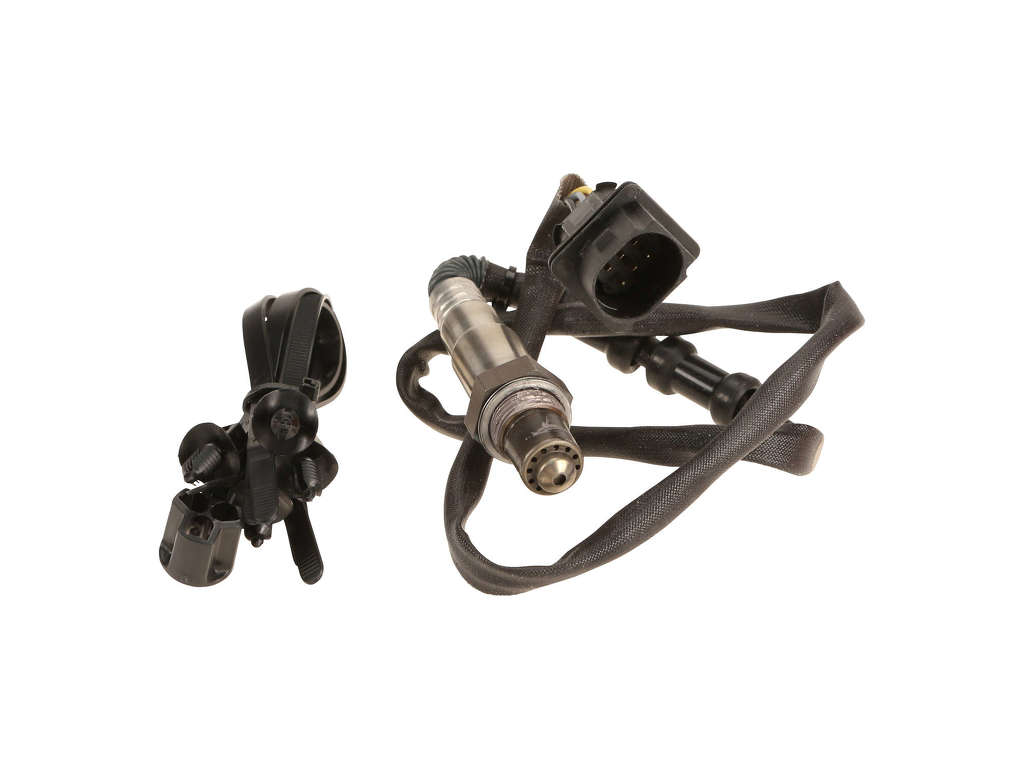
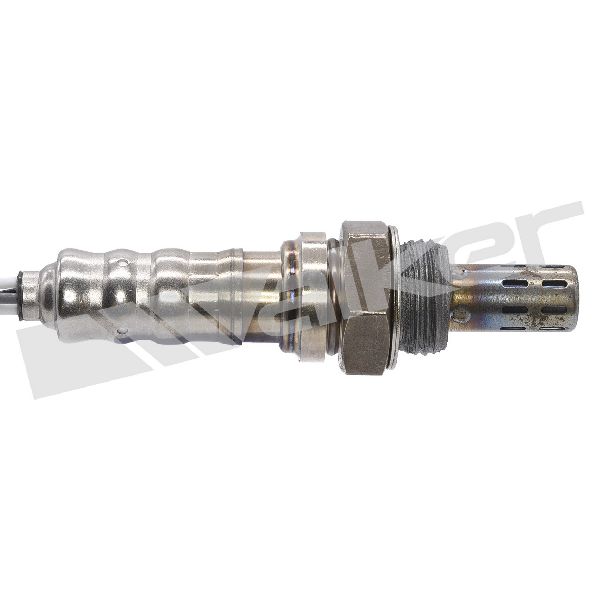
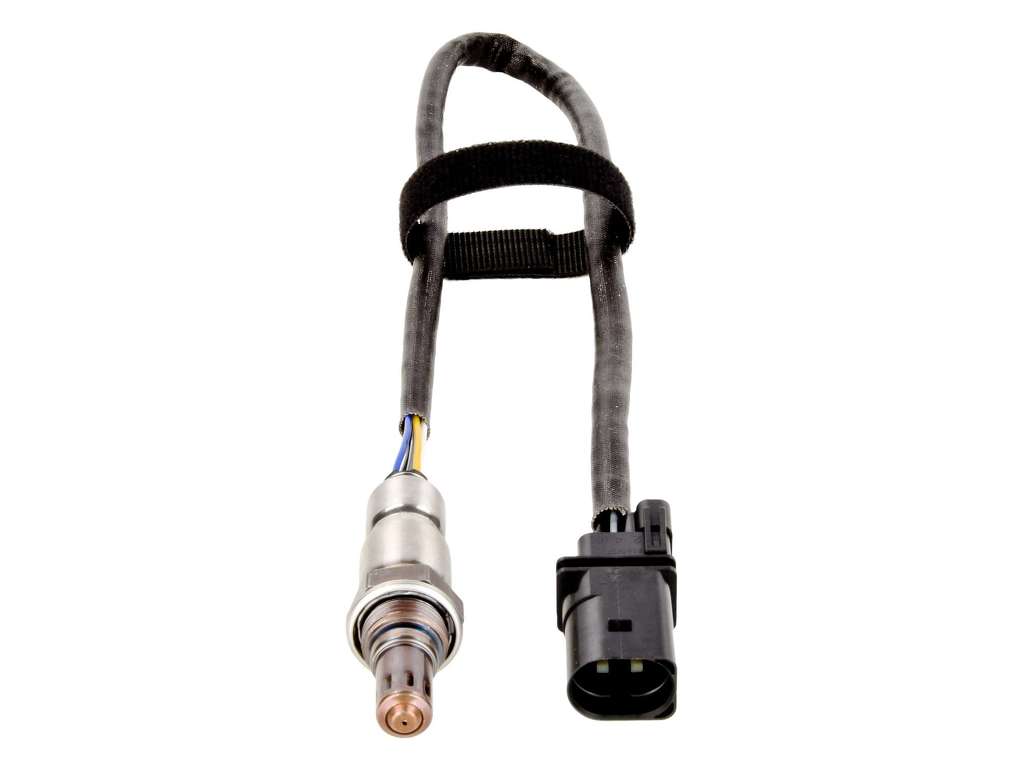
Est. part cost: $20-$150 - Faulty Oxygen Sensor (Bank 2, Sensor 1) ⚪ Low Probability → Shop Oxygen Sensor The upstream oxygen sensor (also called an air-fuel ratio sensor) can degrade over time, sending slow or inaccurate readings to the ECM, causing it to miscalculate the fuel mixture. While not a primary cause on this platform, it can fail like on any other vehicle.
How to confirm: Use a capable OBD-II scanner to monitor the live data from the Bank 2 Sensor 1. Its voltage should fluctuate rapidly between approximately 0.1V and 0.9V. If it is stuck at a low voltage or responds slowly compared to the Bank 1 sensor, it is likely faulty.
Typical fix: Replace the Bank 2, Sensor 1 oxygen sensor. Bank 2 is on the driver's side of the engine.
Est. part cost: $100-$250
Rare But Worth Checking
- Leaking Supercharger Intercooler Cores: The 3.0T supercharger has integrated intercoolers that can develop internal coolant leaks. A leak on the Bank 2 side can allow coolant to be ingested into cylinders 4, 5, and 6, causing misfires and potentially affecting the oxygen sensor readings, which could be misinterpreted as a lean condition. This is often accompanied by misfire codes (P0304, P0305, P0306) and unexplained coolant loss.
- Clogged or Leaking Fuel Injector: → Shop Fuel Injector While a leaking injector more commonly causes a rich condition, a clogged or failing injector can deliver insufficient fuel, leading to a lean code on a specific bank. This would often be accompanied by a misfire code for a specific cylinder (e.g., P0304, P0305, P0306).
- Low Fuel Pressure: A weak high-pressure fuel pump (HPFP), low-pressure fuel pump, or clogged fuel filter can cause a lean condition, but this would typically affect both engine banks and trigger both P0171 and P0174 codes.
- Dirty or Faulty Mass Airflow (MAF) Sensor: → Shop Fuel Injection Air Flow Meter A dirty MAF sensor under-reports the amount of air entering the engine, causing the ECM to inject too little fuel, leading to a lean condition. Like fuel pressure issues, this usually affects both banks simultaneously, setting P0171 and P0174.
Diagnosis Steps
- Read Fault Codes: Use an OBD-II scanner to confirm P0174 and check for any other related codes (e.g., P0171, P030x, P0507).
- Listen for Whistling: With the engine running, listen for a distinct high-pitched whistling or sucking sound from the engine bay. This is a strong indicator of a failed PCV valve diaphragm.
- Perform the Oil Cap Test: Carefully try to remove the oil filler cap with the engine idling. If it is held on by strong vacuum pressure and is difficult to lift, the PCV diaphragm has almost certainly failed.
- Analyze Fuel Trims: Use a scanner to view live data. Look at the Short-Term (STFT) and Long-Term Fuel Trims (LTFT) for Bank 2. A high positive value (e.g., LTFT > +15%) confirms the ECM is adding fuel to correct a lean condition.
- Perform a Smoke Test: This is the most effective way to find the source of the unmetered air. Introduce smoke into the intake system post-MAF sensor. Expect to see smoke billowing from the PCV valve area under the supercharger if it has failed.
- Inspect Oxygen Sensor: If no vacuum leaks are found, graph the voltage of the Bank 2, Sensor 1 oxygen sensor. It should switch rapidly. If it's lazy or stuck, it may be the culprit, but this is unlikely to be the root cause.
- Check Fuel Pressure: If both banks are running lean (P0171 and P0174), check the fuel pressure to rule out a weak fuel pump or clogged filter.
Parts You'll Likely Need
- PCV Valve / Oil Separator
(OEM #06E103547AC)— This is the most common failure point on the 3.0T engine that causes a P0174 code. The internal diaphragm tears, creating a large vacuum leak. Part number 06E103547AC is a later revision; earlier versions include suffixes C, F, and Q.
Trusted brands: Audi Genuine, Vaico, URO Parts
OEM price range: $250-$350
Aftermarket price range: $150-$220 - Supercharger Gasket Kit
(OEM #079129717D, 079129717B)— These gaskets are required when removing the supercharger to access and replace the PCV valve. They are single-use and must be replaced to prevent new vacuum or coolant leaks. The kit typically includes the two lower intake manifold gaskets.
Trusted brands: Audi Genuine, Elring, Victor Reinz
OEM price range: $80-$120
Aftermarket price range: $50-$80 - Oxygen Sensor (Bank 2, Sensor 1)
(OEM #07L906262S)— If diagnosis rules out a vacuum leak, a faulty upstream oxygen sensor is the next likely cause. It provides the primary air-fuel ratio reading for Bank 2.
Trusted brands: Bosch, NTK
OEM price range: $200-$280
Aftermarket price range: $100-$180
Related Codes That Often Appear With This One
- P0171 — System Too Lean (Bank 1). If both P0171 and P0174 are present, it points to a problem affecting the entire engine, such as a massive PCV leak, a faulty MAF sensor, or a fuel delivery issue.
- P0507 — Idle Air Control System RPM Higher than Expected. A large vacuum leak from a failed PCV valve allows excess unmetered air into the engine, causing the idle speed to be higher than the ECM commands.
- P0300, P0304, P0305, P0306 — Misfire codes. A severe lean condition can prevent proper combustion, leading to misfires on one or more cylinders of the affected bank (Bank 2).
Technical Service Bulletins (TSBs) & Recalls
- 01-23-41 (2014753/12): While not a direct fix, this TSB notes that poor fuel quality can lead to deposits that cause various issues, including lean codes (P0174). It recommends using a fuel additive and TOP TIER gasoline before performing other repairs.
Platform-Specific Known Issues
- PCV Location: The placement of the PCV valve under the supercharger is the most significant vehicle-specific issue, turning a simple part replacement into a multi-hour job requiring special care and additional gaskets.
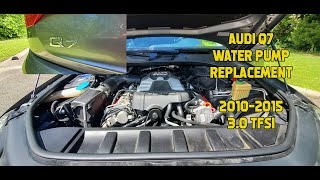
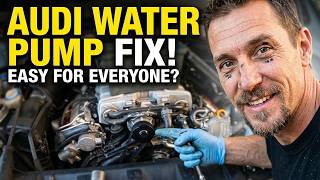
- While-You're-In-There Replacements: Because of the labor involved in removing the supercharger, it is highly recommended to also replace the thermostat, water pump, and plastic coolant pipes located in the engine valley at the same time as the PCV valve. These are also known failure points.
- Brittle Plastics: Many plastic components in the engine bay, especially vacuum lines and the PCV breather hose, become extremely brittle with age and can easily break during disassembly.
Mechanic-Grade Diagnostic Values
- Low-Pressure Fuel Pump (LPFP) Pressure — expected: Roughly 4 to 6 bar. Failure: Pressure significantly below 4 bar could indicate a failing in-tank pump or clogged filter, leading to fuel starvation for the HPFP.
- High-Pressure Fuel Pump (HPFP) Pressure at Idle — expected: Should hold steady, with a maximum pressure capability up to 200 bar (approx. 2900 PSI) depending on factory parts.. Failure: Inability to maintain pressure under load, or pressure readings that are erratic or significantly lower than specified, can point to a failing HPFP.
- Long Term Fuel Trim (LTFT) - Bank 2 — expected: Ideally between -10% and +10%.. Failure: A value consistently above +15% and approaching or exceeding +25% confirms a significant lean condition that the ECU is trying to correct, which triggers the P0174 code.
Scan Tool Commands That Help
- Ross-Tech VCDS: Output Tests (e.g., for fuel pump, injectors) — After checking for vacuum leaks, you can use VCDS to command specific components to activate. This helps verify if a component like the fuel pump relay or an injector is responding to ECU commands, isolating electrical faults from mechanical ones.
- Ross-Tech VCDS: Graphing Measured Value Blocks (e.g., O2 sensor voltage, fuel trims) — This is essential for diagnosing a lazy or failed O2 sensor. By graphing Bank 1 and Bank 2 sensors simultaneously, you can easily compare their switching frequency. A slow or flat-lining Bank 2 sensor, when compared to a healthy Bank 1 sensor, points to a faulty sensor.
- Ross-Tech VCDS: Basic Settings / Adaptation Reset — After replacing a major component like the PCV valve or MAF sensor, it's good practice to reset the fuel trim adaptations. This forces the ECU to relearn the fuel mixture baseline with the new parts, speeding up the diagnostic process to confirm the fix.
Wiring & Ground Locations
- G671 / 671 — Ground Connection 1 on the left front long member (frame rail) in the engine compartment.. This is a primary engine ground point. A corroded or loose connection here can cause erratic behavior from various engine sensors, including the oxygen sensors and MAF sensor, potentially leading to incorrect readings and lean codes.
- Bank 2 Oxygen Sensor Connectors — On the driver's side of the engine bay, typically mounted together. On some models, they are brownish/rust-colored connectors to differentiate them from Bank 1's black connectors.. Knowing the physical location and color of the Bank 2 (driver's side) sensor connectors is critical for testing the correct sensor circuit. It prevents misdiagnosis from testing the wrong bank.
- J623 - Engine Control Module (ECM) — Located in the plenum chamber (the area under the plastic cover at the base of the windshield), often in a water-tight electronics box.. All sensor data is processed here. Water ingress into the plenum chamber is a known issue on some Audi models and can corrode ECM connectors (like the T94 94-pin connector), leading to a host of phantom codes, including P0174.
Real Owner Repair Stories
- Audi C7 Owners YouTube Channel (Audi 3.0T (C7/B8 platform)) — Persistent lean codes (P0171/P0174) even after replacing the PCV valve.
❌ Tried (didn't work) Replacing the PCV valve under the supercharger.
✅ What actually fixed it The secondary air injection (SAI) combination valve port was leaking. The port has a plastic cap that can become brittle and fail, creating a vacuum leak. The owner created a block-off plate for the port on the valley pan to permanently seal it, resolving the lean codes.
"I Checked Everything" — The Actual Cause
- In some cases, a smoke test may not reveal a leak if the crack or failure point only opens under specific vacuum conditions or temperature. A known culprit that can be missed is a hairline crack in the plastic brake booster vacuum line or its check valve. The leak may be small enough to not show on a low-pressure smoke test but large enough to affect fuel trims at idle, causing a P0174 without a P0171.
OEM Part Supersession History
06E103547F, 06E103547Q, 06E103547C→06E103547AC, 06E103547AH— The original PCV valve diaphragms were prone to tearing. Later revisions (AC, AH) were designed with more durable materials to improve longevity and resistance to heat and oil vapor.
Heads up: Some revisions have different internal crankcase pressure regulation settings. Using the wrong version for your engine code and software can lead to oil consumption or seal issues. Always use a VIN-specific part number.
Model Year Variations Within This Range
- 2011-2012 vs 2013-2015: Early models (pre-2013) may have used earlier revisions of the PCV valve (e.g., 06E103547F/Q). Later models are more likely to have the updated 'AC' or 'AH' revisions from the factory. While interchangeable, it is always recommended to install the latest available revision when performing the repair.
- All: The 3.0T engine was used across many platforms (S4, S5, Q5, etc.). Some aftermarket performance parts, like PCV relocation kits or throttle body adapters, may have specific compatibility notes for Q7 models versus the car platforms. For example, a PCV relocation kit from MercRacing notes that compatibility with the 'CREC' engine variant (not typically in this Q7 range) is unknown.
Diagnostic Flowchart
Other Known Issues on This Vehicle
Issues unrelated to this code that are worth knowing about as an owner of this generation:
- Water Pump Failure 🔴 High — Common failure item, especially on pre-2012 models. Often leaks coolant from the weep hole or has bearing failure. Replacement is recommended any time the supercharger is removed.
- Thermostat Failure 🔴 High — The original plastic thermostat housing is prone to cracking and causing the thermostat to stick, leading to overheating. Aftermarket billet aluminum housings are a popular upgrade. (Ref: Some models fell under a customer satisfaction bulletin for replacement.)
- Intake Valve Carbon Buildup 🟠 Medium — As a direct-injection engine, the 3.0T is prone to carbon buildup on the intake valves, which is not washed off by fuel. This can cause misfires, hesitation, and reduced power. Walnut blasting is the typical cleaning method, recommended every 60k-80k miles.
- Timing Chain Tensioner Wear 🟠 Medium — While more reliable than earlier Audi V6/V8 engines, the timing chain tensioners can still wear, leading to a rattle on cold starts. Replacement is a very expensive, engine-out service.
- Oil Leaks from Timing Covers/Valve Covers 🟠 Medium → Shop Engine Valve Cover — Oil leaks from the upper timing chain covers and valve cover gaskets are a known issue, often becoming apparent after 80,000 miles.
Used vs. New Parts: Buying Guide for This Vehicle
When a used part is the smart pick: For this specific repair, using used parts is generally not recommended for the core components. The only exception might be a major structural component like the supercharger housing itself if it were damaged, but not for wear items.
Donor-vehicle mileage cap: roughly under 40000 miles for the part to have meaningful remaining life.
What to inspect on the donor part:
- For any used part, verify the donor vehicle's mileage and history if possible.
- Avoid parts from vehicles with signs of sludge or poor maintenance.
- Never buy a used PCV valve, thermostat, or water pump for this engine, as they are known failure items and the labor to access them is too high to risk a premature failure.
OEM-only on this vehicle (don't cheap out):
- PCV Valve / Oil Separator: While some aftermarket versions exist, the OEM part has undergone multiple revisions to fix the original flaw. Given the extreme labor involved, using a genuine Audi part (latest revision) is the safest bet to ensure longevity.
- Supercharger Gaskets: Use high-quality OEM or OEM-supplier (Elring, Victor Reinz) gaskets. A leak here would require repeating the entire job.
Aftermarket brands forum-validated for this vehicle:
- Vaico: Often cited as a decent alternative for the PCV valve if OEM is not an option.
- Bosch/NTK: The go-to brands for oxygen sensors, as they are often the original equipment suppliers.
- 034Motorsport / Integrated Engineering: Known for high-quality performance and durability upgrades, including PCV breather hoses and other engine components.
Brands owners have reported issues with on this vehicle:
- Unbranded / 'White Box' PCV Valves: Many forum users and mechanics advise against using no-name PCV valves from online marketplaces. The quality of the diaphragm material is unknown, and failure can occur quickly, forcing you to redo a 6+ hour job.
Real Owner Stories
Aggregated from forums and TSBs cited above. Mileages and costs reflect what owners reported in those sources.
2011-2015 Audi Q7 3.0T Supercharged V6 — ~80000 miles
Symptoms: High-pitched whistling or sucking noise from the engine bay, especially at idle, described as a 'tea kettle' sound 🎬 Watch: See a demonstration of common PCV failure symptoms.; difficulty removing the oil filler cap due to strong vacuum.
What fixed it: The PCV valve assembly was replaced. The job required removing the supercharger and replacing the supercharger gaskets.
Source hint: ARTICLE CONTEXT sections 'symptoms' and 'common_causes'
2011-2015 Audi Q7 3.0T Supercharged V6
Symptoms: Check engine light with lean codes; owner sought advice on pulling the supercharger and managing the heavy unit.
What fixed it: Replacement of the PCV valve and other 'while-you're-in-there' valley components including the water pump and thermostat.
Source hint: Reddit thread titled 'Advice on pulling supercharger on 3.0T'
2017 Audi Q7
Symptoms: Early water pump failure, leading to coolant leaks.
What fixed it: Water pump replacement; noted as a common failure item that should be addressed when the supercharger is removed for other services like the PCV.
Source hint: AudiWorld forum thread 'water pump failure'
Related OBD-II Codes
Frequently Asked Questions
Why is my Audi Q7 making a high-pitched whistling sound like a tea kettle at idle?
Does TSB 01-23-41 (2014753/12) provide a direct mechanical fix for my P0174 code?
I'm having trouble removing my oil filler cap while the engine is running. Is this related to P0174?
Is it true I should replace the water pump and thermostat while fixing the PCV valve?
Which side of the engine is Bank 2 for the oxygen sensor replacement?
Are there updated parts for the PCV system to prevent this from happening again?
Helpful Videos
Used OEM Parts in Stock
New Aftermarket Parts Available

The information in this article is provided for general reference and educational purposes only. Vehicle specifications, procedures, and part compatibility can vary by production date, trim level, and region. Always consult your vehicle's factory service manual and verify part numbers before purchasing or performing repairs. Safety-critical components such as airbags, seat belts, and braking systems should be installed by a qualified professional.
- Audi Q7:
- 🧭 Diagnostic Flowchart
- 🎬 Helpful Videos
- 🛍️ Shop This Part
- What's Unique About the 2011-2015 Audi Q7
- Symptoms You May Notice
- Most Likely Causes
- Rare But Worth Checking
- Diagnosis Steps
- Parts You'll Likely Need
- Related Codes That Often Appear With This One
- Technical Service Bulletins (TSBs) & Recalls
- Platform-Specific Known Issues
- Mechanic-Grade Diagnostic Values
- Scan Tool Commands That Help
- Wiring & Ground Locations
- Real Owner Repair Stories
- "I Checked Everything" — The Actual Cause
- OEM Part Supersession History
- Model Year Variations Within This Range
- Other Known Issues on This Vehicle
- Used vs. New Parts: Buying Guide for This Vehicle
- Real Owner Stories
- 2011-2015 Audi Q7 3.0T Supercharged V6 — ~80000 miles
- 2011-2015 Audi Q7 3.0T Supercharged V6
- 2017 Audi Q7
- Related OBD-II Codes
- Frequently Asked Questions
- 🎟️ Get 5% Off