

P0174 on 2007-2016 GMC Acadia 3.6L: System Too Lean Bank 2 Causes and Fixes
On a 2007-2016 GMC Acadia, code P0174 is most often caused by a vacuum leak from a cracked air intake hose or a dirty Mass Airflow (MAF) sensor. Start by cleaning the MAF sensor and inspecting the intake tube for cracks, which is a very low-cost first step. If both P0171 and P0174 are present, it strongly points to a vacuum leak affecting the whole engine.
- Do not replace the oxygen sensor first. P0174 is a code reported BY the sensor, not caused by it.
- Start with the simplest and cheapest fixes: visually inspect the entire air intake hose for cracks and clean the MAF sensor with dedicated cleaner.
- If you have a 2007-2008 model, suspect a vacuum leak from the intake manifold gaskets.
- If you have a 2009-2016 model and also have codes P0089 or P228C, the high-pressure fuel pump is the most likely culprit.
- A smoke test is the most effective and definitive way to locate hard-to-find vacuum leaks.
What's Unique About the 2007-2016 GMC Acadia
The 2007-2016 Acadia uses two versions of the 3.6L V6. The 2007-2008 models with the LY7 engine are particularly susceptible to vacuum leaks from degraded intake manifold gaskets. Later 2009-2016 models with the direct-injected LLT/LFX engine are more prone to issues with the high-pressure fuel pump and carbon buildup on the intake valves, which can also cause this code. Across all years, a simple cracked air intake duct between the MAF sensor and throttle body is extremely common, as is a contaminated MAF sensor. A less obvious but frequent cause is a disconnected or broken vacuum nipple on the back of the intake manifold.
Symptoms You May Notice
- Check Engine Light is on
- Rough or unstable idle
- Hesitation or stumbling during acceleration
- Reduced engine power, sometimes with a "Reduced Engine Power" message on the dash
- Poor fuel economy
- Vehicle may stall when coming to a stop
- Hissing or whistling sound from the engine bay at idle
- Replacing the Bank 2 Oxygen (O2) Sensor. The P0174 code almost always means the O2 sensor is working correctly and accurately reporting a lean condition caused by another part. Replacing the sensor will not fix the underlying vacuum leak or fuel delivery issue.
Most Likely Causes
- Cracked Air Intake Duct 🔴 High Probability → Shop Engine Air Intake Resonator The plastic and rubber components of the air duct between the MAF sensor and the throttle body become brittle with age and heat, frequently developing cracks that allow unmetered air to enter the engine. This is a very common failure on all Lambda platform vehicles.
How to confirm: Visually inspect the entire intake duct, especially the flexible, ribbed sections for tears or splits. A smoke test is the most effective way to confirm a leak if it's not visually obvious.
Typical fix: Replace the cracked air intake duct. The OEM part number for 2009-2011 models is 25783713, with aftermarket options like Dorman 696-174 available.
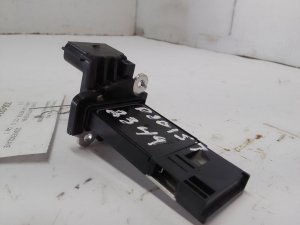
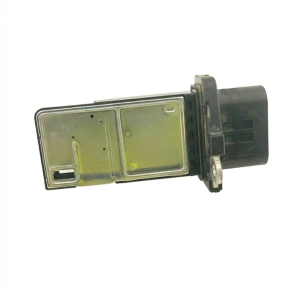
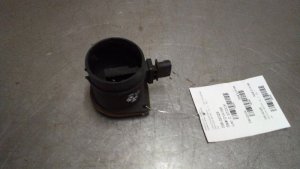
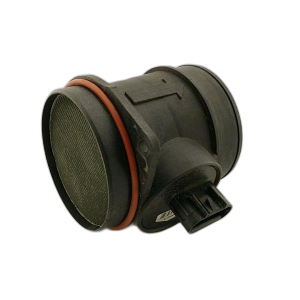
Est. part cost: $50-$150 - Dirty or Faulty Mass Airflow (MAF) Sensor 🔴 High Probability → Shop Fuel Injection Air Flow Meter The MAF sensor is sensitive to contamination from dirt and oil, especially if an aftermarket oiled air filter is used. This causes it to inaccurately measure the air entering the engine, leading the computer to calculate the wrong fuel mixture.
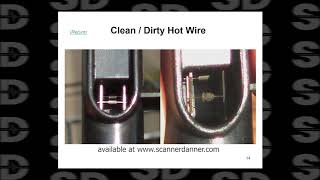
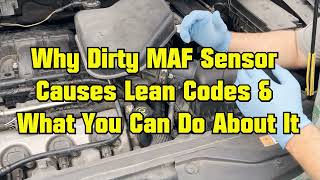
How to confirm: Remove the sensor and inspect the small wires for grime. Cleaning it with dedicated MAF sensor cleaner is a simple and effective diagnostic step. If cleaning doesn't work, monitor MAF readings with a scan tool; they should increase smoothly with RPM. Unplugging the MAF while the engine is running should cause the engine to stumble or stall; if nothing changes, the sensor is likely bad. 🎬 See how to quickly test for a dirty MAF sensor.
Typical fix: Clean the MAF sensor with a specific MAF sensor cleaner. If the problem persists, replace the sensor. An example OEM part number is ACDelco 213-4222 (verify by VIN).
Est. part cost: $10 for cleaner, $70-$150 for a new sensor - Leaking Intake Manifold Gaskets 🟡 Medium Probability → Shop Engine Intake Manifold This is a very common failure on the 2007-2008 LY7 engine. The original gaskets can degrade and fail, creating a significant vacuum leak. It is less common but still possible on later LLT/LFX engines.
How to confirm: With the engine running, spray short bursts of brake cleaner or a propane torch (unlit) around the intake manifold sealing area. If the engine RPM changes, a leak is present. A smoke test is a safer and more definitive method.
Typical fix: Replace the upper and lower intake manifold gaskets.
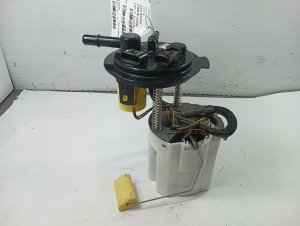
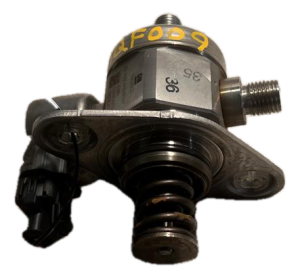
Est. part cost: $40-$100 - Failing High-Pressure Fuel Pump (HPFP) 🟡 Medium Probability → Shop Fuel Pump Specific to the 2009-2016 LLT/LFX direct-injection engine, the HPFP is a known failure point that can lead to low fuel pressure. GM issued a Special Coverage Adjustment (14329) for this part on many models due to high failure rates.
How to confirm: This requires a scan tool capable of monitoring fuel rail pressure. Compare the 'Desired Fuel Rail Pressure' to the 'Actual Fuel Rail Pressure'. If the actual pressure is significantly lower (e.g., half of what is desired), especially under load, the pump is likely weak. This issue often sets codes P0087, P0089, or P228C along with P0174.
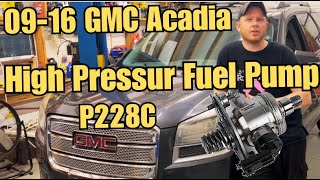
Typical fix: Replace the high-pressure fuel pump and the single-use high-pressure fuel line. 🎬 Watch: Step-by-step guide to replacing the high-pressure fuel pump.
Est. part cost: $250-$500 - Clogged or Leaking PCV System 🟡 Medium Probability Hoses in the Positive Crankcase Ventilation (PCV) system can crack or become clogged, creating a vacuum leak. GM issued bulletin PIE0433A to investigate leaks at the PCV tube-to-manifold connection. The PCV orifice itself, located in the valve cover, can become completely clogged with sludge, causing pressure issues. On later models, the valve can seize in the cover, requiring valve cover removal to replace.
How to confirm: Inspect all PCV hoses for cracks, softness, or loose connections. Check the PCV orifice (on some models) or valve for blockages. Some owners modify the orifice by drilling the holes to a larger size (e.g., 5/64" and 7/64") to prevent future clogging.
Typical fix: Replace the damaged PCV hose or valve. If the orifice is clogged, it can often be cleaned with carburetor cleaner.
Est. part cost: $15-$60
Rare But Worth Checking
- Intake Valve Carbon Buildup: On 2009-2016 direct-injection (LLT/LFX) engines, carbon deposits on the intake valves can disrupt airflow, causing lean conditions and misfires. This is a known issue that requires significant labor (walnut blasting) to clean.
- Exhaust Leak: A crack or leak in the exhaust manifold or pipe before the Bank 2 oxygen sensor can allow outside air to be pulled into the exhaust stream, fooling the sensor into reporting a lean condition.
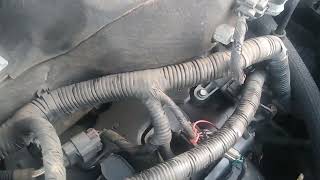
- Uncapped Vacuum Port on Intake Manifold: → Shop Engine Intake Manifold There is a small vacuum nipple on the rear of the intake manifold that can sometimes have its cap fall off or be left off after service, creating a massive vacuum leak. This will typically set both P0171 and P0174 and cause severe stalling issues. 🎬 Watch: Diagnosing a P0174 code and engine stalling issues.
Diagnosis Steps
- Check for other codes. Use an OBD-II scanner to see if any other codes are present. P0171 suggests a global leak, while fuel pressure codes like P0089 point to the HPFP.
- Inspect the Air Intake System. Carefully check the entire air intake duct from the air filter box to the throttle body for any cracks, tears, or loose connections. Pay close attention to the flexible, accordion-style sections.
- Clean the Mass Airflow (MAF) Sensor. Disconnect and remove the MAF sensor. Spray the delicate sensing elements with a dedicated MAF sensor cleaner. Do not touch the wires. Let it dry completely before reinstalling.
- Check for Vacuum Leaks. With the engine idling, listen for hissing sounds. Check the small vacuum port on the back of the intake manifold for a missing cap. You can carefully spray short bursts of brake cleaner around the intake manifold gaskets and vacuum hoses. If the engine's idle speed changes, you've found a leak. A professional smoke test is the most reliable method.
- Analyze Fuel Trims. Use a scan tool to monitor Short-Term (STFT) and Long-Term Fuel Trim (LTFT) for Bank 2. Consistently high positive numbers (e.g., LTFT over +15%) confirm the ECM is adding fuel to correct a lean condition.
- Test Fuel Pressure. For 2009+ LLT/LFX engines, use a scan tool to monitor desired vs. actual fuel rail pressure to check the high-pressure fuel pump. For all models, a mechanical gauge can be used to test the low-pressure in-tank pump.
- Inspect the Bank 2 Oxygen Sensor. While rarely the cause, you can use a scan tool to graph the Bank 2 Sensor 1 voltage. It should fluctuate rapidly. If it's stuck low (e.g., below 0.2V), it may have failed, but only after all other causes have been ruled out.
Parts You'll Likely Need
- Mass Airflow (MAF) Sensor Cleaner — Often, the sensor is just dirty and cleaning it is the cheapest and easiest first step that can solve the problem.
Trusted brands: CRC, WD-40 Specialist
Aftermarket price range: $10-$15 - Air Intake Duct/Hose
(OEM #25783713 (for 2009-2011 models))— This part is a very common failure point due to heat and age, causing cracks that lead to unmetered air.
Trusted brands: Dorman 696-174, ACDelco (OEM)
OEM price range: $70
Aftermarket price range: $40-$70 - High-Pressure Fuel Pump — A common failure on direct-injection (2009+) models that causes low fuel pressure and lean codes.
Trusted brands: Bosch, ACDelco (OEM)
OEM price range: $400-$600
Aftermarket price range: $250-$450
Related Codes That Often Appear With This One
- P0171 — System Too Lean (Bank 1). If both P0171 and P0174 are present, it strongly indicates a problem affecting the entire engine, like a dirty MAF sensor, a large vacuum leak at the intake plenum, or a stuck-open EVAP purge valve.
- P0300 — Random/Multiple Cylinder Misfire. A lean air-fuel mixture can fail to ignite properly, causing misfires across various cylinders.
- P0089 / P228C / P0087 — Fuel Pressure Regulator Performance / Fuel Pressure Regulator Control Limit Exceeded / Fuel Rail Pressure Too Low. These codes, when seen with P0174 on a 2009+ model, point strongly to a failing high-pressure fuel pump.
- P0496 — EVAP System Flow During Non-Purge. This often appears with lean codes when the EVAP purge solenoid sticks open, creating a constant vacuum leak.
Technical Service Bulletins (TSBs) & Recalls
- Bulletin #PIE-0433A: Engineering Information bulletin regarding the Malfunction Indicator Lamp (MIL) being on with DTCs P0171 and/or P0174.
- PIE0433A: GM Engineering Information bulletin asking technicians to gather data on P0171/P0174 codes, specifically pointing them to check for leaks at the 'foul' PCV tube-to-manifold connection.
- Special Coverage Adjustment 14329: Extended warranty coverage for failing high-pressure fuel pumps on many 3.6L GDI engines due to high failure rates.
- Special Coverage Adjustment 11340C: Extended warranty coverage for premature timing chain wear on 2007-2009 models to 10 years or 120,000 miles.
- Bulletin No.: 14404B: Special coverage for 2007-2009 models for a fractured 3-5-R transmission wave plate, extending coverage to 10 years or 120,000 miles.
- Bulletin #PIE0433A (Electrical System): A manufacturer service bulletin notes that this Engineering Information was released for vehicles exhibiting a Malfunction Indicator Lamp (MIL) with P0171 and/or P0174.
Platform-Specific Known Issues
- GM issued preliminary information bulletins PIE0413A and PIE0433A to gather data on P0171/P0174 codes, specifically asking technicians to check for leaks at the 'foul PCV tube to manifold connection', indicating this is a known trouble spot.
Mechanic-Grade Diagnostic Values
- Mass Airflow (MAF) Sensor Reading at Idle — expected: 4-7 g/s at normal operating temperature.. Failure: A significantly lower reading suggests the sensor is under-reporting air, causing a lean condition. A much higher reading can indicate a vacuum leak after the sensor.
- Mass Airflow (MAF) Sensor Reading at 2500 RPM — expected: 15-25 g/s.. Failure: The reading should increase smoothly with RPM. If it is sluggish, erratic, or does not increase into this range, the sensor is likely faulty.
- Upstream Oxygen (O2) Sensor Voltage (Bank 2, Sensor 1) — expected: Fluctuating rapidly between approximately 0.1 and 0.9 volts (100-900 mV).. Failure: A sensor that is stuck low (e.g., below 0.45V) is reading a lean condition. This usually confirms the problem rather than being the cause.
- Low-Side Fuel Pressure (In-Tank Pump) — expected: 87-130 PSI for LLT/LFX engines.. Failure: Pressure below 87 PSI indicates a weak in-tank pump or a clogged filter.
- High-Side Fuel Rail Pressure at Idle (LLT/LFX) — expected: 1.9-5.0 MPa (276-725 PSI).. Failure: Pressure outside this range indicates a problem with the high-pressure fuel pump or its sensor. When diagnosing P0174, a pressure significantly lower than the 'Desired' value on a scan tool is the key indicator.
- Long Term Fuel Trim (LTFT) + Short Term Fuel Trim (STFT) — expected: Between -10% and +10%.. Failure: A combined value consistently exceeding +25% indicates the computer is at its maximum limit of adding fuel to compensate for a lean condition, which triggers the code.
Scan Tool Commands That Help
- GDS2 / Professional Scan Tool: Fuel Trim Reset — This function should be used after any repair that corrects a lean condition, such as replacing a leaky intake gasket or a faulty MAF sensor. It clears the learned long-term fuel trim values, allowing the ECM to relearn the fuel strategy with the new, correct conditions, which can resolve lingering performance issues after a fix.
- GDS2 / Tech2: Fuel Injector Balance Test — If individual cylinder misfire codes are present with P0174, this test can help determine if a specific injector is mechanically clogged or failing, before chasing a widespread vacuum leak. It measures the pressure drop in the fuel rail as each injector is fired.
Real Owner Repair Stories
- 2CarPros Forum user 'HUNGTX' (2008 GMC Acadia) — P0171 and P0174 codes present.
✅ What actually fixed it The user had forgotten to reconnect a vacuum line near the #1 cylinder on the back of the engine after replacing spark plugs. Reconnecting the hose resolved both lean codes. - YouTube channel 'Cport Mike's automotive repair Mechanic' (2007 GMC Acadia) — Vehicle stalls when pulling into a driveway or parking. P0171 and P0174 codes present.
❌ Tried (didn't work) Initial suspicion was a bad MAP sensor due to other codes that were present before being cleared.
✅ What actually fixed it A visual inspection revealed a small, uncapped metal vacuum nipple on the back of the intake manifold, which was causing a massive vacuum leak. Capping the port fixed the stalling and the lean codes.
"I Checked Everything" — The Actual Cause
- A leaking power brake booster or its one-way check valve can cause a significant vacuum leak, triggering P0171/P0174. This is often missed by a standard smoke test because the leak is within the sealed booster unit, not on the intake manifold itself. A hard brake pedal or a pedal that is easy to press at first but then becomes difficult are key symptoms.
OEM Part Supersession History
12608371, 12633115, 12633423, 12639694→12641847— GM has updated the High-Pressure Fuel Pump (HPFP) for the 3.6L V6 multiple times to improve reliability.
Heads up: While many numbers exist, using the latest superseded part number (e.g., 12641847 or 12676667) is recommended. Always verify the correct part number for your specific VIN, as there are differences between LLT and LFX engines.
Model Year Variations Within This Range
- 2009-2011 (LLT Engine): Uses an aluminum intake manifold and a specific High-Pressure Fuel Pump (HPFP). These parts are not directly interchangeable with the later LFX engine.
- 2012-2016 (LFX Engine): The engine was updated to the LFX, which features a composite intake manifold, a different (higher volume) High-Pressure Fuel Pump, and a different ECM (Delphi instead of Bosch). While the causes of P0174 are similar, key parts like the HPFP and intake gaskets are not interchangeable with the earlier LLT engine.
Diagnostic Flowchart
Other Known Issues on This Vehicle
Issues unrelated to this code that are worth knowing about as an owner of this generation:
- Premature Timing Chain Stretch (LY7/LLT engines) 🔴 High — Extremely common, especially on 2007-2012 models, often appearing between 70,000 and 120,000 miles. Caused by a combination of long oil change intervals and chain design. (Ref: Special Coverage Adjustment 11340C)
- Fractured 3-5-R Transmission Wave Plate (6T70/6T75) 🔴 High — Very common on 2007-2009 models, leading to a sudden loss of 3rd, 5th, and Reverse gears, often before 100,000 miles. (Ref: Special Coverage Adjustment 14404B)
- Power Steering Pump/Gear Leaks 🟠 Medium — Widespread issue across all years. Leaks can develop from the pump, high-pressure lines, or the steering gear itself, often requiring costly repairs. (Ref: Recall 14152 (for pump condition))
- Leaking Water Pump 🟠 Medium — The water pump is prone to failure, leaking coolant from its weep hole. Replacement is labor-intensive.
- Sticking EVAP Purge Solenoid 🟡 Low → Shop Vapor Canister — A common failure that causes a P0496 code and can contribute to lean conditions (P0171/P0174) by creating a vacuum leak. It can also make the vehicle difficult to start after refueling.
Used vs. New Parts: Buying Guide for This Vehicle
When a used part is the smart pick: For simple, non-electronic, and non-wear components like the air intake duct, a used part from a reputable salvage yard is a cost-effective and reasonable choice. Ensure it is free from cracks and the rubber is still pliable.
Donor-vehicle mileage cap: roughly under 80000 miles for the part to have meaningful remaining life.
What to inspect on the donor part:
- For an air intake duct, check for any hairline cracks, especially around the ribbed, flexible sections and mounting points.
- For any used electronic sensor (like a MAF), ensure the connector pins are clean, straight, and free of corrosion.
- Ask for the donor vehicle's mileage; lower is always better for any component.
OEM-only on this vehicle (don't cheap out):
- High-Pressure Fuel Pump (HPFP): Due to the high failure rate and the critical nature of this part, using a new OEM or a top-tier OEM-supplier part (like Bosch) is strongly recommended. A failed aftermarket or used HPFP can cause catastrophic engine damage by leaking fuel into the crankcase.
- Oxygen (O2) Sensors: While many aftermarket options exist, OEM-grade brands like Denso or NGK/NTK are highly recommended for the critical upstream (Air/Fuel Ratio) sensors to ensure accurate readings and prevent recurring codes.
Aftermarket brands forum-validated for this vehicle:
- Intake Air Duct: Dorman (e.g., 696-174) is a widely available and accepted aftermarket replacement.
- Oxygen Sensors: Denso, NGK/NTK
- Brake Booster Check Valve: Dorman (e.g., 80190)
Brands owners have reported issues with on this vehicle:
- Unbranded, low-cost 'white box' MAF sensors and oxygen sensors from online marketplaces are frequently poorly calibrated and can cause persistent performance issues or fail prematurely.
Real Owner Stories
Aggregated from forums and TSBs cited above. Mileages and costs reflect what owners reported in those sources.
2007 GMC Acadia 3.6L LY7 V6
Symptoms: Vehicle was stalling when coming to a stop and throwing P0171/P0174 codes.
What fixed it: Replaced a missing vacuum cap on the small port located on the back of the intake manifold.
Source hint: youtube.com/watch?v=R_SgI3_2yqg: A video from 'Cport Mike's automotive repair'
2013 GMC Acadia 3.6L LFX V6
Symptoms: Codes P0089, P0174, and P228C were present; diagnostic showed actual fuel rail pressure was significantly lower than desired pressure under load.
What fixed it: Replacement of the high-pressure fuel pump (HPFP).
Source hint: youtube.com/watch?v=9nQ36C4pI8c: A video from 'Pine Hollow Auto Diagnostics'
2009-2011 GMC Acadia 3.6L LLT V6
Symptoms: P0171/P0174 codes; visual inspection revealed cracks in the flexible, ribbed sections of the intake duct.
What fixed it: Replacement of the air intake tube between the MAF and throttle body (OEM part 25783713).
Source hint: acadiaforum.net: Numerous threads discuss P0171/P0174
Related OBD-II Codes
Frequently Asked Questions
Is there an extended warranty for the high-pressure fuel pump on my 2009-2016 GMC Acadia?
My 2007 Acadia is stalling at stops and has a P0174 code; what should I check first?
Does GM have any specific bulletins regarding P0174 on the Acadia?
Can I clean the MAF sensor on my 3.6L LLT engine instead of replacing it?
Are the intake manifold gaskets a common problem on the 2007-2008 Acadia?
What is the specific fix for a clogged PCV system on later Acadia models?
Helpful Videos
Used OEM Parts in Stock
New Aftermarket Parts Available




The information in this article is provided for general reference and educational purposes only. Vehicle specifications, procedures, and part compatibility can vary by production date, trim level, and region. Always consult your vehicle's factory service manual and verify part numbers before purchasing or performing repairs. Safety-critical components such as airbags, seat belts, and braking systems should be installed by a qualified professional.
- GMC Acadia:
- 🧭 Diagnostic Flowchart
- 🎬 Helpful Videos
- 🛍️ Shop This Part
- What's Unique About the 2007-2016 GMC Acadia
- Symptoms You May Notice
- Most Likely Causes
- Rare But Worth Checking
- Diagnosis Steps
- Parts You'll Likely Need
- Related Codes That Often Appear With This One
- Technical Service Bulletins (TSBs) & Recalls
- Platform-Specific Known Issues
- Mechanic-Grade Diagnostic Values
- Scan Tool Commands That Help
- Real Owner Repair Stories
- "I Checked Everything" — The Actual Cause
- OEM Part Supersession History
- Model Year Variations Within This Range
- Other Known Issues on This Vehicle
- Used vs. New Parts: Buying Guide for This Vehicle
- Real Owner Stories
- 2007 GMC Acadia 3.6L LY7 V6
- 2013 GMC Acadia 3.6L LFX V6
- 2009-2011 GMC Acadia 3.6L LLT V6
- Related OBD-II Codes
- Frequently Asked Questions
- 🎟️ Get 5% Off