

P0174 on 2010-2017 GMC Terrain: Causes and Fixes for Lean Bank 2
For a 2010-2017 GMC Terrain with a V6 engine, code P0174 is most often caused by a vacuum leak from a cracked PCV tube or a bad intake manifold gasket. A dirty Mass Airflow (MAF) sensor or a cracked air intake resonator are other common culprits. Expect to spend $20-$150 on parts for these common fixes.
- P0174 on a V6 GMC Terrain means Bank 2 is running lean (too much air).
- The most likely cause is a vacuum leak. Thoroughly inspect PCV hoses and the intake manifold gasket.
- Before replacing parts, try cleaning the Mass Airflow (MAF) sensor with a dedicated cleaner.
- Do not replace the oxygen sensor unless you have ruled out all other possibilities, as it is usually just reporting the problem.
- If both P0171 and P0174 are present, the problem is likely a component that affects the whole engine, such as the MAF sensor or a major vacuum leak.
What's Unique About the 2010-2017 Gmc TERRAIN

The first-generation GMC Terrain, particularly models with the 3.0L and 3.6L V6 engines, can be susceptible to PCV (Positive Crankcase Ventilation) system issues. In cold weather, moisture can freeze in the PCV hoses, leading to excessive crankcase pressure, which can cause oil leaks and trigger lean codes. GM issued TSB PIE0433A to gather engineering data specifically on P0171 and P0174 codes for these V6 engines, highlighting a known issue with the foul PCV tube connection to the manifold. Additionally, the plastic air intake resonator is known to crack with age and heat, creating a significant unmetered air leak that affects both banks.
Diagnostic Flowchart

Tap your situation to follow the diagnostic path that matches what you're seeing on this vehicle.
Symptoms You May Notice
- Check Engine Light is on
- Rough or unstable idle
- Engine hesitation or stumbling on acceleration
- Reduced engine power
- Decreased fuel economy
- Engine misfiring, which may set a P0300 code
- Hissing noise from the engine bay, indicating a vacuum leak
- Replacing the oxygen sensor first. The O2 sensor is often just doing its job by reporting the lean condition. The actual problem is usually a vacuum leak or a MAF sensor issue that needs to be addressed first.
Most Likely Causes


- Vacuum Leak (PCV System, Intake Gaskets, Hoses) 🔴 High Probability PCV hoses and intake manifold gaskets are common failure points that introduce unmetered air. The PCV system on these engines can get clogged or the tube connecting to the intake manifold can crack, a problem noted in GM TSB PIE0433A. Intake gaskets on many GM V-engines are a known failure point.
How to confirm: Perform a visual inspection of all vacuum hoses for cracks or disconnections, especially the PCV tube at the back of the intake manifold. Use a smoke machine to feed smoke into the intake system and watch for leaks. Alternatively, carefully spray carburetor cleaner around the intake manifold gasket and vacuum lines with the engine running; if the engine RPM changes, a leak is present.
Typical fix: Replace the cracked hose or faulty gasket.
Est. part cost: $20-$150 - Dirty or Faulty Mass Airflow (MAF) Sensor 🟡 Medium Probability → Shop Fuel Injection Air Flow Meter Oil and debris can contaminate the MAF sensor, causing it to send inaccurate airflow readings to the computer. This leads to an incorrect air-fuel mixture calculation.
How to confirm: Remove and inspect the MAF sensor. It can be carefully cleaned with a dedicated MAF sensor cleaner spray. A faulty MAF sensor might also set other codes like P0101 or P0102. Using a scan tool, a healthy MAF on a 3.6L V6 should read approximately 3.6-4.0 g/s at idle. 🎬 Watch: Cleaning a dirty MAF sensor on a 3.6L Terrain.
Typical fix: Clean the MAF sensor with a dedicated cleaner. If the problem persists, replace the sensor.
Est. part cost: $10-$120 - Cracked Air Intake Resonator/Duct 🟡 Medium Probability → Shop Engine Air Intake Resonator The plastic air intake components located between the MAF sensor and the throttle body can become brittle from heat and age, leading to cracks. This allows a large amount of unmetered air to enter the engine, typically causing both P0171 and P0174 codes.
How to confirm: Visually inspect the entire air intake ducting, especially the resonator box, for any visible cracks or damage. With the engine running, a hissing sound may be audible from the cracked area. A smoke test will quickly reveal leaks from this component.
Typical fix: Replace the cracked air intake resonator or ducting. 🎬 See this walkthrough on replacing a damaged air intake hose.
Est. part cost: $50-$100 - Low Fuel Pressure (Weak Pump, Clogged Filter) ⚪ Low Probability
How to confirm: Connect a fuel pressure gauge to the fuel rail's test port. For the 3.6L V6, pressure should be 300-400 kPa (43-58 psi) at idle. Pressure that drops off under load can indicate a weak fuel pump.
Typical fix: Replace the failing fuel pump or clogged fuel filter.
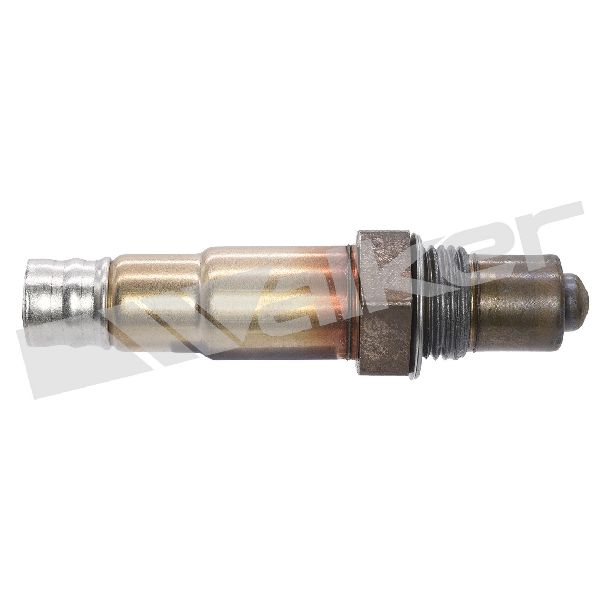
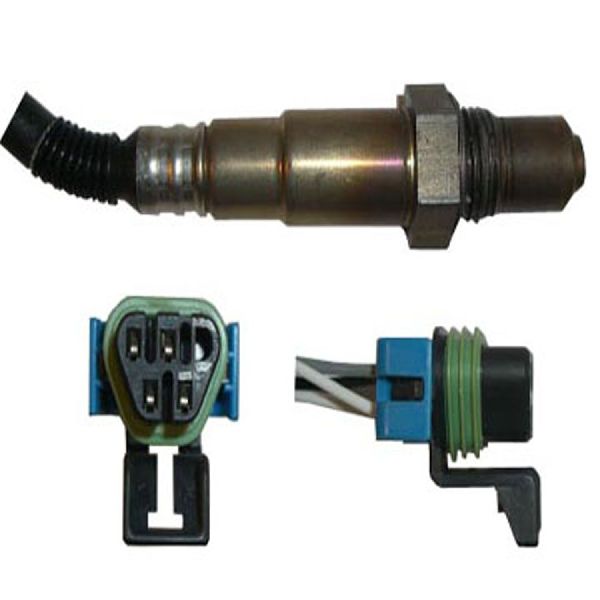
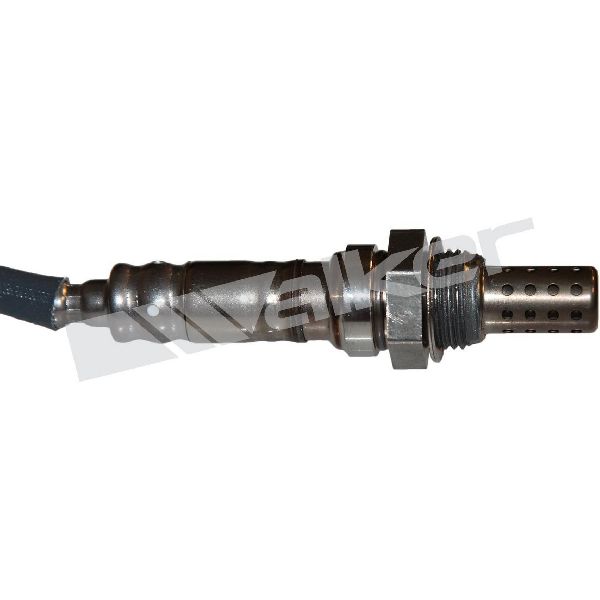
Est. part cost: $50-$300 - Faulty Upstream Oxygen (O2) Sensor ⚪ Low Probability → Shop Oxygen Sensor
How to confirm: A scan tool can be used to monitor the O2 sensor's voltage. A sensor that is slow to respond or has a fixed voltage reading is likely faulty. However, the O2 sensor is often reporting a real lean condition, so it should not be replaced without ruling out other causes first.
Typical fix: Replace the Bank 2, Sensor 1 oxygen sensor.
Est. part cost: $50-$150
Rare But Worth Checking
- Incorrect Fuel Rail After Cylinder Head Replacement: A specific Technical Service Bulletin (PIP5187) notes that if the cylinder head was replaced and came with fuel injectors pre-installed, using the original fuel rail from the car is necessary. Using the wrong rail can cause a P0174 code.
- Exhaust Leak: An exhaust leak between the cylinder head and the upstream O2 sensor can allow outside air to be pulled into the exhaust stream. This extra oxygen causes the O2 sensor to incorrectly report a lean condition to the PCM.
Diagnosis Steps
- Read the trouble codes with an OBD-II scanner and check for any other pending or active codes.
- Check the freeze frame data to see the engine conditions (RPM, load, temperature) when the code was set.
- Inspect the entire intake system for obvious cracks, loose clamps, or disconnected hoses between the MAF sensor and the engine. Pay special attention to the plastic air resonator box.
- Check all vacuum and PCV hoses for cracks, brittleness, or poor connections. The PCV tube at the rear of the intake manifold is a known failure point.
- With the engine running, listen for hissing sounds that could indicate a vacuum leak.
- Perform a smoke test to pinpoint hard-to-find vacuum leaks in the intake manifold, gaskets, and hoses.
- If no vacuum leaks are found, remove and inspect the Mass Airflow (MAF) sensor. Clean it with a dedicated MAF sensor cleaner and let it dry completely before reinstalling.
- Use a scan tool to monitor long-term and short-term fuel trims. Long-term fuel trims consistently above +10% confirm a lean condition; values approaching +25% will set the code. Watch these numbers while spraying carb cleaner near suspected leak areas to see if they change.
- Check fuel pressure using a fuel pressure gauge. On the 3.6L V6, expect 300-400 kPa (43-58 psi) at idle.
- If all other causes are ruled out, test the Bank 2 upstream oxygen sensor for proper operation using a scan tool.
Parts You'll Likely Need
- PCV Valve Tubing / Hose
(OEM #ACDelco 12637444)— The PCV hoses on these engines can become brittle and crack, creating a significant vacuum leak. This is a very common failure point. Part numbers vary by engine.
Trusted brands: ACDelco, Dorman
OEM price range: $30-$60
Aftermarket price range: $15-$40 - Intake Manifold Gasket Set — Failed intake manifold gaskets are a very common source of vacuum leaks that cause lean codes on many GM vehicles.
Trusted brands: Fel-Pro, ACDelco
OEM price range: $50-$100
Aftermarket price range: $25-$60 - Mass Airflow (MAF) Sensor
(OEM #ACDelco 23262343 (or 213-4699))— If cleaning the sensor doesn't resolve the issue, the sensor itself may have failed and needs to be replaced.
Trusted brands: Bosch, ACDelco, Delphi
OEM price range: $120-$180
Aftermarket price range: $60-$120 - Upstream Oxygen Sensor (Bank 2, Sensor 1)
(OEM #ACDelco 12666719)— Replaced only after all other potential causes, especially vacuum leaks, have been ruled out.
Trusted brands: Denso, Bosch, ACDelco
OEM price range: $80-$150
Aftermarket price range: $50-$100
Related Codes That Often Appear With This One
- P0171 — System Too Lean (Bank 1). This code often appears with P0174 when the cause is a major vacuum leak (like a cracked intake duct) or MAF sensor issue that affects the entire engine, not just one bank.
- P0300 — Random/Multiple Cylinder Misfire Detected. A severe lean condition can starve the cylinders of fuel, causing misfires in one or more cylinders.
- P0101 — Mass Air Flow (MAF) Circuit Range/Performance. This code can appear if the MAF sensor is the root cause of the lean condition.
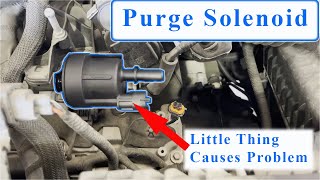
- P0496 — EVAP Flow During a Non-Purge Condition. 🎬 Watch: How a faulty purge valve causes these lean codes. A stuck-open EVAP purge valve can create a vacuum leak, causing lean codes. This was noted in an owner complaint for a 2013 Terrain with P0174. A repair story for a similar GM vehicle with the 3.6L engine confirms this link.
Technical Service Bulletins (TSBs) & Recalls
- PIE0433A / PIE-0433A - Malfunction Indicator Lamp (MIL) On, DTCs P0171 Fuel Trim System Lean Bank 1 and/or P0174 Fuel Trim System Lean Bank 2. This bulletin was an engineering request for information on vehicles with these codes, specifically asking technicians to check for a leak at the foul PCV tube to manifold connection before making repairs.
- PIP5187 - Service Engine Soon Malfunction Indicator Lamp On, DTC P0174. This bulletin addresses a specific scenario where a P0174 code appears after a cylinder head replacement, caused by using an incorrect fuel rail.
Platform-Specific Known Issues
- Clogged/Frozen PCV System: On both the 2.4L and V6 engines, the PCV system can become clogged or freeze in cold weather, leading to high crankcase pressure, oil leaks, and vacuum leaks that trigger lean codes. The intake manifold has a small, fixed orifice for the PCV system that can become blocked.
- Fuel Rail Mismatch: TSB #PIP5187 warns that after a cylinder head replacement on V6 models, if the replacement head came with injectors, the original fuel rail must be reused. A mismatch can cause a P0174 code.
- Cracked Air Intake Resonator: The plastic resonator on the intake tube can crack with age, creating a large, unmetered air leak that often triggers both P0171 and P0174.
Mechanic-Grade Diagnostic Values
- Low-Side Fuel Pressure (3.6L V6) — expected: 300-400 kPa (43-58 psi) at idle.. Failure: Pressure significantly below this range, or pressure that drops under acceleration, indicates a weak fuel pump or clogged filter.
- Mass Airflow (MAF) Sensor Reading at Idle — expected: Approximately equal to engine displacement in liters (e.g., ~3.0 g/s for 3.0L, ~3.6 g/s for 3.6L). A general range is 2-7 g/s.. Failure: A reading significantly lower than the engine's displacement suggests a vacuum leak (unmetered air entering after the sensor). A significantly higher reading can indicate a faulty sensor.
- Long Term Fuel Trim (LTFT) — expected: Within a few percent of 0% (e.g., -5% to +5%).. Failure: Consistently high positive numbers (e.g., > +10%) confirm the PCM is adding fuel to compensate for a lean condition. The MIL is typically triggered when LTFT exceeds +20-25%.
- Upstream Oxygen Sensor (Bank 2 Sensor 1) Voltage — expected: Fluctuating rapidly between approximately 0.1V (lean) and 0.9V (rich) on a healthy engine.. Failure: A sensor that is stuck low (e.g., < 0.2V) is indicating a lean condition (which may be real or a sensor fault). A slow-to-respond sensor is also a sign of failure.
Scan Tool Commands That Help
- GDS2 / Professional Scan Tool: Fuel Injector Balance Test — To isolate a single clogged or faulty injector on Bank 2 after vacuum leaks and other systemic issues are ruled out. The tool pulses each injector and measures the corresponding drop in fuel rail pressure. The pressure drop for each injector should be similar (within 1.5 PSI or 20% of the average).
- GDS2 / Professional Scan Tool: Fuel Composition Reset — On FlexFuel-capable models (LFW/LFX engines), if there's a suspicion that the learned alcohol content is incorrect (e.g., after running E85 and switching to gasoline, or vice-versa, without a proper fill-up event). An incorrect alcohol percentage can cause the PCM to calculate fuel delivery incorrectly, leading to lean or rich codes.
- GDS2 / Professional Scan Tool: EVAP Purge/Seal — To command the EVAP purge valve closed and test for leaks. If the valve is stuck open, it acts as a constant vacuum leak, which can cause lean codes. This helps diagnose a faulty purge valve solenoid.
Wiring & Ground Locations
- G101 — Left front of the engine compartment, often near the ECM and part of the main negative battery cable harness.. This is a primary ground point for the Engine Control Module (ECM) and the Mass Airflow (MAF) sensor. A poor connection here can cause erratic sensor readings and incorrect fuel calculations, leading to lean codes.
- Fuse #43 (Underhood Fuse Block) — In the main fuse block in the engine compartment, driver's side. It is typically a 15A blue fuse.. This fuse supplies power to the pre-catalytic converter (upstream) oxygen sensors. A blown fuse will cause the Bank 2 Sensor 1 to stop working, which can lead to incorrect fuel trim adjustments and set a P0174 code.
- Bank 2 O2 Sensor 1 Connector — On the left (firewall side) exhaust manifold. The connector is a 4-wire, square type.. Corrosion or damage to this connector or its wiring can interrupt the signal from the O2 sensor to the ECM, preventing proper fuel control for Bank 2.
Real Owner Repair Stories
- YouTube video on a 2015 Chevrolet Traverse (similar platform/engine) (2015 Chevy Traverse 3.6L V6) — Check Engine Light with codes P0171, P0174, P0446, and P0496.
❌ Tried (didn't work) The video directly diagnoses the purge valve as the likely culprit due to the combination of lean codes and EVAP codes.
✅ What actually fixed it Replacing the EVAP Purge Valve Solenoid. A stuck-open purge valve was creating a vacuum leak, allowing unmetered air from the charcoal canister into the intake manifold, causing both banks to run lean.
"I Checked Everything" — The Actual Cause
- In cases where a smoke test reveals no vacuum leaks, the cause is often not unmetered air but rather a fuel delivery or sensor calculation issue. A common scenario is a dirty or failing Mass Airflow (MAF) sensor that under-reports the amount of air entering the engine, causing the PCM to command too little fuel. Another possibility is a skewed fuel composition reading on FlexFuel models, where the PCM thinks the ethanol content is different than it actually is, leading to incorrect fuel calculations.
Model Year Variations Within This Range
- 2010-2012: These models used the 3.0L V6 engine (LF1 or LFW). The PCV hose/tubing is specific to this engine. For example, ACDelco 12634421 (2010) and 12639419 (2011-2012) are for the 3.0L engines.
- 2013-2017: These models used the updated 3.6L V6 engine (LFX). The PCV system components, such as the foul air tubing, are different from the earlier 3.0L engine. The part number for the 3.6L PCV tubing is ACDelco 12649214.
Helpful Videos

![How to Fix P0174 Engine Code in 2 Minutes [2 DIY Methods / Only $8.99]](https://img.youtube.com/vi/Mc4ajz3DM7s/mqdefault.jpg)
We Have This Part in Stock



The information in this article is provided for general reference and educational purposes only. Vehicle specifications, procedures, and part compatibility can vary by production date, trim level, and region. Always consult your vehicle's factory service manual and verify part numbers before purchasing or performing repairs. Safety-critical components such as airbags, seat belts, and braking systems should be installed by a qualified professional.
- Gmc TERRAIN:
- 🧭 Diagnostic Flowchart
- 🎬 Helpful Videos
- 🛍️ Shop This Part
- What's Unique About the 2010-2017 Gmc TERRAIN
- Symptoms You May Notice
- Most Likely Causes
- Rare But Worth Checking
- Diagnosis Steps
- Parts You'll Likely Need
- Related Codes That Often Appear With This One
- Technical Service Bulletins (TSBs) & Recalls
- Platform-Specific Known Issues
- Mechanic-Grade Diagnostic Values
- Scan Tool Commands That Help
- Wiring & Ground Locations
- Real Owner Repair Stories
- "I Checked Everything" — The Actual Cause
- Model Year Variations Within This Range
- 🎟️ Get 5% Off