

P0191 on 2010-2019 Ford Taurus 3.5L EcoBoost: Causes and Fixes for Fuel Pressure Faults
On a 2010-2019 Taurus with the 3.5L EcoBoost, code P0191 is most often caused by a failing high-pressure Fuel Rail Pressure (FRP) sensor. This can cause stalling, hesitation, and a no-start condition. Replacing the sensor is a common fix, costing around $90-$150 for an OEM Motorcraft part. Before replacing parts, check if your vehicle is covered by recall 16S31 for the fuel pump control module, which causes identical symptoms.
- P0191 on a 3.5L EcoBoost Taurus points to a problem with the high-pressure fuel system.
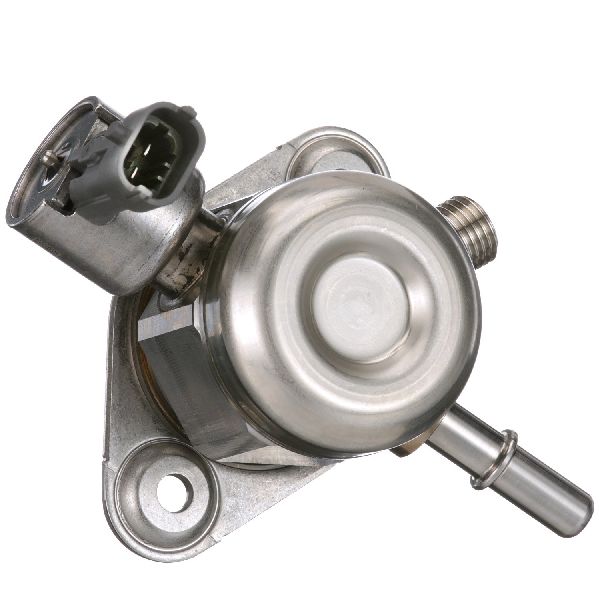
- The most likely culprit is a faulty Fuel Rail Pressure (FRP) sensor, followed by a failing High-Pressure Fuel Pump (HPFP).
- Before buying parts, use a scan tool to compare actual vs. desired fuel rail pressure to help determine if the issue is the sensor or the pump.
- For 2013-2015 models, check if your vehicle is affected by recall 16S31 for the fuel pump module, as it causes identical stalling symptoms.
- Do not ignore this code. A sudden stall while driving is a major safety hazard.
What's Unique About the 2010-2019 Ford Taurus
The 3.5L EcoBoost engine in the Taurus uses a high-pressure gasoline direct injection (GDI) system, which operates at pressures exceeding 2,000 PSI. This system has two fuel pumps: a low-pressure pump in the tank and a high-pressure pump (HPFP) on the engine. While the code can point to a mechanical pump issue, the Fuel Rail Pressure (FRP) sensor itself is a very common failure point on this engine across multiple Ford platforms, often failing before the pumps do. Additionally, some 2013-2015 models were subject to a recall (16S31) for an overheating fuel pump control module that can cut power to the low-pressure pump, starving the high-pressure system and causing identical symptoms.
Symptoms You May Notice
- Check Engine Light is on
- Engine stalling, sometimes unexpectedly while driving
- Hard starting or long crank times
- Rough or unstable idle
- Hesitation or sluggish acceleration
- Noticeable loss of engine power, may feel like 'limp mode'
- Decreased fuel economy
- Engine cranks but won't start
- Replacing the low-pressure fuel sensor on the fuel line from the tank. The 3.5L EcoBoost has two pressure sensors; P0191 almost always refers to the high-pressure sensor on the engine's fuel rail.
- Replacing fuel injectors. While a massively leaking injector could theoretically cause a pressure drop, it is much less common than a sensor or pump failure and would typically be accompanied by misfire codes and smoke from the exhaust.
Most Likely Causes
- Faulty High-Pressure Fuel Rail Pressure (FRP) Sensor 🔴 High Probability → Shop Fuel Pressure Sensor The FRP sensor is a widely documented failure point on the 3.5L EcoBoost engine across various Ford models. It is a sensitive electronic component that can fail from age, heat cycles, or even nearby electrical events like a lightning strike. An owner report in NHTSA ODI #10446792 noted that even after replacing the fuel rail pressure sensor for a P0191 code, the underlying issue sometimes remained unresolved, highlighting the need for thorough circuit testing.
How to confirm: Use a diagnostic scan tool to monitor 'Fuel Rail Pressure' and 'Desired Fuel Rail Pressure' PIDs. With the key on, engine off, the pressure should be low but stable (around 60 PSI). If the actual pressure reading is erratic, stuck at zero, maxed out, or doesn't respond logically to engine RPM changes, the sensor is the primary suspect.
Typical fix: Replace the fuel rail pressure sensor located on the high-pressure fuel rail on the engine. This is often a DIY-friendly job, but care must be taken to relieve fuel pressure first.
Est. part cost: $90-$150 - Failing High-Pressure Fuel Pump (HPFP) 🟡 Medium Probability → Shop Fuel Pump The HPFP is a mechanical pump driven by a lobe on the camshaft and is a known wear item. Internal failure of the return spring is common, leading to an inability to build the required pressure. In some extreme cases of mechanical failure, as described in NHTSA ODI #10780588, bolts holding the internal fuel pump can break off, resulting in a complete inability to crank or build fuel pressure.
How to confirm: After confirming the FRP sensor is reading correctly, compare desired vs. actual fuel pressure while the engine is running. If the actual pressure is consistently much lower than desired, especially under load (e.g., requesting 2000 PSI but only getting 400 PSI), the HPFP is a strong suspect. A visual inspection upon removal may show a compressed or broken internal piston spring compared to a new unit.
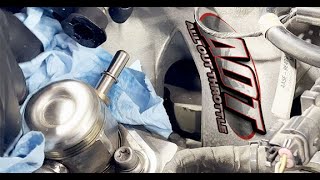
Typical fix: Replace the high-pressure fuel pump and the associated cam follower (tappet). It is highly recommended to use an OEM Ford part for longevity. 🎬 See this walkthrough for replacing the high-pressure fuel pump.
Est. part cost: $400-$800 - Faulty Fuel Pump Driver Module (FPDM) or Wiring ⚪ Low Probability → Shop Fuel Pump On some Ford models of this era, the FPDM was prone to corrosion, causing intermittent power to the in-tank fuel pump. While less documented on the Taurus than on trucks like the F-150, it's a known Ford issue that can starve the HPFP. The issue is more formally addressed by recall 16S31 on 2013-2015 models where the module can overheat internally. Manufacturer Bulletin #TSB 19-2231 notes that P0191 can also be triggered by an engine harness chafe on the powertrain control module (PCM) bracket, which disrupts the sensor signal.
How to confirm: First, check if your VIN is part of recall 16S31. If not, inspect the FPDM (often located in the trunk) for corrosion or damage. Check the wiring harness for breaks or chafing. Test for power and ground at the module.
Typical fix: Have the recall performed by a dealer, which involves inspection and potential replacement of the module. Otherwise, replace the fuel pump driver module 🎬 Watch: How to replace the fuel pump driver module. and repair any damaged wiring.
Est. part cost: $50-$100 - Low-Pressure Fuel System Issue ⚪ Low Probability A weak in-tank fuel pump or a clogged fuel filter can fail to supply adequate fuel to the HPFP, causing it to underperform and trigger P0191. For 2013-2015 models, Ford issued recall 16S31 for an overheating fuel pump electronic module that cuts power to the pump.
How to confirm: Check if your VIN is part of recall 16S31. Use a scan tool to check for low-pressure fuel system codes. Test the low-side fuel pressure (typically 40-80 PSI) to ensure it's within specification before it reaches the HPFP.
Typical fix: Address the specific recall if applicable. Otherwise, replace the in-tank fuel pump or fuel filter.
Est. part cost: $200-$400
Rare But Worth Checking
- Wiring Harness Damage: The wiring for the FRP sensor can chafe or corrode, leading to an intermittent or incorrect signal. A visual inspection of the harness leading to the sensor is a wise step before replacing parts.
- PCM Malfunction: In very rare cases, the Powertrain Control Module itself can fail and misinterpret the fuel pressure signal. This should only be considered after all other possibilities have been exhaustively ruled out. Manufacturer Bulletin #TSB 18-2326 indicates that P0191 may appear alongside other codes like P06EA and P061A, which may require specific PCM service procedures.
Diagnosis Steps
- Check for Recalls: First, verify if your vehicle's VIN is affected by Ford recall 16S31 (NHTSA 16V621000), which concerns the fuel pump electronic module on some 2013-2015 models. This can cause the exact symptoms.
- Scan for Codes: Use an OBD-II scanner to confirm P0191 and check for any other related codes, such as P0087 (pressure too low).
- Monitor Live Data: With a capable scan tool, observe the 'Fuel Rail Pressure' (FRP) and 'Desired Fuel Rail Pressure' PIDs. With Key On, Engine Off, pressure should be around 60 PSI. While running at idle, it should be a few hundred PSI. Under load, it should climb towards 2000+ PSI and the actual pressure should closely follow the desired pressure.
- Evaluate Sensor Signal: If the FRP reading is erratic, stuck at zero, or maxed out, the sensor or its wiring is the primary suspect. Inspect the sensor's connector and wiring for any visible damage, corrosion, or looseness.
- Test the High-Pressure Fuel Pump (HPFP): If the sensor signal appears logical but consistently reads much lower than the desired pressure (e.g., desired is 1500 PSI, actual is stuck at 400 PSI), especially when revving the engine, the HPFP is likely at fault.
- Inspect the Low-Pressure System: If high-pressure is low, ensure the HPFP is receiving enough fuel. Listen for the in-tank pump to prime when the key is turned. Test the low-side fuel pressure to ensure it's within spec (40-80 PSI).
- Inspect the Fuel Pump Driver Module (FPDM): Especially on models not covered by the recall, visually inspect the FPDM in the trunk for corrosion or physical damage, as this can interrupt power to the in-tank pump.
Parts You'll Likely Need
- High-Pressure Fuel Rail Pressure Sensor
(OEM #BL3Z-9F972-B)— This is the most frequent cause of P0191 on the 3.5L EcoBoost. It provides the pressure reading that the PCM has identified as faulty.
Trusted brands: Motorcraft, Bosch, Standard Motor Products (SMP)
OEM price range: $90-$150
Aftermarket price range: $70-$120 - High-Pressure Fuel Pump (HPFP)
(OEM #BL3Z-9350-D (supercedes previous versions like -A, -B, -C))— The second most common cause, a mechanical failure inside the pump prevents it from generating the required pressure. Often fails along with code P0087.
Trusted brands: Motorcraft, Bosch
OEM price range: $400-$800
Aftermarket price range: $250-$500
Related Codes That Often Appear With This One
- P0087 — This code means 'Fuel Rail/System Pressure - Too Low' and often appears with P0191 when the high-pressure fuel pump (HPFP) is failing mechanically and cannot meet the pressure demanded by the PCM.
- P00C6 — This code also indicates low fuel rail pressure and can be triggered by the same set of faults, particularly a failing HPFP or a problem with the low-pressure supply.
- P0190 — Indicates 'Fuel Rail Pressure Sensor Circuit Malfunction'. This points more specifically to an electrical failure (short/open) in the sensor's circuit, whereas P0191 is a 'Range/Performance' issue.
Technical Service Bulletins (TSBs) & Recalls
- Ford Recall 16S31 / NHTSA 16V621000: Fuel Pump Electronic Module may overheat on some 2013-2015 models, causing a stall.
- TSB 07-4-7: Provides diagnostic procedure for intermittent P0191, advising technicians to check for wiring harness rub-through.
- Bulletin #TSB 18-2326: Notes that vehicles may exhibit an illuminated MIL with DTC P0191 among other codes stored in the PCM.
- Bulletin #TSB 19-2231: Identifies that P0191 may be due to an engine harness chafe on the powertrain control module (PCM) bracket.
Platform-Specific Known Issues
- Recall 16S31: Some 2013-2015 Taurus models with the 3.5L EcoBoost engine may have a faulty fuel pump electronic module that can overheat and cause the engine to stall.
Mechanic-Grade Diagnostic Values
- Low-Pressure Fuel System Pressure — expected: 40-80 PSI. Failure: Pressure is below 40 PSI or is erratic, indicating a weak in-tank pump or FPDM issue.
- High-Pressure Fuel System (Key On, Engine Off) — expected: ~60 PSI (or ~400 kPa). Failure: Pressure should match the low-side supply. If it's zero, maxed out, or erratic, the FRP sensor is likely faulty.
- High-Pressure Fuel System (Idle) — expected: 200 - 500 PSI. Failure: Pressure significantly below this range suggests an HPFP or supply issue.
- High-Pressure Fuel System (Under Load / WOT) — expected: 1,500 - 2,200+ PSI. Failure: If actual pressure cannot keep up with desired pressure under load, the HPFP is a primary suspect.
- FRP Sensor Voltage (Key On, Engine Off) — expected: Approximately 0.5V. Failure: Voltage stuck high (near 5V) or low (near 0V) points to a faulty sensor or wiring short.
- FRP Sensor 5V Reference (VREF) at Connector — expected: Stable 5.0V. Failure: Low or no voltage indicates a problem with the PCM's 5V supply circuit or wiring.
Scan Tool Commands That Help
- Ford IDS / FORScan: FRP vs FRP_DSD PID Monitoring — This is the primary diagnostic step. Graphing the desired fuel rail pressure (FRP_DSD) against the actual fuel rail pressure (FRP) during idle, revving, and a test drive is the fastest way to determine if the failure is a sensor (erratic signal) or a pump (actual pressure lags desired).
- Ford IDS / FORScan: Wiggle Test — While monitoring the FRP voltage PID (FLP_V), wiggle the sensor connector and harness sections between the sensor and the PCM. Any sudden drops or spikes in voltage indicate a wiring or connector pin issue.
Wiring & Ground Locations
- Main Engine Ground Strap — Typically located on the transmission case below the brake booster.. A poor main engine-to-chassis ground can cause floating voltages and erratic behavior from various sensors, including the FRP sensor, as the PCM may not have a stable ground reference.
- PCM Engine Harness Ground — A ground point for the PCM engine harness is often found on a stud on the firewall or on the back of the intake-to-head mounting bracket.. This specific ground is critical for the ECM (PCM). A loose or corroded connection here can directly impact sensor readings and cause intermittent, hard-to-diagnose codes like P0191.
Real Owner Repair Stories
- Ford Expedition Forum (2006 Ford Expedition (similar fuel system architecture)) — Random frequent stalling and no-start condition with P0191 code.
❌ Tried (didn't work) Multiple dealer visits with misdiagnoses.
✅ What actually fixed it The internal, non-serviceable fuel pump relay (R303) inside the main fuse panel/box was failing and had burn marks. Replacing the entire fuse box assembly resolved all stalling and starting issues. - NHTSA ODI #11478786 — An owner reported multiple failures of fuel system equipment resulting in P0191 codes occurring two and three times per day, even on a vehicle with only 22,000 miles.
OEM Part Supersession History
BL3Z-9F972-A→BL3Z-9F972-B (also known as Motorcraft CM-5224)— Standard part revision and improvement by the manufacturer.BL3Z-9350-A, -B, -C→BL3Z-9350-D— Standard part revisions and improvements for the High-Pressure Fuel Pump.
Model Year Variations Within This Range
- 2013-2015: These specific model years were included in recall 16S31 for a potentially faulty Fuel Pump Electronic Module (FPEM), which can overheat and cut power to the low-pressure fuel pump, causing symptoms identical to P0191. This should be the first check for vehicles in this year range.
- 2017-2019: Starting in 2017, the 3.5L EcoBoost was updated to the second generation, which includes a dual-injection system (both port and direct injection). While the high-pressure system and P0191 code remain, the overall fuel system is more complex. However, the primary causes of P0191 (FRP sensor, HPFP) are largely the same.
Diagnostic Flowchart
Other Known Issues on This Vehicle
Issues unrelated to this code that are worth knowing about as an owner of this generation:
- Internal Water Pump Failure 🔴 High — Common after 80,000-100,000 miles. Failure can be catastrophic as it leaks coolant directly into the engine oil, destroying the engine. (Ref: No recall, but it is a widely documented design flaw on the transverse 3.5L EcoBoost.)
- Power Transfer Unit (PTU) Overheating/Failure 🔴 High — Common on AWD models. The PTU is located near the hot exhaust, holds very little fluid, and has no drain plug, leading to fluid breakdown and failure. (Ref: No recall, but considered a 'non-serviceable' part by Ford that frequently fails. Owners report a sulfur or 'propane' smell when the fluid is cooked.)
- Timing Chain Stretch (Gen 1) 🟠 Medium — Primarily affects early Gen 1 engines (approx. 2010-2015). Causes a distinct rattle on cold starts that lasts for a few seconds. Can lead to loss of power and engine damage if ignored. (Ref: Multiple TSBs issued, including 14-0194 and 17-0026, which outline replacement of the primary timing chain.)
- Intake Valve Carbon Buildup 🟡 Low — A common issue for all direct-injection engines, including the 3.5L EcoBoost. Over many miles (typically 60k+), carbon can build up on the back of intake valves, causing misfires, rough idle, and power loss. (Ref: No TSB or recall; this is a known side effect of the technology. Later Gen 2 engines added port injection to mitigate this.)
Used vs. New Parts: Buying Guide for This Vehicle
When a used part is the smart pick: For this repair, used parts are generally not recommended. The primary failure points are a sensitive electronic sensor (FRP) and a high-wear mechanical pump (HPFP). However, a used wiring harness pigtail from a low-mileage donor vehicle could be a cost-effective option if the original connector is damaged.
Donor-vehicle mileage cap: roughly under 60000 miles for the part to have meaningful remaining life.
What to inspect on the donor part:
- For a wiring pigtail: Ensure the plastic is not brittle or cracked.
- Check that the connector's locking tab is intact and functional.
- Inspect the internal pins for any signs of corrosion (green or white powder) or heat damage (discoloration).
OEM-only on this vehicle (don't cheap out):
- High-Pressure Fuel Rail Pressure (FRP) Sensor: Aftermarket sensors for this high-pressure GDI system have a reputation on forums for being inaccurate or failing prematurely. The labor involved in accessing the sensor makes using a genuine Motorcraft part a wise investment to avoid repeat repairs.
- High-Pressure Fuel Pump (HPFP): While some aftermarket options exist, the OEM Bosch or Motorcraft pump is recommended for reliability and longevity. This is a critical engine component operating under extreme pressure.
Aftermarket brands forum-validated for this vehicle:
- Bosch (Often the OEM supplier for Ford fuel components)
- Standard Motor Products (SMP) (A generally reputable aftermarket sensor brand)
- Nostrum, Xtreme-DI (For high-performance/upgraded HPFP applications, requires tuning)
Brands owners have reported issues with on this vehicle:
- Unbranded 'white-box' sensors from online marketplaces. The savings are minimal compared to the risk of incorrect readings or early failure in this critical system.
Real Owner Stories
Aggregated from forums and TSBs cited above. Mileages and costs reflect what owners reported in those sources.
2011-2016 Ford F-150 3.5L EcoBoost — ~95000 miles
Symptoms: Repeated high-pressure fuel pump failures, including one instance where the pump 'exploded'.
What fixed it: Multiple warranty replacements of the high-pressure fuel pump (HPFP).
Source hint: Ford Truck Enthusiasts Forums thread titled '3.5 L V6 ECOBOOST high-pressure fuel pump issues'
2011-2016 Ford F-150 3.5L EcoBoost — 72000 miles
Symptoms: Catastrophic failure while towing where a mounting bolt snapped, causing the pump to break off its mount under spring pressure.
What fixed it: Replacement of the high-pressure fuel pump and mounting hardware.
Source hint: F150forum.com thread titled 'Anyone ever see the high pressure fuel pump break like this? | 3.5L ecoboost 72k miles'
Related OBD-II Codes
Frequently Asked Questions
Is there a recall for the fuel system on my 2013-2015 Ford Taurus 3.5L EcoBoost?
What should the fuel rail pressure (FRP) reading be on my 3.5L EcoBoost when the engine is off?
My Taurus is hesitating under load; how can I tell if it's the high-pressure pump or just a sensor?
Where is the Fuel Pump Driver Module (FPDM) located on the Ford Taurus?
Does TSB 07-4-7 apply to the P0191 code on my Ford?
Can a lightning strike really cause a P0191 code on my 3.5L EcoBoost?
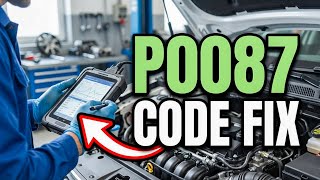
Helpful Videos
Used OEM Parts in Stock
New Aftermarket Parts Available


The information in this article is provided for general reference and educational purposes only. Vehicle specifications, procedures, and part compatibility can vary by production date, trim level, and region. Always consult your vehicle's factory service manual and verify part numbers before purchasing or performing repairs. Safety-critical components such as airbags, seat belts, and braking systems should be installed by a qualified professional.
- Ford Taurus:
- 🧭 Diagnostic Flowchart
- 🎬 Helpful Videos
- 🛍️ Shop This Part
- What's Unique About the 2010-2019 Ford Taurus
- Symptoms You May Notice
- Most Likely Causes
- Rare But Worth Checking
- Diagnosis Steps
- Parts You'll Likely Need
- Related Codes That Often Appear With This One
- Technical Service Bulletins (TSBs) & Recalls
- Platform-Specific Known Issues
- Mechanic-Grade Diagnostic Values
- Scan Tool Commands That Help
- Wiring & Ground Locations
- Real Owner Repair Stories
- OEM Part Supersession History
- Model Year Variations Within This Range
- Other Known Issues on This Vehicle
- Used vs. New Parts: Buying Guide for This Vehicle
- Real Owner Stories
- 2011-2016 Ford F-150 3.5L EcoBoost — ~95000 miles
- 2011-2016 Ford F-150 3.5L EcoBoost — 72000 miles
- Related OBD-II Codes
- Frequently Asked Questions
- 🎟️ Get 5% Off