

P0191 on 2015-2019 Ford Transit 3.5L EcoBoost: Fuel Rail Pressure Sensor Causes and Fixes
On a 2015-2019 Ford Transit with the 3.5L EcoBoost, code P0191 is most often caused by a failing Fuel Rail Pressure (FRP) sensor. This can cause stalling, hesitation, and a loss of power. Replacing the sensor is a common DIY fix, with an OEM part costing around $90-$150. Before replacing parts, it's wise to also check the Fuel Pump Driver Module (FPDM) for corrosion, as it can cause identical symptoms.
- P0191 on your Transit most likely points to a bad Fuel Rail Pressure (FRP) sensor.
- Before buying expensive parts like a fuel pump, use a scan tool to watch the 'Desired' vs. 'Actual' fuel pressure and inspect the sensor's wiring.
- Replacing the FRP sensor is a manageable DIY job, but you must relieve the fuel system pressure first for safety.
- Always use a high-quality replacement part, preferably from Motorcraft, as aftermarket sensors can cause persistent issues.
What's Unique About the 2015-2019 Ford Transit
The 3.5L EcoBoost engine in your Ford Transit uses a Gasoline Direct Injection (GDI) system. This requires two fuel pumps: a low-pressure pump in the tank and a high-pressure fuel pump (HPFP) on the engine that generates pressures over 2,000 PSI. Code P0191 specifically relates to this high-pressure side. While the code can point to a pump, the Fuel Rail Pressure (FRP) sensor itself is a very frequent failure point on this engine across multiple Ford platforms, often failing before the pumps do.
Symptoms You May Notice
- Check Engine Light is on
- Engine hesitates or stumbles during acceleration
- Loss of engine power
- Rough or fluctuating idle
- Engine is difficult to start or has extended crank time
- Engine stalls, sometimes when coming to a stop or shortly after starting
- Decreased fuel economy
- Replacing the high-pressure fuel pump (HPFP) before confirming the much cheaper Fuel Rail Pressure (FRP) sensor is working correctly.
- Replacing fuel pumps without first checking for simple wiring or connector issues at the FRP sensor.
- Replacing the FRP sensor without checking live data, when the actual problem is a weak fuel pump.
- Overlooking the Fuel Pump Driver Module (FPDM), which can cause identical fuel pressure symptoms and codes.
Most Likely Causes
- Faulty Fuel Rail Pressure (FRP) Sensor 🔴 High Probability → Shop Fuel Pressure Sensor The FRP sensor is a known high-failure item on the 3.5L EcoBoost engine due to heat, vibration, and extreme pressure cycles. It's often the first part to check for this code.
How to confirm: Use an OBD-II scanner to monitor live data. Compare 'Desired Fuel Rail Pressure' to 'Actual Fuel Rail Pressure'. If the actual reading is erratic, stuck at one value, significantly different from the desired reading, or drops out intermittently under various loads, the sensor is likely bad.
Typical fix: Replace the Fuel Rail Pressure sensor located on the high-pressure fuel rail. The system must be depressurized before replacement. This is a critical safety step. Use only hand tools to avoid sparks.
Est. part cost: $90-$150 - Damaged FRP Sensor Wiring or Connector 🟡 Medium Probability → Shop Fuel Pressure Sensor The engine bay environment can cause wiring to become brittle from heat or connectors to corrode, leading to a poor signal from the sensor to the PCM. The harness can also rub on other components.
How to confirm: Visually inspect the FRP sensor's electrical connector and wiring harness for any signs of corrosion, loose pins, chafing, or physical damage. Wiggle the connector with the engine running to see if it affects the idle or live data readings. Check for a stable 5-volt reference signal at the connector.
Typical fix: Repair the damaged section of the wiring harness or replace the connector pigtail. Apply dielectric grease to the new connector to prevent future corrosion.
Est. part cost: $20-$50 - Failing High-Pressure Fuel Pump (HPFP) 🟡 Medium Probability → Shop Fuel Pump The mechanical HPFP is driven by the camshaft and is a known wear item on the 3.5L EcoBoost engine. Failure can lead to low fuel pressure that the FRP sensor correctly reports.
How to confirm: If the FRP sensor and wiring are good, but actual fuel pressure is consistently below desired pressure (especially under load), the HPFP is a likely suspect. This is often accompanied by code P0087 (Fuel Rail/System Pressure - Too Low).
Typical fix: Replace the high-pressure fuel pump and the cam follower (lifter) that drives it. This is a more involved and expensive repair.
Est. part cost: $300-$600 - Failing Low-Pressure Fuel Pump or Clogged Fuel Filter ⚪ Low Probability → Shop Fuel Filter The in-tank fuel pump supplies the HPFP. If it weakens or the fuel filter gets clogged, it can starve the high-pressure system, causing a P0191 code.
How to confirm: Perform a fuel pressure test on the low-pressure side of the system. The pressure should be stable and within Ford's specifications (typically 50-70 PSI) before it reaches the HPFP.
Typical fix: Replace the in-tank fuel pump module or the fuel filter if it is serviceable separately. On many Transits, the filter is part of the pump module.
Est. part cost: $200-$400
Rare But Worth Checking
- Incorrectly Installed Fuel Jumper Line: According to TSBs for other Ford models with the same engine, if recent engine work was done, a fuel jumper line with a one-way check valve may have been installed backward, restricting flow and causing low pressure codes.
- Faulty Powertrain Control Module (PCM): → Shop Engine Control Module (ECM) In very rare cases, the PCM itself can be the source of the problem, misinterpreting a good sensor signal. This should only be considered after all other possibilities have been exhausted.
- Corroded Fuel Pump Driver Module (FPDM): → Shop Fuel Pump On platform mates like the F-150, the FPDM is mounted on the frame near the spare tire and is highly susceptible to corrosion. A failing FPDM can cause erratic fuel pressure and trigger a P0191 code, mimicking a bad FRP sensor or fuel pump. 🎬 Watch: Troubleshooting a Ford Transit that won't start due to the FPDM. While the Transit's FPDM location may differ, it's a known Ford issue worth investigating.
Diagnosis Steps
- Connect an OBD-II scanner and confirm P0191 is the primary code. Note any other codes present, like P0087 or P0193.
- Using the scanner's live data feature, monitor 'Desired Fuel Rail Pressure' and 'Actual Fuel Rail Pressure'.
- Observe the readings at idle, during steady cruising, and under heavy acceleration. A significant and persistent difference between desired and actual pressure is the key symptom.
- Turn the engine off. Visually inspect the Fuel Rail Pressure (FRP) sensor connector and its wiring harness for any signs of damage, corrosion, or loose connections.
- If wiring looks good, and the live data was erratic or clearly incorrect, the FRP sensor is the most likely culprit.
- Before replacing the sensor, locate and inspect the Fuel Pump Driver Module (FPDM) 🎬 See this quick walkthrough on how to replace the control module. for corrosion or damage, as this is a common failure point on similar Ford trucks that can cause the same code.
- If the sensor is replaced and the code returns, or if the 'Actual' pressure is consistently low, perform a mechanical fuel pressure test on the low-pressure fuel pump to ensure it's supplying adequate pressure to the HPFP.
- If the low-pressure system is healthy, the issue likely lies with the high-pressure fuel pump (HPFP).
Parts You'll Likely Need
- Fuel Rail Pressure Sensor
(OEM #BL3Z-9F972-B (supersedes BL3Z-9F972-A))— This sensor is the most common failure point for code P0191 on the 3.5L EcoBoost engine. The original part number has been superseded.
Trusted brands: Motorcraft (OEM), Bosch, Standard Motor Products
OEM price range: $120-$150
Aftermarket price range: $50-$100 - High-Pressure Fuel Pump (HPFP)
(OEM #BL3Z9350C (or D))— If the sensor is not the cause, the next most likely mechanical failure is the high-pressure pump, which is a known wear item.
Trusted brands: Motorcraft (OEM), Bosch, Standard Motor Products (GDP204)
OEM price range: $400-$600
Aftermarket price range: $250-$450
Related Codes That Often Appear With This One
- P0087 — This code means 'Fuel Rail/System Pressure - Too Low'. It often appears with P0191 when there is a genuine mechanical issue causing low pressure, such as a failing HPFP or low-pressure pump.
- P0190 — This code indicates a 'Fuel Rail Pressure Sensor Circuit Malfunction'. It points more directly to an electrical fault (like a short or open circuit) rather than a performance range issue.
- P0192 — Indicates 'Fuel Rail Pressure Sensor Circuit Low Input', suggesting the sensor's signal voltage to the PCM is lower than expected, possibly due to a short to ground or a faulty sensor.
- P0193 — Indicates 'Fuel Rail Pressure Sensor Circuit High Input', suggesting the signal voltage is higher than expected, possibly due to a short to voltage or a faulty sensor.
Technical Service Bulletins (TSBs) & Recalls
- SSM 48807 / SSM 50089 - While not for the Transit specifically, these TSBs for other 3.5L EcoBoost vehicles note that low fuel pressure codes can be caused by a
Platform-Specific Known Issues
- FRP Sensor Location and Access: → Shop Fuel Pressure Sensor On the 3.5L EcoBoost in the Transit, the Fuel Rail Pressure sensor is located on the passenger side fuel rail, often towards the rear of the engine. Access can be tight but it is generally considered a manageable DIY replacement without removing major components like the intake manifold.
Mechanic-Grade Diagnostic Values
- Low-Pressure Fuel System (In-tank pump) — expected: 40-60 PSI at idle.. Failure: Pressure below this range indicates a weak in-tank pump or clogged filter, starving the HPFP.
- High-Pressure Fuel System (HPFP) - Cranking — expected: Approximately 500 PSI.. Failure: Significantly lower pressure during crank can indicate a failing HPFP or a major leak.
- High-Pressure Fuel System (HPFP) - Idle — expected: 200 - 500 PSI.. Failure: Pressure that is wildly erratic or significantly deviates from the 'Desired FRP' PID on a scan tool.
- High-Pressure Fuel System (HPFP) - Under Load / WOT — expected: 1,500 - 2,200+ PSI.. Failure: If 'Actual' pressure consistently lags 'Desired' pressure by more than 200 PSI, it suggests a weak HPFP.
- FRP Sensor Signal Voltage (KOEO) — expected: 1.5V - 1.8V.. Failure: A voltage stuck high (e.g., 4.8V - 5.0V) or low (near 0V) with the key on and engine off points to a faulty sensor or wiring short.
- FRP Sensor Signal Voltage (Engine Running) — expected: Varies with pressure, typically 0.5V to 4.5V. Should respond smoothly to throttle input (e.g., 2.2V at idle, rising to 3.4V when revved).. Failure: Voltage is frozen, jumps erratically, or does not respond to changes in engine load.
- FRP Sensor Reference Voltage (VREF) — expected: Stable 5.0V at the sensor connector.. Failure: Low or no voltage indicates a wiring issue or a problem with the PCM's 5V reference circuit.
- FRP Sensor Ground Circuit — expected: Less than 500mV, ideally below 100mV.. Failure: Higher voltage indicates a poor ground connection, which can skew sensor readings.
Scan Tool Commands That Help
- Ford IDS / FORScan: Fuel Pump Command / Fuel Pressure Control — Allows a technician to manually command changes in desired fuel pressure while observing the actual pressure reading and sensor voltage. This can help determine if the pump is capable of building pressure and if the sensor is responding correctly.
- Ford IDS / FORScan: Reset Keep Alive Memory (KAM) — Should be performed after replacing fuel system components like the FRP sensor or fuel pumps to clear the old adaptive learning values from the PCM.
Wiring & Ground Locations
- FRP Sensor Connector — On the passenger side fuel rail, towards the rear of the engine.. This is the primary connection to test for power, ground, and signal. Based on similar Ford models, the pinout is likely: Red wire (5V Power), Orange wire (Signal), Green wire (Ground). Verifying these inputs/outputs is a critical diagnostic step.
- Fuel Pump Driver Module (FPDM) — On the frame rail, located under the driver's side of the van. This differs from some other Ford trucks where it is near the spare tire.. This module controls the low-pressure fuel pump. Its location exposes it to road salt and moisture, causing corrosion and failure that perfectly mimics P0191 symptoms. It is a very common misdiagnosis.
- G401 — Likely on the frame near the Fuel Pump Driver Module (FPDM).. This is a key ground point for the fuel pump control system. TSBs for related fuel system codes on 2018+ models specifically call for inspecting G401 for corrosion or looseness. A bad ground here can cause intermittent pump operation.
- PCM Grounds — At the Powertrain Control Module (PCM) connector.. A forum discussion on a 2015 Transit identified pins 50, 69, and 70 as main PCM grounds. A poor ground at the PCM itself can cause a wide range of sensor errors, including P0191.
Real Owner Repair Stories
- Ford F150 Forum user 'jls6681' (2004 Ford F-150 (platform mate with similar failure modes)) — Truck kept stalling, code P0191 was present.
❌ Tried (didn't work) Replacing the fuel filter, Replacing the in-tank fuel pump
✅ What actually fixed it The Fuel Pump Driver Module (FPDM), located above the spare tire, had corroded. The aluminum backing plate corroded through, exposing the internal electronics to moisture and causing it to short out. - Ford Expedition Forum user '2006LIMITED' (2006 Ford Expedition (platform mate)) — Random, frequent stalling and no-start conditions with code P0191.
❌ Tried (didn't work) Multiple dealer visits with incorrect diagnoses.
✅ What actually fixed it The root cause was a failing internal relay (R303) inside the main fuse panel. This relay, which is not separately replaceable, powers the FPDM and FRP sensor. The owner found burn marks on the relay upon inspection and replacing the entire fuse panel resolved all issues. - Jaguar Forums user (Jaguar S-Type R (uses Ford-derived components)) — Intermittent stalling, then a no-start condition. Initially no codes, then P0193 and finally P0191.
❌ Tried (didn't work) Cleaning the FRP sensor terminals.
✅ What actually fixed it Replacing the Fuel Rail Pressure sensor. The owner noted the original failed part had a visible Ford logo and part number, confirming the shared componentry and failure pattern with Ford vehicles.
When the Usual Fixes Don't Work
- While the FRP sensor is the most common cause, numerous owner accounts on related Ford platforms emphasize that replacing it without checking the Fuel Pump Driver Module (FPDM) first is a common and costly mistake. A corroded FPDM located under the vehicle can produce identical stalling symptoms and codes. In one documented case, an owner replaced both the fuel filter and the fuel pump before discovering the FPDM was the actual, and much cheaper, root cause.
OEM Part Supersession History
BL3Z-9F972-A→BL3Z-9F972-B / Motorcraft CM-5229— Standard part revision and improvement by the manufacturer.
Diagnostic Flowchart
Real Owner Stories
Aggregated from forums and TSBs cited above. Mileages and costs reflect what owners reported in those sources.
Ford F-150 3.5L EcoBoost
Symptoms: Owner needed to find the location of the fuel pressure sensor to address a fuel system issue.
What fixed it: Consulted diagrams provided by another user showing both the low-pressure sensor and the high-pressure (FRP) sensor located on the fuel rail at the back of the engine.
Source hint: F-150 Forum - 'Fuel Pressure Sensor' Thread
2006 Ford Five Hundred
Symptoms: Experienced a classic stalling scenario while driving, accompanied by the P0191 code.
What fixed it: A mechanic advised following TSB 07-4-7 to diagnose intermittent P0191, which involves checking for harness rub-through and shorted modules sharing the VREF signal rather than just replacing the sensor.
Source hint: 2CarPros Forum - 'Car Stalls While Driving. Code Is P0191'
2005 Ford F-150
Symptoms: Vehicle was stalling and throwing a P0191 code.
What fixed it: Replaced the Fuel Pump Driver Module (FPDM) located near the spare tire. The aluminum back of the original module had corroded through from contact with the steel frame, causing a short.
Source hint: YouTube - 'Ford F-150 Fuel Pump Control Module. It will fail...'
Related OBD-II Codes
Frequently Asked Questions
Where is the Fuel Rail Pressure (FRP) sensor located on my 3.5L EcoBoost Transit?
Are there any TSBs for the 2015-2019 Transit regarding the P0191 code?
Can a bad Fuel Pump Driver Module (FPDM) cause a P0191 code on my Transit?
How do I know if my High-Pressure Fuel Pump (HPFP) is causing the P0191 code instead of the sensor?
Is it safe to replace the FRP sensor myself on the 3.5L EcoBoost?
Helpful Videos
![[2/3] Ford Transit Not Starting - Fuel Pump Control Module Fix! 2015 Ford Transit Van 350 3.7L- Rd.↓](https://img.youtube.com/vi/swpfU356yAM/mqdefault.jpg)

Used OEM Parts in Stock

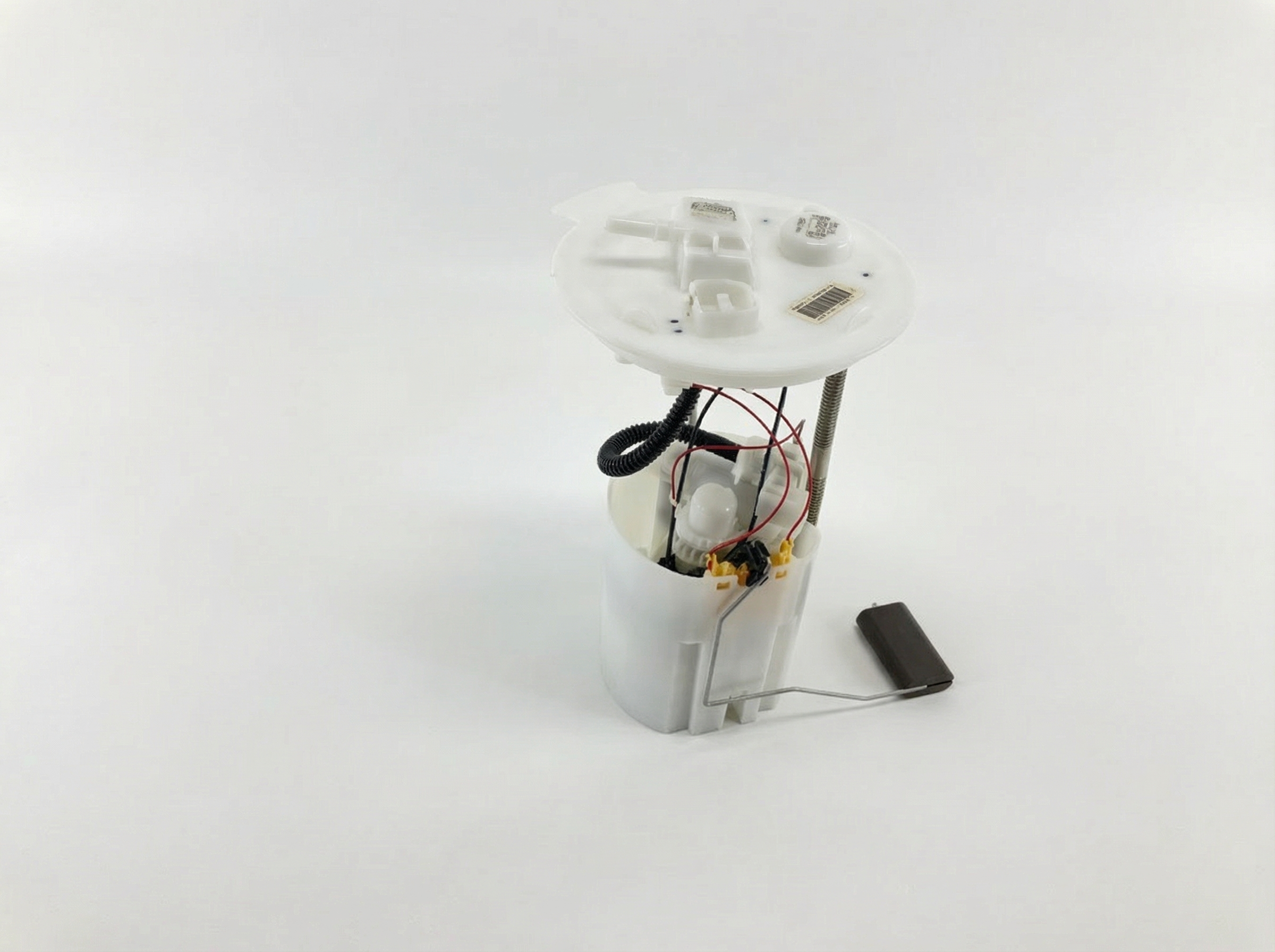
New Aftermarket Parts Available

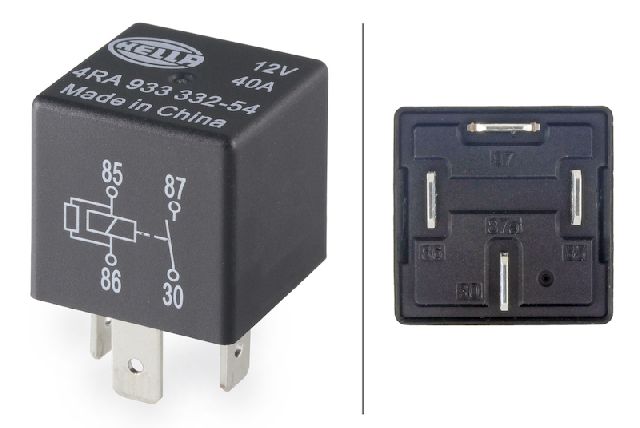

The information in this article is provided for general reference and educational purposes only. Vehicle specifications, procedures, and part compatibility can vary by production date, trim level, and region. Always consult your vehicle's factory service manual and verify part numbers before purchasing or performing repairs. Safety-critical components such as airbags, seat belts, and braking systems should be installed by a qualified professional.
- Ford Transit:
- 🧭 Diagnostic Flowchart
- 🎬 Helpful Videos
- 🛍️ Shop This Part
- What's Unique About the 2015-2019 Ford Transit
- Symptoms You May Notice
- Most Likely Causes
- Rare But Worth Checking
- Diagnosis Steps
- Parts You'll Likely Need
- Related Codes That Often Appear With This One
- Technical Service Bulletins (TSBs) & Recalls
- Platform-Specific Known Issues
- Mechanic-Grade Diagnostic Values
- Scan Tool Commands That Help
- Wiring & Ground Locations
- Real Owner Repair Stories
- When the Usual Fixes Don't Work
- OEM Part Supersession History
- Real Owner Stories
- Ford F-150 3.5L EcoBoost
- 2006 Ford Five Hundred
- 2005 Ford F-150
- Related OBD-II Codes
- Frequently Asked Questions
- 🎟️ Get 5% Off