

P0193 on 2013-2018 Ram 2500 6.7L Cummins: Fuel Rail Pressure Sensor High
For a 2013-2018 Ram 2500 with the 6.7L Cummins, the P0193 code is almost always caused by a failed Fuel Rail Pressure (FRP) sensor sending a voltage signal higher than the specified range to the PCM. Expect to pay between $270-$570 for a genuine OEM replacement part (Mopar or Cummins branded), with DIY replacement being moderately difficult due to the sensor's tight location at the rear of the fuel rail.
- P0193 on a 2013-2018 Ram 6.7L Cummins almost always points to a bad Fuel Rail Pressure (FRP) sensor.
- Before buying parts, test the sensor's signal voltage with the key on, engine off; it should be 0.5V. A reading near 5V confirms a bad sensor.
- Thoroughly inspect the wiring harness near the back of the engine for chafing, as this is the second most likely cause.
- The replacement part can be expensive; use a genuine OEM part from Mopar, Cummins, or Bosch for best results.
- DIY replacement is possible but difficult due to the sensor's tight location. A 27mm thin-walled socket and a flexible ratchet are essential tools.
- Do not immediately assume a bad high-pressure fuel pump or injectors; the sensor or its wiring is a much more likely and cheaper fix.
What's Unique About the 2013-2018 Ram 2500
The 6.7L Cummins engine uses a high-pressure common rail fuel system that operates at up to 26,000 PSI. The Fuel Rail Pressure (FRP) sensor is a critical component for managing this pressure. On these Ram trucks, the P0193 code is very frequently a direct result of the sensor itself failing internally, rather than a more complex mechanical issue with the high-pressure pump or injectors. Owners often find that replacing the sensor resolves the code and associated drivability issues. The sensor is known to fail due to the extreme heat and vibration at the back of the engine.
Symptoms You May Notice
- Check Engine Light is on
- Engine is hard to start or will not start
- Loss of engine power and acceleration
- Engine runs rough, surges, or idles erratically
- Engine may stall unexpectedly
- Reduced fuel economy
- Engine loses power and then regains it intermittently
- Replacing the high-pressure fuel pump (CP3 pump)
- Replacing fuel injectors
- Replacing the in-tank lift pump
Most Likely Causes
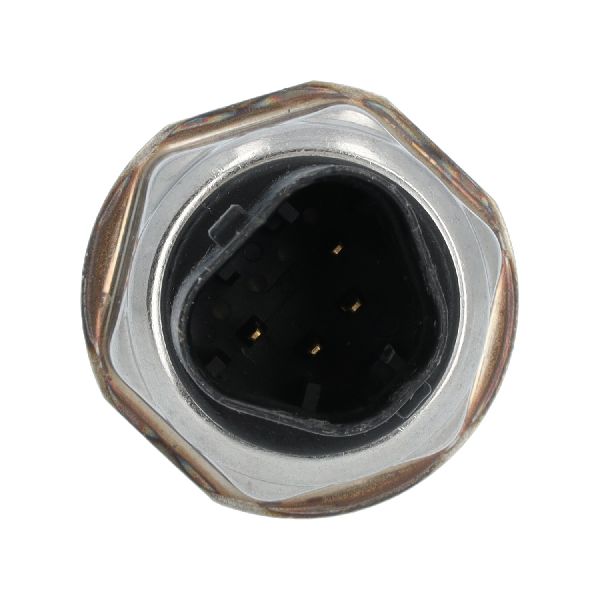
- Faulty Fuel Rail Pressure (FRP) Sensor 🔴 High Probability → Shop Fuel Pressure Sensor The sensor operates in a high-pressure, high-heat environment at the rear of the engine, leading to eventual electronic failure from heat cycles and vibration. Aftermarket sensors are also known to have a higher failure rate or incorrect voltage readings out of the box.
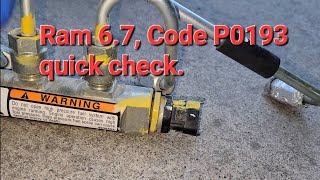
How to confirm: Perform a 'wiggle test' on the sensor's electrical connector with the engine running; if the engine stumbles or stalls, the sensor's internal connection is likely bad. With a multimeter or advanced scan tool, check the sensor's signal voltage with the key on, engine off. A reading near or at 5 volts indicates a shorted sensor. The correct reading should be approximately 0.5 volts. 🎬 Watch: Quick multimeter test and easy fix for P0193
Typical fix: Replace the Fuel Rail Pressure sensor. This requires depressurizing the fuel system and accessing the sensor at the back of the fuel rail. Using a genuine OEM part from Mopar, Cummins, or Bosch is highly recommended.
Est. part cost: $270-$570 - Wiring Harness or Connector Issue 🟡 Medium Probability The engine harness, particularly the section for the FRP sensor, can rub against metal lines and brackets around the back of the engine, causing wires to chafe and short to power or ground.
How to confirm: Visually inspect the wiring harness leading to the FRP sensor for any signs of damage, melting, or corrosion. Pay close attention to where the harness may contact other engine parts, specifically metal fuel or coolant lines near the driver's side of the engine block. Disconnect the sensor and check the connector terminals for corrosion or damage.
Typical fix: Repair the damaged section of the wiring harness using heat-shrink tubing and secure it away from any potential rubbing points with zip ties. Clean or replace the connector pigtail if it is damaged.
Est. part cost: $10-$50
Rare But Worth Checking
- Powertrain Control Module (PCM) Fault: This is very rare, but a failing PCM can misinterpret the sensor's signal. This should only be considered after the sensor and wiring have been definitively ruled out.
Diagnosis Steps
- Check for Other Codes: Use an OBD-II scanner to check for any other stored trouble codes that could provide more context.
- Test Sensor Voltage (Key On, Engine Off): Disconnect the sensor's electrical pigtail. Use a multimeter to verify you have a 5-volt reference and a good ground at the connector. Reconnect the sensor and back-probe the signal wire (center pin). With the ignition on (engine off), the voltage should be approximately 0.5V. A reading near 5V indicates the sensor is internally shorted and must be replaced.
- Live Data Monitoring: If you have an advanced scan tool, monitor the 'Desired Fuel Rail Pressure' vs. 'Actual Fuel Rail Pressure' PIDs. If the actual pressure reads erratically or shows an unreasonably high value (often maxing out the scale) when the engine is off or running poorly, it points to a faulty sensor or wiring issue.
- Visual Wiring Inspection: Thoroughly inspect the entire wiring harness leading to the FRP sensor. Look for any signs of chafing, melting, or corrosion, especially where the harness might rub against metal lines or the back of the engine block.
- Perform Wiggle Test: With the engine idling, carefully wiggle the electrical connector and the nearby wiring for the FRP sensor. If this causes the engine to stumble, stall, or run differently, it confirms an intermittent connection in either the sensor or the wiring.
- Replace the Sensor: If the sensor is confirmed to be faulty, replace it. Relieve fuel system pressure before removal by letting the truck sit for at least 30 minutes. The sensor is in a very tight location. A 27mm thin-walled deep socket is required, as a standard impact socket will not fit. A flexible head ratchet or long extension may be necessary. 🎬 See this step-by-step fuel rail pressure sensor replacement Lubricate the new sensor's threads with clean diesel fuel and torque it to 66 ft-lbs (90 N·m).
- Final Check: After replacement, clear the codes and perform a test drive to ensure the issue is resolved.
Parts You'll Likely Need
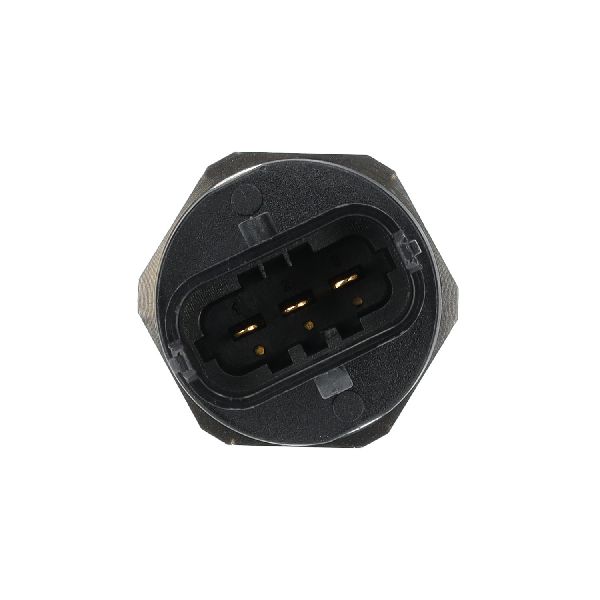
- Fuel Rail Pressure Sensor
(OEM #68210175AA (Mopar) / 4306993 (Cummins))— This sensor is the most common failure point for the P0193 code on the 6.7L Cummins due to the high-pressure, high-heat environment it operates in.
Trusted brands: Mopar, Cummins, Bosch
OEM price range: $270-$570
Aftermarket price range: $150-$250
Related Codes That Often Appear With This One
- P0087 — P0087 (Fuel Rail/System Pressure - Too Low) can sometimes appear with P0193 if the sensor is failing erratically, sending both high and low signals to the PCM.
- P0191 — P0191 (Fuel Rail Pressure Sensor Circuit Range/Performance) is another common code that points to an erratic or out-of-spec signal from the FRP sensor, often caused by the same sensor or wiring faults as P0193. 🎬 Watch: Diagnosing Cummins fuel pressure sensor codes P0191 and P0193
Platform-Specific Known Issues
- There is a known safety recall (NHTSA Campaign Number: 21V880000) for the High Pressure Fuel Pump (HPFP) on some 2019-2020 Ram 2500/3500 trucks, which can fail and cause an engine stall. While this recall does not cover the 2013-2018 model years and is not directly for the P0193 code, it highlights the high-stress nature of the fuel system on these trucks.
Diagnostic Flowchart
Other Known Issues on This Vehicle
Issues unrelated to this code that are worth knowing about as an owner of this generation:
- EGR Cooler and Valve Failure 🔴 High — Common after 100,000 miles, especially on trucks that do a lot of idling or short trips. Soot buildup clogs the valve and thermal cycles can crack the cooler.
- VGT Turbo Actuator Failure 🔴 High — A very common failure item. The electronic actuator is prone to failure from heat and vibration, leading to loss of power, poor turbo response, and non-functional exhaust brake.
- Front-End 'Death Wobble' 🔴 High — A violent shaking of the front end after hitting a bump at highway speeds. Caused by worn steering and suspension components, particularly the track bar, ball joints, and tie rod ends. The weight of the Cummins engine exacerbates wear on these parts. (Ref: Multiple TSBs and service campaigns have been issued over the years for various steering components, but no single recall covers all causes.)
- Water Pump Failure 🟠 Medium — Water pumps can fail, often starting as a slow leak from the weep hole. While not as frequent as EGR or turbo issues, failures are reported anywhere from 60,000 to 150,000 miles.
- Clogged Diesel Particulate Filter (DPF) 🟠 Medium — While less of an issue on the 2013+ models that use DEF/SCR compared to earlier 6.7L engines, the DPF can still become clogged, especially with frequent short trips or issues in the EGR system.
Real Owner Stories
Aggregated from forums and TSBs cited above. Mileages and costs reflect what owners reported in those sources.
2013-2018 Ram 2500 6.7L Cummins
Symptoms: The owner experienced a persistent P0193 code and Check Engine Light.
What fixed it: A thorough inspection revealed two separate locations in the engine harness where wires had chafed against metal components, causing a short.
Source hint: Turbo Diesel Register - 'Persistent P0193 and CEL please help'
2013-2018 Ram 2500 6.7L Cummins
Symptoms: Diagnostic video demonstrating a P0193/P0191 condition where the sensor voltage was incorrect.
What fixed it: Testing the sensor's voltage (KOEO) and replacing the faulty Fuel Rail Pressure sensor, while noting that even new replacement sensors must be verified for the correct 0.5V baseline.
Source hint: YouTube - WestRoc Conversions - '6.7 Cummins fuel pressure sensor P0191 P0193'
Related OBD-II Codes
Frequently Asked Questions
Is there a recall for the fuel system on my 2013-2018 Ram 2500 that causes the P0193 code?
What specific part numbers should I use to replace the Fuel Rail Pressure sensor on my 6.7L Cummins?
I just installed a new sensor and I'm still getting P0193. Could the new part be bad?
Where is the wiring harness most likely to fail on a Ram 2500 with this code?
Do I need any special tools to change the FRP sensor on my 2015 Ram 2500?
Can I just clean the connector to fix P0193?
Helpful Videos

We Have This Part in Stock


The information in this article is provided for general reference and educational purposes only. Vehicle specifications, procedures, and part compatibility can vary by production date, trim level, and region. Always consult your vehicle's factory service manual and verify part numbers before purchasing or performing repairs. Safety-critical components such as airbags, seat belts, and braking systems should be installed by a qualified professional.
- Ram 2500:
- 🧭 Diagnostic Flowchart
- 🎬 Helpful Videos
- 🛍️ Shop This Part
- What's Unique About the 2013-2018 Ram 2500
- Symptoms You May Notice
- Most Likely Causes
- Rare But Worth Checking
- Diagnosis Steps
- Parts You'll Likely Need
- Related Codes That Often Appear With This One
- Platform-Specific Known Issues
- Other Known Issues on This Vehicle
- Real Owner Stories
- 2013-2018 Ram 2500 6.7L Cummins
- 2013-2018 Ram 2500 6.7L Cummins
- Related OBD-II Codes
- Frequently Asked Questions
- 🎟️ Get 5% Off