

P0202 on 2012-2018 Audi A6 2.0T TFSI: Injector Circuit Malfunction Causes and Fixes
For a 2012-2018 Audi A6 2.0T, code P0202 is most often a failed fuel injector for cylinder 2 or a faulty injector wiring harness. A new Bosch OEM injector costs around $150-$250, while an updated wiring harness is about $70-$100. Diagnosis involves swapping injectors to see if the fault follows, but the harness is a known weak point confirmed by VW/Audi technical documents.
- P0202 is an electrical fault for the cylinder 2 injector, not a clog or fuel pressure issue.
- The two most likely causes are a failed fuel injector or a bad injector wiring harness, which is a known weak point on this engine.
- The most effective diagnostic step is to swap the cylinder 2 injector with another one. If the code moves (e.g., to P0201), the injector is bad. If P0202 returns, the wiring harness is the prime suspect.
- Accessing the injectors requires removing the intake manifold, making this a moderately difficult DIY job (4/5).
- Whenever a fuel injector is removed, you MUST replace its single-use Teflon seals with new ones to prevent dangerous fuel leaks.
What's Unique About the 2012-2018 Audi A6
On the Audi A6 C7 with the 2.0T TFSI engine, the fuel injector wiring harness is a known weak point. It is routed in a way that exposes it to constant high heat and engine vibration, which can make the wire insulation brittle and cause internal breaks or failed connector pins over time. While the fuel injector itself is a common failure point, this platform-specific harness issue is so prevalent that Volkswagen/Audi issued a technical tip (01-20-02TT) advising technicians to inspect and replace the original harness with an updated, more durable version when injector circuit codes like P0202 are present.
Symptoms You May Notice
- Check Engine Light is on (may be flashing)
- Rough, unstable, or vibrating idle
- Noticeable loss of engine power and poor acceleration
- Engine hesitation or sputtering
- Misfire codes for cylinder 2 (e.g., P0302) are often present
- Increased fuel consumption
- Strong smell of unburned fuel from the exhaust
- Replacing the spark plug or ignition coil for cylinder 2. While these parts cause misfires (P0302), they do not cause an electrical injector circuit code like P0202, which points specifically to an electrical fault in the injector's control circuit.
Most Likely Causes
- Failed Cylinder 2 Fuel Injector 🔴 High Probability → Shop Fuel Injector Direct fuel injectors on the 2.0T TFSI engine operate under high pressure and heat, and the internal electrical coil can fail, creating an open circuit. This is a common wear item.
How to confirm: Swap the fuel injector from cylinder 2 with one from another cylinder (e.g., cylinder 1). Clear the codes and run the engine. If the fault code changes to P0201, the injector is faulty. Alternatively, measure the resistance across the injector's two pins with a multimeter; a healthy injector should have a specific resistance (e.g., ~1.4-2.6 Ohms), while a failed one will often read as an open circuit (OL) or have a significantly different reading than the other injectors.
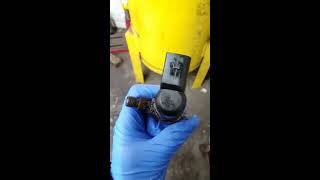
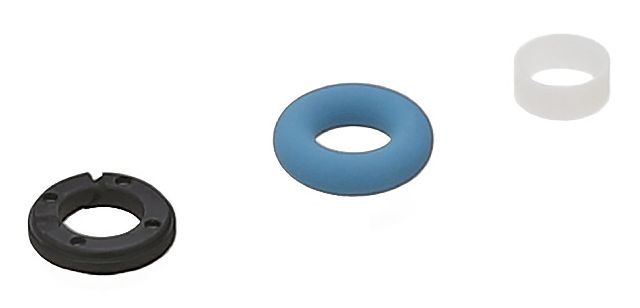
Typical fix: Replace the failed fuel injector. It is mandatory to also replace the single-use Teflon seal and O-rings using a special installation tool to prevent high-pressure fuel and combustion leaks.
Est. part cost: $150-$250 for one OEM Bosch injector. - Faulty Fuel Injector Wiring Harness 🟡 Medium Probability → Shop Engine Wiring Harness The original wiring harness becomes brittle from constant exposure to engine heat and vibration, leading to broken wires or bad connections at the pins. A VW technical tip (01-20-02TT) specifically calls for replacing the harness with updated part 06L971627AB if the old version is installed and P020x codes are present.
How to confirm: If swapping the injector does NOT move the fault code (P0202 returns), the problem is almost certainly in the wiring. Visually inspect the harness for cracks, chafing, or damage, especially where it enters the connectors. Use a noid light on the cylinder 2 connector; if it doesn't flash while cranking, the signal from the ECM isn't reaching the injector.
Typical fix: Replace the fuel injector sub-harness with the updated OEM part (06L971627AB).
Est. part cost: $70-$100
Rare But Worth Checking
- Engine Control Module (ECM) Failure: → Shop Engine Control Module (ECM) This is very rare, but the ECM is located in the plenum chamber below the windshield where clogged water drains can lead to water ingress. This can corrode the circuit board and damage the injector driver circuits, causing multiple, often random, injector faults. This should only be considered after injectors and wiring have been definitively ruled out.
Diagnosis Steps
- Read fault codes with an OBD-II scanner to confirm P0202 and any other codes like P0302.
- Visually inspect the wiring harness leading to the cylinder 2 fuel injector. Look for any obvious signs of damage, melting, or corrosion on the connector.
- Perform an injector swap test. Relieve fuel pressure, remove the intake manifold, and swap the cylinder 2 injector with the cylinder 1 injector. Reassemble using new intake gaskets.
- Clear all fault codes, start the engine, and let it run for a few minutes. Re-scan for codes.
- If the code is now P0201, the fuel injector is the faulty component and must be replaced.
- If the code P0202 returns, the injector is good. The problem is in the wiring harness or the ECM.
- To confirm a wiring issue, use a 'noid light' on the cylinder 2 injector connector. Crank the engine; a steadily flashing light means the wiring and ECM are sending the signal. No light or a weak light points to a problem in the harness or ECM driver.
- If the harness is confirmed to be the issue, or if the original non-updated part is installed, replace it with the updated part as recommended by VW/Audi's technical documentation.
Parts You'll Likely Need
- Fuel Injector
(OEM #06L906036K (supersedes 06L906036L, 06L906036AJ, 06L906036AE, 06L906036AB, 06L906036H - verify by VIN))— This is the most common cause of a P0202 fault due to internal electrical coil failure.
Trusted brands: Bosch (OEM), Hitachi
OEM price range: $150-$250
Aftermarket price range: $80-$150 - Fuel Injector Wiring Harness
(OEM #06L971627AB (alternative/previous PNs: 06L971627T, 06L971627P))— The original harness is a known failure point from heat degradation. This updated part is more durable and is the recommended fix if the injector itself is not faulty.
Trusted brands: Audi/VW Genuine
OEM price range: $70-$100
Aftermarket price range: $40-$60 - Fuel Injector Seal Kit
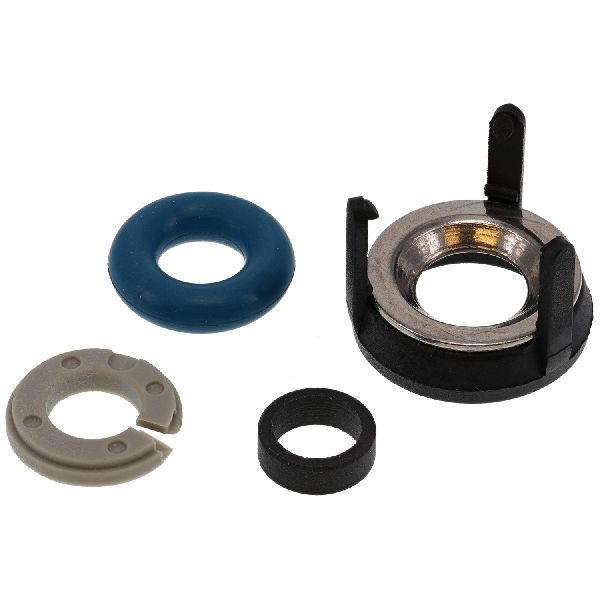
(OEM #06J998907D)— These single-use Teflon seals and O-rings must be replaced any time an injector is removed to prevent high-pressure fuel leaks.
Trusted brands: Bosch, Elring, Audi/VW Genuine
OEM price range: $10-$20 per injector
Aftermarket price range: $5-$15 per injector - Intake Manifold Gasket
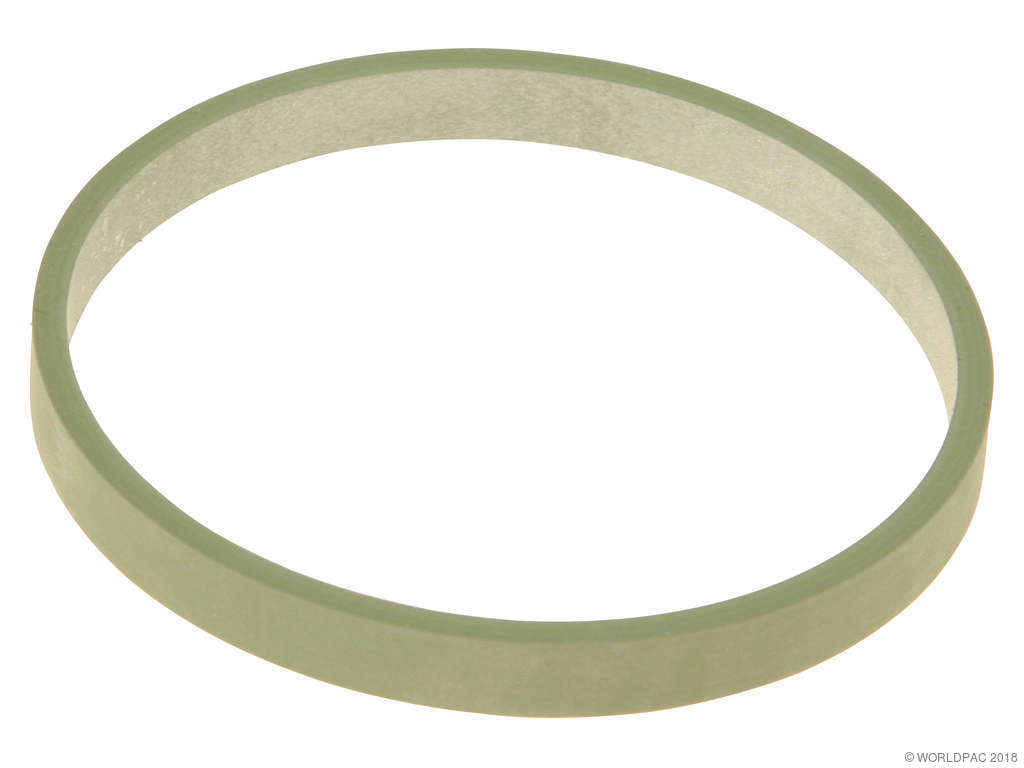
(OEM #06K129717A (verify by VIN))— The intake manifold must be removed to access the fuel injectors, and the gasket is a single-use part that should be replaced to prevent vacuum leaks.
Trusted brands: Victor Reinz, Elring, Audi/VW Genuine
OEM price range: $20-$35
Aftermarket price range: $10-$20
Related Codes That Often Appear With This One
- P0302 — This code means 'Cylinder 2 Misfire Detected'. Since the P0202 code indicates the cylinder 2 injector isn't firing (or isn't being controlled), no fuel is entering the cylinder, which is a direct cause of a misfire.
- P0201, P0203, P0204 — If multiple injector circuit codes appear at once, it strongly points towards a failure in the shared injector sub-harness or its main connector, rather than multiple injectors failing simultaneously.
Technical Service Bulletins (TSBs) & Recalls
- VW Tech Tip 01-20-02TT: For P0201, P0202, P0203, or P0204 faults on 2018+ models, this document instructs technicians to inspect the injector wiring harness part number. If the part is not the updated #06L 971 627 AB, the harness should be replaced. If the updated harness is already installed, the tip does not apply and further diagnosis is required.
Platform-Specific Known Issues
- Real-World Repair Story: Harness Fix on a Platform Mate: A user on a VW forum with a 2012 Audi A4 (which shares the 2.0T engine) experienced a P0202 code with intermittent misfires. After confirming the injector was not the issue, they replaced the original injector wiring harness with the updated part. The user reported, 'Installed the 06L971627A... after my 2012 A4 started throwing P0202. Took me 90 minutes. Car runs perfectly now. No codes after 8,000 km. Saved $700 vs. dealer.' This is a typical experience for this known fault.
Mechanic-Grade Diagnostic Values
- Fuel Injector Coil Resistance — expected: 1.4 - 2.6 Ohms. Failure: A reading of infinity (Open Line / OL) or a value significantly outside the expected range compared to other injectors.
- Fuel Injector Waveform - Pintle Hump — expected: A visible 'hump' or slight voltage rise in the waveform after the initial voltage drop.. Failure: A missing pintle hump indicates the injector's mechanical pintle is not moving, even if electrically activated.
- Fuel Injector Waveform - Flyback Voltage — expected: A sharp voltage spike to ~60-90V when the ECM commands the injector off.. Failure: A clipped or missing flyback voltage spike suggests a shorted injector coil or a problem in the ECM's driver circuit.
Scan Tool Commands That Help
- VCDS (VAG-COM): Engine -> Measuring Blocks (e.g., Groups 002, 032, 033) — To monitor live data like fuel trims (Group 032), O2 sensor readings, and misfire counters. While not a direct test for P0202, it helps assess the impact of the fault on overall engine operation. Note: Newer UDS controllers use 'Advanced Measuring Values' instead of numbered groups.
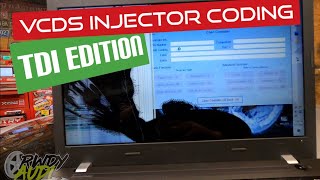
- VCDS (VAG-COM): Engine -> Adaptation -> Injector Correction Value (IMA/IIC) — This is primarily required for TDI (diesel) engines when an injector is replaced. It is generally NOT required for TFSI (gasoline) engines like the 2.0T in this Audi A6. The function allows the ECM to adjust for minor manufacturing variances in new injectors. Attempting this on a TFSI is unnecessary and will not resolve a P0202 fault.
Wiring & Ground Locations
- Engine Block Ground — On the right side of the engine compartment, near the alternator.. A poor engine ground can cause a variety of electrical issues, including erratic sensor readings and intermittent faults in actuator circuits like fuel injectors. While not a primary cause for a single-cylinder code, it should be checked for tightness and corrosion if multiple, seemingly unrelated electrical faults are present.
- Injector Harness Connector (Sub-harness) — Under the intake manifold, connecting the individual injector connectors to the main engine harness.. This is the location of the 8-pin connector for the entire injector sub-harness. If multiple injector codes (P0201, P0202, etc.) are present, this connector is a prime suspect for damage or corrosion before suspecting the main ECM.
Real Owner Repair Stories
- Ross-Tech Forums user 'Josey Wales' (Audi A3 1.6L TDI (Similar ECU logic for circuit faults)) — P0202 - Injector: Cylinder 2 (N31) Circuit Malfunction. Car would not climb a hill due to power loss.
❌ Tried (didn't work) User contemplated swapping injectors but was unsure of the procedure and coding requirements.
✅ What actually fixed it The user tested the injector connector with a noid light and found it did not light up, confirming the issue was upstream of the injector. The final resolution was not posted in the thread, but the diagnosis correctly isolated the problem to the wiring or ECM, ruling out the injector itself.
OEM Part Supersession History
06L971627P→06L971627T, then 06L971627AB— The original harness insulation and connector materials were prone to becoming brittle and failing due to engine bay heat and vibration. The updated part numbers feature more durable, heat-resistant materials to prevent this common failure mode.
Model Year Variations Within This Range
- 2012-2015: Pre-facelift models. The 2.0T engine produced 211 hp, later boosted to 220 hp for MY2014. These early models were more likely to have the original, less durable injector wiring harness from the factory.
- 2016-2018: Post-facelift models received a significant power boost to 252 hp for the 2.0T engine and featured updated exterior styling. While the injector harness issue is still possible, later models are more likely to have the improved 'T' or 'AB' version from the factory.
Diagnostic Flowchart
Other Known Issues on This Vehicle
Issues unrelated to this code that are worth knowing about as an owner of this generation:
- Excessive Oil Consumption 🔴 High — Very common on pre-2013 EA888 Gen 2 engines, less so on later models but still reported. Caused by faulty piston ring design leading to carbon buildup and oil bypassing into the combustion chamber. Some owners report adding a quart of oil every 600-1,000 miles. (Ref: A class-action lawsuit was filed regarding this issue, but no official recall. TSBs exist for consumption testing.)
- Timing Chain Tensioner Failure 🔴 High — A critical issue primarily affecting earlier EA888 engines (approx. before 2013). The original tensioner design can fail without warning, allowing the timing chain to jump, often resulting in catastrophic engine damage. It is a widely recommended preventative repair. (Ref: No recall, but updated tensioner parts were released. A class-action lawsuit also addressed this problem.)
- Plastic Water Pump / Thermostat Housing Failure 🟠 Medium — The OEM water pump and thermostat assembly is made of plastic and is known to become brittle and crack over time, leading to significant coolant leaks. Failure is common between 60,000 and 100,000 miles. Aftermarket replacements with metal housings are a popular and more durable upgrade.
Used vs. New Parts: Buying Guide for This Vehicle
When a used part is the smart pick: A used injector wiring harness (part 06L971627AB) from a low-mileage, late-model donor vehicle (2018+) can be a cost-effective and reliable option, as the part itself is not a high-wear item, but rather fails from heat over time. A used Engine Control Module (ECM) is also a viable option if it is properly cloned with the original's data.
Donor-vehicle mileage cap: roughly under 60000 miles for the part to have meaningful remaining life.
What to inspect on the donor part:
- For a wiring harness, inspect for any signs of cracking, brittleness, or previous repairs. Ensure all connector locking tabs are intact.
- For an ECM, verify the donor vehicle was not in a flood or front-end collision. Check the casing for tool marks indicating it has been opened before.
- Obtain the VIN of the donor car to confirm engine and model year compatibility.
OEM-only on this vehicle (don't cheap out):
- Fuel Injector Seal Kit: These are single-use, precision-molded Teflon and rubber parts critical for preventing high-pressure fuel leaks. The cost savings of aftermarket seals are not worth the risk of fire or engine damage.
- Direct Fuel Injectors: While some aftermarket brands exist, the performance and reliability of OEM (Bosch, Hitachi) injectors are generally considered superior for direct injection systems. Remanufactured or refurbished direct injectors often fail to meet OEM flow specifications and can cause performance issues.
Aftermarket brands forum-validated for this vehicle:
- Bosch (OEM for injectors)
- Victor Reinz (Gaskets)
- Elring (Gaskets and Seals)
Brands owners have reported issues with on this vehicle:
- Unnamed/white-box fuel injectors from online marketplaces. Many forum users report issues with cheap, unbranded injectors that fail prematurely or do not perform to OEM standards.
Real Owner Stories
Aggregated from forums and TSBs cited above. Mileages and costs reflect what owners reported in those sources.
2012 Audi A4 2.0T TFSI — ~85000 miles
Symptoms: P0202 code with intermittent misfires.
What fixed it: Replaced the original injector wiring harness with the updated part (06L971627A).
Cost: $70-$100
Source hint: Real-World Repair Story: Harness Fix on a Platform Mate
2012 Audi A6 C7 2.0T
Symptoms: Slow coolant leak.
What fixed it: Replacement of the bad water pump, which is a common failure point for the C7 platform.
Source hint: AudiWorld Forums - C7 A6 Coolant Leak from Water Pump
Related OBD-II Codes
Frequently Asked Questions
Does VW Tech Tip 01-20-02TT regarding the injector harness apply to my 2012-2018 Audi A6?
What is the specific resistance range for a healthy fuel injector on the 2.0T TFSI engine?
Is there a specific part number I should look for when replacing the injector wiring harness?
Can I just replace the injector, or do I need other parts for the repair?
Could my P0202 code be related to the common A6 water pump failure?
If I swap the injector from cylinder 2 to cylinder 1 and the code stays P0202, what does that mean?
Helpful Videos
Used OEM Parts in Stock
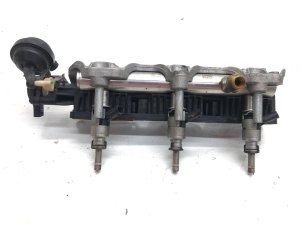
New Aftermarket Parts Available




The information in this article is provided for general reference and educational purposes only. Vehicle specifications, procedures, and part compatibility can vary by production date, trim level, and region. Always consult your vehicle's factory service manual and verify part numbers before purchasing or performing repairs. Safety-critical components such as airbags, seat belts, and braking systems should be installed by a qualified professional.
- Audi A6:
- 🧭 Diagnostic Flowchart
- 🎬 Helpful Videos
- 🛍️ Shop This Part
- What's Unique About the 2012-2018 Audi A6
- Symptoms You May Notice
- Most Likely Causes
- Rare But Worth Checking
- Diagnosis Steps
- Parts You'll Likely Need
- Related Codes That Often Appear With This One
- Technical Service Bulletins (TSBs) & Recalls
- Platform-Specific Known Issues
- Mechanic-Grade Diagnostic Values
- Scan Tool Commands That Help
- Wiring & Ground Locations
- Real Owner Repair Stories
- OEM Part Supersession History
- Model Year Variations Within This Range
- Other Known Issues on This Vehicle
- Used vs. New Parts: Buying Guide for This Vehicle
- Real Owner Stories
- 2012 Audi A4 2.0T TFSI — ~85000 miles
- 2012 Audi A6 C7 2.0T
- Related OBD-II Codes
- Frequently Asked Questions
- 🎟️ Get 5% Off