

P0202 on 2007-2016 GMC Acadia 3.6L V6: Injector Circuit Fixes and Causes
Code P0202 on a GMC Acadia most often means a faulty fuel injector for cylinder #2 or a damaged wiring harness. The injector itself is relatively inexpensive, but accessing it requires removing the intake manifold, making labor a significant cost. Always inspect the wiring harness for damage before replacing parts, as chafing is a known issue documented in GM TSB #PIP4924D.
- P0202 is an electrical circuit code for the cylinder 2 fuel injector.
- On the 2007-2016 Acadia, this is very often caused by a chafed wiring harness, as noted in a GM service bulletin.
- Always inspect the wiring harness thoroughly before buying parts.
- To replace the injector, the intake manifold must be removed, which significantly increases the labor time and difficulty.
- If you also have codes P0204 and P0206, focus your diagnosis on the shared wiring for that cylinder bank.
What's Unique About the 2007-2016 GMC Acadia
On the first-generation Acadia and its platform mates (Enclave, Traverse, Outlook) with the 3.6L V6, electrical issues are a known weakness. General Motors issued Technical Service Bulletin #PIP4924D which specifically addresses injector circuit codes like P0202. The bulletin highlights that the fuel injector wiring harness is prone to rubbing against engine components like the intake plenum, valve cover bolts, fuel lines, and the side of the cylinder head under the plenum, causing chafing that leads to an open or short circuit. This makes a thorough wiring inspection more critical on this vehicle than on many others where the injector itself is the primary point of failure. Forum discussions also note that these codes can appear after major engine work like timing chain replacement, suggesting the harness is fragile and easily damaged during reassembly.
Generation note: The 2007-2016 year range covers the entire first generation of the GMC Acadia. A significant facelift occurred in 2013, which included an engine update from the 3.6L LLT V6 to the 3.6L LFX V6. While the fundamental engine design is similar, the fuel injectors and their resistance specifications differ significantly. The LLT (2007-early 2012) uses high-impedance injectors (~12 Ohms), while the LFX (late 2012-2016) uses low-impedance injectors (~1.2-1.8 Ohms). Using the wrong spec will lead to misdiagnosis.
Symptoms You May Notice
- Check Engine Light is on
- Rough or uneven idle
- Engine misfiring, which may feel like a shake or stumble
- Hesitation or loss of power during acceleration
- Poor fuel economy
- Engine may stall in some cases
- Vehicle may enter 'limp mode' with reduced power
- Replacing the spark plug or ignition coil for cylinder 2. While these parts can cause a misfire (P0302), they will not cause an injector circuit code like P0202. P0202 is specifically an electrical fault related to the fuel injector's control circuit, not the combustion event.
Most Likely Causes
- Damaged Fuel Injector Wiring Harness 🔴 High Probability → Shop Engine Wiring Harness As documented in GM TSB #PIP4924D, the harness routing on the 3.6L V6 makes it susceptible to chafing against the intake manifold, valve cover bolts, fuel lines, and the side of the cylinder head. This is the most critical vehicle-specific issue.
How to confirm: Perform a detailed visual inspection of the wiring harness leading to the cylinder 2 injector. Pay close attention to the specific chafe points mentioned in the TSB. A 'wiggle test' (gently moving the harness with the engine running) may cause the misfire to change or codes to appear, confirming a wiring issue.
Typical fix: Repair the damaged section of wire using solder and heat-shrink tubing. If the damage is extensive or at the connector, replacing the injector connector pigtail or the entire engine harness may be necessary. Wrap the repaired area in abrasion-resistant tape and reroute to prevent future contact.
Est. part cost: $15-$50 for a pigtail, $400-$700 for a full harness - Faulty Cylinder 2 Fuel Injector 🔴 High Probability → Shop Fuel Injector The direct injection fuel injectors operate under high pressure and can fail electrically (internal coil opens or shorts) from heat cycles and mileage.
How to confirm: The most definitive test is to swap the cylinder 2 injector with another one (e.g., cylinder 4). Clear the codes and run the engine. If the code changes to P0204, the injector is confirmed to be faulty. Alternatively, measure the injector's resistance with a multimeter. For the LLT engine (2007-2012), it should be ~11.8-12.6 Ohms. For the LFX engine (2012-2016), it should be ~1.2-1.8 Ohms. An open circuit (OL) reading confirms a bad injector.
Typical fix: Replace the faulty fuel injector. Since the intake manifold must be removed for access, it is highly recommended to replace the intake manifold gaskets at the same time. It is also wise to replace the Teflon injector seal and O-ring.
Est. part cost: $70-$180 - Poor Connection at Injector or ECM ⚪ Low Probability Vibration and heat can cause the electrical connector pins to become loose or corroded over time. The main engine harness connectors (like X160) can also have poor terminal tension.
How to confirm: Visually inspect the connector at the fuel injector and the corresponding pins at the ECM for any signs of corrosion, damage, or spread pins. Ensure the connector clicks securely into place.
Typical fix: Clean the connector pins or replace the connector pigtail if damaged.
Est. part cost: $15-$50
Rare But Worth Checking
- Faulty Engine Control Module (ECM): → Shop Engine Control Module (ECM) This is the least likely cause. The internal driver circuit within the ECM that controls the injector can fail. This should only be considered after the injector and all wiring have been thoroughly tested and proven to be good.
- Faulty Underhood Fuse Block: A poor internal connection or splice within the fuse block can interrupt power to an entire bank of injectors, causing multiple codes (P0202, P0204, P0206) to appear simultaneously. This can mimic a harness failure but is located in the fuse box itself.
Diagnosis Steps
- Scan the vehicle for all stored trouble codes. Confirm P0202 is present and note any other codes like P0302 or other injector codes (P0204, P0206).
- Visually inspect the wiring harness for fuel injector #2. Following TSB #PIP4924D, check for chafing where the harness runs near the intake plenum, valve cover bolts, fuel lines, and the side of the head.
- Perform a 'wiggle test' on the harness with the engine running to see if it affects the idle.
- Disconnect the injector connector and use a 'noid light' to test for a signal from the ECM. Start the engine; the light should flash, indicating the ECM and wiring are sending a signal.
- If the noid light flashes, the problem is likely the injector itself. Turn off the ignition and disconnect the injector.
- Measure the injector's resistance with a multimeter. Compare it to the correct specification for your engine: ~11.8-12.6 Ohms for the LLT V6 (2007-2012) or ~1.2-1.8 Ohms for the LFX V6 (2012-2016). If the reading is OL (open) or far out of spec, the injector is bad.
- To be 100% certain, swap the cylinder 2 injector with the cylinder 4 injector. Clear the codes and run the engine. If the code changes to P0204, the injector is bad.
- If the noid light does NOT flash, the issue is in the wiring or the ECM. Turn off the ignition.
- Check for continuity on the two wires running from the ECM connector to the injector connector to find any open circuits (breaks) in the wire.
- Check for a short to ground on both wires. If all wiring tests good, the ECM is the final and least likely culprit.
Parts You'll Likely Need
- Fuel Injector
(OEM #LLT (2007-2012): 12638530; LFX (2012-2016): 12669384)— This is one of the two most common causes. The internal coil of the injector can fail, causing an open circuit. Ensure you purchase the correct part for your specific engine (LLT or LFX).
Trusted brands: ACDelco (GM Genuine), Bosch, Standard Motor Products
OEM price range: $120-$180
Aftermarket price range: $70-$150 - Intake Manifold Gasket Set
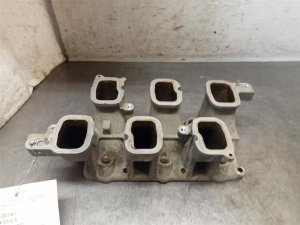
(OEM #e.g., Fel-Pro MS 96918)— Accessing the fuel injectors on the 3.6L V6 requires removing the upper intake manifold. These gaskets are single-use and must be replaced to prevent vacuum leaks.
Trusted brands: ACDelco, Fel-Pro
OEM price range: $40-$70
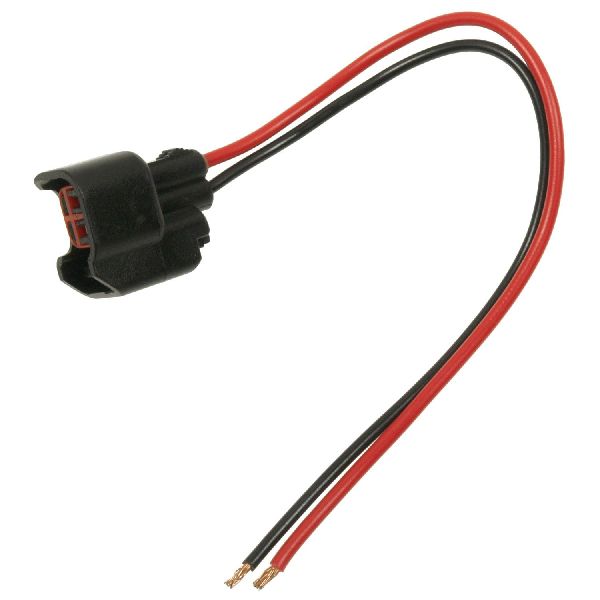
Aftermarket price range: $20-$40 - Fuel Injector Connector Pigtail — If the wiring is damaged right at the connector, or the connector itself is broken, replacing this pigtail is the standard repair.
Trusted brands: ACDelco, Dorman
OEM price range: $25-$40
Aftermarket price range: $15-$30
Related Codes That Often Appear With This One
- P0302 — This code means 'Cylinder 2 Misfire Detected.' A P0202 fault prevents the injector from delivering fuel, which is a direct cause of a misfire in that cylinder. The P0202 is the cause, and the P0302 is the effect.
- P0204, P0206 — If you see injector circuit codes for the other cylinders on the same bank (Bank 2 is cylinders 2, 4, 6), it strongly suggests a shared wiring harness problem or a power supply issue (like in the fuse block), rather than three individual injectors failing at once.
Technical Service Bulletins (TSBs) & Recalls
- PIP4924D: Addresses engine misfires and various injector circuit codes (P0201-P0206) by recommending a thorough inspection of the injector wiring harness for common chafe points. Specific locations mentioned are against the intake plenum, at valve cover bolts, against the fuel line, and on the side of the head under the plenum. This bulletin also notes that technicians may find related codes such as P0261, P0264, P0267, P2146, and P216A.
Platform-Specific Known Issues
- A known issue documented in GM TSB #PIP4924D involves the fuel injector wiring harness chafing against engine components, causing an electrical fault.
- Forum discussions reveal that injector circuit codes (P0202, P0204, P0206) can appear after major engine work, such as timing chain replacement, suggesting the harness is fragile and easily damaged or misrouted during reassembly.
- A less common but documented failure involves a poor power connection or internal splice failure within the underhood fuse block, which can cut power to the entire Bank 2 injector circuit.
Mechanic-Grade Diagnostic Values
- Fuel Injector Coil Resistance (2007-2012 LLT Engine) — expected: 11 - 14 Ohms. Failure: A reading of 0 ohms (short), OL/infinity (open), or significant deviation from this range.
- Fuel Injector Coil Resistance (2012-2016 LFX Engine) — expected: 1.2 - 1.8 Ohms. Failure: A reading outside this very narrow range. Using the LLT spec will lead to misdiagnosis.
- Injector Pulse Width (Scan Tool, at normal idle) — expected: 2 - 4 milliseconds (ms). Failure: A value of 0 ms on cylinder 2 while other cylinders show a pulse indicates the ECM is not commanding the injector or the signal is lost.
- High-Side Fuel Pressure (Scan Tool, at Idle) — expected: Approx. 500 - 580 PSI (3.4 - 4.0 MPa). Failure: Significantly lower or higher pressure could indicate a wider fuel system issue, but is not a direct indicator of a P0202 circuit fault.
- Injector Driver Voltage (at the injector) — expected: A boosted voltage pulse up to 65V, supplied by a capacitor in the ECM.. Failure: Absence of this pulse, as seen on an oscilloscope, points to a wiring or ECM driver issue. A noid light will simply flash and cannot measure this peak voltage.
Scan Tool Commands That Help
- GDS2 / Tech2: Fuel Injector Balance Test — Use this test when an injector passes a resistance check but is still suspected of being faulty. The tool commands the high-pressure pump to a set pressure, pulses each injector, and measures the pressure drop. A significant variance from other cylinders can identify a mechanically sticking or partially clogged injector that may cause intermittent electrical faults under load.
- GDS2 / Tech2: Injector Circuit Status — While diagnosing a wiring issue, this parameter on the scan tool should change from 'OK' to 'Open' when you disconnect the injector harness connector (e.g., X160), confirming the ECM is seeing the circuit change.
Wiring & Ground Locations
- Connector X160 — Multi-way harness connector located at the rear of the intake manifold.. This is the intermediate connector between the main engine harness and the injector harness for Bank 2 (cylinders 2, 4, 6). It is a key point for circuit testing to isolate a fault between the ECM and the injectors.
- ECM Connector X1 — The large, 73-pin main connector at the Engine Control Module, located in the engine compartment.. This is the termination point for all injector circuits. Advanced diagnosis requires checking for continuity and voltage at the specific pins for injector #2.
- Ground G104 — On the left rear corner of the engine, attached to the cylinder head.. This is a primary engine ground strap. A loose or corroded connection here can cause an unstable ground reference for the ECM and its sensors, potentially leading to incorrect fault detection.
- Grounds G105 / G106 — On the engine block, typically on the left (front) side.. These are primary ECM grounds. A poor connection can introduce electrical noise or voltage offsets, causing the ECM to misinterpret signals and potentially set false circuit codes.
Real Owner Repair Stories
- ScannerDanner Forum (2008 GMC Acadia 3.6L, 130k miles) — Engine runs for 30-45 minutes then develops a miss. Codes P0300, P0202, P0204, and P0206 trigger simultaneously.
❌ Tried (didn't work) Cleaning a corroded ground on the cylinder head., Swapping upstream O2 sensors., Cleaning MAF and PCV system.
✅ What actually fixed it The final fix was not posted, but a senior technician advised the user to remove and inspect the underhood fuse block for internal corrosion or damage. It was noted that during major jobs like timing chain replacement, technicians often disassemble the fuse box to remove the engine harness, and improper reassembly or damage can cause these exact symptoms by interrupting power to the entire injector bank.
OEM Part Supersession History
12611545, 12632255→12638530— Standard part revision and improvement.
Heads up: These part numbers are for the LLT engine (2007-2012) ONLY.12638530 (LLT Injector)→12669384 (LFX Injector)— This is an INCORRECT supersession found in some parts catalogs.
Heads up: CRITICAL: Part number 12669384 is for the LFX engine and has a resistance of ~1.5 Ohms. Part number 12638530 is for the LLT engine and has a resistance of ~12 Ohms. They are NOT interchangeable. Using an LFX injector on an LLT engine (or vice-versa) will cause immediate circuit faults and potential damage to the ECM injector driver.
Model Year Variations Within This Range
- 2007-early 2012: These models use the 3.6L LLT V6. Key features include high-impedance (~12 Ohm) fuel injectors (PN 12638530), a Bosch ECM, an aluminum upper intake manifold, and separate exhaust manifolds (headers).
- late 2012-2016: These models use the updated 3.6L LFX V6. Key features include low-impedance (~1.5 Ohm) fuel injectors (PN 12669384), a Delphi ECM, a composite (plastic) upper intake manifold, and cylinder heads with integrated exhaust manifolds.
Diagnostic Flowchart
Used vs. New Parts: Buying Guide for This Vehicle
When a used part is the smart pick: A used engine wiring harness from a low-mileage donor vehicle can be a cost-effective solution if the original harness has extensive, irreparable damage. A used underhood fuse block is also a viable option if an internal fault is confirmed.
Donor-vehicle mileage cap: roughly under 80000 miles for the part to have meaningful remaining life.
What to inspect on the donor part:
- For a wiring harness, inspect for any signs of previous repairs (tape, butt connectors), brittleness in the plastic loom, or damage to connector locking tabs.
- For a fuse block, check for any discoloration, melting, or corrosion on the main terminals and underneath where the bulk connectors plug in.
- Verify the donor vehicle was not a flood or fire victim.
OEM-only on this vehicle (don't cheap out):
- Fuel Injector: Due to the precise nature of direct injection and the known incompatibility between engine versions, using a new OEM ACDelco injector is strongly recommended to avoid performance issues and potential ECM damage.
Aftermarket brands forum-validated for this vehicle:
- Fel-Pro: Widely trusted for intake manifold gaskets, which are required for this job.
- Dorman: Offers suitable replacement fuel injector connector pigtails if the original is damaged.
Brands owners have reported issues with on this vehicle:
- Unknown / no-name fuel injectors from online marketplaces. These often have poor quality control and may not meet the specific flow and resistance requirements of the GDI system, leading to persistent codes and poor performance.
Real Owner Stories
Aggregated from forums and TSBs cited above. Mileages and costs reflect what owners reported in those sources.
2008 GMC Acadia 3.6L — 130000 miles
Symptoms: The engine would run fine for about 30-45 minutes, then develop an obvious miss and trigger codes P0300, P0202, P0204, and P0206 simultaneously. The Stabilitrak service light also came on.
What fixed it: A 'wiggle test' confirmed the problem. Pulling up on the wiring harness near the underhood fuse box caused the engine to start missing, proving there was a break or poor connection in the harness.
Source hint: ScannerDanner Forum
2010 GMC Acadia 3.6L
Symptoms: After a timing chain replacement, the vehicle set codes P0202, P0204, and P0206.
What fixed it: The diagnosis pointed to a wiring harness issue common to that bank of cylinders, likely caused by damage or misrouting during the recent engine work.
Source hint: ScannerDanner Forum - '2010 GMC Acadia ECM shutting down cylinders 2,4,6'
2008 Acadia 3.6L
Symptoms: Vehicle had persistent P0202, P0204, and P0206 codes for the entire second bank.
What fixed it: The cause was found to be a poorly repaired wiring harness and fuse box from a previous repair attempt. The problem was resolved by replacing the damaged harness and fuse box.
Source hint: ScannerDanner Forum - '[FIXED] Bank two miss'
GMC Acadia 3.6L
Symptoms: Owner experienced code P0202, often appearing with P0204 and P0206.
What fixed it: The owner found a broken or chafed wire in the section of the engine harness that runs across the front of the engine, which directly matched the known issue described in the GM TSB.
Source hint: acadiaforum.net
Related OBD-II Codes
Frequently Asked Questions
I heard there's a TSB for the P0202 code on my Acadia. What does it cover?
My mechanic wants to replace the fuel injector for P0202. Is there anything else he should check first?
I just had the timing chains replaced and now my Acadia has a P0202 code. Are these related?
How can I be sure the fuel injector is bad before buying a new one?
My Acadia has codes P0202, P0204, and P0206 all at once. What does that mean?
Is this P0202 wiring issue also common on the Chevy Traverse or Buick Enclave?
Used vs. New Parts: Buying Guide for This Vehicle
When a used part is the smart pick: A used engine wiring harness from a low-mileage donor vehicle can be a cost-effective solution if the original harness has extensive, irreparable damage. A used underhood fuse block is also a viable option if an internal fault is confirmed.
Donor-vehicle mileage cap: roughly under 80000 miles for the part to have meaningful remaining life.
What to inspect on the donor part:
- For a wiring harness, inspect for any signs of previous repairs (tape, butt connectors), brittleness in the plastic loom, or damage to connector locking tabs.
- For a fuse block, check for any discoloration, melting, or corrosion on the main terminals and underneath where the bulk connectors plug in.
- Verify the donor vehicle was not a flood or fire victim.
OEM-only on this vehicle (don't cheap out):
- Fuel Injector: Due to the precise nature of direct injection and the known incompatibility between engine versions, using a new OEM ACDelco injector is strongly recommended to avoid performance issues and potential ECM damage.
Aftermarket brands forum-validated for this vehicle:
- Fel-Pro: Widely trusted for intake manifold gaskets, which are required for this job.
- Dorman: Offers suitable replacement fuel injector connector pigtails if the original is damaged.
Brands owners have reported issues with on this vehicle:
- Unknown / no-name fuel injectors from online marketplaces. These often have poor quality control and may not meet the specific flow and resistance requirements of the GDI system, leading to persistent codes and poor performance.
Real Owner Stories
Aggregated from forums and TSBs cited above. Mileages and costs reflect what owners reported in those sources.
2008 GMC Acadia 3.6L — 130000 miles
Symptoms: The engine would run fine for about 30-45 minutes, then develop an obvious miss and trigger codes P0300, P0202, P0204, and P0206 simultaneously. The Stabilitrak service light also came on.
What fixed it: A 'wiggle test' confirmed the problem. Pulling up on the wiring harness near the underhood fuse box caused the engine to start missing, proving there was a break or poor connection in the harness.
Source hint: ScannerDanner Forum
2010 GMC Acadia 3.6L
Symptoms: After a timing chain replacement, the vehicle set codes P0202, P0204, and P0206.
What fixed it: The diagnosis pointed to a wiring harness issue common to that bank of cylinders, likely caused by damage or misrouting during the recent engine work.
Source hint: ScannerDanner Forum - '2010 GMC Acadia ECM shutting down cylinders 2,4,6'
2008 Acadia 3.6L
Symptoms: Vehicle had persistent P0202, P0204, and P0206 codes for the entire second bank.
What fixed it: The cause was found to be a poorly repaired wiring harness and fuse box from a previous repair attempt. The problem was resolved by replacing the damaged harness and fuse box.
Source hint: ScannerDanner Forum - '[FIXED] Bank two miss'
GMC Acadia 3.6L
Symptoms: Owner experienced code P0202, often appearing with P0204 and P0206.
What fixed it: The owner found a broken or chafed wire in the section of the engine harness that runs across the front of the engine, which directly matched the known issue described in the GM TSB.
Source hint: acadiaforum.net
Related OBD-II Codes
Frequently Asked Questions
I heard there's a TSB for the P0202 code on my Acadia. What does it cover?
My mechanic wants to replace the fuel injector for P0202. Is there anything else he should check first?
I just had the timing chains replaced and now my Acadia has a P0202 code. Are these related?
How can I be sure the fuel injector is bad before buying a new one?
My Acadia has codes P0202, P0204, and P0206 all at once. What does that mean?
Is this P0202 wiring issue also common on the Chevy Traverse or Buick Enclave?
Used OEM Parts in Stock
New Aftermarket Parts Available


The information in this article is provided for general reference and educational purposes only. Vehicle specifications, procedures, and part compatibility can vary by production date, trim level, and region. Always consult your vehicle's factory service manual and verify part numbers before purchasing or performing repairs. Safety-critical components such as airbags, seat belts, and braking systems should be installed by a qualified professional.
- GMC Acadia:
- 🧭 Diagnostic Flowchart
- 🛍️ Shop This Part
- What's Unique About the 2007-2016 GMC Acadia
- Symptoms You May Notice
- Most Likely Causes
- Rare But Worth Checking
- Diagnosis Steps
- Parts You'll Likely Need
- Related Codes That Often Appear With This One
- Technical Service Bulletins (TSBs) & Recalls
- Platform-Specific Known Issues
- Mechanic-Grade Diagnostic Values
- Scan Tool Commands That Help
- Wiring & Ground Locations
- Real Owner Repair Stories
- OEM Part Supersession History
- Model Year Variations Within This Range
- Used vs. New Parts: Buying Guide for This Vehicle
- Real Owner Stories
- 2008 GMC Acadia 3.6L — 130000 miles
- 2010 GMC Acadia 3.6L
- 2008 Acadia 3.6L
- GMC Acadia 3.6L
- Related OBD-II Codes
- Frequently Asked Questions
- Used vs. New Parts: Buying Guide for This Vehicle
- Real Owner Stories
- 2008 GMC Acadia 3.6L — 130000 miles
- 2010 GMC Acadia 3.6L
- 2008 Acadia 3.6L
- GMC Acadia 3.6L
- Related OBD-II Codes
- Frequently Asked Questions
- 🎟️ Get 5% Off