

P0205 on 2010-2017 GMC Terrain 3.0L/3.6L V6: Injector Circuit Malfunction Fixes
On a V6 GMC Terrain, P0205 is most often caused by a damaged engine wiring harness rubbing against an engine component, not a bad injector. Inspect the harness thoroughly before buying parts, as a simple wire repair often fixes the problem. Cylinder 5 is the middle cylinder on the rear bank against the firewall.
- P0205 on a V6 Terrain is an electrical circuit fault for the #5 fuel injector.
- The most likely cause is a damaged wiring harness, as noted in GM Technical Service Bulletin PIP4924D.
- Always inspect the wiring harness for chafing against the engine before replacing the fuel injector.
- A simple 'noid light' test or swapping the injector to another cylinder are key diagnostic steps to isolate the fault.
- Continued driving is not recommended as it can cause expensive damage to the catalytic converter.
What's Unique About the 2010-2017 GMC Terrain
For this generation of GMC Terrain and its platform-mates (Chevy Equinox, Cadillac SRX), the fuel injector wiring harness is a well-documented failure point. General Motors issued Technical Service Bulletin (TSB) #PIP4924D, which specifically advises technicians to inspect the harness for rubbing or chafing against sharp edges on the engine, such as the intake plenum, valve cover bolts, or fuel lines. Owners have also reported the harness chafing against a metal tab on the EGR valve gasket. This known vulnerability makes a wiring issue a more likely cause for P0205 on this vehicle than a failed injector.
Symptoms You May Notice
- Check Engine Light is on (may be flashing if misfire is severe)
- Rough or vibrating idle
- Engine misfire (stumbling, hesitation, shaking)
- Reduced engine power and poor acceleration
- Decreased fuel economy
- Possible engine stalling
- Raw fuel smell from the exhaust
- Replacing the spark plug or ignition coil for cylinder 5. While these parts can cause a misfire code (P0305), the P0205 code specifically points to an electrical fault in the fuel injector's circuit, not the ignition system. Always address the injector circuit code first.
Most Likely Causes
- Damaged Fuel Injector Wiring Harness 🔴 High Probability → Shop Engine Wiring Harness As documented in GM TSB #PIP4924D, the harness is known to chafe against engine components like the intake plenum, valve cover bolts, and fuel lines, causing an open or short in the circuit. A particularly notorious chafe point reported by technicians is against a metal tab on the EGR valve gasket. The harness is routed tightly, and engine vibration eventually wears through the insulation.
How to confirm: Perform a thorough visual inspection of the wiring harness leading to the cylinder 5 injector, which requires removing the upper intake manifold for full access. Look for shiny, rubbed-through spots, especially where the harness bends or touches metal brackets. Gently wiggle the harness while the engine is running (if possible) to see if the misfire changes. Test for continuity and shorts between the ECM connector and the injector connector. Resistance on the circuit wires should be less than 0.5 Ohms.
Typical fix: Repair the damaged section of wire using butt connectors and heat-shrink tubing. Protect the repaired area and surrounding harness with anti-abrasion tape or split-loom tubing to prevent future damage. Reroute the harness slightly if possible to create more clearance.
Est. part cost: $10-$30 - Faulty Cylinder 5 Fuel Injector 🟡 Medium Probability → Shop Fuel Injector These are direct injection injectors that operate under high pressure and heat. Internal coil windings can fail over time, developing an open or short circuit. This can sometimes occur intermittently, only happening once the engine warms up.
How to confirm: Swap the cylinder 5 injector with another cylinder (e.g., cylinder 3). Clear the codes and run the engine. If the code changes to P0203, the injector is faulty. Alternatively, test the injector's resistance with a multimeter. The 3.0L V6 (LF1) should be around 11-14 Ohms, while the 3.6L V6 (LFX) should be 1.2-1.8 Ohms. A reading of OL (open) or near 0 (short) confirms failure.
Typical fix: Replace the faulty fuel injector. Due to the labor involved in removing the intake manifold, it is highly recommended to replace all three injectors on the rear bank (1, 3, 5) at the same time to prevent future repeat repairs.
Est. part cost: $50-$180 - Loose or Corroded Injector Connector ⚪ Low Probability Engine vibration and heat can cause the plastic connector to become brittle or the terminal pins to lose tension, leading to a poor connection. The locking tab can also break, allowing the connector to back off.
How to confirm: Visually inspect the connector for damage, corrosion, or backed-out pins. Ensure it clicks securely into place on the injector. Check for good pin tension using a terminal pick.
Typical fix: Clean the connector terminals with electrical contact cleaner. If the connector is damaged or the wires are broken at the connector body, replace it with a new pigtail connector (e.g., Dorman 85139).
Est. part cost: $15-$45
Rare But Worth Checking
- Faulty Powertrain Control Module (PCM): → Shop Engine Control Module (ECM) This is very rare. The internal driver circuit for the injector can fail, but all other possibilities (wiring, injector) must be exhaustively ruled out first before condemning the PCM.
Diagnosis Steps
- Scan for codes and record any other codes present. Freeze frame data can show the engine conditions when the code was set.
- Locate Cylinder 5: It is the middle cylinder on the rear bank of the engine, against the firewall.
- Perform a thorough visual inspection of the engine wiring harness. While full inspection requires intake removal, check visible areas for signs of chafing, melting, or breaks, especially where it runs near the intake manifold, valve covers, and fuel lines, per TSB #PIP4924D.
- Check the injector connector for a secure fit, corrosion, or damaged pins. This also requires intake manifold removal.
- Use a noid light to test for a pulse signal at the injector connector. A steady flashing light indicates the ECM and wiring are likely sending a signal. No light or a steady light indicates a wiring or ECM problem.
- If a signal is present, the next step is to test the injector. If no signal is present, the problem is in the wiring or the ECM.
- To definitively test the injector, swap the cylinder 5 injector with one from another cylinder (e.g., cylinder 3). Clear the codes and run the engine. If the code changes to P0203, the injector is bad.
- If the P0205 code returns after the swap, the injector is good, and the fault lies in the wiring harness or the ECM.
- With the intake manifold removed, perform a continuity test on the two wires for the cylinder 5 injector between the injector connector and the ECM connector to find any open circuits or shorts to ground.
- If the wiring and injector are confirmed to be good, the problem may be a faulty ECM, but this is extremely rare and should be the last consideration.
Parts You'll Likely Need
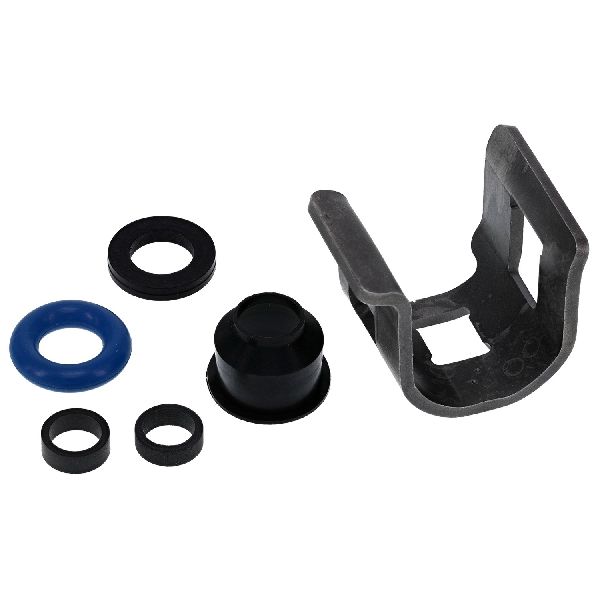
- Fuel Injector
(OEM #12669384 (supersedes 12638530 for 3.6L LFX), 12632255 (For 3.0L LF1))— If the injector itself has failed its resistance test or the code follows it in a swap test, it needs to be replaced. Part numbers vary by engine and may be superseded; always verify with VIN.
Trusted brands: ACDelco, GM Genuine Parts, Bosch
OEM price range: $90-$180
Aftermarket price range: $50-$110 - Fuel Injector Connector Pigtail
(OEM #12102568 (GM Interchange))— If the electrical connector is broken, corroded, or has wires broken right at the connector body, splicing in a new pigtail is the correct repair.
Trusted brands: ACDelco, Dorman (p/n 85139), Standard Motor Products
OEM price range: $25-$45
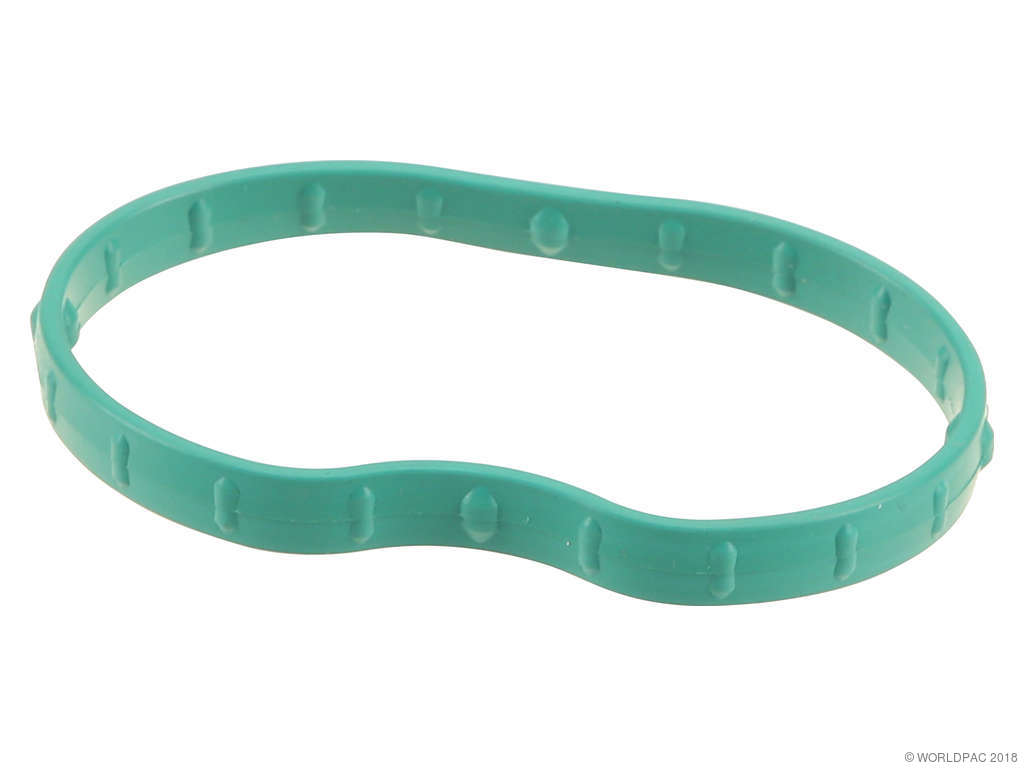
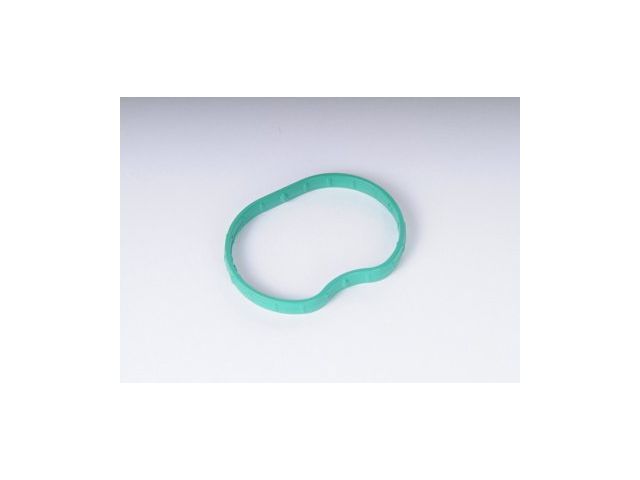
Aftermarket price range: $15-$30 - Upper Intake Manifold Gasket Set — These gaskets must be replaced anytime the intake manifold is removed to access the rear bank of injectors. Reusing old gaskets will cause vacuum leaks.
Trusted brands: ACDelco, Fel-Pro, Mahle
OEM price range: $30-$60
Aftermarket price range: $15-$40
Related Codes That Often Appear With This One
- P0305 — P0305 means 'Cylinder 5 Misfire Detected.' Since P0205 indicates a fault in the fuel delivery circuit for cylinder 5, the cylinder will not get the correct amount of fuel, which directly causes it to misfire.
- P0201, P0203 — If the wiring harness is damaged at a point where wires for the entire rear bank (Bank 1) are bundled, you may see circuit codes for other cylinders on that bank at the same time.
- P2146 — This code means 'Fuel Injector Group 'A' Supply Voltage Circuit/Open'. On the V6 engine, Group A corresponds to Bank 1 (cylinders 1, 3, 5), pointing towards a shared wiring or power supply issue affecting the entire bank.
Technical Service Bulletins (TSBs) & Recalls
- PIP4924D: Addresses a Service Engine Soon lamp and misfire with multiple injector DTCs (including P0201, P0203, P0205, and P2146), advising technicians to carefully inspect the fuel injector wiring harness for rubbing or open wires.
Platform-Specific Known Issues
- TSB #PIP4924D: This bulletin is the most critical piece of information for this code on this vehicle. It explicitly details the tendency for the fuel injector wiring harness to rub through against various engine components, causing injector circuit codes like P0205.
- Cylinder 5 Location: Accessing cylinder 5, its injector, and its wiring is difficult. It is located on the rear bank against the firewall, requiring the complete removal of the upper intake manifold, which adds significant labor time and cost to the repair.
Mechanic-Grade Diagnostic Values
- Fuel Injector Coil Resistance (3.0L LF1 V6) — expected: ~11-14 Ohms. Failure: A reading of OL (open), near 0 (short), or significant deviation from the expected range.
- Fuel Injector Coil Resistance (3.6L LFX V6) — expected: 1.2 - 1.8 Ohms. Failure: A reading of OL (open), near 0 (short), or outside the specified range. A video testing new OEM injectors showed consistent 1.5-1.6 Ohm readings.
- Injector Circuit Wiring Resistance — expected: < 0.5 Ohms. Failure: Resistance greater than 0.5 Ohms indicates excessive resistance in the harness between the ECM and the injector connector.
- Injector Connector Voltage (Key On, Engine Off) — expected: ~12 Volts (Battery Voltage). Failure: Low or no voltage on the power supply wire points to a problem upstream, such as a blown fuse or a break in the power feed wire.
Hidden / Shadow Codes Worth Checking
- P0205-00: On GM vehicles, the '-00' symptom byte is a generic indicator for the fault, meaning no more specific information (like short to ground, short to voltage, etc.) was identified by the ECM. Its presence simply confirms the P0205 fault without adding new diagnostic information. (see via A professional scan tool or GM's GDS2 software that can read manufacturer-specific symptom bytes.)
Scan Tool Commands That Help
- GDS2 (GM Factory Scan Tool) or equivalent professional scanner: Fuel Injector Balance Test — This bidirectional test is used when the injector's resistance and wiring circuit test good, but the injector is still suspected. The tool commands the ECM to pulse each injector individually while monitoring the drop in fuel rail pressure. If the pressure drop for cylinder 5 is significantly different from the other cylinders, it confirms a faulty (e.g., mechanically stuck or partially clogged) injector that is electrically sound.
Wiring & Ground Locations
- Engine Block Grounds — On the 3.6L V6, there are typically three smaller ground connections on the engine block itself, often on the rear side of the cylinder heads. There is also one large ground cable from the battery that bolts to the engine block, sometimes near the starter.. A poor engine ground can cause a variety of electrical issues, including erratic sensor readings and injector problems. While not a direct cause of a single injector circuit code, verifying the main engine grounds are clean and tight is a crucial step in diagnosing any electrical fault.
- Cylinder 5 Injector Control Wire — On the 3.6L LFX, the control wire for injector 5 is a Tan/White wire that runs from the injector connector to pin 51 on the X1 connector of the Engine Control Module (ECM).. This is the specific wire that must be tested for continuity and shorts to ground when diagnosing P0205. A break or short on this wire is a common cause of the code due to the harness chafing issues.
- Injector Power Feed Wire (Bank 1) — A Pink/Black wire provides power to all injectors on Bank 1 (cylinders 1, 3, 5). It originates from the underhood fuse block.. If this power feed wire is damaged, it would likely cause codes for all three cylinders on Bank 1 (P0201, P0203, P0205) and possibly a P2146 group fault code. A fault isolated to P0205 is less likely to be on this shared wire.
Real Owner Repair Stories
- equinoxforum.net user (2011 Chevrolet Equinox 3.0L V6 (platform mate to Terrain)) — Check engine light with code P0205 and a noticeable engine misfire.
❌ Tried (didn't work) The owner first suspected the fuel injector itself.
✅ What actually fixed it The problem was a broken wire in the wiring harness leading to the injector. The owner found the break, repaired the wire, and the code was resolved. This aligns perfectly with the known TSB for this issue.
OEM Part Supersession History
12638530, 12632255, 12611545→12669384— Part consolidation and potential design improvements for durability and performance.
Heads up: The 3.0L LF1 and 3.6L LFX engines use injectors with vastly different electrical resistance (12 Ohms vs ~1.5 Ohms). They are not interchangeable. Using the wrong injector will cause immediate running issues and set new trouble codes. Always verify the correct part number for the specific engine using the vehicle's VIN.
Model Year Variations Within This Range
- 2010-2011 (primarily): These models used the 3.0L LF1 V6 engine, which has high-impedance fuel injectors with a resistance of approximately 12 Ohms.
- 2012-2017: These models used the 3.6L LFX V6 engine. This is a direct-injection engine with low-impedance injectors, requiring a resistance between 1.2 and 1.8 Ohms. The diagnostic values are critically different from the earlier 3.0L engine.
Diagnostic Flowchart
Other Known Issues on This Vehicle
Issues unrelated to this code that are worth knowing about as an owner of this generation:
- Premature Timing Chain Stretch (3.0L & 3.6L) 🔴 High — Very common, especially on pre-2013 LFX engines. Often occurs between 70,000 and 120,000 miles. Exacerbated by extended oil change intervals. (Ref: TSB #12-06-01-009D, Special Coverage Adjustment #11340B/C (Now Expired))
- Excessive Oil Consumption (3.6L LFX) 🟠 Medium — Common issue where GM considers consumption of up to 1 quart per 2,000 miles to be 'normal'. Caused by PCV system design and piston ring wear. (Ref: N182167800 (related to 2018 models but highlights ring issues))
- Catalytic Converter Failure 🔴 High — Often a consequence of other issues like excessive oil consumption or misfires allowing unburnt fuel into the exhaust. Can be very expensive to replace. (Ref: Special Coverage #15810 (applies to 2.4L but highlights platform vulnerability))
- Clogged/Frozen PCV Orifice 🟠 Medium — In cold climates, moisture can freeze in the rear PCV orifice, leading to pressure buildup that can blow out the rear main seal, causing a major oil leak. (Ref: TSB PIE0433A (related to lean codes caused by PCV issues))
Used vs. New Parts: Buying Guide for This Vehicle
When a used part is the smart pick: A used engine wiring harness from a low-mileage donor vehicle can be a cost-effective solution if a large section of your harness is damaged (e.g., by rodents) and a simple spot repair is not feasible. For all other components related to this repair, new parts are strongly recommended.
Donor-vehicle mileage cap: roughly under 60000 miles for the part to have meaningful remaining life.
What to inspect on the donor part:
- For a wiring harness, inspect thoroughly for any signs of prior repairs (e.g., splices, electrical tape).
- Check for brittleness in the plastic conduit and connectors; avoid harnesses from sun-baked climates.
- Ensure all connector locking tabs are intact and not broken.
- Verify the part came from a vehicle with the exact same engine (3.0L vs 3.6L) as harness layouts can differ.
OEM-only on this vehicle (don't cheap out):
- Fuel Injectors: While some aftermarket brands are reputable, the injectors for these direct injection engines are precision components. Using OEM (ACDelco/GM Genuine) parts guarantees correct flow rates, spray patterns, and electrical characteristics, which is critical for engine performance and longevity.
- Intake Manifold Gaskets: Given the significant labor to access this area, using high-quality OEM or top-tier aftermarket (Fel-Pro, Mahle) gaskets is crucial to prevent vacuum leaks and avoid a repeat repair.
Aftermarket brands forum-validated for this vehicle:
- Fel-Pro (Gaskets)
- Mahle (Gaskets)
- Bosch (Injectors, if available as an OEM supplier)
Brands owners have reported issues with on this vehicle:
- Unnamed, no-brand 'white box' fuel injectors from online marketplaces. These often have inconsistent flow rates and high failure rates, leading to persistent performance issues and the need to do the job over again.
Real Owner Stories
Aggregated from forums and TSBs cited above. Mileages and costs reflect what owners reported in those sources.
2011 GMC Terrain V6
Symptoms: Owner experienced P0205 and P0305 codes after already replacing the injector and spark plug.
What fixed it: The dealership discovered and repaired a broken wire in the harness leading to the cylinder 5 injector.
Source hint: Terrain Forum thread titled 'P0205 and P0305 on 2011 Terrain'
Cadillac with 3.6L V6 (shared engine)
Symptoms: The vehicle set P0205 and P0305 codes, but only when the engine was fully warmed up; the issue never occurred when the engine was cold.
What fixed it: This symptom is described as a classic sign of an injector's internal coil failing under heat, indicating the fix was to replace the faulty fuel injector.
Source hint: Cadillac Forums thread titled '3.6-5-cylinder-misfire-codes-p0205-p0305-but-only-when-engine-has-warmed-up-never-when-cold'
Related OBD-II Codes
Frequently Asked Questions
What is the most likely cause of a P0205 code on my 2012 GMC Terrain V6?
Where is cylinder 5 located on the 3.0L or 3.6L V6 engine?
Is it a difficult or expensive repair to fix a P0205 code?
My mechanic wants to replace the fuel injector. How can I be sure that's the problem?
If I do need to replace the cylinder 5 injector, should I replace any others at the same time?
Does this P0205 wiring issue also affect the Chevrolet Equinox or Cadillac SRX?
We Have This Part in Stock



The information in this article is provided for general reference and educational purposes only. Vehicle specifications, procedures, and part compatibility can vary by production date, trim level, and region. Always consult your vehicle's factory service manual and verify part numbers before purchasing or performing repairs. Safety-critical components such as airbags, seat belts, and braking systems should be installed by a qualified professional.
- GMC Terrain:
- 🧭 Diagnostic Flowchart
- 🛍️ Shop This Part
- What's Unique About the 2010-2017 GMC Terrain
- Symptoms You May Notice
- Most Likely Causes
- Rare But Worth Checking
- Diagnosis Steps
- Parts You'll Likely Need
- Related Codes That Often Appear With This One
- Technical Service Bulletins (TSBs) & Recalls
- Platform-Specific Known Issues
- Mechanic-Grade Diagnostic Values
- Hidden / Shadow Codes Worth Checking
- Scan Tool Commands That Help
- Wiring & Ground Locations
- Real Owner Repair Stories
- OEM Part Supersession History
- Model Year Variations Within This Range
- Other Known Issues on This Vehicle
- Used vs. New Parts: Buying Guide for This Vehicle
- Real Owner Stories
- 2011 GMC Terrain V6
- Cadillac with 3.6L V6 (shared engine)
- Related OBD-II Codes
- Frequently Asked Questions
- 🎟️ Get 5% Off