

P0223 on 2016-2021 Honda Civic: Throttle Position Sensor 'B' High Voltage Causes and Fixes
On a 2016-2021 Honda Civic, code P0223 is almost always caused by a failed throttle position sensor, which is integrated into the throttle body. The fix is to replace the entire throttle body assembly, which costs around $450-$650 for the part and requires an idle relearn procedure. This issue is common and causes the vehicle to enter a dangerous 'limp mode' with multiple dashboard warning lights.
- P0223 on a 2016-2021 Civic means the throttle position sensor 'B' is sending a high voltage signal.
- Driving is unsafe as the car will enter 'limp mode' and can stall or have unpredictable throttle response.
- The most likely cause is a failed sensor, which requires replacing the entire throttle body assembly.
- A cascade of dashboard warning lights (Emissions, Brakes, Power Steering) is a common symptom along with the Check Engine Light.
- Always check the wiring and connector for damage before buying an expensive new throttle body.
- After replacement, a 'throttle body relearn' procedure is mandatory for the car to idle and drive correctly.
What's Unique About the 2016-2021 Honda Civic
For the 10th generation (2016-2021) Honda Civic, the dual throttle position sensors are integrated directly into the electronic throttle body assembly. They are not available as separate, replaceable parts. This design means that a failure of the internal sensor circuit, which is the most common cause of P0223, necessitates the replacement of the entire throttle body unit. This is a known failure point not just on the Civic, but on other Hondas sharing the same engines.
Symptoms You May Notice
- Check Engine Light is on
- Vehicle enters 'limp mode' with severely reduced engine power
- Multiple warning lights on the dashboard (e.g., Emissions, Power Steering, Brake System, Vehicle Stability Assist)
- Poor, delayed, or no throttle response when pressing the gas pedal
- Engine may stall, especially when coming to a stop
- Unstable or rough idle
- Hesitation or surging during acceleration
- Replacing the accelerator pedal position (APP) sensor. P0223 specifically relates to the sensor on the throttle body, not the pedal. Codes like P2127 or P2128 point to the APP sensor.
Most Likely Causes
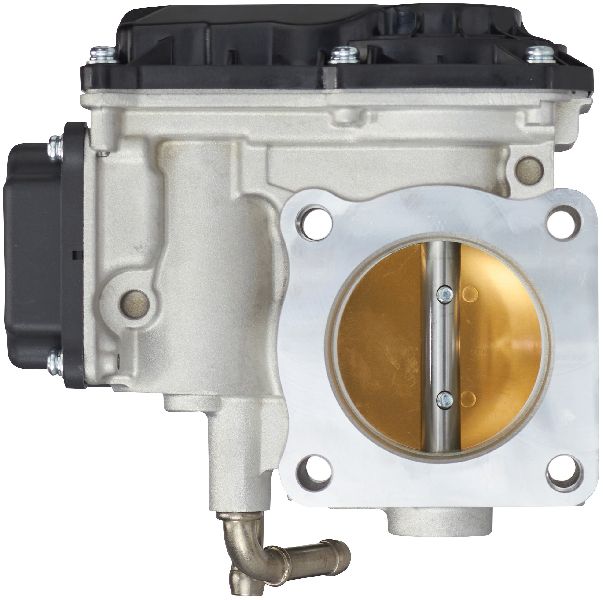
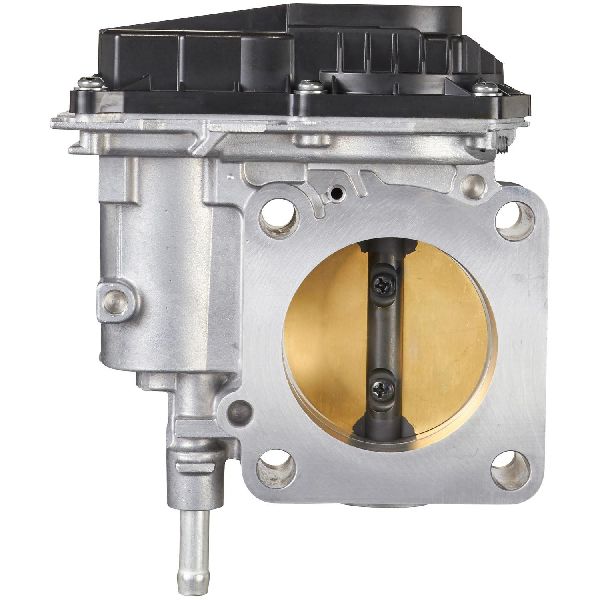
- Faulty Throttle Body Assembly 🔴 High Probability → Shop Fuel Injection Throttle Body The throttle position sensor (TPS) is integrated into the throttle body and cannot be replaced separately. Internal failure of the sensor's electronics is a common wear item on this platform. Cleaning the throttle body may provide a temporary fix if carbon buildup is interfering with the plate, but if the code returns, it confirms an internal electronic fault.
How to confirm: After confirming the wiring is intact and has proper voltage/ground, the throttle body is the default culprit. A scan tool showing TPS 'B' voltage stuck high (near 5V) regardless of throttle plate movement points to a failed sensor within the assembly. A multimeter test at the throttle body connector can also confirm this.
Typical fix: Replace the entire throttle body assembly. A throttle relearn procedure must be performed immediately after installation.
Est. part cost: $400-$650 - Wiring Harness or Connector Issue 🟡 Medium Probability Vibrations and heat in the engine bay can cause wires to chafe or the 6-pin connector to the throttle body to become corroded or loose over time.
How to confirm: Visually inspect the wiring harness going to the throttle body for any signs of damage, melting, or chafing. Unplug the connector and check for corrosion or bent pins. Use a multimeter to test for a short-to-voltage on the signal wire and to confirm proper 5V reference and ground at the connector.
Typical fix: Repair the damaged section of the wire or replace the pigtail connector.
Est. part cost: $15-$50
Rare But Worth Checking
- Faulty Powertrain Control Module (PCM): → Shop Engine Control Module (ECM) This is very rare. The PCM should only be considered after all other possibilities, including the throttle body and wiring, have been definitively ruled out.
Diagnosis Steps
- Scan for Codes: Use an OBD-II scanner to confirm P0223 is present and check for any other related codes, like P0123.
- Analyze Live Data: View the live data stream from the throttle position sensors. With the key on and engine off, the voltage for TP Sensor 'B' will likely be stuck at or near 5 volts.
- Inspect Wiring: Perform a thorough visual inspection of the throttle body wiring harness and its 6-pin connector. Look for any signs of fraying, melting, or corrosion.
- Test the Circuit: Disconnect the throttle body connector. With the key on, check for a 5-volt reference and a good ground at the appropriate pins on the harness side of the connector.
- Check for Shorts: With the throttle body and PCM disconnected, check for continuity between the signal wire for sensor 'B' and the 5V reference wire. There should be no continuity; if there is, it indicates a short.
- Isolate the Fault: If the 5V reference and ground are good, and there are no shorts in the wiring, the fault lies within the throttle body assembly itself.
- Perform Relearn Procedure: After replacing the throttle body, you must perform the idle learn procedure. Warm the engine until the cooling fan cycles on, turn off all electrical loads, and let the engine idle for at least 5-10 minutes.
Parts You'll Likely Need
- Throttle Body Assembly
(OEM #1.5L Turbo (L15B7): 16400-5A2-A01 (or superseding number); 2.0L NA (K20C2): 16400-5BA-A01 (or superseding number). Always verify with VIN.)— This is the most common fix because the faulty Throttle Position Sensor (TPS) is integrated into this assembly and is not sold separately for this vehicle.
Trusted brands: Honda (OEM), Hitachi (OEM Supplier), Bosch
OEM price range: $450-$650
Aftermarket price range: $250-$450
Related Codes That Often Appear With This One
- P0123 — P0123 is for 'Throttle Position Sensor 'A' Circuit High'. Seeing both codes together strongly suggests a problem with the 5V reference voltage or ground circuit shared by both sensors, or a major internal failure of the throttle body assembly.
Technical Service Bulletins (TSBs) & Recalls
- No specific Technical Service Bulletin (TSB) directly addressing only code P0223 for the 2016-2021 Civic was found during research. The issue is typically handled as a standard component failure diagnosis.
Platform-Specific Known Issues
- Sudden Limp Mode and Multiple Dashboard Lights: A very common owner experience reported on forums is the sudden and unexpected onset of limp mode while driving, often at highway speeds. This is accompanied by a cascade of warning lights on the dashboard, including the Check Engine light, Emissions System Problem, Power Steering Problem, Brake System Problem, and Vehicle Stability Assist Problem. This alarming display is the car's standard failsafe response to a critical powertrain fault like the loss of a reliable throttle position signal.
Mechanic-Grade Diagnostic Values
- TP Sensor 'B' Signal Voltage (Live Data) — expected: Approx. 0.5V at idle, smoothly increasing to ~4.0-4.5V at wide-open throttle.. Failure: Voltage is stuck at or near 5.0V regardless of throttle position.
- Voltage at Throttle Body 6-Pin Connector, Pin 4 (THL2 wire) — expected: Approximately 5.0 volts with key on, engine off, and connector disconnected.. Failure: No voltage or significantly lower voltage, indicating a wiring or PCM issue upstream of the connector.
- TP Sensor 'A' vs 'B' Voltage Correlation (Live Data) — expected: TPS A and TPS B voltage should mirror each other, staying within about 0.1V.. Failure: A large, persistent discrepancy between the two sensor voltage readings points to a fault in one of the sensor circuits.
Scan Tool Commands That Help
- Honda HDS (or compatible high-end scanner): ETCS (TAC) TEST > TP POSITION CHECK — This function is used to clear the throttle position learned value from the PCM's memory. It is a required step before performing the idle relearn procedure after replacing the throttle body to ensure the system calibrates to the new part correctly.
Wiring & Ground Locations
- Throttle Body 6-Pin Connector — Directly on the electronic throttle body, where the engine wiring harness connects.. This is the primary connection point for both TP sensors (A and B), the throttle motor, and their power/ground circuits. A loose connection, corrosion on the pins, or damaged wires here is a common cause of throttle-related codes. Pin 4 is the specific circuit for TP Sensor B (THL2).
- G101 — On the thermostat housing, connecting the main wiring harness to the engine block.. This is a critical power and logic ground for the ECU/PCM. A corroded, loose, or frayed G101 ground can cause a host of intermittent and difficult-to-diagnose electrical issues, including erratic sensor readings that could potentially trigger a P0223 code, even if the sensor and its direct wiring are fine.
Real Owner Repair Stories
- 2CarPros Forum User (Unknown Year, LT Model) — Check engine light on, rough/shaky idle, very poor acceleration.
❌ Tried (didn't work) Cleaning the throttle body. The user attempted to open the sealed electronic side cover during cleaning, which may have damaged the unit.
✅ What actually fixed it The user was advised that attempting to open the sealed electronic portion of the throttle body likely caused permanent damage, and replacement of the entire throttle body assembly was the necessary fix. The codes P0122 and P0223 appeared immediately after the cleaning attempt.
OEM Part Supersession History
16400-5A2-A01→16400-5A2-A02— Standard part revision by the manufacturer. Reasons can include minor design improvements, change in supplier, or material updates.16400-5BA-A01→N/A— This part number for the 2.0L NA engine appears to be the current and original part number for the entire 2016-2021+ generation.
Diagnostic Flowchart
Used vs. New Parts: Buying Guide for This Vehicle
When a used part is the smart pick: A used OEM throttle body from a low-mileage (under 60,000 miles) donor vehicle can be a cost-effective alternative to a new OEM part, as this is a common failure item. Given the high cost of a new unit, a used part from a reputable auto dismantler with a warranty is a reasonable choice.
Donor-vehicle mileage cap: roughly under 60000 miles for the part to have meaningful remaining life.
What to inspect on the donor part:
- Verify the part number matches your engine (1.5T vs 2.0L).
- Inspect the 6-pin connector for any bent, corroded, or damaged pins.
- Ensure there is no physical damage, cracks, or signs of being tampered with (e.g., pry marks on the sealed electronic housing).
- Check that the throttle plate moves freely and is not excessively coated in carbon or oil residue.
OEM-only on this vehicle (don't cheap out):
- Throttle Body Assembly
Aftermarket brands forum-validated for this vehicle:
- Hitachi (OEM supplier for many Japanese makes)
- Bosch
Brands owners have reported issues with on this vehicle:
- Dorman: While offering a lifetime warranty, some forum discussions across various car brands suggest potential quality control issues compared to OEM or Hitachi for this specific complex electronic part.
- Ultra-Power, SKP, Cardone (Remanufactured): Generally considered lower-tier options where long-term reliability may be a concern compared to OEM or a top-tier aftermarket supplier.
Real Owner Stories
Aggregated from forums and TSBs cited above. Mileages and costs reflect what owners reported in those sources.
2016-2021 Honda Civic
Symptoms: Experienced multiple throttle-related codes including P0223 and the vehicle entered limp mode.
What fixed it: The dealership resolved the issue by replacing the throttle body.
Source hint: CivicX.com forum thread titled 'Help! P0123, P0223, P2138, P16E4, P16E5 Codes'
2018 Honda Civic 1.5T
Symptoms: Described a sudden onset of limp mode with numerous dash lights appearing while driving on the highway.
What fixed it: The dealer fixed the P0223 code by replacing the throttle body assembly.
Source hint: Reddit r/civic thread titled '2018 Honda Civic Hatchback Sport Touring Limp Mode'
Related OBD-II Codes
Frequently Asked Questions
Why did my dashboard light up with Emissions, Power Steering, and Brake System warnings all at once for a P0223 code?
Can I just replace the throttle position sensor (TPS) instead of the entire expensive throttle body assembly?
I replaced the throttle body myself, but the P0223 code came back and the car still idles poorly. What did I miss?
Is there an official recall or Technical Service Bulletin (TSB) from Honda for this common P0223 throttle body issue?
My mechanic says the throttle body is bad, but could it just be a wiring problem?
Is it a good idea to buy a used throttle body from a junkyard to save money?
Does this P0223 throttle body problem also happen on other Hondas, like the CR-V or Accord?
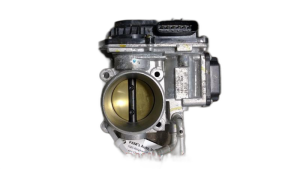
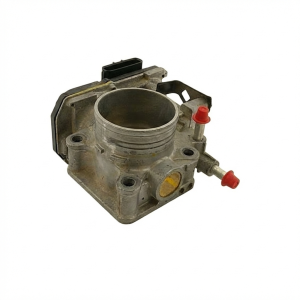
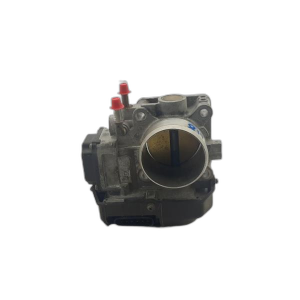
Used OEM Parts in Stock
New Aftermarket Parts Available



The information in this article is provided for general reference and educational purposes only. Vehicle specifications, procedures, and part compatibility can vary by production date, trim level, and region. Always consult your vehicle's factory service manual and verify part numbers before purchasing or performing repairs. Safety-critical components such as airbags, seat belts, and braking systems should be installed by a qualified professional.
- Honda Civic:
- 🧭 Diagnostic Flowchart
- 🛍️ Shop This Part
- What's Unique About the 2016-2021 Honda Civic
- Symptoms You May Notice
- Most Likely Causes
- Rare But Worth Checking
- Diagnosis Steps
- Parts You'll Likely Need
- Related Codes That Often Appear With This One
- Technical Service Bulletins (TSBs) & Recalls
- Platform-Specific Known Issues
- Mechanic-Grade Diagnostic Values
- Scan Tool Commands That Help
- Wiring & Ground Locations
- Real Owner Repair Stories
- OEM Part Supersession History
- Used vs. New Parts: Buying Guide for This Vehicle
- Real Owner Stories
- 2016-2021 Honda Civic
- 2018 Honda Civic 1.5T
- Related OBD-II Codes
- Frequently Asked Questions
- 🎟️ Get 5% Off