

P0234 on 2014 Jeep Grand Cherokee 3.0L EcoDiesel: Turbo Overboost Causes & Fixes
On a 2014 Grand Cherokee with the 3.0L EcoDiesel, code P0234 is most often caused by a faulty electronic turbo actuator, a dirty/faulty boost pressure (MAP) sensor, or the need for a powertrain software update. The actuator is a known weak point where internal components fail, while the MAP sensor gets clogged with soot. In some cases, a dealer-performed software update is the only required fix.
- P0234 on your 2014 EcoDiesel Grand Cherokee means the turbo is creating too much pressure.
- The most likely culprits are a faulty electronic turbo actuator or a dirty MAP/boost pressure sensor.
- Before replacing any parts, check with a dealer to see if your vehicle needs a critical PCM software update, as several TSBs address this exact code.
- Do not replace the entire turbocharger unless it has been confirmed to have internal mechanical failure; the actuator is a much more common and cheaper fix available from aftermarket suppliers.
What's Unique About the 2014-2014 Jeep GRAND CHEROKEE
The 3.0L V6 EcoDiesel engine (VM Motori A630) used in the 2014 Grand Cherokee is known for issues with its variable geometry turbo (VGT) system. The electronic actuator (made by Hella) that controls the turbo vanes is a very common failure point, leading to both overboost (P0234) and underboost (P0299) codes. The failure is often mechanical (stripped plastic gears) or electrical (broken solder joints on the internal circuit board) due to heat and vibration. Furthermore, Jeep has released multiple Technical Service Bulletins (TSBs) involving software updates for the PCM to address this and other related codes, meaning the fix is sometimes a dealer-performed flash, not a part replacement. [Bulletin #18-023-15, #1801814REVE, #18-018-14 REV. C]
🎬 Watch: How to diagnose and fix P0234 and P0299 codes.Diagnostic Flowchart
Tap your situation to follow the diagnostic path that matches what you're seeing on this vehicle.
Symptoms You May Notice
- Check Engine Light is on
- Vehicle enters "limp mode" with significantly reduced power.
- Flashing Electronic Throttle Control (ETC) or "red lightning bolt" light on the dash.
- Sudden loss of power during acceleration, sometimes described as 'kangarooing'.
- Loud whistling, chirruping, or whooshing sounds from the engine bay, especially when letting off the throttle.
- Engine running hotter than usual, though the temperature gauge may read normal.
- Engine misfiring or running rough.
- Replacing the entire turbocharger when only the electronic actuator was faulty. The actuator is available as a separate part in the aftermarket and from Mopar, and is a much more common failure.
- Replacing sensors or the actuator when a simple PCM software update available from the dealer would have resolved the logic error. [Bulletin #18-023-15, #1801814REVE]
- Assuming the turbo is bad when the MAP sensor is simply clogged with soot and needs cleaning.
Most Likely Causes
- Faulty Electronic Turbocharger Actuator 🔴 High Probability → Shop Turbocharger The electronic actuator on the VM Motori engine is a well-documented, common failure point. Internal plastic gears can strip, or the internal circuit board can fail due to broken solder joints from heat and vibration. This is the most cited failure by owners in forums.
How to confirm: Listen for clicking, buzzing, or grinding noises from the actuator for a few seconds after shutting the engine off (this is the actuator's self-test sweep). A lack of this sound or a grinding noise indicates failure. A scan tool may show codes P0046 or U010C alongside P0234. A high-end scan tool can command an actuator test to see if it moves smoothly through its range.
Typical fix: Replace the turbo actuator. While some attempt to repair the internal wiring, replacement is the more reliable fix. 🎬 Watch: A teardown of the electronic turbo actuator internals. Jeep/Mopar historically did not sell the actuator separately from the turbo, forcing a full turbo replacement. However, the actuator is now available separately through Mopar and aftermarket suppliers like Dorman. Aftermarket replacement is the most common repair.
Est. part cost: $110-$300 for an aftermarket or remanufactured actuator - Dirty or Faulty Boost Pressure (MAP) Sensor 🟡 Medium Probability The MAP sensor is exposed to oil and soot from the crankcase ventilation (CCV) and EGR systems, which clogs the small sensing port and causes inaccurate readings. A clogged sensor can misread the boost pressure, causing the PCM to trigger an overboost code.
How to confirm: Remove the sensor from the intake manifold (located at the back of the engine, near the firewall) and inspect it for heavy soot or oil buildup. A heavily caked sensor is likely not reading correctly. With a scan tool, compare the MAP sensor reading to the barometric pressure (BARO) reading with the key on, engine off; they should be nearly identical. A typical resting voltage is around 0.5V.
Typical fix: Clean the sensor carefully with mass airflow sensor cleaner or electrical contact cleaner. Do not use brake cleaner. If cleaning doesn't resolve the issue or the sensor is damaged, it must be replaced. The OEM part number is Mopar 68211211AA. 🎬 See this guide on how to clean your MAP sensor.
Est. part cost: $80-$130 for a new OEM sensor - Powertrain Control Module (PCM) Software Update Needed 🟡 Medium Probability
How to confirm: A Jeep dealership or a well-equipped independent shop can check the current software calibration of the PCM against the latest available version using a wiTECH scan tool. [Bulletin #18-023-15]
Typical fix: Reprogram (flash) the PCM to the latest software version. This is a dealer-level service and typically takes under an hour. [Bulletin #18-023-15]
Est. part cost: $0 (if under warranty/recall) to $150-$300 for labor - Sticking Variable Geometry Turbo (VGT) Vanes ⚪ Low Probability Soot and carbon buildup from the diesel combustion process can cause the internal vanes of the turbocharger to stick, preventing them from moving to the correct position to regulate boost. This is more common on higher-mileage engines or those with a history of short trips.
How to confirm: This is difficult to confirm without disassembly. A technician can try to move the actuator linkage by hand (with the engine off and cool) to feel for binding. If the actuator is confirmed to be working correctly but boost is still erratic and cannot be controlled, sticking vanes are the likely cause. A scan tool test may show the actuator is commanded to move but the vanes' position does not change.
Typical fix: In some cases, the turbo can be removed and professionally cleaned. More often, the entire turbocharger assembly is replaced.
Est. part cost: $1500-$2500+ for a new turbocharger assembly
Rare But Worth Checking
- Boost Leak in Intake Plumbing: While a boost leak typically causes an underboost code (P0299), a cracked or loose hose (especially the large red hose from the intercooler to the throttle body) can sometimes cause erratic sensor readings that the PCM interprets as an overboost spike, especially during on/off throttle situations.
- Restricted Exhaust: A clogged Diesel Particulate Filter (DPF) or catalytic converter can increase backpressure, affecting the turbo's ability to regulate boost correctly. This will usually be accompanied by other DPF-related codes like P2002 or P24A4.
Diagnosis Steps
- Read all fault codes from the PCM using an OBD-II scanner. Note any other codes present, especially P0299, P0046, or U010C, as they provide crucial clues.
- After turning the engine off, listen carefully near the turbocharger (passenger side of the engine). You should hear a faint buzzing or whirring for 3-5 seconds as the actuator performs a cleaning sweep. A grinding noise or complete silence points to a failed actuator.
- With the engine off and key on, use a scan tool to compare the Manifold Absolute Pressure (MAP) sensor reading to the Barometric Pressure (BARO) reading. They should be within 0.5 PSI of each other.
- Locate and remove the MAP sensor. It is at the rear of the engine, held by a single T40 Torx bolt. Inspect the tip for heavy soot buildup. If it's caked in carbon, clean it thoroughly with MAF or electrical contact cleaner and re-test.
- Inspect all intake hoses and pipes, particularly the large red hose connecting the intercooler to the throttle body, for cracks, loose clamps, or signs of oil leaks which indicate a boost leak.
- If a high-end scan tool is available, perform a turbo actuator function test. This will command the actuator to sweep its range of motion, confirming if it is operating smoothly or is stuck/faulty.
- If no obvious mechanical faults are found, contact a Jeep dealership with your VIN to inquire if any PCM software updates related to TSBs #18-023-15, #18-018-14, or #18-012-16 are available and have not been performed. [Bulletin #18-023-15, #1801814REVE, #18-018-14 REV. C]
- If the actuator is confirmed good, the MAP sensor is clean, and software is up to date, the issue may be sticking VGT vanes inside the turbocharger, which may require professional cleaning or turbo replacement.
Parts You'll Likely Need
- Turbocharger Actuator
(OEM #68503018AB)— This is the most common failure point for boost control issues on this engine. The original part is known to fail, and aftermarket replacements are widely used. - Manifold Absolute Pressure (MAP) Sensor
(OEM #68211211AA)— This sensor frequently gets clogged with soot, leading to incorrect boost readings. Cleaning is often sufficient, but replacement is necessary if it's faulty.
Related Codes That Often Appear With This One
- P0299 — Turbo/Supercharger Underboost. This code often appears with P0234 because the root cause, like a faulty actuator or sticking vanes, can cause both insufficient and excessive boost depending on the conditions.
- P0046 — Turbocharger Boost Control 'A' Circuit Range/Performance. This code points directly to an electrical or performance issue with the boost control system, often the actuator itself.
- U010C — Lost Communication With Turbocharger/Supercharger Control Module 'A'. This code specifically indicates an electrical failure or communication loss with the electronic turbo actuator.
- P009A, P0420, P050E — These codes (Intake Air Temp Correlation, Catalyst Efficiency, Cold Start Exhaust Temp) are listed alongside P0234 in manufacturer TSBs, indicating they can be triggered by the same underlying PCM software logic issue. [Bulletin #18-023-15, #1801814REVE]
Technical Service Bulletins (TSBs) & Recalls
- 18-023-15: Flash: 3.0 L MIL Illumination Diagnostic and System Improvements
- 1801814REVE: Back Over Prevention TSB mentioning P0234
- 18-018-14 REV. C: Engine and Engine Cooling TSB mentioning P0234
- 18-018-14 REV. B: Fuel System TSB mentioning P0234
Platform-Specific Known Issues
- Actuator Repair vs. Replacement: Some owners have successfully repaired the actuator by opening the housing and re-soldering broken wire connections on the circuit board. This is a delicate procedure but can be a near-zero-cost fix for those with soldering skills.
- MAP Sensor Cleaning Interval: → Shop Manifold Absolute Pressure Sensor Due to the EGR and CCV system design, the MAP sensor is prone to rapid soot buildup. Owners on forums and YouTube recommend preventative cleaning of the MAP sensor every 30,000 to 50,000 miles to prevent incorrect readings that can lead to P0234 or other performance issues.
Mechanic-Grade Diagnostic Values
- MAP Sensor Voltage (Key On, Engine Off) — expected: ~0.5 V. Failure: Significant deviation from 0.5V, or voltage that doesn't change with pressure.
- MAP Sensor vs. BARO Sensor (Key On, Engine Off) — expected: Readings should be nearly identical (within 0.5 PSI).. Failure: A significant difference between the two readings points to a faulty MAP sensor.
- Fuel Injector Resistance — expected: 185k Ohms +/- 10%. Failure: Resistance outside of this range can indicate a failing injector, which can affect overall engine performance and combustion, though it's not a direct cause of P0234.
Scan Tool Commands That Help
- wiTECH or equivalent high-end scanner: VGT Actuator Test / Turbo Actuator Function Test — Use this command to force the actuator through its full range of motion. It helps determine if the actuator is electronically sound and moving smoothly, or if it is binding, sticking, or has failed internally.
- wiTECH or equivalent high-end scanner: VGT Actuator Relearn / Calibration — This procedure should be performed after replacing the turbocharger or the electronic actuator. It teaches the PCM the new actuator's start and stop positions, ensuring accurate boost control.
Wiring & Ground Locations
- Boost Pressure (MAP) Sensor Connector — Top center rear of the engine, near the firewall, mounted on the intake manifold.. This 4-wire connector provides the sensor with a 5-volt supply, ground, and sends both pressure and temperature signals back to the PCM. Corrosion or a loose connection here will cause incorrect boost readings.
- Turbo Actuator Connector — On the electronic actuator itself, which is bolted to the side of the turbocharger on the passenger side of the engine.. This connector provides power and the control signal (Pulse Width Modulation) from the PCM. A poor connection can cause P0046 or U010C and prevent the actuator from controlling the VGT vanes, leading to overboost.
- G901a — Right rear corner of the engine compartment.. This is a major ground point in the engine bay. A loose or corroded ground here can cause erratic behavior in various electronic components, including sensors and actuators related to the engine management system.
- Powertrain Control Module (PCM) — Right front of the engine compartment.. This is the computer that receives data from the MAP sensor and sends commands to the turbo actuator. All related wiring terminates here.
Real Owner Repair Stories
- YouTube user video on a 2008 Grand Cherokee CRD (OM642 engine, similar actuator design) (2008 Jeep Grand Cherokee 3.0L CRD) — Check engine light with P0234 (overboost) and P0299 (underboost), red thunderbolt light on dash.
❌ Tried (didn't work) Dealer quoted $4,000 for a full turbo replacement.
✅ What actually fixed it The owner removed the 6 clips holding the electronic actuator cover on, opened it, and found two broken wires on the internal circuit board. He soldered the wires back in place, reassembled the actuator, and the problem was resolved. - EcoDieselRam.com forum user 'jessie' (2016 Ram 1500 EcoDiesel (same 3.0L engine)) — Check engine light and 'Service Electronic Throttle Control' message, limp mode, P0234-00 code.
❌ Tried (didn't work) Clearing the code, which returned after about 5 minutes of driving.
✅ What actually fixed it The issue appeared immediately after the truck was in the shop for glow plug and fuel rail replacement. The strong implication from other forum members was that a connector was likely not plugged back in correctly during reassembly, causing the fault.
"I Checked Everything" — The Actual Cause
- While smoke tests are for leaks (underboost), the equivalent scenario for overboost is when all accessible parts test correctly. In the case of P0234, a technician may find the actuator passes a scan tool test and the MAP sensor is clean, yet the problem persists. The root cause in this situation is often either internal sticking of the VGT vanes due to carbon (which cannot be seen without turbo disassembly) or an intermittent software glitch in the PCM that requires a dealer reflash per TSBs. [21, Bulletin #18-023-15]
When the Usual Fixes Don't Work
- The most significant counter-evidence to immediately replacing parts for a P0234 code is the existence of multiple Technical Service Bulletins (e.g., #18-023-15). In many documented cases, the overboost condition is caused by overly sensitive logic within the Powertrain Control Module (PCM), not a mechanical failure. The correct and final repair in these instances is a simple software update performed by a Jeep dealer, which recalibrates the fault triggers. This contradicts the assumption that P0234 always requires a new actuator, sensor, or turbocharger. [Bulletin #18-023-15]
OEM Part Supersession History
68211213AA, 68211213AB, 68211213AC→68211213AD— Revisions and improvements to the complete turbocharger assembly.35242171F (Turbo OEM Number)→35242171G (Turbo OEM Number)— Revision to the electronic actuator component.
Heads up: These are OEM numbers on the actuator itself, often cross-referenced to Mopar assembly numbers.N/A→68211211AA— This is the consistent Mopar part number for the MAP/TMAP sensor for this application.
Heads up: This sensor is VIN-specific and depends on the vehicle's emissions stage (e.g., Euro Stage 4/5). Ensure the correct part is ordered for the specific vehicle.
Helpful Videos
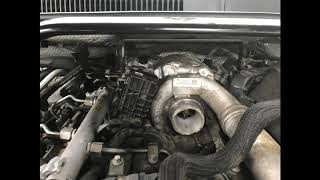
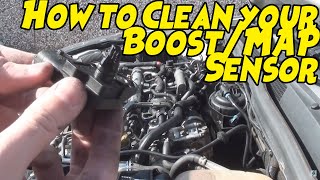
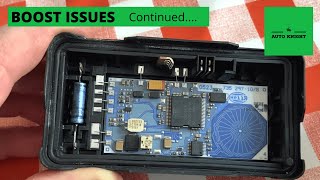

We Have This Part in Stock


The information in this article is provided for general reference and educational purposes only. Vehicle specifications, procedures, and part compatibility can vary by production date, trim level, and region. Always consult your vehicle's factory service manual and verify part numbers before purchasing or performing repairs. Safety-critical components such as airbags, seat belts, and braking systems should be installed by a qualified professional.
- Jeep GRAND CHEROKEE:
- 🧭 Diagnostic Flowchart
- 🎬 Helpful Videos
- 🛍️ Shop This Part
- What's Unique About the 2014-2014 Jeep GRAND CHEROKEE
- Symptoms You May Notice
- Most Likely Causes
- Rare But Worth Checking
- Diagnosis Steps
- Parts You'll Likely Need
- Related Codes That Often Appear With This One
- Technical Service Bulletins (TSBs) & Recalls
- Platform-Specific Known Issues
- Mechanic-Grade Diagnostic Values
- Scan Tool Commands That Help
- Wiring & Ground Locations
- Real Owner Repair Stories
- "I Checked Everything" — The Actual Cause
- When the Usual Fixes Don't Work
- OEM Part Supersession History
- 🎟️ Get 5% Off