

P0264 on 2010-2015 Chevrolet Equinox: Cylinder 2 Injector Circuit Low Causes and Fixes
For a 2010-2015 Equinox with the 2.4L engine, code P0264 is most frequently caused by a chafed or shorted engine wiring harness. Before replacing the fuel injector, thoroughly inspect the harness, especially where it is clipped to a bracket at the upper rear of the engine and near the ECM, as noted in GM TSBs.
- P0264 on a 2010-2015 Equinox indicates an electrical fault in the cylinder 2 fuel injector circuit.
- **Always inspect the wiring harness first!** GM has identified that the harness can rub and short out, especially on a bracket at the rear of the 2.4L engine, making this a more likely cause than a failed injector.
- Symptoms include a rough idle, misfire, and reduced engine power.
- Only replace the fuel injector after you have confirmed the wiring is intact and the injector itself has failed a resistance test (spec is 11-14 ohms).
- This issue is also extremely common on the 2010-2017 GMC Terrain with the 2.4L engine.
What's Unique About the 2010-2015 Chevrolet EQUINOX
On the second-generation Chevrolet Equinox, particularly those with the 2.4L engine, the primary suspect for a P0264 code is not always the fuel injector itself. General Motors issued multiple Technical Service Bulletins (TSBs) highlighting that the engine wiring harness is prone to chafing and shorting out. This damage often occurs where the harness is routed near the Engine Control Module (ECM) or, more specifically, where it rubs against a metal bracket at the upper rear of the engine bay. This makes a thorough wiring inspection a critical first step, potentially saving you from the unnecessary cost of replacing a perfectly good injector.
Diagnostic Flowchart
Tap your situation to follow the diagnostic path that matches what you're seeing on this vehicle.
Symptoms You May Notice
- Check Engine Light is on
- Engine running rough or shaking (misfire)
- Poor or hesitant acceleration
- Reduced engine power
- Decreased fuel economy
- Engine may stall at idle
- Replacing the fuel injector without first inspecting the wiring harness. Given the known TSBs and widespread owner reports for this vehicle, a wiring fault is a very common cause and checking it first can prevent a misdiagnosis.
Most Likely Causes
- Chafed or Shorted Engine Wiring Harness 🔴 High Probability → Shop Engine Wiring Harness As documented in GM TSBs #PIT5424 and #PIP4924D, the engine harness routing on these vehicles makes it susceptible to rubbing against engine or body components, leading to short circuits. This is especially common on the 2.4L engine.
How to confirm: Carefully inspect the entire length of the fuel injector wiring harness. A primary failure point, identified by many owners, is at the upper rear of the engine where the harness is secured to a metal bracket on the cylinder head. Also, check the harness section near the ECM connectors. Look for any signs of rubbing, melted plastic loom, or exposed copper wires.
Typical fix: Repair the damaged section of wire using solder and heat-shrink tubing or quality butt connectors. Properly insulate the repair and wrap the harness in protective conduit or high-temperature tape (like Tesa tape). Reroute the harness slightly or add a zip tie to secure it away from the sharp edge to prevent future chafing.
Est. part cost: $10-$30 - Failed Cylinder 2 Fuel Injector 🟡 Medium Probability → Shop Fuel Injector
How to confirm: After confirming the wiring is intact, test the injector. Disconnect the injector and measure its internal resistance with a multimeter. For the 2.4L engine, a healthy injector should read between 11 and 14 ohms. A reading that is significantly lower (approaching zero) indicates an internal short.
Typical fix: Replace the faulty fuel injector. It is often recommended to replace the full set if they are original and have high mileage, as others may fail soon.
Est. part cost: $50-$150 - Loose or Corroded Connector ⚪ Low Probability
How to confirm: Unplug the connector at the fuel injector and the ECM. Inspect the pins and terminals for any signs of corrosion (green or white powder), moisture, or damage. Ensure the connector clicks securely into place and the locking tab is not broken.
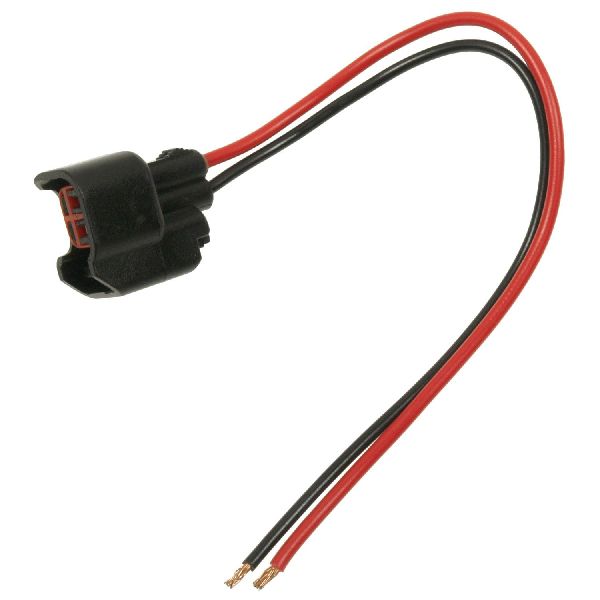
Typical fix: Clean the connector terminals with a specialized electrical contact cleaner. If pins are bent or broken, the connector pigtail may need to be replaced.
Est. part cost: $0-$30
Rare But Worth Checking
- Failed Powertrain Control Module (PCM/ECM): → Shop Engine Control Module (ECM) This is the least likely cause. 🎬 Watch: How to find the fuel injector fuse and relay The internal driver circuit for the injector can fail, but this should only be considered after all wiring and the injector itself have been ruled out.
Diagnosis Steps
- Read all stored trouble codes with an OBD-II scanner. Note any other codes that are present, especially other injector or misfire codes.
- Perform a detailed visual inspection of the engine wiring harness. Focus on the areas mentioned in TSB #PIT5424 and #PIP4924D, especially the harness routing at the upper rear of the engine near brackets and the area around the ECM.
- Inspect the electrical connector at the cylinder 2 fuel injector for damage, corrosion, or loose pins.
- If wiring looks good, disconnect the injector and measure its resistance with a multimeter. For the 2.4L engine, compare the reading to the specification of 11-14 ohms. A reading well outside this range, especially a low one, points to a faulty injector.
- Use a 'noid light' to test for a signal at the injector connector. With the engine cranking or running, the light should flash, indicating the ECM is sending a pulse. If there is no flash, and the wiring is confirmed to be good, the problem may be in the ECM.
- If the noid light flashes correctly, but the injector resistance was out of spec, the fuel injector is the most likely culprit.
Parts You'll Likely Need
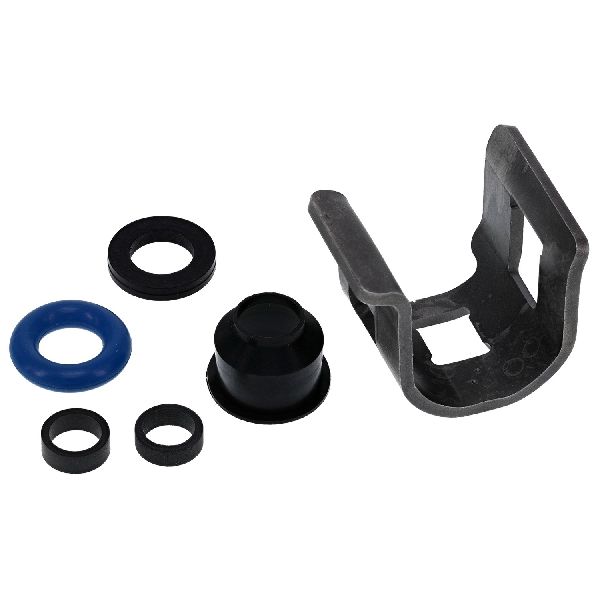
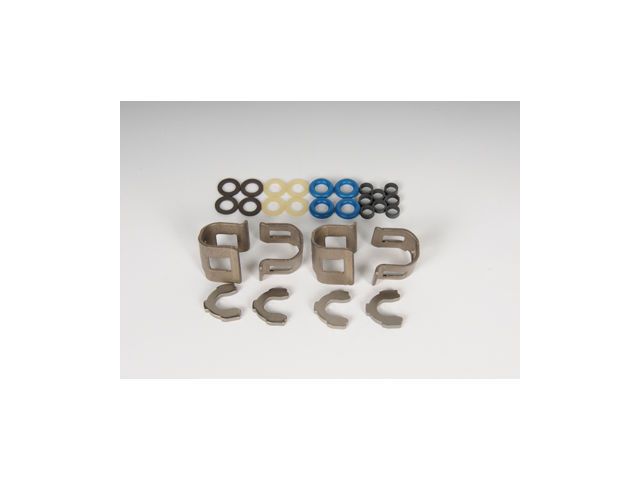
- Fuel Injector
(OEM #12633784)— If the injector has failed internally (shorted), it must be replaced to resolve the low circuit condition. This part number is common for the 2.4L engine, but always verify with your VIN.
Trusted brands: ACDelco, Delphi, Hitachi
OEM price range: $100-$150
Aftermarket price range: $50-$90 - Wiring Repair Supplies — Needed to fix chafed or broken wires in the engine harness, which is a very common cause of P0264 on this vehicle.
Trusted brands: Tesa high-temp harness tape, Heat-shrink tubing, Split-loom conduit
OEM price range: $10-$30
Aftermarket price range: $10-$30
Related Codes That Often Appear With This One
- P0302 — This code means "Cylinder 2 Misfire Detected." It commonly appears with P0264 because the injector circuit fault prevents proper fueling, causing the cylinder to misfire.
- P0261, P0267, P0270 — These are low circuit codes for other cylinders (1, 3, and 4 respectively). If multiple injector codes are present, it strongly suggests a widespread wiring harness issue affecting several wires in the same bundle, or a problem with the ECM's power or ground supply, as mentioned in TSB #PIT5424.
Technical Service Bulletins (TSBs) & Recalls
- Bulletin #PIT5424: Mentions P0264 in a list of injector codes that can be caused by the engine harness being improperly routed and chafing near the ECM.
- Bulletin #PIP4924D: Also lists P0264 with other injector codes and advises inspection of the wiring harness for issues causing a misfire, specifically mentioning chafe spots against the intake plenum, valve cover bolts, and the side of the head.
Platform-Specific Known Issues
- Engine Harness Chafing Point: TSB #PIT5424 specifically calls out the potential for intermittent hard starts or a Service Engine Soon lamp due to the engine harness routing. It advises technicians to inspect the harness between the ECM and the upper rear of the engine for damage, which can cause codes like P0264. Owner forums corroborate this, frequently identifying the chafe point on a metal bracket holding the harness at the back of the cylinder head.
- Real-World Repair Story: A user on a Chevrolet forum with a 2011 Equinox reported experiencing codes P0264, P0267, and P0270 simultaneously. The cause was found to be the engine wiring harness rubbing through on a metal bracket at the back of the cylinder head. The fix involved carefully separating the wires, splicing and soldering the damaged sections, insulating each repair with heat shrink, and then wrapping the entire bundle in protective tape before securing it away from the bracket's edge.
Mechanic-Grade Diagnostic Values
- Fuel Injector Coil Resistance — expected: 11 - 14 Ohms. Failure: A reading significantly lower than 11 Ohms (especially near zero) indicates a shorted injector. An infinitely high reading indicates an open coil.
- Injector Control Wire Voltage (at ECM connector, backprobed) — expected: 0 Volts (with injector disconnected). Failure: If you measure 12V at the injector connector's control wire but 0V at the corresponding ECM pin, there is an open circuit in the harness between the two points.
- Injector Power Wire Voltage (Key On, Engine Off) — expected: ~12 Volts (Battery Voltage). Failure: Low or no voltage indicates a problem with the power supply circuit, possibly a fuse or relay.
- High Pressure Fuel Rail Pressure (Scan Tool, Idle) — expected: 1.9-5.0 MPa (276-725 PSI) for a healthy GDI system.. Failure: While not a direct test for P0264, erratic or out-of-spec readings could indicate wider fuel system issues.
Scan Tool Commands That Help
- GDS2 / Tech 2: Fuel Injector Balance Test — This bidirectional test commands the ECM to pulse each injector individually while monitoring the fuel pressure drop in the rail. It is used to determine if one injector is flowing significantly more or less than the others, helping to isolate a faulty injector. A balanced system will show a similar pressure drop (within 20 kPa or 3 psi) for each injector.
- GDS2 / Tech 2: Injector Kill / Disable — This function allows a technician to disable one injector at a time while the engine is running. If disabling cylinder 2 causes no change in the engine's idle quality, it confirms that cylinder 2 was not contributing, which supports the P0264 diagnosis.
Wiring & Ground Locations
- G105 — On the rear of the engine for the 2.4L engine model.. This is a primary engine ground. A loose or corroded connection here can cause a variety of electrical issues, including erratic sensor readings and injector circuit faults.
- G109 — On the top rear of the engine for the 2.4L engine model.. Another critical engine ground. Its proximity to the known harness chafe points makes it important to check for tightness and cleanliness during diagnosis.
- G103 — Left front of the engine compartment, located under the battery tray.. This is a major chassis ground point. While less likely to be the direct cause than an engine block ground, a poor connection here can affect overall vehicle electronics.
- Underhood Fuse Block — Located in the left rear of the engine compartment.. This block contains fuses and relays critical to the fuel injection system, including fuses F20, F21, F37, F38, F41, F42, and F52 which are related to the injectors and their control.
- ECM (Engine Control Module) — Located in the left front of the engine compartment.. The ECM is the source of the control signal for the fuel injector. The wiring harness between the ECM and the injector is a known failure point.
Real Owner Repair Stories
- PowerStrokeArmy forum user (Ford Powerstroke (Note: Not an Equinox, but demonstrates a universal diagnostic principle for this code)) — Rough idle followed by a Check Engine Light with code P0264.
❌ Tried (didn't work) Wiggling various harness sections.
✅ What actually fixed it The electrical connector plug on the #2 fuel injector was loose. The user removed the retaining clip, re-seated the connector firmly, and reinstalled the clip, which resolved the issue completely.
OEM Part Supersession History
12633784→No supersession found. This remains the current part number.— N/A
Model Year Variations Within This Range
- 2010-2012 vs 2013-2015: The optional V6 engine was changed. 2010-2012 models offered a 3.0L V6, while 2013-2015 models offered a more powerful 3.6L V6. The primary 2.4L 4-cylinder engine, which is most commonly associated with this P0264 wiring issue, remained consistent throughout the 2010-2015 period.
- 2012+: Beginning in the 2012 model year, the 2.4L Ecotec engine gained Flex-Fuel (E85) capability. This does not fundamentally change the diagnosis for P0264 but is a notable variation in the fuel system.
Helpful Videos

We Have This Part in Stock


The information in this article is provided for general reference and educational purposes only. Vehicle specifications, procedures, and part compatibility can vary by production date, trim level, and region. Always consult your vehicle's factory service manual and verify part numbers before purchasing or performing repairs. Safety-critical components such as airbags, seat belts, and braking systems should be installed by a qualified professional.
- Chevrolet EQUINOX:
- 🧭 Diagnostic Flowchart
- 🎬 Helpful Videos
- 🛍️ Shop This Part
- What's Unique About the 2010-2015 Chevrolet EQUINOX
- Symptoms You May Notice
- Most Likely Causes
- Rare But Worth Checking
- Diagnosis Steps
- Parts You'll Likely Need
- Related Codes That Often Appear With This One
- Technical Service Bulletins (TSBs) & Recalls
- Platform-Specific Known Issues
- Mechanic-Grade Diagnostic Values
- Scan Tool Commands That Help
- Wiring & Ground Locations
- Real Owner Repair Stories
- OEM Part Supersession History
- Model Year Variations Within This Range
- 🎟️ Get 5% Off