

P0268 on 2010-2014 Chevrolet Equinox: Cylinder 3 Injector Circuit High Causes and Fixes
On a 2010-2014 Equinox, code P0268 almost always points to a problem in the cylinder 3 fuel injector circuit. Before replacing the injector, thoroughly inspect the engine wiring harness for damage, as chafing and short circuits are a very common cause documented in GM Technical Service Bulletin #PIP4924D. Common chafe points are against the intake plenum, valve cover bolts, and the ECM bracket.
- P0268 means there is an electrical problem with the fuel injector circuit for cylinder #3, specifically a high voltage condition.
- On the 2010-2014 Equinox, **always inspect the wiring harness first.** A short circuit from chafing is a very common, documented problem (TSB #PIP4924D).
- Symptoms will include a rough idle, misfiring, and a loss of power.
- Do not replace the fuel injector until you have ruled out wiring damage and confirmed the injector has failed a resistance test.
What's Unique About the 2010-2014 Chevrolet EQUINOX
For the second-generation Chevrolet Equinox and its platform-mate the GMC Terrain, a P0268 code is very frequently caused by a wiring issue rather than a failed fuel injector, particularly on the 2.4L engine. General Motors released Technical Service Bulletin #PIP4924D, which specifically calls out that the 🎬 Watch: How to find and repair common harness chafe points. fuel injector wiring harness is prone to rubbing through its insulation (chafing) against engine components. Common chafe points are against the intake plenum, valve cover bolts, fuel lines, and the side of the cylinder head under the plenum. This creates a short circuit that triggers the code. This known issue makes a thorough harness inspection the critical first step in diagnosis, as confirmed by numerous owner experiences and related TSBs for similar issues.
Diagnostic Flowchart
Tap your situation to follow the diagnostic path that matches what you're seeing on this vehicle.
Symptoms You May Notice
- Check Engine Light is on.
- Engine runs rough, especially at idle.
- Noticeable engine misfire (bucking or jerking).
- Loss of power and sluggish acceleration.
- Engine may stall.
- Increased fuel consumption.
- Strong fuel smell from the exhaust.
- Replacing the fuel injector without first inspecting the wiring harness. Given the known TSB, the wiring is a more probable cause and checking it first can save significant time and money.
Most Likely Causes
- Chafed or Shorted Fuel Injector Wiring Harness 🔴 High Probability → Shop Engine Wiring Harness As documented in GM TSB #PIP4924D, the engine harness routing on these vehicles makes it susceptible to rubbing against engine components, leading to a short to voltage. Common chafe points are against the intake plenum, valve cover bolts, fuel lines, and the ECM/TCM bracket. Engine vibration wears through the wire's insulation, causing a short that the ECM detects as high voltage.
How to confirm: Visually inspect the entire length of the fuel injector wiring harness, paying close attention to any areas where it contacts metal parts of the engine. A common failure point is where the harness is secured to a metal bracket on the cylinder head. Also check near the ECM connectors and where the harness routes near the shock tower and upper control arm. Look for worn insulation, exposed copper wires, or pinch points.
Typical fix: Repair the damaged section of the wire by splicing in a new piece and soldering. Protect the repair with heat-shrink tubing and wrap the harness section with woven polyester electrical tape (PET) or a protective sleeve to prevent future chafing. In severe cases, the harness pigtail or the entire engine harness may need replacement.
Est. part cost: $15-$50 for a pigtail connector, $200+ for a harness - Failed Fuel Injector 🟡 Medium Probability → Shop Fuel Injector The 2.4L Ecotec engine uses Gasoline Direct Injection (GDI), and these high-pressure injectors can fail internally over time, leading to an electrical short. However, this is less common than the wiring issue.
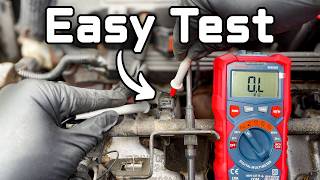
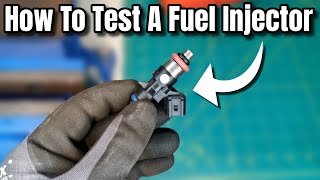
How to confirm: After confirming the wiring is good, test the injector. Measure the resistance across the injector's two pins with a multimeter. For these GDI injectors, the resistance should be very low, typically between 1.1 and 2.0 ohms. Compare the reading to an adjacent cylinder's injector. If the reading is open (OL) or significantly different, the injector is faulty. An alternative is to swap the cylinder 3 injector with one from another cylinder (e.g., cylinder 1). If the code changes to P0262 (Cylinder 1 Injector Circuit High), the injector is confirmed to be bad.
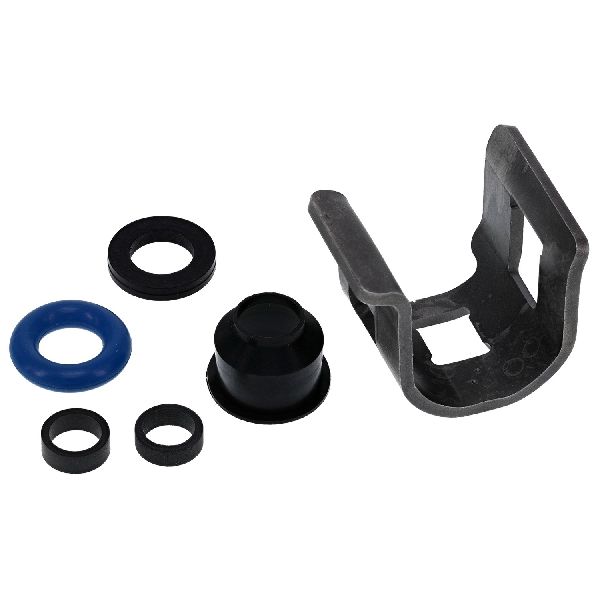
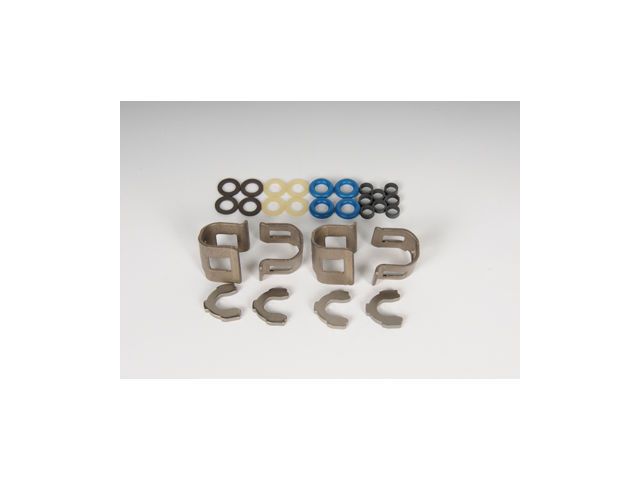
Typical fix: Replace the faulty fuel injector. On GDI engines, it's often recommended to replace the injector seals at the same time. Some mechanics advise replacing all injectors, especially on higher mileage vehicles, to ensure balanced flow.
Est. part cost: $50-$150 per injector - Poor Connection at Injector or ECM ⚪ Low Probability
How to confirm: Disconnect and inspect the electrical connector at the fuel injector and the corresponding connectors at the ECM. Look for corrosion, bent or backed-out pins, water intrusion, or a broken locking tab.
Typical fix: Clean the connector terminals with an electrical contact cleaner. If pins are damaged or the connector housing is broken, the connector pigtail will need to be replaced.
Est. part cost: $15-$50
Rare But Worth Checking
- Faulty Engine Control Module (ECM): → Shop Engine Control Module (ECM) This is the least likely cause. The ECM's internal driver circuit for the injector can fail, but all other possibilities (wiring, injector) must be definitively ruled out before condemning the ECM.
Diagnosis Steps
- Read the trouble codes with an OBD-II scanner and confirm P0268 is present. Note any other codes, especially misfire codes like P0303.
- Turn the engine off. Begin with a thorough visual inspection of the fuel injector wiring harness, as recommended by TSB #PIP4924D. Check for chafing against the intake, valve cover, fuel lines, and especially the ECM bracket.
- If damage is found, repair the wiring. Clear the codes and test drive to see if the code returns.
- If the wiring appears intact, disconnect the electrical connector from the cylinder 3 fuel injector.
- Check the connector for corrosion or damaged pins. Clean or repair as needed.
- Use a multimeter set to Ohms to measure the resistance of the fuel injector. For the 2.4L GDI engine, the spec is very low, around 1.1-2.0 ohms. If it's out of spec or reads open (OL), the injector is bad.
- A more advanced test is to use a 'noid light' to verify the ECM is sending a pulse signal to the injector connector. If the noid light flashes while cranking the engine, the ECM and wiring are likely good, pointing to a bad injector.
- If the noid light does not flash, perform a continuity check on the two wires between the injector connector and the ECM to rule out an internal wire break not visible from the outside. Resistance should be less than 0.5 ohms.
- Check for a short to voltage. With the key on and engine off, use a multimeter to check for voltage on the control wire at the injector connector. There should be no voltage until the ECM commands the injector to fire.
- If all wiring and the injector are confirmed to be good, the fault may lie within the Engine Control Module (ECM), though this is rare.
Parts You'll Likely Need
- Fuel Injector Wiring Harness Pigtail
(OEM #ACDelco PT2160)— If the wiring is chafed or the connector is damaged near the injector, replacing the pigtail is the standard repair.
Trusted brands: ACDelco, Dorman
OEM price range: $20-$40
Aftermarket price range: $10-$25 - Fuel Injector
(OEM #ACDelco 217-3427 (GM 12633784))— If the injector itself has failed its resistance test or is internally shorted, it must be replaced. This part number is for the 2.4L engine.
Trusted brands: ACDelco, Bosch, Hitachi
OEM price range: $90-$150
Aftermarket price range: $50-$100 - Woven Polyester Electrical Tape (PET) — Recommended in GM service bulletins for repairing and protecting the harness after a chafe-through repair to prevent recurrence.
Trusted brands: Tesa, 3M
OEM price range: $5-$15
Aftermarket price range: $5-$15
Related Codes That Often Appear With This One
- P0303 — P0303 means 'Cylinder 3 Misfire Detected'. Since P0268 indicates a fault that prevents the cylinder 3 injector from firing correctly, it directly causes a misfire on that cylinder.
- P0203 — P0203 is a more general 'Injector Circuit/Open - Cylinder 3' code. They often appear together as they both point to an electrical problem in the same circuit.
- P2149 — This code indicates 'Fuel Injector Group B Supply Voltage Circuit/Open'. The injectors are often controlled in banks (e.g., Bank 1 and Bank 2). On the 2.4L engine, Group B typically controls cylinders 2 and 3. A wiring short causing P0268 could potentially affect the entire bank, triggering this group fault code as well. TSB #PIP4924D lists this as a related code.
Technical Service Bulletins (TSBs) & Recalls
- PIP4924D: Recommends inspecting the fuel injector wiring harness for chafing or opens when various injector codes, including P0268, are present. Specifies chafe points against the intake plenum, valve cover bolts, fuel line, and side of the head.
Platform-Specific Known Issues
- A known issue documented in GM Technical Service Bulletin #PIP4924D involves the fuel injector wiring harness rubbing through against various engine components, causing a short circuit. This is a primary suspect for any injector circuit code on this vehicle.
- The 2.4L Ecotec engine in this generation is also known for excessive oil consumption and timing chain issues, which can cause other engine performance problems but are generally unrelated to this specific electrical code.
Mechanic-Grade Diagnostic Values
- Fuel Injector Internal Resistance (2.4L GDI Engine) — expected: 1.1 to 2.0 Ohms. Failure: A reading of OL (open), zero, or significantly outside the specified range indicates a failed injector coil.
- Low-Side Fuel Pressure (Key On, Engine Off) — expected: 276-448 kPa (40-65 psi). Failure: Pressure below this range could indicate a weak fuel pump or a leak, though it is not a direct cause of P0268.
- ECM Ground Circuit Resistance — expected: < 1.0 Ohm. Failure: Higher resistance when measuring from the ECM ground pin to the negative battery terminal points to a poor ground connection at G112, which can cause various electrical faults.
- Injector Control Wire Voltage (at ECM connector, injector disconnected) — expected: 0 Volts. Failure: If you have 0 volts at the ECM pin but 12 volts at the injector connector (on the control wire), it confirms an open circuit in the harness between the two points.
Scan Tool Commands That Help
- GM GDS2 / Tech2 / Professional Bidirectional Scanners: Injector Balance Test — This function allows the technician to individually disable each fuel injector and monitor the corresponding drop in fuel rail pressure or engine RPM. If disabling cylinder 3 causes a much smaller or larger change compared to other cylinders, it helps confirm a fueling issue with that specific injector. This is an effective way to diagnose a faulty injector without physically swapping it.
Wiring & Ground Locations
- G112 (2.4L Engine) — Lower left front of the engine, under the alternator and above the A/C compressor.. This is a primary ground point for the Engine Control Module (ECM). A poor or broken connection here can cause erratic behavior from the ECM, including false injector circuit codes. Checking the integrity of this ground is a critical step in diagnosing any electrical fault.
- G109 (2.4L Engine) — Top right rear of the engine.. Serves as another important engine ground. While G112 is more directly tied to the ECM, ensuring all engine grounds are clean and tight is crucial when troubleshooting electrical codes like P0268.
- ECM Connector (2.4L) — The main electrical connectors on the Engine Control Module.. The control circuit for the cylinder 3 fuel injector originates here. Testing for the pulse signal or continuity at the specific ECM pin for the cylinder 3 injector driver can definitively rule the ECM in or out as the cause. An open wire can be confirmed by finding a pulse at the ECM pin but not at the injector connector.
Real Owner Repair Stories
- Equinox Forum (2012 Chevrolet Equinox 2.4L) — Check engine light with codes P0268 and P0303 (Cylinder 3 misfire).
❌ Tried (didn't work) Replaced spark plugs, Swapped ignition coils
✅ What actually fixed it The user found the wiring harness had chafed through on a bracket near the cylinder head. After repairing the broken wires, the codes were cleared and did not return. This aligns perfectly with the issue described in TSB #PIP4924D.
OEM Part Supersession History
12633784→No direct supersession found, this part number remains current.— N/A
Heads up: This part number (also sold as ACDelco 217-3427) is specific to the 2.4L GDI engines (LAF, LEA) in this generation. It is not compatible with the V6 engine options.
Model Year Variations Within This Range
- 2010-2011 vs 2012-2014: The 2.4L Ecotec engine code changed during this generation. 2010-2011 models typically have the LAF engine, while 2012-2014 models have the LEA engine, which added Flex-Fuel (E85) capability. While the core design and the P0268 fault are the same, there can be minor differences in camshafts and engine tuning between these versions.
Helpful Videos
We Have This Part in Stock



The information in this article is provided for general reference and educational purposes only. Vehicle specifications, procedures, and part compatibility can vary by production date, trim level, and region. Always consult your vehicle's factory service manual and verify part numbers before purchasing or performing repairs. Safety-critical components such as airbags, seat belts, and braking systems should be installed by a qualified professional.
- Chevrolet EQUINOX:
- 🧭 Diagnostic Flowchart
- 🎬 Helpful Videos
- 🛍️ Shop This Part
- What's Unique About the 2010-2014 Chevrolet EQUINOX
- Symptoms You May Notice
- Most Likely Causes
- Rare But Worth Checking
- Diagnosis Steps
- Parts You'll Likely Need
- Related Codes That Often Appear With This One
- Technical Service Bulletins (TSBs) & Recalls
- Platform-Specific Known Issues
- Mechanic-Grade Diagnostic Values
- Scan Tool Commands That Help
- Wiring & Ground Locations
- Real Owner Repair Stories
- OEM Part Supersession History
- Model Year Variations Within This Range
- 🎟️ Get 5% Off