

P0269 on 2016-2019 GMC Sierra 1500: Cylinder 3 Contribution/Balance Fault Fixes
On a 2016-2019 GMC Sierra, code P0269 almost always points to a faulty, clogged, or failing fuel injector on cylinder #3. Less common causes include valvetrain issues (lifters/rockers), ignition system faults, or wiring problems. Expect to pay $80-$170 for a single OEM injector, with DIY replacement being moderately difficult due to the direct injection system requiring special tools and procedures.
- P0269 on your Sierra means cylinder #3 is not working correctly, most often due to a bad fuel injector.
- Symptoms include a rough idle, loss of power, and a flashing Check Engine Light.
- While a bad injector is the top suspect, don't rule out a simpler fix like a spark plug or ignition coil.
- Due to the direct injection system, replacing the injector is a more involved job than on older trucks and may be best left to an experienced DIYer or a professional.
- In rare cases, this code can point to a more serious internal engine mechanical problem, as noted in GM's own service bulletins.
What's Unique About the 2016-2019 Gmc SIERRA 1500
The EcoTec3 engines in this generation of Sierra 1500 use a high-pressure direct injection (GDI) fuel system. These injectors are located inside the cylinder head and are more susceptible to carbon buildup and failure than older port injection systems. Their replacement is also more complex, often requiring special tools to remove the fuel rail and resize the new injector seals. Furthermore, TSB #PIP-5400 specifically links this code on GM trucks to potential valvetrain lubrication issues, a known concern on some EcoTec3 engines with Active Fuel Management (AFM), which can lead to lifter and rocker arm problems.
Diagnostic Flowchart
Tap your situation to follow the diagnostic path that matches what you're seeing on this vehicle.
Symptoms You May Notice
- Check Engine Light is on or flashing.
- Rough or unstable idle.
- Noticeable loss of engine power and sluggish acceleration.
- Engine hesitation or stumbling, especially under load.
- An audible misfire, sometimes described as a popping or sputtering sound.
- Reduced fuel economy.
- Black smoke from the exhaust in some cases.
- Replacing the oxygen sensor. While an O2 sensor can detect a fuel imbalance, it is not the cause of a single-cylinder contribution fault. A faulty O2 sensor would typically set its own specific codes.
- Replacing the fuel pump. If the high-pressure or low-pressure fuel pump were weak, it would typically affect all cylinders, often setting random misfire (P0300) or fuel pressure codes, not a single-cylinder code like P0269.
Most Likely Causes
- Faulty or Clogged Fuel Injector 🔴 High Probability → Shop Fuel Injector The direct injection (GDI) system operates under very high pressure (up to 2,000+ PSI), and the injector tips are exposed to in-cylinder combustion, making them susceptible to carbon buildup which can disrupt the spray pattern or cause clogging and failure.
How to confirm: A mechanic can perform a cylinder balance test with a professional scan tool (like a GM GDS2) to confirm low contribution from cylinder #3. Swapping the injector with another cylinder (e.g., cylinder #1) is a definitive but labor-intensive test; if the code changes to P0263 (Cylinder 1 Contribution/Balance), the injector is faulty. Before removal, injector resistance can be checked with a multimeter; the expected range is approximately 12-15 ohms.
Typical fix: Replace the fuel injector for cylinder #3. It is often recommended to replace all injectors on the same bank or all eight at once. The Teflon injector seals and fuel rail crossover pipe are one-time use and must be replaced. Special tools are required to properly size and install the new seals.
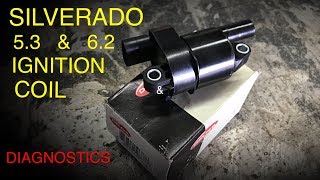
Est. part cost: $80-$170 for a single OEM (ACDelco) injector. - Ignition System Problem 🟡 Medium Probability Standard wear and tear on spark plugs and ignition coils can lead to a weak or inconsistent spark, which the ECM interprets as a contribution fault. Coil packs are a common failure item on many modern vehicles. 🎬 See this walkthrough for replacing the ignition coil.
How to confirm: Inspect the spark plug for cylinder #3 for wear, fouling, or damage. Swap the ignition coil from cylinder #3 with another cylinder (e.g., cylinder #1). If the misfire code follows the coil (e.g., changes to P0301), the coil is bad.
Typical fix: Replace the spark plug and/or ignition coil for cylinder #3. It's best practice to replace all spark plugs at the same time if they are near the end of their service life (typically 100,000 miles for iridium plugs).
Est. part cost: $10-$25 for an AC Delco Iridium spark plug, $40-$80 for an AC Delco ignition coil. - Engine Mechanical Issue (Valvetrain) ⚪ Low Probability TSB #PIP-5400 specifically mentions that a lack of lubrication to rocker arms and valvetrain components can cause this code. This is often linked to issues with the Active Fuel Management (AFM) or Dynamic Fuel Management (DFM) system lifters, which are a known failure point on EcoTec3 engines.
How to confirm: Perform a compression test on cylinder #3. A reading significantly lower than the other cylinders indicates a mechanical problem. A visual inspection of the valvetrain (rocker arms, valve springs, lifters) under the valve cover may be necessary. A collapsed lifter will often result in a very loose rocker arm. 🎬 Watch: Full repair guide for a collapsed AFM lifter.
Typical fix: This is a complex repair that can range from replacing a faulty AFM lifter, rocker arm, and pushrod to more extensive engine work like cylinder head removal or camshaft replacement, depending on the diagnosis.
Est. part cost: $500-$2500+ depending on the severity.
Rare But Worth Checking
- Wiring Harness or Connector Damage: The wiring to the fuel injector or ignition coil for cylinder #3 could be frayed, corroded, or have a loose connection, causing an intermittent signal. A visual inspection and continuity test with a multimeter can identify this. Rodents are known to chew on engine wiring harnesses.
- Engine Control Module (ECM) Anomaly: → Shop Engine Control Module (ECM) As mentioned in TSB #17-NA-171, an internal ECM software anomaly can cause this code to be set falsely, often along with a host of other unrelated codes. This is very rare and should only be considered after all other possibilities have been exhausted. The fix is typically reprogramming the ECM with the latest software.
Diagnosis Steps
- Verify the code with an OBD-II scanner. Note any other codes present and review freeze-frame data to see engine conditions when the code was set.
- Use the scanner's live data function to monitor misfire counts on cylinder #3. A professional scan tool can run a 'Cylinder Power Balance Test' to graphically see the contribution of each cylinder.
- Inspect the wiring and connector for the cylinder #3 fuel injector and ignition coil for any visible damage, corrosion, or looseness.
- Swap the ignition coil from cylinder #3 with another cylinder (e.g., #1). Clear codes and drive. If the code changes to P0263 or P0301, the ignition coil is faulty.
- Swap the spark plug from cylinder #3 with another cylinder. If the misfire follows the plug, it is faulty.
- If the misfire remains on cylinder #3, the fuel injector is the most likely culprit. Before removal, check the injector circuit for proper voltage and ground signals.
- Perform a compression test on cylinder #3 and compare it to an adjacent cylinder. A significant drop (more than 15-20%) points to a mechanical engine problem (valves, rings, lifter).
- If compression is good, proceed with fuel injector replacement. This is a difficult DIY job. 🎬 Watch: Step-by-step guide to removing and replacing direct injectors. You will need to relieve fuel pressure, remove the intake manifold, and use a special tool to pull the fuel rail.
- When installing the new injector, the Teflon seal must be replaced and sized using special tools. Do not lubricate the new seal.
- If all else fails, and especially if multiple unrelated codes are present, consult TSB #17-NA-171 regarding a potential ECM software update.
Parts You'll Likely Need
- Fuel Injector (Cylinder 3)
(OEM #12668390 (superseded by 12681212, also see kit 12710481))— This is the most common cause for a single-cylinder contribution fault on these direct-injection engines due to clogging or electronic failure.
Trusted brands: ACDelco, Bosch
OEM price range: $80-$170
Aftermarket price range: $50-$100 - Ignition Coil
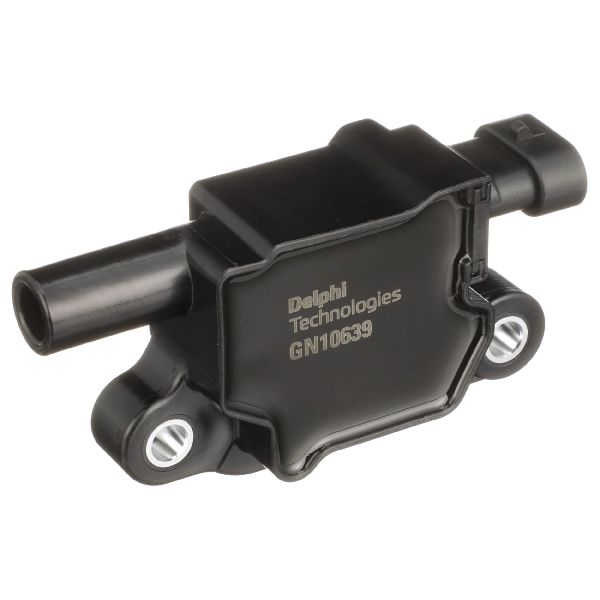
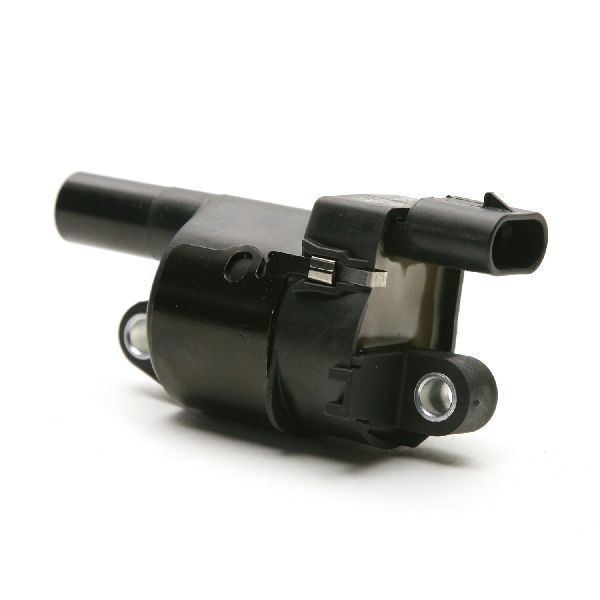
(OEM #12674754)— A failed ignition coil will prevent spark, causing a misfire and triggering a contribution fault code.
Trusted brands: ACDelco, Delphi
OEM price range: $50-$80
Aftermarket price range: $30-$60 - Spark Plug
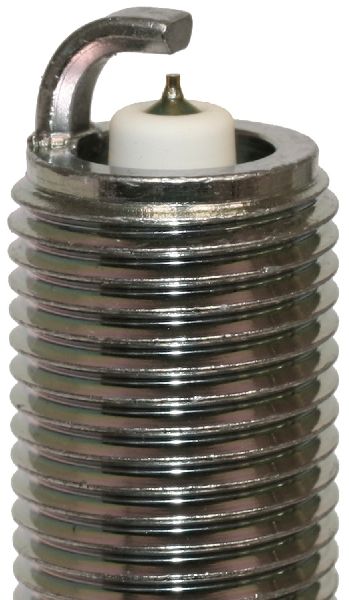
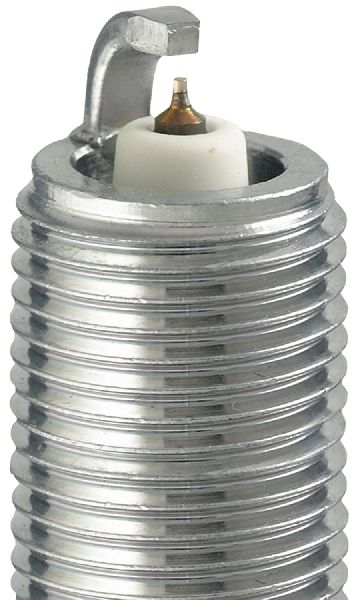
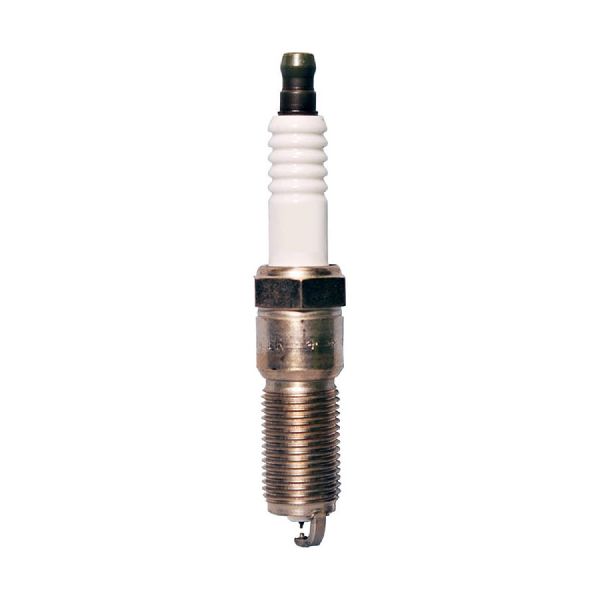
(OEM #12622441 (ACDelco 41-123 Iridium))— A fouled or worn-out spark plug can cause a weak spark, leading to incomplete combustion and a misfire.
Trusted brands: ACDelco Iridium, NGK
OEM price range: $10-$25
Aftermarket price range: $8-$15 - Fuel Rail Crossover Pipe
(OEM #12635722)
Related Codes That Often Appear With This One
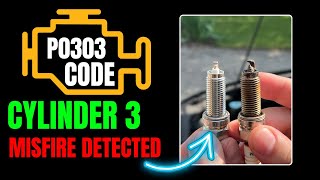
- P0303 — P0303 is 'Cylinder 3 Misfire Detected'. Since P0269 indicates cylinder 3 isn't contributing power, it's almost always accompanied by a misfire detection for the same cylinder.
- P0300 — If the underlying issue, such as a valvetrain problem or widespread injector clogging, begins to affect other cylinders, a 'Random/Multiple Cylinder Misfire' code may also appear. TSB #PIP-5400 lists P0300-P0308 alongside the P026x codes.
- P050D — This code for 'Cold Start Rough Idle' is often seen alongside injector or valvetrain issues on these engines, as the problem is more pronounced before the engine reaches operating temperature.
Technical Service Bulletins (TSBs) & Recalls
- Addresses a backfire sound from the air filter and codes P0300-P0308 or P026x, attributing the cause to a lack of lubrication to rocker arms and valvetrain components.
- Covers a wide range of drivability issues and numerous DTCs, including P0269, which may be caused by a software anomaly in the ECM and TCM. The fix is to reprogram both modules.
- Provides guidance on correctly identifying and ordering replacement fuel injectors for V6 and V8 engines, explaining the use of nominal, low, and high flow injectors to balance fuel delivery across the rail.
Platform-Specific Known Issues
- TSB #PIP-5400 notes that P0269 can be caused by a lack of lubrication to rocker arms and valvetrain components, potentially leading to a backfire sound from the air filter. This points towards AFM/DFM lifter failure.
- TSB #17-NA-171 suggests that in some 2017 models, an anomaly within the Engine Control Module (ECM) could trigger P0269 among many other codes. The prescribed fix is to reprogram the ECM and TCM with the latest software calibration.
- The direct injectors on the EcoTec3 engines are known to be difficult to remove, often getting seized in the cylinder head. Special tool EN-49248 is designed to evenly pull the fuel rail assembly to prevent damage.
- GM uses flow-matched injectors (nominal, low, high). While replacing with a 'NOM FLOW' injector is generally acceptable, it's best to identify the part number on the existing injector before ordering a replacement.
Mechanic-Grade Diagnostic Values
- High-Pressure Fuel System (at idle) — expected: 500-1000 PSI (3.4 - 6.9 MPa). Failure: Pressure that is significantly lower, higher, or erratic at idle can indicate a failing high-pressure fuel pump.
- Low-Pressure Fuel System (Key On, Engine Off) — expected: 55-62 PSI (385-425 kPa). Failure: Pressure below 55 PSI suggests a weak in-tank fuel pump or a clogged filter, which can starve the high-pressure pump.
- Fuel Injector Coil Resistance — expected: 12.4 to 14.6 ohms. Failure: A reading significantly outside this range, or an open/short circuit, indicates a faulty injector coil.
Scan Tool Commands That Help
- GM GDS2 / Professional Scan Tool: Injector Balance Test — This automated test sequentially disables each injector and measures the corresponding drop in fuel rail pressure or engine RPM to identify an underperforming injector. A cylinder that shows little to no change when its injector is disabled is the source of the fault.
- GM GDS2 / Professional Scan Tool: Fuel System Depressurize — This command should be used before servicing any high-pressure fuel system components, like the fuel injectors or fuel rail. It safely bleeds off the high pressure to prevent injury or fuel spills.
- GM GDS2 / Professional Scan Tool: Misfire Graphic — This live data display shows real-time and historical misfire counts for each cylinder, allowing a technician to confirm that cylinder #3 is the primary source of the misfires that lead to the P0269 code.
Wiring & Ground Locations
- ECM Connector X3, Pin 47 — The Engine Control Module (ECM) is located in the engine bay. X3 is the gray connector of the three main ECM connectors.. This is the control circuit for the cylinder 3 fuel injector. A technician can perform a continuity test or check for voltage signals at this pin to diagnose a wiring issue between the ECM and the injector.
- ECM Connector X3, Pin 48 — The Engine Control Module (ECM) is located in the engine bay. X3 is the gray connector of the three main ECM connectors.. This is the high voltage supply circuit for the cylinder 3 fuel injector. Testing at this pin can verify if the injector is receiving the correct power from the ECM.
- G103 / G104 — These are primary engine ground points. G103 is typically located on the front of the passenger-side cylinder head, and G104 is on the rear of the driver's-side cylinder head.. A poor engine ground can cause a multitude of electrical issues, including erratic sensor readings and injector performance. Verifying these grounds are clean and tight is a crucial step in diagnosing any electrical fault.
Real Owner Repair Stories
- Reddit user A-Dead-Cat in r/gmcsierra (2016 GMC Sierra 1500 SLT 5.3L V8 at ~100,000 miles (165,000 km)) — Flashing Check Engine Light, code P0301 (Cylinder 1 Misfire).
❌ Tried (didn't work) Initially suspected spark plug or ignition coil, but a mechanic quickly ruled them out.
✅ What actually fixed it The final diagnosis was a collapsed AFM lifter on cylinder 1. This is a mechanical failure directly related to the valvetrain issues mentioned in TSB #PIP-5400 and is a common cause of single-cylinder contribution and misfire codes on this platform. The shop quoted $2500 CAD for the lifter replacement.
OEM Part Supersession History
12668390→12681212— Standard part evolution for improved reliability or manufacturing process changes.
Heads up: These parts are generally interchangeable. There are also injector kits available, such as 12710481, which may include the injector, seals, and clamps needed for installation.
Model Year Variations Within This Range
- 2016-2018: These models primarily use the L83 (5.3L) and L86 (6.2L) engines equipped with Active Fuel Management (AFM). AFM deactivates cylinders 1, 7, 6, and 4 in a fixed V4 mode, making the lifters on these cylinders more prone to failure.
- 2019: The 2019 model year was a transition period. Lower trim trucks may have the L82 engine with AFM. Higher trims received the updated L84 (5.3L) and L87 (6.2L) engines with Dynamic Fuel Management (DFM). DFM is more advanced, with 17 operating modes, but uses deactivating lifters on all eight cylinders, making any cylinder susceptible to a lifter failure.
Helpful Videos
We Have This Part in Stock

The information in this article is provided for general reference and educational purposes only. Vehicle specifications, procedures, and part compatibility can vary by production date, trim level, and region. Always consult your vehicle's factory service manual and verify part numbers before purchasing or performing repairs. Safety-critical components such as airbags, seat belts, and braking systems should be installed by a qualified professional.
- Gmc SIERRA 1500:
- 🧭 Diagnostic Flowchart
- 🎬 Helpful Videos
- 🛍️ Shop This Part
- What's Unique About the 2016-2019 Gmc SIERRA 1500
- Symptoms You May Notice
- Most Likely Causes
- Rare But Worth Checking
- Diagnosis Steps
- Parts You'll Likely Need
- Related Codes That Often Appear With This One
- Technical Service Bulletins (TSBs) & Recalls
- Platform-Specific Known Issues
- Mechanic-Grade Diagnostic Values
- Scan Tool Commands That Help
- Wiring & Ground Locations
- Real Owner Repair Stories
- OEM Part Supersession History
- Model Year Variations Within This Range
- 🎟️ Get 5% Off