

P0274 on 2010-2014 Chevrolet Equinox V6: Cylinder 5 Injector Circuit High Causes and Fixes
This code indicates a high voltage problem in the cylinder 5 fuel injector circuit, and it only affects V6 models. The most common cause is a chafed or damaged fuel injector wiring harness, a known issue cited in a GM Technical Service Bulletin. A faulty injector is the second most likely culprit.
- P0274 on a 2010-2014 Equinox specifically points to a problem with the cylinder 5 injector circuit and thus only applies to models with the 3.0L or 3.6L V6 engine.
- Before buying any parts, thoroughly inspect the fuel injector wiring harness for damage, as this is a known weak point documented by GM in TSB #PIP4924D. Check where the harness passes over the rear valve cover.
- A faulty fuel injector is the next most likely cause if the wiring is intact. Test its resistance (should be 11-14 ohms) or swap it with another cylinder to confirm.
- This code is often accompanied by a P0305 misfire code, which is a symptom of the injector problem.
- Diagnosing with a multimeter and a noid light can prevent you from replacing parts that are not broken.
What's Unique About the 2010-2014 Chevrolet EQUINOX
For this generation of Chevrolet Equinox and its platform mates (like the GMC Terrain) with a V6 engine, the P0274 code is frequently linked to a specific, documented problem. General Motors issued Technical Service Bulletin #PIP4924D, which was updated several times, advising technicians to inspect the fuel injector wiring harness for damage caused by rubbing against other components. Common chafe points include contact with the intake plenum, valve cover bolts, fuel lines, and the side of the cylinder head. This makes a wiring inspection the critical first step in diagnosis, potentially saving you from unnecessarily replacing a good fuel injector.
Diagnostic Flowchart
Tap your situation to follow the diagnostic path that matches what you're seeing on this vehicle.
Symptoms You May Notice
- Check Engine Light is on
- Engine runs rough or vibrates, especially at idle
- Noticeable loss of power and sluggish acceleration
- Engine misfiring or stumbling, which may feel like a shudder under load.
- Reduced fuel economy
- A raw fuel smell from the exhaust due to incomplete combustion
- Replacing the spark plug or ignition coil for cylinder 5. While these can cause a misfire (P0305), they do not cause an injector circuit code like P0274. The 'circuit high' designation specifically points to an electrical fault, not a combustion or spark issue.
Most Likely Causes
- Chafed or Shorted Fuel Injector Wiring Harness 🔴 High Probability → Shop Engine Wiring Harness A known issue documented in GM Technical Service Bulletin #PIP4924D points to the injector harness rubbing through its insulation, causing a short to voltage. Specific chafe points mentioned are against the intake plenum, valve cover bolts, fuel lines, and the side of the cylinder head under the plenum.
How to confirm: Carefully inspect the entire length of the fuel injector wiring harness, especially the section that runs over the rear valve cover to cylinder 5. Look for bare wires, melted insulation, or rub marks where the harness may contact metal components. It may be necessary to remove the engine cover and gently move the harness to see underneath it.
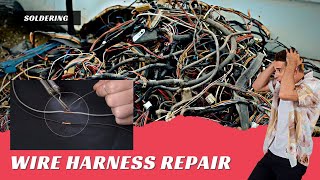
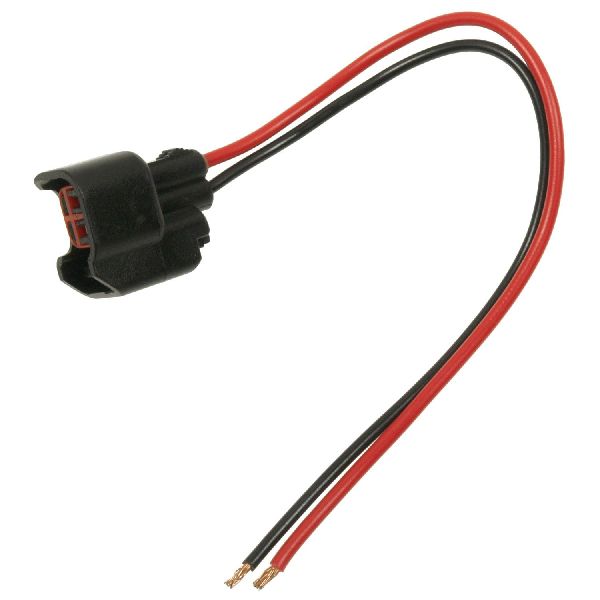
Typical fix: Repair the damaged section of the wire using solder and heat-shrink tubing 🎬 Learn the professional way to solder and repair wiring harnesses or replace the injector connector pigtail. After repair, secure the harness away from any sharp edges or hot surfaces using zip ties or re-routing to prevent recurrence.
Est. part cost: $5-$25 - Faulty Cylinder 5 Fuel Injector 🟡 Medium Probability → Shop Fuel Injector
How to confirm: Use a multimeter to check the resistance of the injector. A good injector for these GM V6 engines should typically read between 11 and 14 ohms. Compare the reading to the other injectors; a reading that is significantly higher, lower, or open indicates a fault. An alternative is to swap the cylinder 5 injector with another cylinder's injector (e.g., cylinder 3). If the code changes to P0268 (Cylinder 3 Injector Circuit High), the injector is bad.
Typical fix: Replace the faulty fuel injector. It is often recommended to replace the intake plenum gaskets when the plenum is removed for injector access.
Est. part cost: $50-$120 - Poor Electrical Connection ⚪ Low Probability
How to confirm: Inspect the electrical connector at the fuel injector and the PCM. Look for corrosion, bent, or backed-out pins. Ensure the connector is securely latched and that the weather seal is intact.
Typical fix: Clean the connector terminals with an electrical contact cleaner or repair the bent pins. Apply a small amount of dielectric grease to the connector seal to prevent future moisture intrusion.
Est. part cost: $1-$10
Rare But Worth Checking
- Faulty Powertrain Control Module (PCM): → Shop Engine Control Module (ECM) This is extremely rare. The PCM's internal driver for the injector can fail. This should only be considered after all wiring and the injector itself have been proven to be good. A technician would need to verify the driver signal at the PCM connector before condemning the module.
Diagnosis Steps
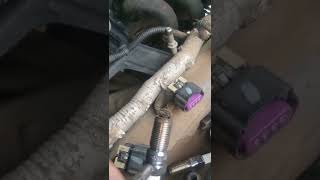
- Read the code(s) with an OBD-II scanner and confirm P0274 is present. Note any other codes, such as P0305. 🎬 Watch: Step-by-step misfire diagnosis on a 2013 Equinox
- Locate cylinder 5 on the rear bank of the engine (closest to the firewall).
- Visually inspect the fuel injector wiring harness for any signs of chafing, melting, or damage, paying close attention to the areas mentioned in TSB #PIP4924D: where it passes over the valve cover, near the intake plenum, and against fuel lines.
- Check the electrical connector on the cylinder 5 fuel injector for corrosion, damage, or loose pins.
- Disconnect the injector and use a multimeter to measure its internal resistance. It should be between 11-14 ohms. Compare the reading to another injector on the engine to see if it's out of spec.
- Use a 'noid light' tool on the injector connector to verify that the PCM is sending a pulse signal. A steady light or no light indicates a wiring or PCM problem. A 'circuit high' code often results in a no-pulse or steady-on condition.
- If the wiring and signal are good, and the injector resistance is correct, consider swapping the injector with one from another cylinder (e.g., cylinder 3). Clear the codes, run the engine, and see if the fault follows the injector (e.g., P0268 for cylinder 3). If it does, the injector is faulty.
- If the fault remains on cylinder 5 after swapping the injector, the problem is definitively in the wiring between the injector connector and the PCM, or in a rare case, the PCM itself.
Parts You'll Likely Need
- Fuel Injector
(OEM #12629927 (for 3.0L V6), 12634126 (for 3.6L V6))— This is the second most common cause after a wiring issue. The injector can fail internally, causing a high resistance or short.
Trusted brands: ACDelco, Bosch, Standard Motor Products, Hitachi
OEM price range: $80-$150
Aftermarket price range: $50-$100 - Fuel Injector Connector Pigtail
(OEM #ACDelco PT2183 (GM 88988963))— If the wiring is damaged right at the connector, replacing the pigtail is the most reliable repair. This is a common 2-pin connector used on many GM vehicles.
Trusted brands: ACDelco, Dorman (e.g., 645-905)
OEM price range: $20-$40
Aftermarket price range: $10-$25
Related Codes That Often Appear With This One
- P0305 — This code means 'Cylinder 5 Misfire Detected.' It is a direct result of the injector circuit fault (P0274) causing improper fueling for that cylinder.
- P0205 — This is a more generic 'Injector Circuit/Open - Cylinder 5' code. It can appear alongside P0274 if the PCM detects multiple types of faults in the same circuit.
- P0262, P0265, P0268, P0271, etc. — If the wiring harness is chafed in a location that affects multiple injector wires, you may see circuit high/low codes for other cylinders simultaneously. TSB PIP4924D lists a wide range of injector codes that can be caused by this single issue.
Technical Service Bulletins (TSBs) & Recalls
- PIP4924D: Notes that various fuel injector codes (including P0201-P0206, P0261-P0277, etc.) can be caused by the fuel injector wiring harness rubbing through and shorting. The recommended action is to inspect the harness at common chafe points (intake plenum, valve cover bolts, fuel lines) and repair as needed. This TSB applies to a wide range of GM vehicles with the HFV6 engine family.
Platform-Specific Known Issues
- TSB #PIP4924D documents a known issue where the fuel injector wiring harness can rub through and short out, causing various injector codes including P0274. The bulletin specifically calls out contact points against the intake plenum and valve cover bolts as common failure locations.
- Real-World Repair Story: A user on the 'Chevrolet Forum' described a similar issue with injector codes on a GM vehicle, where forum members advised checking the wiring harness near the fuse block and engine for chafing, highlighting that it's a common point of failure on these platforms. While not the exact vehicle, it corroborates the general nature of the problem.
Mechanic-Grade Diagnostic Values
- Fuel Injector Resistance (2013-2014 3.6L LFX V6) — expected: 1.2 - 1.8 Ohms. Failure: A reading outside this range, OL (open circuit), or near 0 Ohms (short circuit) indicates a failed injector.
- Fuel Injector Resistance (2010-2012 3.0L LF1 V6) — expected: ~11 - 14 Ohms. Failure: A significant deviation from this range, OL (open circuit), or near 0 Ohms (short circuit) indicates a failed injector.
- High Pressure Fuel Rail Pressure (Direct Injection, at idle) — expected: 1.9-5.0 MPa (276-725 PSI). Failure: Pressure outside this range may indicate a high-pressure fuel pump or sensor issue, which can affect overall fuel system diagnosis.
- Injector Pulse Width (Cold Start) — expected: Nearly double the normal hot idle pulse width for ~60 seconds.. Failure: This is a normal condition for catalyst heating. The pulse width should drop by about 50% after the warm-up period. Do not mistake this temporary rough idle for a fault.
Scan Tool Commands That Help
- GDS2 / Tech 2 / Professional Scan Tool: Fuel Injector Balance Test — This bidirectional test is used to confirm if an injector is mechanically clogged or flowing differently from others, which a resistance test cannot detect. The scan tool pulses each injector and measures the drop in fuel rail pressure. The pressure drop for each injector should be within 1.5 PSI (10 kPa) of the others.
- GDS2 / Professional Scan Tool: Cylinder Power Balance — This function allows the user to disable one cylinder at a time and observe the corresponding drop in engine RPM. A cylinder with a smaller RPM drop indicates it was not contributing as much as the others, helping to isolate a weak cylinder.
Wiring & Ground Locations
- G109 (V6 Engine) — Located on the right front of the engine block.. This is a primary engine ground. A loose or corroded connection can introduce electrical noise or voltage offsets, potentially affecting ECM calculations and causing injector circuit faults.
- G112 (V6 Engine) — Located on the left rear of the engine.. This is a key ground point for the engine control module and various engine components. A poor connection here can cause a wide range of difficult-to-trace electrical faults, including injector codes.
- ECM Harness at Bracket (2013-2014 3.6L LFX) — The wiring harness coming from the X1 connector of the Engine Control Module (ECM) where it passes over the metal ECM mounting bracket in the left-front of the engine bay.. GM Preliminary Information bulletin #PI1067 identifies this as a specific chafe point where engine vibration can rub injector wires through, causing shorts or opens.
- ECM Connectors (X1, X2, X3) — The main electrical connectors at the Engine Control Module, located in the engine bay.. These connectors are the termination point for the injector circuits. Testing for continuity and signals at the specific pins in these connectors is the definitive way to isolate a fault between the ECM and the rest of the harness.
Real Owner Repair Stories
- Chevy Equinox Forum (2011 Equinox) — No crank, 'No communication with ECM' code after engine rebuild.
❌ Tried (didn't work) Checking all fuses multiple times., Swapping with a known-good spare ECM.
✅ What actually fixed it The final fix was not posted by the original user, but a senior member strongly advised re-checking all engine and body grounds, specifically naming one near the alternator, one on the back of the cylinder head, and the main block ground under the lower radiator hose. This implies a loose or forgotten ground connection was the highly likely cause, a common issue after major engine work that can lead to various electrical circuit codes like P0274.
OEM Part Supersession History
12629927→12642021 (also sold as ACDelco 217-3449)— Part number consolidation and updates.
Heads up: This high-impedance injector is NOT compatible with the 3.6L LFX engine used from 2013-onward.12642128→12634126— Part number update.
Heads up: This low-impedance injector is NOT backward-compatible with the 3.0L LF1 engine.
Model Year Variations Within This Range
- 2010-2012: These models use the 3.0L V6 (LF1/LFW) engine. This engine uses high-impedance fuel injectors (~12 Ohms), part number 12629927 (or its successor).
- 2013-2014: These models use the 3.6L V6 (LFX) engine. This engine features a composite intake manifold and uses low-impedance direct injectors (~1.2-1.8 Ohms), part number 12634126. A specific harness chafe point at the ECM bracket is documented for these years under bulletin PI1067.
Helpful Videos
We Have This Part in Stock


The information in this article is provided for general reference and educational purposes only. Vehicle specifications, procedures, and part compatibility can vary by production date, trim level, and region. Always consult your vehicle's factory service manual and verify part numbers before purchasing or performing repairs. Safety-critical components such as airbags, seat belts, and braking systems should be installed by a qualified professional.
- Chevrolet EQUINOX:
- 🧭 Diagnostic Flowchart
- 🎬 Helpful Videos
- 🛍️ Shop This Part
- What's Unique About the 2010-2014 Chevrolet EQUINOX
- Symptoms You May Notice
- Most Likely Causes
- Rare But Worth Checking
- Diagnosis Steps
- Parts You'll Likely Need
- Related Codes That Often Appear With This One
- Technical Service Bulletins (TSBs) & Recalls
- Platform-Specific Known Issues
- Mechanic-Grade Diagnostic Values
- Scan Tool Commands That Help
- Wiring & Ground Locations
- Real Owner Repair Stories
- OEM Part Supersession History
- Model Year Variations Within This Range
- 🎟️ Get 5% Off