

P0276 on 2010-2015 Chevrolet Equinox V6: Cylinder 6 Injector Circuit Low Causes & Fixes
On a 2010-2015 Equinox with a V6 engine, code P0276 is most often caused by a damaged fuel injector wiring harness, not a failed injector. Manufacturer TSBs point to the harness rubbing through near the ECM or at the back of the engine. Inspect wiring thoroughly before replacing parts.
- P0276 on a 2010-2015 Equinox points to an issue with the cylinder 6 fuel injector circuit, and only occurs on V6 models.
- Before buying any parts, thoroughly inspect the engine wiring harness for damage, as this is a documented common failure point according to GM TSBs.
- A misfire caused by this code can damage your catalytic converter, so address the issue promptly.
- If the wiring is good, the next most likely cause is a failed fuel injector.
- Cylinder 6 is located on the bank of cylinders closer to the radiator, on the driver's side of the engine bay.
What's Unique About the 2010-2015 Chevrolet EQUINOX
For the V6 engines in the second-generation Chevrolet Equinox, the appearance of code P0276 is strongly linked to known wiring harness issues. General Motors issued at least two Technical Service Bulletins (TSBs) and a Preliminary Information bulletin advising technicians to inspect the fuel injector wiring harness for damage caused by rubbing against other components, particularly the ECM bracket. This makes a wiring fault a more likely cause than a failed fuel injector, which is a common misdiagnosis.
Diagnostic Flowchart
Tap your situation to follow the diagnostic path that matches what you're seeing on this vehicle.
Symptoms You May Notice
- Check Engine Light is on
- Rough or shaking idle
- Engine misfire, which may be more noticeable under load
- Reduced engine power and sluggish acceleration
- Decreased fuel economy
- Replacing the fuel injector without first thoroughly inspecting the wiring harness. Given the known TSBs and a Preliminary Information bulletin for this vehicle, the wiring is a more probable cause and checking it first can save significant time and money.
Most Likely Causes
- Damaged Fuel Injector Wiring Harness 🔴 High Probability → Shop Engine Wiring Harness As documented in GM Technical Service Bulletins #PIT5424, #PIP4924D, and Preliminary Information bulletin #PI1067, the engine harness is known to rub through or get damaged. A key failure point is where the harness coming from the ECM's X1 connector rubs against the sharp edge of the ECM bracket.
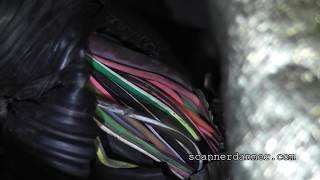
How to confirm: Carefully inspect the entire length of the fuel injector wiring harness. Pay extremely close attention to the harness bundle where it bends away from the Engine Control Module (ECM) connector, checking for contact with the metal ECM bracket. 🎬 Watch: How to visually inspect a harness for shorts Look for any signs of chafing, exposed wires, or cuts in the loom.
Typical fix: Repair the damaged section of the wire(s) using solder and heat-shrink tubing. After repair, wrap the harness section with anti-abrasion tape (such as woven polyester electrical tape) and secure it away from the sharp edge to prevent future rubbing.
Est. part cost: $5-$25 - Failed Fuel Injector 🟡 Medium Probability → Shop Fuel Injector
How to confirm: After confirming the wiring is intact, use a multimeter to test the resistance of the cylinder 6 fuel injector. For the 3.6L LFX engine, the resistance should be between 1.2 and 1.8 ohms. If the reading is outside this range, the injector has failed internally.
Typical fix: Replace the cylinder 6 fuel injector. It is often recommended to replace all injectors on the same bank, or all six, if they are high mileage.
Est. part cost: $50-$190 - Faulty Injector Connector ⚪ Low Probability
How to confirm: Visually inspect the electrical connector at the cylinder 6 fuel injector. Look for corrosion, bent or broken pins, or a loose connection. Wiggle the connector with the engine running to see if it affects the idle.
Typical fix: Clean any corrosion from the connector and pins. If the connector or its pins are damaged, it will need to be replaced with a new pigtail connector.
Est. part cost: $10-$30
Rare But Worth Checking
- Faulty Engine Control Module (ECM): → Shop Engine Control Module (ECM) This is very rare. The ECM's internal driver for the cylinder 6 injector can fail. This should only be considered after all other possibilities (wiring, injector) have been definitively ruled out.
Diagnosis Steps
- Confirm the presence of P0276 with an OBD-II scanner.
- Identify the engine type. This code is only valid for the 3.0L and 3.6L V6 engines.
- Locate cylinder 6. On the transverse-mounted V6 in the Equinox, cylinder 6 is on the front bank (closest to the radiator), on the driver's side.
- Perform a thorough visual inspection of the fuel injector wiring harness, focusing on the areas highlighted in TSBs and Preliminary Information bulletin #PI1067: specifically around the ECM and its bracket, and at the upper rear of the engine.
- Inspect the electrical connector on the cylinder 6 fuel injector for damage, corrosion, or loose pins.
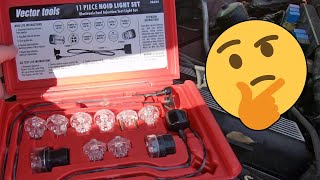
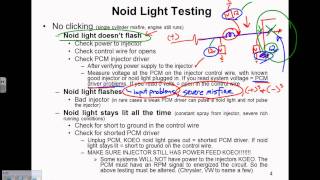
- If no wiring damage is found, perform a noid light test on the injector connector to verify if the ECM is sending a pulse signal. 🎬 Watch: How to test an injector circuit with a noid light
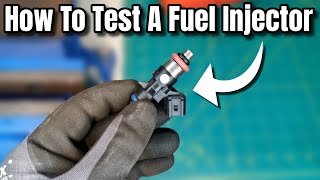
- If a signal is present, turn the ignition off and disconnect the injector. Use a multimeter set to Ohms to measure the internal resistance of the fuel injector. 🎬 See this guide on 5 ways to test fuel injectors For the 3.6L V6, it should be between 1.2 and 1.8 Ohms. An open circuit (infinite resistance) or a short (very low resistance) indicates a failed injector.
- If no signal is present with the noid light, test the continuity of the two wires between the ECM connector and the fuel injector connector to rule out a break in the wire.
- If the injector and wiring are confirmed to be good, the final, least likely possibility is a faulty ECM driver circuit.
Parts You'll Likely Need
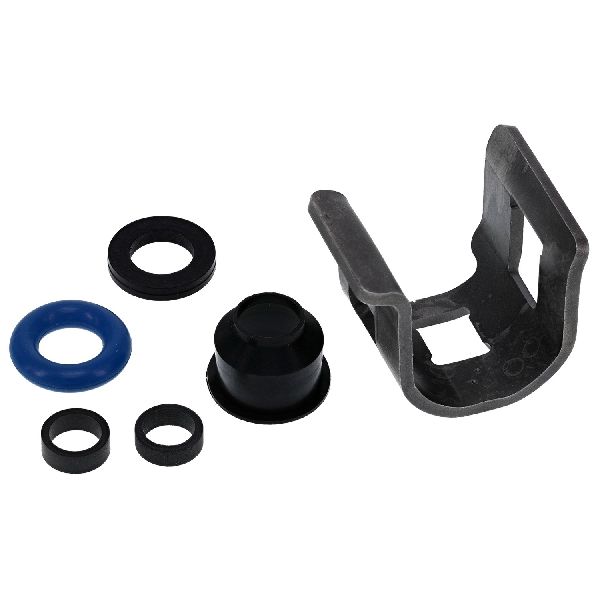
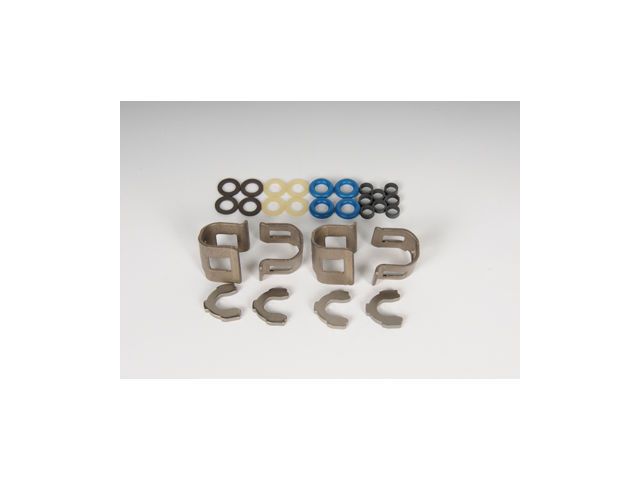
- Fuel Injector
(OEM #12669384 (for 3.6L LFX), 217-3449 (for 3.0L LFW))— This is the part to replace if the injector itself has failed its resistance test. Part numbers differ between the 3.0L and 3.6L engines.
Trusted brands: ACDelco (GM Genuine), Bosch, Standard Motor Products
OEM price range: $160-$190
Aftermarket price range: $50-$120 - Electrical Wire Repair Supplies — Needed to fix the common issue of a chafed or broken wire in the engine harness, as specified by GM TSBs and Preliminary Information bulletins.
Trusted brands: 3M
OEM price range: $10-$25
Aftermarket price range: $5-$15
Related Codes That Often Appear With This One
- P0306 — This code means 'Cylinder 6 Misfire Detected'. It is a direct result of the injector circuit fault indicated by P0276.
- P0300 — This code for 'Random/Multiple Cylinder Misfire' can appear if the engine is running very poorly or if the underlying wiring issue is affecting multiple injector circuits.
- P0270, P0273 — These are injector circuit codes for other cylinders (Cylinder 4, Cylinder 5). If they appear with P0276, it strongly points to a wiring harness issue affecting multiple injector wires in the same bundle, as noted in TSB #PIT5424.
- P0641 — This code for 'Sensor Reference Voltage 'A' Circuit/Open' can appear alongside P0276 if the harness chafe is severe enough to affect multiple wires, as mentioned in TSB #PIT5424 and PI #PI1067.
Technical Service Bulletins (TSBs) & Recalls
- PIT5424: Engine harness routing inspection for injector codes.
- PIP4924D: Fuel injector wiring harness inspection for rub through or internal shorts.
- PI1067: ECM harness chafing on ECM bracket.
Platform-Specific Known Issues
- Bulletin #PIT5424: Specifically calls for inspection of the engine harness routing between the ECM and the upper rear of the engine for chafing that can cause various injector circuit codes, including P0276.
- Bulletin #PIP4924D: Warns of the fuel injector wiring harness rubbing through or having an internal short, leading to a range of injector codes like P0276.
- Bulletin #PI1067: (For 2013-2014 3.6L LFX) Specifically identifies a chafe point where the ECM wiring harness (from connector X1) rubs on the metal ECM bracket, causing wire damage.
Mechanic-Grade Diagnostic Values
- Fuel Injector Resistance (3.6L LFX V6) — expected: 1.2 - 1.8 Ohms. Failure: A reading outside this range indicates an internal injector fault.
- Fuel Injector Resistance (3.0L LFW V6) — expected: Approximately 12 Ohms (High Impedance). Failure: A significant deviation, open circuit (OL), or short (near 0 Ohms) indicates a failed injector.
- Injector Pulse Width (at idle) — expected: 2 - 4 milliseconds (ms). Failure: A value of 0 ms on cylinder 6 while others are pulsing indicates the ECM is not commanding the injector.
- Injector Circuit Voltage Spike (on closing) — expected: 60 - 80 Volts. Failure: Absence of this inductive kick on an oscilloscope trace for cylinder 6 points to a circuit or injector coil issue.
Scan Tool Commands That Help
- GDS2 (GM Tech Tool): Injector Balance Test — This bidirectional test is used to functionally check an injector when wiring and resistance tests are inconclusive. The tool commands the injector to fire and measures the resultant drop in fuel rail pressure. A minimal or excessive pressure drop for cylinder 6 compared to others indicates a faulty injector.
Wiring & Ground Locations
- ECM Harness at Bracket — The wiring harness coming off the X1 connector of the Engine Control Module (ECM) where it passes over the metal ECM mounting bracket. The ECM is located in the left-front of the engine compartment.. This is a documented chafe point where engine vibration can cause wires, including the one for the cylinder 6 injector, to rub through on the sharp edge of the bracket, causing a short or open circuit.
- G112 — Engine compartment ground point.. This is a primary ground point for the Powertrain Control Module (PCM/ECM) on some Equinox models. A poor connection here could cause various erratic engine control issues, although it would likely affect more than just one injector circuit.
OEM Part Supersession History
12649565→12690915— Part update or revision by the manufacturer.
Heads up: This is for a full engine wiring harness assembly, which may be required if damage is extensive and not easily repaired.
Model Year Variations Within This Range
- 2010-2012: These years used the 3.0L (LFW/LF1) V6 engine. The correct OEM fuel injector is typically AC Delco part #217-3449.
- 2013-2015: These years used the 3.6L (LFX) V6 engine. The correct OEM fuel injector is typically AC Delco part #12669384. A specific Preliminary Information bulletin (#PI1067) was issued for 2013-2014 models highlighting the harness chafe point at the ECM bracket.
Helpful Videos
We Have This Part in Stock



The information in this article is provided for general reference and educational purposes only. Vehicle specifications, procedures, and part compatibility can vary by production date, trim level, and region. Always consult your vehicle's factory service manual and verify part numbers before purchasing or performing repairs. Safety-critical components such as airbags, seat belts, and braking systems should be installed by a qualified professional.
- Chevrolet EQUINOX:
- 🧭 Diagnostic Flowchart
- 🎬 Helpful Videos
- 🛍️ Shop This Part
- What's Unique About the 2010-2015 Chevrolet EQUINOX
- Symptoms You May Notice
- Most Likely Causes
- Rare But Worth Checking
- Diagnosis Steps
- Parts You'll Likely Need
- Related Codes That Often Appear With This One
- Technical Service Bulletins (TSBs) & Recalls
- Platform-Specific Known Issues
- Mechanic-Grade Diagnostic Values
- Scan Tool Commands That Help
- Wiring & Ground Locations
- OEM Part Supersession History
- Model Year Variations Within This Range
- 🎟️ Get 5% Off