

P0278 GMC Sierra 1500 (2016-2019): Cylinder 6 Contribution Fault Causes & Fixes
P0278 on a 2016-2019 GMC Sierra means cylinder #6 isn't producing enough power. The most common causes are a bad fuel injector or a failing AFM/DFM lifter. An injector is a moderate DIY fix (~$70-$150 for the part), but a lifter failure is a major engine repair costing $2,500-$7,500+ at a shop due to the high labor involved.
- P0278 means cylinder 6 is underperforming, not just misfiring.
- On a 2016-2019 Sierra V8, immediately suspect either the fuel injector or a mechanical AFM/DFM lifter failure.
- A simple diagnostic step is to swap the coil, spark plug, and injector from cylinder 6 to another cylinder to see if the problem moves.
- If the problem does not move with a component swap, a compression test is essential to check for mechanical engine damage, which is a known issue on these trucks.
- Ignoring this code can lead to expensive catalytic converter damage or even catastrophic engine failure if the cause is a failing lifter.
What's Unique About the 2016-2019 Gmc SIERRA 1500
On these specific GMC Sierra V8 engines, P0278 is often more than just a simple fuel or spark issue. The EcoTec3 engines in this generation are notorious for failures in their Active Fuel Management (AFM) or Dynamic Fuel Management (DFM) systems. These systems deactivate cylinders (including cylinder 6) to save fuel, but the special lifters used can collapse or get stuck, leading to a loss of compression and triggering contribution/balance codes. This mechanical vulnerability is a well-documented problem and a primary suspect when this code appears, as highlighted in multiple GM technical service bulletins. Cylinders 1, 4, 6, and 7 are the ones deactivated in the AFM system, making them the most common points of lifter failure.
🎬 Watch: How AFM lifters work and why they failDiagnostic Flowchart
Tap your situation to follow the diagnostic path that matches what you're seeing on this vehicle.
Generation note: This range covers the end of the third generation (K2XX, 2016-2018) and the first year of the fourth generation (T1XX, 2019). Both generations use EcoTec3 V8 engines with cylinder deactivation (AFM on 2016-2018, DFM on 2019 5.3L/6.2L), making them both susceptible to lifter-related failures that can cause this code. The lifter issue is a known problem across many GM V8 trucks from 2007-2021.
Symptoms You May Notice
- Rough or shaking idle, especially when the engine is warm.
- Noticeable loss of engine power and sluggish acceleration.
- Engine vibration, especially at lower RPMs
- Flashing or solid Check Engine Light.
- A ticking or tapping noise from the engine, which is a classic sign of a collapsed lifter.
- Increased fuel consumption.
- Audible 'popping' during acceleration.
- Replacing oxygen sensors. While an O2 sensor can detect running issues, it will not cause a contribution fault on a single, specific cylinder.
- Assuming it's only a spark plug. While a spark plug is a possible cause, on this platform, it's critical to consider the fuel injector and the high potential for a mechanical lifter failure before spending too much time on ignition components.
Most Likely Causes
- Faulty Fuel Injector (Cylinder 6) 🔴 High Probability → Shop Fuel Injector Direct injection systems operate under high pressure, and injectors can become clogged with carbon deposits or fail electronically over time, which is a leading cause of cylinder balance issues. GM issued a special coverage adjustment for some 2016-2017 models for fuel injector function issues.
How to confirm: Swap the cylinder 6 fuel injector with one from another cylinder (e.g., cylinder 4). If the trouble code changes to P0272 (Cylinder 4 Contribution Fault), the injector is bad. A professional can also use a scan tool with bidirectional control to test the injector.
Typical fix: Replace the faulty fuel injector and its seals. When replacing a direct injector, the high-pressure fuel line connected to it should also be replaced. 🎬 See this step-by-step fuel injector replacement walkthrough
Est. part cost: $70-$180 - Collapsed or Stuck AFM/DFM Lifter 🔴 High Probability The Active/Dynamic Fuel Management lifters are a notorious weak point on these GM V8 engines. They can become stuck or collapse, preventing the valves from opening and causing a complete loss of compression in that cylinder. Cylinder 6 is one of the AFM-controlled cylinders. TSB #PIP-5400 directly links valvetrain lubrication issues to this family of codes, and TSB #15-06-01-002H specifically notes that a mechanically collapsed or stuck AFM lifter can cause misfires.
How to confirm: After ruling out fuel and ignition, a compression test is needed. A reading of or near zero on cylinder 6 points to a lifter/valve train issue. A visual inspection by removing the valve cover may show a pushrod that is not moving, is bent, or a rocker arm with excessive play. 🎬 Watch: How to diagnose and replace a collapsed lifter
Typical fix: This is an extensive and expensive repair. It requires replacing all lifters on the affected bank (or all 16), the lifter guides, and often the camshaft if it has been damaged by the failed lifter. Many owners and shops recommend a full AFM/DFM delete kit at this time to prevent future failures.
Est. part cost: $500-$1500 - Ignition System Fault (Cylinder 6) 🟡 Medium Probability Spark plugs and ignition coils are regular wear items. While they typically cause a P0306 misfire code, a weak or inconsistent spark can lead to an incomplete burn and be flagged as a contribution fault.
How to confirm: Swap the cylinder 6 ignition coil and then the spark plug with another cylinder. If the code follows the component, that part is the culprit. This is the first and easiest diagnostic swap to perform.
Typical fix: Replace the faulty spark plug or ignition coil.
Est. part cost: $15-$75 - Wiring or Connector Issue ⚪ Low Probability Engine heat and vibration can cause wiring to the fuel injector or ignition coil to become brittle, corroded, or loose over time. Rodents have also been known to chew on engine wiring harnesses, causing shorts.
How to confirm: Visually inspect the wiring harness and connector for cylinder 6's fuel injector. Check for chafing, melting, or corrosion. Use a multimeter to check for proper voltage and ground signals at the connector.
Typical fix: Repair the damaged wire or replace the connector pigtail.
Est. part cost: $10-$50
Rare But Worth Checking
- Engine Control Module (ECM) Anomaly: → Shop Engine Control Module (ECM) TSB #17-NA-171 suggests that a software anomaly in the ECM can cause this code, along with a host of other performance issues. The fix is to reprogram the ECM with the latest software calibration, which must be done at a dealership. This should only be considered after all other mechanical and electrical possibilities have been exhausted.
- Low Compression (Internal Engine Damage): Beyond a lifter failure, low compression could be caused by a damaged piston, worn piston rings, or a faulty/burnt valve. A cylinder leak-down test following a failed compression test would confirm the source of the compression loss.
- Loose Charge Air Cooler Ductwork: TSB #PIP5468F indicates that for some models (primarily diesel, but the TSB lists these codes), loose connections in the charge air cooler ductwork can cause a variety of contribution fault codes, including P0278. A visual inspection may not be sufficient; a leak test is recommended.
- Failing Oil Pressure Sensor: A faulty oil pressure sensor can, in some cases, cause the AFM/DFM system to behave erratically, leading to lifter issues. Symptoms of a bad sensor include a flickering oil pressure light or a gauge that reads abnormally high or low. If oil pressure is genuinely low, it can starve lifters and cause failure.
Diagnosis Steps
- Read all stored trouble codes with an OBD-II scanner. Note any other codes present (especially P0306, P0300, P050D).
- Analyze the freeze-frame data to see the engine conditions (RPM, load, temperature) when the code was set.
- Using a professional scan tool like a GM GDS2, perform a Cylinder Power Balance test. This test will electronically disable each cylinder one by one and measure the RPM drop. A significantly smaller RPM drop for cylinder 6 confirms it is the underperforming cylinder.
- If the code returns, perform the 'easy swaps'. First, swap the ignition coil from cylinder 6 with another cylinder (e.g., cylinder 4). Clear codes and re-test. If the code changes to P0272, the coil is bad.
- If the code remains P0278, swap the spark plug from cylinder 6 with another. Clear codes and re-test. If the code moves, the plug is bad.
- If the code remains P0278, the next most likely cause is the fuel injector or a mechanical fault. Swapping direct injectors is more involved. Before doing so, use a mechanic's stethoscope to listen to the cylinder 6 injector and compare its clicking sound to a known good injector.
- If the injector sounds different or the previous steps didn't isolate the issue, perform a compression test on cylinder 6 and compare it to a known good cylinder (e.g., cylinder 2). A significant drop or zero compression strongly points to a mechanical issue.
- If compression is low, remove the valve cover for cylinder 6 (passenger side, third from front) to inspect the valve springs, pushrods, and rocker arms. Check for a collapsed lifter, which may present as a loose rocker arm or a bent pushrod.
- If compression is good, the fuel injector is the primary suspect. Proceed with swapping it to another cylinder to confirm the fault. If the code moves, the injector is bad.
- If all else fails, inspect the wiring and connector for the cylinder 6 fuel injector for damage, corrosion, or a loose connection. Finally, consult TSB #17-NA-171 regarding a potential ECM software update.
Parts You'll Likely Need
- Direct Fuel Injector
(OEM #12668390, 12681212)— This is one of the most common failure points for a single-cylinder contribution code. Part number 12681212 supersedes 12668390.
Trusted brands: ACDelco, Bosch
OEM price range: $115-$175
Aftermarket price range: $70-$120 - AFM/DFM Valve Lifter Kit
(OEM #12639516 (AFM Lifter), 12619820 (Standard Lifter))— A collapsed lifter is a very common and serious cause of this code on GM V8s. Replacement typically involves all lifters on one bank, or a full set of 16. Kits often include new lifter guides, which are critical to replace.
Trusted brands: ACDelco, Delphi, Michigan Motorsports (Kits), Texas Speed & Performance (for delete kits)
OEM price range: $400-$800
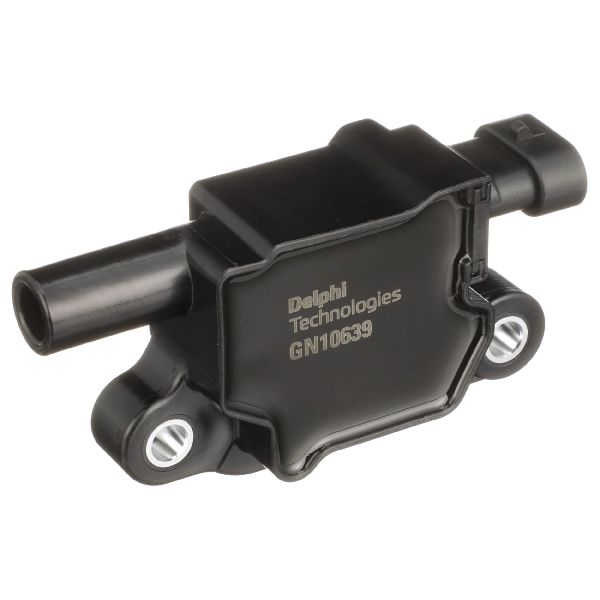
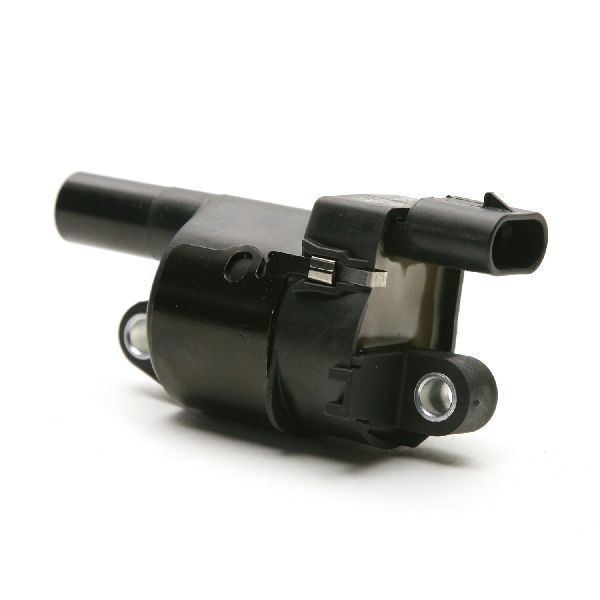
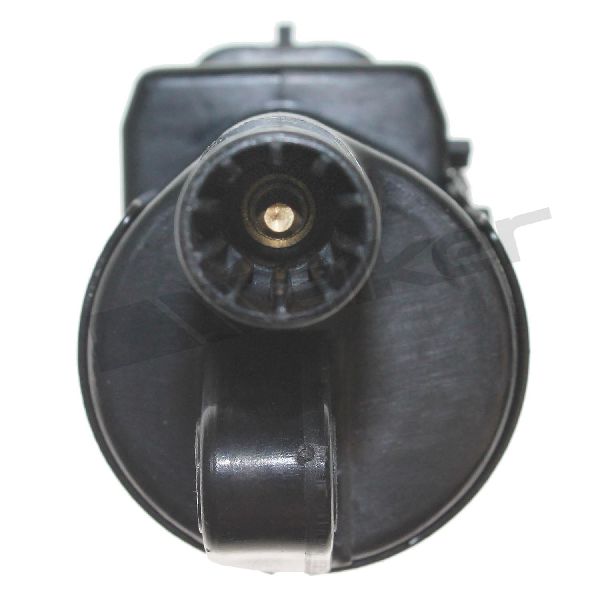
Aftermarket price range: $250-$600 - Ignition Coil
(OEM #12611424)— A simple and common wear item that should be ruled out early in the diagnostic process.
Trusted brands: ACDelco, Delphi, NGK
OEM price range: $40-$60
Aftermarket price range: $25-$45 - Camshaft — If a lifter fails, it often damages the corresponding lobe on the camshaft, requiring camshaft replacement for a complete and lasting repair.
Trusted brands: ACDelco, Texas Speed & Performance
OEM price range: $200-$400
Aftermarket price range: $150-$300
Related Codes That Often Appear With This One
- P0306 — A 'Cylinder 6 Misfire' code is often present because the lack of contribution is severe enough to be classified as a full misfire.
- P0300 — A 'Random/Multiple Cylinder Misfire' code can appear if the imbalance from cylinder 6 is causing instability that affects other cylinders, or if multiple lifters are beginning to fail.
- P050D — 'Cold Start Rough Idle' is often associated with failing AFM lifters that are not pumping up correctly with oil pressure on a cold engine.
- P0263, P0266, P0269, etc. — These are contribution/balance codes for other cylinders. Seeing them together with P0278 could point to a systemic issue like low fuel pressure, contaminated fuel, or a widespread mechanical problem like multiple failing lifters.
- P0206 — This code for 'Injector Circuit/Open - Cylinder 6' points specifically to an electrical problem with the injector or its wiring, which is a direct cause of the contribution fault.
Technical Service Bulletins (TSBs) & Recalls
- Mentions that various contribution fault codes, including P0278, can be caused by loose connections or leaks in the charge air cooler ductwork.
- States that an 'anomaly' in the ECM software can cause P0278 and other codes. The prescribed fix is to reprogram the ECM and TCM with the latest software.
- Links misfire and contribution codes (P0263-P0284) to a lack of lubrication in the valvetrain components, which is directly related to lifter and camshaft health.
- Addresses customer complaints of a ticking noise on cold starts, identifying the cause as a lifter not receiving sufficient oil (not 'pumped up'), and advises inspection for bent pushrods or collapsed lifters.
Platform-Specific Known Issues
- AFM/DFM Lifter Failure: The most significant issue for this platform. The lifters for cylinders 1, 4, 6, and 7 are part of the cylinder deactivation system and are prone to failure. This can cause a misfire, a contribution code like P0278, and often requires camshaft replacement due to damage from the failed lifter roller. A Reddit user with a 2016 5.3L Sierra experienced a collapsed lifter on cylinder 1, a common AFM cylinder, highlighting the real-world occurrence of this issue.
Mechanic-Grade Diagnostic Values
- Injector Balance Rates (Live Data) — expected: Close to 0, ideally within +/- 4 in Park and +/- 7 in Drive on a warm engine.. Failure: A consistent reading for cylinder 6 that is significantly higher or lower than the other cylinders points to a fueling or compression issue in that cylinder.
- Fuel Injector Resistance (L83/L86) — expected: High-pressure direct injectors have very low resistance, typically between 1-2 ohms. They are low-impedance.. Failure: A reading of infinity (open circuit) or a significant deviation from other injectors indicates a failed injector coil.
Scan Tool Commands That Help
- GM GDS2 (or equivalent professional scanner): Cylinder Power Balance Test — This is a primary diagnostic step to confirm which cylinder is underperforming. The tool deactivates one cylinder at a time and measures the RPM drop. A weak cylinder will show little to no drop in RPM, confirming the fault location before swapping parts.
- GM GDS2 (or equivalent professional scanner): Fuel Injector Test — This bidirectional control allows the technician to command the cylinder 6 injector on and off to listen for an audible click or to perform a flow test, helping to isolate a faulty injector without removing it first.
Wiring & Ground Locations
- Cylinder 6 Fuel Injector Control Wire — On the ECM J2 connector (73-way), the control wire for the cylinder 6 fuel injector is typically on Pin 52. The wire color is Light Blue/White (LT BLU/WHT).. If the injector itself is good, a continuity or voltage test on this specific pin and wire can identify a break or short in the harness between the ECM and the injector, which would cause P0278.
- G103 / G104 (Engine Grounds) — These primary engine grounds are typically located on the cylinder heads. For example, G103 may be on the front of the passenger side cylinder head, and G104 on the rear of the driver's side head.. The ECM and its sensors rely on clean ground connections. A loose or corroded engine ground can introduce electrical noise and voltage drops, potentially causing the ECM to misinterpret sensor data and set erroneous codes like P0278.
Real Owner Repair Stories
- gm-trucks.com forum user (2017 GMC Sierra 5.3L) — Check engine light with codes P0278 and P0306, accompanied by a noticeable engine tick.
❌ Tried (didn't work) Swapping ignition coils, Swapping spark plugs
✅ What actually fixed it The root cause was a failed AFM lifter on cylinder 6. The repair involved replacing the lifters on that bank, the lifter guides, and the camshaft which had been damaged by the failed lifter.
OEM Part Supersession History
12619820, 12571595 (AFM Lifters)→12645725, 12680871 (among others)— Ongoing design revisions to improve the durability of the Active Fuel Management lifters and mitigate common failure modes.
Heads up: For 2019+ models with Dynamic Fuel Management (DFM), newer DFM lifters (like Elgin HL-7025) are backwards-compatible with older AFM engines, but original AFM lifters (like Elgin HL-7011) will NOT work in newer DFM engines.
Model Year Variations Within This Range
- 2016-2018: These models primarily use the 5.3L L83 and 6.2L L86 engines with Active Fuel Management (AFM). AFM deactivates a fixed set of four cylinders (1, 7, 4, and 6), making these specific cylinders' lifters the primary failure points.
- 2019: The new T1XX platform introduced in 2019 uses the 5.3L L84 and 6.2L L87 engines with Dynamic Fuel Management (DFM). DFM is more advanced and can deactivate any of the 8 cylinders using 17 different patterns. While the lifter technology is similar and still a weak point, the failure is not restricted to the same four cylinders as AFM.
Helpful Videos
We Have This Part in Stock


The information in this article is provided for general reference and educational purposes only. Vehicle specifications, procedures, and part compatibility can vary by production date, trim level, and region. Always consult your vehicle's factory service manual and verify part numbers before purchasing or performing repairs. Safety-critical components such as airbags, seat belts, and braking systems should be installed by a qualified professional.
- Gmc SIERRA 1500:
- 🧭 Diagnostic Flowchart
- 🎬 Helpful Videos
- 🛍️ Shop This Part
- What's Unique About the 2016-2019 Gmc SIERRA 1500
- Symptoms You May Notice
- Most Likely Causes
- Rare But Worth Checking
- Diagnosis Steps
- Parts You'll Likely Need
- Related Codes That Often Appear With This One
- Technical Service Bulletins (TSBs) & Recalls
- Platform-Specific Known Issues
- Mechanic-Grade Diagnostic Values
- Scan Tool Commands That Help
- Wiring & Ground Locations
- Real Owner Repair Stories
- OEM Part Supersession History
- Model Year Variations Within This Range
- 🎟️ Get 5% Off