

P0302 on 2010-2012 Chevrolet Colorado: Cylinder 2 Misfire Causes and Fixes
P0302 on a 2010-2012 Colorado indicates a misfire in cylinder #2. The most common causes are a bad ignition coil or a worn-out spark plug. A simple 'swap test' can diagnose the faulty component, which is an affordable and easy DIY fix.
- P0302 specifically points to a problem in cylinder #2, not a random engine issue.
- The most likely culprits are the ignition coil and spark plug for that cylinder.
- A simple 'swap test' is the easiest and most definitive way to diagnose a bad coil or plug at home with basic tools.
- On 2010 models, check for loose spark plug wires as noted in TSB PIP4819A.
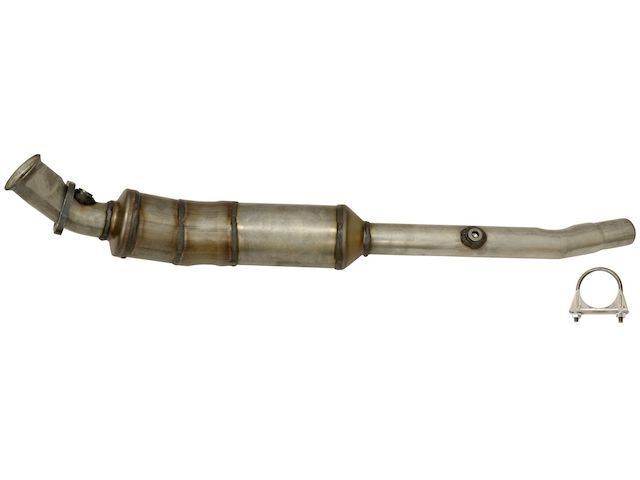
- Do not ignore a flashing check engine light, as it signals a severe misfire that can quickly damage your catalytic converter.
What's Unique About the 2010-2012 Chevrolet COLORADO
The 2010-2012 Colorado was available with I4, I5, and V8 engines, all of which use a reliable coil-on-plug ignition system. While generally robust, ignition coil failure is a very common issue on the Atlas engines (2.9L I4 and 3.7L I5). Additionally, a manufacturer Technical Service Bulletin (TSB) for 2010 models specifically points to loose spark plug wires as a potential cause for misfires, making it a noteworthy item to check during diagnosis. [TSB #PIP4819A]
Diagnostic Flowchart
Tap your situation to follow the diagnostic path that matches what you're seeing on this vehicle.
Symptoms You May Notice
- Check Engine Light is on and may be flashing
- Rough or shaky engine idle
- Engine hesitation or stumbling during acceleration
- Noticeable loss of engine power
- Difficulty starting the engine
- Reduced fuel economy
- Smell of unburnt gasoline from the exhaust
- Replacing the fuel pump when only a single cylinder is misfiring. A fuel pump issue would typically cause random/multiple misfires (P0300) across all cylinders.
Most Likely Causes
- Faulty Ignition Coil 🔴 High Probability → Shop Ignition Coil Ignition coil failure is a widely reported issue on the I4 and I5 engines used in this generation of Colorado.
How to confirm: Swap the ignition coil from cylinder #2 with an adjacent cylinder (e.g., cylinder #1 or #3). Clear the codes and drive. If the code changes to P0301 or P0303, the coil is faulty.
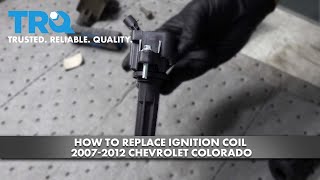
Typical fix: Replace the faulty ignition coil. It is held in by a single 10mm bolt. 🎬 Watch: Step-by-step guide to replacing your ignition coil.
Est. part cost: $40-$110 - Worn or Fouled Spark Plug 🔴 High Probability → Shop Spark Plug
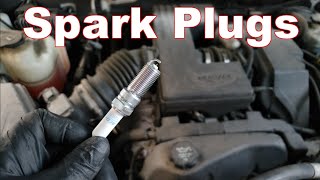
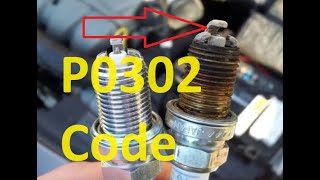
How to confirm: Remove the spark plug from cylinder #2 and inspect it for wear, carbon fouling, or damage to the electrode. Compare it to a new plug. If the ignition coil swap test did not move the code, try swapping the spark plugs next.
Typical fix: Replace the spark plug. If all plugs are old, it's best practice to replace the entire set.
Est. part cost: $7-$15 per plug - Loose or Damaged Spark Plug Wire/Connector 🟡 Medium Probability → Shop Spark Plug A specific TSB (#PIP4819A) was issued for 2010 models for misfire codes caused by loose spark plug wires.
How to confirm: Visually inspect the spark plug wire (on V8 models) or the ignition coil's electrical connector for looseness, corrosion, or damage. Ensure it is securely connected.
Typical fix: Secure the connection or replace the wire/connector if damaged.
Est. part cost: $5-$50 - Clogged or Faulty Fuel Injector ⚪ Low Probability → Shop Fuel Injector
How to confirm: If ignition components are confirmed to be good, the fuel injector is the next suspect. A professional can test the injector's flow rate, or a DIYer can listen for a clicking sound with a mechanic's stethoscope to confirm it's operating. Swapping injectors is also possible but more labor-intensive.
Typical fix: Replace the fuel injector for cylinder #2.
Est. part cost: $60-$150
Rare But Worth Checking
- Low Engine Compression: This indicates a more serious mechanical engine problem, such as worn piston rings, a failing valve, or a bad head gasket. A compression test is needed to diagnose this.
- Excessive Carbon Buildup on Valves: Particularly on higher mileage engines, carbon can build up on the intake valves, preventing them from sealing properly and causing a misfire.
Diagnosis Steps
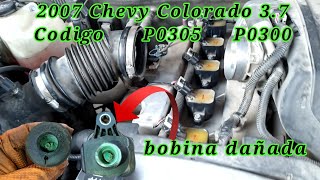
- Read the code with an OBD-II scanner to confirm P0302 is the primary code. 🎬 Watch: A breakdown of common causes for the P0302 code.
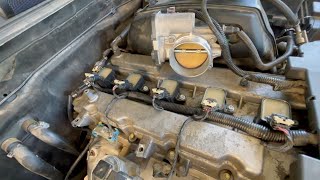
- Locate cylinder #2. On the 2.9L I4 and 3.7L I5, it is the second cylinder from the front of the truck. On the 5.3L V8, it is the front-most cylinder on the passenger side bank.
- Inspect the ignition coil's electrical connector for a secure fit and any signs of damage.
- Perform an 'ignition coil swap test'. Swap the coil from cylinder #2 with the coil from cylinder #1. Clear the codes, run the engine, and rescan. If the code is now P0301, the ignition coil is bad.
- If the code remains P0302, perform a 'spark plug swap test'. Swap the spark plugs between cylinders #1 and #2. If the code changes to P0301, the spark plug is bad.
- If the code is still P0302, the issue is likely fuel or mechanical. Check the fuel injector wiring and listen for its operation. A 'noid light' can confirm the injector is receiving a pulse from the ECM.
- If ignition and fuel delivery seem okay, perform a compression test on cylinder #2 to rule out internal engine problems.
Parts You'll Likely Need
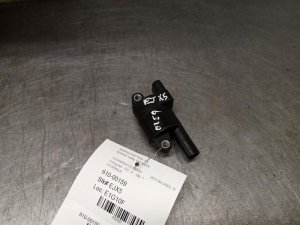
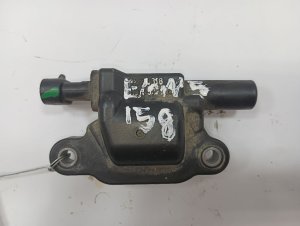
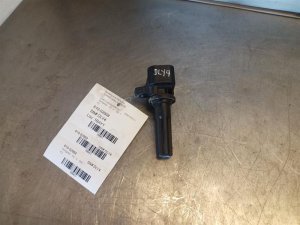
- Ignition Coil
(OEM #D514A)— This is the most frequent failure point for a single-cylinder misfire on this vehicle.
Trusted brands: ACDelco, Delphi, NGK
OEM price range: $100-$110
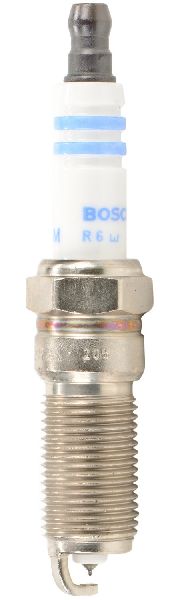
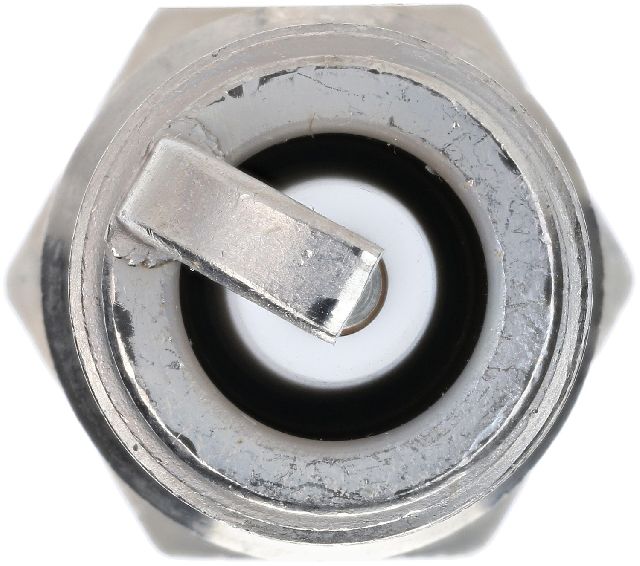
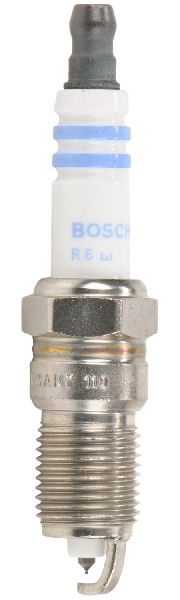
Aftermarket price range: $40-$80 - Spark Plug
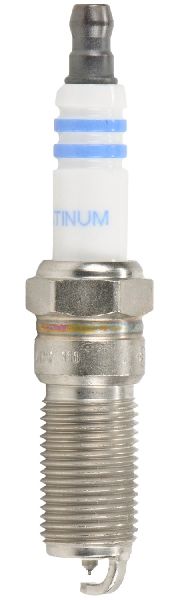
(OEM #41-103)— Spark plugs are a routine maintenance item and a common cause of misfires as they wear out.
Trusted brands: ACDelco, NGK, Bosch
OEM price range: $9-$15
Aftermarket price range: $7-$12
Related Codes That Often Appear With This One
- P0300 — If the misfire on cylinder 2 is intermittent or severe, it can sometimes be registered by the ECM as a 'Random/Multiple Cylinder Misfire' in addition to the specific cylinder code.
Technical Service Bulletins (TSBs) & Recalls
- PIP4819A: Addresses engine misfires (P0300-P0308) and instructs technicians to inspect and replace loose spark plug wires.
Platform-Specific Known Issues
- A Technical Service Bulletin (PIP4819A) was issued for 2010 models regarding misfire codes (including P0302) that could be caused by loose spark plug wires. The fix is to inspect and replace any loose wires.
Mechanic-Grade Diagnostic Values
- Fuel Pressure (I4/I5 Engines) — expected: Key On, Engine Off: ~50 PSI. Engine Idling: 56-60 PSI.. Failure: Pressure that is significantly below 50 PSI or does not hold steady may indicate a weak fuel pump or a leak.
- Engine Compression (I4/I5 Engines) — expected: Above 150 PSI per cylinder.. Failure: Readings below 120-130 PSI on any cylinder are a strong indicator of mechanical issues like worn valve seats, a known problem on Atlas engines.
- Cylinder Leak-Down Test (I4/I5 Engines) — expected: Minimal leakage (typically under 10-15%).. Failure: Excessive air heard leaking from the exhaust points to a bad exhaust valve/seat, the most common failure point related to the known cylinder head issue on these engines.
- Ignition Coil Resistance (Typical Coil-on-Plug) — expected: Primary Winding: 0.4-2.0 Ohms. Secondary Winding: 6,000-11,000 Ohms.. Failure: A reading outside of the specified range (e.g., an open circuit or zero resistance) indicates a faulty coil.
Hidden / Shadow Codes Worth Checking
- Misfire Counter (Live Data): Professional scan tools can access live data showing the number of misfire events per cylinder in both the current drive cycle and in history. This allows a technician to see which cylinder is having issues, even if the misfire count isn't high enough to trigger a P0302 code yet. (see via GM Tech2, or other professional-grade scan tool with GM-specific software. Look for 'Misfire Data' or 'Misfire History'.)
Scan Tool Commands That Help
- GM Tech2 / Professional Scan Tool: Misfire Graph / Misfire Data — Use this function to confirm that cylinder #2 is the source of the misfires. It's especially useful for intermittent misfires that don't immediately set a code, as it displays a history of misfire counts for each cylinder.
- Any OBD-II Scanner: Freeze Frame Data — Always review the freeze frame data when a P0302 is stored. It provides a snapshot of engine parameters (RPM, load, temperature) at the moment the misfire was detected, which can help determine if the issue is related to cold starts, high load, or other specific conditions.
Wiring & Ground Locations
- G105 — Located on the left side of the engine compartment, near the Electronic Brake Control Module (EBCM).. This is a shared ground point for multiple components, including the ignition coils on the I4 and I5 engines. Corrosion or a loose connection here can cause intermittent ignition problems.
- SP-105 (Splice Pack) — Driver's side of the engine bay, near the battery and underhood fuse block. The battery and its tray may need to be removed for access.. This is a known common point for corrosion on 1st-gen Colorados. It grounds numerous critical circuits, including the fuel pump. A poor ground here can cause low fuel pressure or other electrical faults that could lead to misfires.
- SP-106 (Splice Pack) — Passenger side of the engine bay, behind the engine air filter box.. While less directly related to the ignition system, this is another common corrosion point that grounds the HVAC module and Data Link Connector. Widespread electrical issues from bad grounds can sometimes manifest in unexpected ways.
Real Owner Repair Stories
- RepairPal User Report (Chevrolet Colorado (year not specified, but applies to this generation)) — P0302 code and Stabilitrak light illuminated, rough idling, poor acceleration.
❌ Tried (didn't work) Not specified, but implies that simple ignition/fuel checks did not resolve the issue.
✅ What actually fixed it The problem was attributed to excessive carbon buildup on the intake and exhaust valves, and potential rocker arm failure, which are mechanical engine problems requiring more in-depth repair.
OEM Part Supersession History
41-103 (ACDelco Spark Plug)→12625058 (GM Part Number)— This is an equivalent part number cross-reference rather than a functional supersession.D514A (ACDelco Ignition Coil)→D1935E / 12596547— These are alternative OEM part numbers for the ignition coil used on the Atlas engines (2.9L/3.7L) in this vehicle range.
Model Year Variations Within This Range
- 2010-2012: The 5.3L V8 engine in these years is the LH9 version, which includes flex-fuel capability and variable valve timing (VVT), unlike the 2009 LH8 V8.
- 2010-2012 (vs. 2004-2006): The 2.9L and 3.7L engines in this range have a revised cylinder head design intended to fix the premature exhaust valve seat wear common on the earlier 2.8L and 3.5L engines. While the failure is less common on these later models, it is not completely eliminated and should still be considered a possible cause for misfires, especially at idle.
Helpful Videos
Used OEM Parts in Stock
New Aftermarket Parts Available

The information in this article is provided for general reference and educational purposes only. Vehicle specifications, procedures, and part compatibility can vary by production date, trim level, and region. Always consult your vehicle's factory service manual and verify part numbers before purchasing or performing repairs. Safety-critical components such as airbags, seat belts, and braking systems should be installed by a qualified professional.
- Chevrolet COLORADO:
- 🧭 Diagnostic Flowchart
- 🎬 Helpful Videos
- 🛍️ Shop This Part
- What's Unique About the 2010-2012 Chevrolet COLORADO
- Symptoms You May Notice
- Most Likely Causes
- Rare But Worth Checking
- Diagnosis Steps
- Parts You'll Likely Need
- Related Codes That Often Appear With This One
- Technical Service Bulletins (TSBs) & Recalls
- Platform-Specific Known Issues
- Mechanic-Grade Diagnostic Values
- Hidden / Shadow Codes Worth Checking
- Scan Tool Commands That Help
- Wiring & Ground Locations
- Real Owner Repair Stories
- OEM Part Supersession History
- Model Year Variations Within This Range
- 🎟️ Get 5% Off