

P0303 on 2016-2022 Mazda CX-3: Cylinder 3 Misfire Causes and Fixes
P0303 on a Mazda CX-3 almost always means cylinder #3 is misfiring due to a bad ignition coil or a worn spark plug. The definitive first step is to swap the cylinder 3 ignition coil with another cylinder (e.g., cylinder 2) and see if the code changes to P0302. A single OEM ignition coil (part #PE20-18-100A) costs about $120-$175 and is a simple DIY replacement held by a single 8mm bolt.
- P0303 on a 2016-2022 CX-3 is a misfire on cylinder 3, most often caused by a bad ignition coil.
- The easiest DIY diagnostic is to swap the cylinder 3 ignition coil with another cylinder's coil to see if the code follows.
- Always use the specified Iridium spark plugs (NGK or Denso) as the Skyactiv ignition system is sensitive to plug type.
- If ignition parts don't fix the issue, consider a clogged fuel injector or, on higher mileage cars, carbon buildup on the intake valves.
- In freezing weather, be aware that a frozen muffler can cause misfire codes on this vehicle.
What's Unique About the 2016-2022 Mazda CX-3
The 2.0L Skyactiv-G engine in the CX-3 is a direct-injection (GDI) design. While reliable, this means it can be prone to carbon buildup on the intake valves over time, which can lead to misfires, especially at higher mileage. Additionally, Mazda has identified a unique issue documented in TSB 01-007/19 where, in cold climates, condensation can accumulate and freeze in the muffler, creating excess exhaust backpressure that triggers misfire codes upon startup. Manufacturer service bulletin #01-007-19-3541 confirms that this frozen water accumulation in the main silencer can specifically trigger DTC P0303 along with other cylinder misfire codes.
Symptoms You May Notice
- Rough or shaky idle
- Engine hesitation or stumbling during acceleration
- Noticeable loss of power
- Flashing check engine light (indicates a severe misfire)
- Solid check engine light
- Reduced fuel economy
- Vehicle may enter 'limp mode' with severely reduced power to protect the engine and catalyst.
- Replacing only the spark plugs when the ignition coil is the actual cause.
- Replacing ignition parts when the issue is a clogged fuel injector, which is a known but less common issue on Skyactiv engines.
- Assuming a major engine problem before checking for simpler issues like carbon buildup or a restricted exhaust, especially if the misfire occurs in specific conditions (e.g., cold weather startups).
Most Likely Causes
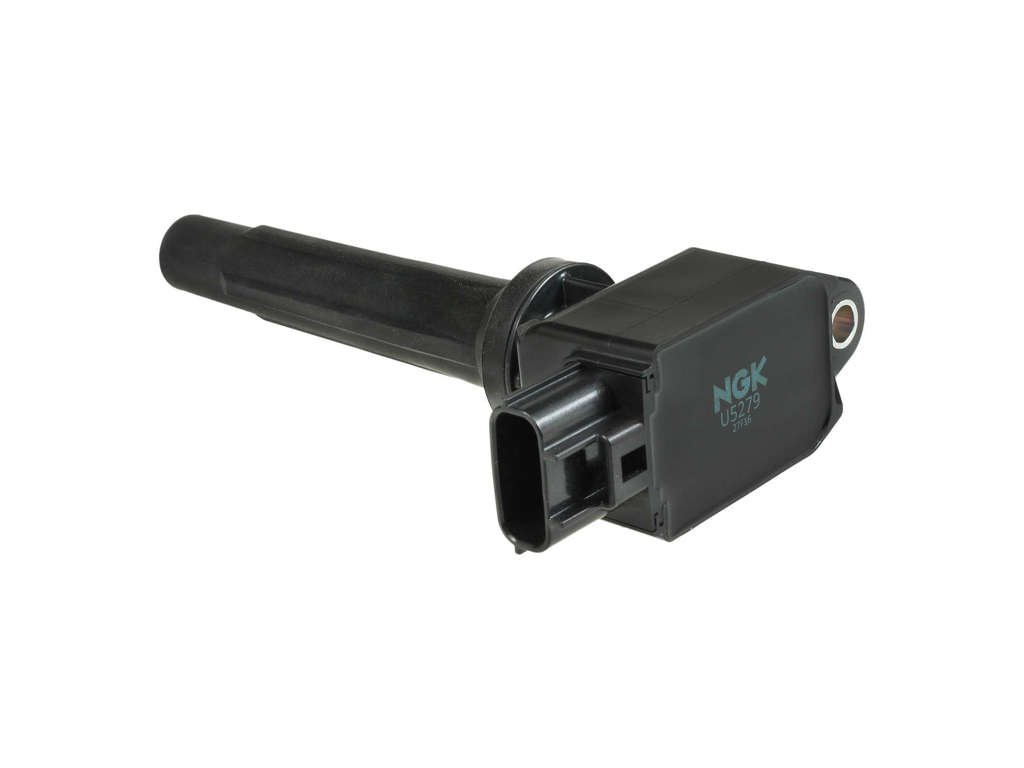
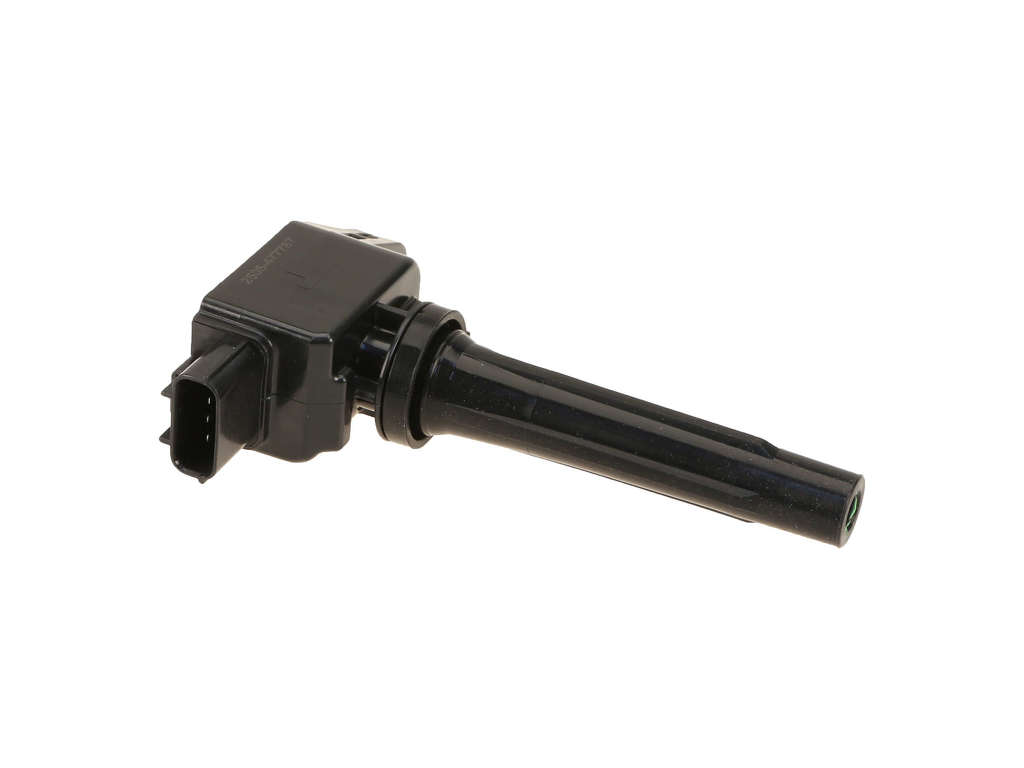
- Failed Ignition Coil 🔴 High Probability → Shop Ignition Coil Coil-on-plug systems are a common failure point on modern engines due to constant heat cycles and vibration. The 2.0L Skyactiv-G is no exception, and this is the most common cause for a single-cylinder misfire code.
How to confirm: Swap the ignition coil from cylinder 3 with another cylinder (e.g., cylinder 2). Clear the codes with a scanner and drive the vehicle. If the code changes to P0302 ('Cylinder 2 Misfire'), the ignition coil is definitively faulty. This is the most crucial and effective diagnostic step. 🎬 Watch this step-by-step guide on diagnosing a P0303 misfire code.
Typical fix: Replace the faulty ignition coil. It's often wise to replace all four if they are original and the vehicle has high mileage, but replacing only the failed one is a common and acceptable repair.
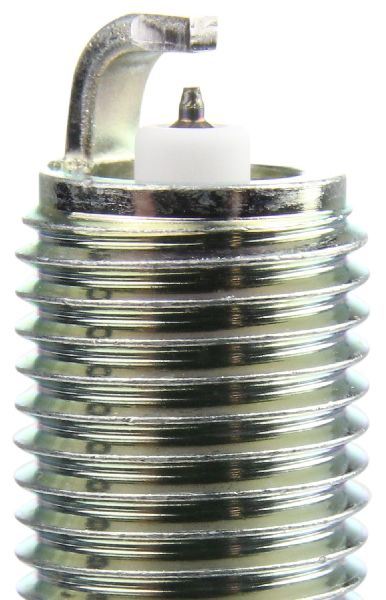
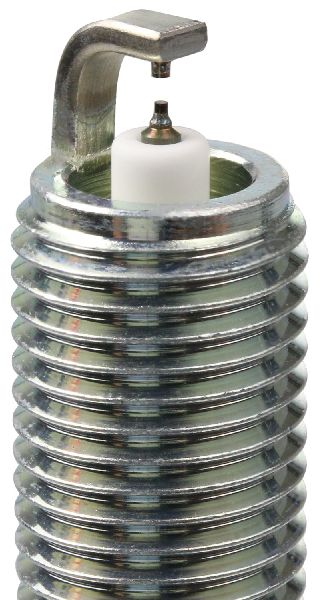
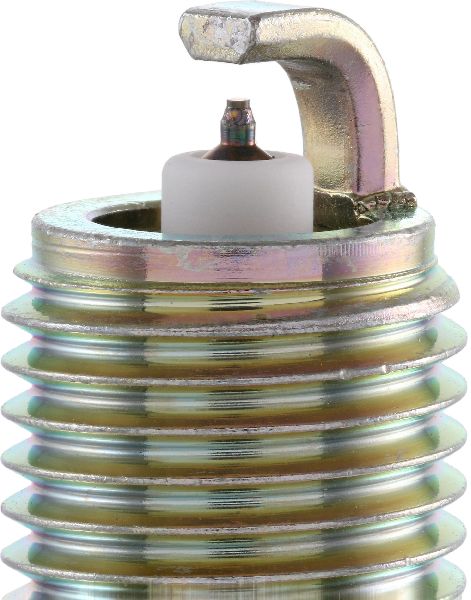
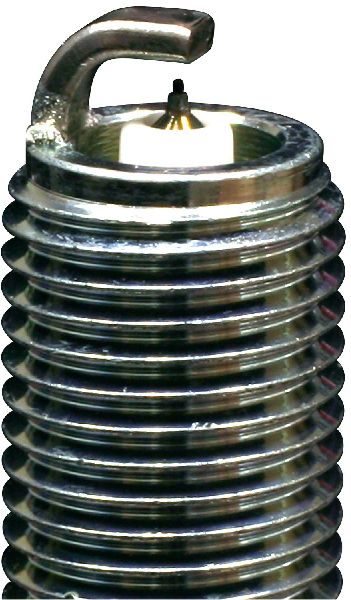
Est. part cost: $40-$175 - Worn or Fouled Spark Plug 🟡 Medium Probability → Shop Spark Plug The service interval for the original equipment Iridium spark plugs on the Skyactiv engine is 75,000 miles. Plugs that are worn past their service life, have an incorrect gap, or are fouled by carbon or oil can cause a weak or inconsistent spark, leading to a misfire.
How to confirm: After ruling out the ignition coil, remove the spark plug from cylinder 3. Inspect it for a worn-down center electrode, heavy black carbon deposits, oily residue, or cracks in the white ceramic insulator. Compare it to a new plug or a plug from a different cylinder.
Typical fix: Replace the spark plug in cylinder 3. It is best practice to replace all four spark plugs as a set with OEM-spec Iridium plugs (NGK or Denso) to ensure even performance and avoid future misfires.
Est. part cost: $80-$120 for a set of four - Clogged or Faulty Fuel Injector ⚪ Low Probability → Shop Fuel Injector As a direct-injection engine, the fuel injectors operate under very high pressure and their tips are exposed to combustion, making them susceptible to carbon clogging over time. TSB 01-004-17-3317a notes that injector circuit codes can appear with misfire codes, indicating electrical faults are also possible. Specifically, Bulletin #01-004-17-3317a describes an engine running rough with P0303 and P0203 (Fuel injector circuit/open cylinder No.3) stored simultaneously.
How to confirm: This is more difficult to diagnose. A DIY method involves listening to the injector with a mechanic's stethoscope to ensure it's making a steady clicking sound. Resistance can also be checked with a multimeter. A professional can perform a fuel injector balance test. A definitive, but labor-intensive, test is to swap the injector with another cylinder and see if the misfire code follows.
Typical fix: Replace the faulty fuel injector. It's recommended to replace the injector seals at the same time. This is a more involved repair than coils or plugs.
Est. part cost: $100-$250
Rare But Worth Checking
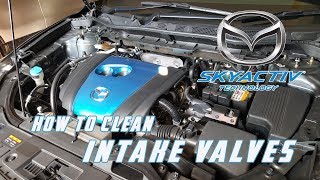
- Carbon Buildup on Intake Valves: Because the Skyactiv-G is a direct-injection engine, fuel doesn't wash over the intake valves. Over 80,000+ miles, oil vapors from the PCV system can bake onto the valves, forming hard carbon deposits that restrict airflow. This can disrupt the air/fuel mixture enough to cause misfires, especially on cold starts. The fix is a professional intake valve cleaning, often done by 'walnut blasting'.
- Frozen Muffler / Exhaust Restriction: Mazda TSB 01-007/19 confirms that in climates where temperatures drop below 32°F (0°C), water can accumulate and freeze in the muffler (main silencer). This creates an exhaust blockage that leads to high backpressure and can cause misfires (P0300, P0301, P0302, P0303, P0304) on startup. Bulletin #01-006-18-3429 and Bulletin #01-002-17-3299a also document this specific failure mode where frozen water restricts the exhaust flow. The fix is a modified muffler with drain holes.
- Low Engine Compression: While rare on this engine, internal mechanical issues like a burnt exhaust valve, failed piston rings, or even failed fuel injector seals can cause a loss of compression in cylinder 3. A loss of compression prevents the air-fuel mixture from igniting properly, leading to a persistent misfire. A compression test is needed to diagnose this.
Diagnosis Steps
- Read the freeze frame data with an OBD-II scanner to see the conditions (engine temperature, speed, etc.) when the code was set. Note if the Intake Air Temperature was below freezing, which would point towards the frozen muffler TSB.
- Swap the ignition coil from cylinder 3 to an adjacent cylinder (like cylinder 2). Cylinder 3 is the third cylinder from the front of the engine (radiator side). The coil is held by a single 8mm bolt. 🎬 See this walkthrough on how to replace your ignition coils.
- Clear the codes and drive the vehicle. If the code returns as P0302, the ignition coil is the confirmed problem. Replace it.
- If the code remains P0303, the coil is likely good. Next, swap the spark plug from cylinder 3 to a different cylinder (like cylinder 1).
- If the code returns as P0301, the spark plug is the problem. Replace all four spark plugs as a set.
- If the code remains P0303, the issue is not the coil or plug. The next most likely causes are a clogged fuel injector or a wiring issue to the coil or injector.
- Inspect the wiring and connector for the cylinder 3 ignition coil and fuel injector for any damage, corrosion, or looseness.
- At this point, more advanced diagnostics are needed. Consider a professional diagnosis, which may include a fuel injector flow test, an intake valve inspection with a borescope for carbon buildup, or an engine compression test.
Parts You'll Likely Need
- Ignition Coil
(OEM #PE20-18-100A)— This is the most common failure part for a single-cylinder misfire on this engine. This part number may supersede older versions.
Trusted brands: Mazda (OEM), NGK, Denso, Bosch
OEM price range: $120-$175
Aftermarket price range: $40-$75 - Iridium Spark Plug
(OEM #PE5R-18-110)— Spark plugs are a routine maintenance item and the second most likely cause of a misfire. The Skyactiv engine requires specific Iridium plugs for proper operation. The OEM plug is typically an NGK ILKAR7L11.
Trusted brands: NGK (ILKAR7L11), Denso (DXE22HQR-D11S)
OEM price range: $20-$30 per plug
Aftermarket price range: $15-$25 per plug
Related Codes That Often Appear With This One
- P0300 — If the condition causing the misfire is not isolated to one cylinder (e.g., a large vacuum leak, poor fuel quality, or a frozen muffler), a P0300 (Random Misfire) code may appear alongside P0303.
- P0301, P0302, P0304 — If multiple ignition coils or injectors are failing, or if there is a systemic issue like severe carbon buildup affecting all cylinders, you may see misfire codes for other cylinders as well.
- P0203 — This code for 'Cylinder 3 Injector Circuit Malfunction' points directly to an electrical issue with the fuel injector or its wiring, which would cause a misfire in that cylinder. A Mazda TSB links these code types.
Technical Service Bulletins (TSBs) & Recalls
- 01-007/19 (Supersedes 01-006/18, 01-002/17, 01-011/16): Details diagnosis and repair for misfire codes P0300-P0304 caused by frozen water in the main silencer (muffler) during cold weather (below 32°F/0°C). The fix is a replacement muffler with drain holes.
- Bulletin #01-007-19-3541: Confirms that P0303 can be stored in memory due to frozen water accumulated in the main silencer, creating an exhaust restriction.
- Bulletin #01-006-18-3429: Identifies that restricted exhaust from frozen water in the main silencer can lead to cylinder misfire codes including P0303.
- Bulletin #01-002-17-3299a: Notes that misfire codes P0300 through P0304 may be caused by frozen water accumulation in the main silencer.
- 01-004-17-3317a: Connects engine roughness and misfire DTCs (P0301-P0304) with fuel injector circuit open codes (P0201-P0204), aiding in diagnosing fuel injector electrical faults.
- SA-068-22: While not directly for misfires, this TSB warns against using incorrect automatic transmission fluid. Using non-ATF-FZ fluid can cause shifting issues that might be misconstrued as engine hesitation.
Platform-Specific Known Issues
- In cold climates, misfires on startup can be caused by a frozen muffler creating excessive exhaust backpressure, as documented in TSB 01-007/19. The fix involves a replacement muffler with built-in drain holes.
- As a direct-injection engine, the intake valves are prone to carbon buildup over 80,000 miles, which can cause misfires and rough running that ignition or fuel parts replacement won't solve.
Mechanic-Grade Diagnostic Values
- Engine Compression — expected: Standard: 827 kPa (120 psi) at 300 rpm. Minimum: 661 kPa (95.9 psi) at 300 rpm.. Failure: A reading below the minimum, or a difference between cylinders greater than 140 kPa (20.3 psi).
- Spark Plug Resistance — expected: 3.0 kΩ to 7.5 kΩ. Failure: A resistance reading outside of this range indicates a faulty plug that may not be compatible with the ion-sensing ignition system.
- Ignition Coil Secondary Resistance — expected: 8,000 Ω to 12,000 Ω (8 kΩ to 12 kΩ). Failure: A reading significantly outside this range suggests an internal failure in the coil's secondary windings.
- Fuel Injector Resistance (General Reference) — expected: ~12.3 Ω to 12.9 Ω. Failure: An open circuit (infinite resistance) or a dead short (0 ohms). However, an injector can be mechanically clogged even if its resistance is within spec.
Hidden / Shadow Codes Worth Checking
- Mode $06, TID $53 (example): Accessing Mode $06 data with a capable scan tool allows viewing of the raw misfire counts for each cylinder, even if the count is not high enough to set a P0303 trouble code. This is extremely useful for diagnosing intermittent or subtle misfires. The Test ID (TID) for misfire monitoring is often $53 on Ford-based systems, which Mazda's can be similar to, with Component IDs (CID) $01, $02, $03, $04 corresponding to the cylinder number. (see via Advanced OBD-II scanner or software like FORScan that can display Mode $06 test results.)
Scan Tool Commands That Help
- Mazda IDS / FORScan: Injector Cut / Power Balance Test — After confirming spark is good, a power balance test can electronically disable one injector at a time. If disabling cylinder 3's injector causes no change in engine RPM, but disabling other injectors does, it confirms cylinder 3 was not contributing, pointing strongly to a fuel or compression issue in that cylinder.
- PicoScope / Lab Scope: Ignition Coil & Fuel Injector Current Ramping — This is a professional-level diagnostic to definitively test the electrical health of a coil or injector. By clamping the component's power wire, a technician can view the amperage waveform. A shorted coil or a mechanically sticking injector will show a distinct, abnormal pattern compared to a known-good cylinder.
Wiring & Ground Locations
- Engine Ground Points — General locations include a ground on the passenger side motor mount, a ground on the driver's side fender area going to the negative battery terminal, and multiple grounds on the transmission housing. A wiring diagram also indicates grounds on the cylinder head and engine block.. A poor engine ground can cause a weak spark across all cylinders or create electrical noise that can interfere with ignition coil and injector operation, potentially causing random or specific cylinder misfires.
Real Owner Repair Stories
- ScannerDanner Forum, user 'jgleaton' (2013 Mazda 3 2.0L Skyactiv-G, 75k miles) — P0303 misfire under high load, especially when cold. The car would enter a safe mode, shutting off the injector to cylinder 3.
❌ Tried (didn't work) Replaced spark plugs, Swapped known-good ignition coils, Checked for vacuum leaks, Performed a walnut blast on intake valves, Replaced PCV valve, Flashed PCM and TCM to latest Mazda software
✅ What actually fixed it The final cause was a clogged cylinder 3 fuel injector. The injector's electrical resistance was within spec, so it passed basic electrical tests, but it was mechanically restricted.
OEM Part Supersession History
p51b18100, pe0118100, pe0118100a→PE20-18-100A— Standard part revision and consolidation over model years.
Heads up: The newest part number, PE20-18-100A, is the correct replacement for the entire 2016-2022 CX-3 range and is backward compatible with earlier Skyactiv-G engines.
Diagnostic Flowchart
Other Known Issues on This Vehicle
Issues unrelated to this code that are worth knowing about as an owner of this generation:
- Infotainment 'Ghost Touch' or Delamination 🟠 Medium — Common issue on 2016-2018 models. The touchscreen registers phantom inputs, making the system unusable. It is caused by the degradation of the touch digitizer layer. (Ref: Mazda has a warranty extension program (CSP13) for some models/years related to the Connectivity Master Unit (CMU), but the ghost touch screen itself is often not covered.)
- Automatic Transmission Fluid Sensitivity 🟠 Medium — Not a defect, but a maintenance sensitivity. The Skyactiv-Drive automatic transmission is designed exclusively for Mazda's low-viscosity blue ATF-FZ fluid. Using any other fluid type can cause harsh shifting, shuddering, or slipping. (Ref: TSB SA-068-22 emphasizes the exclusive use of ATF-FZ fluid.)
- Premature Wheel Bearing Failure 🟡 Low — Some owners report humming or grinding noises from the wheel area at highway speeds, indicating a failing wheel bearing/hub assembly.
- Thin/Fragile Paint 🟡 Low — A common complaint across many modern Mazda models, including the CX-3. The paint, especially Soul Red Crystal, is noted for being thin and prone to chipping easily from road debris.
- Engine Mount Hardening/Vibration at Idle 🟡 Low — Some vehicles may develop a noticeable vibration through the seats at idle when in gear. This can be caused by the hardening of engine mount rubber over time, especially in high-temperature climates. (Ref: A TSB exists for some Mazda3/CX-5 models with this issue, providing modified engine mounts as a fix.)
Used vs. New Parts: Buying Guide for This Vehicle
When a used part is the smart pick: For expensive electronic components like a single ignition coil, a used OEM part from a low-mileage, reputable salvage yard can be a cost-effective alternative to a new aftermarket part of questionable quality. However, for wear items, new is always better.
Donor-vehicle mileage cap: roughly under 60000 miles for the part to have meaningful remaining life.
What to inspect on the donor part:
- For ignition coils, check for cracks in the plastic housing or epoxy.
- Ensure the connector pins are clean and free of corrosion.
- Ask for the VIN of the donor vehicle to verify low mileage and lack of accident/fire damage.
OEM-only on this vehicle (don't cheap out):
- Fuel Injectors: Due to the high pressures and precise nature of GDI systems, OEM or OEM-supplier (e.g., Bosch, Continental) injectors are strongly recommended. Poorly manufactured aftermarket injectors can fail catastrophically.
- Spark Plugs: While not strictly 'OEM-only', you must use the exact Iridium plug specified (e.g., NGK ILKAR7L11) for the Skyactiv ignition system to function correctly. Do not use cheaper copper or platinum plugs.
Aftermarket brands forum-validated for this vehicle:
- Ignition Coils: NGK, Denso, Bosch are reputable OEM suppliers and their aftermarket versions are generally considered reliable.
- Spark Plugs: NGK, Denso.
Brands owners have reported issues with on this vehicle:
- Unbranded, 'white box' ignition coils and injectors from online marketplaces. These often have a high failure rate and may not meet the specific requirements of the Skyactiv-G engine, leading to persistent issues.
Real Owner Stories
Aggregated from forums and TSBs cited above. Mileages and costs reflect what owners reported in those sources.
2013 Mazda 3 2.0L Skyactiv-G
Symptoms: Persistent P0303 and occasional P0300. Owner ruled out coils, plugs, and vacuum leaks.
What fixed it: The final fix was replacing a clogged cylinder 3 fuel injector.
Source hint: ScannerDanner.com forum thread titled '13 mazda 3 skyactiv p0303 and sometimes p0300'
2016 Mazda CX-3 2.0L Skyactiv-G — ~85000 miles
Symptoms: Misfire on cylinder 3. Dealer suggested carbon cleaning after the owner had already replaced plugs and coils.
What fixed it: Carbon cleaning service for the intake valves.
Source hint: Reddit r/mazda discussion 'Misfire on cylinder 3 dealer wants to carbon'
Mazda 3 2.0L Skyactiv-G
Symptoms: Cylinder 3 misfire code P0303.
What fixed it: Ensuring the use of correct OEM-spec NGK spark plugs (ILKAR7L11).
Source hint: Mazdas247.com forum thread 'p0303-cylinder-3-issue'
Related OBD-II Codes
Frequently Asked Questions
My CX-3 misfires only when it's freezing outside. Is there a specific TSB for this?
Which spark plugs should I use for my 2.0L Skyactiv-G engine to avoid P0303?
How often should I change the spark plugs on my 2016-2022 Mazda CX-3?
I have a P0303 and a P0203 code at the same time. Are they related?
Could my transmission issue be causing what feels like a P0303 misfire?
I've replaced my coils and plugs but still have a P0303. What else is common on high-mileage Skyactiv engines?
Helpful Videos
We Have This Part in Stock

The information in this article is provided for general reference and educational purposes only. Vehicle specifications, procedures, and part compatibility can vary by production date, trim level, and region. Always consult your vehicle's factory service manual and verify part numbers before purchasing or performing repairs. Safety-critical components such as airbags, seat belts, and braking systems should be installed by a qualified professional.
- Mazda CX-3:
- 🧭 Diagnostic Flowchart
- 🎬 Helpful Videos
- 🛍️ Shop This Part
- What's Unique About the 2016-2022 Mazda CX-3
- Symptoms You May Notice
- Most Likely Causes
- Rare But Worth Checking
- Diagnosis Steps
- Parts You'll Likely Need
- Related Codes That Often Appear With This One
- Technical Service Bulletins (TSBs) & Recalls
- Platform-Specific Known Issues
- Mechanic-Grade Diagnostic Values
- Hidden / Shadow Codes Worth Checking
- Scan Tool Commands That Help
- Wiring & Ground Locations
- Real Owner Repair Stories
- OEM Part Supersession History
- Other Known Issues on This Vehicle
- Used vs. New Parts: Buying Guide for This Vehicle
- Real Owner Stories
- 2013 Mazda 3 2.0L Skyactiv-G
- 2016 Mazda CX-3 2.0L Skyactiv-G — ~85000 miles
- Mazda 3 2.0L Skyactiv-G
- Related OBD-II Codes
- Frequently Asked Questions
- 🎟️ Get 5% Off