

P0303 on 2010-2015 Toyota Prius: Cylinder 3 Misfire Causes and Fixes
On a 2010-2015 Toyota Prius, a P0303 code is most often caused by a failed ignition coil or a worn spark plug in cylinder 3. However, a clogged EGR system is a very common vehicle-specific issue that leads to misfires. If cold start rattles are present, a failing head gasket is also a strong possibility, often caused or accelerated by the clogged EGR.
- P0303 on a Gen 3 Prius is not just a simple 'bad plug or coil' issue; a clogged EGR system is a highly probable cause.
- A rough, shaky engine start when cold is a critical symptom that should not be ignored, as it points to either a clogged EGR or a failing head gasket.
- The easiest first diagnostic step is to swap the ignition coil from cylinder 3 to another cylinder to see if the misfire code follows.
- If you or a mechanic are performing a head gasket replacement, it is essential to also thoroughly clean the EGR cooler, valve, and intake manifold to prevent a repeat failure.
What's Unique About the 2010-2015 Toyota PRIUS

The third-generation Prius (2010-2015) with the 2ZR-FXE engine is uniquely prone to two major issues that directly cause misfire codes like P0303. The Exhaust Gas Recirculation (EGR) system is notorious for clogging with carbon, which can disrupt airflow and cause misfires, especially on cold starts or light acceleration. Toyota even issued a Technical Service Bulletin (T-SB-0116-15 REV) acknowledging that misfires (P0300-P0304) can occur during light acceleration due to the EGR system, recommending a replacement of the intake manifold. Additionally, this generation has a well-documented weakness with head gasket failures, which often begin as a misfire on a cold start as coolant leaks into a cylinder overnight. A clogged EGR circuit is widely considered a primary contributor to head gasket failure by causing localized overheating.
Diagnostic Flowchart

Tap your situation to follow the diagnostic path that matches what you're seeing on this vehicle.
Symptoms You May Notice

- Engine shaking or running rough, especially at idle or on a cold start.
- A violent shutter or 'death rattle' for a few seconds on the first startup of the day.
- Flashing or solid Check Engine Light.
- Hesitation or stumbling during acceleration.
- Noticeable loss of power.
- Reduced fuel economy.
- A rattling or knocking sound from the engine on startup.
- Needing to add coolant to the reservoir periodically with no visible leaks on the ground.
- Replacing only the spark plugs and ignition coils without checking the EGR system. On a Gen 3 Prius, a clogged EGR is a primary suspect for misfires and must be inspected.
- Assuming a cold start rattle is just a minor annoyance. In a Gen 3 Prius, it is a classic early warning sign of either a clogged EGR system or, more seriously, a failing head gasket.
- Replacing a fuel injector before confirming it's the cause. Swapping the injector to another cylinder is a key diagnostic step to avoid unnecessary expense.
Most Likely Causes

- Clogged EGR System (Valve, Cooler, and Intake Manifold Passages) 🔴 High Probability The 2ZR-FXE engine's EGR design is highly susceptible to carbon buildup, which restricts exhaust gas flow and can cause uneven distribution to the cylinders, leading to misfires. This is a widely known issue in the Prius community. TSB T-SB-0116-15 REV directly addresses this, recommending a new intake manifold for misfire issues.
How to confirm: Inspect the EGR valve, the pipe leading to the intake manifold, and the small passages inside the intake manifold itself for heavy, black carbon deposits. The issue is often accompanied by a rough idle or rattle when cold. A P0401 code for insufficient EGR flow is a strong related indicator.
Typical fix: Thoroughly clean the EGR valve, EGR cooler, and all related passages in the intake manifold. Some owners proactively clean these components every 50,000-80,000 miles to prevent issues. Per TSB T-SB-0116-15 REV, the official fix is replacing the intake manifold with an updated part. The latest part number for the manifold assembly is reportedly 17120-37091.
Est. part cost: $20-$50 for cleaning supplies and gaskets. $250-$350 for a new OEM intake manifold assembly. - Failing Head Gasket 🟡 Medium Probability The 2010-2015 Prius is known for head gasket failures, often starting around 150,000 miles. A clogged EGR system is a primary suspect, as it can increase combustion temperatures, putting extra stress on the head gasket and contributing to its failure. The first symptom is often a single-cylinder misfire on a cold start as coolant that has seeped into the cylinder overnight fouls the spark plug, causing a distinct 'death rattle'.
How to confirm: The most definitive early test is using a borescope to look inside the cylinders after the car has sat overnight; a leaking gasket will leave the piston top looking steam-cleaned or show visible coolant droplets. Other signs include coolant loss without visible leaks, white smoke from the exhaust on startup, or bubbles in the coolant reservoir. A mechanic can perform a chemical block test to confirm combustion gases in the cooling system, though this may not detect very early leaks.
Typical fix: Replace the head gasket, which is a labor-intensive and costly repair. It's critical to also thoroughly clean the entire EGR circuit (valve, cooler, manifold) at the same time, as a clogged EGR is a primary contributor to the failure. Repair costs at an independent shop can range from $1,500-$3,500, while a dealership may quote $3,500-$6,500 or more.
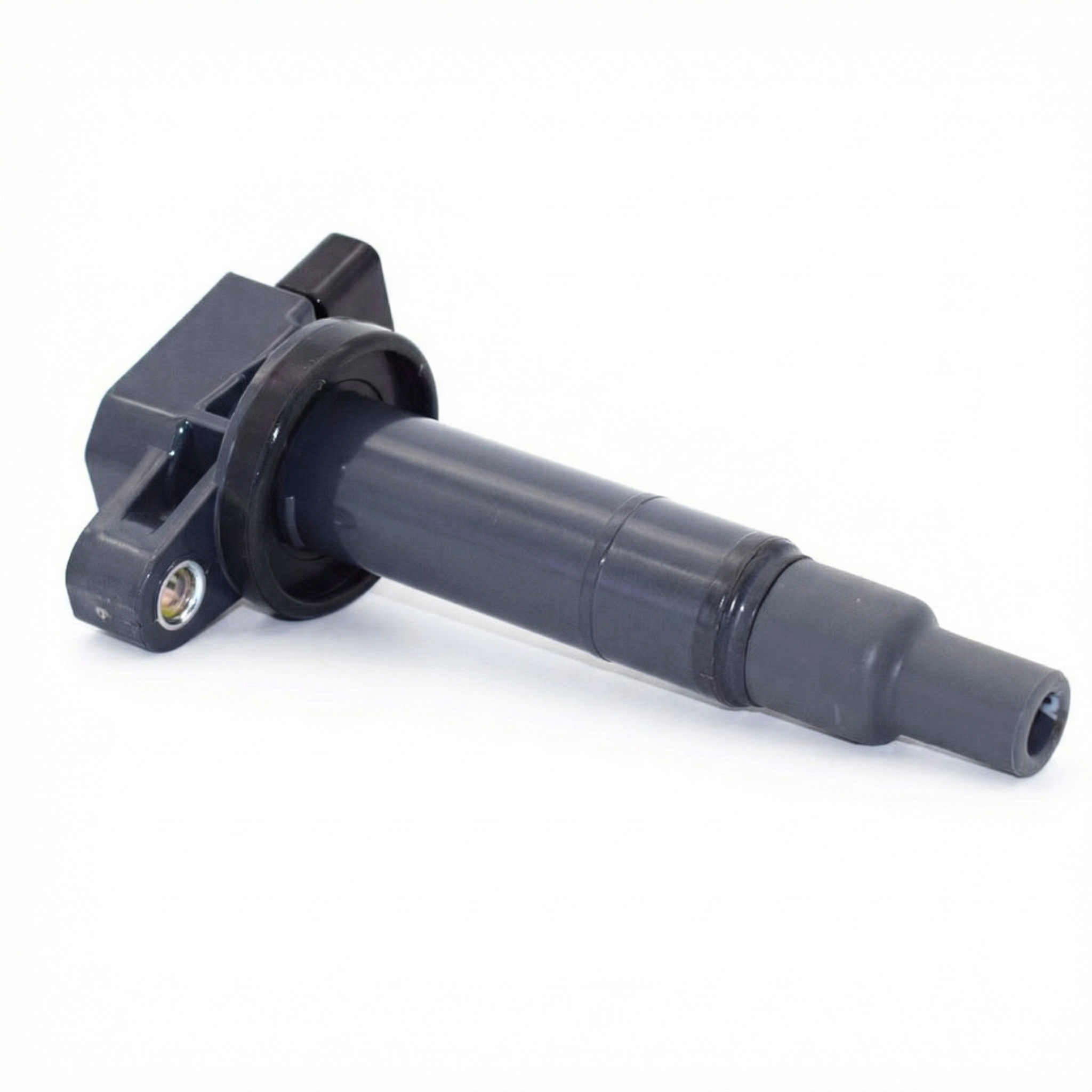
Est. part cost: $150-$300 for a quality head gasket kit and new head bolts. - Failed Ignition Coil 🟡 Medium Probability → Shop Ignition Coil
How to confirm: Swap the ignition coil from cylinder 3 with another cylinder (e.g., cylinder 1). Clear the codes and drive the car. If the code changes to P0301, the ignition coil is faulty. This is the easiest first diagnostic step.
Typical fix: Replace the failed ignition coil. The OEM part is made by Denso. It's often recommended to replace all four if they are original and high-mileage.
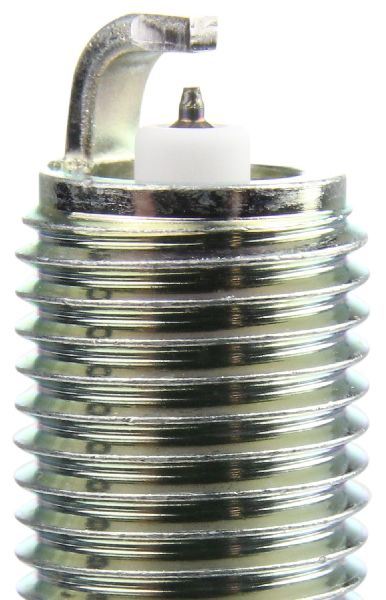
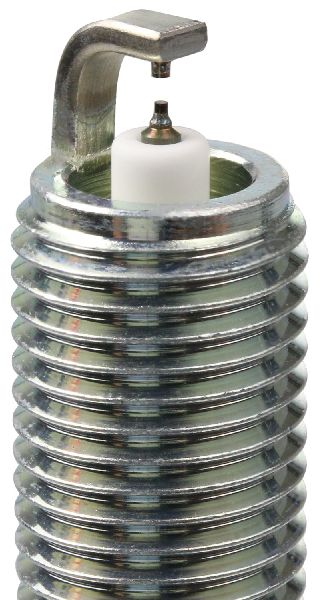
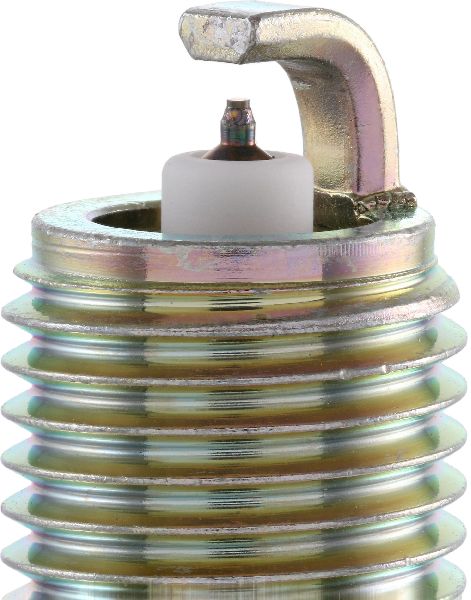
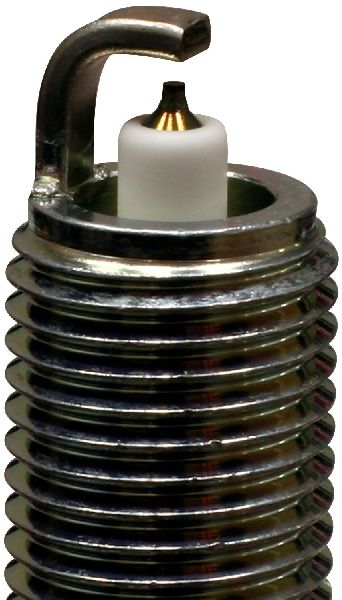
Est. part cost: $40-$80 per coil for a quality aftermarket brand like Denso or NGK. - Worn or Fouled Spark Plug 🟡 Medium Probability → Shop Spark Plug
How to confirm: After confirming the ignition coil is good, remove the spark plug from cylinder 3. Inspect it for wear (excessive gap), carbon fouling, oil, or coolant contamination. A coolant-fouled plug will look unusually clean or have white/greenish deposits, a strong indicator of a head gasket leak.
Typical fix: Replace the spark plug. Toyota recommends iridium plugs (Denso or NGK) which have a long service life but should be inspected and replaced as needed.
Est. part cost: $10-$20 per plug. - Clogged or Faulty Fuel Injector ⚪ Low Probability → Shop Fuel Injector
How to confirm: Listen to the injector with a mechanic's stethoscope to ensure it's clicking. If the coil and plug are good, you can swap the fuel injector from cylinder 3 to another cylinder to see if the misfire follows. This is more labor-intensive than swapping a coil. An electrical resistance test can also be performed; a bad injector may have a resistance reading outside the specified range.
Typical fix: Clean or replace the faulty fuel injector. Some owners have had success cleaning injectors, but replacement is often necessary if the injector has an internal electrical fault.
Est. part cost: $50-$150 per injector (aftermarket), OEM is significantly more.
Rare But Worth Checking
- Low Engine Compression: This indicates a more serious internal engine problem, such as worn piston rings or a burnt valve, which can result from long-term overheating or high mileage. A compression test is needed to diagnose this.
- Intake Manifold Gasket Leak: → Shop Engine Intake Manifold A vacuum leak near cylinder 3 can lean out the air/fuel mixture and cause a misfire. This can be diagnosed with a smoke test. This gasket is always replaced during an EGR cleaning service.
- PCV Valve Failure: → Shop PCV Valve A stuck-open PCV valve can lead to excessive oil consumption, which can foul spark plugs and contribute to carbon buildup in the intake and EGR system. It is often replaced during an EGR service or head gasket job.
Diagnosis Steps
- Read the freeze frame data with an OBD-II scanner to see the engine conditions (e.g., cold start, light acceleration) when the code was set.
- Check for any other stored codes, especially P0300, other P030x misfires, or P0401 (EGR Flow Insufficient).
- Swap the ignition coil from cylinder 3 to cylinder 1. Clear the codes. If the misfire moves to cylinder 1 (P0301), the coil is bad. This is the easiest first step.
- If the misfire remains on cylinder 3, inspect the spark plug. Look for excessive wear, damage, or fouling. A 'steam-cleaned' appearance suggests a coolant leak (head gasket).
- If a cold start rattle or coolant loss is present, strongly suspect a head gasket leak. After the car sits overnight, use a borescope to inspect the top of the piston in cylinder 3 for wetness or an unusually clean surface.
- If the plug and coil are good, the next most likely cause is the EGR system. Inspect the EGR valve, cooler, and intake manifold passages for heavy carbon buildup.
Parts You'll Likely Need
- Ignition Coil
(OEM #90919-02258, 90919-02252)— A common failure item for any misfire. Easy to diagnose by swapping cylinders.
Trusted brands: Denso (OEM), NGK
OEM price range: $90-$120
Aftermarket price range: $40-$80 - Spark Plug
(OEM #90919-01253)— A standard maintenance item that can cause a misfire when worn or fouled by carbon, oil, or coolant.
Trusted brands: Denso SC20HR11 (OEM), NGK
OEM price range: $15-$25
Aftermarket price range: $10-$20 - Intake Manifold Gasket
(OEM #17171-37020)— Required when removing the intake manifold to clean the EGR passages, a very common procedure for this engine.
Trusted brands: Toyota (OEM), Fel-Pro
OEM price range: $10-$20
Aftermarket price range: $5-$15 - Head Gasket Set — Required for a head gasket replacement, a significant but common repair for high-mileage Gen 3 Prius models.
Trusted brands: Toyota (OEM), Fel-Pro
OEM price range: $200-$300
Aftermarket price range: $100-$200 - Updated Intake Manifold
(OEM #17120-37091 (latest), supersedes 17120-37054)— Recommended by Toyota TSB T-SB-0116-15 REV to fix EGR-related misfires. Has an improved design.
Trusted brands: Toyota (OEM)
OEM price range: $250-$350
Related Codes That Often Appear With This One
- P0300 — Indicates a random/multiple cylinder misfire. If the EGR or head gasket issue worsens, it can start affecting other cylinders.
- P0301, P0302, P0304 — Misfire codes for other cylinders. Seeing these along with P0303 points towards a systemic issue like a clogged EGR, head gasket failure, or low fuel pressure.
- P0401 — Stands for "EGR Flow Insufficient." This code often appears alongside misfire codes and strongly points to a clogged EGR valve, cooler, or intake passages. TSB T-SB-0075-13 was issued for this code, recommending an updated EGR valve.
- P0A0F — Stands for "Engine Failed to Start." This can sometimes accompany severe cold start misfires or rattling where the engine stumbles badly before running properly.
Technical Service Bulletins (TSBs) & Recalls
- T-SB-0116-15 REV: Addresses rough running and misfire codes (P0300-P0304) during light acceleration. The stated fix is to replace the intake manifold assembly.
- T-SB-0147-16: Mentions rough idle and/or tapping noise from the HV transaxle at cold start, associated with P030x misfire codes. The fix was a modification to the ECM logic.
- T-SB-0075-13: For MIL 'ON' with code P0401 (Insufficient EGR Flow). Recommends replacing the EGR valve with an improved part (25620-37120).
- T-TT-0310-14: A 'Tech Tip' that notes a knocking sound or rough running on cold start, which may or may not be accompanied by P030x codes, pointing toward the known EGR/head gasket issues.
Platform-Specific Known Issues
- Updated Intake Manifold Design: → Shop Engine Intake Manifold Toyota TSB T-SB-0116-15 REV recommends replacing the entire intake manifold assembly to resolve misfires caused by the EGR system. The new part (latest P/N 17120-37091) has revised internal passages to improve EGR distribution and reduce carbon buildup.
- Head Gasket Failure Linked to EGR Clogging: The consensus in the Prius community and among independent specialists is that a clogged EGR cooler and passages lead to higher combustion temperatures, which is a direct cause of premature head gasket failure on the 2ZR-FXE engine. Cleaning the EGR system is considered critical preventative maintenance.
- Cold Start Rattle ('Death Rattle'): A violent shaking or rattling sound for a few seconds on a cold start is a hallmark symptom for this platform. It is almost always caused by either A) condensation and carbon chunks from the EGR system being ingested into the cylinders, or B) coolant leaking into a cylinder from a failing head gasket, causing a temporary hydraulic lock.
Mechanic-Grade Diagnostic Values
- Fuel Injector Resistance — expected: 11.6 to 12.4 Ω at 20°C (68°F) or 13.45 to 14.15 Ω at 21°C (68°F) depending on the specific service manual.. Failure: Resistance outside the specified range indicates a faulty injector.
- Fuel Pressure (at idle) — expected: 304 to 343 kPa (44 to 50 psi). Failure: Pressure significantly higher or lower than the standard range suggests a problem with the fuel pump or pressure regulator.
- Ignition Coil Resistance — expected: Toyota does not provide official resistance specifications for these coil-on-plug units.. Failure: The primary diagnostic method is to swap the coil with a known good one from another cylinder and see if the misfire code follows.
Hidden / Shadow Codes Worth Checking
- Mode $06 Misfire Counts: This is not a DTC, but a function within advanced scan tools that shows raw misfire counts for each cylinder before they reach the threshold to trigger a P030x code. It can help identify intermittent or developing misfires. (see via An advanced OBD-II scanner or Toyota's Techstream software with Mode $06 monitoring capabilities.)
Scan Tool Commands That Help
- Toyota Techstream: Active Test: Control the Fuel Pump / Speed — Used to manually activate the fuel pump to check fuel pressure without the engine running, helping to isolate a fuel delivery problem.
- Toyota Techstream: Active Test: Injector Cut — This function allows a technician to individually disable one fuel injector at a time. When the injector for cylinder 3 is cut, if there is no change in engine RPM or smoothness, it confirms that cylinder was not contributing, pointing to a problem with that cylinder's fuel, spark, or compression.
- Toyota Techstream: Misfire (RPM Drop) Monitoring — Provides live data on the RPM drop for each cylinder, allowing a technician to see the misfire occurring in real-time and confirm it is isolated to cylinder 3.
Wiring & Ground Locations
- ECM Ground Points (E01, E02, E04) — These are primary ground points for the Engine Control Module (ECM), typically located on the engine block or cylinder head in the engine compartment.. A poor ground connection at these points can cause erratic behavior in the ECM, including incorrect readings from sensors or weak/improper firing signals to the ignition coils and fuel injectors, potentially leading to misfire codes.
- Ignition Coil No. 3 Connector — Directly on top of the valve cover, plugged into the third ignition coil from the front of the engine (timing belt side).. This connector provides power and the trigger signal from the ECM. A loose connection, corrosion, or damaged wire (IGT3, IGF) at this specific point will cause a misfire only on cylinder 3.
Real Owner Repair Stories
- Reddit user u/Cilbit on r/prius (2014 Prius C with 230,000 miles) — Car shaking while idling, check engine light on, P0303 code.
❌ Tried (didn't work) Swapping ignition coil from cylinder 3 to cylinder 2 (misfire code did not move, stayed P0303).
✅ What actually fixed it The owner removed and thoroughly cleaned the EGR valve and intake manifold of heavy carbon buildup using brake cleaner. After reassembly and clearing the codes, the P0303 code did not return after 500 miles of driving. - PriusChat user Shadow2218 (2011 Prius with 204,000 miles) — Rough start with noise, check engine light with P0303 code. Intermittent rough kick for 3-4 seconds on startup.
❌ Tried (didn't work) One mechanic suggested Blue Devil head gasket sealer and a water pump replacement without inspection., Another mechanic suggested replacing the ignition coil and spark plugs.
✅ What actually fixed it The consensus from experienced forum members pointed to a failing head gasket, indicated by the cold start rattle and misfire as coolant leaks into the cylinder. The user was advised that the knocking sound is from incompressible liquid (coolant) in the combustion chamber and that a head gasket replacement or engine swap would be the ultimate fix.
Model Year Variations Within This Range
- 2014-2015: Starting in mid-2014, Toyota introduced updated pistons and piston rings to address issues with oil consumption that were more common in 2010-2013 models. While this doesn't directly cause a P0303 misfire, severe oil burning in earlier models can foul spark plugs, leading to misfires. A 2014+ model is less likely to have a misfire caused by oil fouling.
- 2012-2015: An updated EGR valve was reportedly introduced around 2012. However, community consensus is that the entire EGR system (cooler, pipe, intake manifold passages) remains a major point of failure due to carbon clogging across all Gen 3 years, and the valve revision did not solve the underlying problem.
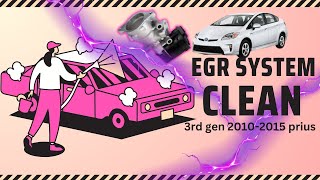
Helpful Videos
Used OEM Parts in Stock
New Aftermarket Parts Available


The information in this article is provided for general reference and educational purposes only. Vehicle specifications, procedures, and part compatibility can vary by production date, trim level, and region. Always consult your vehicle's factory service manual and verify part numbers before purchasing or performing repairs. Safety-critical components such as airbags, seat belts, and braking systems should be installed by a qualified professional.
- Toyota PRIUS:
- 🧭 Diagnostic Flowchart
- 🎬 Helpful Videos
- 🛍️ Shop This Part
- What's Unique About the 2010-2015 Toyota PRIUS
- Symptoms You May Notice
- Most Likely Causes
- Rare But Worth Checking
- Diagnosis Steps
- Parts You'll Likely Need
- Related Codes That Often Appear With This One
- Technical Service Bulletins (TSBs) & Recalls
- Platform-Specific Known Issues
- Mechanic-Grade Diagnostic Values
- Hidden / Shadow Codes Worth Checking
- Scan Tool Commands That Help
- Wiring & Ground Locations
- Real Owner Repair Stories
- Model Year Variations Within This Range
- 🎟️ Get 5% Off