

P0304 on 2010-2013 GMC Yukon Denali: Cylinder 4 Misfire Causes & Fixes
P0304 on a 2010-2013 GMC Yukon Denali indicates a misfire in cylinder 4. Common causes include a failed ignition coil, worn spark plug, or bad spark plug wire. However, a more serious and well-documented issue for this 6.2L L94 engine is a collapsed Active Fuel Management (AFM) lifter, which often presents with a distinct ticking noise and requires significant mechanical repair.
- P0304 is a misfire on cylinder 4, the second cylinder back on the passenger side of the engine.
- Always check for a loose spark plug wire first, as noted in a GM Technical Service Bulletin.
- The most common fixes are replacing the ignition coil and/or spark plug for cylinder 4.
- If a distinct ticking or knocking noise accompanies the misfire, a failed Active Fuel Management (AFM) lifter is a very likely cause and requires professional diagnosis.
- Do not ignore a flashing check engine light, as it signals a severe misfire that can quickly destroy the catalytic converter.
What's Unique About the 2010-2013 Gmc YUKON DENALI
The 2010-2013 Yukon Denali is equipped with a 6.2L V8 (L94) engine that features Active Fuel Management (AFM). This system deactivates cylinders (including cylinder 4) to save fuel, but the specialized lifters associated with the AFM system are a known failure point. They can collapse or become stuck due to issues like oil aeration or internal pin damage, causing a persistent misfire specifically on AFM cylinders (1, 4, 6, or 7). Additionally, Technical Service Bulletin (TSB) #PIP4819A points to loose spark plug wires as a potential cause for misfires on these vehicles.
Diagnostic Flowchart
Tap your situation to follow the diagnostic path that matches what you're seeing on this vehicle.
Symptoms You May Notice
- Check Engine Light is on or flashing. A flashing light signals a severe misfire.
- Rough or shaky idle.
- Engine hesitation or stumbling during acceleration.
- Reduced engine power and sluggish acceleration.
- Ticking or knocking sound from the engine, often a key indicator of a failed lifter.
- Smell of unburned fuel from the exhaust.
- Activation of Stabilitrak and Traction Control warning lights alongside the Check Engine Light.
- Replacing only the spark plug when the ignition coil is the actual cause.
- Replacing fuel injectors before thoroughly testing the ignition system.
- Ignoring the possibility of a mechanical lifter failure and repeatedly replacing ignition parts. Forum users often report changing plugs, wires, and coils only to find the P0304 code returns because the root cause was a collapsed lifter.
Most Likely Causes
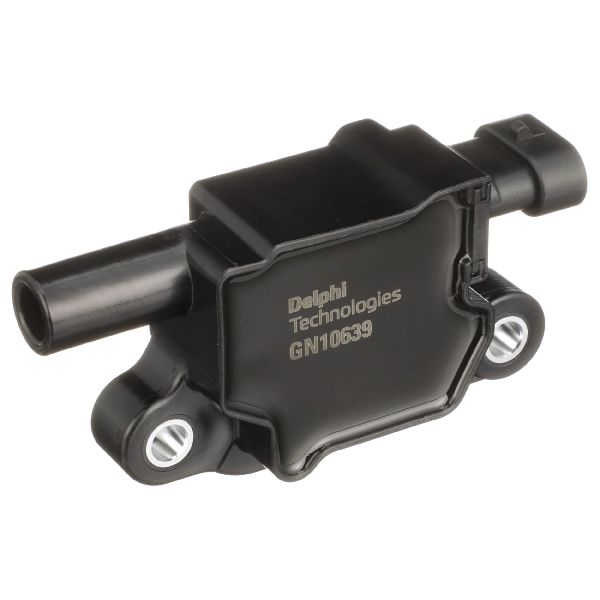
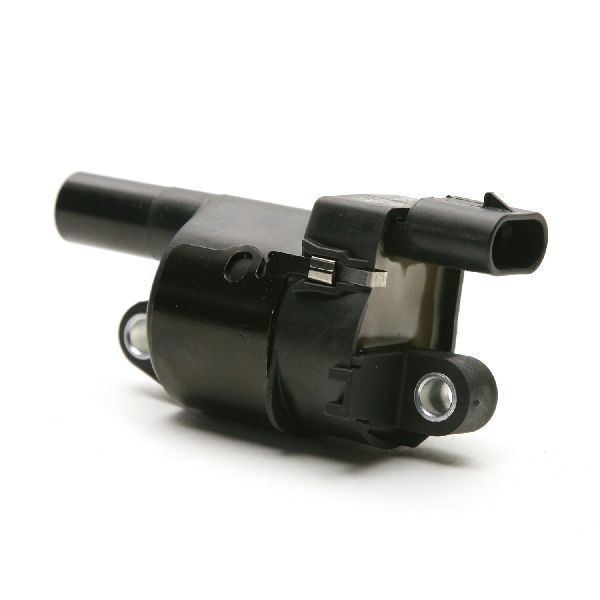
- Faulty Ignition Coil 🔴 High Probability → Shop Ignition Coil Coil-on-plug ignition systems are common, and individual coils can fail with age and heat exposure, leading to a rough-running engine and misfires.
How to confirm: Swap the ignition coil from cylinder 4 with another cylinder (e.g., cylinder 2). Clear the codes and run the engine. If the code changes to P0302, the coil is bad.
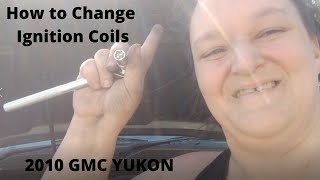
Typical fix: Replace the faulty ignition coil. It is often recommended 🎬 See how to change an ignition coil pack to fix a misfire. to replace the spark plug at the same time.
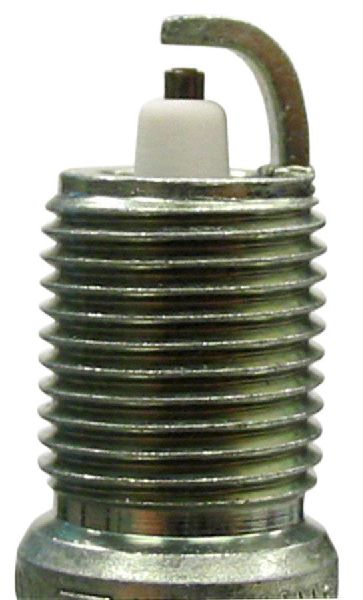
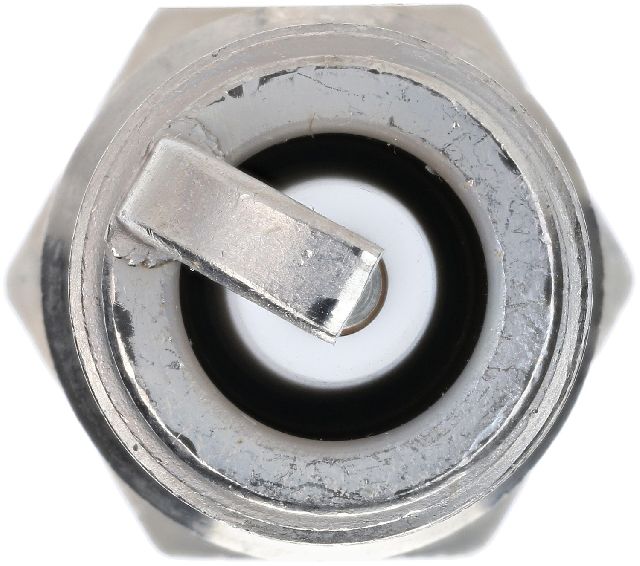
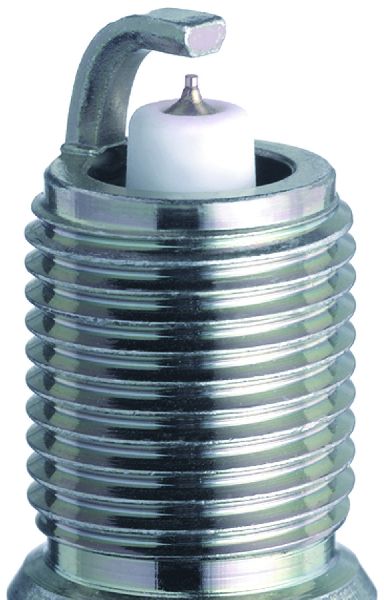
Est. part cost: $50-$110 - Worn or Fouled Spark Plug 🔴 High Probability → Shop Spark Plug
How to confirm: Remove the spark plug from cylinder 4 and inspect it for wear, carbon buildup, or oil fouling. Oil fouling on plugs #1, #4, #6, or #7 can be a symptom of oil consumption issues related to the PCV system or AFM, as noted in TSB 10-06-01-008H.
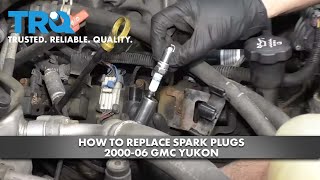
Typical fix: Replace the spark plug. It's best practice to replace all 8 spark plugs if they 🎬 Watch: Step-by-step guide for changing spark plugs on the 6.2L engine. are near the end of their service life.
Est. part cost: $8-$20 per plug - Loose or Defective Spark Plug Wire 🟡 Medium Probability → Shop Spark Plug A manufacturer TSB (#PIP4819A) specifically calls out inspecting and replacing loose spark plug wires as a fix for misfire codes on these models. The connection can become loose at the coil or the plug.
How to confirm: Visually inspect the spark plug wire for cylinder 4 for looseness at the coil and plug, cracks, or burn marks. Ensure it is securely connected with a distinct 'click'.
Typical fix: Securely reconnect or replace the faulty spark plug wire. It is recommended to replace them as a set.
Est. part cost: $50-$100 for a set - Failed AFM Lifter 🟡 Medium Probability → Shop Engine Valve Lifter The 6.2L L94 engine uses Active Fuel Management (AFM), and the specialized lifters on AFM cylinders (1, 4, 6, and 7) are a notorious point of failure. They can become stuck or collapse, preventing the valve from opening correctly. This issue is widely discussed in owner forums and is the subject of multiple TSBs and even class-action lawsuits.
How to confirm: After ruling out ignition and fuel issues, a distinct ticking noise is a strong indicator. A mechanic will remove the valve cover to inspect the valve train for a loose rocker arm or bent pushrod on cylinder 4. An intermittent compression test reading (showing pressure, then none, then pressure again) can also point to a failing lifter.
Typical fix: This is a significant repair requiring replacement of the failed lifter(s), lifter guides, and often the camshaft if it has been damaged by the failed lifter. Many owners opt to perform an 'AFM delete' at this time, replacing all AFM components with standard, more robust parts and reprogramming the ECU.
Est. part cost: $400-$1500+ - Clogged or Faulty Fuel Injector ⚪ Low Probability → Shop Fuel Injector
How to confirm: Listen for a consistent ticking sound from the injector with a mechanic's stethoscope. You can also swap the injector with another cylinder to see if the misfire follows, though this is more labor-intensive.
Typical fix: Replace the faulty fuel injector.
Est. part cost: $70-$150
Rare But Worth Checking
- Low Engine Compression: This indicates a more serious internal engine problem, such as a worn piston ring, a leaking head gasket, or a problem with the cylinder head valves (e.g. a bent valve or broken valve spring). A compression test is required for diagnosis.
- Intake Manifold Gasket Leak: → Shop Engine Intake Manifold A vacuum leak near the intake port for cylinder 4 can lean out the air/fuel mixture, causing a misfire. This can sometimes be detected by spraying brake cleaner near the gasket and listening for a change in engine idle.
- Leaking PCV Baffle in Valve Cover: → Shop Engine Valve Cover TSB #PIP5161 (and others) describe an issue where a cracked PCV baffle on the driver's side valve cover allows oil to be pulled into the intake, fouling spark plugs (especially #1 and #7, but can affect others) and causing misfires. The fix is to replace the entire valve cover with an updated part.
Diagnosis Steps
- Read the code from the OBD-II port with a scanner. Note any other codes present, such as P0300 or P3400.
- Inspect the spark plug wire for cylinder 4. Ensure it is securely attached at both the ignition coil and the spark plug, per TSB PIP4819A.
- Swap the ignition coil from cylinder 4 with an adjacent, easily accessible cylinder (like cylinder 2 on the same bank). Clear the codes and run the engine to see if the misfire code moves to the new cylinder (e.g., P0302). If it does, the ignition coil is faulty.
- If the misfire remains on cylinder 4, remove and inspect the spark plug for wear, damage, or fouling. Replace if necessary.
- If ignition components are good, check the fuel injector on cylinder 4. Listen for its operation with a stethoscope or use a noid light to check for an electrical pulse.
- Listen carefully for a distinct ticking or knocking noise from the top of the engine, which is a hallmark of a failed AFM lifter.
- If a ticking noise is present or other tests are inconclusive, perform a compression test on cylinder 4 to check for mechanical engine problems. A reading below 100 PSI, or one that is significantly lower than other cylinders, indicates a problem. An inconsistent reading may also point to a stuck lifter.
- If compression is low or a distinct ticking noise is present, the next step is to remove the passenger's side valve cover to visually inspect the valve train for a loose rocker arm or bent pushrod on cylinder 4, which confirms a collapsed lifter.
Parts You'll Likely Need
- Ignition Coil
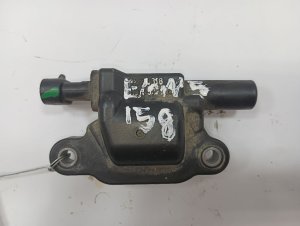
(OEM #12611424)— Ignition coils are a very common failure item causing single-cylinder misfires.
Trusted brands: ACDelco, NGK, Delphi
OEM price range: $80-$110
Aftermarket price range: $45-$85 - Spark Plug
(OEM #41-110)— Spark plugs are a routine maintenance item and can cause misfires when worn or fouled.
Trusted brands: ACDelco, NGK
OEM price range: $10-$15
Aftermarket price range: $8-$12 - Spark Plug Wire Set
(OEM #9748RR)— A TSB specifically identifies loose or bad wires as a cause for misfires on this platform.
Trusted brands: ACDelco
OEM price range: $70-$100
Aftermarket price range: $50-$80 - AFM Lifter
(OEM #12645725)— A known mechanical failure point on the 6.2L engine that directly causes misfires on cylinder 4. This part has been superseded by PN 12740071.
Trusted brands: ACDelco, General Motors
OEM price range: $70-$90 per lifter
Aftermarket price range: $40-$60 per lifter - Lifter Guide
(OEM #12595365)— When replacing lifters, it is best practice to also replace the plastic lifter guides, as they can wear or become brittle.
Related Codes That Often Appear With This One
- P0300 — If the condition causing the P0304 is severe or intermittent, or if other cylinders are also misfiring, a P0300 (Random/Multiple Cylinder Misfire) code may also be stored. This is common when an AFM lifter fails.
- P3400 — This code for 'Cylinder Deactivation System Bank 1' can appear alongside a P0304, pointing directly to a problem within the AFM system as the root cause of the misfire.
Technical Service Bulletins (TSBs) & Recalls
- PIP4819A: States that for engine misfires (P0300-P0308), technicians should inspect spark plug wires and replace any that are found to be loose.
- 10-06-01-008H: Addresses excessive engine oil consumption which can lead to fouled spark plugs and misfires on AFM cylinders. The fix can involve installing an oil deflector and cleaning pistons.
- 15-06-01-002F: Describes engine tick noise and P0300 random misfires caused by a mechanically collapsed or stuck AFM lifter, potentially due to oil aeration or internal damage.
Platform-Specific Known Issues
- Active Fuel Management (AFM) Lifter Failure: → Shop Engine Valve Lifter The most significant and costly issue for this engine. The specialized hydraulic lifters for cylinders that are deactivated by the AFM system (1, 4, 6, and 7) are prone to collapsing or getting stuck. This often presents as a P0304 and is accompanied by a ticking noise. The failure can be caused by oil aeration or pressure issues. The repair is labor-intensive, often costing over $5,000 at a dealer, and involves replacing the lifters, lifter guides, and potentially the camshaft if it's damaged.
- Loose Spark Plug Wires: → Shop Spark Plug TSB #PIP4819A notes that misfire codes can be triggered simply by spark plug wires that are not fully seated on the ignition coil or spark plug. A visual inspection and ensuring a tight connection is a crucial and simple first diagnostic step.
- Oil Consumption and Fouled Plugs: TSB 10-06-01-008H details a condition where oil spray from the AFM pressure relief valve or oil pulled through the PCV system can cause carbon buildup on piston rings and foul spark plugs, leading to misfires. This issue primarily affects AFM cylinders, including cylinder 4.
Mechanic-Grade Diagnostic Values
- Fuel Injector Resistance — expected: 11-14 ohms. Failure: A reading outside this range, or a reading that differs by more than 3 ohms from the average of all injectors, indicates a faulty injector.
- Ignition Coil Primary Resistance — expected: 0.4 - 2.0 ohms. Failure: A reading outside this range suggests a faulty coil.
- Ignition Coil Secondary Resistance — expected: 6,000 - 10,000 ohms. Failure: A reading outside this range suggests a faulty coil.
Scan Tool Commands That Help
- GDS2 / Tech2: Injector Balance Test — To electronically test and compare flow rates between injectors without physically swapping them, helping to isolate a clogged or failing injector.
- GDS2 / Tech2: Misfire Graphic — To view real-time misfire counts per cylinder, which helps confirm the misfire is isolated to cylinder 4 and see if other cylinders are misfiring intermittently, even if they haven't set a code.
- GDS2 / Tech2: Cylinder Deactivation (AFM) System Test — To manually command the AFM system on and off to see if the misfire on cylinder 4 changes or only occurs when AFM is active, strongly pointing to a lifter issue.
Wiring & Ground Locations
- Cylinder #4 Location — Passenger side (Right Bank) of the engine, second cylinder from the front.. Correctly identifying the physical cylinder is the first step for any hands-on diagnosis like swapping coils or inspecting wiring.
- G104 — Ground strap on the rear of the driver's side (left) cylinder head.. A poor engine ground can cause erratic behavior in the ignition system, leading to misfires. While cylinder 4 is on the other bank, all grounds are critical for the ECM and ignition module stability.
- G103 — Ground connection on the front of the passenger's side (right) cylinder head.. This is the primary ground point for the cylinder bank that includes cylinder #4. Corrosion or a loose connection here can directly cause ignition problems for that bank.
- ECM Ground — Pin 73 of the ECM connector, typically a Black/White wire.. The Engine Control Module relies on a solid ground reference to accurately control ignition timing and fuel injection. A fault on this specific pin's circuit could cause misfires.
Real Owner Repair Stories
- Chevrolet Forum user 'Pull Up Now!' (2016 Chevrolet Silverado 56,000 miles (Same engine family and common issue)) — Started with a valve lifter tapping noise only in V8 mode (AFM on). Later, the tapping stopped and was replaced by a rough running engine and a flashing P0304 code.
❌ Tried (didn't work) The user correctly identified the noise with a stethoscope before the code became persistent.
✅ What actually fixed it The user diagnosed a complete valve lifter failure on cylinder #4. The final repair involved replacing the broken lifter and pushrod. The camshaft was inspected and found to be undamaged. An AFM disabler was installed afterward to prevent future failures.
OEM Part Supersession History
12645725→12740071— This is the OEM part number for the Active Fuel Management (AFM) lifter. Part numbers are often superseded due to design revisions or manufacturing changes.12561820, 12559894→12570427— This is the part number for the driver's side valve cover, which contains the PCV baffle known to cause oil consumption and foul plugs. The new part is an updated design to mitigate this issue.
Model Year Variations Within This Range
- 2010-2013: The L94 engine used in this specific vehicle range is distinct from the earlier 6.2L truck engines (L92, L9H) specifically because it includes Active Fuel Management (AFM). This means the risk of AFM lifter failure is inherent to this entire model year range, whereas it would not be a cause on a 2007-2009 6.2L Yukon Denali.
Helpful Videos
Used OEM Parts in Stock
New Aftermarket Parts Available

The information in this article is provided for general reference and educational purposes only. Vehicle specifications, procedures, and part compatibility can vary by production date, trim level, and region. Always consult your vehicle's factory service manual and verify part numbers before purchasing or performing repairs. Safety-critical components such as airbags, seat belts, and braking systems should be installed by a qualified professional.
- Gmc YUKON DENALI:
- 🧭 Diagnostic Flowchart
- 🎬 Helpful Videos
- 🛍️ Shop This Part
- What's Unique About the 2010-2013 Gmc YUKON DENALI
- Symptoms You May Notice
- Most Likely Causes
- Rare But Worth Checking
- Diagnosis Steps
- Parts You'll Likely Need
- Related Codes That Often Appear With This One
- Technical Service Bulletins (TSBs) & Recalls
- Platform-Specific Known Issues
- Mechanic-Grade Diagnostic Values
- Scan Tool Commands That Help
- Wiring & Ground Locations
- Real Owner Repair Stories
- OEM Part Supersession History
- Model Year Variations Within This Range
- 🎟️ Get 5% Off