

P0305 on 2020-2022 Cadillac CT5: Cylinder 5 Misfire Causes and Fixes
On a 2020-2022 Cadillac CT5 with a V6 engine, P0305 is typically caused by a bad ignition coil or spark plug. However, a GM Technical Service Bulletin (TSB) also points to a faulty oil control valve (OCV) solenoid as a known vehicle-specific cause. Start by swapping the coil and plug before investigating the OCV solenoid.
- P0305 indicates a misfire specifically in cylinder 5, which on the CT5 V6 is the rearmost cylinder on the passenger side.
- The most likely causes are a simple-to-fix bad ignition coil or a worn spark plug.
- A GM Technical Service Bulletin (#21-NA-036) points to a faulty Oil Control Valve (OCV) solenoid as a known, vehicle-specific cause for this code on the 3.0L V6.
- Do not drive if the check engine light is flashing, as this can quickly cause expensive damage to the catalytic converter.
What's Unique About the 2020-2022 Cadillac CT5
This code only applies to CT5 models with the 3.0L V6 or 6.2L V8 engine, as the standard 2.0L engine only has four cylinders. For the common 3.0L Twin-Turbo V6 (LGY), this code has a specific known cause beyond the usual suspects. GM issued Technical Service Bulletin #21-NA-036 that directly links a P0305 misfire to a damaged Active Fuel Management (AFM) Oil Control Valve (OCV) solenoid. The bulletin explains the end of the solenoid can break off and get stuck in the camshaft cover, causing oil pressure issues that deactivate the cylinder. A second bulletin, PIP5824, further highlights issues with AFM rockers and lifters on cylinder 5 for 2021 models, making this a critical diagnostic point for this specific engine.
Diagnostic Flowchart
Tap your situation to follow the diagnostic path that matches what you're seeing on this vehicle.
Symptoms You May Notice
- Rough or vibrating idle
- Hesitation or stumbling during acceleration
- Noticeable loss of engine power
- Flashing or solid Check Engine Light
- Possible fuel smell from the exhaust
- Replacing oxygen sensors. An O2 sensor will report abnormal readings because of the misfire, but it is almost never the cause of a single-cylinder misfire code.
- Replacing the catalytic converter. The converter can be damaged by a misfire, but it is the symptom, not the cause. The root cause of the misfire must be fixed first.
Most Likely Causes
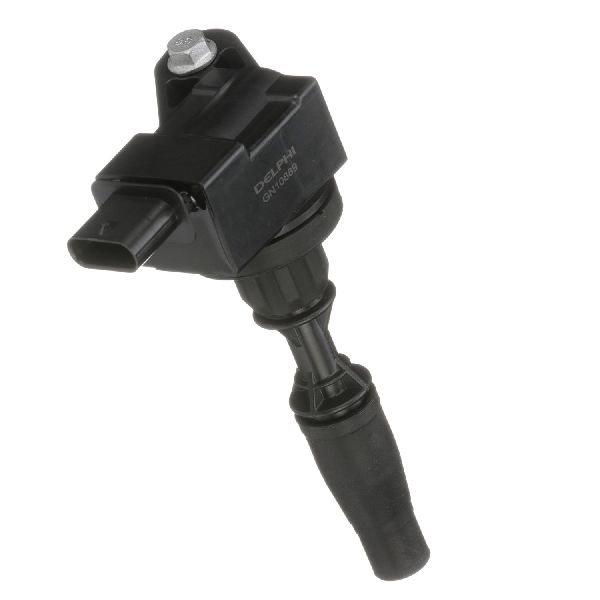
- Faulty Ignition Coil 🔴 High Probability → Shop Ignition Coil Ignition coils are common wear items that fail from heat and age. On modern coil-on-plug systems, a single coil failure is a very frequent cause of a single-cylinder misfire.
How to confirm: Swap the ignition coil from cylinder 5 with another cylinder (e.g., cylinder 3, which is in the same bank). Clear the codes and drive the vehicle. If the code changes to P0303, the coil is bad. This is a standard diagnostic step confirmed in owner forums.
Typical fix: Replace the faulty ignition coil. It is often recommended to replace the corresponding spark plug at the same time.
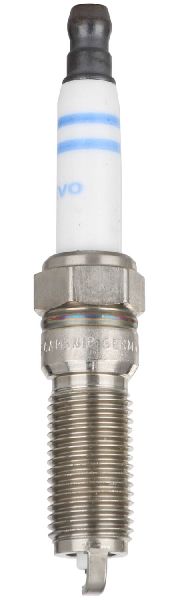
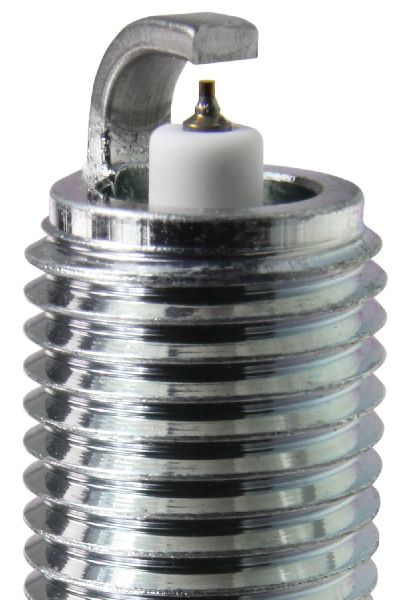
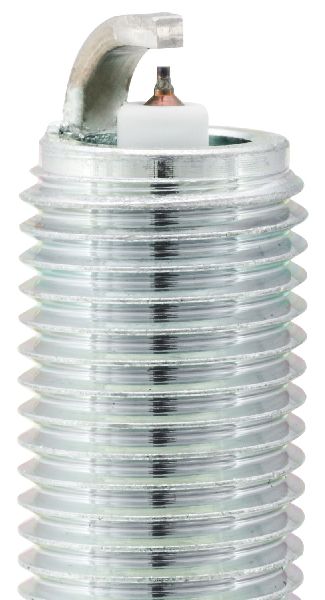
Est. part cost: $40-$100 - Worn or Fouled Spark Plug 🔴 High Probability → Shop Spark Plug Spark plugs are a routine maintenance item with a finite lifespan. A worn electrode, carbon fouling, or oil contamination can prevent a strong spark, causing a misfire. Forum discussions for the high-performance CT5-V Blackwing (LT4) mention spark plug failures causing misfires, with one instance reportedly leading to engine damage, highlighting their importance.
How to confirm: Remove the spark plug from cylinder 5 and inspect it. Look for a worn-down electrode, heavy carbon deposits, oil, or a cracked insulator. Compare it to a plug from a healthy cylinder.
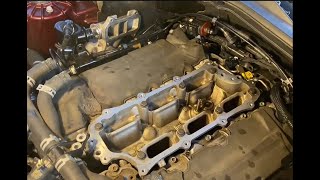
Typical fix: Replace the spark plug in cylinder 5. It is best practice to replace all spark plugs as a set 🎬 Watch: Step-by-step spark plug replacement for the 3.0L Twin Turbo V6 if they are near the end of their service interval.
Est. part cost: $15-$30 per plug - Damaged AFM Oil Control Valve (OCV) Solenoid 🟡 Medium Probability → Shop Engine Variable Valve Timing (VVT) Oil Control Valve A specific GM Technical Service Bulletin (#21-NA-036) identifies a damaged OCV solenoid as a cause for misfires on cylinders 2 and 5 of the 3.0L V6 engine. These are the cylinders equipped with Active Fuel Management (AFM). The solenoid's end piece can break off, get lodged in the camshaft cover, and disrupt oil flow to the AFM system.
How to confirm: After ruling out ignition issues, remove and inspect the OCV solenoid for cylinder 5. Check if the end is broken off and ensure the bore in the camshaft cover is clear, as detailed in TSB #21-NA-036.
Typical fix: Replace the damaged OCV solenoid and remove any broken pieces from the engine. If the solenoid moves to another cylinder and the misfire follows, replace the solenoid.
Est. part cost: $50-$150 - Leaking or Clogged Fuel Injector 🟡 Medium Probability → Shop Fuel Injector The LGY and LT4 engines use a high-pressure direct injection system. These injectors can become clogged or develop internal leaks, leading to an improper fuel mixture. A CT5-V Blackwing owner on the CadillacVNet forums reported a P0301 misfire was diagnosed by the dealer as a faulty fuel injector.
How to confirm: This is more difficult for a DIYer. A professional can perform a fuel injector balance test with a scan tool. Swapping injectors is possible but much more labor-intensive than swapping coils.
Typical fix: Replace the faulty fuel injector. This is a more involved repair due to the high-pressure fuel system.
Est. part cost: $100-$300
Rare But Worth Checking
- Faulty AFM Lifters or Rocker Arms (3.0L V6): → Shop Engine Rocker Arm TSB PIP5824 for 2021 models indicates that if an OCV solenoid swap does NOT resolve the misfire on cylinder 5, the cause may be internal with the AFM lifters (SHLAs) or rocker arms (SRFFs). This is a mechanical failure requiring professional repair.
- Low Engine Compression: If ignition and fuel system checks do not reveal the problem, a mechanical issue could be the cause. This could be due to a worn piston ring, a bad valve, or other internal engine problems. A compression test is needed to confirm.
- Carbon Buildup on Intake Valves: Like many direct-injection engines, the intake valves are not cleaned by fuel spray. Over time, carbon can build up, impeding airflow into the cylinder and causing misfires, especially on a cold engine.
Diagnosis Steps
- Confirm the P0305 code is present using an OBD-II scanner.
- Determine the engine type. This guide primarily applies to the 3.0L V6 and 6.2L V8.
- Locate cylinder 5. On GM V-engines, cylinder 5 is typically the rear-most cylinder on the passenger side (Bank 1).
- Swap the ignition coil from cylinder 5 with another cylinder (e.g., cylinder 3 on the same bank).
- Clear the codes and drive the vehicle. If the code returns as P0303, the ignition coil is faulty and needs replacement.
- If the code remains P0305, swap the spark plug from cylinder 5 with the one from the cylinder you just used. If the code now follows the plug, the spark plug is the issue.
- If the code is still P0305, inspect the wiring and connector for the ignition coil and fuel injector on cylinder 5 for any damage.
- For the 3.0L V6, the next step is to investigate the AFM Oil Control Valve (OCV) solenoid per TSB #21-NA-036. Remove the solenoid and inspect it for a broken-off end piece. Carefully check inside the bore in the camshaft cover to ensure no pieces are stuck inside.
- If the OCV solenoid appears fine but the P0305 code persists (especially on a 2021 model), the issue may be with the AFM lifters or rocker arms as described in TSB PIP5824, which requires professional diagnosis.
- If other causes are ruled out, consider having a professional diagnose the fuel injector or perform an engine compression test.
Parts You'll Likely Need
- Ignition Coil
(OEM #ACDelco 12716099)— This is one of the most common failure points for a single-cylinder misfire.
Trusted brands: ACDelco, Delphi, NGK
OEM price range: $70-$120
Aftermarket price range: $40-$80 - Spark Plug
(OEM #ACDelco 41-162 or 41-131)— A worn or fouled spark plug is a primary and common cause of misfires. It is a standard maintenance item.
Trusted brands: ACDelco, NGK
OEM price range: $20-$35
Aftermarket price range: $15-$25 - AFM Oil Control Valve (OCV) Solenoid
(OEM #ACDelco 12687167)— Specifically cited in GM TSBs as a cause for P0305 on the 3.0L V6 engine.
Trusted brands: ACDelco
OEM price range: $80-$150
Aftermarket price range: $50-$100
Related Codes That Often Appear With This One
- P0300 — If the condition causing the P0305 is intermittent or beginning to affect other cylinders, a P0300 (Random Misfire) code may also be stored. The TSB for the OCV solenoid also lists P0300.
- P0302 — TSB #21-NA-036 and PIP5824 specifically mention misfires on cylinders 2 and 5 related to the AFM system issues. Seeing both codes together strongly points to this specific problem on the 3.0L V6.
Technical Service Bulletins (TSBs) & Recalls
- Bulletin #21-NA-036: Addresses a potential issue with a damaged OCV solenoid causing an oil leak and misfires, specifically mentioning DTCs P0300, P0302, and/or P0305.
- Bulletin #PIP5824: Addresses misfires on AFM cylinders 2 or 5 for 2021 models, pointing to faulty AFM rocker arms and lifters as a potential cause if the OCV solenoid is not at fault.
Platform-Specific Known Issues
- TSB #21-NA-036: Damaged OCV Solenoid: This bulletin applies to 2020-2022 models with the 3.0L V6 (LGY) engine. It instructs technicians to inspect for a damaged Oil Control Valve (OCV) solenoid that can cause an oil leak and set misfire codes P0300, P0302, and/or P0305. The failure mode involves the end of the solenoid breaking off.
- TSB #PIP5824: AFM Rocker/Lifter Issues: This bulletin for 2021 models with the HFV6 engine family (including the 3.0L LGY) also addresses misfires on AFM cylinders 2 and 5. It suggests that if swapping the OCV solenoid doesn't fix the issue, the cause is likely faulty rocker arms or lifters in the AFM system for that cylinder, requiring replacement.
- LT4 (6.2L V8) Spark Plug & Injector Failures: → Shop Spark Plug Owner discussions on CadillacVNet.com for the high-performance CT5-V Blackwing describe instances of misfire codes (like P0301) being caused by faulty injectors or damaged spark plugs.
Mechanic-Grade Diagnostic Values
- Ignition Coil Primary Resistance — expected: 0.49 - 0.57 ohms. Failure: A reading outside of this range indicates a faulty coil.
- Ignition Coil Secondary Resistance — expected: 9.5 - 11.1 kilohms. Failure: A reading outside of this range indicates a faulty coil.
- High-Pressure Fuel System Pressure (GDI Engines) — expected: Over 2,000 PSI. Failure: Significantly lower pressure, often accompanied by codes like P0087, points to a failing High-Pressure Fuel Pump (HPFP).
Scan Tool Commands That Help
- GDS2 (GM Global Diagnostic System 2): Injector Balance Test — To test if the fuel injector on cylinder 5 is delivering a comparable amount of fuel to the other injectors. This is a key step before replacing a suspected faulty injector.
- GDS2 (GM Global Diagnostic System 2): Cylinder Power Balance — To view real-time misfire counts per cylinder and confirm that cylinder 5 is the source of the misfire. This helps verify the P0305 code and rule out a random misfire (P0300) issue.
- GDS2 (GM Global Diagnostic System 2): AFM Oil Control Solenoid Command — For the 3.0L V6 (LGY), this command allows a technician to manually activate and deactivate the AFM solenoid for cylinder 5 to see if it responds correctly, helping to diagnose issues described in TSB #21-NA-036 and PIP5824.
Wiring & Ground Locations
- Engine Block to Firewall Ground Strap — A large gauge ground strap typically runs from the engine block (often near the transmission) to the firewall/cowl area.. A loose or corroded main engine ground can cause a variety of electrical issues, including weak spark, which can lead to intermittent misfires across one or more cylinders.
- Cylinder Head to Firewall Ground Strap — Some GM V-engines have smaller ground straps from the back of each cylinder head to the firewall.. The ignition coils are grounded through the engine. A poor ground connection specific to the passenger-side cylinder head (Bank 1) could potentially affect cylinders 1, 3, and 5.
Real Owner Repair Stories
- CadillacVNet forum user 'Dmkp621' (Cadillac CT5-V Blackwing) — Check engine light with a P0301 code (Cylinder 1 Misfire).
❌ Tried (didn't work) Initial dealer diagnosis was an injector problem.
✅ What actually fixed it The dealer later revised the diagnosis to a faulty lifter, which was then replaced. This indicates a mechanical, rather than ignition or fuel, root cause. - Carly forum user 'piapeters1' (2023 Cadillac CT5) — Combustion misfire codes, rough running, jerking during acceleration, and reduced power, especially when the engine was cold.
❌ Tried (didn't work) User initially suspected a bad injector valve.
✅ What actually fixed it A workshop confirmed and replaced a defective fuel injector, which resolved all symptoms.
OEM Part Supersession History
12687167→12732244— This is the AFM Oil Control Valve (OCV) Solenoid. Part numbers are often superseded due to design improvements, material changes, or a change in manufacturer. Given the TSBs related to this part's failure, the new part is likely a revised, more durable design.
Model Year Variations Within This Range
- 2021: TSB PIP5824 specifically calls out 2021 models with the 3.0L LGY engine for potential issues with faulty AFM rocker arms (SRFFs) and lifters (SHLAs) on cylinders 2 and 5. While the OCV solenoid is the first check, this bulletin provides the next diagnostic step (lifter/rocker replacement) specifically for this model year if the solenoid swap does not resolve the misfire.
Helpful Videos
We Have This Part in Stock


The information in this article is provided for general reference and educational purposes only. Vehicle specifications, procedures, and part compatibility can vary by production date, trim level, and region. Always consult your vehicle's factory service manual and verify part numbers before purchasing or performing repairs. Safety-critical components such as airbags, seat belts, and braking systems should be installed by a qualified professional.
- Cadillac CT5:
- 🧭 Diagnostic Flowchart
- 🎬 Helpful Videos
- 🛍️ Shop This Part
- What's Unique About the 2020-2022 Cadillac CT5
- Symptoms You May Notice
- Most Likely Causes
- Rare But Worth Checking
- Diagnosis Steps
- Parts You'll Likely Need
- Related Codes That Often Appear With This One
- Technical Service Bulletins (TSBs) & Recalls
- Platform-Specific Known Issues
- Mechanic-Grade Diagnostic Values
- Scan Tool Commands That Help
- Wiring & Ground Locations
- Real Owner Repair Stories
- OEM Part Supersession History
- Model Year Variations Within This Range
- 🎟️ Get 5% Off