

P0305 on 2015-2018 Ford Edge 2.7L EcoBoost: Cylinder 5 Misfire Causes and Fixes
P0305 on a 2.7L EcoBoost Edge is most often a failed ignition coil or a worn spark plug on cylinder 5. A DIY fix is often possible by swapping the coil from cylinder 5 with another to confirm the fault before replacing the part for under $100. However, on some 2016-2017 models, this code can be an early symptom of a more serious internal engine issue related to valve guides, as noted in Ford TSBs.
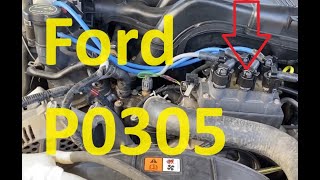
- P0305 means cylinder 5 is misfiring. On your Edge, this is the middle cylinder on the bank near the radiator.
- The most likely cause is a bad ignition coil or a worn-out spark plug.
- A simple diagnostic test is to swap the ignition coil from cylinder 5 with a neighboring cylinder (like 4) and see if the trouble code moves.
- Do not drive with a flashing check engine light, as you can quickly cause expensive damage to your catalytic converter.
- When replacing spark plugs, it's best to replace all six to ensure proper engine performance and longevity.
What's Unique About the 2015-2018 Ford Edge
The 2.7L EcoBoost is a twin-turbocharged, direct-injection engine, a design that can be demanding on ignition components. Owners report that these engines are particularly hard on spark plugs, which may require more frequent replacement than on a naturally aspirated engine. While the core cause is usually a simple ignition part, it's important to use high-quality replacements to ensure longevity. The 2015-2018 Edge covers the initial years of this engine's use in the platform. Critically, for engines built between April 2016 and January 2017, a persistent P0305 code accompanied by oil consumption can indicate a serious internal engine problem with the cylinder head valve guides, as documented in Ford TSBs 17-2235 and 19-2384. Manufacturer service bulletin SSM 46363 further notes that if the vehicle exhibits P0524 and/or P06DD alongside the misfire, the long block itself may be suspect.
Symptoms You May Notice
- Flashing or solid Check Engine Light
- Rough or shaking idle
- Hesitation or stumbling during acceleration
- Noticeable loss of engine power
- Reduced fuel economy
- A smell of gasoline from the exhaust
- White or blue smoke from exhaust, especially on a hot restart (can indicate a more serious TSB-related issue)
- Replacing fuel injectors before thoroughly testing the ignition system.
- Assuming a major mechanical failure before swapping the coil and plug, which are the most common and easiest-to-diagnose culprits.
- Repeatedly replacing spark plugs and coils on a 2016-2017 model without considering the possibility of the TSB-related valve guide issue, especially if oil consumption is high.
Most Likely Causes
- Faulty Ignition Coil 🔴 High Probability → Shop Ignition Coil Heat and vibration in the engine bay can cause the coil's internal windings to fail over time. This is a common failure point on many modern engines, including the EcoBoost family.
How to confirm: Swap the ignition coil from cylinder 5 with another cylinder (e.g., cylinder 4 or 6 on the same bank). Clear the codes and drive the vehicle. If the code changes to P0304 or P0306, the ignition coil is the faulty part.
Typical fix: Replace the faulty ignition coil. It is often recommended to replace the corresponding spark plug at the same time. Given the difficult access to the rear bank, some owners choose to replace all three rear coils (4, 5, 6) at once.
Est. part cost: $40-$90 - Worn or Fouled Spark Plug 🔴 High Probability → Shop Spark Plug EcoBoost engines are known to be hard on spark plugs due to higher cylinder pressures and heat from turbocharging. The service interval is important, and an incorrect plug gap can cause misfires. Oil fouling from other issues, like the valve guide problem noted in TSBs, can also cause a persistent P0305 code. Manufacturer bulletin SSM 54504 notes that these misfire codes may appear when oil consumption is as high as 1 quart in less than 3,000 miles.
How to confirm: After ruling out the coil, remove the spark plug from cylinder 5. Inspect it for wear, carbon buildup, oil fouling, or a cracked insulator. A plug fouled with burnt oil is a key symptom of the TSB 19-2384 issue. Check that the gap is correct, typically between 0.028-0.031 inches.
Typical fix: Replace the spark plug. It is best practice to replace all six spark plugs at the same time to ensure even performance, especially if they are near their service life.
Est. part cost: $10-$25 per plug - Clogged or Faulty Fuel Injector 🟡 Medium Probability → Shop Fuel Injector As a direct injection (GDI) engine, the fuel injectors are exposed to high pressure and heat inside the combustion chamber, which can lead to carbon buildup or electronic failure.
How to confirm: This is more complex. A professional may use a scan tool to perform a fuel injector balance test. A more involved DIY method is to swap the injector with another cylinder, but this is significantly more labor-intensive than a coil or plug swap and requires fuel system depressurization.
Typical fix: Replace the fuel injector for cylinder 5. This requires removing the intake manifold and fuel rail.
Est. part cost: $70-$150
Rare But Worth Checking
- Cylinder Head Valve Guide Failure: → Shop Engine Cylinder Head For 2.7L EcoBoost engines built from April 2016 to January 2017, Ford issued TSB 19-2384 (superseding 17-2235 and others) for an issue where faulty valve guides cause oil to leak into the cylinder. This fouls the spark plug, causing misfires (P0300-P0306), rough idle, and excessive oil consumption (1 quart in <3,000 miles). The definitive fix is cylinder head replacement.
- Low Engine Compression: While less common on a well-maintained vehicle, a mechanical issue like a burnt valve, worn piston rings, or a damaged cylinder head can cause a persistent misfire that doesn't resolve with ignition or fuel parts. A compression test is needed to confirm.
- Vacuum Leak: A leak in a vacuum hose or intake manifold gasket near cylinder 5 can lean out the air-fuel mixture and cause a misfire. This would typically be accompanied by other codes or a rough idle affecting more than one cylinder. A smoke test is the best way to find a leak.
Diagnosis Steps
- Confirm the Code: Use an OBD-II scanner to verify that P0305 is the active code. Check for any other stored codes, especially P0300, P0524, or P06DD.
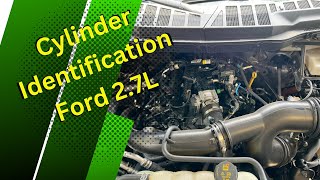
- Identify Cylinder 5: Locate cylinder 5. On the transverse 2.7L V6 in the Edge, the rear bank (firewall side) is cylinders 4-5-6 from passenger to driver side. Cylinder 5 is the middle cylinder on the rear bank. *Correction from Pass 1: Pass 1 incorrectly stated cylinder 5 was on the front bank.*
- Swap the Ignition Coil: Disconnect the battery. Remove the engine cover. Unplug and unbolt the ignition coil from cylinder 5. Swap it with the coil from cylinder 4 (the passenger-side cylinder on the same rear bank). Reassemble, reconnect the battery, clear the codes, and start the engine. Drive until the check engine light returns.
- Analyze the Result: If the code is now P0304, the ignition coil is bad and needs replacement. If the code remains P0305, proceed to the next step.
- Inspect the Spark Plug: With the coil ruled out, remove the spark plug from cylinder 5. Inspect it for damage, excessive wear, or heavy oil/carbon fouling. If it looks suspect, replace it. It is highly recommended to replace all six plugs if they are due for service.
- Check for TSB Symptoms (2016-2017 models): If the plug is oil-fouled and the vehicle is a 2016-2017 model, check for excessive oil consumption or blue/white smoke on hot restarts. If these symptoms are present, the issue may be the valve guides described in TSB 19-2384, which requires professional diagnosis.
- Check the Fuel Injector: If the misfire still remains on cylinder 5 and the TSB is not applicable, the issue is likely the fuel injector or its wiring. This is a more involved job and may require professional diagnosis.
- Check for Mechanical Issues: If all else fails, a mechanical compression test is needed to check the health of cylinder 5.
Parts You'll Likely Need
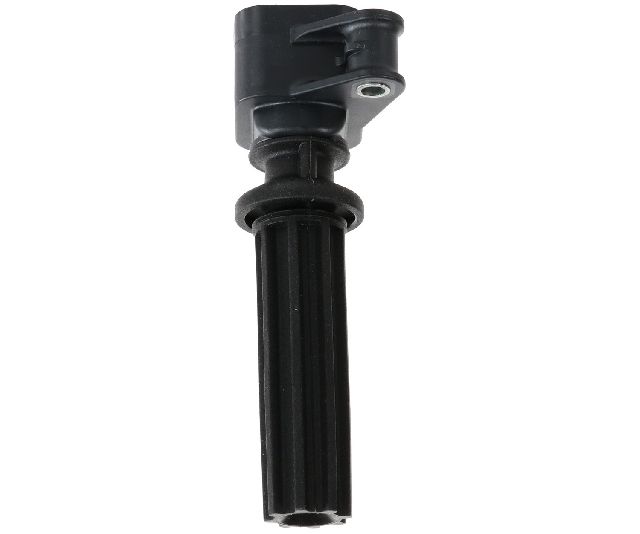
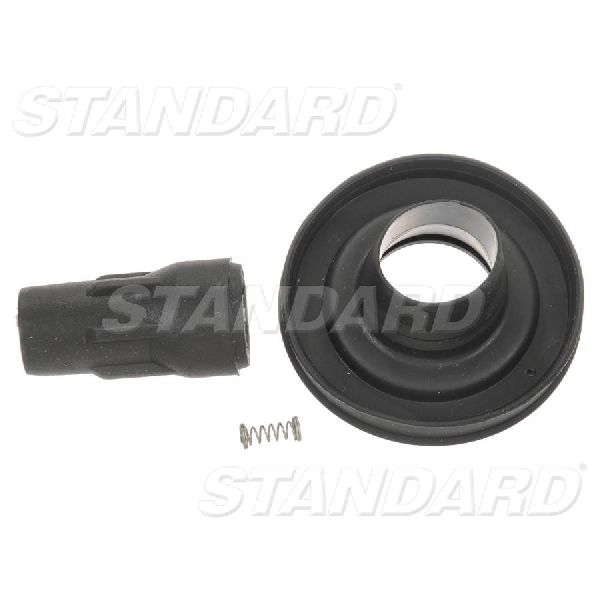
- Ignition Coil
(OEM #FT4Z-12029-A (Motorcraft DG555))— This is the most common failure point for a single-cylinder misfire code. Heat and vibration cause the electronics to fail over time.
Trusted brands: Motorcraft, NGK, Denso, Delphi
OEM price range: $60-$100
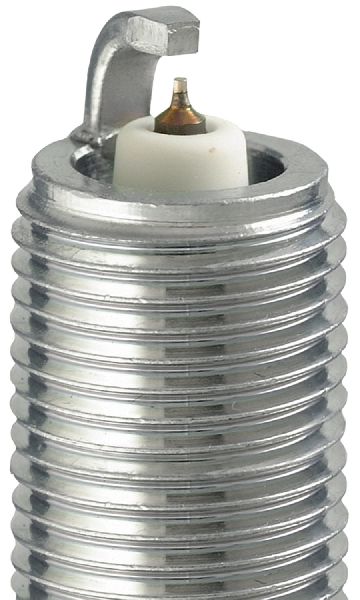
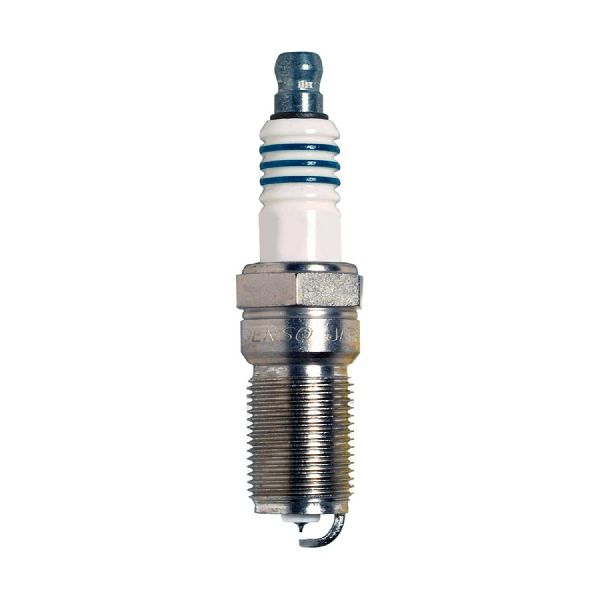
Aftermarket price range: $40-$90 - Spark Plug
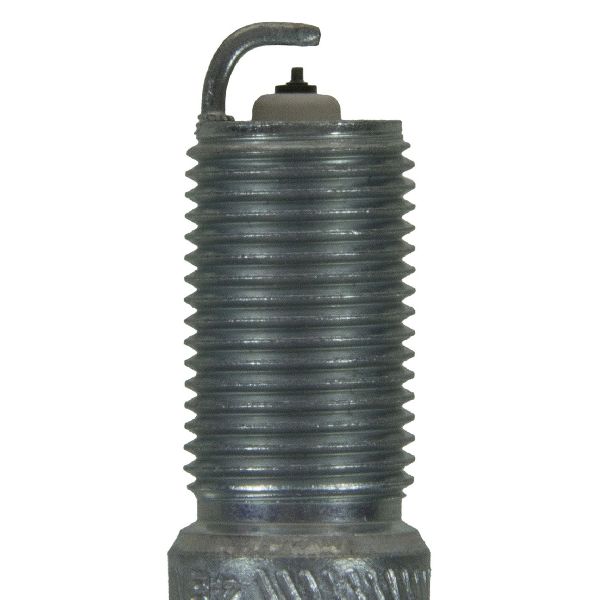
(OEM #SP-594 (replaces SP-578))— Spark plugs are a regular maintenance item and are consumed faster in turbocharged direct-injection engines like the 2.7L EcoBoost. An oil-fouled plug can also be a symptom of a deeper engine issue.
Trusted brands: Motorcraft, NGK Ruthenium HX, Bosch
OEM price range: $15-$25
Aftermarket price range: $10-$20
Related Codes That Often Appear With This One
- P0300 — If the misfire is intermittent or affecting multiple cylinders, a P0300 (Random/Multiple Cylinder Misfire) may appear alongside P0305.
- P0304, P0306 — If other cylinder-specific misfire codes for the same bank (Bank 2) are present, it could point to a systemic issue like a vacuum leak affecting that bank.
- P0524, P06DD — These codes for low oil pressure are specifically mentioned in TSBs 17-2235 and 19-2384 as potential companion codes to misfires when the root cause is the internal valve guide failure.
- P0355 — This code indicates a fault in the ignition coil primary/secondary circuit for cylinder 5. It points more directly to an electrical issue with the coil or its wiring/connector, and in some Ford V6 engines, can indicate a damaged PCM driver if the code persists after a coil swap.
Technical Service Bulletins (TSBs) & Recalls
- TSB 19-2384: Documents an issue with oil consumption, rough idle, and misfires due to faulty cylinder head valve guides on some 2016-2017 2.7L EcoBoost engines.
- TSB 17-2235: An earlier version of the TSB for the same valve guide issue, later superseded by 19-2384.
- TSB 17-0007: An even earlier TSB related to cylinder head replacement for similar symptoms on 2016 models.
- Bulletin #SSM 54504: Notes that the vehicle may exhibit an illuminated MIL with DTCs P0300-P0306, P0524, and/or P06DD with excessive oil consumption (1 quart in less than 3,000 miles).
- Bulletin #SSM 46363: Advises that if the vehicle exhibits P0524 and/or P06DD alongside misfire codes, the long block should be suspected as the cause.
Platform-Specific Known Issues
- title: TSB 19-2384: Cylinder Head Valve Guide Failure
Mechanic-Grade Diagnostic Values
- Mode $06 Misfire Count (Cylinder 5) — expected: Near zero in the last 10 driving cycles.. Failure: A high count under Test ID (TID) $53, Component ID (CID) $05 indicates repeated misfire events on cylinder 5, confirming the P0305 fault.
- Low-Pressure Fuel System — expected: 55-75 PSI with key-on, engine-off or at idle.. Failure: Pressure below this range could indicate a failing fuel pump module, potentially causing a lean misfire.
- High-Pressure Fuel System (GDI) — expected: ~300 PSI at idle, rising to 2000+ PSI under heavy load.. Failure: Inconsistent or low pressure readings on a scan tool, especially if it drops significantly when the misfire occurs, can point to a failing high-pressure fuel pump or injector.
- Ignition Coil Connector Voltage (Control Wire) — expected: Should show a pulsing signal on an oscilloscope when the engine is running. Using a multimeter is not effective for testing the control signal.. Failure: A flat line (no signal) from the PCM when the engine is cranking/running points to a wiring issue or a failed PCM driver, especially if a P0355 code is also present.
Scan Tool Commands That Help
- Ford IDS (Integrated Diagnostic System): Power Balance Test — This is the most effective way to confirm a P0305. The tool graphically displays the power contribution from each cylinder by monitoring crankshaft speed. A significant, consistent drop for cylinder 5 provides 100% confirmation of the misfire location in real-time, ruling out intermittent issues.
Wiring & Ground Locations
- G104 — Typically located on the front of the engine block or cylinder head on the passenger side.. This is a primary engine-to-chassis ground. While a fault here usually causes multiple, random misfires (P0300), corrosion or a loose connection can create intermittent issues that may initially manifest on a single, sensitive cylinder. It's a quick check to rule out a foundational electrical problem.
- Cylinder 5 Ignition Coil Connector — On the rear bank (firewall side), middle cylinder. The connector plugs directly into the top of the ignition coil.. The connector itself or its wiring pigtail can become brittle from heat and fail. Wiggling the connector while the engine is idling may induce or change the misfire, indicating a bad connection. The pins should be checked for corrosion or damage.
Real Owner Repair Stories
- F-150 Forum member (2016 Ford F-150 with 2.7L EcoBoost, 90,000 miles (same engine and similar failure patterns as Edge)) — Persistent P0305 code and a noticeable engine miss.
❌ Tried (didn't work) Replaced spark plug on cylinder 5, Swapped ignition coil from cylinder 5 to another cylinder (code remained P0305)
✅ What actually fixed it The high-pressure GDI fuel injector for cylinder 5 was faulty. After replacing the injector, the P0305 code was resolved and the misfire was gone. The old injector showed signs of heavy carbon buildup. - Ford Edge Forum member (2017 Ford Edge Sport 2.7L) — P0305 code, rough idle, and excessive oil consumption.
❌ Tried (didn't work) Replacing the spark plug and ignition coil for cylinder 5 multiple times.
✅ What actually fixed it The dealer diagnosed the known valve guide issue covered by TSB 19-2384. The final fix was the replacement of the entire cylinder head assembly, which was performed under warranty. This confirms the TSB is a real-world failure and not just a theoretical issue. - NHTSA ODI #11407153 — An owner reported that their engine started misfiring both while stationary and in motion. After pulling code P0305, they replaced the coils and spark plugs, but the engine continued to misfire.
"I Checked Everything" — The Actual Cause
- In some cases with EcoBoost engines, a very fine crack in the plastic intake manifold may not show up during a standard smoke test when the engine is cold. The crack may only open and leak air when the engine bay reaches full operating temperature, causing a lean misfire on a nearby cylinder that is difficult to diagnose.
OEM Part Supersession History
SP-578→SP-594 (Motorcraft)— The spark plug design was updated for improved durability and performance in the high-heat, high-pressure environment of the EcoBoost engine. TSB 19-2384 specifically calls for the use of the latest part number.
Heads up: While the old part number will physically fit, using the superseded SP-594 is highly recommended for longevity and to prevent recurring misfires.
Model Year Variations Within This Range
- 2016-2017: These model years, specifically with engines built between April 2016 and January 2017, are subject to TSB 19-2384 for faulty cylinder head valve guides. A P0305 on these vehicles, especially with oil consumption, has a higher probability of being this serious internal issue compared to 2015 or 2018 models.
- 2015-2018: Ford released several PCM calibration updates throughout this period to improve engine and transmission performance. If all mechanical and electrical checks pass, ensuring the PCM has the latest software can sometimes resolve intermittent or 'ghost' misfire codes.
Diagnostic Flowchart
Other Known Issues on This Vehicle
Issues unrelated to this code that are worth knowing about as an owner of this generation:
- Leaking Plastic Oil Pan 🟠 Medium — Common on 2015-2017 models. The original RTV seal on the composite plastic oil pan is prone to leaking over time due to heat cycles. (Ref: TSB 23-2083 (F-150) and TSB 24-2345 (Edge/MKX) detail procedures to replace the original pan with an updated design. TSB 19-2189 and 19-2387 apply to 2018+ models with a similar issue but a different fix.)
- Cylinder Head Valve Guide Failure / Oil Consumption 🔴 High → Shop Engine Cylinder Head — Specifically affects engines built from April 1, 2016, to January 1, 2017. Can lead to major engine damage or replacement. (Ref: TSB 19-2384 is the primary bulletin. Symptoms include misfires, rough idle, oil consumption, and blue/white smoke. The fix is cylinder head replacement.)
- Premature Front Brake Hose Rupture 🔴 High — Affects all 2015-2018 Ford Edge models. Can result in a sudden loss of braking fluid and increased stopping distance. (Ref: NHTSA Recall 20V-422 (Ford recall 20S42). Dealers will replace the front brake jounce hoses free of charge.)
- White/Blue Smoke from Turbo Oil Feed Tube 🟠 Medium — Reported on some 2015-2017 models, causing smoke on startup after a cold soak without other major symptoms. (Ref: TSB 19-2188 (for F-150, but relevant) identifies oil seeping into the left turbocharger due to a faulty oil supply tube, which is replaced with a revised part.)
- Shift Cable Bushing Degradation 🔴 High — Affects 2015-2018 Edge models. The bushing can detach, preventing the vehicle from shifting into the intended gear or securing it in Park. (Ref: NHTSA Recall 22V-413. The driver may select Park, but the vehicle could still roll away, increasing crash risk.)
Used vs. New Parts: Buying Guide for This Vehicle
When a used part is the smart pick: For this specific repair (P0305), using used parts is strongly discouraged. The primary causes are wear-and-tear components like ignition coils, spark plugs, and fuel injectors. The labor cost and difficulty, especially for accessing the rear bank where cylinder 5 is located, makes installing a used part with unknown remaining life a significant risk and poor economic choice.
What to inspect on the donor part:
- Not applicable, as used ignition or fuel parts are not recommended for this repair.
OEM-only on this vehicle (don't cheap out):
- High-Pressure Fuel Injector: Due to the high pressures and precise nature of GDI systems, OEM Motorcraft injectors are the most reliable choice to prevent repeat failures and ensure proper performance.
Aftermarket brands forum-validated for this vehicle:
- Ignition Coils: NGK, Denso, and Delphi are widely regarded as reliable alternatives to OEM Motorcraft.
- Spark Plugs: NGK (specifically the Ruthenium HX line) and Bosch are considered quality upgrades or equivalents to the OEM Motorcraft plugs.
Brands owners have reported issues with on this vehicle:
- Avoid unbranded, 'white-box' ignition coils and fuel injectors from major online marketplaces. These parts have a high rate of premature failure and can sometimes cause further electrical issues.
Real Owner Stories
Aggregated from forums and TSBs cited above. Mileages and costs reflect what owners reported in those sources.
2017 Ford Edge Sport 2.7L EcoBoost — 15000 miles
Symptoms: P0305 code; upon inspection, the spark plug for cylinder 5 was heavily fouled with oil buildup, while the adjacent cylinder 4 plug was clean.
What fixed it: The issue was identified as a cylinder-specific problem rather than a systemic PCV issue, pointing toward the valve guide failures noted in TSBs.
Source hint: Ford Edge Forum - Misfire on Cylinder 5
2018 Ford Edge Sport 2.7L EcoBoost — 7100 miles
Symptoms: Misfire code P0305 on a very low-mileage vehicle.
What fixed it: The dealer determined the engine had a serious fault and replaced the entire engine under warranty.
Source hint: Ford Edge Forum - Misfire Leads to new Engine
2016 Ford F-150 2.7L EcoBoost — ~60000 miles
Symptoms: Rough idle, blue smoke from the exhaust, and high oil consumption.
What fixed it: Diagnosed with the issue covered by TSB 19-2384, requiring major engine work (cylinder head/valve guide repair).
Source hint: Reddit r/f150ecoboost - TSB 19-2384 Experience
Related OBD-II Codes
Frequently Asked Questions
Where is cylinder 5 located on my 2015-2018 Ford Edge 2.7L EcoBoost?
My 2017 Edge Sport is blowing blue smoke on hot restarts along with the P0305 code. Is there a known issue?
What is the recommended spark plug gap for the 2.7L EcoBoost engine to prevent misfires?
Can I test if my P0305 code is just a bad ignition coil without buying new parts?
Why is the P0305 code often associated with oil consumption on this specific engine?
Is it worth replacing all the coils if only cylinder 5 is misfiring?
Helpful Videos
Used OEM Parts in Stock
New Aftermarket Parts Available

The information in this article is provided for general reference and educational purposes only. Vehicle specifications, procedures, and part compatibility can vary by production date, trim level, and region. Always consult your vehicle's factory service manual and verify part numbers before purchasing or performing repairs. Safety-critical components such as airbags, seat belts, and braking systems should be installed by a qualified professional.
- Ford Edge:
- 🧭 Diagnostic Flowchart
- 🎬 Helpful Videos
- 🛍️ Shop This Part
- What's Unique About the 2015-2018 Ford Edge
- Symptoms You May Notice
- Most Likely Causes
- Rare But Worth Checking
- Diagnosis Steps
- Parts You'll Likely Need
- Related Codes That Often Appear With This One
- Technical Service Bulletins (TSBs) & Recalls
- Platform-Specific Known Issues
- Mechanic-Grade Diagnostic Values
- Scan Tool Commands That Help
- Wiring & Ground Locations
- Real Owner Repair Stories
- "I Checked Everything" — The Actual Cause
- OEM Part Supersession History
- Model Year Variations Within This Range
- Other Known Issues on This Vehicle
- Used vs. New Parts: Buying Guide for This Vehicle
- Real Owner Stories
- 2017 Ford Edge Sport 2.7L EcoBoost — 15000 miles
- 2018 Ford Edge Sport 2.7L EcoBoost — 7100 miles
- 2016 Ford F-150 2.7L EcoBoost — ~60000 miles
- Related OBD-II Codes
- Frequently Asked Questions
- 🎟️ Get 5% Off