

P0306 on 2005-2014 Ford Expedition 5.4L: Cylinder 6 Misfire Causes and Fixes
P0306 indicates a misfire on cylinder 6. On the 5.4L 3V Triton engine, this is most often caused by a failed ignition coil-on-plug (COP). A worn or fouled spark plug is the second most likely cause. For 2005-2008 models, be aware of the infamous two-piece spark plugs that can break on removal. Replacing a single coil is a simple DIY fix, costing around $35-$60 for a quality Motorcraft part.
- P0306 on a 5.4L Triton almost always points to a bad ignition coil on cylinder 6.
- The easiest diagnostic step is to swap the cylinder 6 coil with another cylinder to see if the misfire code moves.
- If you have a 2005-2008 model, be extremely cautious when removing spark plugs, as they are prone to breaking. Have an extraction tool ready.
- Always use compressed air to clean out the spark plug wells before removing coils or plugs to prevent debris from falling into the cylinder.
- Do not drive if the Check Engine Light is flashing to avoid expensive catalytic converter damage.
What's Unique About the 2005-2014 Ford Expedition
The 5.4L 3V Triton V8 in this generation of Expedition is well-known for specific ignition and mechanical issues. The most common cause for a P0306 is a failed coil-on-plug (COP). Additionally, models from 2005 to mid-2008 used a two-piece spark plug design (Motorcraft SP-515) that is infamous for the lower shield breaking off in the cylinder head during removal, requiring a special extraction tool as detailed in TSB 08-7-6. Later models use a more conventional and reliable one-piece plug design (Motorcraft SP-546). Mechanical issues like failed valve train roller followers are also a known, albeit less common, cause of misfires on this engine.
Generation note: This range covers the end of the second generation (2005-2006) and the entire third generation (2007-2014) Expedition. The 5.4L 3V Triton V8 was the primary engine throughout this period, so the causes and diagnostic steps for P0306 are consistent across these years. The most significant difference is the change from a problematic two-piece spark plug design to a one-piece design during the 2008 model year (engines built after 10/9/07).
Symptoms You May Notice
- Rough or vibrating idle
- Engine hesitation or stumbling during acceleration
- Noticeable loss of power
- Flashing Check Engine Light (indicates a severe, catalyst-damaging misfire)
- Reduced fuel economy
- Smell of raw gasoline from the exhaust
- Ticking or tapping noise from the engine bay, which could indicate a mechanical issue like a roller follower
- Replacing only the spark plug when the ignition coil was the true cause.
- Replacing the fuel injector before performing the simple ignition coil swap test.
- Assuming a major mechanical engine problem before thoroughly testing the ignition and fuel systems.
- Replacing catalytic converters for misfire codes, when the misfire is what damaged the converter in the first place.
Most Likely Causes
- Faulty Ignition Coil (Coil-on-Plug) 🔴 High Probability → Shop Ignition Coil The coil-on-plug units on the 5.4L 3V engine are a very common failure item due to high heat exposure in the deep spark plug wells. Oil leaks from the valve cover gaskets can also seep into the wells and short out the coil and its rubber boot.
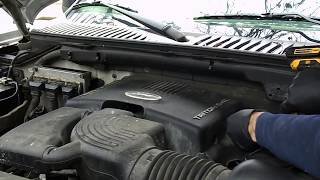
How to confirm: The easiest way to confirm a bad coil is to swap the cylinder 6 coil with another cylinder (e.g., cylinder 5). Clear the codes and drive the vehicle. If the code changes to P0305 (Cylinder 5 Misfire), the coil is faulty. This is the first and most important diagnostic step. 🎬 Watch: How to diagnose a bad coil and misfire code
Typical fix: Replace the faulty ignition coil. It is held in by a single 7mm bolt. While you can replace just one, many owners replace them as a full set of eight if they are original or if multiple coils have failed. Using genuine Motorcraft coils is highly recommended for longevity.
Est. part cost: $40-$60 for one Motorcraft coil, $250-$400 for a full set of eight. - Worn or Fouled Spark Plug 🔴 High Probability → Shop Spark Plug Early models (2005-mid 2008) used a two-piece spark plug design (Motorcraft SP-515) that is notorious for carbon buildup on the long ground electrode shield, causing it to seize in the head and break upon removal. Even on later models with the one-piece plug, a loose or worn plug can cause a persistent misfire.
How to confirm: After ruling out the ignition coil, inspect the spark plug for wear, damage, or fouling from oil or fuel. Check that the spark plug is tightened to the correct torque specification. A loose plug can cause misfires and damage the coil boot.
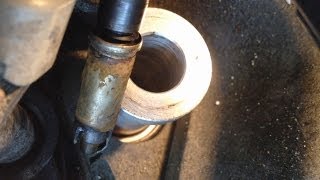
Typical fix: Replace the spark plug. For 2005-2008 models, strictly follow the procedure in TSB 08-7-6, which involves working on a cold engine and using a solvent, to minimize the risk of breakage. Be prepared with a spark plug extractor tool (like Lisle 65600). 🎬 See how to use the extraction tool for broken plugs It is highly recommended to replace all eight plugs at the same time with the updated one-piece Motorcraft SP-546 plugs.
Est. part cost: $8-$15 per spark plug. - Clogged or Faulty Fuel Injector 🟡 Medium Probability → Shop Fuel Injector Injectors can become clogged with deposits over time or fail electrically. Ford issued an extended warranty for injectors on some 2005 models due to a high failure rate. A stuck-open injector is a serious risk that can lead to engine hydro-lock.
How to confirm: If the coil and plug are good, you can test the injector. Listen for a clicking sound from the injector with a mechanic's stethoscope to confirm it's activating. For a more definitive test, swap the cylinder 6 injector with another cylinder (e.g., cylinder 5) and see if the misfire code follows the injector.
Typical fix: Replace the faulty fuel injector. This is more involved as it requires depressurizing and opening the fuel rail.
Est. part cost: $50-$90 per injector. - Vacuum Leak ⚪ Low Probability A leak in the intake manifold gasket near the cylinder 6 runner can lean out the air/fuel mixture for that specific cylinder, causing a misfire. PCV hoses and their connections are also common sources of vacuum leaks on aging vehicles.
How to confirm: With the engine running, carefully spray short bursts of brake cleaner or a propane torch (unlit) around the intake manifold base near cylinder 6. If the engine RPM changes, a leak is present. A professional smoke test is the most effective and safest method.
Typical fix: Replace the intake manifold gaskets.
Est. part cost: $50-$100 for a gasket set.
Rare But Worth Checking
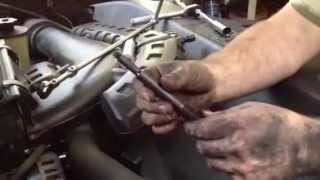
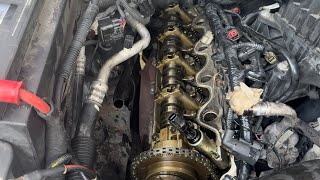
- Low Engine Compression / Mechanical Failure: If ignition and fuel components are confirmed good, a mechanical issue is possible. On the 5.4L 3V, this could be a failed roller follower, where the bearing seizes and damages the camshaft lobe, leading to a valve not opening correctly. Other causes include a burnt valve or worn piston rings. A compression test on cylinder 6 is the first step, followed by a visual inspection under the valve cover if compression is low. 🎬 Watch: How to replace failed roller followers to fix ticking
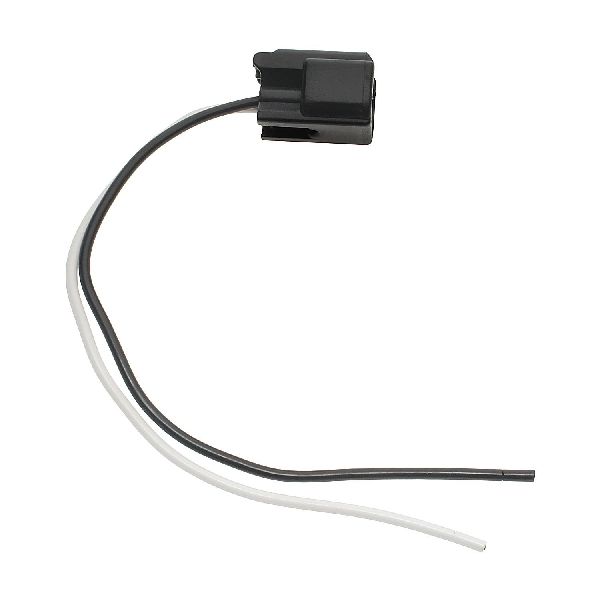
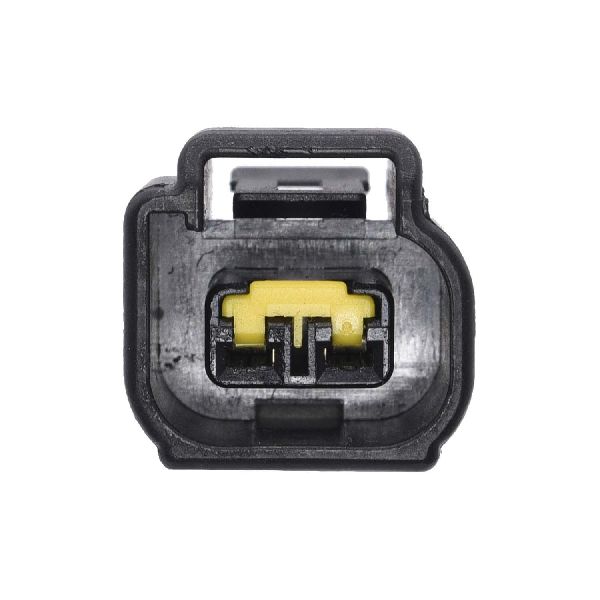
- Damaged Wiring or Connector: The wiring harness or electrical connector for the ignition coil or fuel injector can become brittle from heat cycles and break or develop a poor connection. Wiggle the connector for cylinder 6 with the engine running to see if it induces a misfire. Visually inspect the harness for any signs of chafing, melting, or cracking. A manufacturer service bulletin, TSB 25-2569, notes that misfire codes like P0306 can occur if the engine harness contacts hose crimp ends or spring clips.
Diagnosis Steps
- Confirm the P0306 code is present using an OBD-II scanner. Check for any other codes like P0316 or P0356.
- Identify cylinder 6. On the 5.4L V8, the passenger side bank is cylinders 1-2-3-4 (front to back), and the driver's side bank is 5-6-7-8 (front to back). Cylinder 6 is the second cylinder from the front on the driver's side.
- Swap the ignition coil from cylinder 6 with the coil from cylinder 5. This is the most crucial first step.
- Clear the codes and test drive the vehicle. If the code returns as P0305, the ignition coil is bad and needs to be replaced.
- If the code remains P0306, the coil is likely good. Proceed to inspect the spark plug. Remove the coil and use compressed air to blow out any debris from the spark plug well before removing the plug.
- Carefully remove the spark plug. For 2005-2008 models, follow TSB 08-7-6 procedure on a cold engine to prevent breakage. Inspect the plug for damage, wear, or fouling. Replace if necessary, preferably with a Motorcraft plug.
- If the plug and coil are good, the next step is to test the fuel injector. A quick check is to listen for a steady clicking with a mechanic's stethoscope. Swapping the injector with another cylinder is the most definitive DIY test.
- If the misfire still persists on cylinder 6, check for a vacuum leak near the cylinder 6 intake runner using a smoke machine or cautiously with carb cleaner.
- If all else fails, perform a relative and/or manual compression test on cylinder 6 to check for mechanical engine problems like a bad valve or failed roller follower.
Parts You'll Likely Need
- Ignition Coil (Coil-on-Plug)
(OEM #DG511)— This is the most frequent cause of a single-cylinder misfire on the 5.4L 3V Triton engine.
Trusted brands: Motorcraft, Denso, NGK
OEM price range: $40-$60
Aftermarket price range: $25-$50
Related Codes That Often Appear With This One
- P0316 — This code means 'Misfire Detected on Startup (First 1000 Revolutions)'. It often appears with a specific cylinder misfire code like P0306, indicating the misfire is present as soon as the engine starts.
- P0300 — This is a 'Random/Multiple Cylinder Misfire' code. If the condition causing the P0306 is severe (like a major vacuum leak or fuel pressure issue), it may begin to affect other cylinders, leading to a P0300 being logged as well.
- P0356 — This code indicates a fault in the 'Ignition Coil 'F' Primary/Secondary Circuit', which corresponds to cylinder 6. It points more directly to an electrical problem with the coil or its wiring, rather than a fuel or mechanical issue.
Technical Service Bulletins (TSBs) & Recalls
- TSB 08-7-6: This is the critical technical service bulletin that outlines the specific, revised procedure for removing the original two-piece spark plugs from 5.4L 3V engines built before 10/9/07 to minimize the chance of breakage. It involves soaking the plugs in Motorcraft Carburetor Tune-Up Cleaner on a cold engine.
- TSB 06-19-8: Addresses issues related to the Variable Camshaft Timing (VCT) system, including noisy cam phasers which are a common source of engine noise and performance problems.
- TSB 19-2286: Notes that on some Ford vehicles, a misfire condition with DTC P0300 through P0306 may be caused by internal components of the muffler being assembled improperly.
- TSB 25-2569: Highlights that an illuminated MIL with DTCs P0301-P0306 may be due to the engine harness contacting the hose crimp end or spring clips.
Platform-Specific Known Issues
- Broken Spark Plugs (2005-2008): The original two-piece Motorcraft SP-507/SP-515 spark plugs are notorious for the lower barrel separating from the threaded portion during removal, leaving it stuck in the cylinder head. A special extraction tool (like Lisle 65600) is often required.
- Valve Cover Gasket Leaks: The valve cover gaskets can leak oil directly into the spark plug wells, which can damage the ignition coil boot and cause a misfire.
Mechanic-Grade Diagnostic Values
- Ignition Coil Primary Resistance — expected: 0.3 - 0.8 Ohms. OEM Motorcraft spec is ~0.55 Ohms.. Failure: A reading of infinity (O.L.) indicates an open coil; a reading near zero indicates a shorted coil.
- Ignition Coil Secondary Resistance — expected: 5,400 - 5,700 Ohms (5.4kΩ - 5.7kΩ).. Failure: A reading significantly outside this range, especially an open circuit (O.L.), indicates a failed secondary winding.
- Fuel Injector Resistance — expected: 11 - 16 Ohms.. Failure: A reading of infinity (O.L.) indicates an open coil inside the injector; a reading near zero indicates a short.
- Fuel Rail Pressure (KOER - Key On, Engine Running) — expected: 28 - 45 PSI. The PCM-controlled returnless system typically idles around 39-40 PSI and increases pressure under load.. Failure: Pressure that is consistently low may indicate a weak fuel pump or a failing Fuel Pump Driver Module (FPDM). Pressure that is too high could indicate an issue with the Fuel Rail Pressure (FRP) sensor.
- Variable Camshaft Timing (VCT) Solenoid Resistance — expected: 5 - 15 Ohms.. Failure: A reading outside this range indicates a faulty solenoid coil.
Hidden / Shadow Codes Worth Checking
- Mode $06, TID $53 (non-CAN) or $A2-$AB (CAN): This is not a trouble code, but a monitor within the PCM that tracks misfire counts per cylinder. For cylinder 6, the Component ID (CID) would be $06. A technician can view these raw counts to see if cylinder 6 is misfiring, even if the count is not yet high enough to trigger the P0306 Check Engine Light. (see via A scan tool capable of reading Mode $06 data, such as FORScan, high-end consumer scanners, or professional tools like Ford's IDS.)
Scan Tool Commands That Help
- Ford IDS (or equivalent like FORScan): Power Balance Test — This is a primary diagnostic step to visually confirm which cylinder is underperforming. The tool displays a graph of each cylinder's power contribution (derived from crankshaft speed changes). A P0306 will show a significant drop or deviation on the graph for cylinder #6, confirming it's the source of the misfire before swapping parts.
- Ford IDS (or equivalent like FORScan): Injector Cutout Test — This bidirectional command allows the technician to manually disable the fuel injector for cylinder 6. If disabling the injector causes no change in the engine's idle quality, it confirms that cylinder was not contributing in the first place, pointing towards a problem with that cylinder's fuel or ignition.
Wiring & Ground Locations
- PCM Connector C175E, Pin 15 — The PCM is located in the engine bay, typically on the passenger side firewall. C175E is one of the main connectors to the PCM.. Pin 15 carries the control signal from the PCM to the cylinder 6 ignition coil (COP). The wire color is typically Orange with a Yellow stripe (OG-YE). Checking for continuity on this wire between the PCM and the coil connector is a critical step if a new coil and plug do not fix the misfire.
- Ignition Coil Power Feed — At the cylinder 6 ignition coil connector.. One wire at the coil connector should have battery voltage (~12V) whenever the key is in the 'Run' position. This is the power supply for all the coils. If this voltage is missing at cylinder 6, it indicates a break in the power feed wire specific to that coil, not a PCM or coil failure.
- G102 — On the right rear of the engine compartment.. This is a primary engine ground point. While not exclusive to cylinder 6, a poor connection at this ground can cause a variety of erratic ignition and sensor issues, including misfires.
- G101 — Near the right side of the radiator support.. This is another key ground point in the engine bay. A corroded or loose G101 can cause intermittent electrical problems, including issues with the PCM and ignition system.
Real Owner Repair Stories
- Ford Truck Enthusiasts Forum user 'Scuba-Matt' (2003 Ford Expedition 4.6L (similar architecture)) — Rough running, sputtering, stalling, and a blinking Check Engine Light with codes P0306 and P2198.
❌ Tried (didn't work) Initial diagnosis pointed towards common ignition issues.
✅ What actually fixed it The final cause was a faulty #6 fuel injector that was stuck open. Replacing the spark plug and the bad fuel injector resolved all symptoms and codes. - ScannerDanner Case Study (YouTube) (2003 Ford Expedition 5.4L) — Constant misfire with code P0356 (Ignition Coil 'F' Circuit Malfunction), which is electrically related to P0306.
❌ Tried (didn't work) The owner had likely already tried replacing the coil and plug.
✅ What actually fixed it The diagnosis revealed the primary winding in the ignition coil had shorted internally. This short circuit damaged the ignition coil driver (transistor) inside the Powertrain Control Module (PCM). The final repair required replacing both the shorted ignition coil AND the PCM itself.
"I Checked Everything" — The Actual Cause
- In cases where a P0306 persists after ignition and fuel system checks, and a smoke test reveals no vacuum leaks, the cause is often mechanical. A broken valve spring on cylinder 6 will cause a loss of compression and a consistent misfire that won't be found with a smoke test. A compression test or cylinder leak-down test is required to identify this.
When the Usual Fixes Don't Work
- While the vast majority of P0306 codes on this engine are a simple coil or plug, there are numerous documented cases on forums where the issue was more complex. In one instance, a user with a persistent misfire on a similar engine found the cause to be a stuck-open fuel injector, which was only discovered after swapping it with another cylinder. In another professional case study, a shorted ignition coil destroyed the driver circuit inside the PCM, requiring a PCM replacement to finally fix the misfire, even after a new coil was installed. These cases highlight the need to follow a complete diagnostic procedure and not stop at the most common cause.
Documented NHTSA Reports
- An owner reported in NHTSA ODI #10658587 that after driving in heavy rain for several hours, the engine code showed P0306 for a cylinder 6 misfire.
- According to NHTSA ODI #11621299, a technician diagnosed a vehicle with DTC codes P0302 and P0306 and determined that coolant was leaking into the engine block.
- NHTSA ODI #11042915 describes an incident where the engine light began to flash and a dealership authorized a long block engine change for a P0306 code, referencing TSB 17-0007 and 17-2077.
OEM Part Supersession History
Motorcraft SP-515 (PZH14F)→Motorcraft SP-546 (PZH1F)— The original SP-515 was a two-piece design infamous for the ground shield breaking off inside the cylinder head during removal. The SP-546 is a revised one-piece design that eliminates this problem.
Heads up: The SP-546 plug should be used as a replacement for the SP-515 in earlier engines, but the problematic heads remain.Motorcraft DG511 (Black Boot)→Motorcraft DG521 (Brown Boot)— The ignition coil design was changed to accommodate the redesigned cylinder heads and one-piece spark plugs.
Heads up: The DG521 has a longer boot and is not interchangeable with the DG511. Using the wrong coil will result in a poor connection to the spark plug and a persistent misfire.
Model Year Variations Within This Range
- 2005 - Mid-2008: These models use the original cylinder head design with the problematic two-piece SP-515 spark plugs and the corresponding black-boot DG511 ignition coils. Diagnosis and repair carry a high risk of spark plug breakage.
- Mid-2008 - 2014: These models have redesigned cylinder heads that use standard one-piece SP-546 spark plugs and the longer, brown-boot DG521 ignition coils. Spark plug replacement is routine and does not carry the same risk of breakage.
Diagnostic Flowchart
Other Known Issues on This Vehicle
Issues unrelated to this code that are worth knowing about as an owner of this generation:
- Variable Camshaft Timing (VCT) Phaser Failure 🔴 High → Shop Engine Camshaft — Very common, especially on higher-mileage (80k+ miles) or poorly maintained engines. Often presents as a diesel-like knocking or ticking sound at idle. (Ref: TSB #06-19-8)
- Timing Chain Tensioner & Guide Failure 🔴 High — Widespread issue. Plastic timing chain guides break, and tensioner seals can blow out, causing low oil pressure to the cylinder heads. Often signaled by a rattling noise on startup.
- Two-Piece Spark Plug Breakage During Removal 🟠 Medium → Shop Spark Plug — Affects all 2005-2008 models with the original two-piece plugs (SP-515). Carbon buildup causes the plug's lower shield to seize in the head, breaking off during removal. (Ref: TSB 08-7-6)
- Fuel Pump Driver Module (FPDM) Failure 🟠 Medium — Common failure item. The module is mounted to the frame and its aluminum body corrodes when in contact with the steel frame, leading to cracks and internal failure. Symptoms include no-start, stalling, or hesitation.
- Exhaust Manifold Leaks 🟠 Medium — Commonly caused by the rear-most manifold studs breaking due to thermal stress. Results in a ticking noise, especially when the engine is cold, and can cause exhaust fumes in the cabin.
- Roller Follower Failure 🔴 High — A known mechanical failure where the bearing on a valve's roller follower seizes, often due to oiling issues, causing a loud ticking/tapping noise and potential camshaft damage.
Used vs. New Parts: Buying Guide for This Vehicle
When a used part is the smart pick: For parts like ignition coils and fuel injectors, a tested, used OEM part from a reputable auto recycler can be a cost-effective option. Given the high cost of new Motorcraft parts, sourcing a used coil from a lower-mileage donor vehicle is a common practice.
Donor-vehicle mileage cap: roughly under 100000 miles for the part to have meaningful remaining life.
What to inspect on the donor part:
- For ignition coils, inspect the plastic housing for cracks or melting and ensure the boot is pliable, not brittle or swollen.
- For fuel injectors, check for physical damage, and if possible, ask the seller if they were from a running vehicle with no misfire or fuel trim codes.
- Check for excessive corrosion on electrical connectors.
- Whenever possible, source from a vehicle that appears well-maintained and is from a dry climate to minimize corrosion.
OEM-only on this vehicle (don't cheap out):
- Ignition Coils: While not strictly 'OEM-only', the consensus among forum veterans and professional mechanics is to use Motorcraft coils for reliability.
- VCT Solenoids and Cam Phasers: If the misfire is traced to a timing issue, it is critical to use only Ford/Motorcraft parts. Aftermarket timing components for the 5.4L 3V are notoriously unreliable.
Aftermarket brands forum-validated for this vehicle:
- Denso and Delphi are often cited as reliable, OEM-quality alternatives for ignition coils if Motorcraft is unavailable or too expensive.
Brands owners have reported issues with on this vehicle:
- Generic, unbranded ignition coils sold in bulk on sites like Amazon and eBay have a very high failure rate according to extensive forum discussions.
- Performance brands like MSD and Accel have a mixed reputation for daily driver reliability on this specific engine, with some mechanics reporting frequent premature failures.
Real Owner Stories
Aggregated from forums and TSBs cited above. Mileages and costs reflect what owners reported in those sources.
2005 Ford F-150 5.4L 3V
Symptoms: Persistent P0306 misfire that would not go away even after swapping the ignition coil and spark plug.
What fixed it: The owner suspected a fuel injector or wiring harness issue after the standard coil/plug swap failed to move the code.
Source hint: https://www.f150online.com/forums/v8-engines/434778-code-p0306-misfire-cyl-6-wont-go-away-help.html
2005-2014 Lincoln Navigator 5.4L 3V
Symptoms: Horrible misfire affecting cylinders 5, 6, 7, and 8 (the entire Bank 2).
What fixed it: The issue was identified as a clogged catalytic converter causing severe backpressure on that engine bank.
Source hint: https://www.ford-trucks.com/forums/1379965-navigator-5-4-3v-horrible-miss-5-6-7-8-a.html
2005 Ford F-150 5.4L 3V
Symptoms: Recurring misfire and mechanical engine noise.
What fixed it: Replacement of the camshaft and roller followers after a failed roller follower caused mechanical damage.
Source hint: https://www.f150online.com/forums/2004-2008-f-150/487779-2005-5-4-3v-bad-cam-follower-2nd-incident.html
2005-2014 Ford Expedition 5.4L 3V
Symptoms: Cylinder misfire P0306 that persisted after replacing the spark plug and coil pack.
What fixed it: Repairing a damaged ignition coil connector pigtail.
Source hint: https://www.ford-expedition.com/threads/cylinder-misfire-p0306-not-the-plug-or-coil-pack.50616/
Related OBD-II Codes
Frequently Asked Questions
Where is cylinder 6 located on my 5.4L 3V Triton V8 engine?
Which technical service bulletin should I follow when changing spark plugs on my 2005-2008 Expedition?
What specific spark plugs are recommended for the 5.4L 3V engine to prevent future issues?
Can oil leaks cause a P0306 code on my Ford Expedition?
Is there a specific tool I need if a spark plug breaks during removal on my 2006 Expedition?
Should I replace all my ignition coils if only cylinder 6 is misfiring?
Helpful Videos
We Have This Part in Stock


The information in this article is provided for general reference and educational purposes only. Vehicle specifications, procedures, and part compatibility can vary by production date, trim level, and region. Always consult your vehicle's factory service manual and verify part numbers before purchasing or performing repairs. Safety-critical components such as airbags, seat belts, and braking systems should be installed by a qualified professional.
- Ford Expedition:
- 🧭 Diagnostic Flowchart
- 🎬 Helpful Videos
- 🛍️ Shop This Part
- What's Unique About the 2005-2014 Ford Expedition
- Symptoms You May Notice
- Most Likely Causes
- Rare But Worth Checking
- Diagnosis Steps
- Parts You'll Likely Need
- Related Codes That Often Appear With This One
- Technical Service Bulletins (TSBs) & Recalls
- Platform-Specific Known Issues
- Mechanic-Grade Diagnostic Values
- Hidden / Shadow Codes Worth Checking
- Scan Tool Commands That Help
- Wiring & Ground Locations
- Real Owner Repair Stories
- "I Checked Everything" — The Actual Cause
- When the Usual Fixes Don't Work
- Documented NHTSA Reports
- OEM Part Supersession History
- Model Year Variations Within This Range
- Other Known Issues on This Vehicle
- Used vs. New Parts: Buying Guide for This Vehicle
- Real Owner Stories
- 2005 Ford F-150 5.4L 3V
- 2005-2014 Lincoln Navigator 5.4L 3V
- 2005 Ford F-150 5.4L 3V
- 2005-2014 Ford Expedition 5.4L 3V
- Related OBD-II Codes
- Frequently Asked Questions
- 🎟️ Get 5% Off