

P0306 on 2011-2017 Ford Mustang 3.7L: Cylinder 6 Misfire Causes and Fixes
On a 2011-2017 Mustang with the 3.7L V6, a P0306 code is almost always a bad ignition coil or a worn spark plug on cylinder 6. A very common secondary cause is a leaking driver-side valve cover gasket filling the spark plug well with oil. A DIY fix is typically under $100 and involves swapping the coil to confirm the fault before replacing parts.
- P0306 on your Mustang 3.7L means cylinder 6 (rearmost on the driver's side) is misfiring.
- The most likely cause is a bad ignition coil, followed by a worn spark plug.
- The easiest way to diagnose a bad coil is to swap it with a neighboring cylinder's coil and see if the misfire code follows it.
- When removing the coil, check for oil in the spark plug tube. If oil is present, you must also replace the valve cover gasket to fix the root cause.
- Avoid driving if the check engine light is flashing to prevent expensive damage to the catalytic converter.
What's Unique About the 2011-2017 Ford Mustang
The 3.7L Cyclone V6 uses a reliable coil-on-plug ignition system, making diagnosis straightforward. However, a common issue on this platform is a leaking valve cover gasket, which can cause oil to seep into the spark plug wells. This oil saturation can short out the ignition coil and boot, leading to a misfire that might be misdiagnosed as only a failed coil without addressing the root-cause oil leak. This is a well-documented issue, especially for the driver-side (Bank 2) gasket which covers cylinder 6.
Generation note: This year range covers the late S197 generation (2011-2014) and the early S550 generation (2015-2017). Both used the 3.7L Cyclone V6, and the common causes and repair procedures for a P0306 misfire are consistent across both generations.
Symptoms You May Notice
- Rough or vibrating idle.
- Hesitation or stumbling during acceleration.
- Noticeable loss of engine power.
- Flashing or solid Check Engine Light.
- Decrease in fuel economy.
- Engine may sound like it's popping or backfiring.
- Car jerks forward during acceleration.
- Replacing only the ignition coil when the spark plug well is full of oil. The new coil will soon fail if the underlying valve cover gasket leak is not fixed.
- Replacing spark plugs and coils when the actual issue is a clogged fuel injector, which requires a different repair procedure.
Most Likely Causes
- Failing Ignition Coil 🔴 High Probability → Shop Ignition Coil The coil-on-plug design is effective but individual coils are a common failure point on most modern engines due to constant exposure to high heat and vibration. Oil contamination from a leaking valve cover gasket can also saturate the coil boot and cause premature failure.
How to confirm: Swap the ignition coil from cylinder 6 with an adjacent cylinder (like cylinder 5, the middle one on the driver's side). Clear the codes and drive. If the code changes to P0305, the coil is faulty. This is the most common diagnostic step recommended in owner forums.
Typical fix: Replace the faulty ignition coil. It is often recommended to replace the corresponding spark plug at the same time.
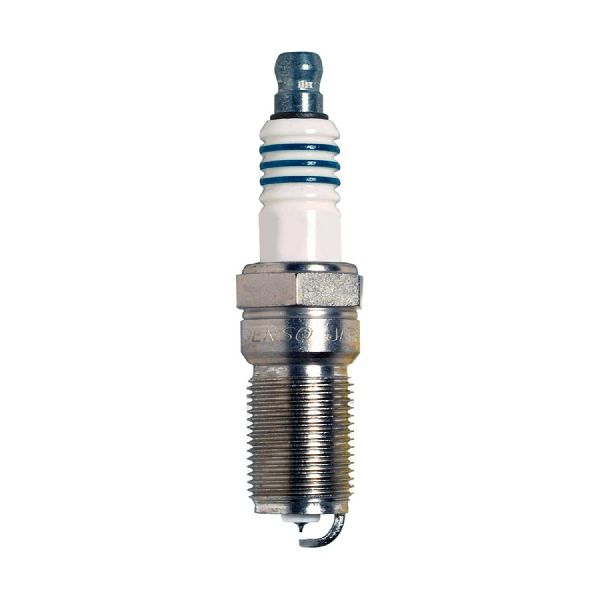
Est. part cost: $40-$80 - Worn or Fouled Spark Plug 🔴 High Probability → Shop Spark Plug
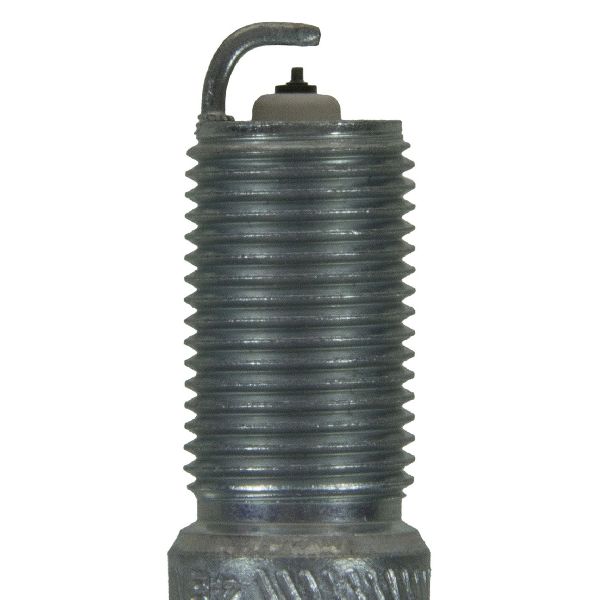
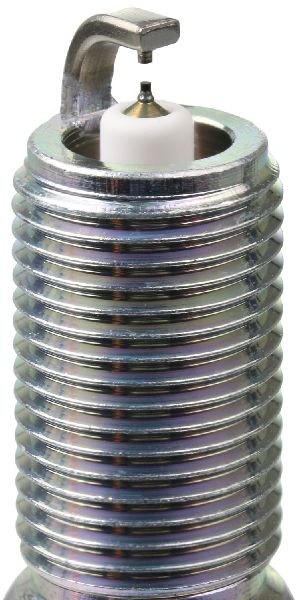
How to confirm: After swapping the ignition coil and the misfire remains on cylinder 6, remove the spark plug. Inspect it for wear (worn electrode), carbon fouling, oil contamination, or cracks in the porcelain insulator.
Typical fix: Replace the spark plug. It is best practice to replace all six spark plugs as a set if they are near the end of their service life (typically 100,000 miles).
Est. part cost: $10-$25 per plug - Leaking Valve Cover Gasket 🟡 Medium Probability The gaskets on the 3.7L V6 are known to become brittle and fail over time, allowing oil to leak directly into the spark plug tubes. The seals for the spark plug tubes are often integrated into the gasket or the cover itself, making this a common failure point leading to misfires.
How to confirm: When you remove the ignition coil from cylinder 6, look for liquid engine oil pooled in the spark plug well and coating the coil boot.
Typical fix: Replace the valve cover gasket for the affected bank (Bank 2, driver's side). Thoroughly clean all oil from the spark plug well and replace the oil-soaked ignition coil and spark plug, as they are likely compromised.
Est. part cost: $40-$90 for the gasket set - Clogged or Faulty Fuel Injector ⚪ Low Probability → Shop Fuel Injector
How to confirm: If the coil and plug are good, you can test the injector. A P0206 code (Injector Circuit/Open Cylinder 6) often accompanies P0306 if the injector is the culprit. You can use a multimeter to check the resistance of the injector; an open circuit or a reading outside the specification indicates failure. Swapping the injector with another cylinder is also a valid, though more labor-intensive, diagnostic step.
Typical fix: Replace the faulty fuel injector. This requires removing the upper intake manifold.
Est. part cost: $50-$120
Rare But Worth Checking
- Damaged PCM Ignition Driver: A failing ignition coil can short and send a voltage spike back to the Powertrain Control Module (PCM), damaging the driver circuit for that cylinder. If a misfire on cylinder 6 persists immediately after replacing the coil and plug with known-good parts, the PCM may be the issue. This is a rare failure but has been discussed in technical forums as a last resort diagnosis.
- Low Engine Compression: Internal engine issues like a burnt valve, worn piston rings, or a bad head gasket can cause a lack of compression, leading to a misfire. This is unlikely but should be checked with a compression test if all ignition and fuel-related causes are ruled out.
Diagnosis Steps
- Read the trouble codes with an OBD-II scanner to confirm P0306 and check for any other codes, such as P0300 or P0206.
- Note the freeze-frame data, which shows engine conditions when the code was set.
- Locate cylinder 6, which is the rearmost cylinder on the driver's side.
- Swap the ignition coil from cylinder 6 with the coil from cylinder 5 (the middle cylinder on the same side).
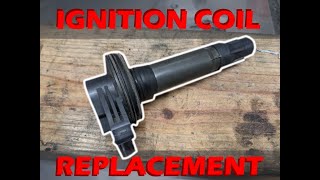
- Clear the codes and test drive the vehicle, trying to replicate the freeze-frame conditions. 🎬 Watch: A step-by-step guide to fixing a P0306 engine code.
- Re-scan for codes. If the code is now P0305, the ignition coil is bad and must be replaced.
- If the code remains P0306, the problem is not the coil. Proceed to inspect the spark plug and well.
- Remove the ignition coil from cylinder 6 again and inspect the spark plug well for liquid oil. If oil is present, the driver-side valve cover gasket is leaking and must be replaced.
- Remove and inspect the spark plug from cylinder 6. Replace it if it is worn, fouled, or damaged. Consider replacing all six if they are due for maintenance.
- If the plug and coil are good and there are no leaks, the next step is to investigate the fuel injector for cylinder 6, especially if code P0206 is present.
- If all else fails, perform a compression test on cylinder 6 to check for mechanical engine problems like a bad valve or piston rings.
Parts You'll Likely Need
- Ignition Coil
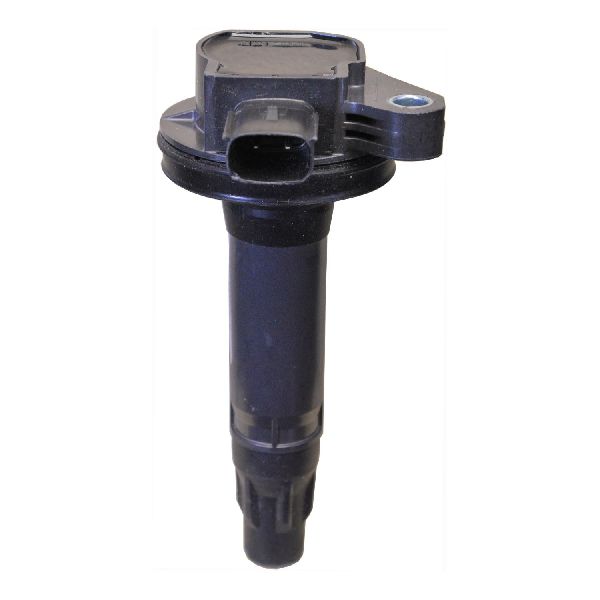
(OEM #DG-520 (Motorcraft))— This is the most common failure part for a single-cylinder misfire on the 3.7L engine.
Trusted brands: Motorcraft, NGK, Delphi
OEM price range: $60-$90
Aftermarket price range: $35-$60 - Spark Plug
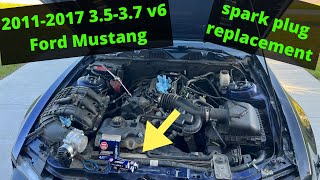
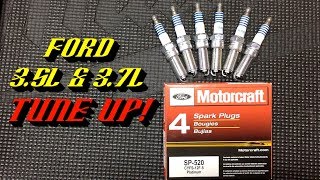
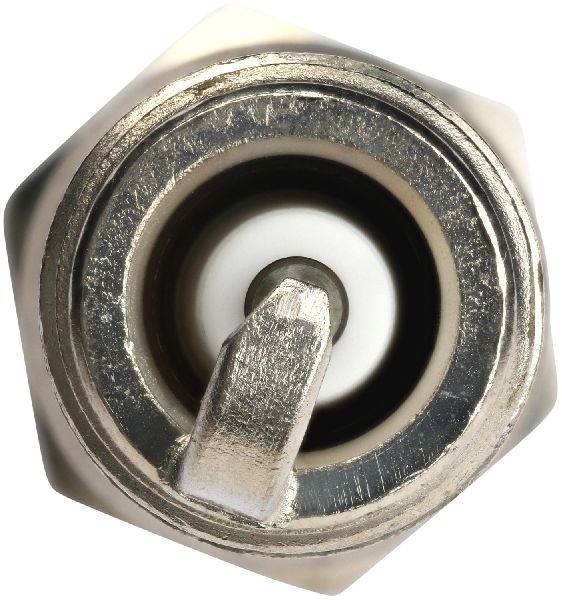
(OEM #SP-589 (Motorcraft, replaces SP-520))— Worn or fouled spark plugs are the second most common cause of misfires. They are a routine maintenance item and should be replaced with the coil. 🎬 See this walkthrough for replacing spark plugs on the 3.7 V6.
Trusted brands: Motorcraft, NGK, Autolite
OEM price range: $15-$25
Aftermarket price range: $8-$15 - Valve Cover Gasket (Driver Side)
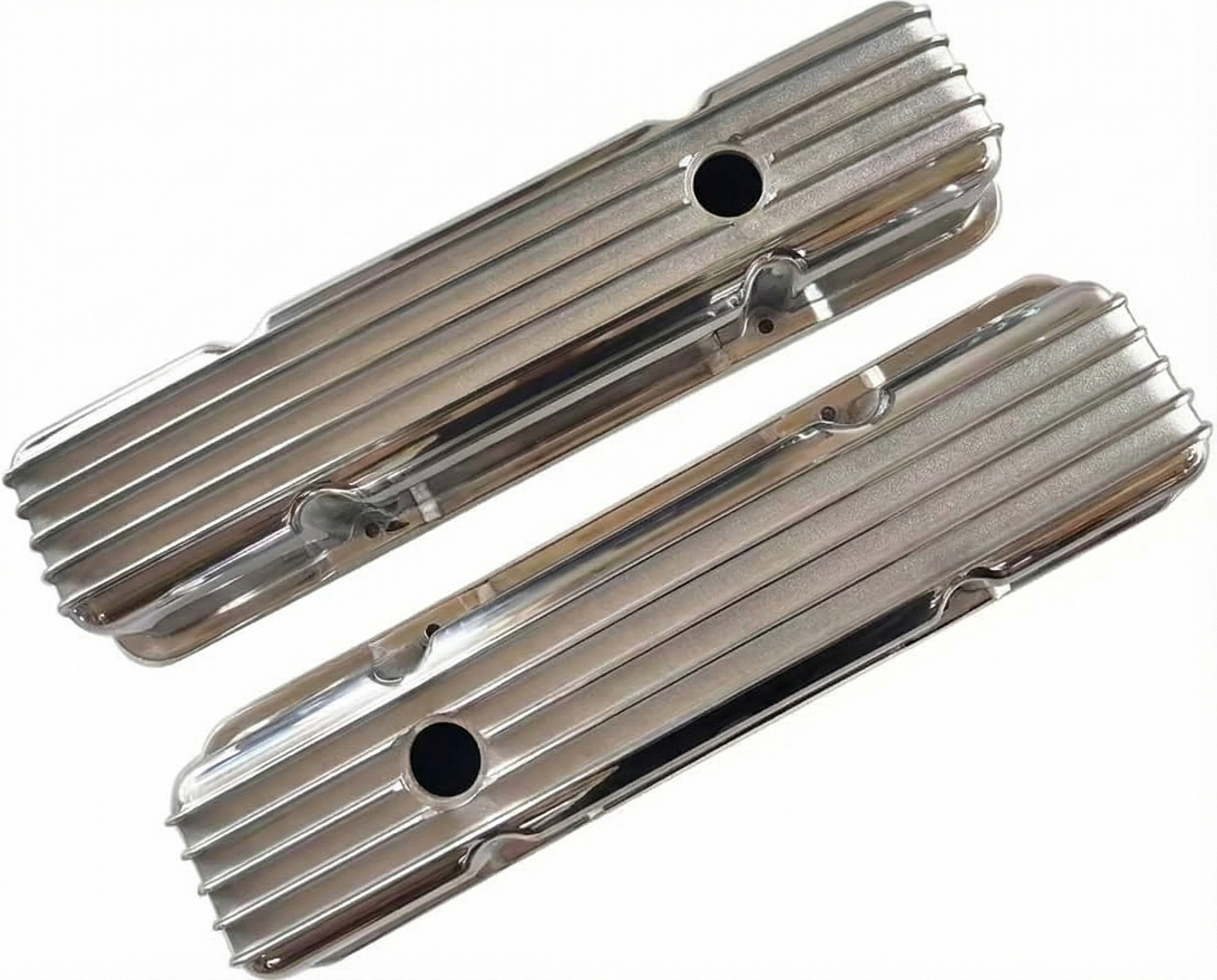
(OEM #BR3Z-6584-A (Motorcraft))— Required if the diagnostic steps reveal oil in the spark plug well, which is a known issue that causes ignition component failure. This part number is for the driver side (Bank 2). 🎬 Watch: How to replace the valve cover gasket on this engine.
Trusted brands: Motorcraft, Fel-Pro, Victor Reinz
OEM price range: $40-$60
Aftermarket price range: $25-$45
Related Codes That Often Appear With This One
- P0316 — Indicates a misfire was detected within the first 1,000 engine revolutions at startup. It often appears with a specific cylinder misfire code like P0306.
- P0300 — This is a 'Random/Multiple Cylinder Misfire' code. If you see this along with P0306, it may suggest a problem affecting more than just one cylinder, such as a vacuum leak or a fuel delivery issue.
- P0206 — This code means 'Injector Circuit/Open - Cylinder 6'. If you see P0206 alongside P0306, it strongly points to a problem with the fuel injector for cylinder 6 or its wiring, rather than an ignition issue.
Platform-Specific Known Issues
- The driver-side (Bank 2) valve cover gasket has a tendency to leak oil directly into the spark plug tubes for cylinders 4, 5, and 6, causing misfires. When removing the coil for cylinder 6, finding it coated in oil is a strong indicator that the gasket has failed and is the root cause of the P0306 code.
Mechanic-Grade Diagnostic Values
- Fuel Injector Resistance — expected: 11 - 18 Ohms. Failure: A reading outside this range, or an open circuit (infinite resistance), indicates a faulty injector.
- Fuel Pressure (Key On, Engine Off) — expected: 55 - 65 PSI. Failure: Pressure significantly below 55 PSI can indicate a weak fuel pump or a leak in the system, potentially starving cylinder 6 of fuel.
- Mode 6 Misfire Count (Cylinder 6) — expected: A value of 0 or a very low number.. Failure: A high or incrementing value under Test ID (TID) $A8 for Component ID (CID) $06 indicates the PCM is counting misfire events on cylinder 6, even if a code has not been set yet.
Hidden / Shadow Codes Worth Checking
- Mode 6, TID $A8, CID $06: This is not a traditional trouble code but a specific monitor within the OBD-II system's Mode 6 data. It shows the raw misfire count for cylinder 6 during the current and last 10 driving cycles. A high count here confirms a P0306 even if the issue is intermittent. (see via Requires a scan tool capable of reading Mode 6 data, such as Ford's IDS, FORScan, or other professional-grade scanners.)
Scan Tool Commands That Help
- Ford IDS (or equivalent high-end scanner): Power Balance Test — This is the most effective bidirectional test for a misfire. The tool commands the PCM to sequentially shut down each cylinder by cutting fuel or spark. If disabling cylinder 6 causes little or no drop in engine RPM compared to other cylinders, it confirms cylinder 6 is not contributing power.
- Ford IDS, FORScan: Misfire Monitor Neutral Profile Correction — This procedure, also known as a crank relearn, recalibrates the PCM's profile of the crankshaft position sensor. It should be performed after major engine work (timing chain, crank sensor replacement). If the profile is corrupt, it can cause false misfire codes. Running this procedure can rule out a software-based anomaly.
Wiring & Ground Locations
- Cylinder 6 Ignition Coil Connector — On the ignition coil for the rearmost cylinder on the driver's side (Bank 2).. The connector has three pins: Pin 1 is the trigger signal from the PCM, Pin 2 is ground, and Pin 3 is the 12V+ power feed. A damaged connector or wire at this point will directly cause a P0306.
- G104 — On the driver's side front fender apron or radiator support, often near the battery.. This is a primary ground point for the PCM and various engine sensors. Corrosion or a loose connection at G104 can cause a wide range of erratic electrical issues, including weak spark or incorrect sensor readings that could lead to a misfire code.
- PCM Connector C175B — This is one of the main connectors at the Powertrain Control Module (PCM).. The trigger signal for the cylinder 6 ignition coil originates from a specific pin on this connector. A damaged pin or wire at the PCM itself can cause a persistent P0306 that won't be fixed by replacing engine-mounted components.
Real Owner Repair Stories
- Mustang forum user report (2013 Ford Mustang 3.7L V6) — Rough idle, multiple misfire codes including P0306 and P0300.
❌ Tried (didn't work) Replaced all spark plugs, Replaced all ignition coils, Replaced driver-side valve cover gasket due to oil in plug wells
✅ What actually fixed it The issue was finally resolved by replacing the upper and lower intake manifold gaskets. A small, hard-to-detect vacuum leak around the cylinder 6 runner was leaning out the mixture and causing the misfire only under certain conditions. This is often missed by a smoke test if the leak is small or only opens when the engine is hot. - YouTube channel 'Online Mechanic Tips' (Ford F-150 (with similar intake design)) — P0306 misfire immediately after an oil cooler repair.
❌ Tried (didn't work) Initial thought was to check spark plugs and coils.
✅ What actually fixed it The technician found that the intake manifold gasket for cylinder 6 was pinched and torn during the reinstallation of the intake manifold from the previous repair. This created a massive vacuum leak directly at the cylinder, causing the misfire. This highlights the importance of careful reassembly of the intake manifold after any service that requires its removal.
"I Checked Everything" — The Actual Cause
- A common scenario is a persistent P0306 where a smoke test shows no vacuum leaks. The actual cause can be leaking upper and/or lower intake manifold gaskets. These leaks can be subtle, sometimes only opening under specific temperature and load conditions, causing a lean misfire that a static smoke test at atmospheric pressure might not reveal.
OEM Part Supersession History
SP-520 (Motorcraft)→SP-589 (Motorcraft)— The SP-589 features an updated design for the platinum tip and electrode for improved durability and resistance to fouling over the 100,000-mile service interval.
Heads up: The parts are fully interchangeable. SP-589 is the correct and current service replacement for all 2011-2017 3.7L V6 engines.
Diagnostic Flowchart
Other Known Issues on This Vehicle
Issues unrelated to this code that are worth knowing about as an owner of this generation:
- External Water Pump Failure 🟠 Medium — Can occur around 100,000-120,000 km (approx. 60-75k miles). While some owners report early failure, many others exceed this mileage without issue. The 3.7L in the RWD Mustang has an external water pump, which is much easier to service than the internal, timing-chain-driven pump on FWD/AWD applications of this engine. (Ref: An updated water pump kit was released by Ford which includes a hose with a check valve to address related cooling system issues.)
- Electronic Throttle Body Failure 🟠 Medium — Common on 2011-2015 models. Failure can be intermittent and cause the vehicle to suddenly enter 'limp mode' with no throttle response, which can be dangerous. (Ref: Ford TSB 16-0139 addresses this issue, which is often caused by oil contamination inside the throttle body electronics and may trigger codes like P2111 and P2112.)
- Accessory Drive Belt Squeal 🟡 Low — A common annoyance, especially on cold starts. The A/C compressor stretch belt lacks a tensioner, which can cause squealing. (Ref: TSB 12-8-14 was issued for 2012-2013 models to address a chirping or squealing noise from the accessory drive belt.)
- Cold Start Engine Ticking 🟡 Low — Reported on early (2011-2012) models. A ticking noise from the driver-side valve cover area may be present for several minutes after a cold start. (Ref: Ford TSB 12-1-17 was issued for a cold startup ticking noise on 3.7L engines built on or before 5/1/2011.)
Used vs. New Parts: Buying Guide for This Vehicle
When a used part is the smart pick: For a P0306 repair, a used ignition coil from a reputable, low-mileage donor vehicle can be a cost-effective option. Fuel injectors can also be sourced used, but it is highly recommended to have them professionally cleaned and flow-tested before installation.
Donor-vehicle mileage cap: roughly under 80000 miles for the part to have meaningful remaining life.
What to inspect on the donor part:
- For ignition coils, check for cracks in the plastic housing, corrosion on the electrical pins, and ensure the boot is pliable and not oil-soaked.
- For any used part, check the donor vehicle's history if possible to avoid parts from flood or severely wrecked cars.
- Ensure there is no physical damage to connectors or housings.
OEM-only on this vehicle (don't cheap out):
- Valve Cover Gaskets: Always buy new. Gaskets and seals are single-use items that harden with age and heat cycles. A used gasket will not seal properly.
- Spark Plugs: Always buy new. These are a routine maintenance item with a defined service life and are inexpensive.
Aftermarket brands forum-validated for this vehicle:
- Ignition Coils: Motorcraft (OEM), NGK, Delphi.
- Gaskets: Fel-Pro, Victor Reinz.
Brands owners have reported issues with on this vehicle:
- Unbranded, 'no-name' ignition coils sold on marketplace sites. Forum consensus is that these have a very high failure rate, often within a few thousand miles.
Real Owner Stories
Aggregated from forums and TSBs cited above. Mileages and costs reflect what owners reported in those sources.
2014 Ford Mustang 3.7L V6
Symptoms: Owner reported reading both P0206 and P0306 codes simultaneously.
What fixed it: Investigation of the fuel injector for cylinder 6, as P0206 indicates an injector circuit issue.
Source hint: Reddit r/MechanicAdvice thread '2014 Mustang V6 p0206 and p0306 code reading'
2011-2017 Ford Mustang 3.7L V6
Symptoms: Severe misfire with a flashing Check Engine Light (CEL).
What fixed it: Standard diagnostic confirmed checking the coil pack and spark plug first resolved the issue.
Source hint: https://www.mustang6g.com/forums/threads/bad-misfire-and-p0306-code.187399/
2011-2014 Ford Mustang 3.7L V6
Symptoms: Rough idling and a P0306 code that appeared specifically after the car warmed up.
What fixed it: Swapping the Coil-on-Plug (COP) to another cylinder to confirm a bad ignition coil.
Source hint: https://www.mustangforums.com/forum/v6-s197-general-discussion/900131-p0306-code-rough-idling.html
Related OBD-II Codes
Frequently Asked Questions
Where is cylinder 6 located on my 2011-2017 Mustang 3.7L V6?
I have a P0306 and a P0206 code; does this mean my ignition coil is bad?
Is there a TSB for the throttle issues I'm having alongside this misfire?
Why is there oil on my cylinder 6 spark plug boot?
Does my Mustang have the internal water pump issue found in other Ford 3.7L engines?
Is there a fix for the accessory drive belt squeal on my 2012 Mustang?
Helpful Videos
Used OEM Parts in Stock
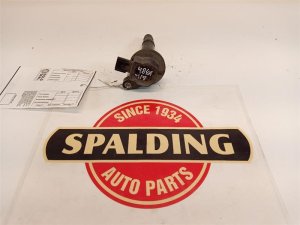
New Aftermarket Parts Available

The information in this article is provided for general reference and educational purposes only. Vehicle specifications, procedures, and part compatibility can vary by production date, trim level, and region. Always consult your vehicle's factory service manual and verify part numbers before purchasing or performing repairs. Safety-critical components such as airbags, seat belts, and braking systems should be installed by a qualified professional.
- Ford Mustang:
- 🧭 Diagnostic Flowchart
- 🎬 Helpful Videos
- 🛍️ Shop This Part
- What's Unique About the 2011-2017 Ford Mustang
- Symptoms You May Notice
- Most Likely Causes
- Rare But Worth Checking
- Diagnosis Steps
- Parts You'll Likely Need
- Related Codes That Often Appear With This One
- Platform-Specific Known Issues
- Mechanic-Grade Diagnostic Values
- Hidden / Shadow Codes Worth Checking
- Scan Tool Commands That Help
- Wiring & Ground Locations
- Real Owner Repair Stories
- "I Checked Everything" — The Actual Cause
- OEM Part Supersession History
- Other Known Issues on This Vehicle
- Used vs. New Parts: Buying Guide for This Vehicle
- Real Owner Stories
- 2014 Ford Mustang 3.7L V6
- 2011-2017 Ford Mustang 3.7L V6
- 2011-2014 Ford Mustang 3.7L V6
- Related OBD-II Codes
- Frequently Asked Questions
- 🎟️ Get 5% Off