

P0306 on 2006-2012 Toyota RAV4 3.5L V6: Cylinder 6 Misfire Causes and Fixes
P0306 on a 2006-2012 RAV4 V6 indicates a misfire in cylinder 6. The most common cause is a failed ignition coil, a frequent issue on the 2GR-FE engine. A new Denso (OEM) coil (part no. 90919-02255 or superseded 90919-A2005) costs around $60-$90. Since cylinder 6 is on the easily accessible front bank (radiator side, driver's side), this is a straightforward DIY repair that usually takes less than 30 minutes.
- P0306 means cylinder 6 is misfiring. On your RAV4 V6, this cylinder is conveniently located on the front bank, making it easy to access.
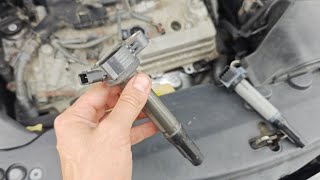
- The most likely culprit is a bad ignition coil. The fastest way to confirm this is to swap the coil with a neighboring cylinder (like #4) and see if the misfire code follows.
- If the coil isn't the problem, the next most likely cause is a worn-out spark plug.
- Do not drive if the check engine light is flashing, as this can cause expensive damage to your catalytic converter.
- When replacing parts, using OEM brands like Denso for ignition and fuel components is highly recommended for reliability.
What's Unique About the 2006-2012 Toyota RAV4
The 2GR-FE V6 engine in the third-generation (XA30) RAV4 is known for its power and reliability. However, as these vehicles age, ignition coil failure is a very common cause for single-cylinder misfire codes like P0306. Fortunately for owners, Toyota's V6 cylinder numbering places the even-numbered cylinders (2, 4, 6) on the front bank (Bank 2), closest to the radiator. Cylinder 6 is the furthest to the driver's side on this front bank, making its ignition coil and spark plug significantly easier to access than the odd-numbered cylinders on the rear bank (Bank 1) against the firewall.
Symptoms You May Notice
- Rough or vibrating idle
- Hesitation or stumbling during acceleration
- Noticeable loss of engine power
- Flashing or solid Check Engine Light
- Decreased fuel economy
- The vehicle's stability control (VSC) and/or TRAC OFF light may also illuminate alongside the check engine light, as the engine's performance issue can affect the stability system's operation.
- Replacing the catalytic converter. A misfire can damage a catalytic converter, but a bad converter will not typically cause a single-cylinder misfire code like P0306. It's usually the other way around. The converter fails because of the misfire.
Most Likely Causes
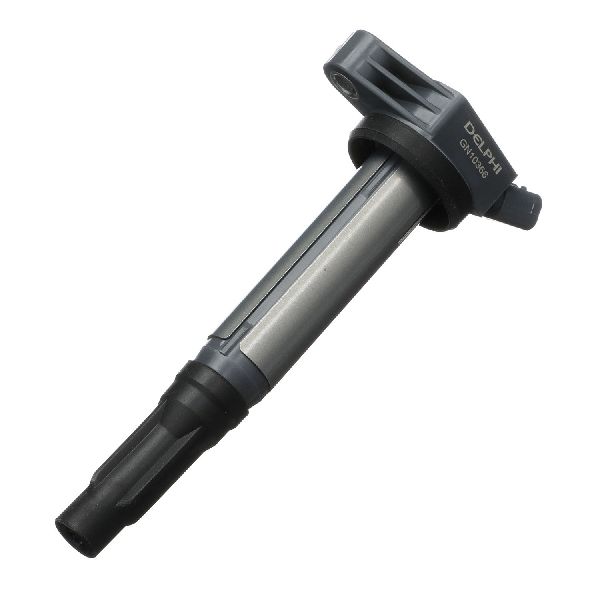
- Failed Ignition Coil 🔴 High Probability → Shop Ignition Coil Ignition coils on the 2GR-FE engine are a well-documented failure point due to heat cycles and age. The coil-on-plug design means each cylinder has its own coil, and they tend to fail one at a time.
How to confirm: Swap the ignition coil from cylinder 6 with the coil from another cylinder on the same bank (e.g., cylinder 4, the middle one). The coils are held by a single 10mm bolt. Clear the codes and drive the vehicle. If the code changes to P0304, the ignition coil is faulty. This is the most definitive and common diagnostic step recommended in owner forums.
Typical fix: Replace the faulty ignition coil. It is often recommended to replace all three coils on the front bank, or all six, if they are original and the vehicle has high mileage to prevent future failures.
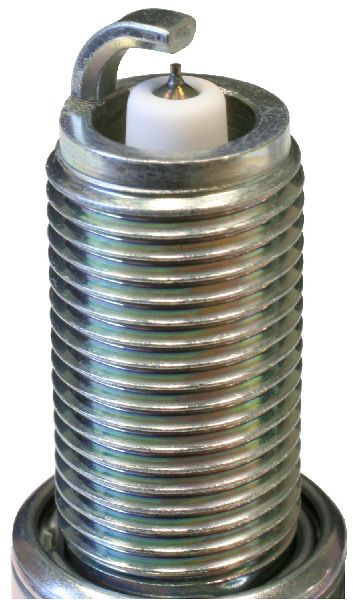
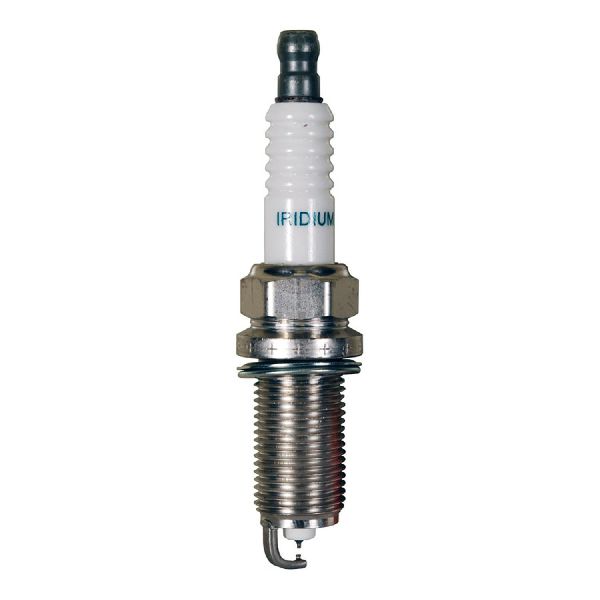
Est. part cost: $60 - $110 for one OEM Denso coil - Worn or Fouled Spark Plug 🟡 Medium Probability → Shop Spark Plug Spark plugs are a regular maintenance item. The OEM-specified iridium plugs for the 2GR-FE have a long service life (Toyota often recommends replacement around 80,000-120,000 miles), but they will eventually wear out, leading to a weak spark and misfires.
How to confirm: After confirming the coil is good, remove the spark plug from cylinder 6. Inspect it for wear (rounded electrode), heavy carbon fouling, or oil/coolant deposits. A healthy plug should be a light tan color. Compare it to a plug from a healthy cylinder.
Typical fix: Replace the spark plug. It is best practice to replace all six spark plugs at the same time to ensure even performance and avoid future misfires. The rear plugs are significantly more difficult to access.
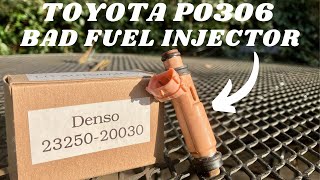
Est. part cost: $10 - $20 per OEM Denso/NGK plug - Clogged or Faulty Fuel Injector ⚪ Low Probability → Shop Fuel Injector While less common than ignition issues, fuel injectors can become clogged with deposits or fail electronically over time, preventing the correct amount of fuel from reaching cylinder 6. This is more likely on higher mileage vehicles or those that have used poor quality fuel.
How to confirm: If swapping the coil and plug doesn't resolve the P0306 code, the injector is the next likely suspect. A professional can test injector flow and resistance. A skilled DIYer can listen for the injector's 'clicking' with a mechanic's stethoscope or swap the cylinder 6 injector with another to see if the misfire follows (this is much more labor-intensive).
Typical fix: Replace the faulty fuel injector. This requires removing the fuel rail and is a more involved job than a coil or plug.
Est. part cost: $100 - $200 for one OEM Denso injector
Rare But Worth Checking
- Low Engine Compression: Although the 2GR-FE is a very durable engine, internal issues like a burnt valve, worn piston rings, or a leaking head gasket can cause a loss of compression in one cylinder. This is a serious mechanical issue that requires a compression test to diagnose and professional repair. A DIY compression test is possible, but interpreting the results requires care.
- Vacuum Leak: A vacuum leak from a cracked hose or a bad intake manifold gasket near the runner for cylinder 6 could lean out the air/fuel mixture enough to cause a misfire. This is less common for a single-cylinder misfire and would more likely present as a P0300 (random misfire) or affect multiple cylinders on one bank.
- ECM/Wiring Issue: In very rare cases, a damaged wire in the harness leading to the ignition coil or fuel injector for cylinder 6, or a fault in the ECM's driver circuit for that cylinder, could be the cause. This is typically diagnosed after all other possibilities have been exhausted.
Diagnosis Steps
- Read the code: Use an OBD-II scanner to confirm P0306 is the active code. Note any other codes present (like P0356) and check freeze frame data to see the engine conditions when the misfire occurred.
- Locate Cylinder 6: On the transverse-mounted 2GR-FE engine, the cylinder banks are arranged as follows: Bank 1 (rear, firewall side) contains cylinders 1, 3, 5. Bank 2 (front, radiator side) contains cylinders 2, 4, 6. Cylinders are numbered from passenger side to driver side. Therefore, Cylinder 6 is on the front bank, closest to the driver's side.
- Swap the Ignition Coil: This is the easiest and most definitive test. Unplug the connector and remove the 10mm bolt holding the coil. Swap the ignition coil from cylinder 6 with the one from cylinder 4 (the middle cylinder on the front bank). Clear the codes, drive the vehicle, and rescan. If the code is now P0304, you have a bad coil.
- Inspect and Swap the Spark Plug: If the misfire remains on cylinder 6 after the coil swap, remove the spark plug (requires a 5/8" spark plug socket and extension). Check for wear, fouling, or damage. If it looks suspect, swap it with the plug from cylinder 4, clear codes, and re-test. If the code moves to P0304, the plug was the issue.
- Check the Fuel Injector: If the misfire still stays on cylinder 6, the problem is likely the fuel injector or a mechanical issue. Use a 'noid light' to verify the injector is receiving a pulse from the ECM. You can also check its resistance with a multimeter (should be around 11.6 to 12.4 ohms, but verify spec).
- Perform a Compression Test: If ignition and fuel delivery seem okay, a compression test is needed to rule out internal engine problems like bad rings, valves, or a head gasket leak. This test measures the cylinder's ability to hold pressure and compares it to the other cylinders.
Parts You'll Likely Need
- Ignition Coil
(OEM #90919-02255 (superseded by 90919-A2005))— This is the most frequent cause of a P0306 misfire on the 2GR-FE engine due to eventual failure from heat and age.
Trusted brands: Denso (OEM), NGK
OEM price range: $60-$90
Aftermarket price range: $30-$60 - Iridium Spark Plug
(OEM #Denso SK20HR11 (Toyota P/N: 90919-01247))— As a standard maintenance item, a worn spark plug is the second most likely cause of a misfire if the ignition coil is good.
Trusted brands: Denso, NGK
OEM price range: $15-$20
Aftermarket price range: $8-$15
Related Codes That Often Appear With This One
- P0300 — If the misfire is intermittent or affects multiple cylinders, a P0300 (Random/Multiple Cylinder Misfire) may be stored alongside P0306.
- P0356 — This code means "Ignition Coil 'F' Primary/Secondary Circuit Malfunction," pointing directly to an electrical fault with the ignition coil or its wiring for cylinder 6 (F is the 6th letter). If you see this code with P0306, the coil or its connector/wiring is almost certainly the problem.
Technical Service Bulletins (TSBs) & Recalls
- T-SB-0094-09 Rev2: Addresses a potential ticking noise and VVT-i system codes on early 2GR-FE engines due to a camshaft gear assembly issue. It is not a direct cause of a simple P0306 misfire code but relates to the general health of the valvetrain.
Platform-Specific Known Issues
- While the 2GR-FE is a robust engine, ignition coil failure is a well-documented common issue across all Toyota and Lexus models that use it.
- A Technical Service Bulletin (T-SB-0094-09 Rev2) exists for some 2006-2009 RAV4 models with the 2GR-FE engine for a ticking noise and various VVT-i related codes (P0014, P0015, etc.), but it is not directly related to a single cylinder misfire. It addresses an issue with the camshaft gear assembly.
Mechanic-Grade Diagnostic Values
- Fuel Injector Resistance — expected: 11.6 to 12.4 Ω at 20°C (68°F). Failure: A reading outside this range indicates a faulty injector winding.
- Fuel Pressure (at fuel rail) — expected: 304 to 343 kPa (44 to 50 psi). Failure: Pressure below this range can indicate a weak fuel pump or clogged filter, potentially causing lean misfires. Pressure above may indicate a faulty regulator.
- Ignition Coil Primary Resistance — expected: Approximately 0.49 to 0.57 Ω. Failure: A reading significantly outside this range suggests a faulty primary winding in the coil.
- Ignition Coil Secondary Resistance — expected: Approximately 9.5 to 11.1 kΩ. Failure: An open circuit (infinite resistance) or a reading far from the specification indicates a failed secondary winding.
- Mode $06 Misfire Count (Cylinder 6) — expected: 0, or a very low number.. Failure: A high or rapidly increasing count for Component ID $06 confirms the misfire is actively occurring on cylinder 6, even before a CEL is triggered.
Hidden / Shadow Codes Worth Checking
- Mode $06, Test ID $82/$83, Component ID $06: This is not a DTC (trouble code) but raw data from the ECM's misfire monitor. It provides a specific count of misfire events detected on cylinder 6 for the last 10 driving cycles (Test ID $82) and the current driving cycle (Test ID $83). (see via A professional scan tool or an advanced OBD-II app that can access Mode $06 data. Toyota's Techstream software provides the most detailed view.)
Scan Tool Commands That Help
- Toyota Techstream: Active Test: Control the Injection Mode (Cylinder Cut) — This function allows a technician to individually disable the fuel injector for each cylinder. To diagnose P0306, you would cut fuel to cylinder 6. If there is no change in engine idle smoothness or RPM, it confirms cylinder 6 was not contributing power. If you cut fuel to a healthy cylinder (e.g., cylinder 4) and the engine stumbles, this contrast proves the fault lies with cylinder 6.
- Toyota Techstream: Data List: Misfire Count — To confirm an intermittent misfire that isn't severe enough to set a constant CEL. The live data list shows misfire counts for each cylinder in real-time, helping to diagnose if the misfire occurs under specific conditions like idle, load, or certain RPMs.
Wiring & Ground Locations
- Engine Harness Ground (Bank 2) — On the front valve cover (Bank 2), there is a ground wire that attaches from the harness to a bolt on the cover itself.. This is a primary ground point for the engine sensors and actuators on the front bank, which includes the ignition coil and fuel injector for cylinder 6. A loose or corroded ground here can cause erratic signals and intermittent misfires on cylinders 2, 4, or 6.
- Main Engine-to-Chassis Ground — A large ground strap typically connects from the engine block (often near the front lower corner) to the vehicle's frame/chassis.. A compromised main ground can cause a host of electrical issues, including weak spark across all cylinders. While it would likely cause multiple misfires (P0300), it can sometimes manifest as a single-cylinder misfire initially.
- Ignition Coil Connector (I11 for Cyl 6) — The 4-pin connector directly on the cylinder 6 ignition coil.. Testing for voltage and ground at this connector is critical. Pin 4 should have a solid ground, and Pin 1 is the trigger signal (IGT) from the ECM. A damaged connector or wire at this specific point will cause a P0306 and likely a P0356.
Real Owner Repair Stories
- YouTube user 'Gears and Gasoline' (Toyota with 2GR-FE engine, ~304,000 miles) — Check engine light with P0306, rough running.
❌ Tried (didn't work) Swapped ignition coil from cylinder 6 to cylinder 4; misfire code P0306 returned., Swapped spark plug from cylinder 6 to cylinder 4; misfire code P0306 returned.
✅ What actually fixed it The fuel injector on cylinder 6 was faulty. The owner swapped the fuel injector from cylinder 6 to cylinder 4, and the misfire code changed to P0304, confirming the injector was the cause. Replacing the bad injector resolved the issue. - YouTube user 'P0306 EXPLAINED' (Lexus RX 350 with 2GR-FE engine) — Check engine light, VSC light, P0306 code.
❌ Tried (didn't work) Initial inspection of spark plug showed it was wet with fuel, indicating a lack of spark.
✅ What actually fixed it Swapped both the spark plug and ignition coil from cylinder 6 to cylinder 4. The code changed to P0304, confirming the fault moved. The final fix was replacing the bad ignition coil on the original cylinder 6 location (which was now on cylinder 4). - NHTSA ODI #10448450 — An owner reported feeling the vehicle misfiring on the way to a dealer. Diagnostic results revealed multiple codes including P0304, P0305, P0306, P0356, P1578, and C1201, with the technician confirming a malfunctioning #6 coil pack.
OEM Part Supersession History
90919-02255→90919-A2005, and subsequently 90919-A2007— Standard part revision and improvement by the manufacturer.
Heads up: None. The newer part numbers are direct, backward-compatible replacements for the original. Denso's aftermarket equivalent is typically part number 673-1309.
Model Year Variations Within This Range
- 2006-2009: Early production 2GR-FE engines, including those in 2006-2009 RAV4s, were subject to a Limited Service Campaign (LSC) to replace a VVT-i oil supply hose that contained a rubber section. This rubber portion could degrade, leak, and cause a catastrophic loss of engine oil. While a failure of this part would cause much more severe issues than a P0306, it's a critical known difference. The replacement part is an all-metal line.
Diagnostic Flowchart
Other Known Issues on This Vehicle
Issues unrelated to this code that are worth knowing about as an owner of this generation:
- VVT-i Oil Line Rupture 🔴 High — Common on 2006-2009 models with the original rubber/metal hybrid line. Failure can occur without warning, leading to catastrophic oil loss and engine seizure. (Ref: Toyota Limited Service Campaign (LSC) 90K. The fix involves replacing the original line (Part No. ending in 31012) with an all-metal line (Part No. 15772-31030).)
- Water Pump Failure 🟠 Medium — A known issue, particularly on earlier models (2006-2009). Can lead to coolant leaks and overheating. Replacement is labor-intensive.
- Intermediate Steering Shaft Clunk 🟡 Low — Common across many Toyota models of this era. A clunking or knocking noise is heard/felt through the steering wheel when turning at low speeds. It is an annoyance but not a critical safety failure. (Ref: A TSB exists for this issue on other Toyota models, and an improved part is available.)
- Oil Consumption (V6) 🟡 Low — Some complaints exist for oil consumption on 2006-2008 models, though it is far less prevalent than on the 4-cylinder (2AZ-FE) engine of the same era. Regular oil level checks are advised.
Used vs. New Parts: Buying Guide for This Vehicle
When a used part is the smart pick: For ignition coils and fuel injectors, a used part from a reputable salvage yard can be a cost-effective option, especially for diagnosis (to confirm the part is the problem before buying new) or as a budget repair.
Donor-vehicle mileage cap: roughly under 80000 miles for the part to have meaningful remaining life.
What to inspect on the donor part:
- Check the vehicle's VIN to ensure it wasn't part of a major accident or flood.
- For ignition coils, inspect the plastic housing for cracks or heat damage and ensure the connector pins are clean and straight.
- For fuel injectors, check that the plastic pintle cap on the tip is not broken and that the o-rings are present (though they should always be replaced with new ones before installation).
OEM-only on this vehicle (don't cheap out):
- While not strictly 'OEM-only', using OEM supplier parts (Denso) for ignition coils, spark plugs, and fuel injectors is very strongly recommended. Forum consensus indicates that cheap, unbranded aftermarket coil packs have a significantly higher failure rate.
Aftermarket brands forum-validated for this vehicle:
- Denso (OEM supplier)
- NGK (for ignition coils and spark plugs)
Brands owners have reported issues with on this vehicle:
- Generic, unbranded ignition coil sets sold as 'packs of 6' on online marketplaces like Amazon or eBay are frequently reported to fail prematurely.
Real Owner Stories
Aggregated from forums and TSBs cited above. Mileages and costs reflect what owners reported in those sources.
2006-2012 Toyota RAV4 2GR-FE 3.5L V6
Symptoms: Check Engine, VSC, and 4WD lights all on; P0306 code present.
What fixed it: Replacing the ignition coil on cylinder 6. The owner noted the ease of access to the front bank made this a straightforward fix.
Source hint: RAV4World.com - Thread Title: 'Check Engine, VSC, 4WD lights all on... P0306'
2007 Toyota RAV4 V6
Symptoms: Misfire code P0306.
What fixed it: The owner swapped the coil from cylinder 6 to cylinder 4, which caused the code to change to P0304, confirming a faulty ignition coil.
Source hint: ToyotaNation.com - Thread Title: '2007 Rav4 V6 Misfire P0306'
2008 Lexus RX 350 (2GR-FE)
Symptoms: Cylinder 6 misfire symptoms.
What fixed it: Diagnostic coil swap method confirmed a bad ignition coil.
Source hint: YouTube - 'P0306 Cylinder 6 misfire on 2GR-FE engine Lexus RX 350 2008 misfire troubleshooting!'
Related OBD-II Codes
Frequently Asked Questions
Where is Cylinder 6 located on my 2006-2012 RAV4 V6 engine?
Why did my VSC and TRAC OFF lights come on at the same time as the P0306 check engine light?
Does TSB-0094-09 Rev2 explain my Cylinder 6 misfire?
Should I replace all the ignition coils if only Cylinder 6 is failing?
What spark plugs should I use for my RAV4 3.5L V6?
Is there a major engine failure risk I should know about on my 2006-2009 RAV4 V6?
Helpful Videos
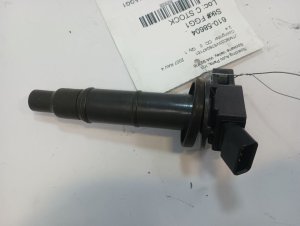
Used OEM Parts in Stock
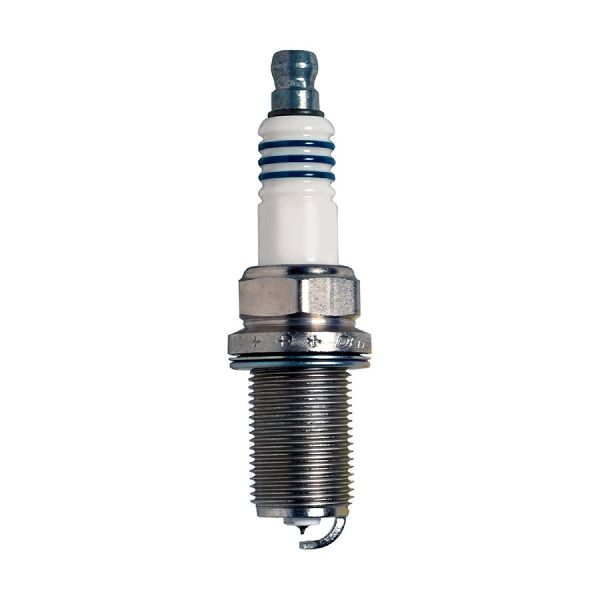
New Aftermarket Parts Available


The information in this article is provided for general reference and educational purposes only. Vehicle specifications, procedures, and part compatibility can vary by production date, trim level, and region. Always consult your vehicle's factory service manual and verify part numbers before purchasing or performing repairs. Safety-critical components such as airbags, seat belts, and braking systems should be installed by a qualified professional.
- Toyota RAV4:
- 🧭 Diagnostic Flowchart
- 🎬 Helpful Videos
- 🛍️ Shop This Part
- What's Unique About the 2006-2012 Toyota RAV4
- Symptoms You May Notice
- Most Likely Causes
- Rare But Worth Checking
- Diagnosis Steps
- Parts You'll Likely Need
- Related Codes That Often Appear With This One
- Technical Service Bulletins (TSBs) & Recalls
- Platform-Specific Known Issues
- Mechanic-Grade Diagnostic Values
- Hidden / Shadow Codes Worth Checking
- Scan Tool Commands That Help
- Wiring & Ground Locations
- Real Owner Repair Stories
- OEM Part Supersession History
- Model Year Variations Within This Range
- Other Known Issues on This Vehicle
- Used vs. New Parts: Buying Guide for This Vehicle
- Real Owner Stories
- 2006-2012 Toyota RAV4 2GR-FE 3.5L V6
- 2007 Toyota RAV4 V6
- 2008 Lexus RX 350 (2GR-FE)
- Related OBD-II Codes
- Frequently Asked Questions
- 🎟️ Get 5% Off