

P0307 on 2018-2024 Dodge Durango SRT 6.4L: Cylinder 7 Misfire Causes and Fixes
P0307 indicates a misfire on cylinder 7 in your Durango's 6.4L Hemi engine. The most common causes are a faulty ignition coil or a worn-out spark plug. However, if you hear a distinct ticking noise, this code can be a serious warning of a potential lifter and camshaft failure, a known and expensive issue with Hemi engines.
- P0307 is a misfire on cylinder 7, the rearmost cylinder on the driver's side.
- Always start diagnosis by swapping the ignition coil from cylinder 7 with another cylinder; this is a fast, free, and effective test.
- If the check engine light is flashing, stop driving immediately to prevent costly damage to your catalytic converters.
- Listen for a loud engine ticking sound. If present, the misfire is likely caused by a serious internal engine problem (lifter/camshaft failure) common to Hemi engines, and you should seek professional diagnosis.
- For 2021 models, check for TSB 14-003-22 REV. A, which addresses faulty fuel injectors causing this code.
What's Unique About the 2018-2024 Dodge Durango
On the 6.4L Hemi engine, a P0307 code can be more than a simple tune-up issue. These engines are known for a specific and serious mechanical failure where a valve lifter's roller bearing can seize, which in turn grinds down and destroys the corresponding camshaft lobe. This issue, often preceded by a distinct rhythmic ticking sound known as the 'Hemi Tick', results in a persistent misfire that cannot be fixed by just replacing spark plugs or ignition coils. The failure is often attributed to periods of extended idling where oil flow may be insufficient to properly lubricate the lifter rollers. Additionally, for some model years, the manufacturer has issued technical service bulletins (TSBs) for software updates to fix overly sensitive misfire detection, making a trip to the dealer for a PCM flash a potential fix. For instance, manufacturer records such as Bulletin #18-073-20 for related Hemi platforms highlight software enhancements specifically designed to address P0307 and air-fuel ratio imbalances.
Symptoms You May Notice
- Rough or shaking idle
- Hesitation or stumbling during acceleration
- Noticeable loss of engine power
- Solid or flashing Check Engine Light
- Increased fuel consumption
- A distinct rhythmic ticking or tapping sound from the engine (the 'Hemi Tick'), especially noticeable at idle.
- Replacing only the spark plugs and coils when the actual cause is a failed lifter/camshaft. If a prominent ticking noise is present, the issue is almost certainly mechanical and requires a deeper diagnosis before replacing parts. Ignoring the tick can lead to needing a full engine replacement.
Most Likely Causes
- Faulty Ignition Coil 🔴 High Probability → Shop Ignition Coil Coil-on-plug systems are common failure items due to high heat and vibration in the engine bay. It's a frequent cause of single-cylinder misfires on modern engines and one of the top two causes for a P0307.
How to confirm: Swap the ignition coil from cylinder 7 with another cylinder (e.g., cylinder 1, which is the front-most on the passenger side). Clear the codes and drive the vehicle. If the code changes to P0301, the coil is bad.
Typical fix: Replace the faulty ignition coil. It's good practice to replace the spark plugs at the same time, especially if they are near their service interval.
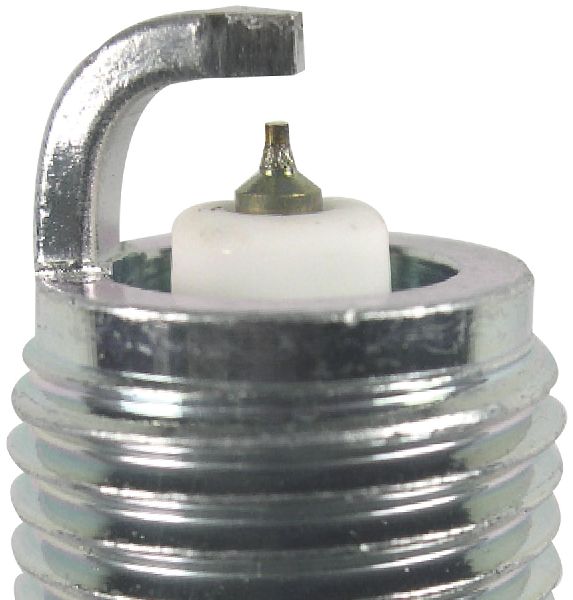
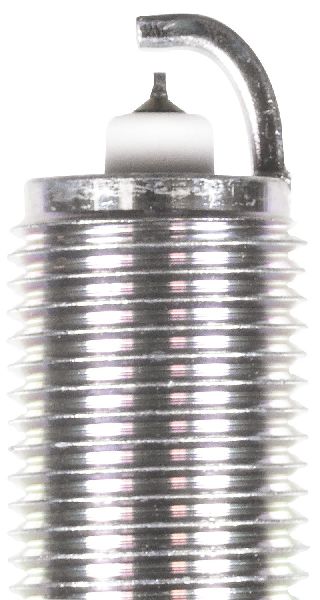
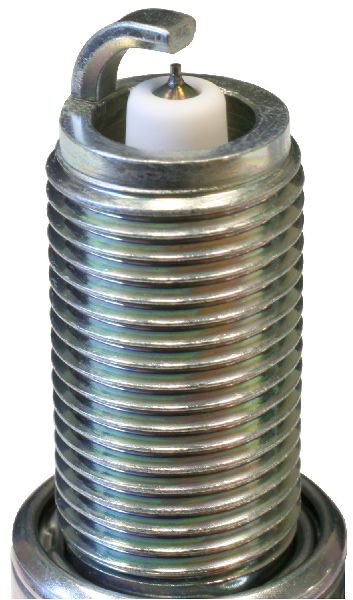
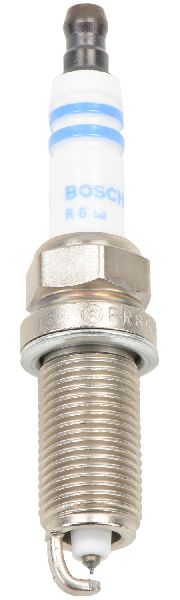
Est. part cost: $40-$110 - Worn or Fouled Spark Plug(s) 🔴 High Probability → Shop Spark Plug The 6.4L Hemi uses two spark plugs per cylinder (16 total), increasing the number of potential failure points. The recommended OEM plug is a Champion Iridium plug (Mopar #SP149212AC). While the service interval is long, performance engines can wear them out sooner, or they can become fouled by oil or fuel issues.
How to confirm: After ruling out the coil, remove the two spark plugs from cylinder 7. Inspect for wear (rounded electrode), carbon buildup, oil fouling, or damage to the electrode or ceramic insulator.
Typical fix: Replace the spark plugs. It is highly recommended to replace all 16 spark plugs at once for balanced performance and to prevent future misfires.
Est. part cost: $100-$250 for a full set - Failed Camshaft Lobe and/or Lifter 🟡 Medium Probability → Shop Engine Camshaft This is a well-documented issue on 5.7L and 6.4L Hemi engines, often called the 'Hemi Tick'. A lifter's roller bearing can seize due to lubrication issues, which then grinds down the camshaft lobe, causing a permanent loss of valve lift and a persistent misfire. This is a major mechanical failure.
How to confirm: This is typically suspected after spark plugs, coils, and injectors have been ruled out, especially if a loud, rhythmic ticking sound is coming from the engine. A compression test on cylinder 7 will show low or zero compression. Visual inspection requires removing the driver's side valve cover and potentially the cylinder head to inspect the camshaft lobe and lifters.
Typical fix: This is a major and expensive engine repair that involves replacing the camshaft, all 16 lifters (using non-MDS lifters like Mopar part 5038784AD is a common upgrade), head gaskets, and related components.
Est. part cost: $800-$2000+ - Faulty Fuel Injector ⚪ Low Probability → Shop Fuel Injector A TSB (14-003-22 REV. A) was issued for some 2021 models with the 6.4L engine for high-flow fuel injectors causing misfires. Injectors can also become clogged or fail electrically over time.
How to confirm: Swap the fuel injector from cylinder 7 with another cylinder. This is more labor-intensive than swapping a coil. If the misfire code follows the injector, the injector is faulty. A technician can also perform a flow test.
Typical fix: Replace the faulty fuel injector. Check if your vehicle falls under TSB 14-003-22 REV. A, which applies to vehicles built between March 16, 2021 and August 11, 2021.
Est. part cost: $70-$150
Rare But Worth Checking
- PCM Software Glitch: Chrysler has issued several TSBs for other engines for overly sensitive misfire detection. While no specific TSB for the Durango 6.4L P0307 was found, it's a known possibility. If basic parts replacement doesn't solve the code, checking for a PCM software update at a dealership is a valid diagnostic step.
- Internal PCM Failure: In very rare cases, the internal driver circuit in the Powertrain Control Module (PCM) for the cylinder 7 ignition coil can fail, preventing spark even with a good coil. This requires advanced diagnostics with an oscilloscope to confirm, as it can appear that multiple coils are failing at once.
- Broken Valve Spring: While not as common as lifter failure, a broken valve spring can cause a misfire by not allowing the valve to close properly, leading to a loss of compression. This can lead to catastrophic engine damage if the valve drops into the cylinder.
- Crankshaft Position Sensor Issues: Cross-manufacturer data in Bulletin #18-094-16 suggests that electrical issues like P0335 (Crankshaft Position Sensor Circuit) can sometimes be found alongside cylinder misfire codes like P0307.
Diagnosis Steps
- Read the code with an OBD-II scanner and check for any other stored codes. Note if the Check Engine Light is solid or flashing.
- Listen carefully to the engine at idle for any loud, rhythmic ticking noises that would indicate a mechanical valvetrain issue, specifically the 'Hemi Tick'.
- Swap the ignition coil from cylinder 7 (rear-most on the driver's side) with the coil from cylinder 1 (front-most on the passenger's side).
- Clear the codes and test drive the vehicle. If the code returns as P0301, the ignition coil is the culprit. Replace the coil.
- If the code remains P0307, remove the two spark plugs from cylinder 7. Inspect them for excessive wear, fouling, or damage. Replace if necessary. It is best practice to replace all 16 plugs if they are near their service life.
- If the misfire persists, the next step is to check the fuel injector. This can be done by swapping it with another cylinder, but this is more labor-intensive. Check for eligibility under TSB 14-003-22 REV. A if you have a 2021 model.
- If ignition and fuel components are confirmed to be good, perform a compression test on cylinder 7. A healthy 6.4L Hemi should have compression readings over 150 PSI. A reading significantly lower or at zero points to a mechanical problem.
- If compression is low and a ticking noise is present, the vehicle should be taken to a professional for diagnosis of a potential camshaft/lifter failure. This involves removing the valve cover for visual inspection of the valvetrain.
Parts You'll Likely Need
- Ignition Coil
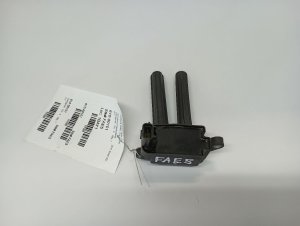
(OEM #5149168AH)— This is one of the most common failure points for a single-cylinder misfire. Heat and vibration cause the internal windings to fail over time.
Trusted brands: Mopar, Bosch, NGK, Standard Motor Products
OEM price range: $75-$110
Aftermarket price range: $40-$80 - Spark Plugs (Set of 16)
(OEM #SP149212AC (Champion Iridium))— Spark plugs are a routine maintenance item and a primary cause of misfires as their electrodes wear down. The 6.4L Hemi requires 16 plugs.
Trusted brands: Mopar/Champion, NGK
OEM price range: $150-$250
Aftermarket price range: $100-$180 - Fuel Injector
Related Codes That Often Appear With This One
- P0300 — If the misfire is intermittent or begins to affect other cylinders (e.g., due to widespread valvetrain wear or fuel system issues), a P0300 (Random/Multiple Cylinder Misfire) code may appear alongside P0307.
- P0430 — A persistent misfire on cylinder 7 (which is in Bank 2, the driver's side) will dump unburned fuel into the exhaust, overheating and damaging the Bank 2 catalytic converter. This will eventually trigger a P0430 (Catalyst System Efficiency Below Threshold Bank 2) code, indicating a second, expensive failure caused by the original misfire. Bulletin #18-035-26 confirms that P0307 is frequently documented alongside catalyst efficiency codes like P0430.
Technical Service Bulletins (TSBs) & Recalls
- TSB 14-003-22 REV. A / Bulletin #1400322REVA: Pertains to potential high-flow fuel injectors causing misfires on some 2021 model year vehicles equipped with the 6.4L Hemi engine. It applies to vehicles built between March 16, 2021, and August 11, 2021. The fix involves inspecting the date codes on the fuel injectors and replacing them if they fall within the specified range. The manufacturer notes customers may describe a rough idle or misfire while driving.
- Bulletin #1809416: A manufacturer service bulletin that lists P0307 as a possible diagnostic trouble code alongside other electrical system faults like Throttle Position Sensor circuit lows (P0122).
Platform-Specific Known Issues
- TSB 14-003-22 REV. A: Affects some 2021 Durango models with the 6.4L engine, addressing misfires (including P0307) caused by high-flow fuel injectors. The fix involves inspecting date codes on the fuel rails/injectors and replacing them if they fall within a specific range.
- Hemi Lifter/Camshaft Failure: A widely documented problem across the Hemi engine lineup where valve lifter rollers fail, leading to camshaft lobe damage. This is a major mechanical failure often preceded by a ticking noise and results in a persistent misfire code like P0307.
Mechanic-Grade Diagnostic Values
- Ignition Coil Primary Resistance — expected: 0.558 - 0.682 Ohms @ 70-80°F. Failure: A reading of 0.0 ohms (short) or an open circuit (infinite resistance).
- Ignition Coil Secondary Resistance — expected: 6,000 to 11,100 Ohms (6kΩ to 11.1kΩ). Failure: A reading outside of this specified range.
- Fuel Injector Resistance — expected: 11 - 14 Ohms. Failure: A reading significantly outside this range, or one that differs from other injectors by more than 0.5 Ohms.
- Fuel Injector Pulse Width (Live Data at Idle) — expected: 2.6 - 3.1 ms. Failure: A significantly higher pulse width on the affected cylinder (e.g., over 6.0ms) indicates the PCM is trying to compensate for a lean condition or a partially clogged injector.
- Fuel Pressure (at fuel rail, Key On) — expected: 58 psi +/- 5 psi. Failure: Low fuel pressure can cause lean misfires, but would typically affect multiple cylinders or set a P0300 code.
Hidden / Shadow Codes Worth Checking
- Mode $06, Test ID $0A, Component ID $07: This is not a separate DTC, but a standard OBD-II function that shows raw misfire counts for Cylinder 7 for the current drive cycle. It can reveal intermittent misfires before they are frequent enough to set the P0307 code. Test ID $0B shows counts for the previous drive cycle. (see via An advanced OBD-II scanner or professional tool like wiTECH that can display Mode $06 data.)
Scan Tool Commands That Help
- wiTECH or advanced aftermarket scanner: Cylinder Contribution Test / Power Balance Test — This bidirectional test deactivates each cylinder one by one and measures the RPM drop. If deactivating cylinder 7 causes little or no drop in RPM compared to other cylinders, it confirms cylinder 7 is not contributing power, pinpointing the misfire without swapping parts.
- wiTECH or advanced aftermarket scanner: Fuel Injector Kill — Allows a technician to manually disable the fuel injector for cylinder 7. This helps isolate whether the issue is related to fuel, spark, or compression. If killing the injector makes no change to the engine's idle, it confirms that cylinder was not firing correctly.
Wiring & Ground Locations
- Cylinder 7 Ignition Coil Connector — Rear-most coil on the driver's side (Bank 2) of the engine.. This is the primary connection for the ignition coil. The connector pigtail can become brittle from heat and vibration, causing a poor connection and intermittent misfires. Check for a Dark Green/Dark Blue wire which is typically the control signal from the PCM.
- G909A — Left rear of the engine compartment, often on the cylinder head itself.. This is a primary ground point for the driver's side cylinder bank (Bank 2), which includes cylinder 7. A loose or corroded connection here can cause a weak or erratic spark on multiple cylinders on that bank, potentially causing a P0307 or other Bank 2 misfire codes.
- PCM Connector C2 — The Powertrain Control Module (PCM) is located in the engine bay. C2 is one of its main connectors.. The control signal for the cylinder 7 ignition coil and fuel injector originates here. Advanced diagnosis involves checking for a square wave signal at the specific pin for the coil driver with an oscilloscope to rule out a failed PCM driver.
Real Owner Repair Stories
- Reddit user 'panicreved' on r/ram_trucks (2019 Ram 1500 5.7L Hemi with 135k miles (engine is highly similar to the 6.4L)) — Immediate flashing check engine light, codes P0307 and P0300. Live data showed high misfire counts on cylinders 1 and 7, with injector pulse widths on those cylinders at 6.3-6.4ms while others were at 2.6-3.1ms.
❌ Tried (didn't work) Swapped ignition coils, Swapped spark plugs, Installed all new spark plugs
✅ What actually fixed it The user performed a compression test which came back good, ruling out mechanical failure. They then removed the fuel rail and injectors for the misfiring cylinders, flushed them under pressure, and observed black gunk and brown fluid coming out. After cleaning and reinstalling the injectors, the truck ran perfectly. The root cause was severely clogged fuel injectors.
OEM Part Supersession History
5038784AA, 5038784AB, 5038784AC→5038784AD— This is the part number for the non-MDS 'Hellcat' lifters. The 'AD' revision is the latest and most commonly used version for both repairs and performance upgrades when deleting the Multi-Displacement System (MDS) on 5.7L engines or replacing failed lifters on 6.4L engines.
Heads up: These are non-MDS lifters. If used on a 5.7L Hemi, the MDS system must be electronically disabled via a PCM tune. The 6.4L Hemi in the Durango SRT does not use MDS, so these are a direct replacement/upgrade.
Model Year Variations Within This Range
- 2021: A Technical Service Bulletin (TSB 14-003-22 REV. A) was issued for 2021 models built between March 16, 2021, and August 11, 2021, equipped with the 6.4L engine. It addresses a condition where high-flow fuel injectors could cause misfires, including P0307. The fix is to replace the specific injector.
Diagnostic Flowchart
Other Known Issues on This Vehicle
Issues unrelated to this code that are worth knowing about as an owner of this generation:
- Hemi Lifter/Camshaft Failure ('Hemi Tick') 🔴 High → Shop Engine Camshaft — A widely documented problem across the Hemi V8 lineup (5.7L & 6.4L). Onset can vary but is often seen between 50,000 and 150,000 miles, sometimes earlier. Often linked to extended idling.
- Uconnect Infotainment System Glitches 🟡 Low — Common across many Stellantis vehicles. Issues include screen freezing, lagging, phantom touches, and Bluetooth connectivity problems. Often resolved with software updates or a hard reset. (Ref: Various software update TSBs have been issued over the years.)
- Premature Brake Wear 🟠 Medium — Owners of the high-performance SRT models often report faster-than-expected wear on brake pads and rotors due to the vehicle's weight and performance capabilities. Not a defect, but a high cost of ownership item.
- Exhaust Manifold Bolt Failure 🟠 Medium — The bolts securing the exhaust manifolds to the cylinder heads can break, causing an exhaust leak. This often presents as a ticking noise when the engine is cold that may disappear as the engine warms up and the metal expands. This is a separate issue from the 'Hemi Tick' caused by lifters.
Used vs. New Parts: Buying Guide for This Vehicle
When a used part is the smart pick: A used ignition coil from a low-mileage donor vehicle is a reasonable and cost-effective choice. Other major electronic components like the PCM could be considered if they come with a warranty and VIN programming service.
Donor-vehicle mileage cap: roughly under 50000 miles for the part to have meaningful remaining life.
What to inspect on the donor part:
- For an ignition coil, check for cracks in the plastic housing and ensure the rubber boot is pliable and free of tears or corrosion on the spring contact.
- For any used part, verify the donor vehicle was not involved in a front-end collision or fire.
- Ask for the VIN of the donor car to verify its mileage and history.
OEM-only on this vehicle (don't cheap out):
- Camshaft and Lifters: This is a critical engine failure. Due to the high labor cost and the known failure pattern of the original parts, using used lifters is extremely risky. Always install a new, high-quality camshaft and a full set of new lifters (OEM Mopar or a reputable aftermarket brand).
- Valve Springs: Given the low part cost and high labor to access them, always replace with new springs if one is found to be broken.
Aftermarket brands forum-validated for this vehicle:
- Lifters: Johnson Lifters, COMP Cams are often cited on forums as premium upgrades over OEM for performance and durability.
- Ignition Coils: RIPP Modifications offers high-performance coils that are well-regarded for increased spark energy.
Brands owners have reported issues with on this vehicle:
- Avoid unbranded, 'white-box' lifters and camshafts from online marketplaces. The risk of premature failure is very high, and the cost of a second repair would be catastrophic.
Real Owner Stories
Aggregated from forums and TSBs cited above. Mileages and costs reflect what owners reported in those sources.
2017 Ram 2500 6.4L HEMI
Symptoms: The owner reported a P0307 code accompanied by a tapping noise that left them stumped during diagnosis.
What fixed it: The issue was identified as a cam/lifter failure, a common mechanical fault in the 6.4L architecture.
Source hint: RamForum.com: '6.4L HEMI issues, stumped.'
2021 Dodge Durango 6.4L
Symptoms: Misfires including P0307 caused by high-flow fuel injectors.
What fixed it: Inspecting date codes on the fuel rails/injectors and replacing them as per the manufacturer's specific range.
Source hint: TSB 14-003-22 REV. A
Ram 2500 6.4L HEMI
Symptoms: Persistent misfire and mechanical valvetrain failure.
What fixed it: Replacement of the camshaft and lifters.
Cost: $7,267
Source hint: Reddit r/ram_trucks: 'I was quoted by the ram dealer $7267 for new cam shaft and lifters to be replaced.'
Related OBD-II Codes
Frequently Asked Questions
Does TSB 14-003-22 REV. A apply to my 2021 Dodge Durango SRT?
What spark plugs should I use for my 6.4L Hemi to prevent P0307?
I hear a rhythmic ticking at idle along with the P0307 code; what is this?
Can I swap parts to diagnose which cylinder is misfiring on my Durango?
Is there a specific lifter upgrade recommended if I have a camshaft failure?
How much does it cost to fix the 'Hemi Tick' and P0307 if it's a mechanical failure?
Helpful Videos
Used OEM Parts in Stock
New Aftermarket Parts Available


The information in this article is provided for general reference and educational purposes only. Vehicle specifications, procedures, and part compatibility can vary by production date, trim level, and region. Always consult your vehicle's factory service manual and verify part numbers before purchasing or performing repairs. Safety-critical components such as airbags, seat belts, and braking systems should be installed by a qualified professional.
- Dodge Durango:
- 🧭 Diagnostic Flowchart
- 🎬 Helpful Videos
- 🛍️ Shop This Part
- What's Unique About the 2018-2024 Dodge Durango
- Symptoms You May Notice
- Most Likely Causes
- Rare But Worth Checking
- Diagnosis Steps
- Parts You'll Likely Need
- Related Codes That Often Appear With This One
- Technical Service Bulletins (TSBs) & Recalls
- Platform-Specific Known Issues
- Mechanic-Grade Diagnostic Values
- Hidden / Shadow Codes Worth Checking
- Scan Tool Commands That Help
- Wiring & Ground Locations
- Real Owner Repair Stories
- OEM Part Supersession History
- Model Year Variations Within This Range
- Other Known Issues on This Vehicle
- Used vs. New Parts: Buying Guide for This Vehicle
- Real Owner Stories
- 2017 Ram 2500 6.4L HEMI
- 2021 Dodge Durango 6.4L
- Ram 2500 6.4L HEMI
- Related OBD-II Codes
- Frequently Asked Questions
- 🎟️ Get 5% Off