

P0308 on 2006 Pontiac GTO: Cylinder 8 Misfire Causes and Fixes
P0308 on a 2006 Pontiac GTO means cylinder 8 is misfiring. The most likely cause is a bad spark plug, ignition coil, or plug wire. Diagnosis is straightforward: swap the coil and plug from cylinder 8 to another cylinder to see if the code follows. If those basic checks don't resolve the issue, be aware of a known, more serious problem with worn camshaft lobes or failed lifters, as documented in GM TSB PIP4138R.
- P0308 on your GTO is a misfire on cylinder 8, the rearmost cylinder on the passenger side.
- Start your diagnosis with the simple, high-probability causes: spark plug, ignition coil, and spark plug wire.
- A flashing check engine light is a warning to stop driving to prevent expensive damage to your catalytic converters.
- If the simple fixes don't work, be aware that this could be a more serious internal engine problem like a worn camshaft or lifter, as noted in GM service bulletins.
- Always use a quality OBD-II scanner to confirm the code and clear it after making repairs.
What's Unique About the 2006-2006 Pontiac GTO
The 2006 GTO uses the robust 6.0L LS2 V8 engine, the first of the Gen IV small-block family. While misfires are common on any engine, the LS platform has specific failure points. The most critical for this vehicle is a known issue where, if simple ignition or fuel system checks don't resolve the misfire, the cause could be a more serious mechanical problem like a worn camshaft lobe or a failed hydraulic lifter. This specific issue is documented in a Technical Service Bulletin (TSB) from GM (#PIP4138R), indicating it's a recognized potential problem on this engine family that can cause a persistent, isolated misfire.
Diagnostic Flowchart
Tap your situation to follow the diagnostic path that matches what you're seeing on this vehicle.
Symptoms You May Notice
- Rough or shaking idle
- Hesitation or stumbling during acceleration
- Noticeable loss of engine power
- Flashing Check Engine Light (indicates a severe, catalyst-damaging misfire)
- Solid (non-flashing) Check Engine Light
- Engine backfiring or popping sounds from the exhaust
- Slight 'ticking' or 'squeaking' noise from the engine, which could point to valvetrain issues like a failing lifter
- Replacing all fuel injectors when only one is faulty.
- Replacing the catalytic converter when it was only damaged as a symptom of the misfire, not the cause.
- Overlooking a simple loose spark plug wire connection after checking all major components.
Most Likely Causes
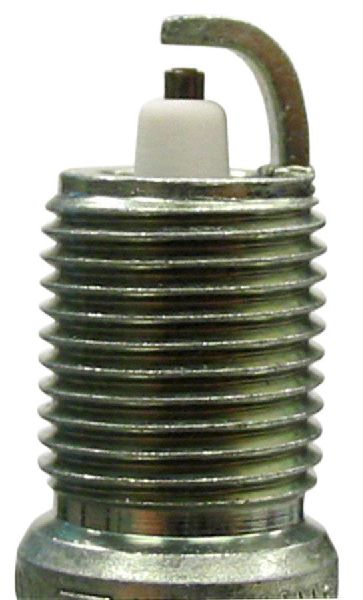
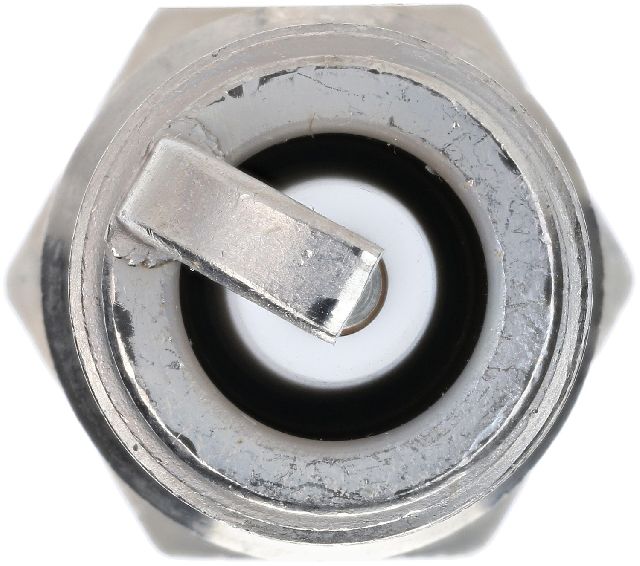
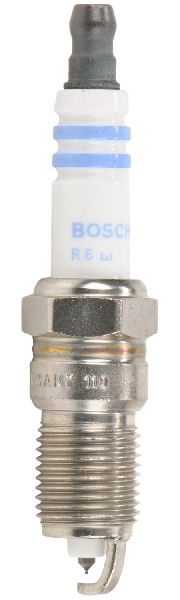
- Worn or Fouled Spark Plug 🔴 High Probability → Shop Spark Plug Spark plugs are a standard wear item. The rear passenger location of cylinder 8 can make it susceptible to heat, but it's primarily a maintenance-related failure.
How to confirm: Remove the spark plug from cylinder 8 (rear passenger side) and inspect it. Look for a worn-down electrode, cracks in the porcelain, or heavy deposits of carbon, oil, or ash. Compare it to a plug from a known good cylinder. The correct spark plug gap is 0.040 inches.
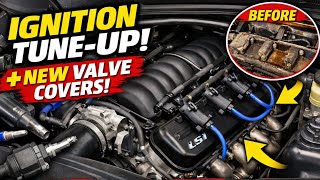
Typical fix: Replace the spark plug. It is best practice to replace all 8 spark plugs at the same time with high-quality Iridium replacements like the specified ACDelco part to ensure even performance. 🎬 Watch: Complete ignition tune-up and spark plug replacement guide.
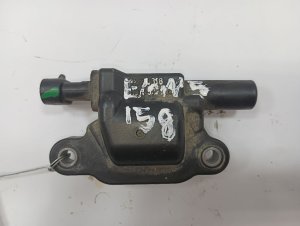
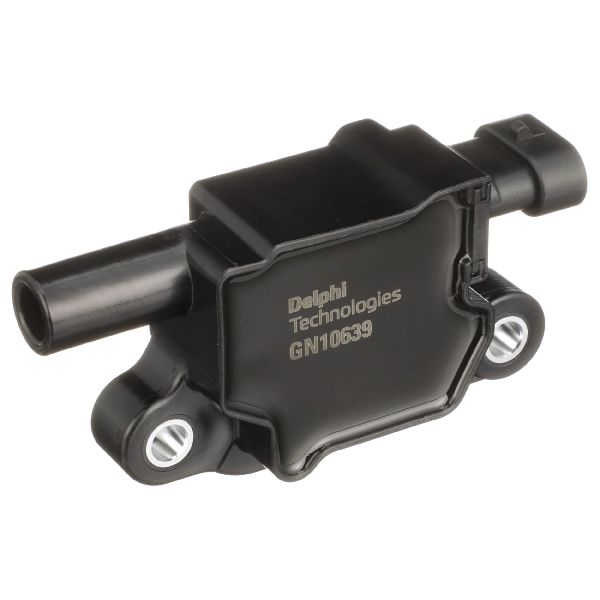
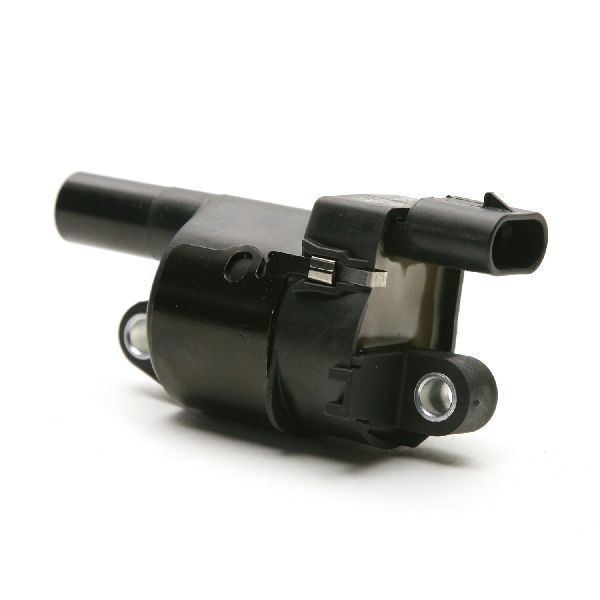
Est. part cost: $8-$15 per plug - Faulty Ignition Coil 🔴 High Probability → Shop Ignition Coil The individual coil-on-plug design means one coil failure only affects one cylinder. Heat and vibration can cause them to fail over time. Cylinder 8's position at the rear of the engine bay may expose its coil to slightly higher ambient temperatures.
How to confirm: Swap the ignition coil from cylinder 8 with an adjacent cylinder (e.g., cylinder 6). Clear the codes and drive the vehicle. If the misfire code changes to P0306, the coil is bad. This is the most common and effective diagnostic step.
Typical fix: Replace the faulty ignition coil. Using an OEM brand like ACDelco is recommended for reliability and correct performance, as they are designed with pure copper windings and corrosion-resistant laminations.
Est. part cost: $40-$80 - Bad Spark Plug Wire 🟡 Medium Probability → Shop Spark Plug The wire for cylinder 8 is long and routed in a hot area of the engine bay, making it prone to heat degradation, cracking, or developing high resistance over time.
How to confirm: Visually inspect the wire for cracks, burns, or loose connections at the coil and plug. You can also test the wire's resistance with a multimeter; it should be within the manufacturer's specification (typically a few thousand ohms per foot). With the engine running in a dark environment, you may see blue sparks arcing from the wire to a metal part of the engine.
Typical fix: Replace the spark plug wire. It's often recommended to replace the full set of 8 wires to ensure uniform resistance and prevent future failures.
Est. part cost: $50-$100 for a set - Clogged or Faulty Fuel Injector ⚪ Low Probability → Shop Fuel Injector
How to confirm: Use a mechanic's stethoscope or a long screwdriver to listen to the injector on cylinder 8. It should have a consistent, audible clicking sound. Compare it to an adjacent injector. You can also swap injectors between cylinders to see if the misfire follows, though this is more labor-intensive than swapping a coil.
Typical fix: Replace the faulty fuel injector. It's advisable to replace the O-rings on surrounding injectors if the fuel rail is removed.
Est. part cost: $60-$120
Rare But Worth Checking
- Worn Camshaft Lobe / Failed Lifter: → Shop Engine Camshaft This is a significant mechanical issue mentioned in GM TSB #PIP4138R. If basic ignition and fuel system diagnostics do not resolve the P0308 code, this becomes a strong possibility. Symptoms often include a persistent misfire and a distinct 'chirp, squeak, squeal, or tick noise'. Diagnosis requires removing the valve cover to inspect valve movement (checking for a rocker arm with excessive lash or limited travel) and may require further engine disassembly to inspect the lifter and cam lobe directly.
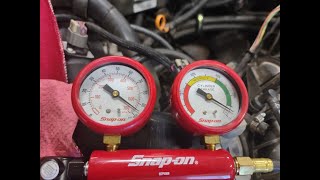
- Low Cylinder Compression: Caused by issues like a bent valve, broken valve spring, worn piston rings, or a damaged head gasket. A broken valve spring is a known, though not frequent, failure on LS engines that can cause a sudden and persistent single-cylinder misfire. A compression test 🎬 See how to identify and replace a broken valve spring. and/or cylinder leak-down test is required to confirm the mechanical health of cylinder 8.
- Intake Manifold Gasket Leak: → Shop Engine Intake Manifold A vacuum leak from a failed intake manifold gasket specifically at the runner for cylinder 8 can lean out the air/fuel mixture enough to cause a misfire isolated to that cylinder. This can sometimes be detected by carefully spraying brake cleaner or starting fluid around the base of the intake runner for cylinder 8 and listening for a change in engine idle speed.
Diagnosis Steps
- Retrieve all stored DTCs with an OBD-II scanner. Note if the Check Engine Light is flashing, which signals a severe misfire.
- Visually inspect the area around cylinder 8 (rear passenger side). Look for loose connectors, damaged wiring, or a disconnected spark plug wire.
- Swap the ignition coil from cylinder 8 to a different cylinder (e.g., cylinder 6). Clear codes, run the engine, and see if the misfire code moves to P0306. If it does, the coil is faulty. This is the quickest and most definitive test for a bad coil.
- If the misfire remains on cylinder 8, remove and inspect the spark plug for wear, damage, or fouling. Ensure the gap is correct (0.040"). Replace as needed.
- Inspect the spark plug wire for any visible damage or loose connections. Test its resistance with a multimeter or swap it with a wire from another cylinder.
- Listen to the fuel injector on cylinder 8 with a stethoscope or long screwdriver. It should click rhythmically. Compare its sound to a neighboring injector.
- Perform a cylinder compression test on cylinder 8 to check for mechanical issues like worn rings or valve sealing problems. Compare the reading to other cylinders for consistency.
- If compression is good but the misfire persists, perform a cylinder leak-down test to pinpoint any potential leaks (valves, rings, head gasket).
- If all ignition and fuel system checks pass, remove the passenger-side valve cover. Inspect the rocker arms for cylinder 8 for proper movement while the engine is manually cranked. A rocker that is not moving as much as the others points towards a collapsed lifter or wiped camshaft lobe, as described in TSB #PIP4138R. 🎬 Watch: How to diagnose a failed lifter or camshaft lobe.
Parts You'll Likely Need
- Ignition Coil
(OEM #D510C)— Ignition coils are a common failure point that can cause a single-cylinder misfire. Swapping them is the easiest way to diagnose the problem. The ACDelco D510C is the specified OE part.
Trusted brands: ACDelco
OEM price range: $50-$90
Aftermarket price range: $30-$60 - Spark Plug
(OEM #41-162)— Spark plugs are a routine maintenance item and a frequent cause of misfires as they wear out or become fouled. The ACDelco 41-162 is the specified Iridium plug for this application.
Trusted brands: ACDelco, NGK
OEM price range: $8-$15
Aftermarket price range: $5-$10 - Spark Plug Wire Set
(OEM #9748RR (ACDelco Professional))— The wires that connect the coil to the spark plug can degrade over time, causing a weak or inconsistent spark, especially the wire for cylinder 8 due to its location and length.
Trusted brands: ACDelco, NGK
OEM price range: $80-$120
Aftermarket price range: $50-$100
Related Codes That Often Appear With This One
- P0300 — If the misfire is intermittent or affects multiple cylinders randomly, a P0300 (Random/Multiple Cylinder Misfire) may be stored alongside P0308. This could point to a more systemic issue like low fuel pressure or a vacuum leak affecting an entire cylinder bank.
Technical Service Bulletins (TSBs) & Recalls
- PIP4138R: Advises checking for a worn camshaft lobe and/or lifter for P0300-P0308 codes if other diagnostics fail. Notes this can be accompanied by a squeak or tick noise.
- PIP5628C: Communicates information needed for diagnosing P0300-P0308 misfire codes, suggesting some cases may be complex and require consultation with GM's Technical Assistance Center (TAC).
Platform-Specific Known Issues
- Per TSB #PIP4138R, if standard diagnostics for a P0308
Mechanic-Grade Diagnostic Values
- Fuel Pressure — expected: Approximately 60 PSI. Failure: Significantly lower pressure can cause lean misfires.
- Fuel Injector Resistance — expected: Approximately 12 Ohms (for high impedance injectors). Failure: A reading significantly higher or lower (e.g., an open or shorted circuit) indicates a faulty injector coil.
- Spark Plug Wire Resistance — expected: Generally 50-300 ohms per foot. Given the short wires on an LS engine, total resistance should be low.. Failure: Extremely high resistance (kilo-ohms) or an open circuit (OL) indicates a bad wire.
- Ignition Coil Primary Resistance — expected: 0.2 to 3.0 Ohms. Failure: A reading outside this range suggests a problem with the coil's primary winding.
- Ignition Coil Secondary Resistance — expected: 5,000 to 15,000 Ohms (5-15 kOhms). Failure: A reading outside this range points to a failure in the secondary winding.
Hidden / Shadow Codes Worth Checking
- Misfire Counters (Current/History): A professional scan tool like the GM Tech 2 can display live and historical misfire counts for each individual cylinder, even if they haven't reached the threshold to set a P030x code. This is invaluable for diagnosing intermittent issues. (see via Connect a GM Tech 2 or equivalent high-level scan tool and navigate to the engine data list for misfires.)
Scan Tool Commands That Help
- GM Tech 2 / HP Tuners VCM Scanner: Crankshaft Position System Variation Learning Procedure (Crank Relearn) — This procedure should be performed after replacing the PCM, crankshaft, crankshaft position sensor, or flywheel to allow the PCM to accurately learn the variations in the crankshaft reluctor wheel, improving misfire detection accuracy.
- GM Tech 2 / High-End Scan Tool: Fuel Injector Balance Test — This test commands each injector to fire for a specific duration and measures the corresponding drop in fuel pressure. A smaller pressure drop for cylinder 8 compared to others would indicate a clogged or failing injector.
- GM Tech 2 / High-End Scan Tool: Cylinder Power Balance — This function disables one cylinder at a time and measures the drop in RPM. A smaller RPM drop when cylinder 8 is disabled indicates it was contributing less power, confirming the misfire location.
Wiring & Ground Locations
- G104 — Front of the engine, near the right (passenger side) valve cover, attached to the engine block.. This is a primary engine ground. A loose or corroded connection here can cause erratic behavior in multiple sensors and actuators, including the ignition system, potentially leading to misfires.
- G102 — In the engine compartment, inside the right (passenger side) front wheel well.. This is another critical engine compartment ground point. Poor contact can lead to insufficient grounding for the ignition coils or PCM, causing weak spark and misfires.
- ECM C2, Pin 56 — On the Engine Control Module (ECM), which is located on the left side of the engine compartment.. This is the specific pin for the Ignition Coil 8 Control signal. A technician can probe this wire (typically Brown/White) to check for the command signal from the ECM, helping to isolate a wiring or PCM driver fault.
- Main Engine Harness Ground — A ground point on the engine block, often near the wiring harness itself, sometimes with a blue bolt.. This ground is specifically for the engine harness and is crucial for the proper operation of components controlled by it, including the entire ignition system. It must be tight and free of corrosion.
Real Owner Repair Stories
- ls1gto.com forum user (2006 Pontiac GTO) — Car started running rough, Check Engine Light came on with code P0308.
❌ Tried (didn't work) Replaced spark plug on cylinder 8, Swapped ignition coil from cylinder 8 to cylinder 6 (misfire stayed on 8), Replaced spark plug wire on cylinder 8
✅ What actually fixed it A broken valve spring on cylinder 8 was the cause. The owner confirmed this after removing the valve cover and finding the broken spring. - ls1tech.com forum user (1998 Camaro SS (LS1 engine, similar architecture)) — P0308 misfire code after installing new lifters, pushrods, gaskets, plugs, and wires.
❌ Tried (didn't work) Checking fuel trims (which indicated an ignition misfire)
✅ What actually fixed it The O-ring on the fuel injector for cylinder 8 was not seated correctly during an intake manifold swap, causing a fuel leak/pressure issue at that cylinder. Reseating the injector O-ring resolved the code.
When the Usual Fixes Don't Work
- While component swaps of the coil, plug, and wire are the standard first steps, forum records show that for the LS2 engine, a persistent P0308 that does not move with these swaps should lead a technician to quickly suspect a mechanical valvetrain issue. A real-world repair case confirmed a broken valve spring was the culprit after all ignition components were verified as good. This aligns with the TSB mentioning worn camshafts and lifters, suggesting the valvetrain is a notable weak point for this specific misfire code beyond the usual suspects.
Helpful Videos
Used OEM Parts in Stock
New Aftermarket Parts Available

The information in this article is provided for general reference and educational purposes only. Vehicle specifications, procedures, and part compatibility can vary by production date, trim level, and region. Always consult your vehicle's factory service manual and verify part numbers before purchasing or performing repairs. Safety-critical components such as airbags, seat belts, and braking systems should be installed by a qualified professional.
- Pontiac GTO:
- 🧭 Diagnostic Flowchart
- 🎬 Helpful Videos
- 🛍️ Shop This Part
- What's Unique About the 2006-2006 Pontiac GTO
- Symptoms You May Notice
- Most Likely Causes
- Rare But Worth Checking
- Diagnosis Steps
- Parts You'll Likely Need
- Related Codes That Often Appear With This One
- Technical Service Bulletins (TSBs) & Recalls
- Platform-Specific Known Issues
- Mechanic-Grade Diagnostic Values
- Hidden / Shadow Codes Worth Checking
- Scan Tool Commands That Help
- Wiring & Ground Locations
- Real Owner Repair Stories
- When the Usual Fixes Don't Work
- 🎟️ Get 5% Off