

P0316 on 2013-2018 Ford Focus ST: Startup Misfire Causes and Fixes
On a 2015-2018 Focus ST, P0316 is most often caused by a software issue fixed by a dealer PCM update per TSB 18-2093. If that doesn't apply, the next most likely cause is worn spark plugs. Plugs are a cheap and easy DIY fix, costing around $40-$60 for a set of high-quality replacements. Unlike other 2.0L EcoBoost platforms where this code often signals a cracked engine block, on the ST it is usually a less severe ignition or software-related fault.
- For 2015-2018 models, first check if TSB 18-2093 (a software update) has been performed, especially for cold-start misfires.
- The most common hardware cause is worn or incorrectly gapped spark plugs. The 2.0L EcoBoost is sensitive to plug condition.
- If code P1450 is also present, the canister purge valve is the likely culprit.
- If you have a cylinder-specific code (e.g., P0304), swap the ignition coil for that cylinder to a different one to easily diagnose a bad coil.
What's Unique About the 2013-2018 Ford Focus ST
For the 2015-2018 Focus ST specifically, this code has a well-documented history tied to cold starts. Ford acknowledged a calibration issue where misfires (P0316 and P0300) would be incorrectly detected when the engine coolant temperature was below 120°F (49°C). This led to Technical Service Bulletin 18-2093, which directs dealers to reprogram the PCM and inspect the spark plugs. This makes a software check a unique and critical first step for these cars, unlike most other vehicles where you would immediately suspect hardware like spark plugs or coils. It also distinguishes the ST from its platform mates (Edge, Escape, Fusion) where P0316 is a strong indicator of a much more serious coolant intrusion problem from a cracked engine block. A less common but notable cause on the direct-injected ST engine is heavy carbon buildup on the intake valves, which can disrupt airflow and cause misfires, particularly on cold starts before the engine is fully warmed up.
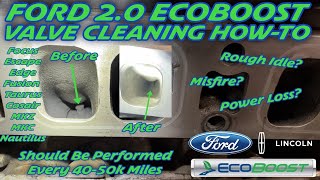
🎬 See how to clean carbon buildup on your intake valvesSymptoms You May Notice
- Check Engine Light (MIL) is on or flashing
- Rough idle, especially on a cold start
- Hesitation or stumbling during acceleration
- Reduced engine performance and power
- Decrease in fuel economy
- Audible 'pop' from the exhaust during misfire events.
- A sensation of roughness that feels like an unbalanced tire during highway driving.
- Replacing ignition coils or fuel injectors before checking for the PCM update (TSB 18-2093) on 2015-2018 models with cold-start-only misfires.
- Replacing the crankshaft position sensor without first thoroughly diagnosing the ignition and fuel systems.
- Assuming a P0316 on a Focus ST means a cracked block, as is common on its platform mates; on the ST, this is a rare cause.
Most Likely Causes
- PCM Software/Calibration Needs Update (2015-2018 models) 🔴 High Probability Ford issued TSB 18-2093 specifically for 2015-2018 Focus ST models to address false P0316 and P0300 codes on cold starts (engine coolant temp below 120°F/49°C). This was a widespread issue before the TSB was released.
How to confirm: Contact a Ford dealership with your VIN and ask if TSB 18-2093 has been performed. This is the primary fix if the code only appears on cold starts and you have a 2015-2018 model.
Typical fix: A Ford dealer reprograms the Powertrain Control Module (PCM) to the latest calibration. The TSB also includes inspecting the spark plugs, ensuring they are Motorcraft CYFS-12-YEC, and gapping them to 1.0 mm (0.040 in).
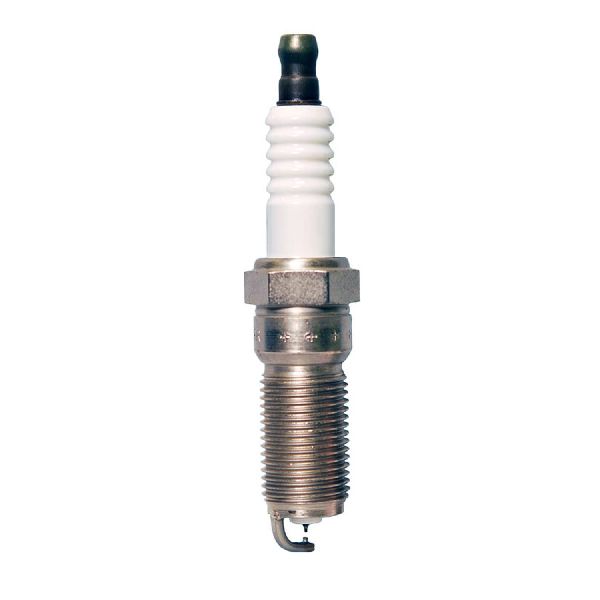
Est. part cost: $0 (if under warranty) or ~$100-$200 for dealer labor - Worn or Incorrectly Gapped Spark Plugs 🔴 High Probability → Shop Spark Plug The turbocharged, direct-injection 2.0L EcoBoost engine is notoriously hard on spark plugs. The high cylinder pressure can 'blow out' the spark if the gap is too large from wear. While Ford's official interval is long, many owners replace them preventatively every 15,000-30,000 miles to maintain performance. A manufacturer service bulletin, TSB 23-2011, notes that water build-up in the spark plug wells can lead to corrosion on ignition components, triggering P0316 and P0300-P0304 codes.
How to confirm: Remove and inspect the spark plugs. Look for worn electrodes, carbon fouling, or an incorrect gap. The stock gap specified in TSB 18-2093 is 1.0 mm (0.040 in). Tuned cars often require a tighter gap, around 0.026 in, and may use a 'one step colder' plug like the NGK 6510 (LTR7IX-11). 🎬 Watch this video to learn how to install new spark plugs
Typical fix: Replace all four spark plugs with new, correctly gapped ones. Use OEM Motorcraft or equivalent high-quality plugs. Torque to approximately 9-11 ft-lbs (108-132 in-lbs); over-tightening can damage the cylinder head.
Est. part cost: $40-$70 - Faulty Ignition Coil(s) 🟡 Medium Probability → Shop Ignition Coil Coil-on-plug systems are a common failure point on modern engines. Heat and vibration can cause them to fail over time, leading to a weak or non-existent spark. Sometimes oil from a leaking valve cover gasket can foul the coil boot and plug well, causing misfires. NHTSA ODI #11608497 describes a case where a vehicle ran roughly with a blinking light and codes P0316 and P0302; despite swapping coils, the misfire remained on the specific cylinder, indicating deeper diagnostic needs.
How to confirm: If you have a cylinder-specific code (like P0301), swap the ignition coil from the misfiring cylinder to a known good cylinder. Clear the codes and see if the misfire code follows the coil (e.g., changes to P0302). If it does, the coil is bad.
Typical fix: Replace the faulty ignition coil. The OEM part number is CM5Z-12029-A. It is often recommended to replace them as a set if they are original and high-mileage.
Est. part cost: $50-$100 per coil - Sticking Canister Purge Valve 🟡 Medium Probability This is a very common failure on this platform, leading to Ford issuing recall 18S32 (NHTSA 18V735). A valve stuck open creates a vacuum leak, upsetting the air/fuel mixture and causing a rough idle and startup misfires. NHTSA ODI #11467127 reports a diagnosis of P0300, P0316, and P1450 where a sticking canister purge valve was identified as the culprit.
How to confirm: This issue often appears with code P1450 ('Unable to Bleed Up Fuel Tank Vacuum'). You can test the valve by removing it and trying to blow through it; if air passes, it's stuck open and faulty. The recall procedure involves a PCM update to better detect the fault, and replacement of the valve if it has failed.
Typical fix: Replace the canister purge valve assembly (OEM Part Number CV6Z-9C915-A). 🎬 Watch this step-by-step purge valve replacement guide Check if your vehicle is covered under recall 18S32 for a free replacement, though some owners report dealers only perform the software update unless the part has definitively failed.
Est. part cost: $50-$80
Rare But Worth Checking
- Low Fuel Pressure or Faulty Injectors: While less common than ignition issues, problems with fuel delivery can cause startup misfires. This could be from a weak high-pressure fuel pump or, more likely on a GDI engine, carbon-fouled injectors. Some owners try a fuel injector cleaner as a first step.
- Crankshaft Position Sensor (CKP) Failure: The PCM relies on the CKP sensor to detect misfires. A faulty sensor can send erratic signals, causing the PCM to incorrectly report a misfire, though this is far less common than actual ignition or fuel-related misfires.
- Coolant Intrusion into Cylinder: While a critical and common issue on other 2.0L EcoBoost engines (Escape, Edge, Fusion) where it's caused by a cracked block, it is much less documented on the Focus ST's specific engine variant. However, if P0316 is accompanied by unexplained coolant loss and white exhaust smoke, it could indicate a cracked head or failed head gasket. TSB 22-2322 notes that coolant intrusion into the cylinder can cause a rough run condition with codes P0300, P0316, and P0301-P0304. Furthermore, NHTSA ODI #11559329 describes an owner experiencing coolant loss, white smoke from the exhaust, and a P0316 code, requiring frequent coolant refills.
Diagnosis Steps
- Scan for Codes: Use an OBD-II scanner to read all codes. Note if P0316 is alone or with cylinder-specific (P030x) or EVAP (P1450) codes. Check freeze frame data to see the engine temperature when the code was set.
- Check for TSBs (2015-2018 models): If the misfire only occurs on cold starts (coolant temp below 120°F/49°C) and you have a 2015-2018 ST, contact a Ford dealer with your VIN about TSB 18-2093 before proceeding.
- Inspect Spark Plugs: Remove all four spark plugs. Check for wear, damage, and correct gap. For a stock car, the gap should be 1.0mm (0.040"). Replace if they are worn, fouled, or have more than 20,000-30,000 miles on them. This is the most common hardware fix.
- Test Ignition Coils: If a specific cylinder code is present (e.g., P0302), swap the ignition coil from that cylinder with another (e.g., cylinder 3). Clear codes. If the code returns as P0303, the coil is bad and needs replacement.
- Check Canister Purge Valve: If code P1450 is present, or if you have a rough idle after refueling, inspect the purge valve. Check if Recall 18S32 is open for your VIN. You can test the valve by disconnecting it and trying to blow through it. If air passes, it's stuck open and must be replaced.
- Further Investigation: If the steps above do not resolve the issue, investigate less common causes like fuel pressure, clogged fuel injectors, or a potential vacuum leak from other sources.
Parts You'll Likely Need
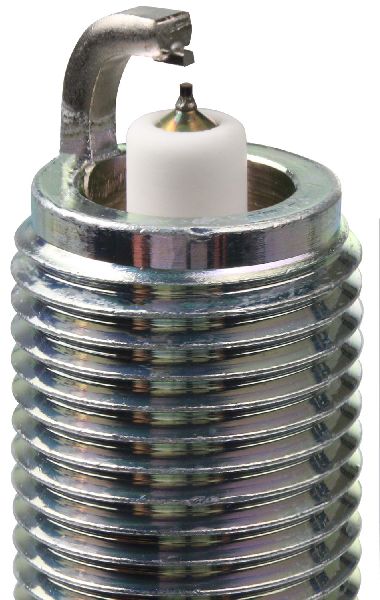
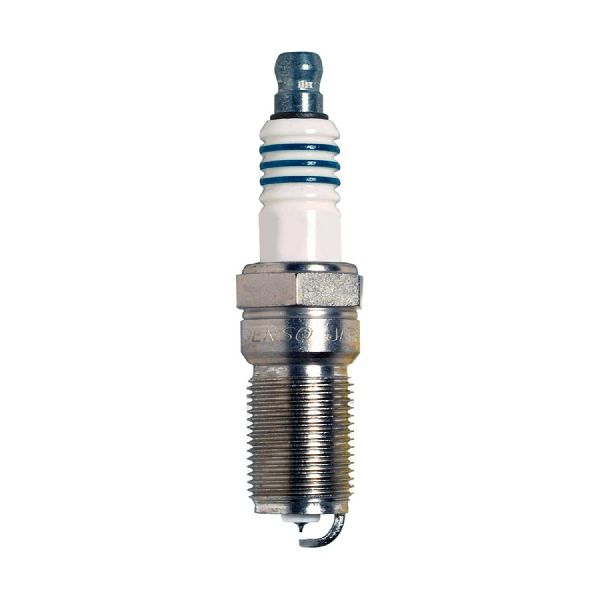
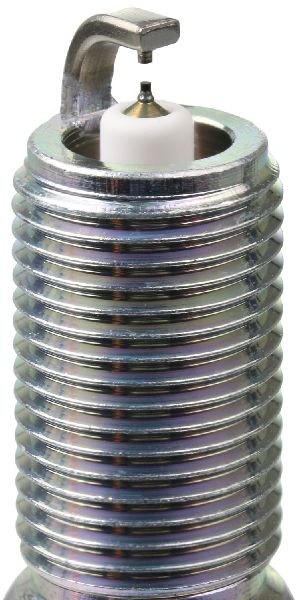
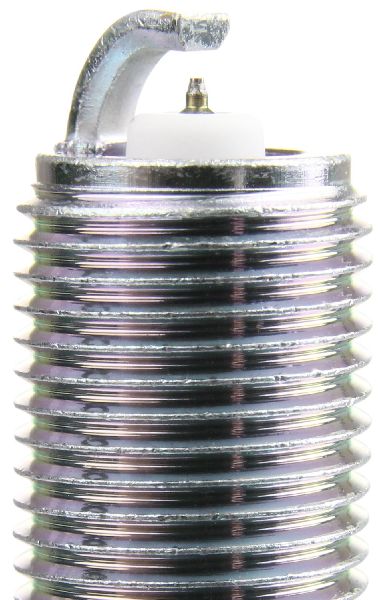
- Spark Plugs
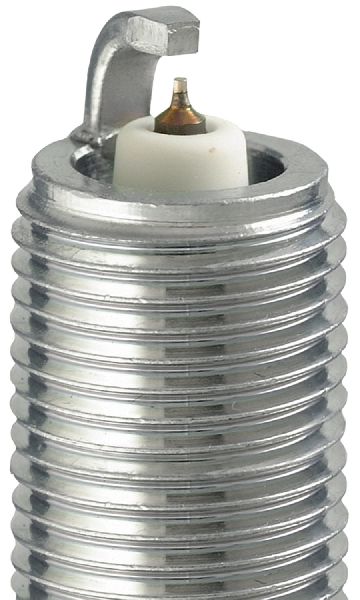
(OEM #CYFS-12-YEC (Motorcraft SP-525))— The 2.0L EcoBoost engine wears out spark plugs relatively quickly. They are the most common hardware component to fail and cause a P0316 misfire.
Trusted brands: Motorcraft, NGK
OEM price range: $50-$70
Aftermarket price range: $40-$60
Related Codes That Often Appear With This One
- P0300 — P0316 specifies the misfire happened at startup, while P0300 indicates the misfire is random or affecting multiple cylinders. They often appear together, especially with the TSB-related software issue.
- P0301, P0302, P0303, P0304 — These codes pinpoint the exact cylinder that is misfiring (e.g., P0301 for Cylinder 1). This is very helpful for diagnosis, pointing you directly to a specific spark plug, coil, or injector.
- P1450 — This code for 'Unable to Bleed Up Fuel Tank Vacuum' strongly points to a failing canister purge valve, a very common cause of startup misfires and rough idle on this car.
Technical Service Bulletins (TSBs) & Recalls
- TSB 18-2093: Addresses false P0316/P0300 codes on cold starts for 2015-2018 models by reprogramming the PCM and inspecting/gapping spark plugs.
- Recall 18S32 (NHTSA 18V735): Addresses a faulty canister purge valve that can cause excessive vacuum, deforming the fuel tank and potentially causing stalls. The fix involves a PCM reprogram and, if necessary, replacement of the CPV and other fuel system components.
- TSB 23-2011: Notes that P0316 and associated misfire codes may be caused by water build-up in spark plug wells leading to corrosion.
- TSB 22-2322: Identifies coolant intrusion into the cylinder as a cause for rough running and P0316/P0300-P0304 codes.
Platform-Specific Known Issues
- A PCM calibration issue on 2015-2018 models can cause false P0316/P0300 codes on cold starts, addressed by TSB 18-2093.
- The canister purge valve is a known high-failure part, leading to recall 18S32.
- Coolant intrusion into the cylinders is a documented cause for startup misfires (P0316) on related Ford 2.0L engines, as noted in TSB 22-2322.
Mechanic-Grade Diagnostic Values
- Crankshaft Position Sensor (CKP) Resistance — expected: 200 to 1000 Ohms (general spec for 2-wire sensors). Failure: A reading of zero ohms indicates a short circuit; an infinite or open-loop reading indicates a failed sensor or wiring.
- Crankshaft Position Sensor (CKP) AC Voltage Output — expected: Fluctuating AC voltage (e.g., 100-200+ millivolts) when a metallic object is passed over the sensor tip or when the engine is cranking.. Failure: No AC voltage generated indicates a failed sensor.
- High-Pressure Fuel Sensor Torque Spec — expected: 56 inch-pounds. Failure: N/A - This is an installation specification to prevent leaks or damage.
- Low-Side Fuel Pressure — expected: The factory low-pressure pump is generally sufficient up to around 500-550 horsepower before needing an upgrade.. Failure: Consistently low pressure readings under load, potentially accompanied by other fuel pressure codes, could indicate a failing in-tank pump.
- Scan Tool RPM Reading During Cranking — expected: 100 to 500 RPM. Failure: A reading of zero RPM while the engine is cranking points to a completely failed crankshaft position sensor.
Hidden / Shadow Codes Worth Checking
- Mode $06, TID $53: This Test ID within Mode $06 tracks the misfire count per cylinder. Even if no P030x code is set, viewing this data can reveal which cylinder is accumulating misfires. The Component ID (CID) corresponds to the cylinder number (e.g., CID $01 is cylinder 1). (see via A scan tool capable of displaying Mode $06 data, such as FORScan, BlueDriver, or professional-grade scanners.)
- P0315: Crankshaft Position System Variation Not Learned. This code often appears with P0316 if the 'Misfire Monitor Profile' has been lost or corrupted, for instance, after a battery disconnect or PCM replacement. Its presence is a strong indicator that the 'Misfire Monitor Neutral Profile Correction' procedure is required. (see via Standard OBD-II scan tool.)
Scan Tool Commands That Help
- Ford IDS, FORScan, high-end Snap-on/Autel: Misfire Monitor Neutral Profile Correction — This procedure forces the PCM to relearn the profile of the crankshaft reluctor wheel. It is mandatory after replacing the PCM, crankshaft sensor, flywheel, or after significant engine repairs. It can also resolve a persistent P0316 code when no physical fault is found, especially if code P0315 is also present.
- Ford IDS, FORScan: Power Balance Test — This is a bidirectional test that allows a technician to disable one cylinder at a time to observe the corresponding drop in RPM. If disabling a cylinder causes little or no change in RPM, that cylinder is the one misfiring. This is extremely useful for confirming a misfire on a specific cylinder when only a P0316 or P0300 is present.
Wiring & Ground Locations
- Fuse F56 (Passenger Compartment Fuse Panel) — Located in the fuse panel underneath the glove box. It is a 20-amp fuse, typically at the very top of the panel.. This is the fuse for the fuel pump supply. Pulling this fuse and attempting to start the engine will relieve fuel pressure, which is a necessary safety step before replacing fuel system components like the high or low-pressure fuel sensors.
- Ignition Coil Connector — On top of the valve cover, plugging directly into each of the four ignition coils.. This is a 3-pin connector. One pin is for power supply, one is ground, and the third is the trigger signal from the PCM. Verifying power and ground at this connector is a key step in diagnosing a coil-related misfire.
- High-Pressure Fuel Sensor Connector — Mounted on the high-pressure fuel rail, visible at the front of the engine.. This 3-pin sensor provides critical fuel pressure data to the PCM. A faulty sensor or connection can lead to incorrect fueling and misfires. The connector has a squeeze-tab for release.
Real Owner Repair Stories
- Reddit user on r/FocusST (High-mileage Focus ST (336k miles)) — Car choking/going into limp mode, loss of power, poor MPG.
❌ Tried (didn't work) Not specified, but the issue persisted for a long time.
✅ What actually fixed it A thorough manual cleaning of the intake valves, which were heavily caked in carbon. The user soaked the valves in carb cleaner overnight and used brushes to scrub them clean. The fix resulted in a 'night and day difference in performance'. - Reddit user on r/FocusST (2016 Focus ST, Stratified tuned, 60k miles) — P0300 and P0316 codes with Check Engine Light.
❌ Tried (didn't work) Replacing spark plugs with one-step-colder plugs gapped to 0.026". The codes returned three days later.
✅ What actually fixed it The community strongly suggested replacing the ignition coils as the next logical step after plugs failed to resolve the issue. Another user with the same codes confirmed that replacing the coils and a leaking valve cover gasket fixed their issue. - YouTube video (Cameron's 2018 Focus ST) (2018 Focus ST) — Low fuel pressure codes, hard negative timing corrections under low throttle.
❌ Tried (didn't work) Initial diagnosis pointed towards the high-pressure fuel pump.
✅ What actually fixed it Replacing the fuel pressure sensor on the rail resolved the issue. The car began running properly after just the sensor was replaced, even before a planned fuel pump replacement.
When the Usual Fixes Don't Work
- While the TSB for a PCM update is a very common fix for 2015-2018 models, there are numerous owner reports where the TSB was performed, but the P0316 code returned. In these cases, the root cause was often found to be either worn spark plugs that were not replaced during the TSB service, or significant carbon buildup on the intake valves which the software update cannot compensate for. This highlights the importance of treating the TSB as the first step, not the only step, and still performing a full hardware diagnosis if the problem persists.
OEM Part Supersession History
CV6Z-9C915-A→The part number itself has remained stable, but it is critical to ensure the replacement part is a genuine Ford/Motorcraft component or a high-quality equivalent, as cheap aftermarket versions are known to fail quickly.— N/A
Model Year Variations Within This Range
- 2015-2018: These model years are specifically covered by TSB 18-2093 for a PCM calibration update to fix false cold-start misfires. This is the primary diagnostic step for these years if the misfire is only on a cold start.
- 2013-2014: These earlier models are not covered by the cold-start misfire TSB. Therefore, a P0316 code on these cars is more likely to be caused by a traditional hardware fault like spark plugs, coils, or the purge valve, rather than a software glitch.
Diagnostic Flowchart
Other Known Issues on This Vehicle
Issues unrelated to this code that are worth knowing about as an owner of this generation:
- Canister Purge Valve (CPV) Failure 🟠 Medium — Extremely common. Can fail at various mileages. Symptoms include rough idle after refueling, erratic fuel gauge, and engine stalling. (Ref: Recall 18S32 / NHTSA 18V735)
- Intake Valve Carbon Buildup 🟠 Medium — An inherent issue for all GDI engines. Performance degradation can be noticed after 50,000-60,000 miles. Requires manual cleaning (walnut blasting).
- Low-Speed Pre-Ignition (LSPI) 🔴 High — A risk for all small displacement, turbocharged GDI engines. Avoided by not applying heavy throttle at low RPM in high gears (lugging the engine). Using API SN Plus or newer oil is critical for prevention.
- Weak Rear Motor Mount (RMM) 🟡 Low — The soft factory mount allows significant engine movement, causing a loud bang or clunk during aggressive 1-2 shifts. Often replaced with a stiffer aftermarket unit.
- Manual Transmission Synchronizer Failure 🟠 Medium — Less common, but a known weakness in the Getrag 6-speed manual. Tabs on the synchros can break, potentially causing shifting issues or transmission damage.
- Wiring Loom Fault (Pre-facelift models) 🟠 Medium — On pre-2015 cars, a faulty wiring loom could cause fluctuating revs or stalling. This prompted a recall in the US and warranty repairs in other regions. (Ref: US Recall)
Used vs. New Parts: Buying Guide for This Vehicle
When a used part is the smart pick: For this repair, using used parts is generally not recommended. The primary culprits (spark plugs, ignition coils, purge valve, sensors) are wear items or electronic components with a finite lifespan. The cost savings from a junkyard part are minimal compared to the risk of the used part failing soon after installation.
Donor-vehicle mileage cap: roughly under 40000 miles for the part to have meaningful remaining life.
What to inspect on the donor part:
- If sourcing an ignition coil, check for cracks in the plastic housing or corrosion on the electrical pins.
- For a purge valve, ensure there is no visible damage to the housing or connectors.
- Avoid any electronic sensor that shows signs of water intrusion or physical damage.
OEM-only on this vehicle (don't cheap out):
- Canister Purge Valve: While aftermarket options exist, the OEM Motorcraft part (CV6Z-9C915-A) is highly recommended due to the high failure rate of cheaper alternatives.
- Fuel Pressure Sensors: Given their critical role in the direct injection system, using OEM Motorcraft sensors is the safest choice to ensure accurate readings and prevent further diagnostic headaches.
Aftermarket brands forum-validated for this vehicle:
- NGK: A widely accepted and recommended brand for spark plugs, especially 'one step colder' plugs (e.g., 6510 / LTR7IX-11) for tuned vehicles.
Brands owners have reported issues with on this vehicle:
- Unbranded/white-box ignition coils and sensors from online marketplaces. Owners frequently report premature failure with these parts, leading to repeat repairs.
Real Owner Stories
Aggregated from forums and TSBs cited above. Mileages and costs reflect what owners reported in those sources.
2016 Ford Focus ST 2.0L
Symptoms: Check engine light with codes P0300 and P0316; owner expressed frustration with cold start misfire codes before a formal fix was widely known.
What fixed it: Ford eventually issued TSB 18-2093 to reprogram the PCM and inspect/gap spark plugs.
Source hint: https://www.reddit.com/r/FocusST/comments/5a8x4g/p0300p0316_ford_doesnt_have_a_fix/
2013-2018 Ford Focus ST 2.0L
Symptoms: Misfire codes P0300, P0301, P0304, and P0316.
What fixed it: Replacing ignition coils and a valve cover gasket that was leaking oil into the spark plug wells.
Source hint: https://www.reddit.com/r/FocusST/comments/c85jbu/fix_for_p0300_p03014_and_p0316/
2016 Ford Focus ST 2.0L (Stratified Tuned)
Symptoms: Throwing codes P0300 and P0316 even after changing spark plugs.
What fixed it: Community members suggested replacing ignition coils as the next logical step.
Source hint: https://www.reddit.com/r/FocusST/comments/98u8nj/2016_fost_stratified_tuned_throwing_codes_p0300/
2013-2018 Ford Focus ST 2.0L
Symptoms: New CEL thrown even after the 18S32 recall was performed; owner reported Ford refused to replace the part.
What fixed it: Replacement of the canister purge valve (CPV) is required if the software update alone does not resolve the vacuum issue.
Source hint: https://www.reddit.com/r/FocusST/comments/e8f9p9/18s32_recall_done_threw_new_cel_ford_wont_replace/
Related OBD-II Codes
Frequently Asked Questions
Does TSB 18-2093 apply to my 2014 Focus ST?
What spark plugs and gap should I use for my stock Focus ST to prevent P0316?
I have a P0316 and a P1450 code; is this covered by a recall?
My Focus ST is tuned and throwing P0316; should I use the standard spark plug gap?
How can I tell if my P0316 is a faulty ignition coil or a software issue?
Is the P0316 code on my Focus ST caused by a cracked engine block like on the Ford Edge?
Helpful Videos

We Have This Part in Stock

The information in this article is provided for general reference and educational purposes only. Vehicle specifications, procedures, and part compatibility can vary by production date, trim level, and region. Always consult your vehicle's factory service manual and verify part numbers before purchasing or performing repairs. Safety-critical components such as airbags, seat belts, and braking systems should be installed by a qualified professional.
- Ford Focus ST:
- 🧭 Diagnostic Flowchart
- 🎬 Helpful Videos
- 🛍️ Shop This Part
- What's Unique About the 2013-2018 Ford Focus ST
- Symptoms You May Notice
- Most Likely Causes
- Rare But Worth Checking
- Diagnosis Steps
- Parts You'll Likely Need
- Related Codes That Often Appear With This One
- Technical Service Bulletins (TSBs) & Recalls
- Platform-Specific Known Issues
- Mechanic-Grade Diagnostic Values
- Hidden / Shadow Codes Worth Checking
- Scan Tool Commands That Help
- Wiring & Ground Locations
- Real Owner Repair Stories
- When the Usual Fixes Don't Work
- OEM Part Supersession History
- Model Year Variations Within This Range
- Other Known Issues on This Vehicle
- Used vs. New Parts: Buying Guide for This Vehicle
- Real Owner Stories
- 2016 Ford Focus ST 2.0L
- 2013-2018 Ford Focus ST 2.0L
- 2016 Ford Focus ST 2.0L (Stratified Tuned)
- 2013-2018 Ford Focus ST 2.0L
- Related OBD-II Codes
- Frequently Asked Questions
- 🎟️ Get 5% Off